







Across the densifying urban expanses of contemporary Asia, metropolitan development has long privileged hyper-efficiency, confining civic existence within sterile and disconnected “Machine Boxes.” With projections indicating that over seventy percent of humankind will inhabit cities by 2050, the estrangement between urban dwellers and the earth grows increasingly severe. In Bangkok, architectural studio HAS design and research—guided by architects Jenchieh Hung and Kulthida Songkittipakdee—addresses this environmental disjunction through Mega Hill and Common Earth. Initiated under the auspices of The Association of Siamese Architects under Royal Patronage for a major exposition, the 2026 work articulates both a physical intervention and an ecological critique.
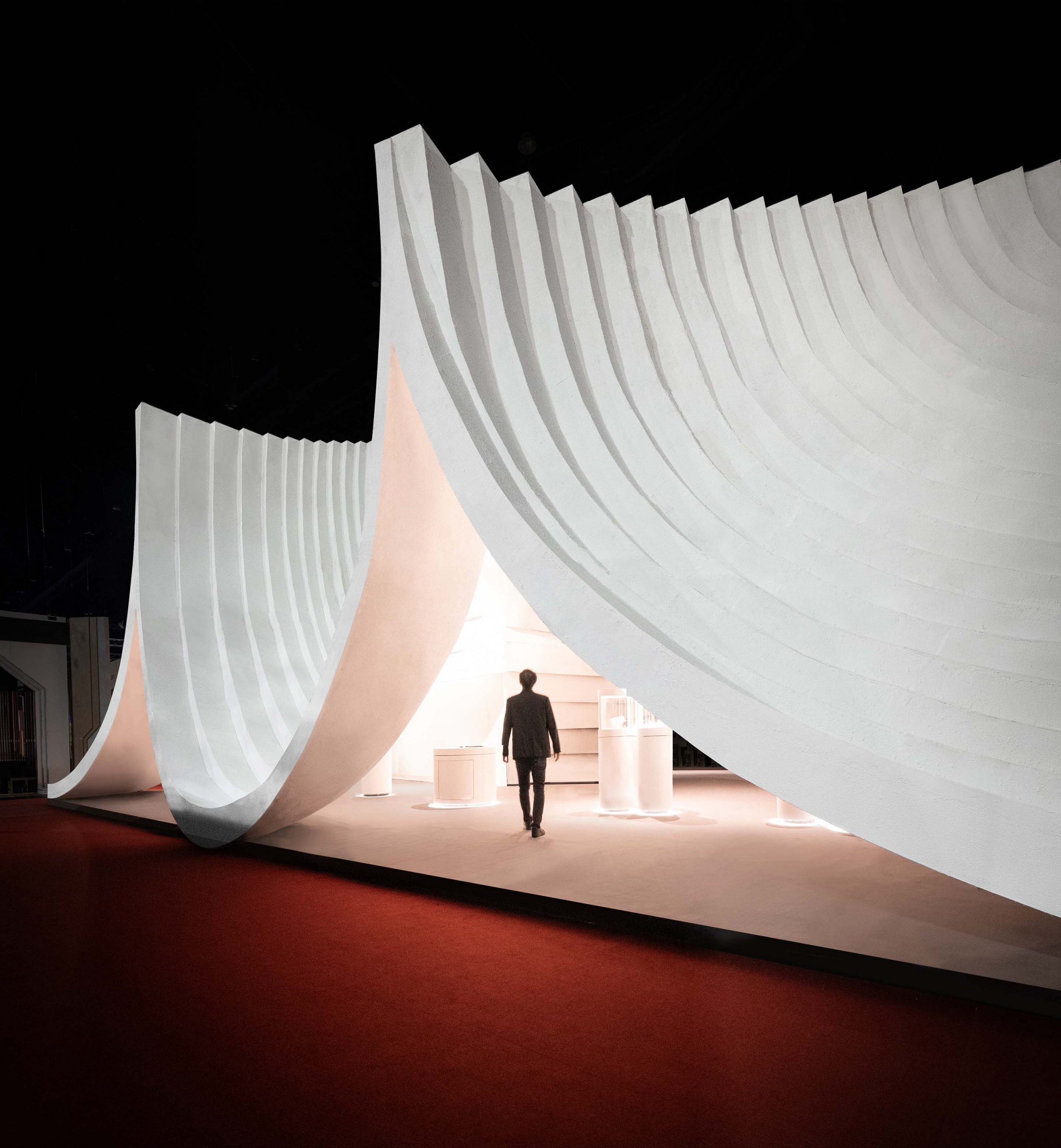
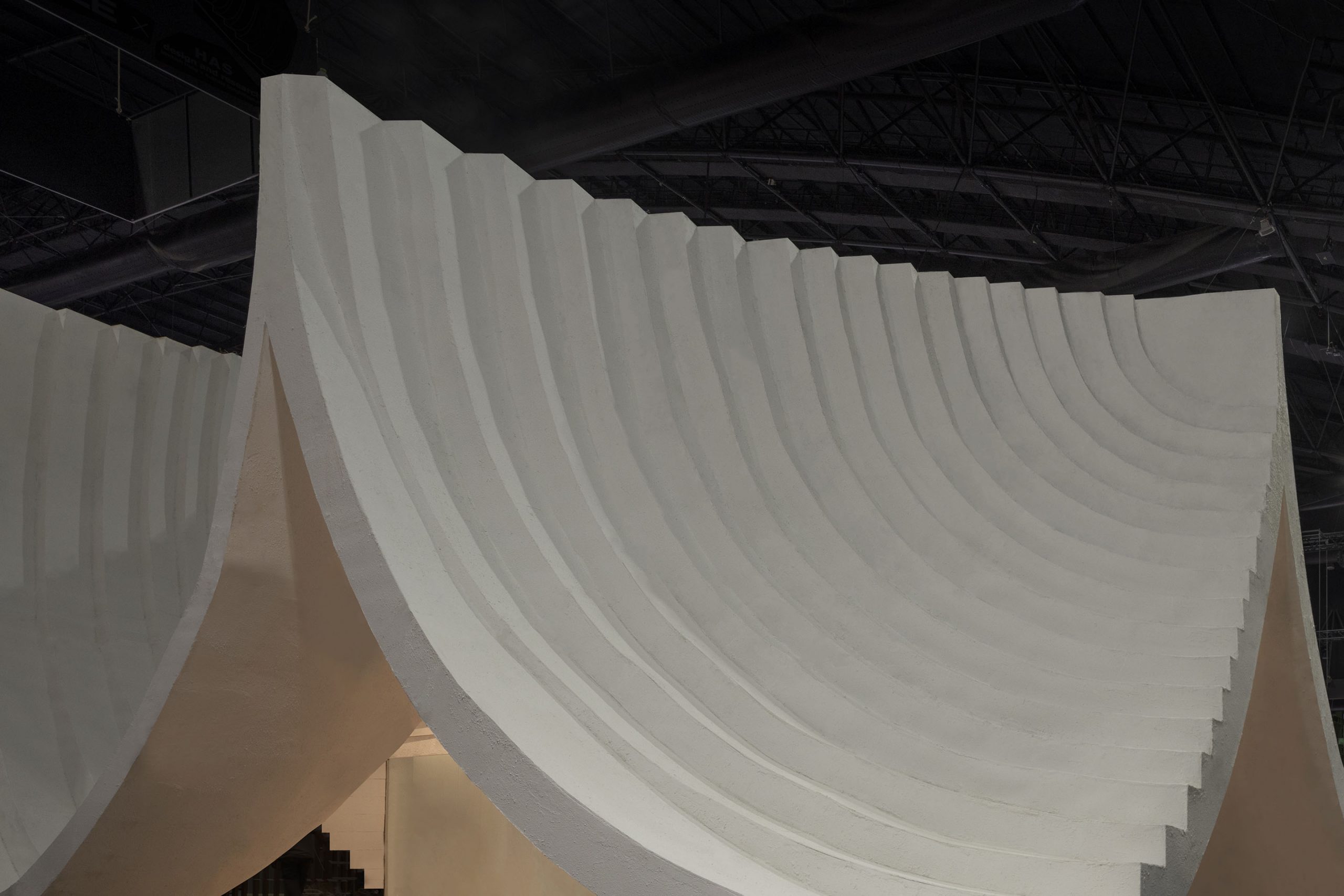
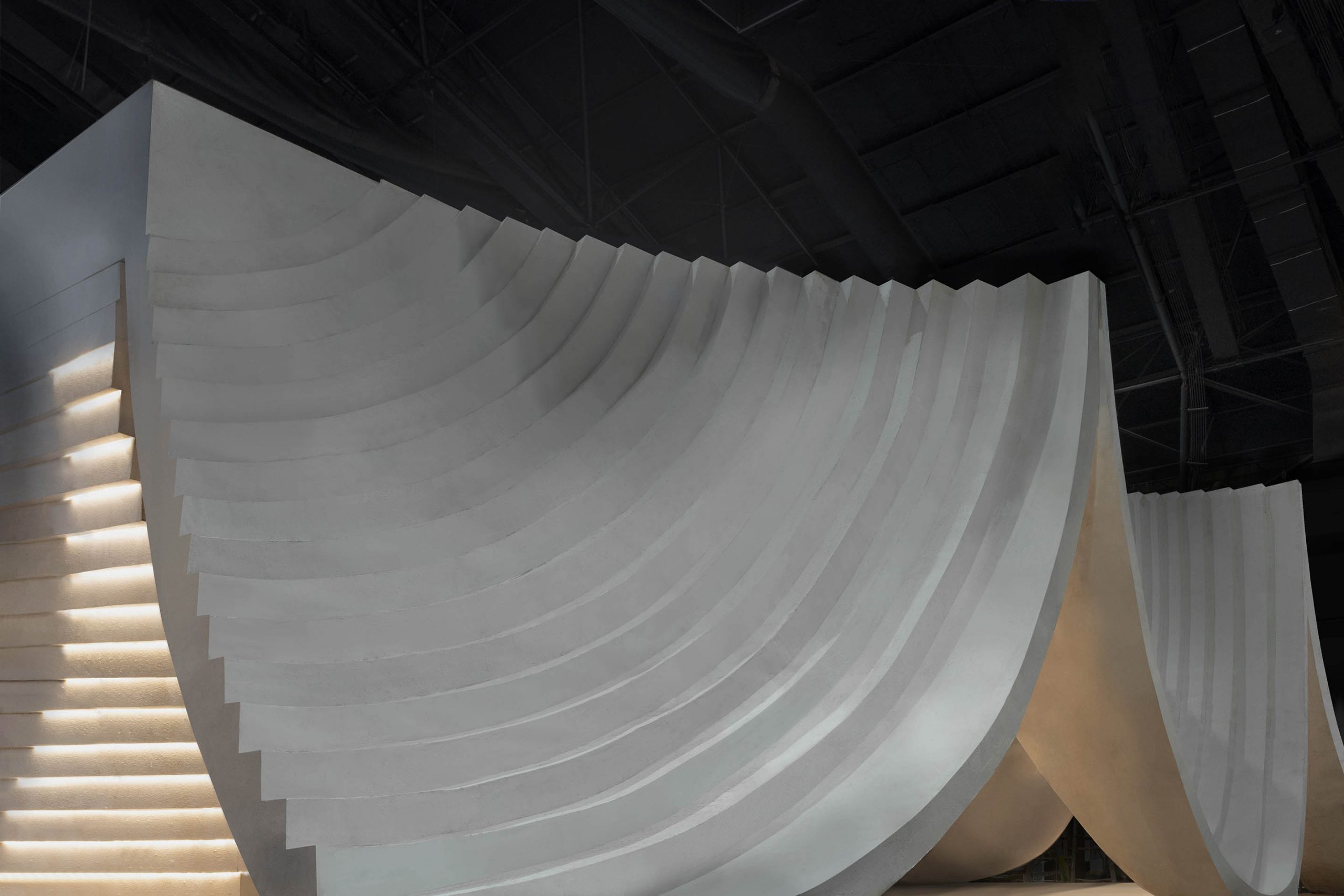
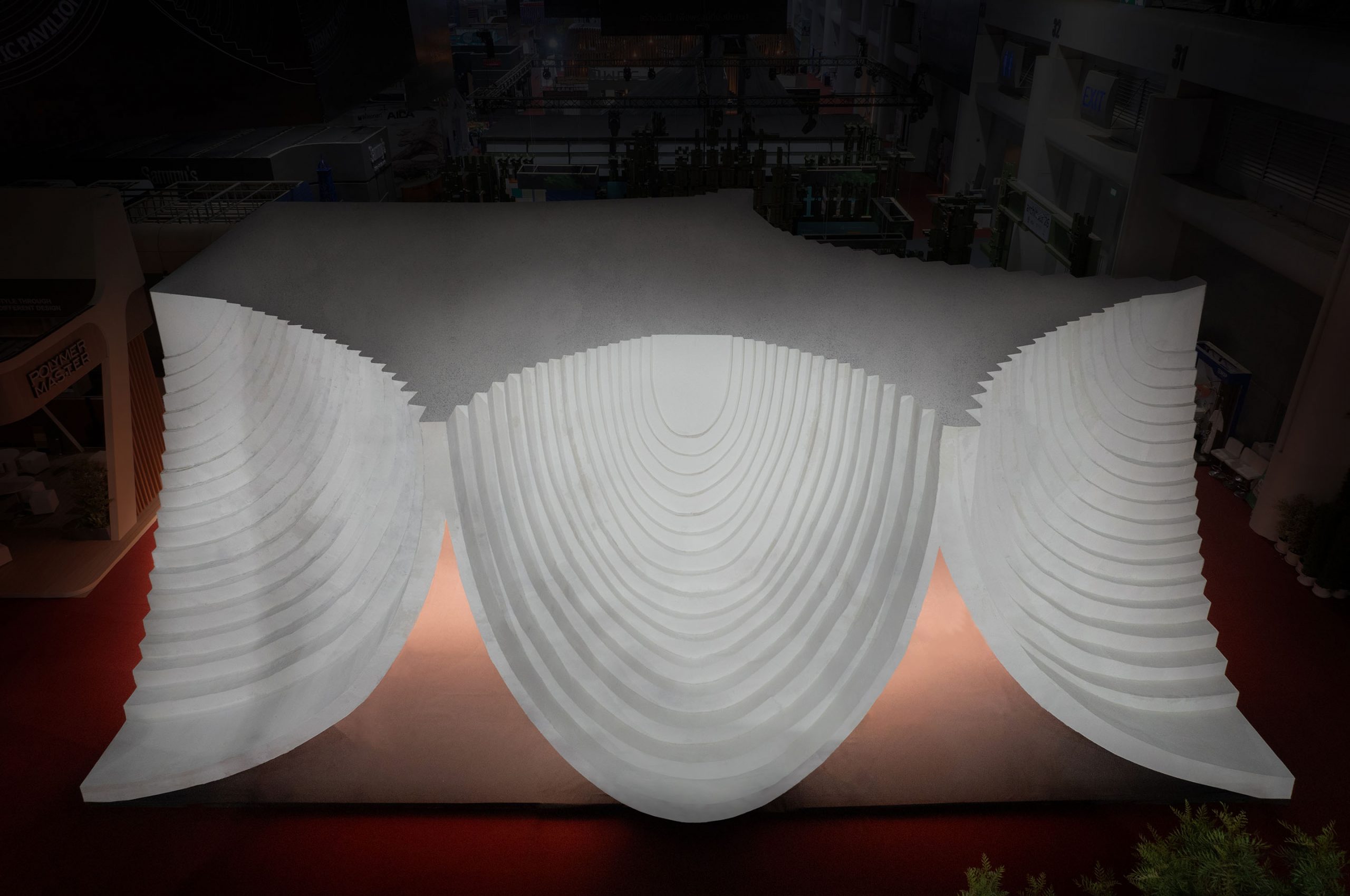
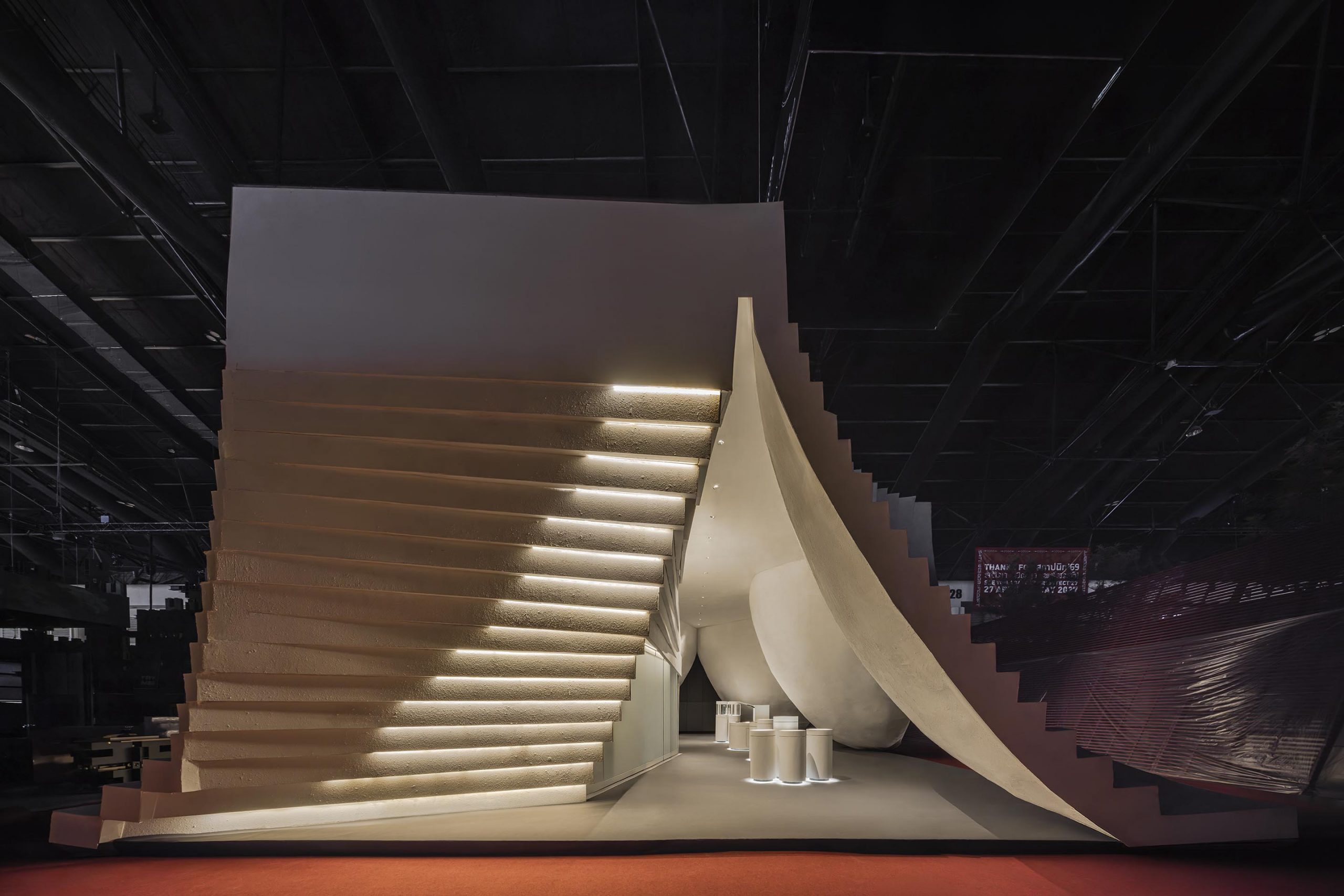
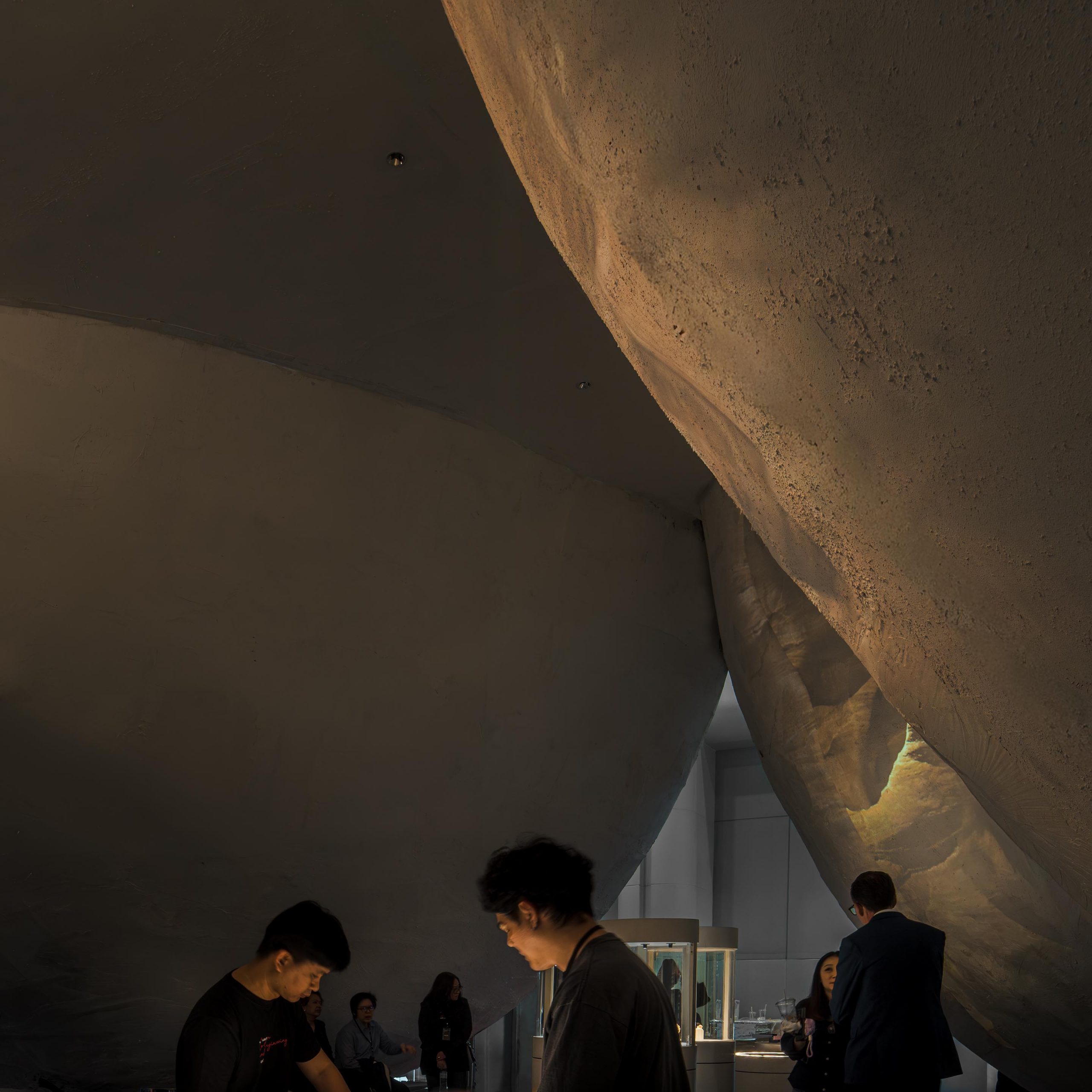
Refusing the tropes of an insular exhibition pavilion or a static corporate monument, the design destabilizes the threshold separating constructed form from open topography. Evoking primordial strata, cavernous voids, and the patient poetry of erosion, the pavilion rises as a sculpted terrain anchored by five massive, rock-inspired structural anchors. Clad in tactile, locally sourced Thai earth, the envelope operates as a porous environmental interface.
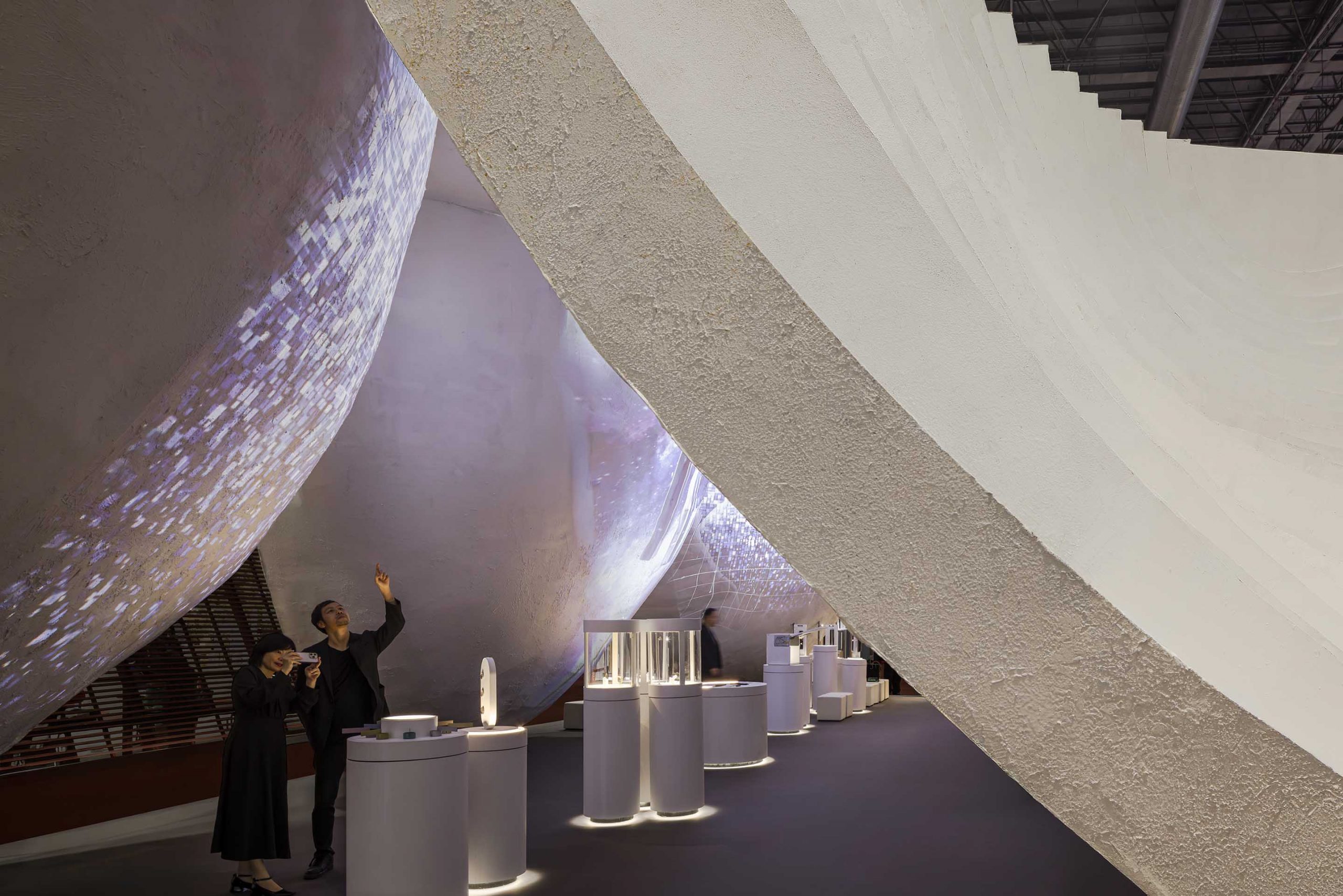
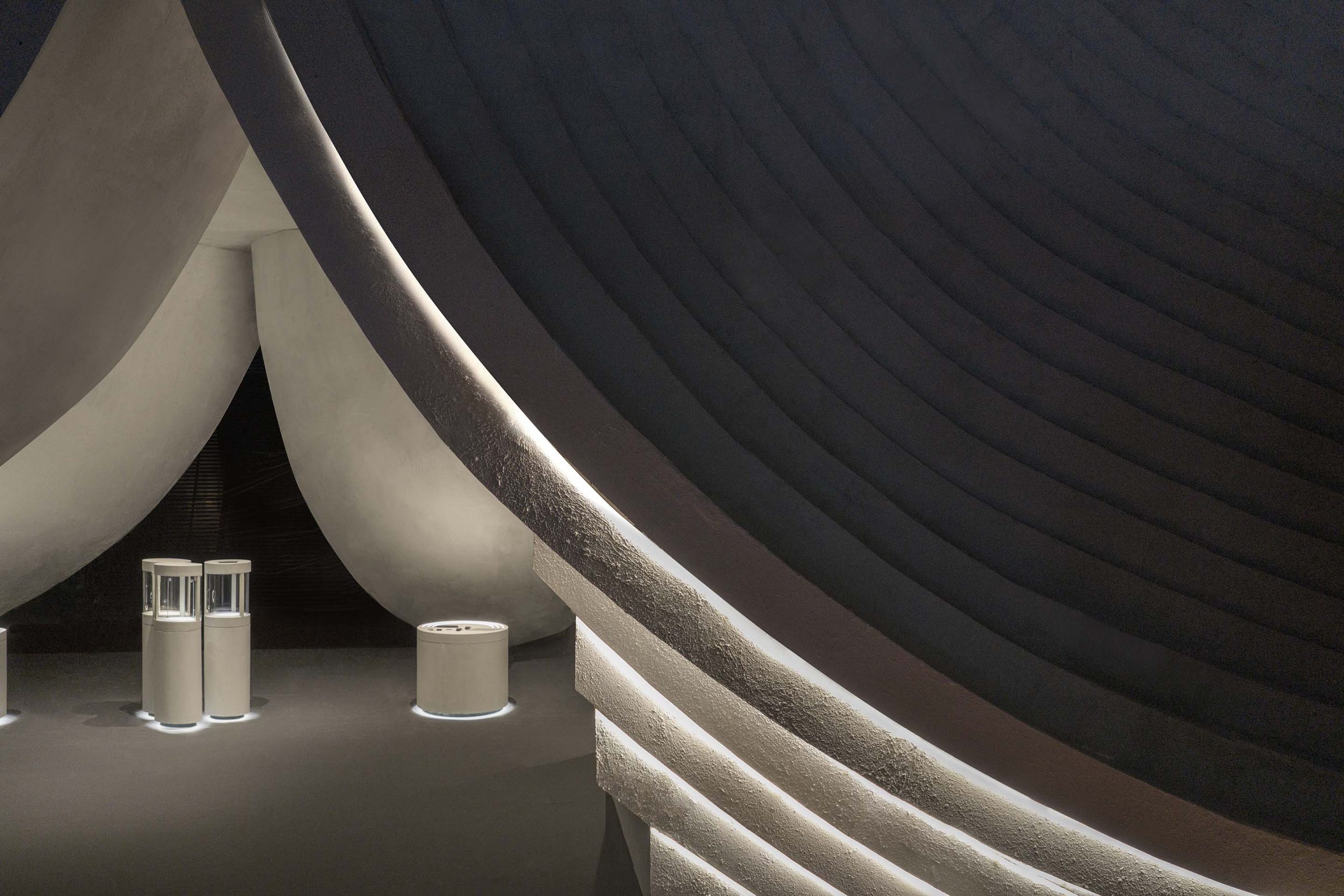
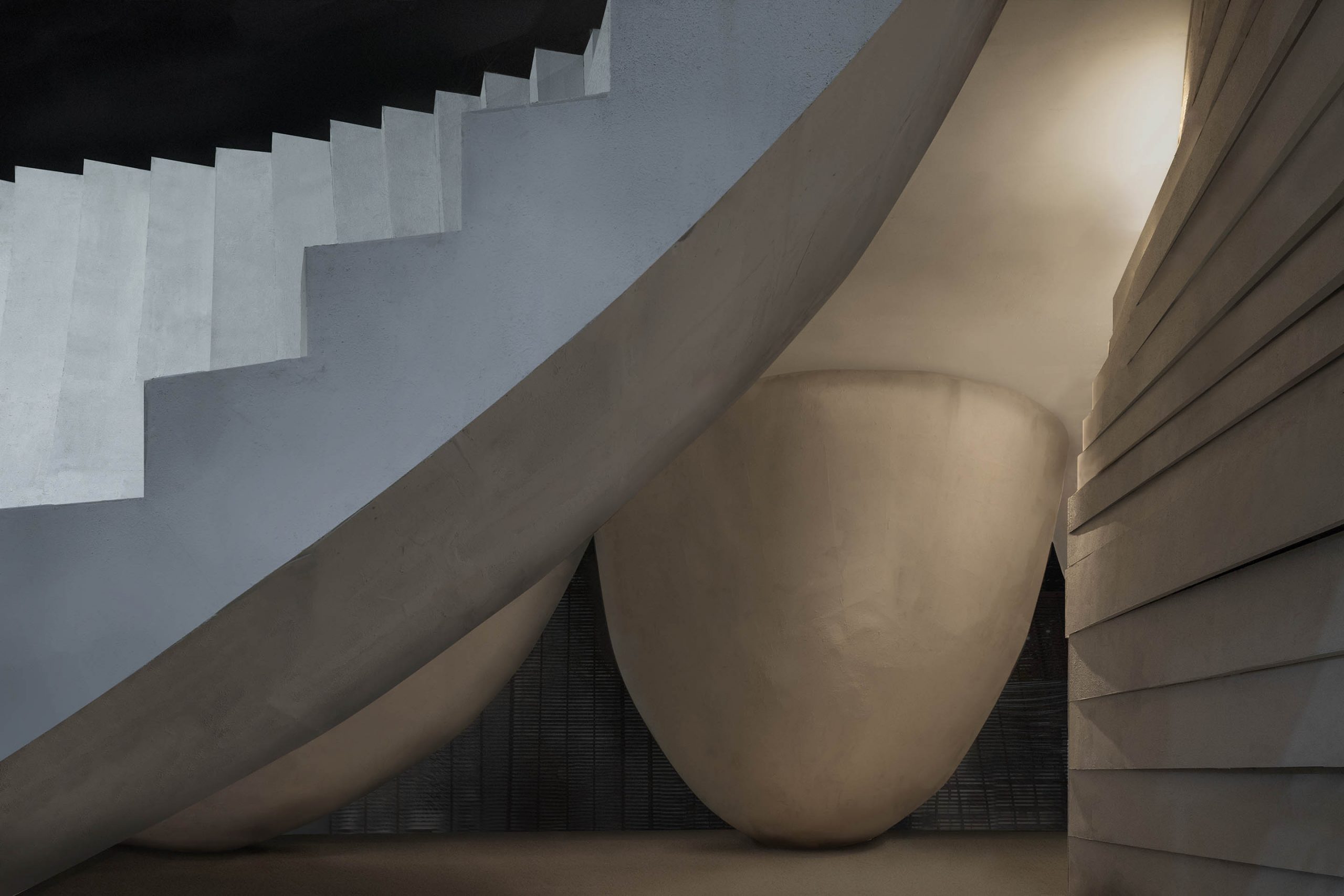
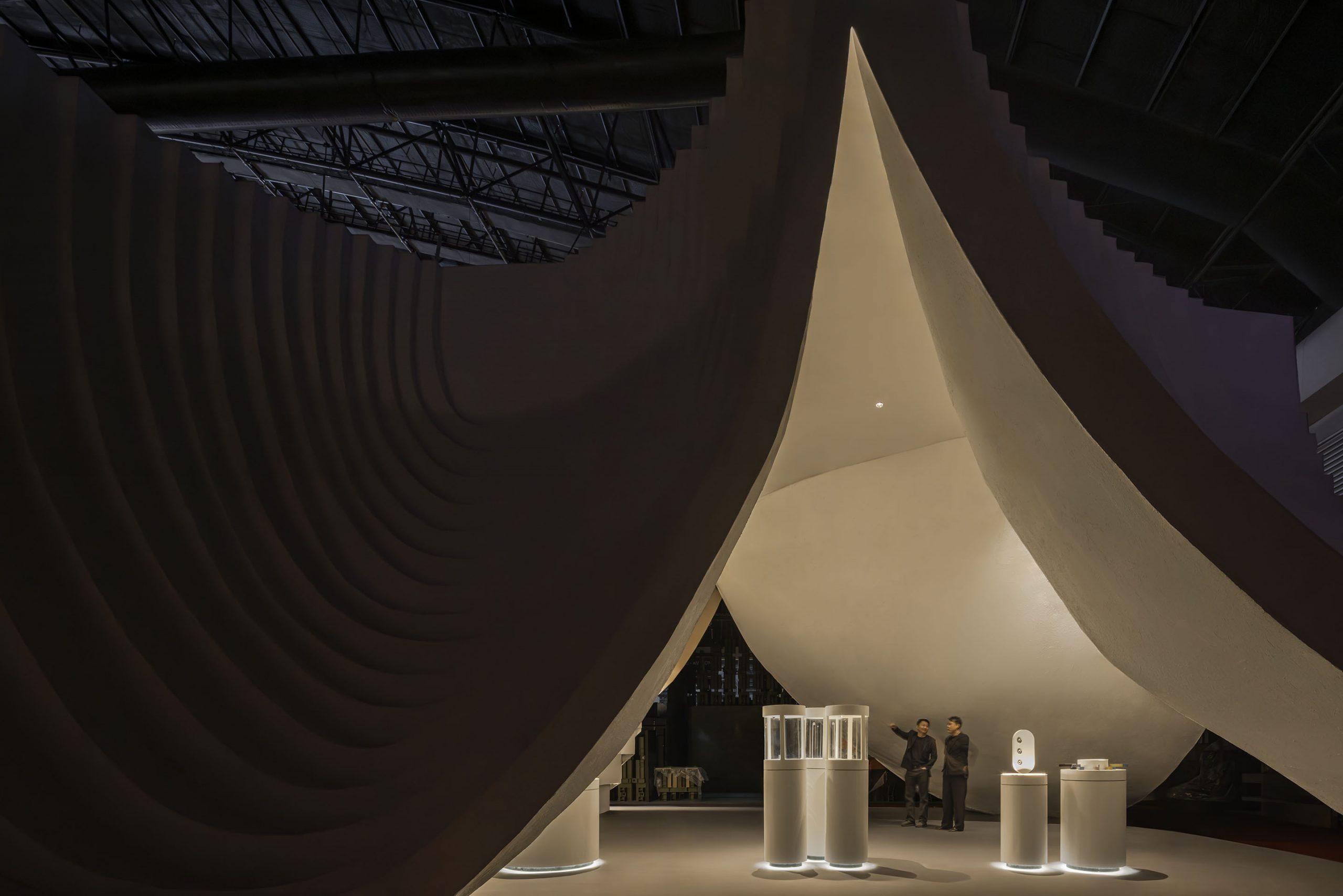
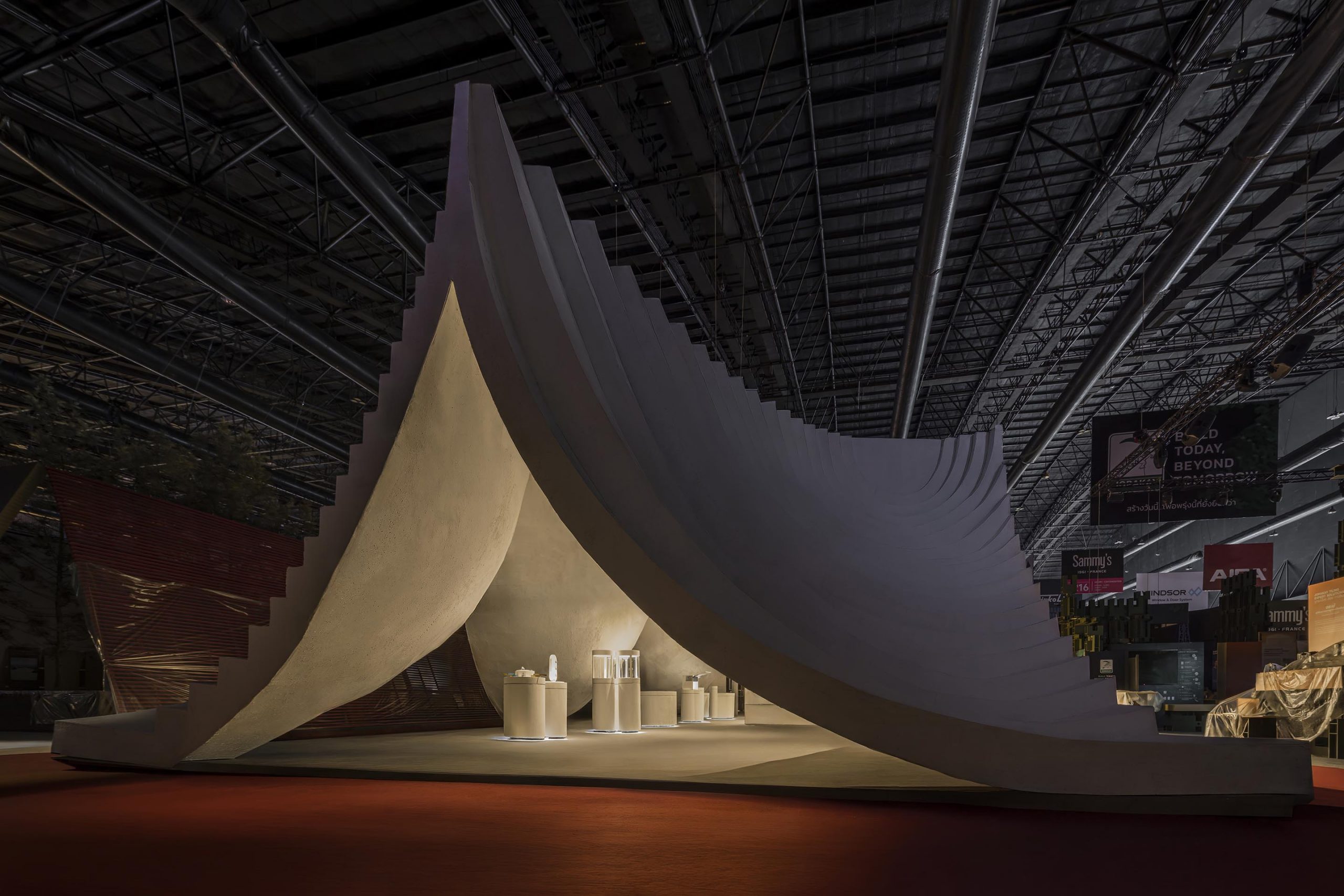
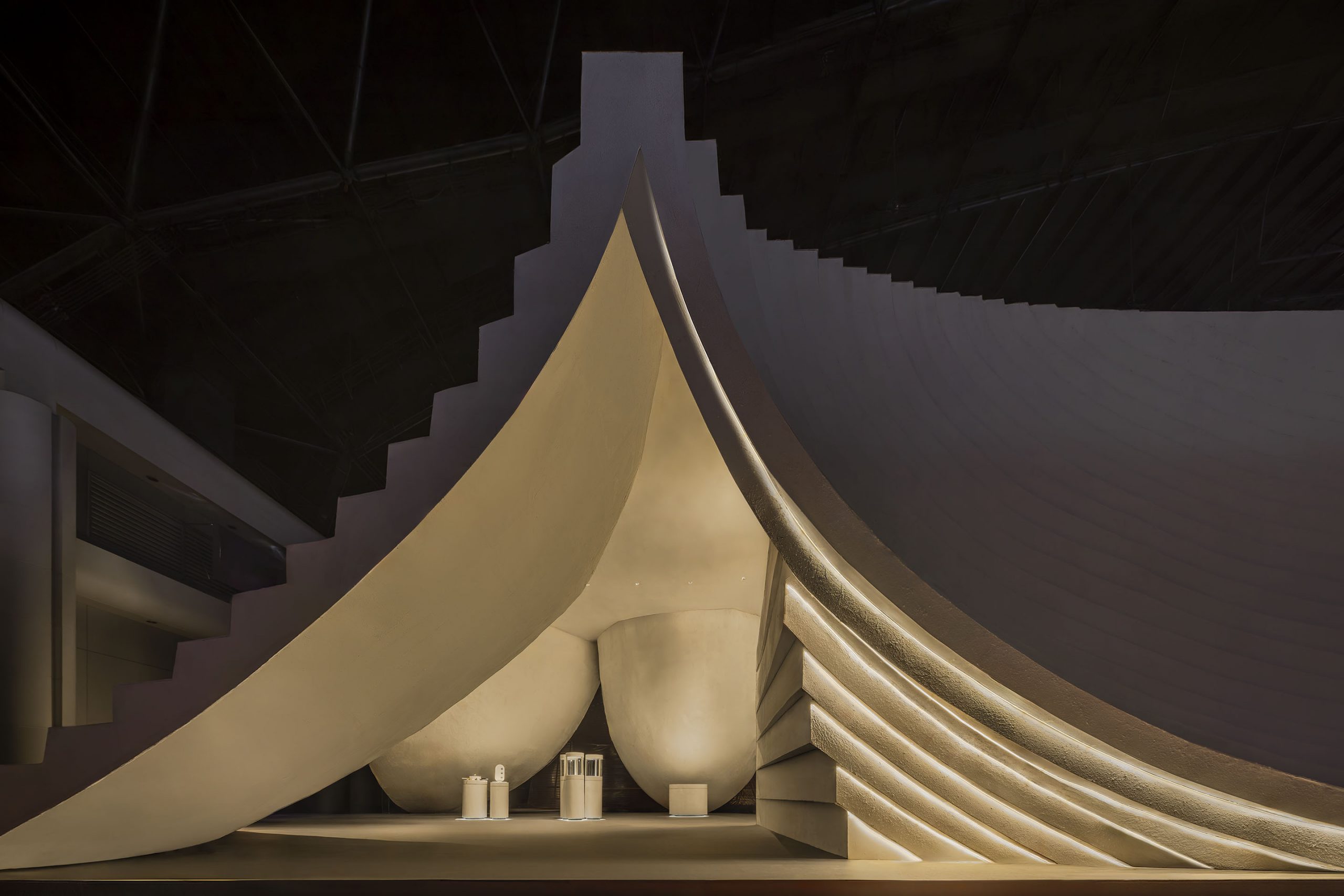
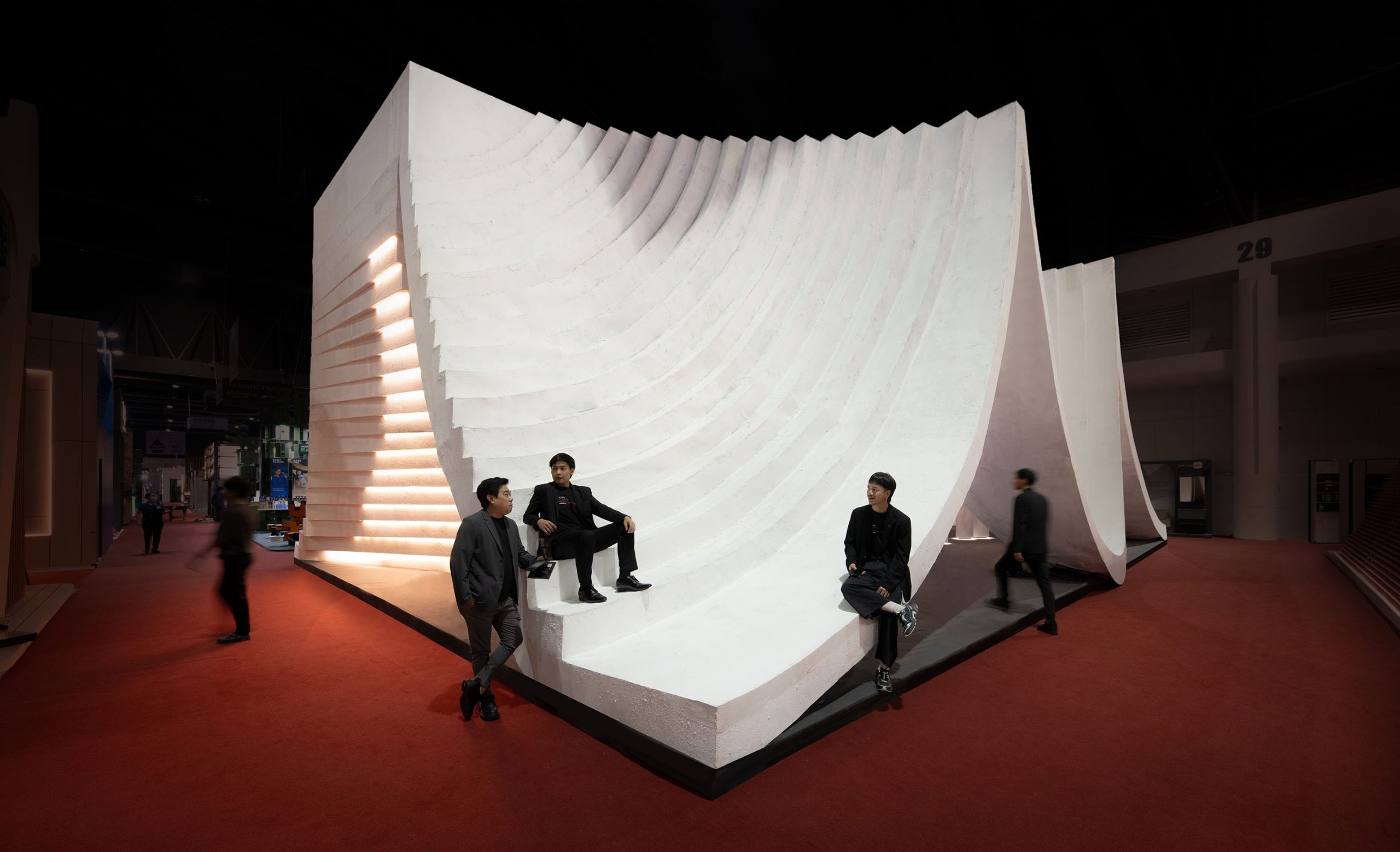
Strategically positioned hollows orchestrate subtle currents of shadow, breeze, and natural illumination, while the sloping summit invites the public into stepped terraces intended for unhurried rest and shared assembly.
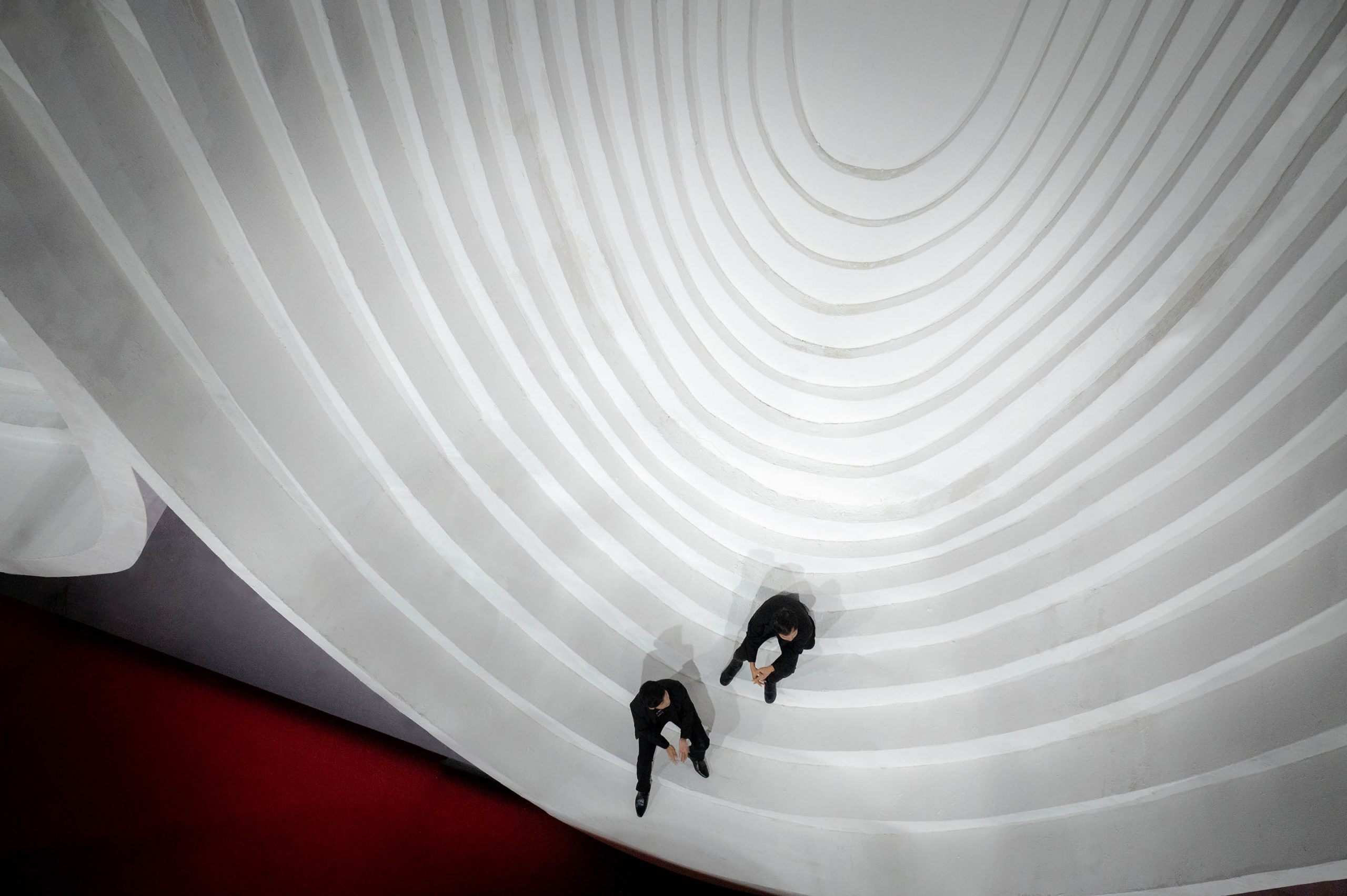
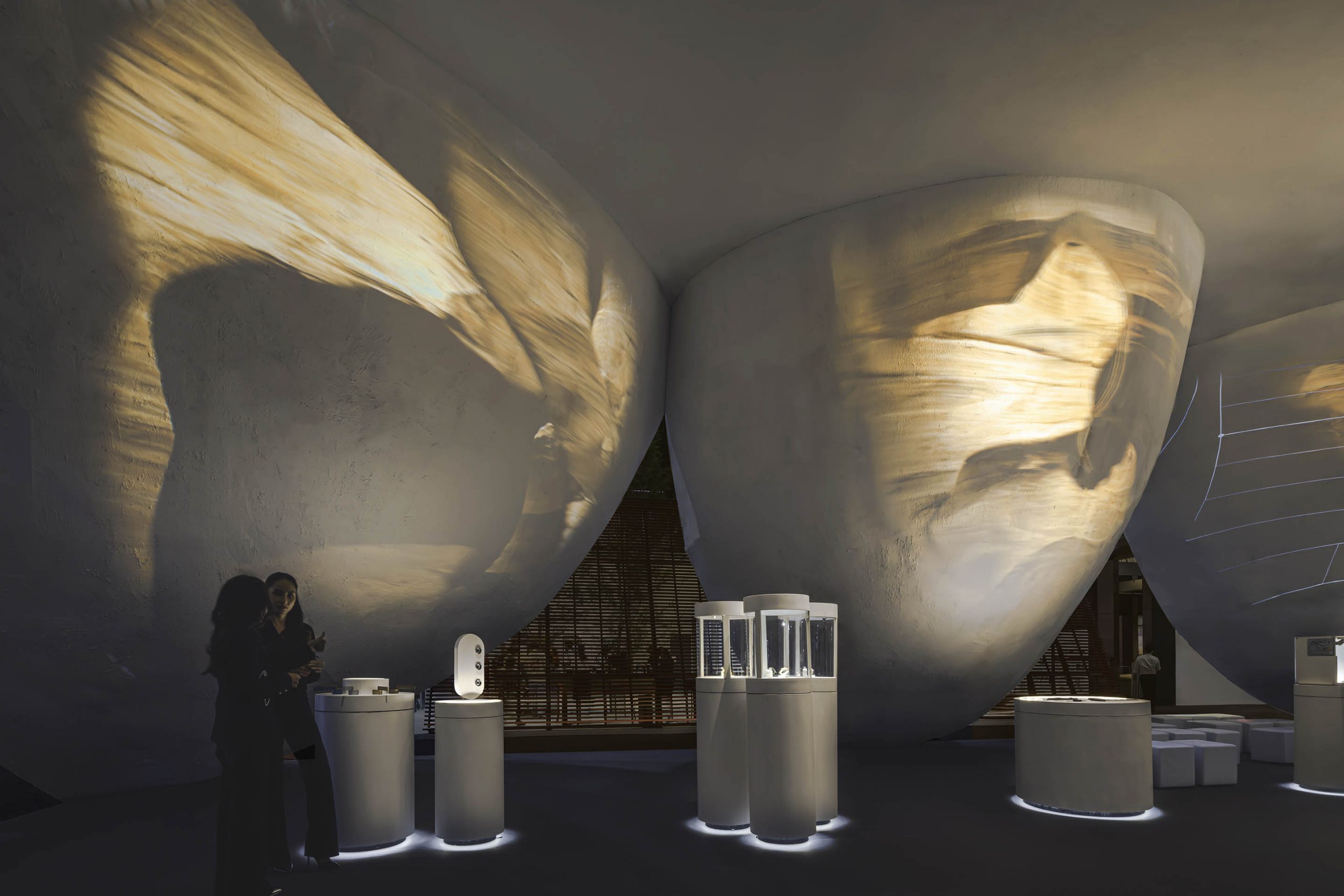
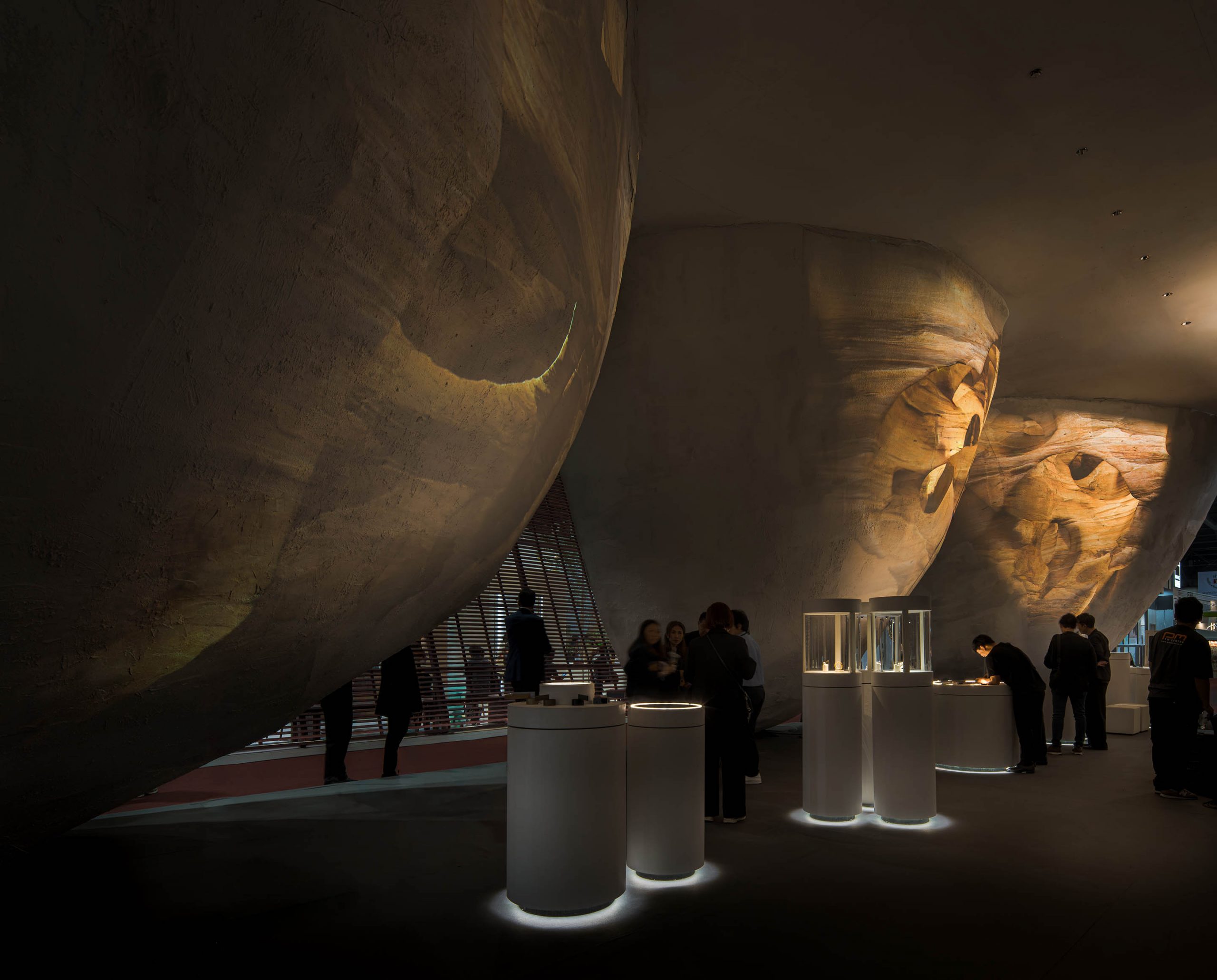
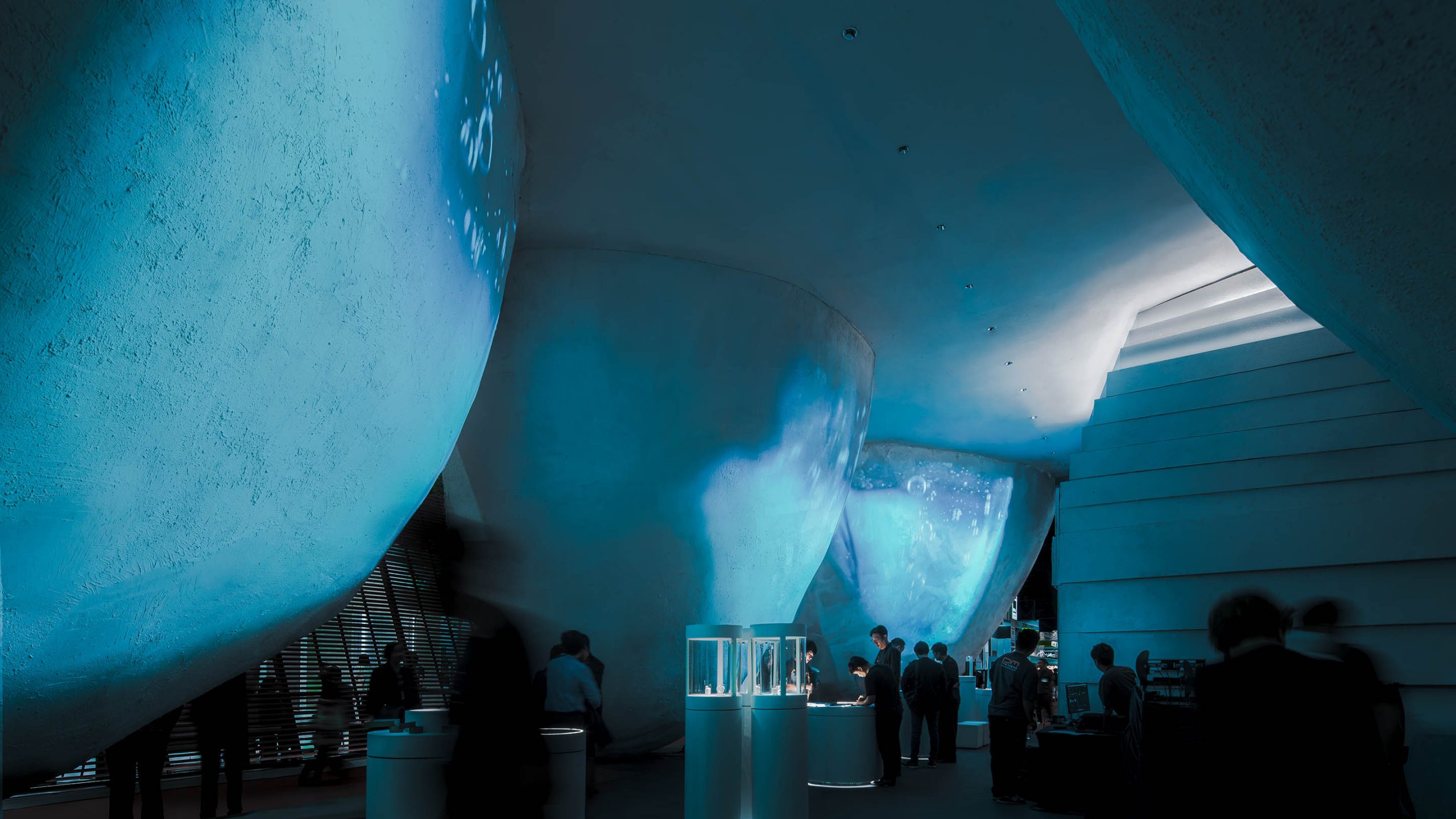
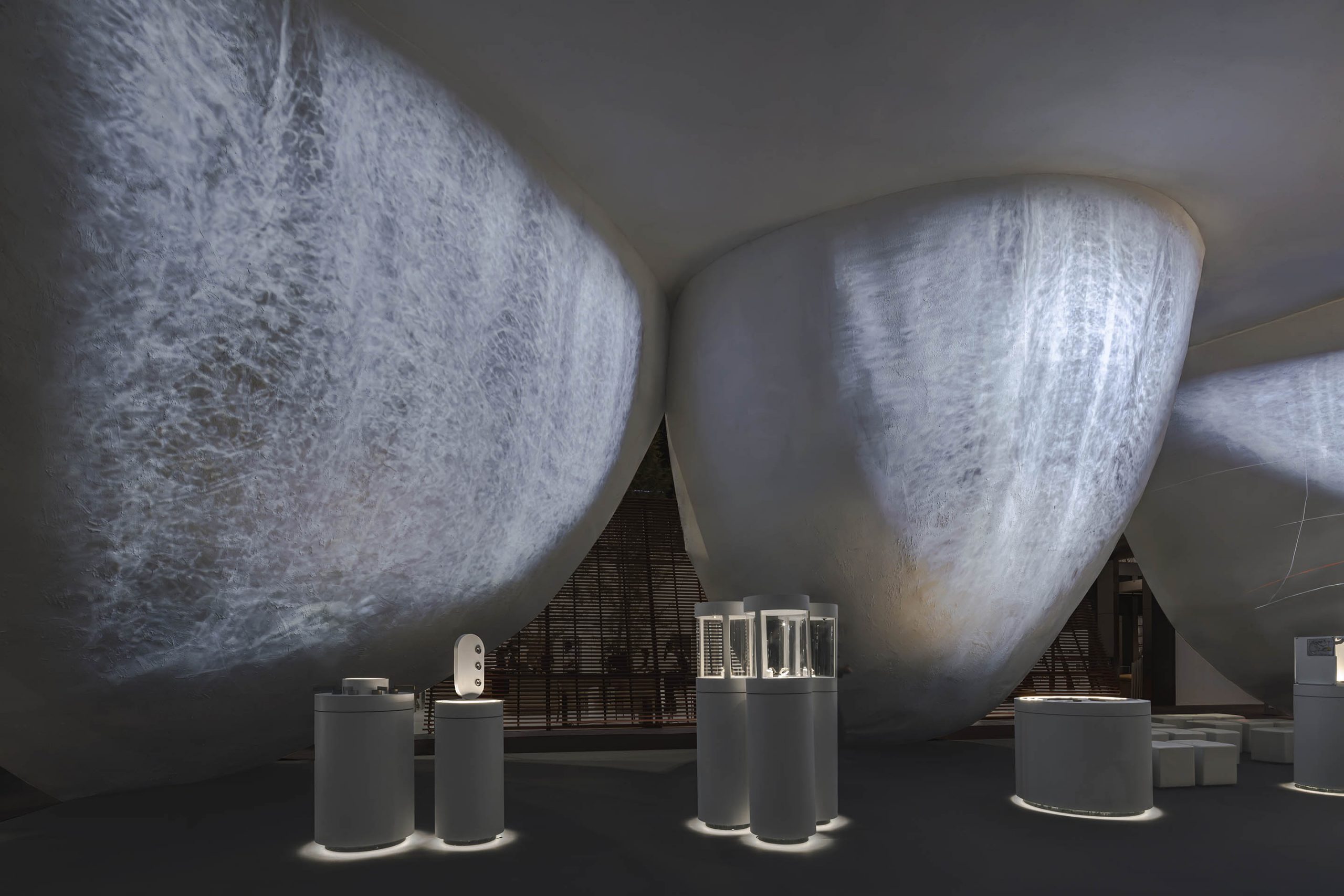
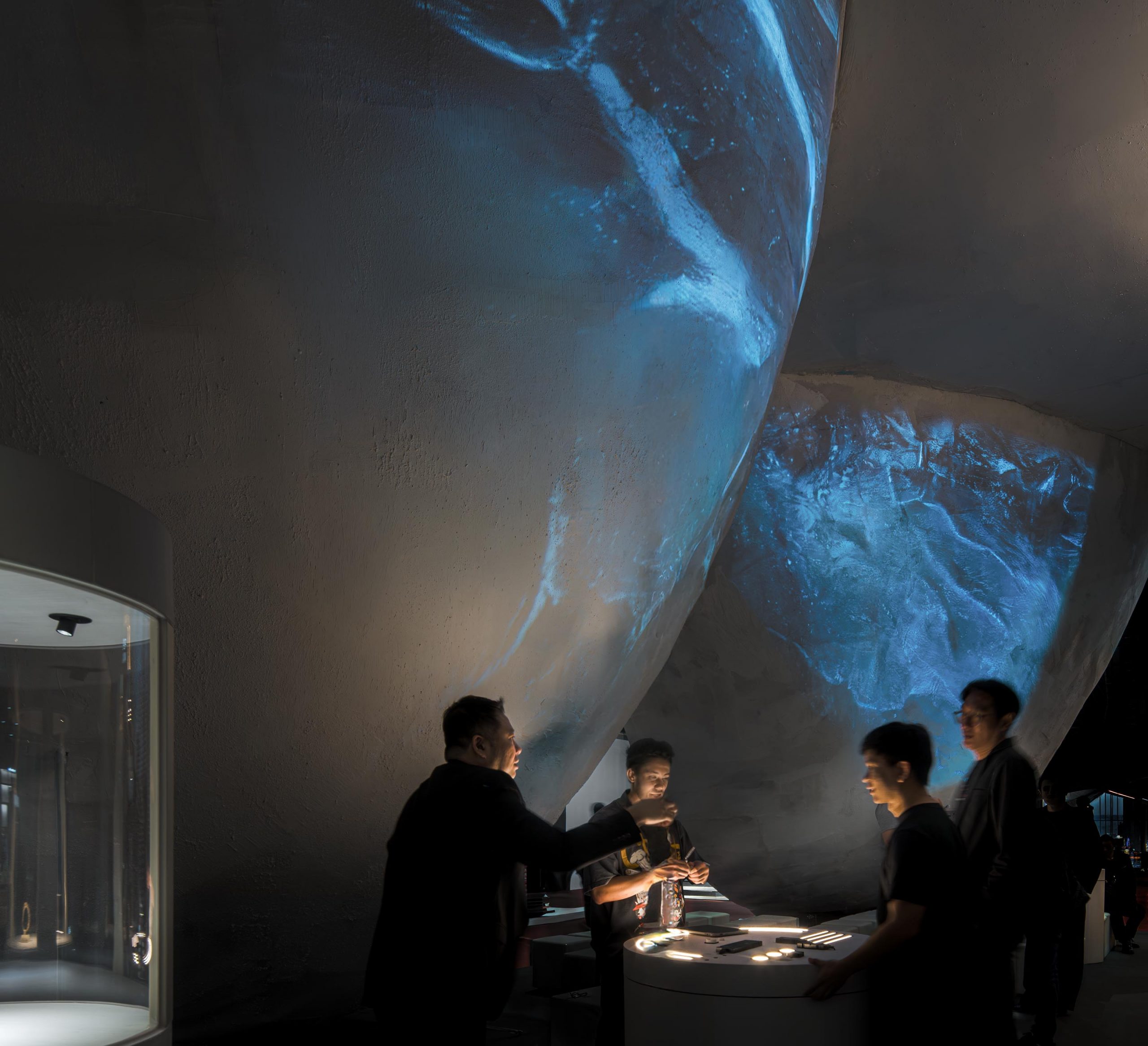
Inside, the sensory narrative unfolds along fluid, earth-plastered contours. Rather than serving as neutral partitions, these soaring surfaces interact with an embedded projection sequence to evoke living, shifting tapestries of alpine forms, stratified rock, and indigenous flora. The interior departs from standard scenography: structural envelope, internal volume, and surrounding landscape coalesce into an unbroken tactile atmosphere. Instead of reducing nature to an ornamental backdrop, architects Jenchieh Hung and Kulthida Songkittipakdee channel its systemic logic—continuity, morphological adaptation, and quiet symbiosis.
Brought to fruition alongside The Association of Siamese Architects under Royal Patronage, TTF International, and Hafele Thailand, Mega Hill and Common Earth demonstrates how temporary exposition architecture can resonate with lasting permanence. It reflects a sensitive spatial philosophy—anchoring urban life within an intuitive earthscape while re-establishing civic territory as a vessel for ecological mindfulness and shared memory.
