






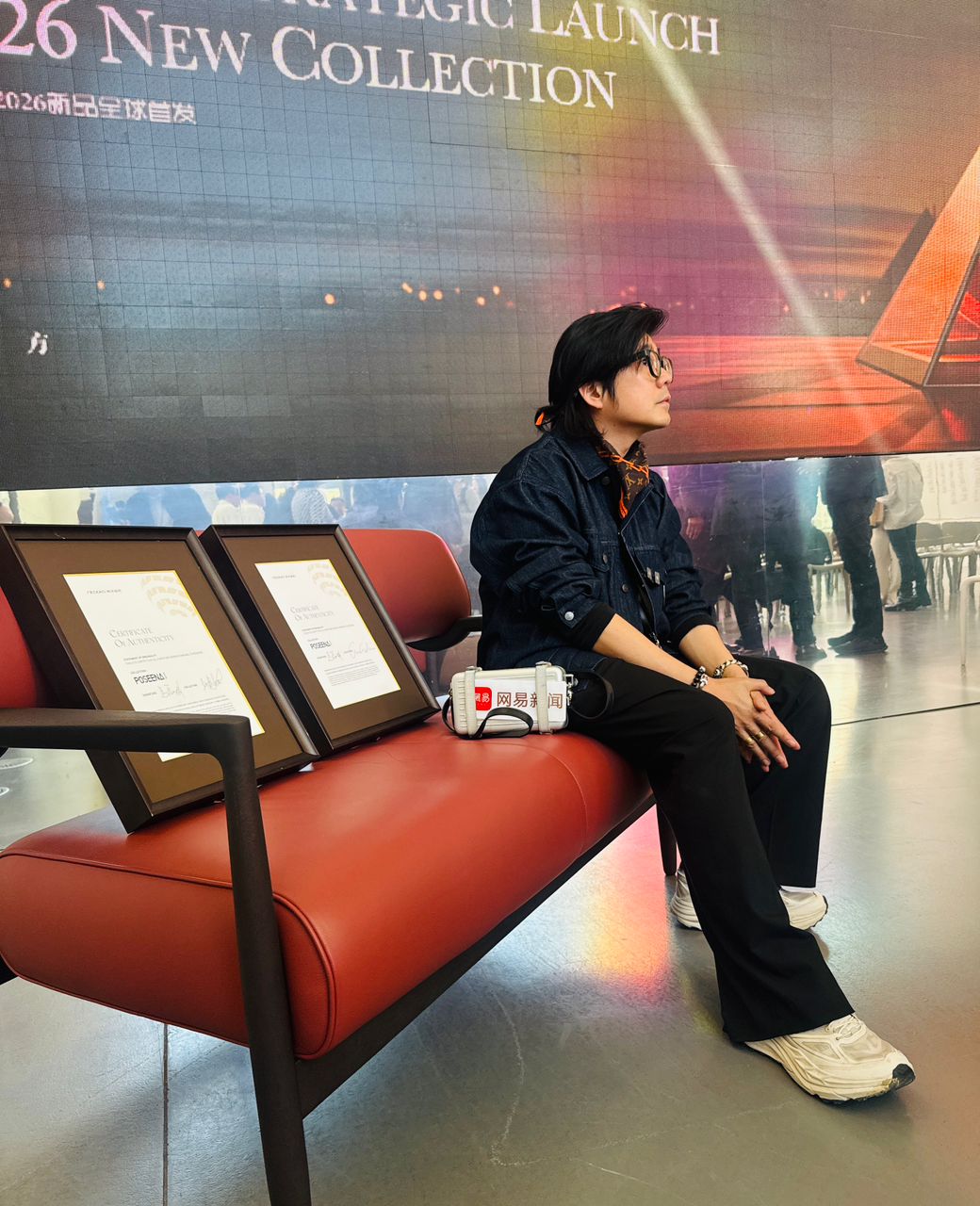
During Salone del Mobile 2026, NEODIKO was invited to the ADI Design Museum to host its global strategic launch, “Walking in the Orient of the World”, alongside the international debut of the POSEENA 2026 collection.
The newly unveiled collection has also been officially added to the permanent collection of the ADI Design Museum.
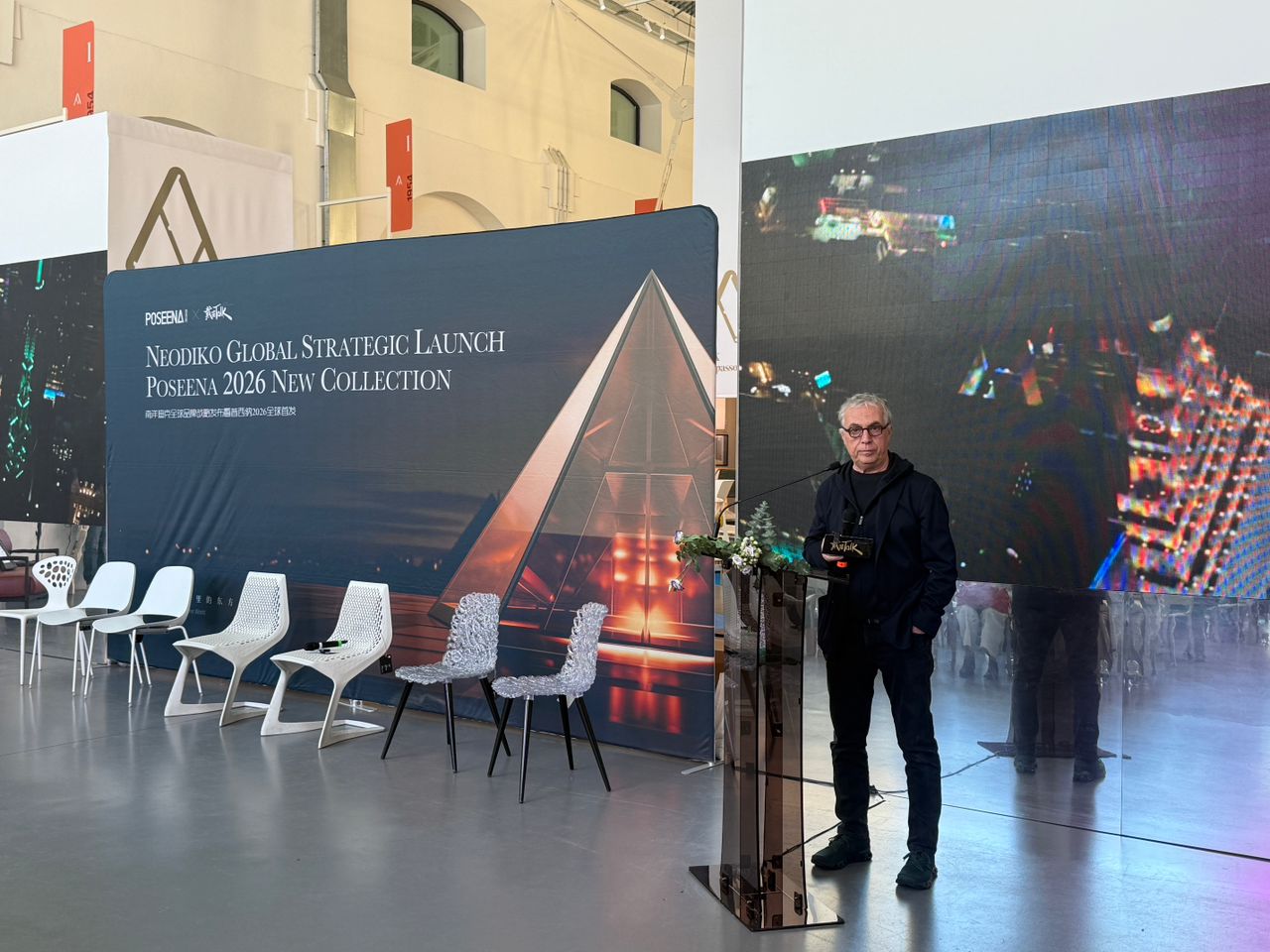
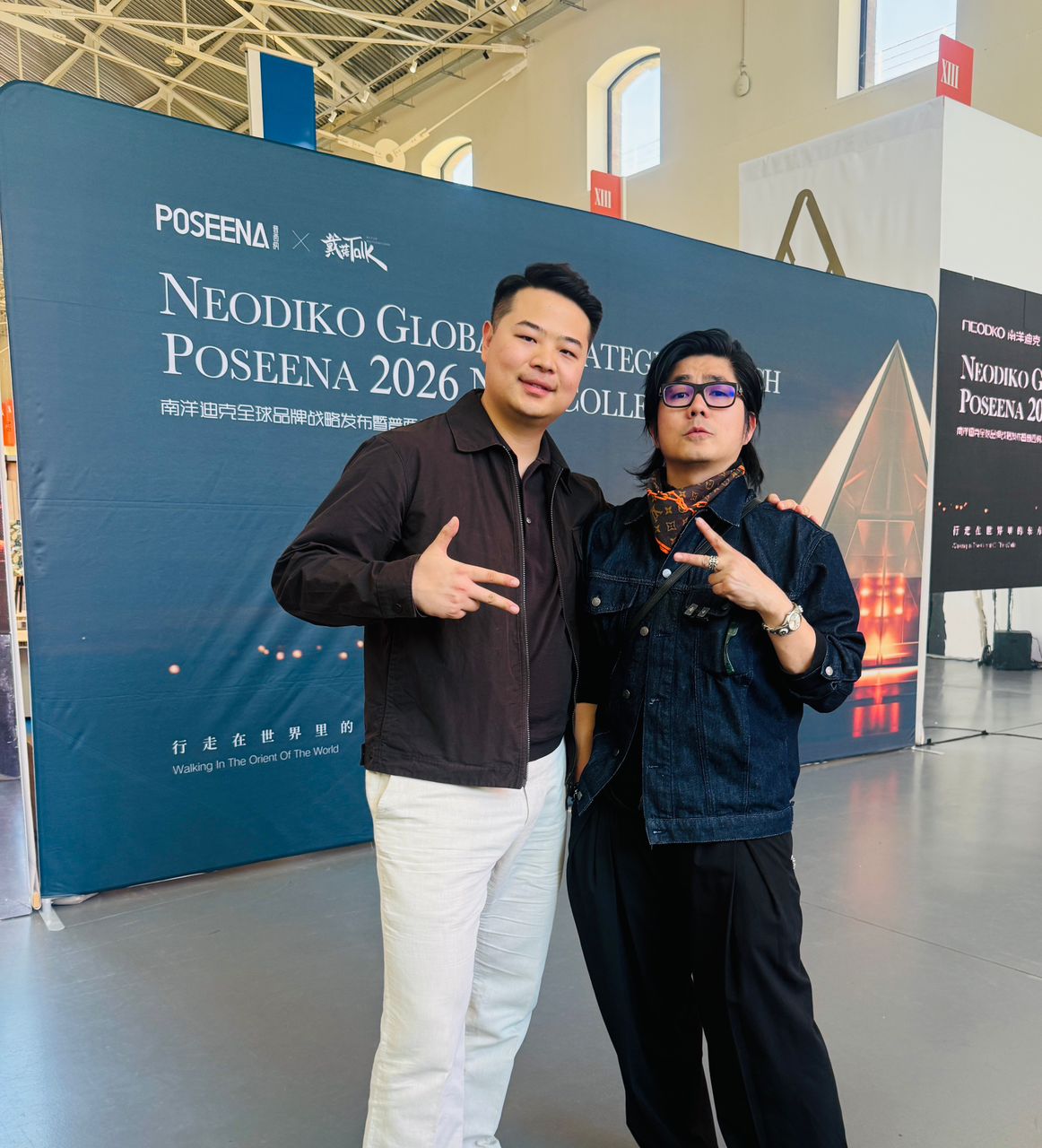
The exhibition introduced a series of new works centred around the relationship between light, materiality and Eastern spatial poetics, translating traditional cultural references into restrained contemporary forms.
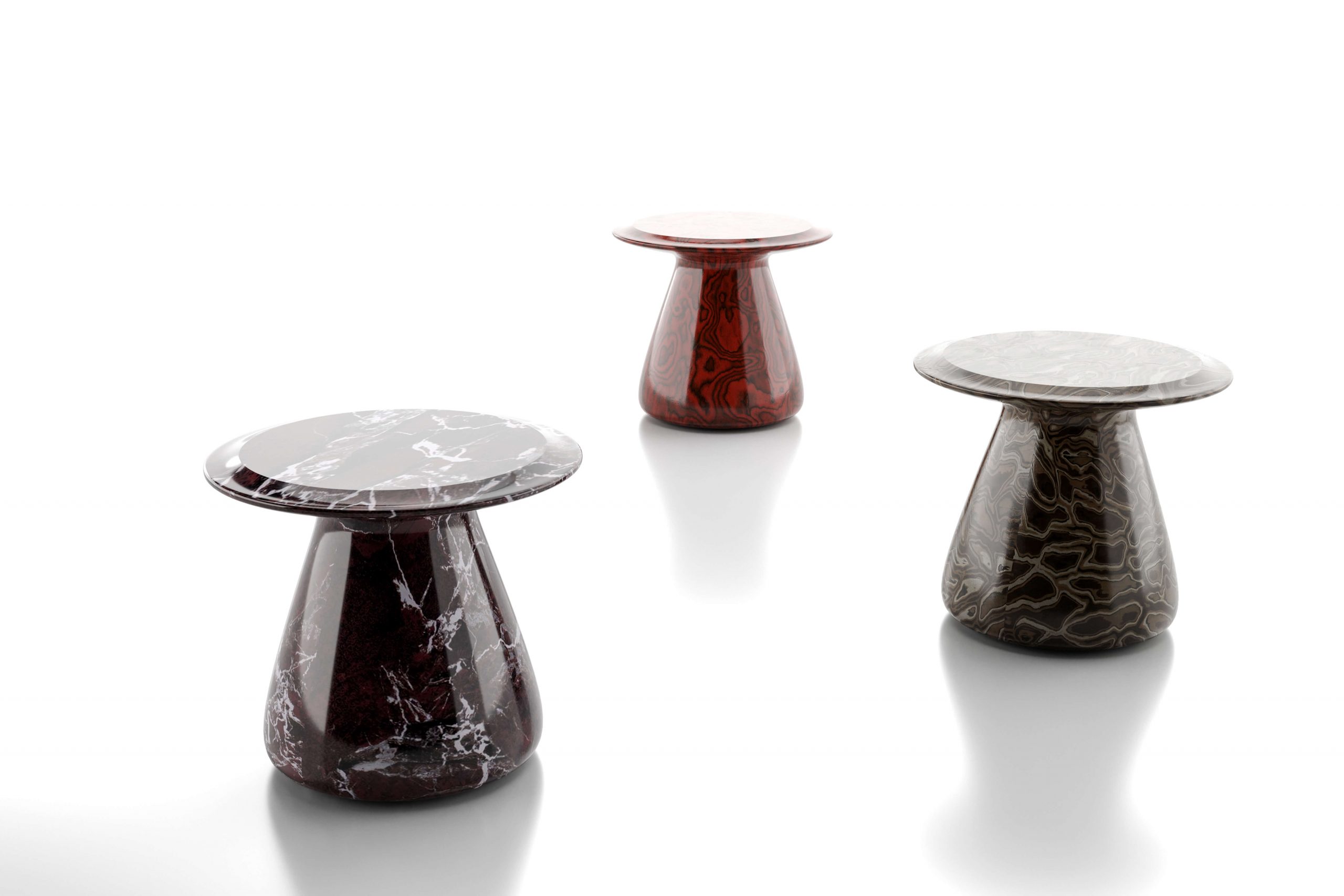
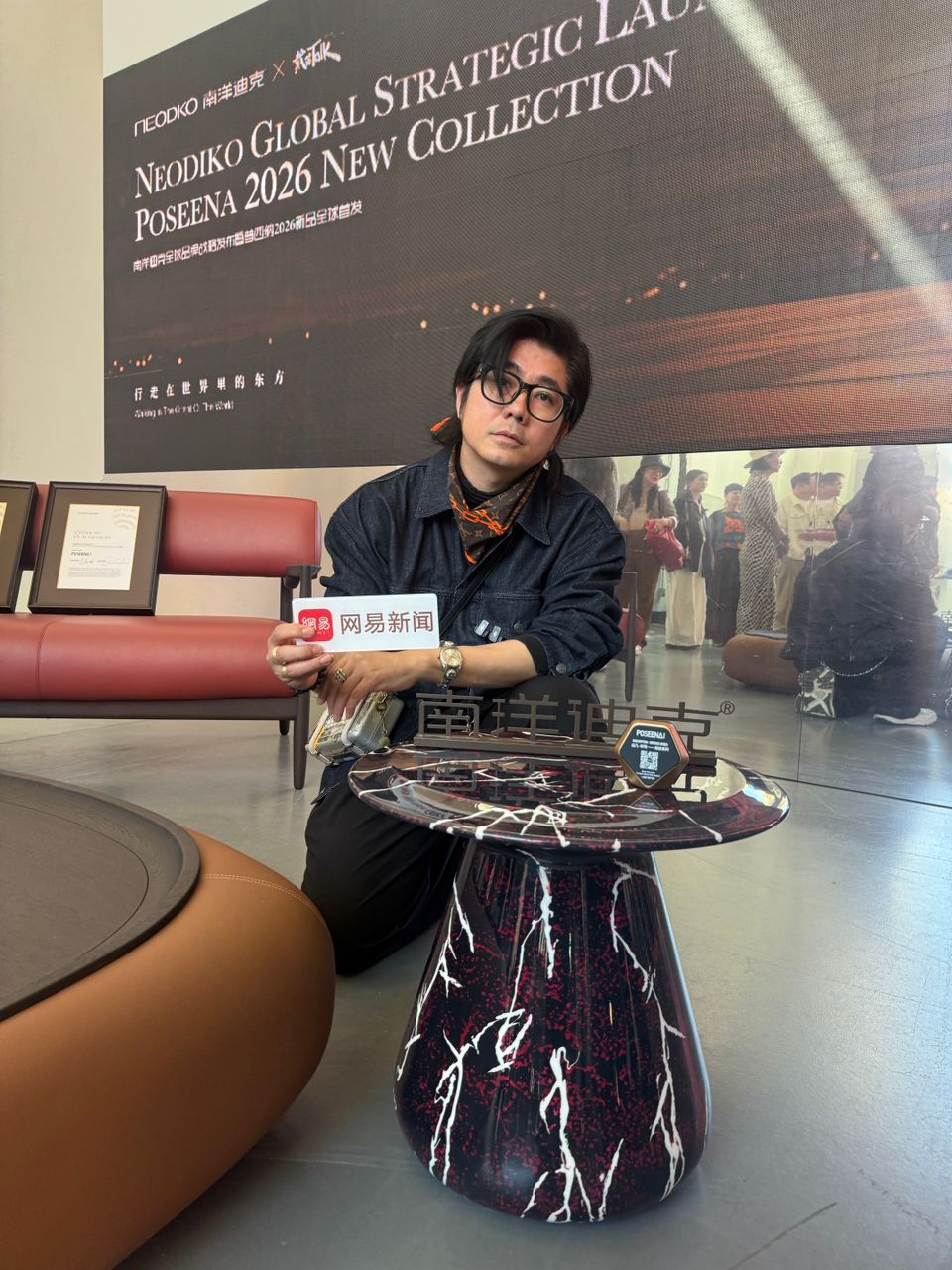
Among the presented pieces, TING YU explores the imagery of rain falling onto stone and ink dispersing across water. Crafted from a single block of stone, the object adopts a fluid, continuous silhouette, while its naturally veined surface evokes the softness of ink wash painting. Through polishing techniques that soften the visual weight of the material, the project transforms stone into an almost liquid presence within the space.
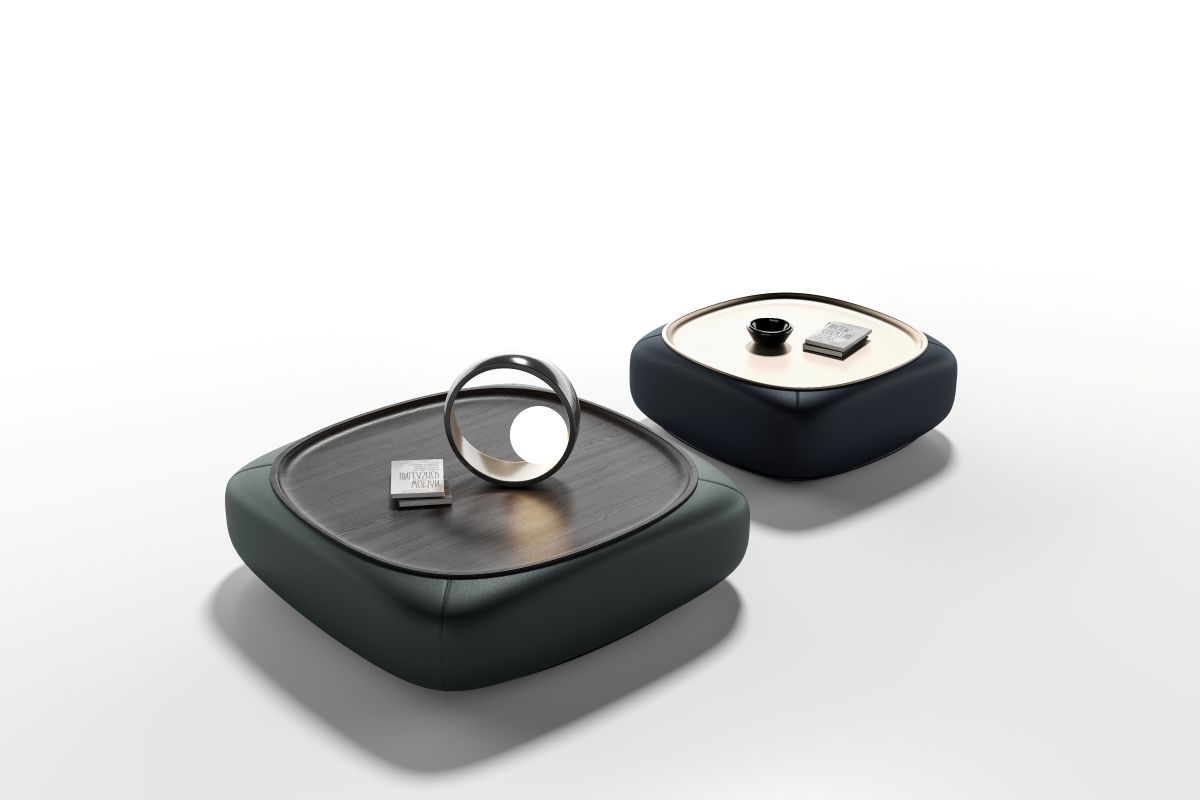
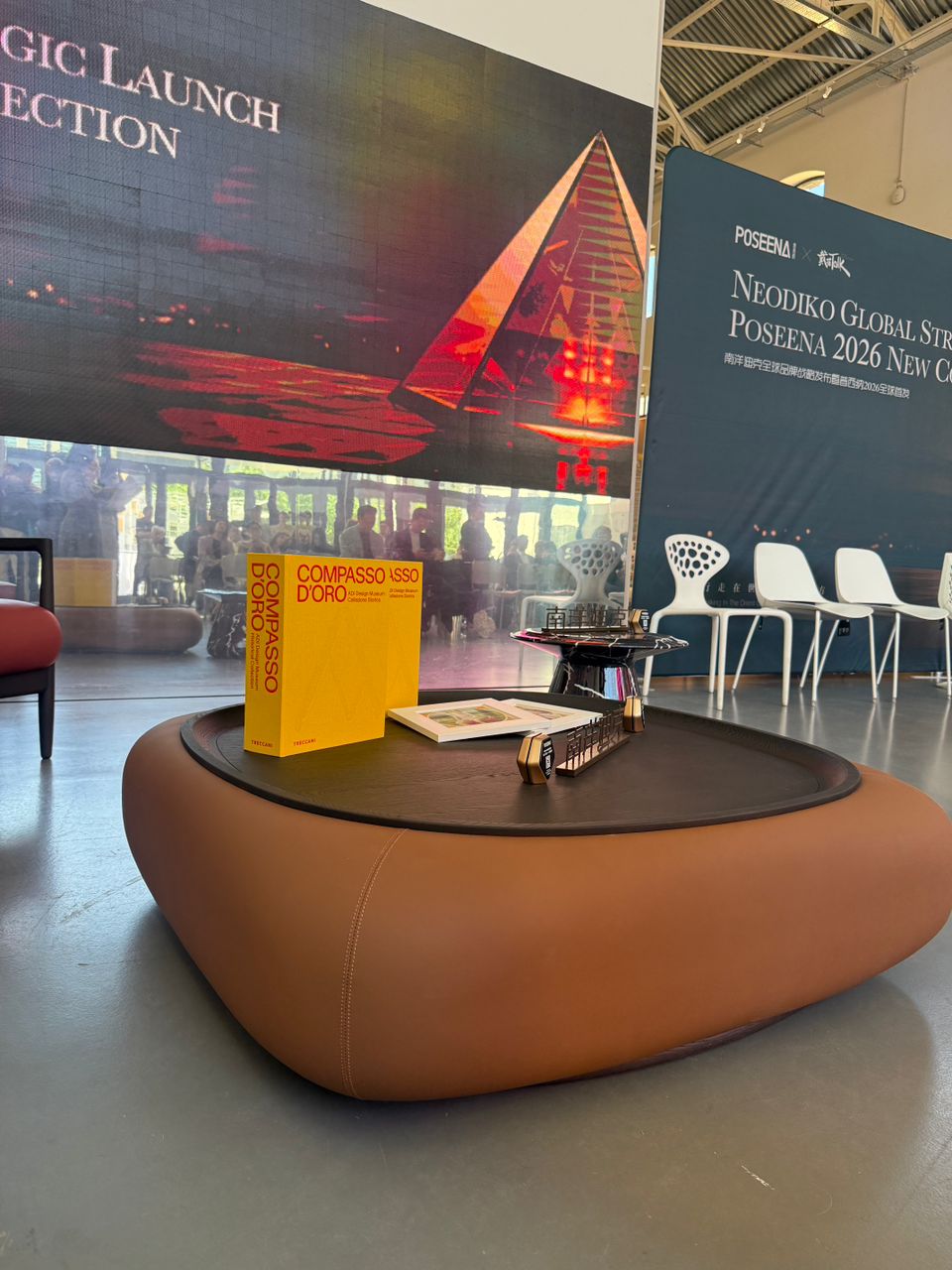
Similarly rooted in the atmosphere of the scholar’s studio, INK POOL reinterprets the traditional Chinese inkstone as a contemporary table object. Rounded volumes wrapped in leather contrast with wood and metal details, while the recessed surface recalls the quiet composure of a writing desk. Rather than functioning purely as a table, the piece introduces a slower and more contemplative rhythm into the interior.
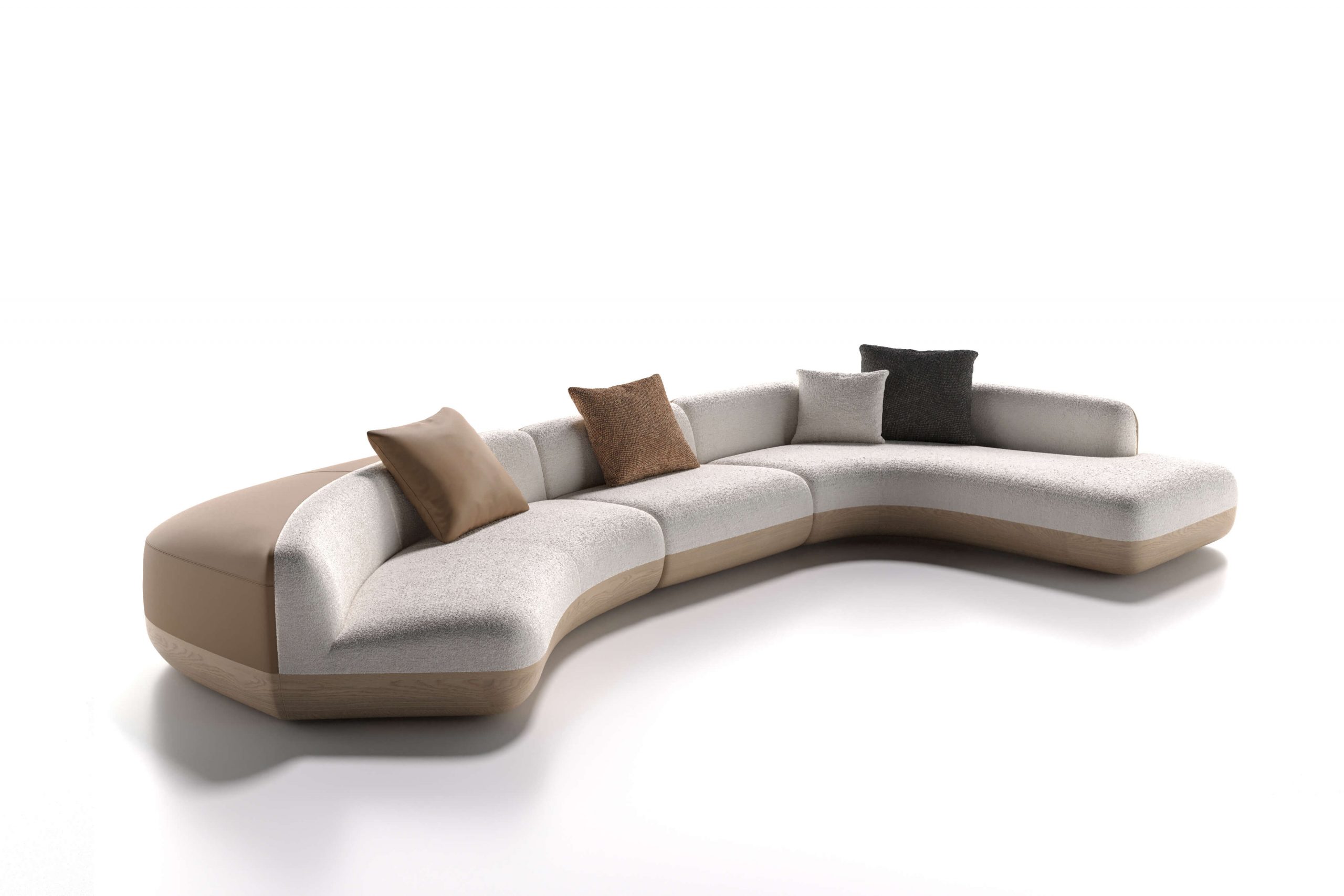
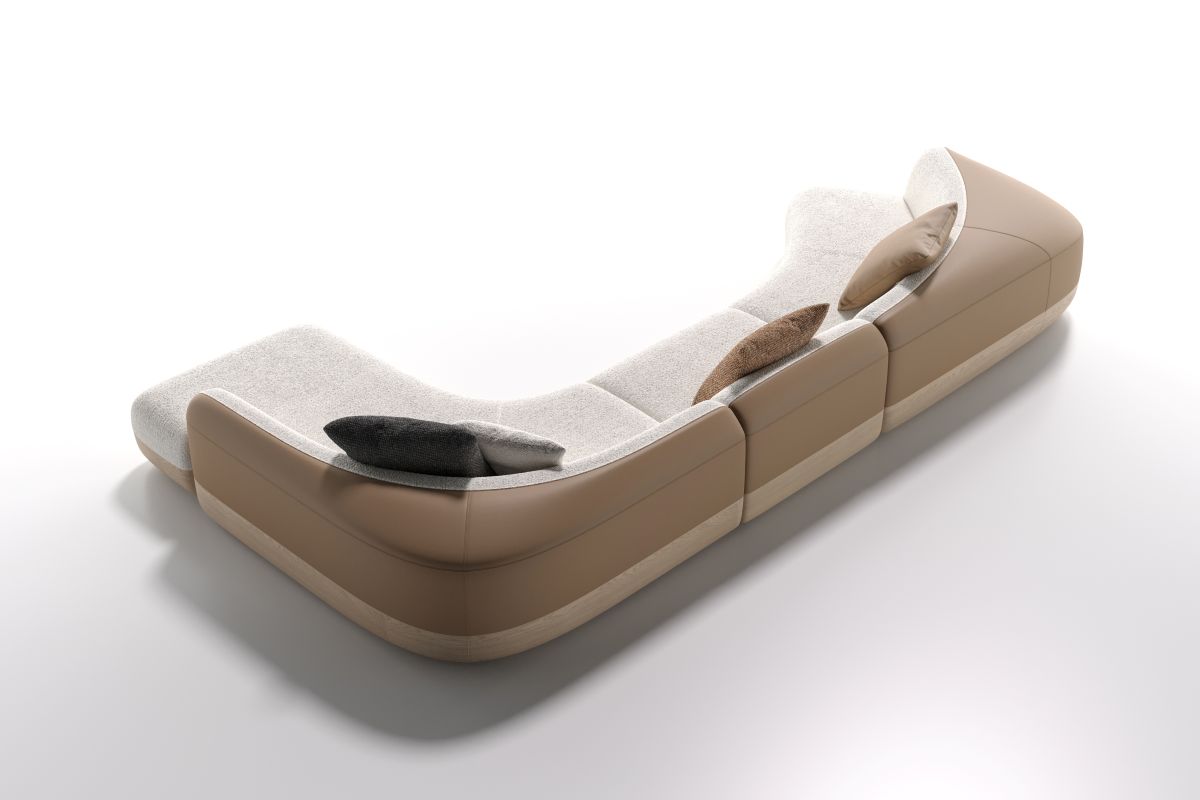
The YING YUE sofa references the arc of moonlight through sweeping geometric curves that dissolve the rigid boundaries of conventional seating. Different materials are unified through a continuous curved language, balancing softness and structure while maintaining a restrained visual rhythm.
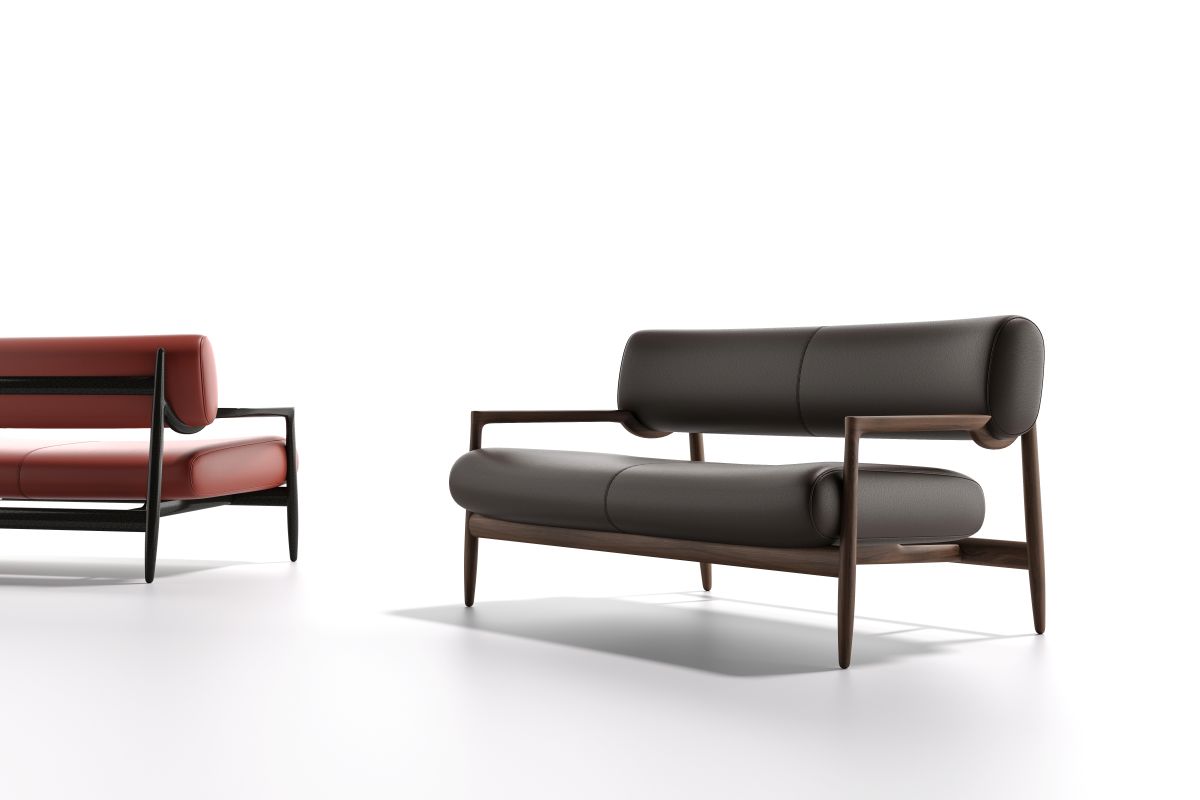
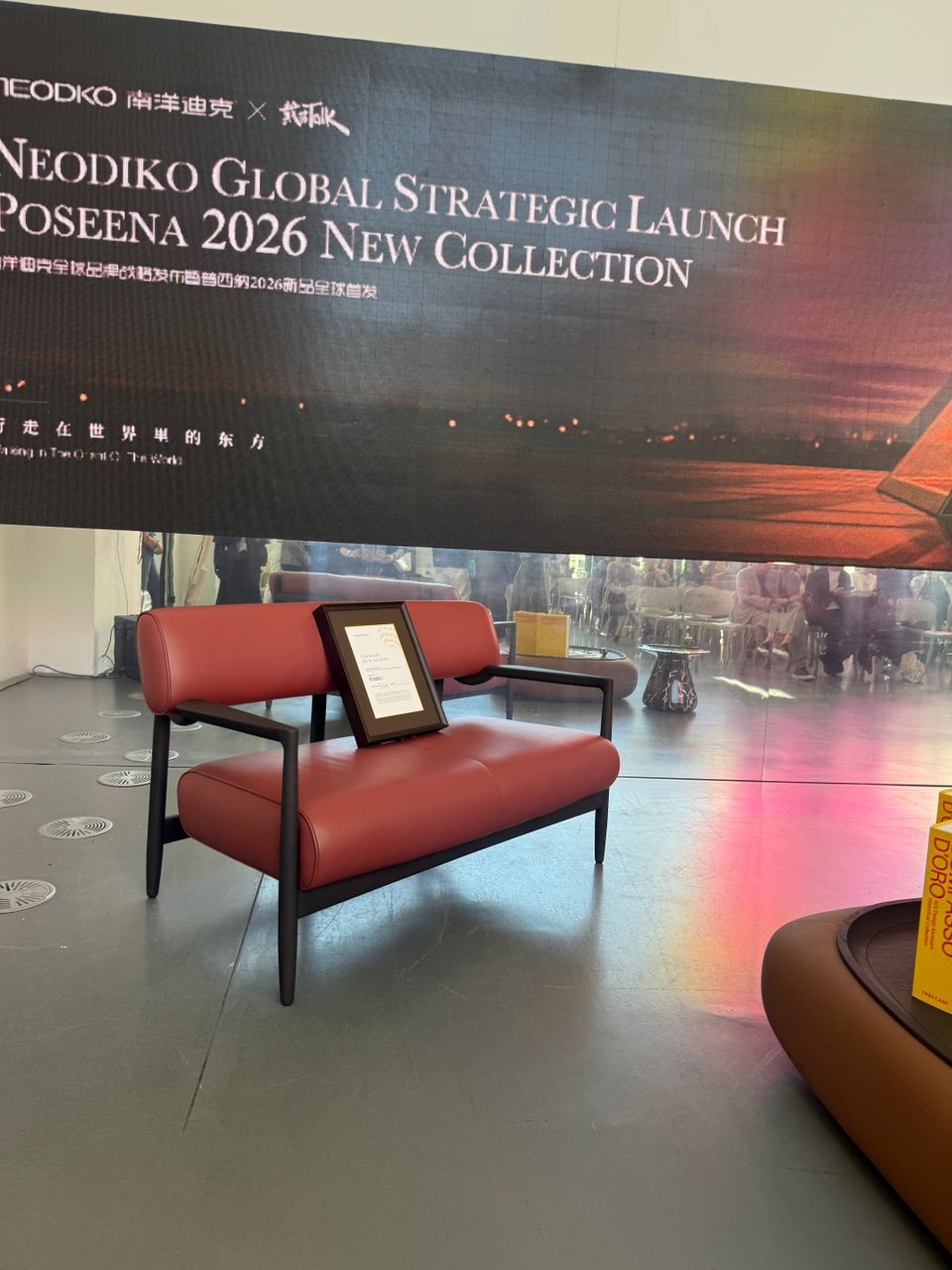
Completing the collection, STONE REST translates the Eastern idea of “resting upon stone” into a contemporary seating typology. A solid wood structure paired with leather upholstery creates a calm and grounded presence, while the softened backrest and generous armrests encourage a slower, more reflective mode of inhabitation.
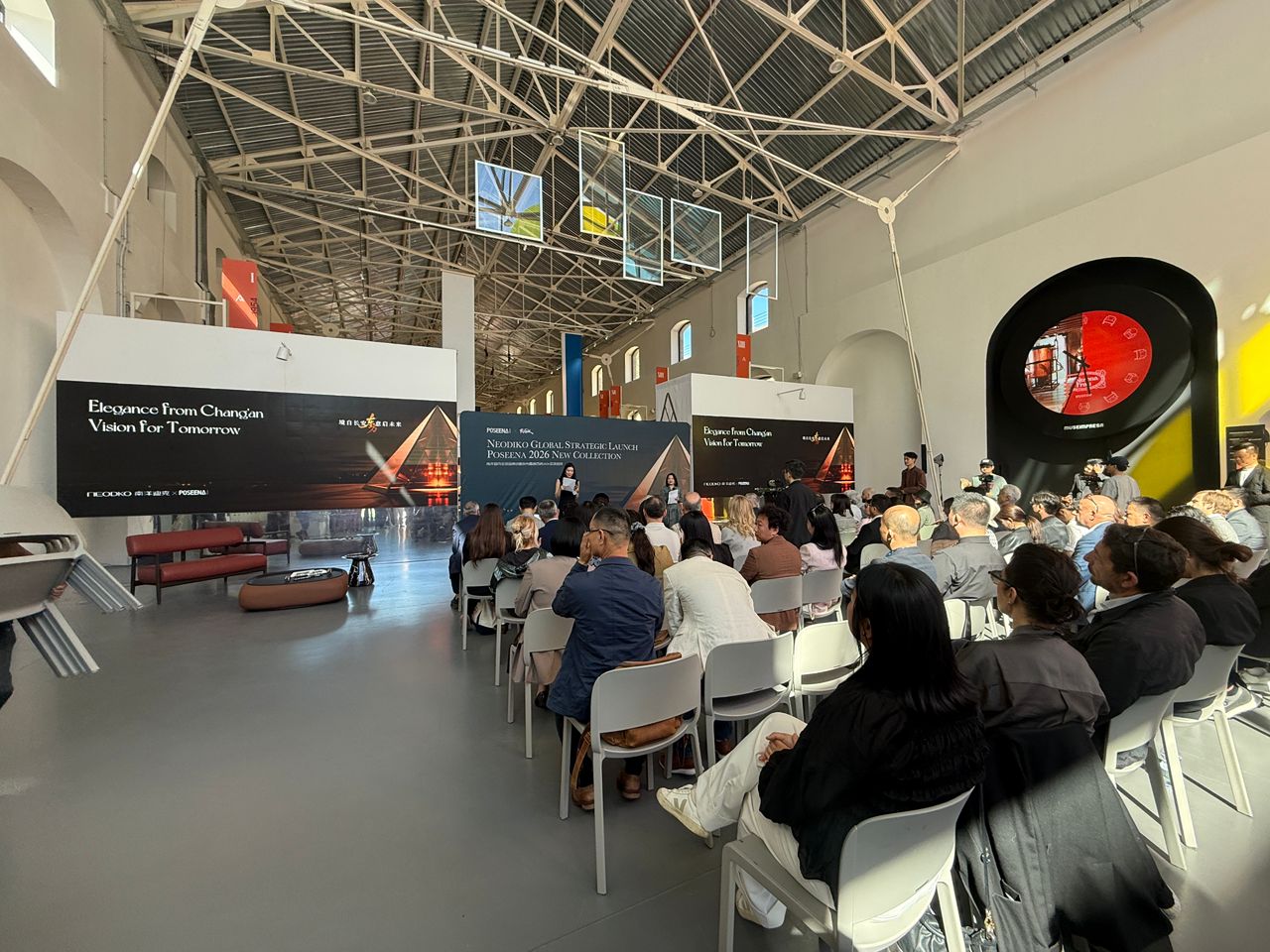
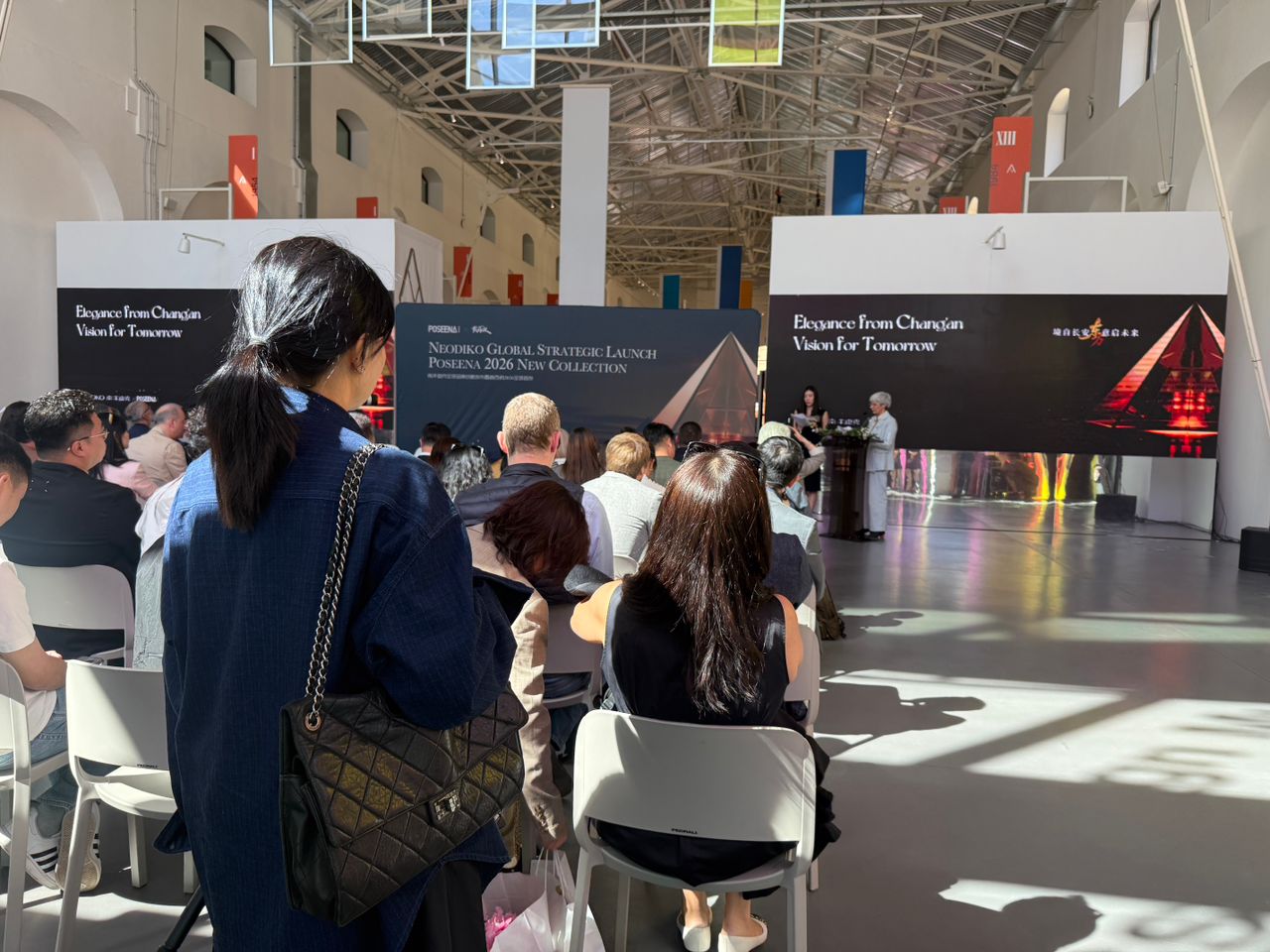
According to Luciano Galimberti, the collection reflects a profound understanding of material, craftsmanship and Eastern spatial sensibility.
Rather than relying on overt symbolism, the projects frame Eastern aesthetics through proportion, atmosphere and tactile restraint, positioning contemporary Chinese design within an increasingly global conversation.
Watch the video:
