






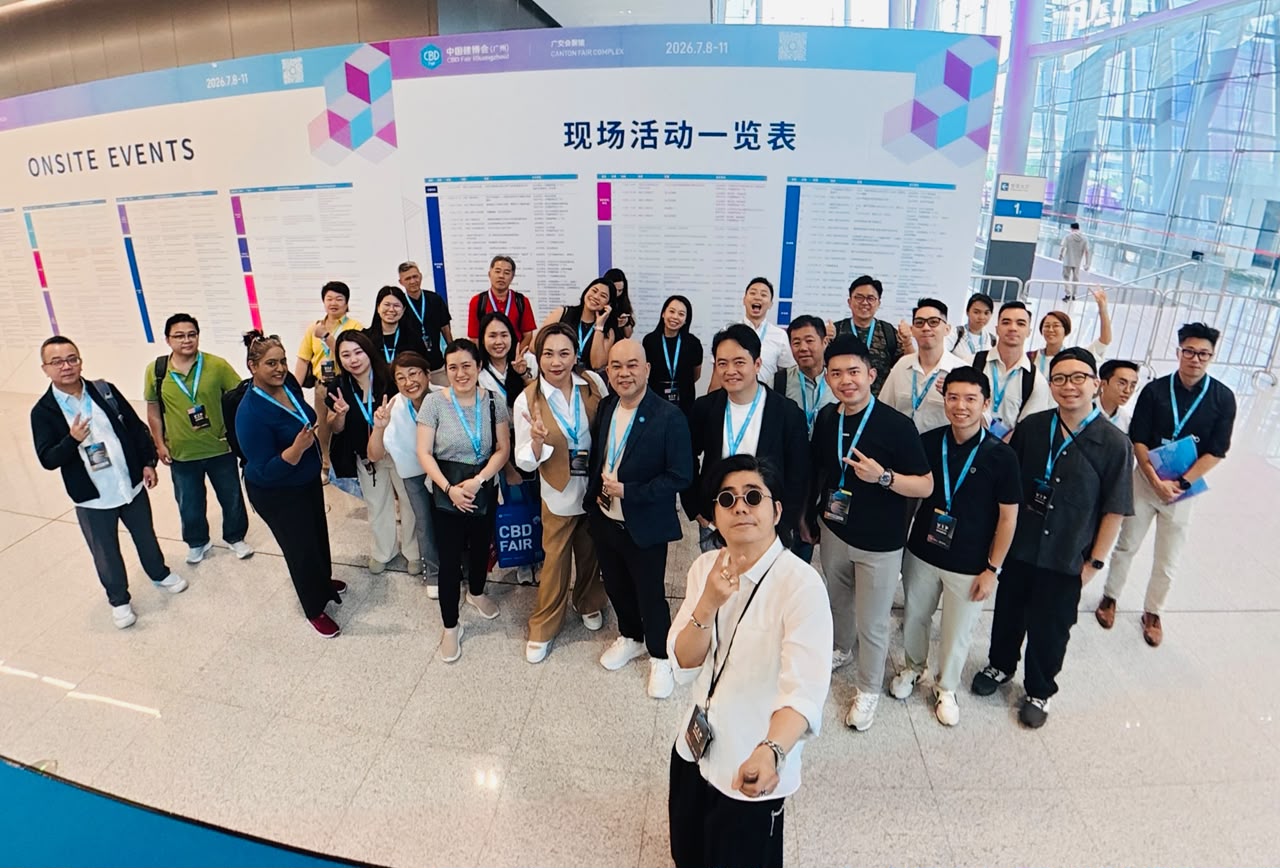
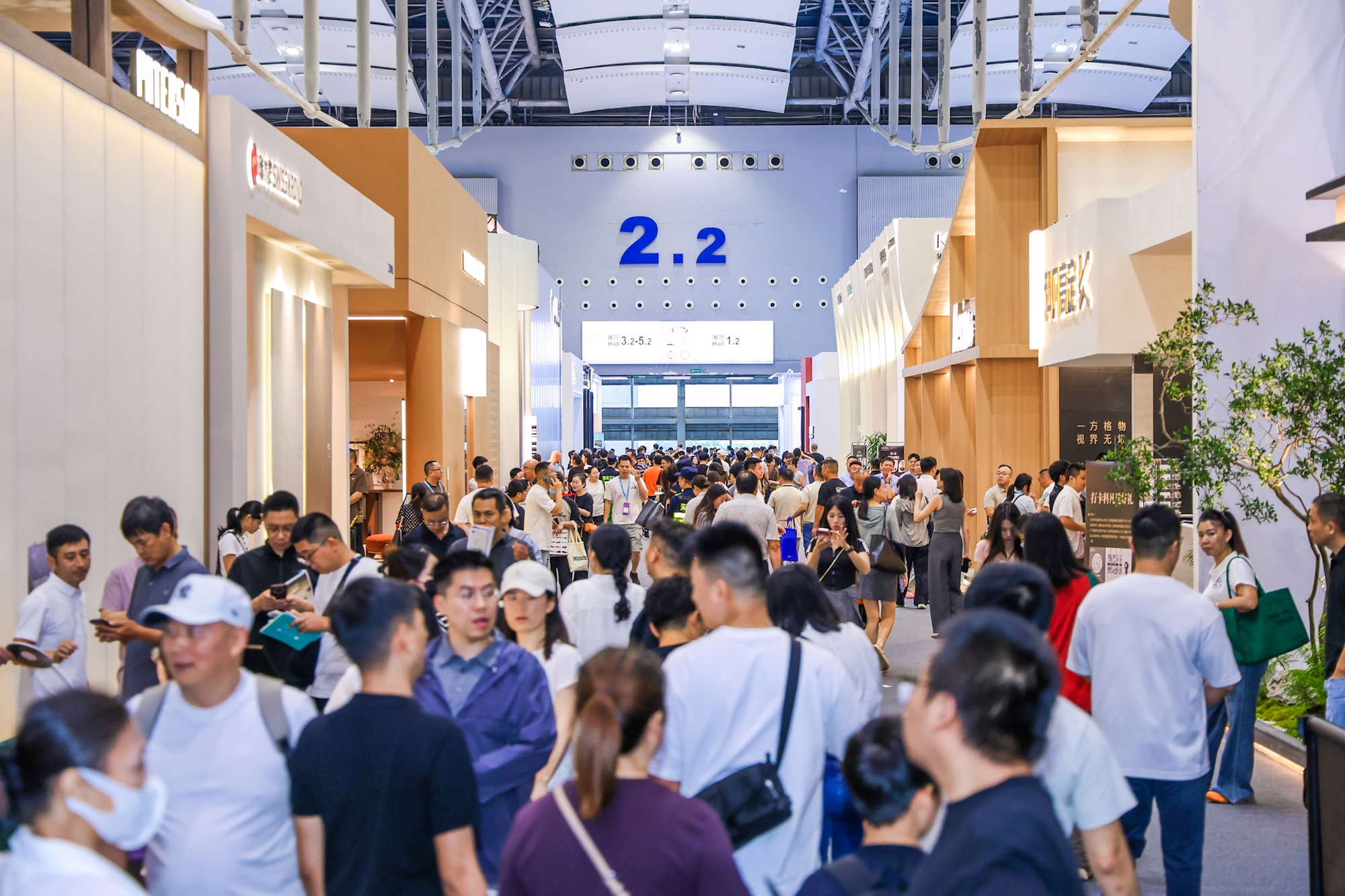
Nearly 2,000 exhibitors gathered at the 28th China International Building Decoration Fair (CBD Guangzhou 2026), where this year’s edition reflected how China’s home and building industry is expanding beyond product innovation to embrace cultural storytelling, intelligent living and ageing-friendly design.
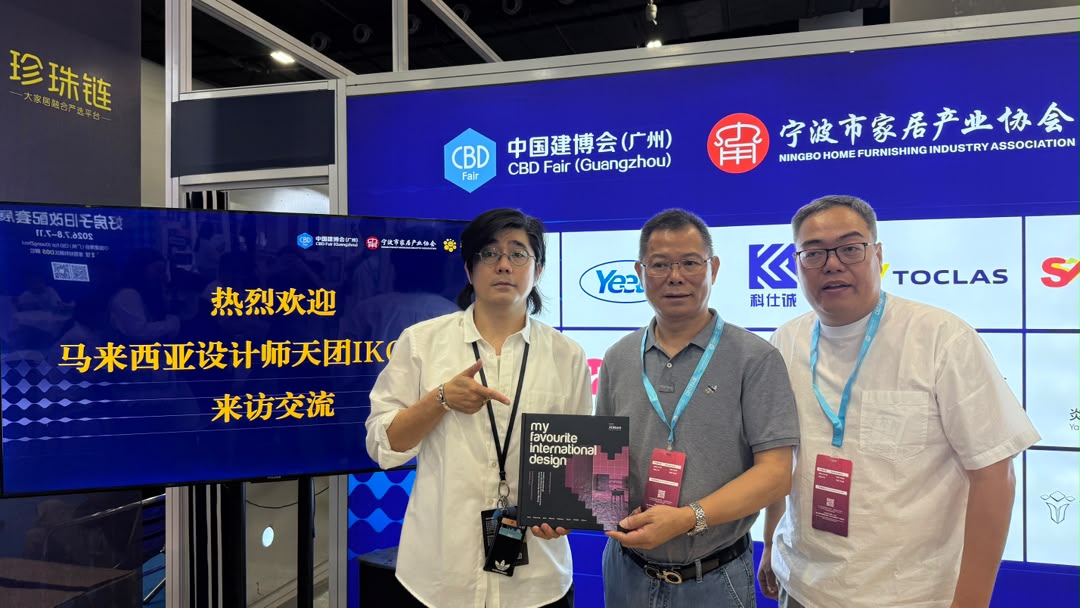
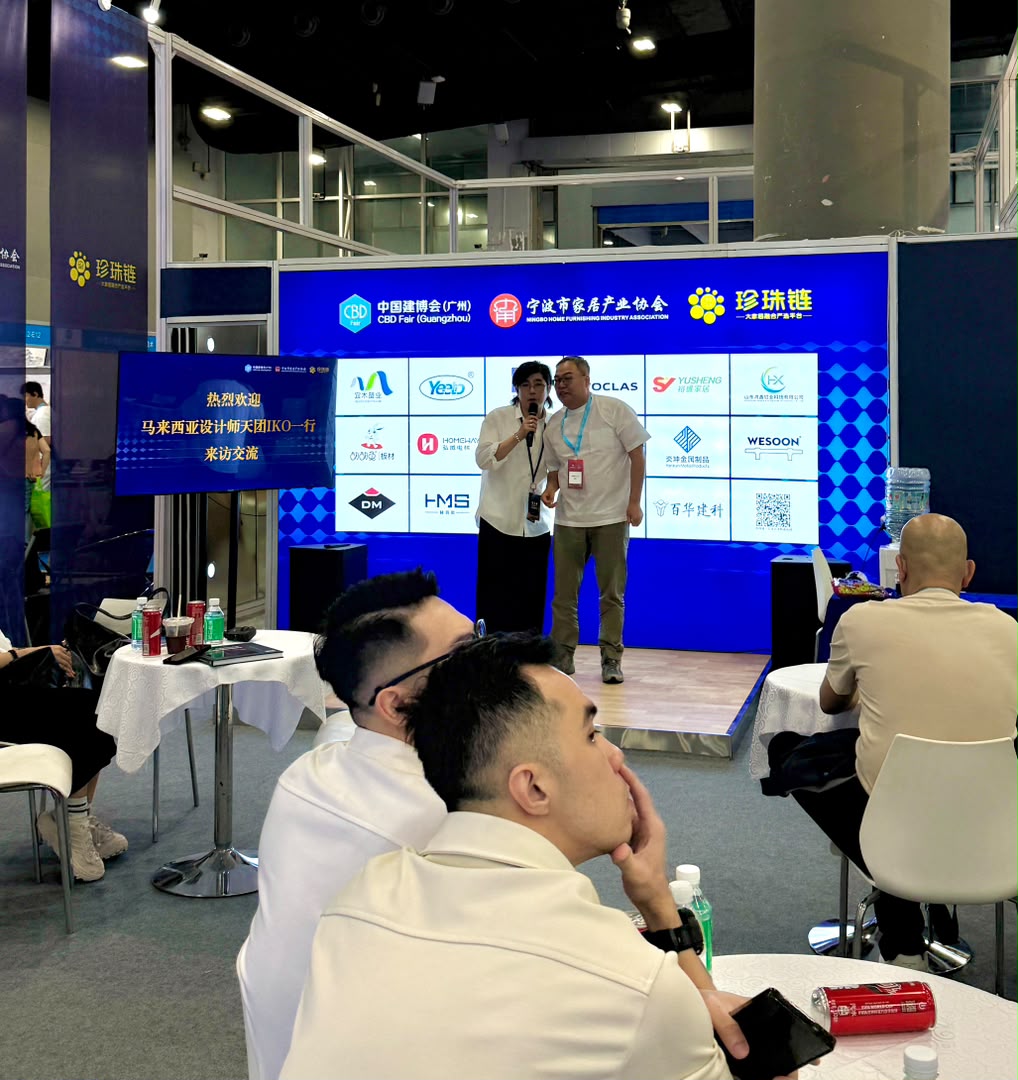
Held at the Canton Fair Complex in Pazhou, the exhibition attracted more than 140,000 professional visitors from 146 countries and regions, with overseas attendance increasing by more than 30 per cent compared to the previous edition.

Organisers further consolidated the show’s three main sectors — Interior, Exterior and MATECH — while introducing emerging themes ranging from renovation and age-friendly design to courtyard living and bamboo-based material innovation.
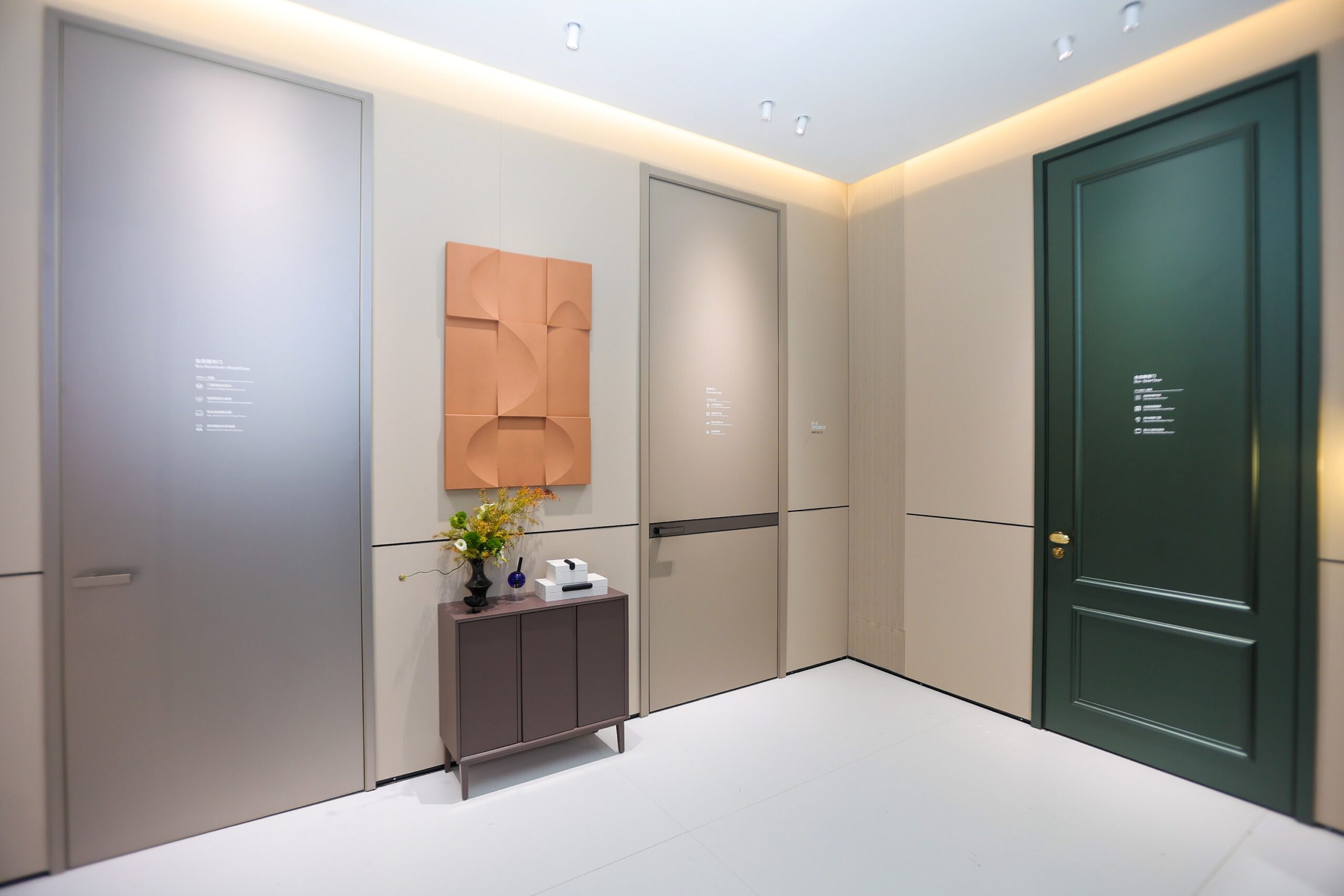
Rather than focusing solely on new products, this year’s exhibition illustrated how residential design is becoming increasingly holistic, where architecture, technology, sustainability and wellbeing are being considered as interconnected parts of everyday living.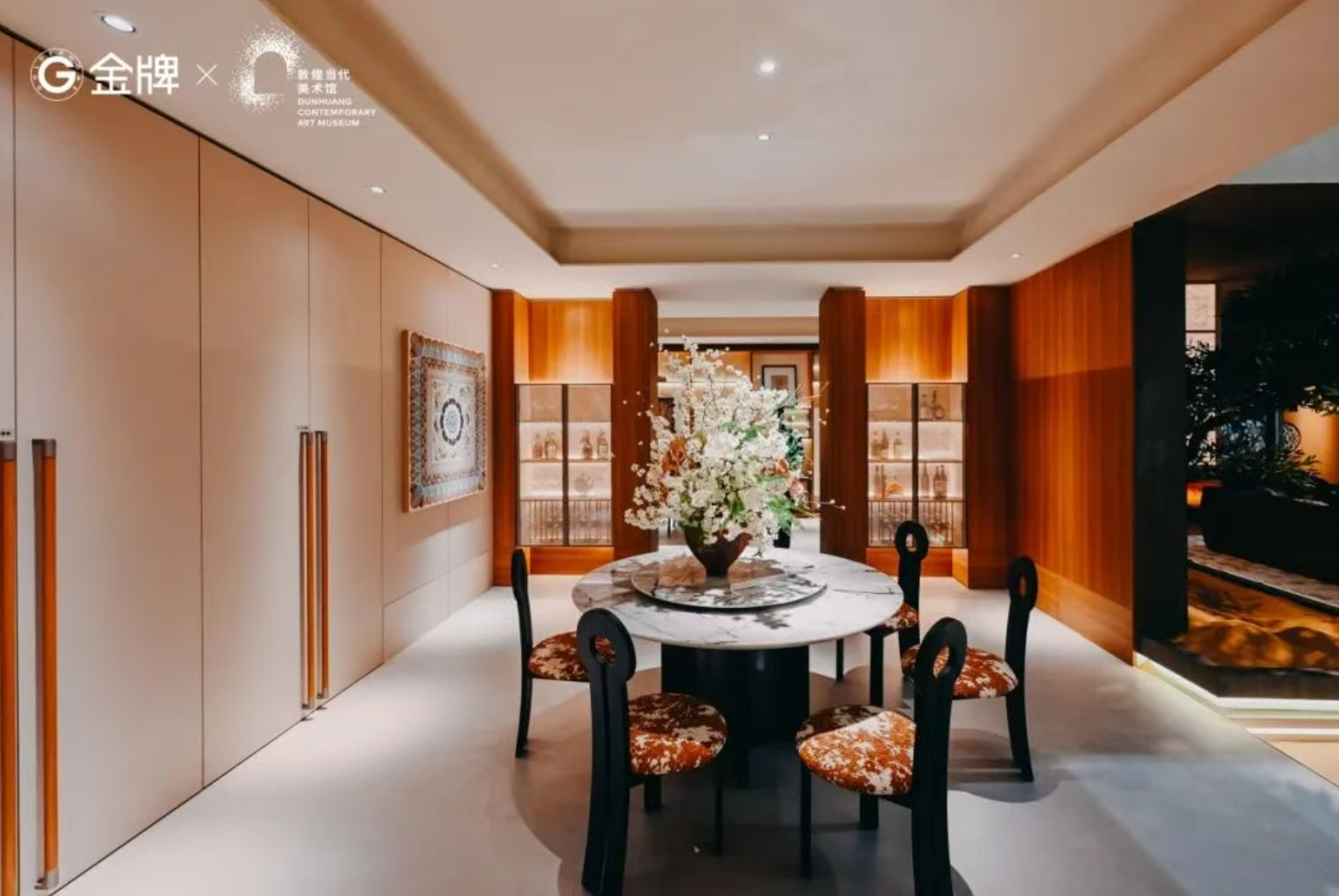
Interiors increasingly draw on cultural identity
Within the Interior sector, presented under the theme “Smart Aesthetic Living”, whole-home customisation continued to dominate the exhibition, reflecting growing demand for integrated living environments rather than individual furniture pieces.
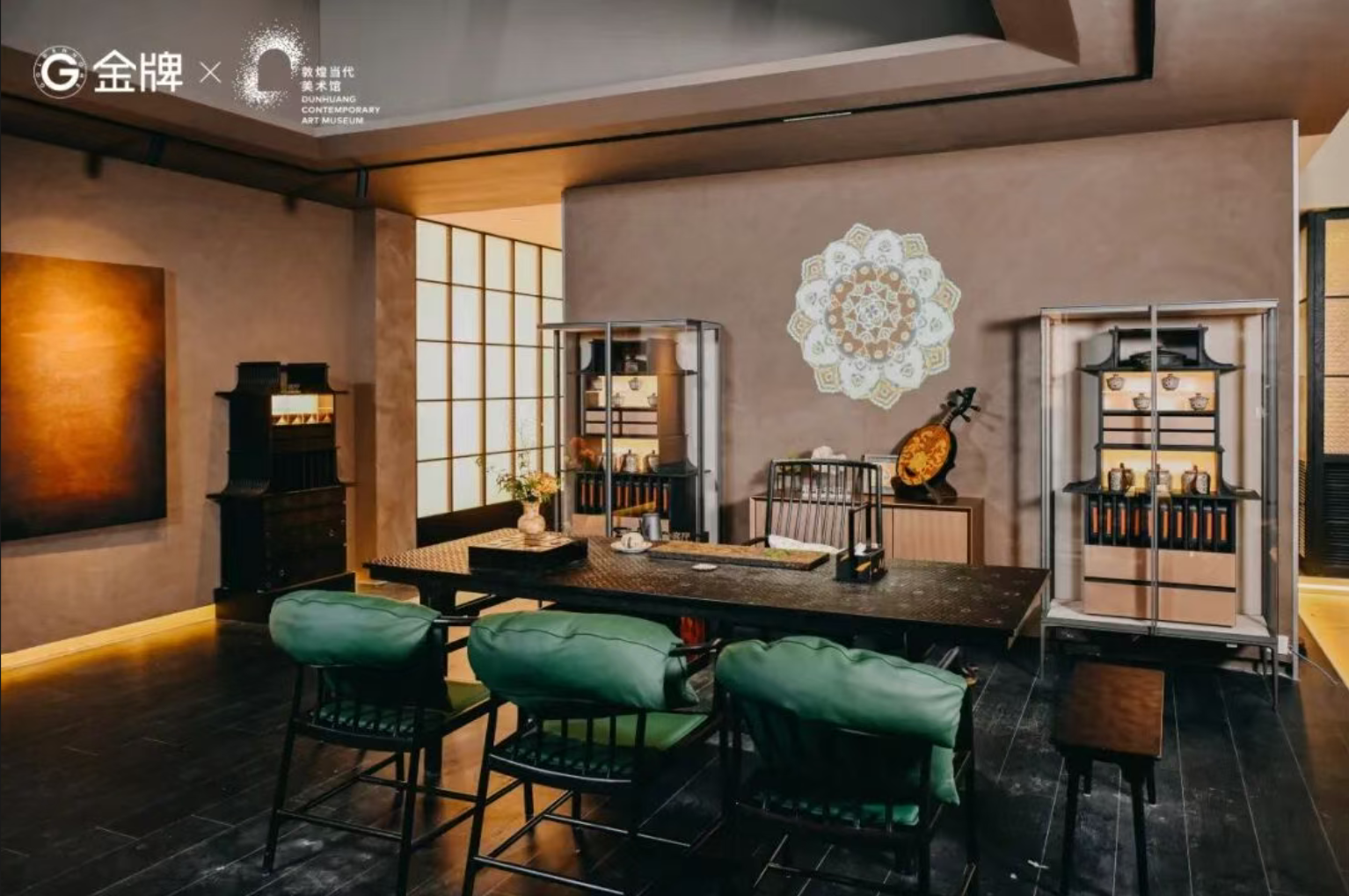
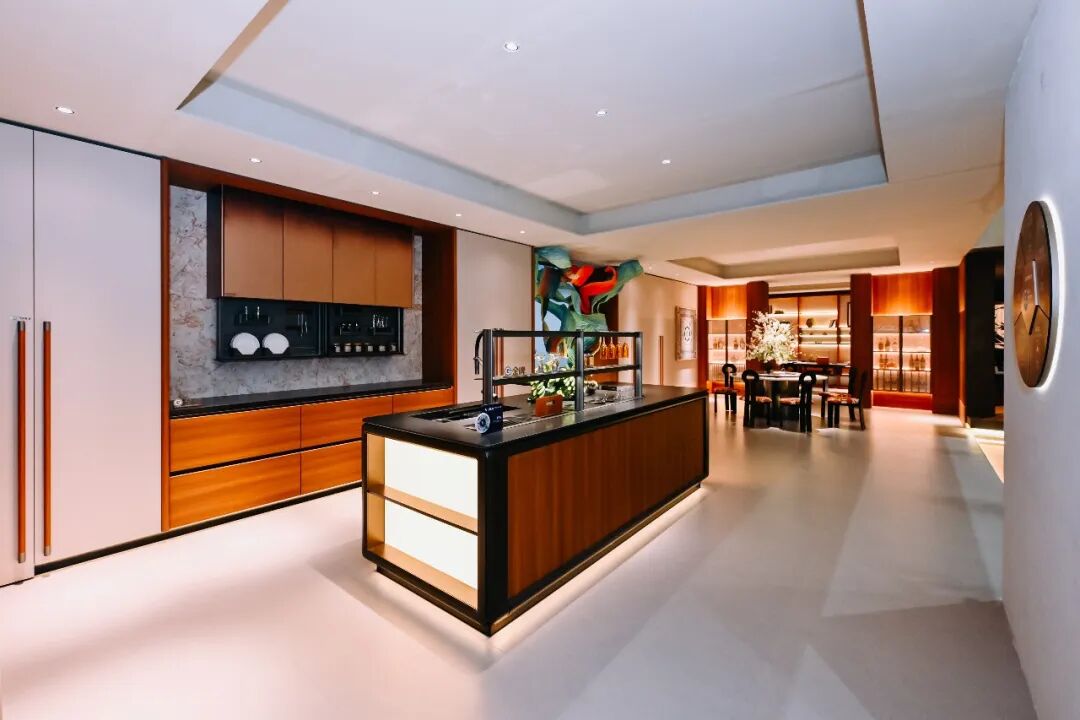
Among the most prominent presentations was GOLDENHOME, which introduced several global launches inspired by China’s historic Silk Road.
The Fengshuo collection referenced Dunhuang’s desert landscape through flowing sand-like textures, while incorporating motifs including the Three Hares mural, traditional lacquer craftsmanship and architectural references from the Mogao Grottoes into contemporary residential interiors.
Its Yunqi collection explored maritime culture spanning Shanghai, Nanyang and Southern Fujian, blending regional identity with western-inspired modernity across bedrooms, dressing rooms and bathrooms.
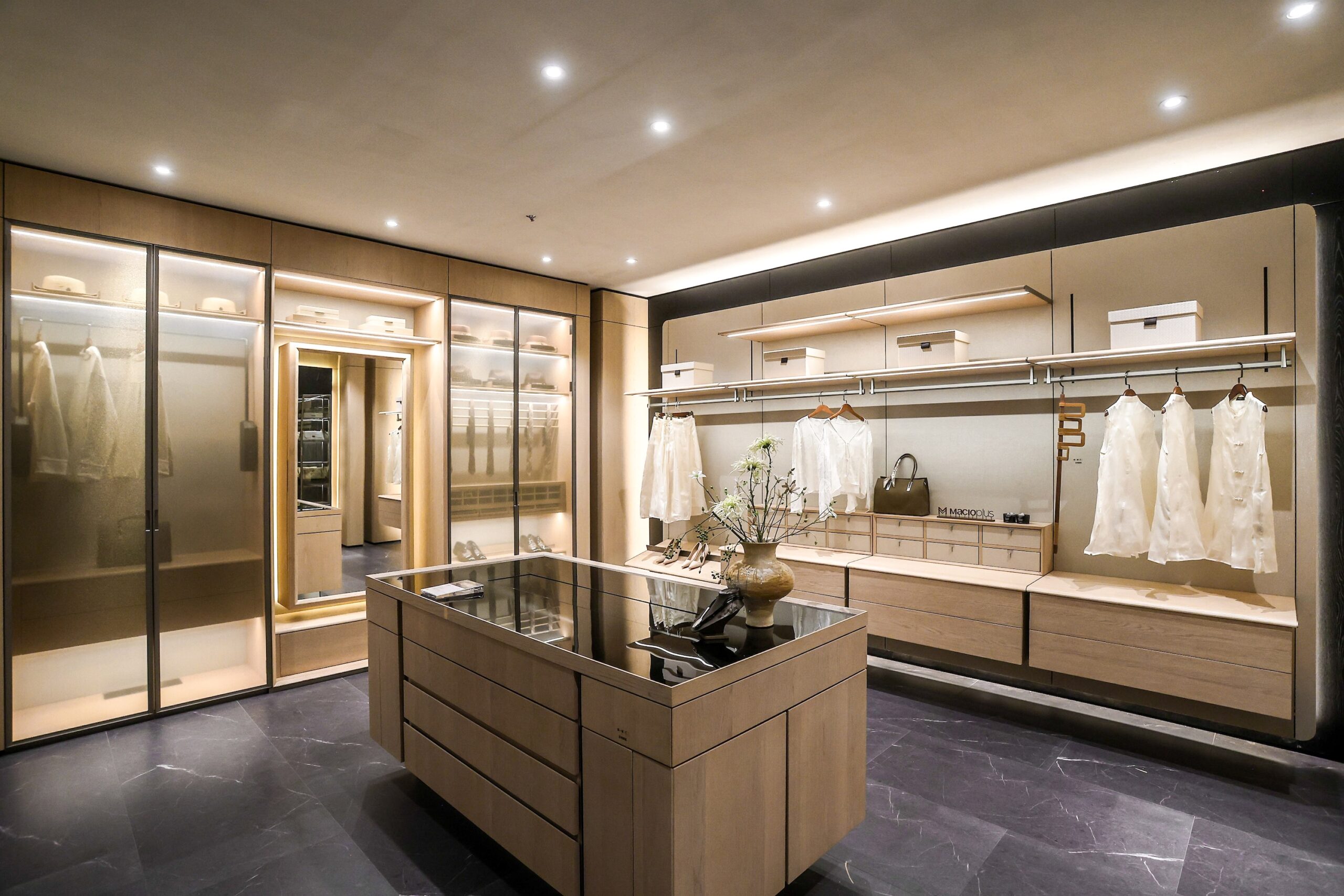
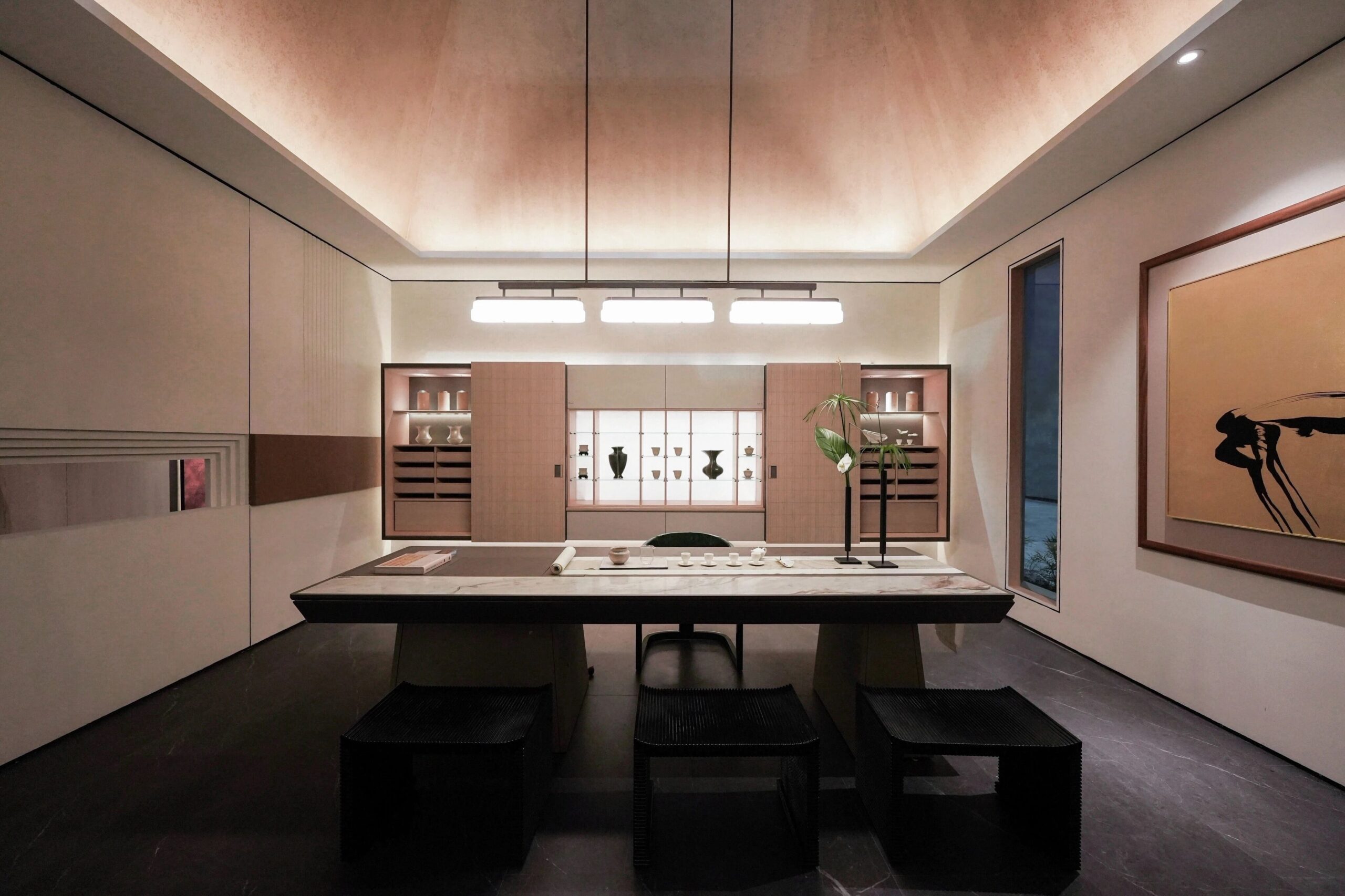
Similarly, MACIOPLUS approached custom interiors through the lens of Eastern philosophy.
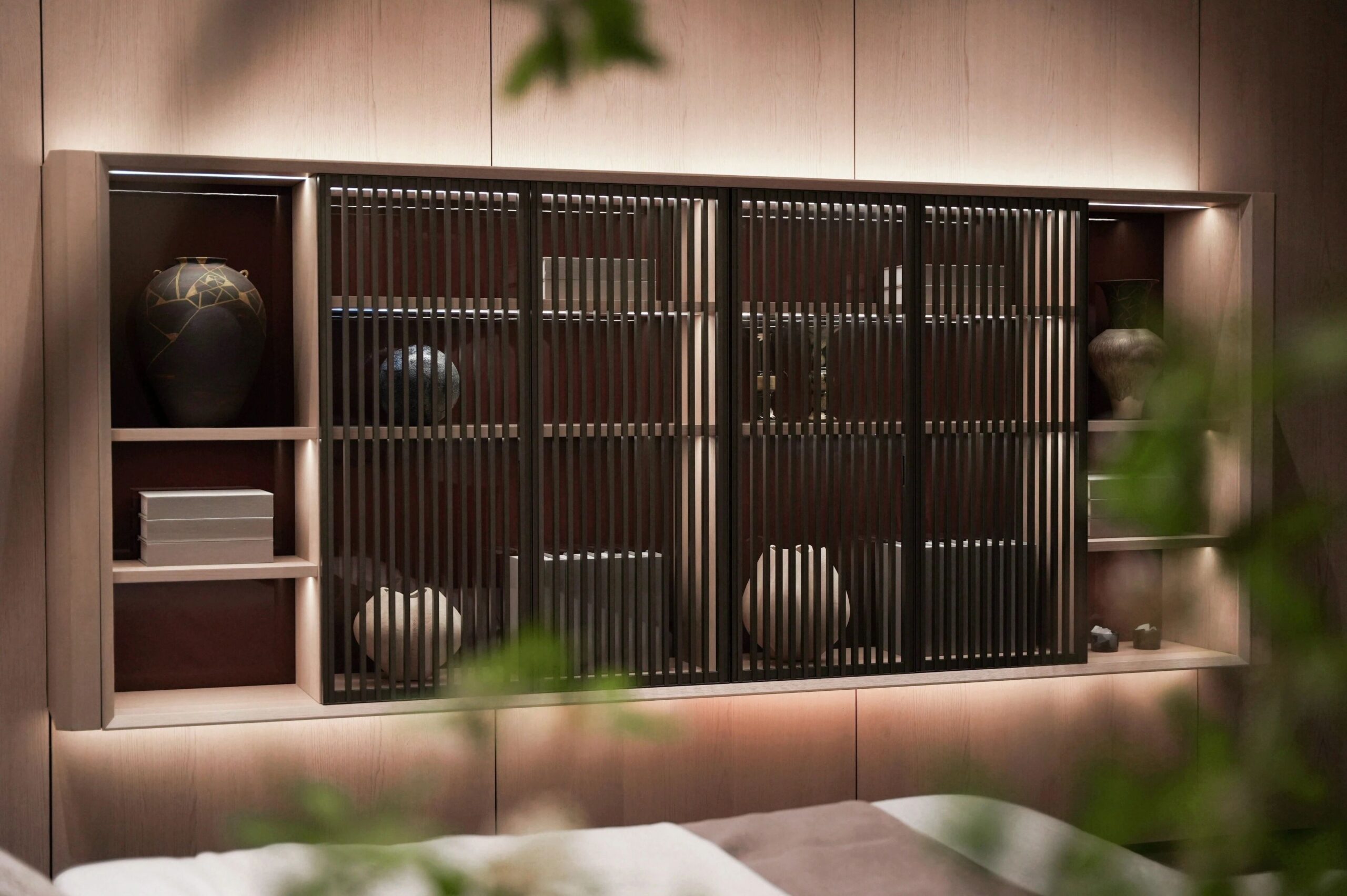
Its exhibition adopted the concept of “One Roof, One Eastern Living”, combining Song Dynasty aesthetics, traditional architectural spatial principles and bespoke craftsmanship throughout the installation.
The highlight was Earth 2.0, created in collaboration with designer Tang Chung Han, where restrained architectural forms and natural material palettes reinterpret traditional Eastern architecture within contemporary minimalist interiors.
Green energy and AI move into the home
Technology formed another defining narrative across the exhibition.
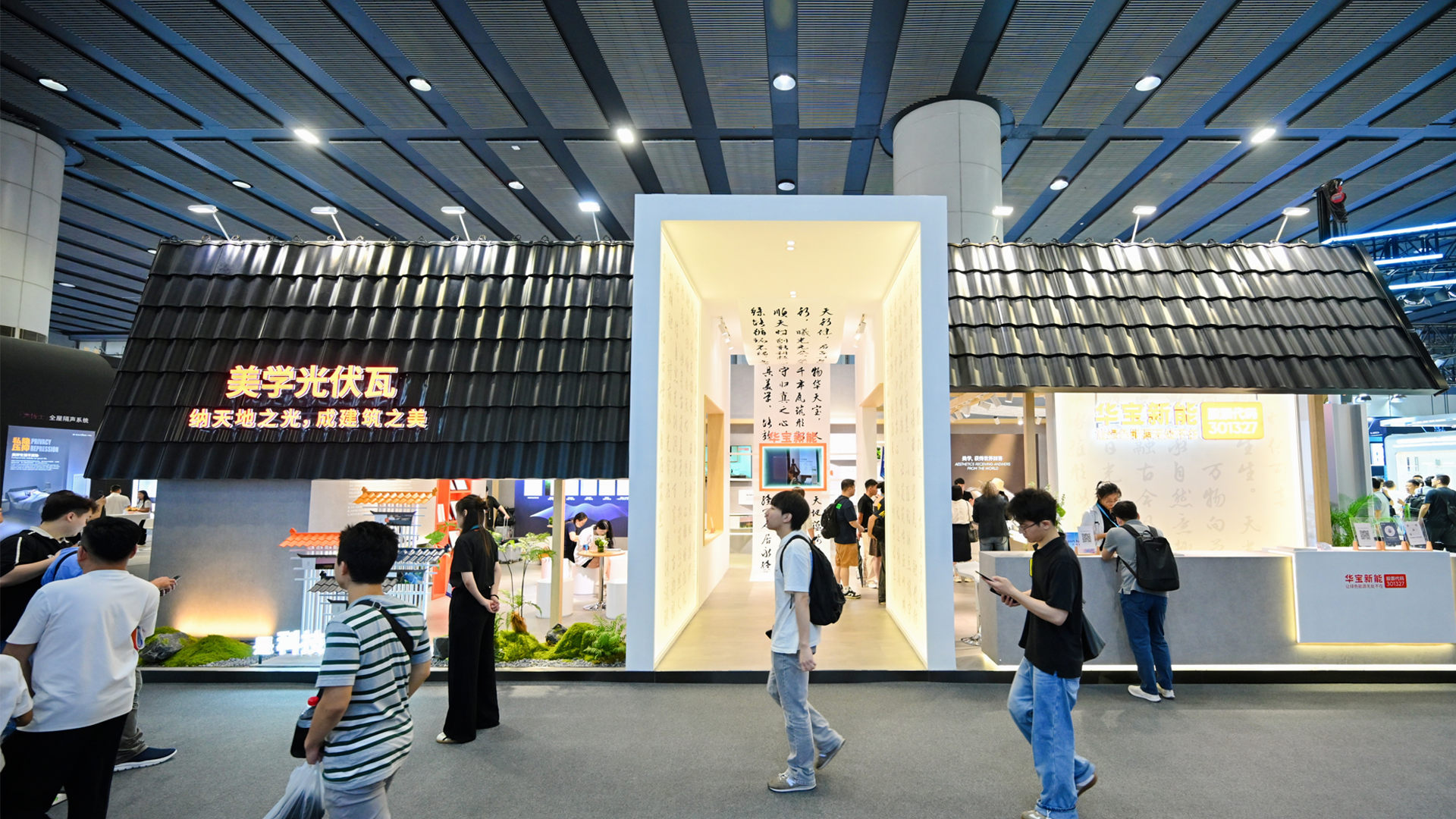
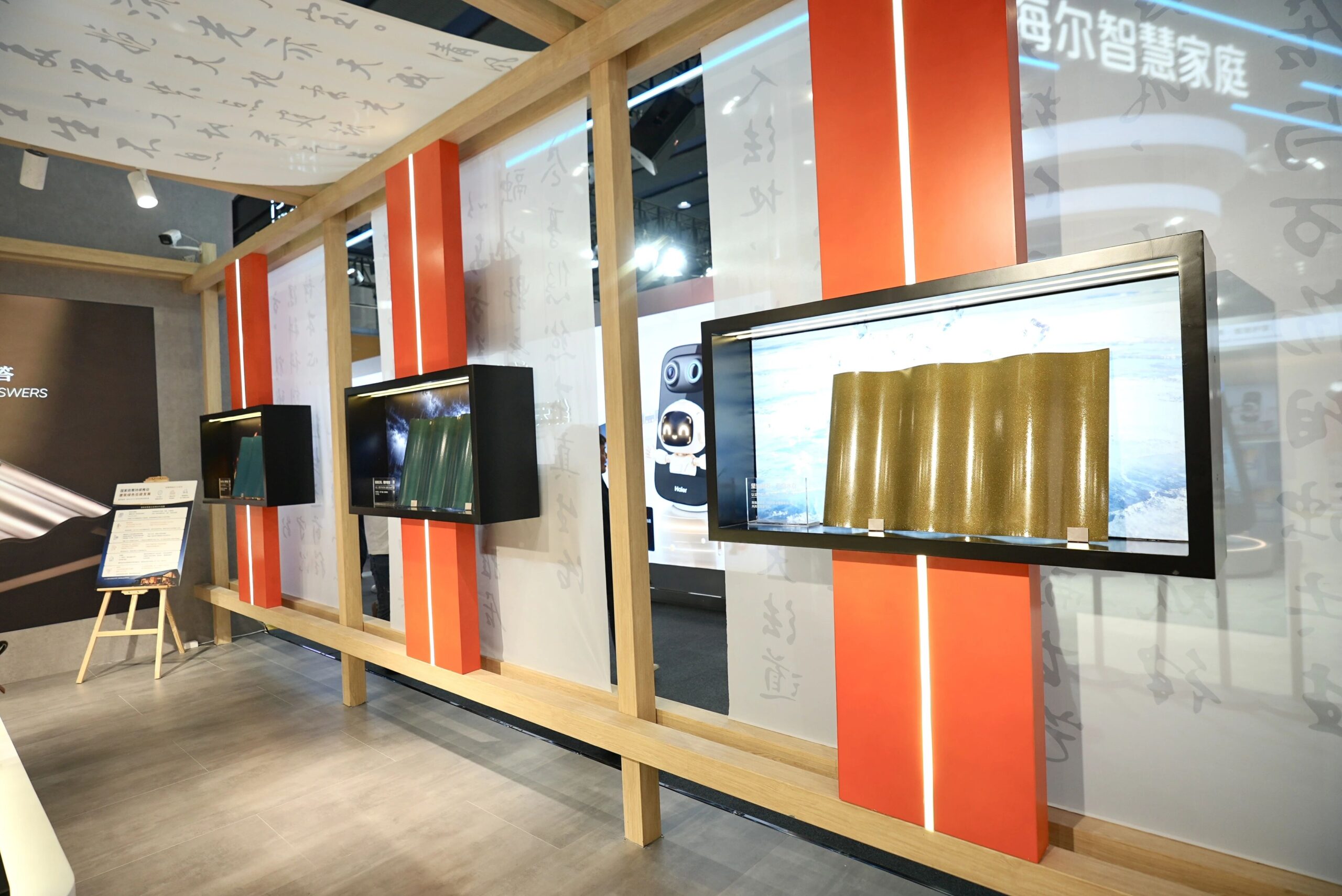
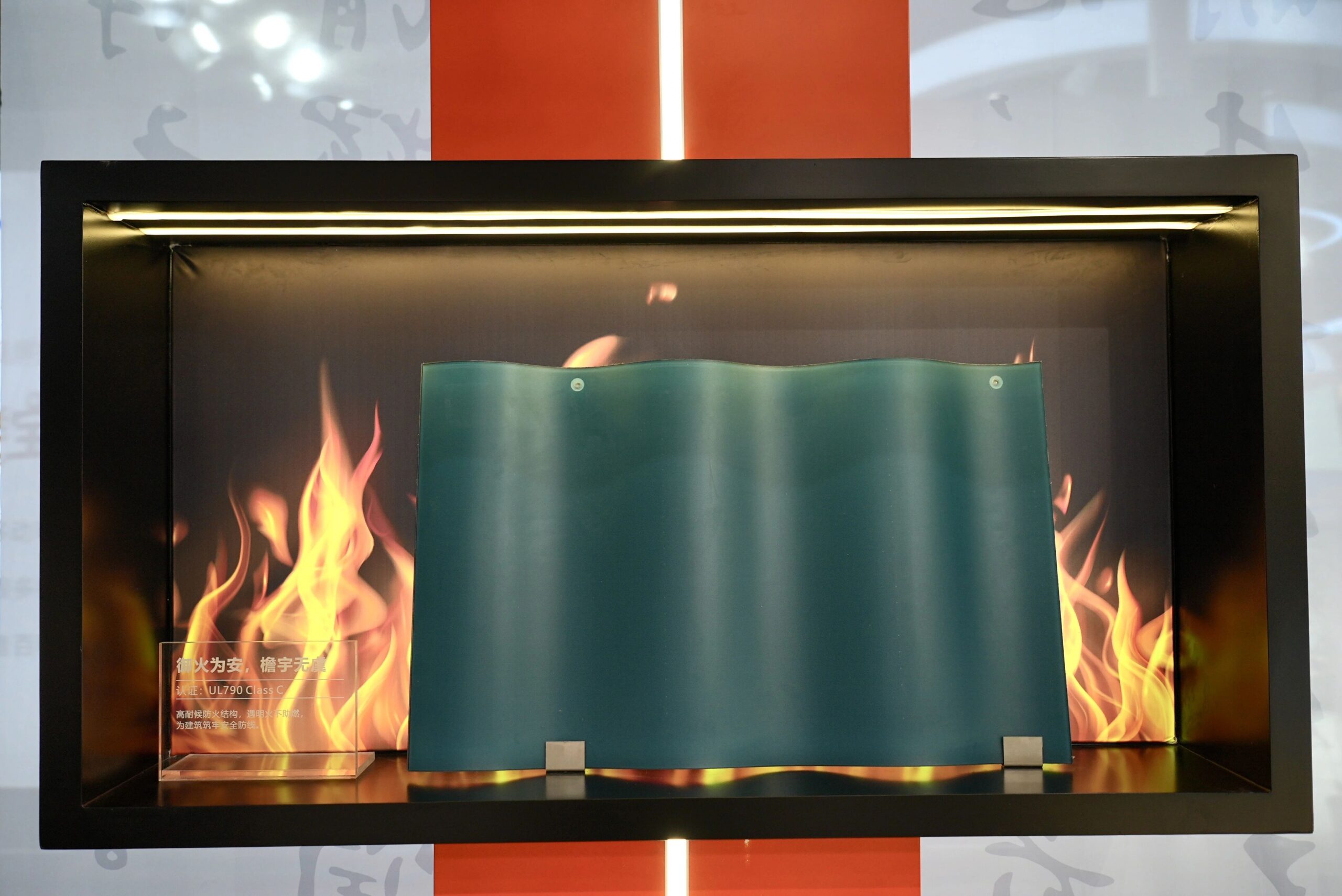
Making its CBD Guangzhou debut, Jackery presented its self-developed curved photovoltaic roof tile system, designed to resemble traditional Chinese roof tiles while integrating XBC solar technology capable of achieving conversion efficiencies exceeding 25 per cent.
The modular installation system avoids drilling into existing roofs, making it suitable for villas, self-built houses and heritage restoration projects where preserving architectural character remains essential.
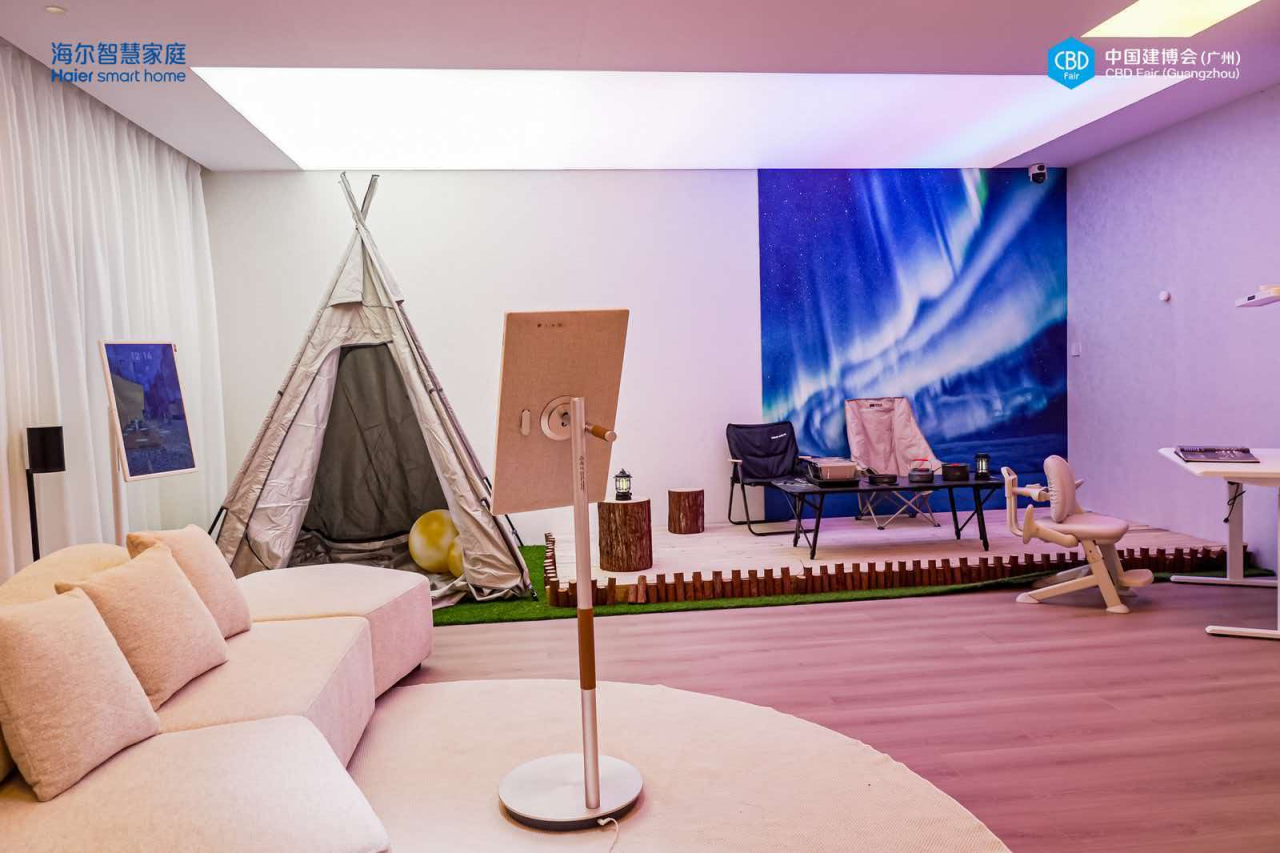
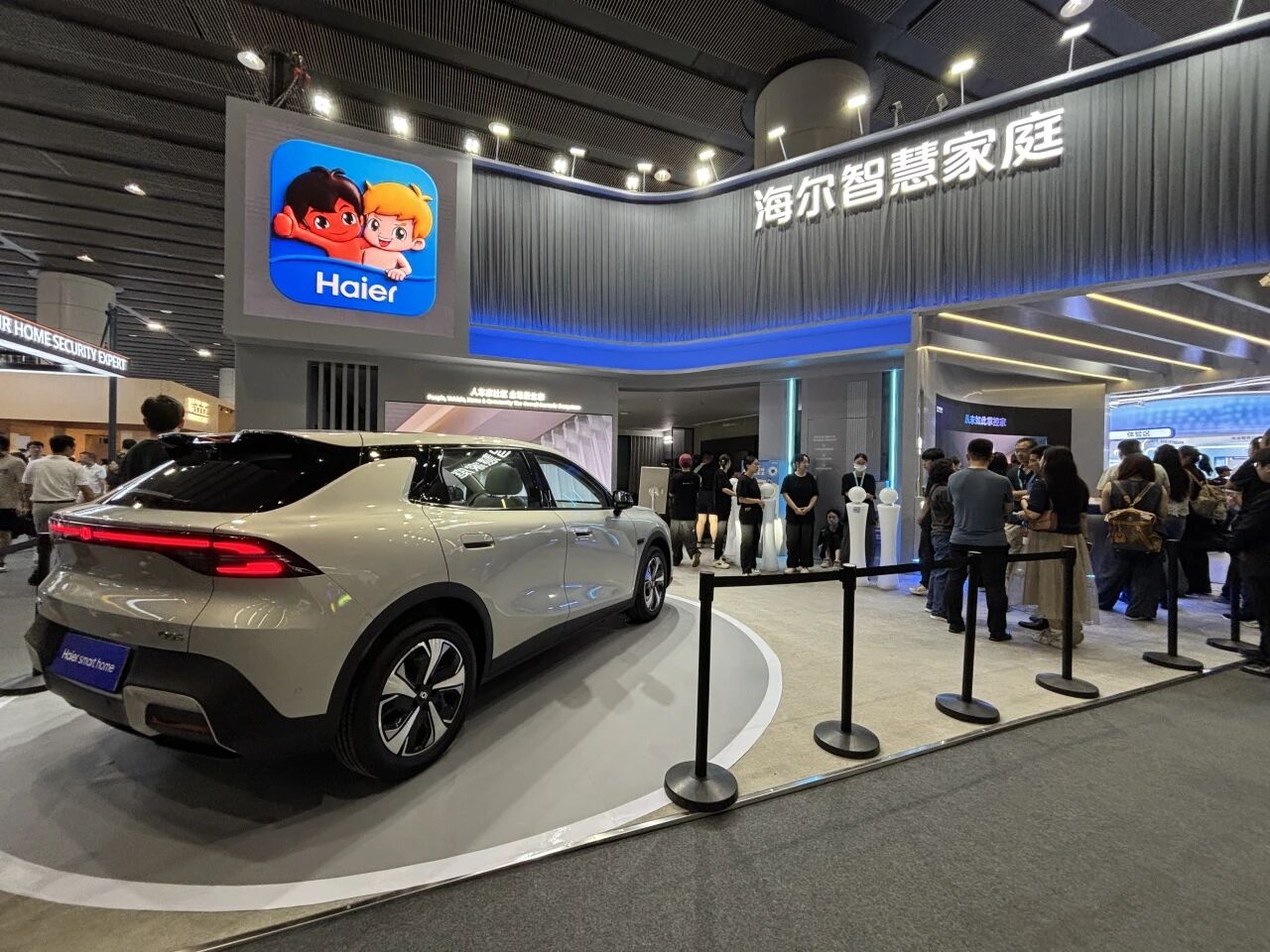
Meanwhile, Haier Smart Home demonstrated how artificial intelligence is becoming increasingly embedded within domestic routines.
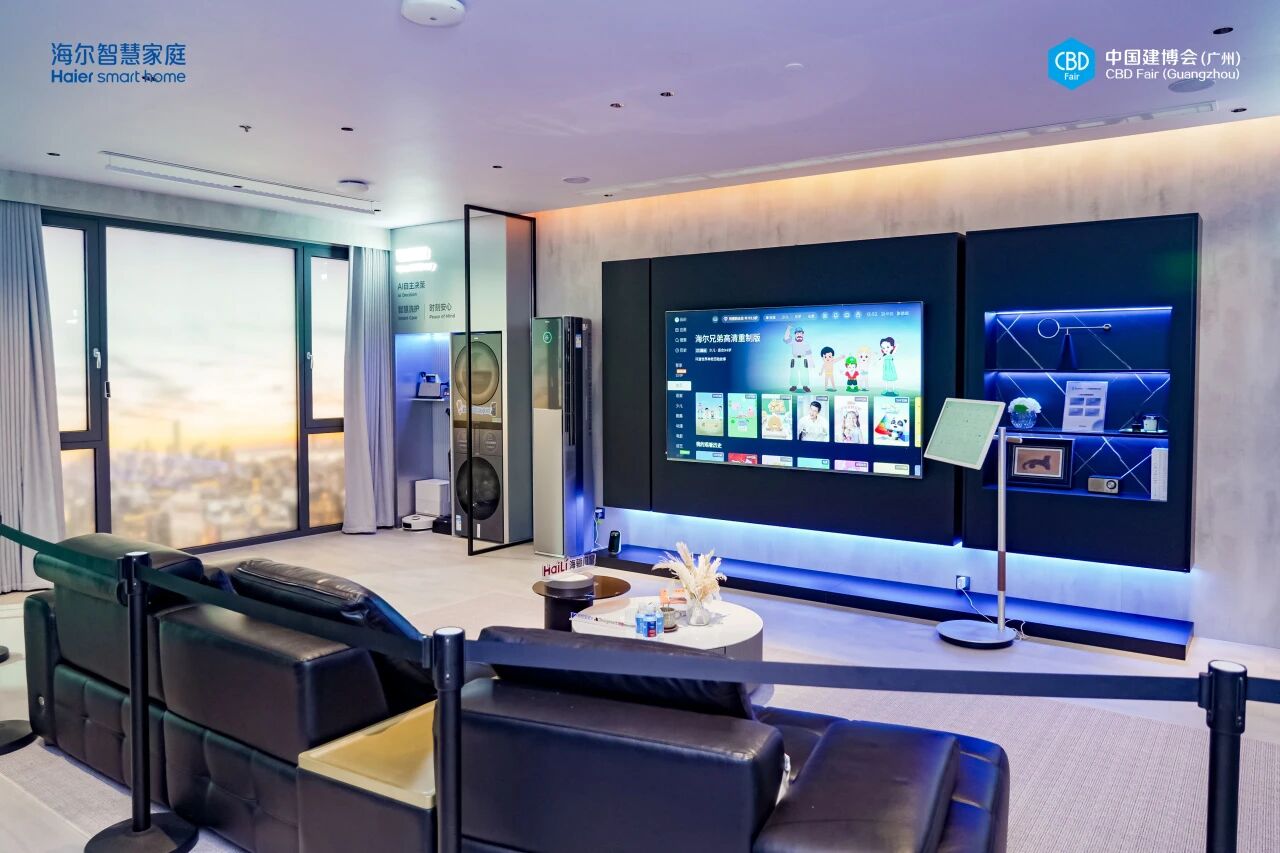
Its Seeker kitchen system combines intelligent refrigeration with AI-assisted cooking, allowing appliances to monitor food freshness and automatically adjust cooking conditions.
Beyond the kitchen, Haier also introduced its AI desktop companion robot capable of video calls, home monitoring and family assistance, alongside new smart locks and an expanded open smart-home ecosystem developed in collaboration with Home Assistant, Aqara, Huawei and Xiaodu.
Together, these developments reflected a broader industry movement towards open, interoperable smart home platforms rather than isolated connected devices.
Age-friendly design expands beyond healthcare
Another notable shift was the growing visibility of age-friendly design throughout the exhibition.
The Warm Living Smart Ageing Pavilion, developed together with the China Association of Social Welfare and Senior Service, recreated everyday domestic environments including kitchens, bedrooms, bathrooms and living spaces to demonstrate how ageing-in-place can be integrated into residential design rather than treated as specialist healthcare infrastructure.
Artificial intelligence also played a supporting role behind the scenes, with Tencent Cloud’s AI Agent and the OpenClaw ecosystem enabling connected services throughout the installation.
Sleep technology formed part of this conversation.
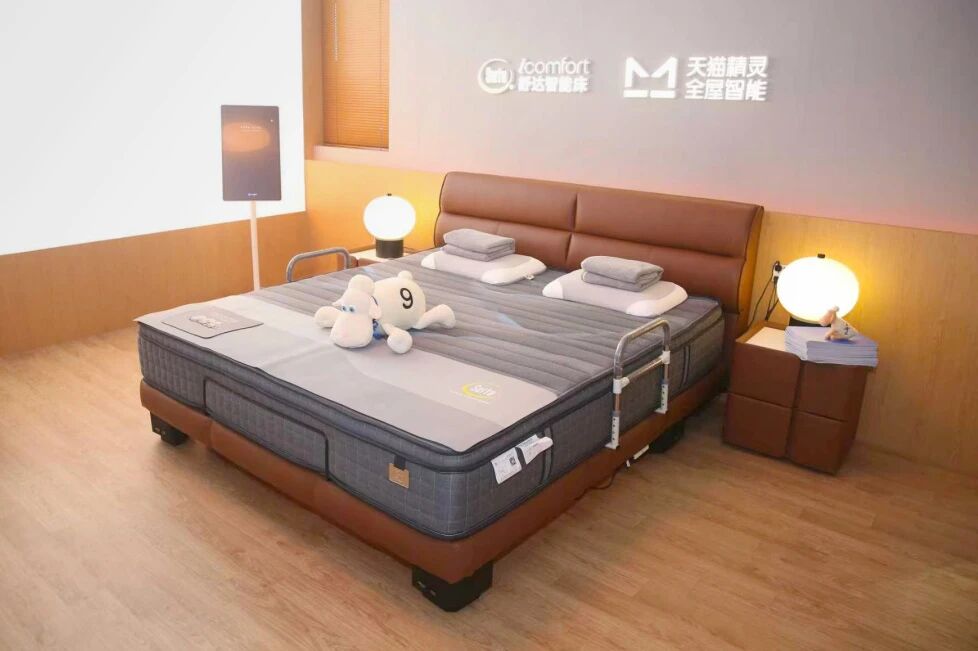
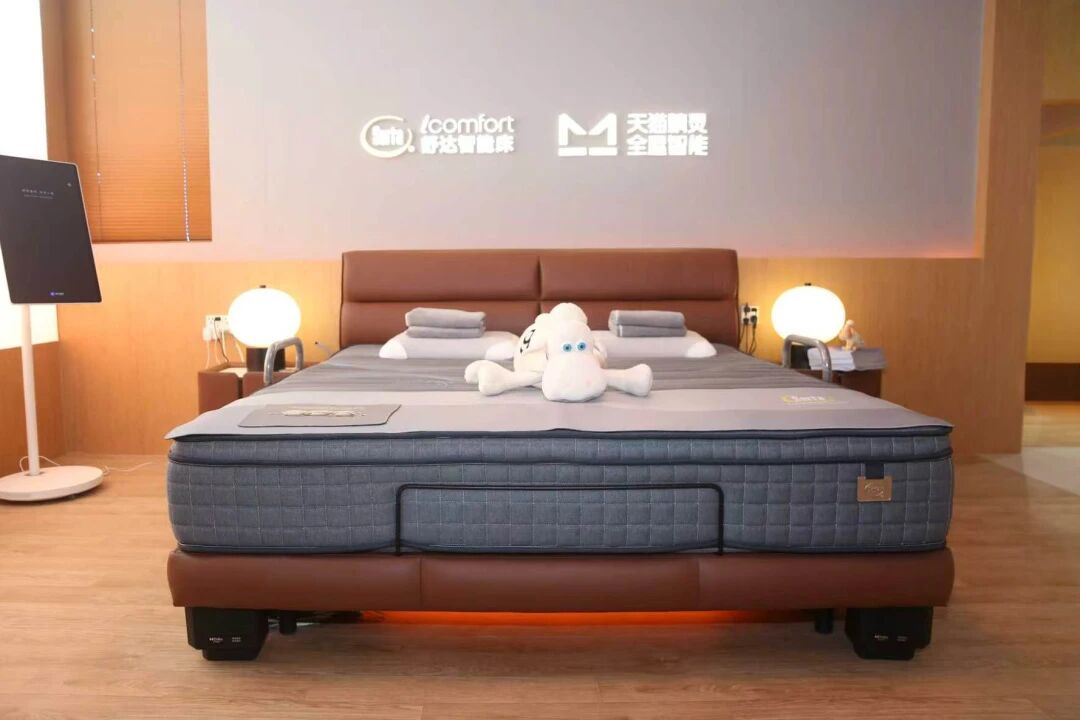
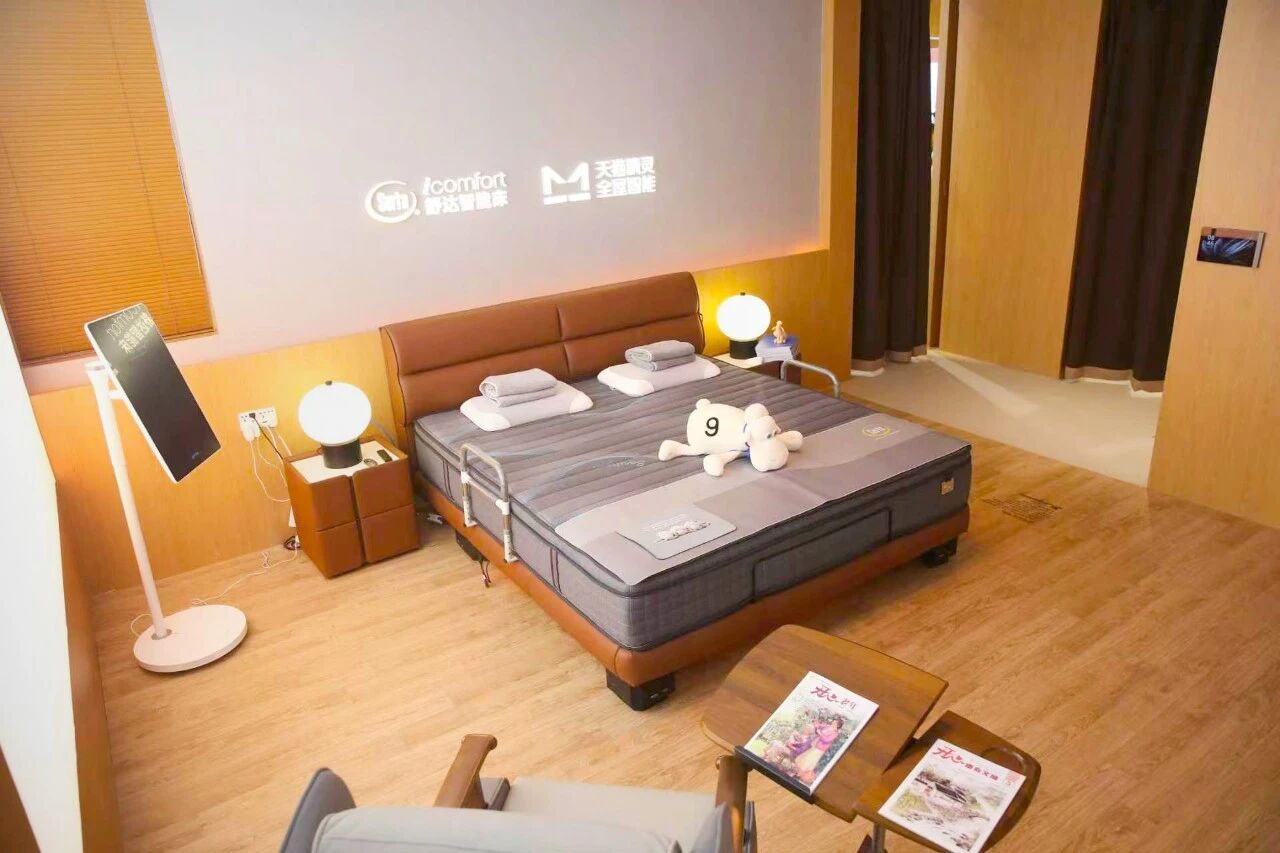
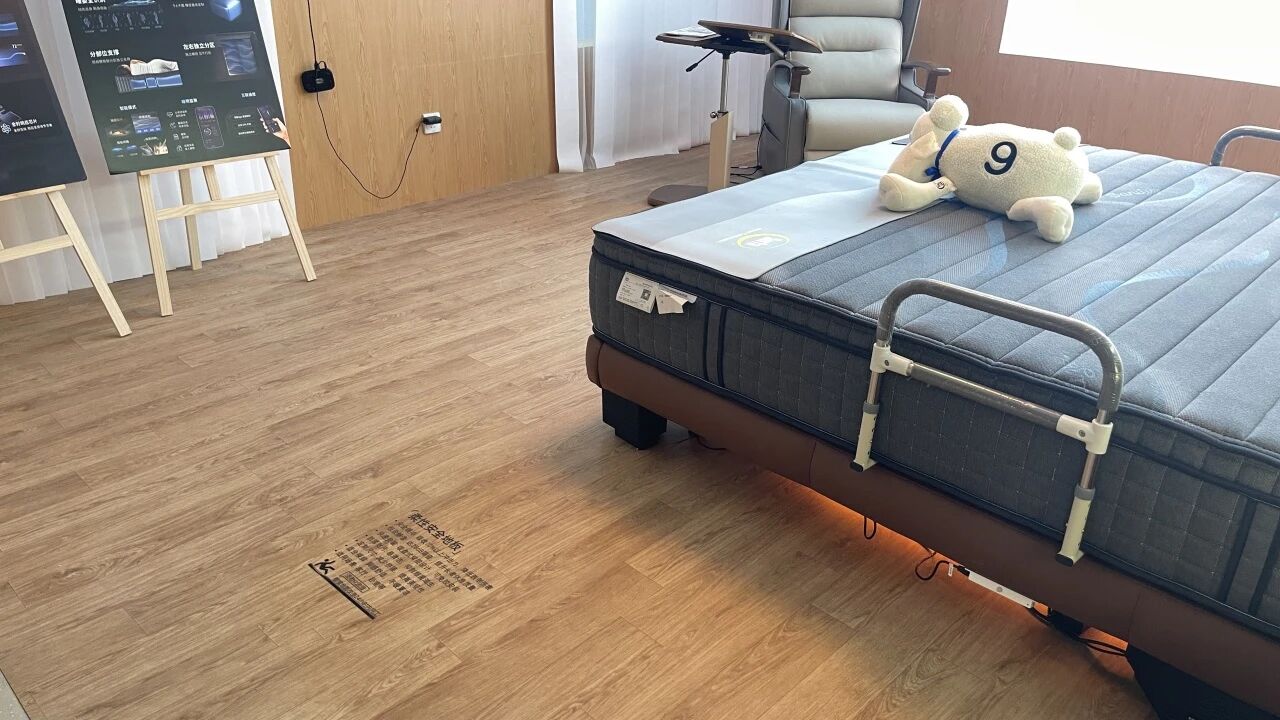
Serta introduced its AI Adaptive Mattress X1, which combines pressure sensing with its proprietary AI Dream Engine to continuously adjust mattress firmness according to body movement and sleeping posture, aiming to provide personalised comfort throughout the night.
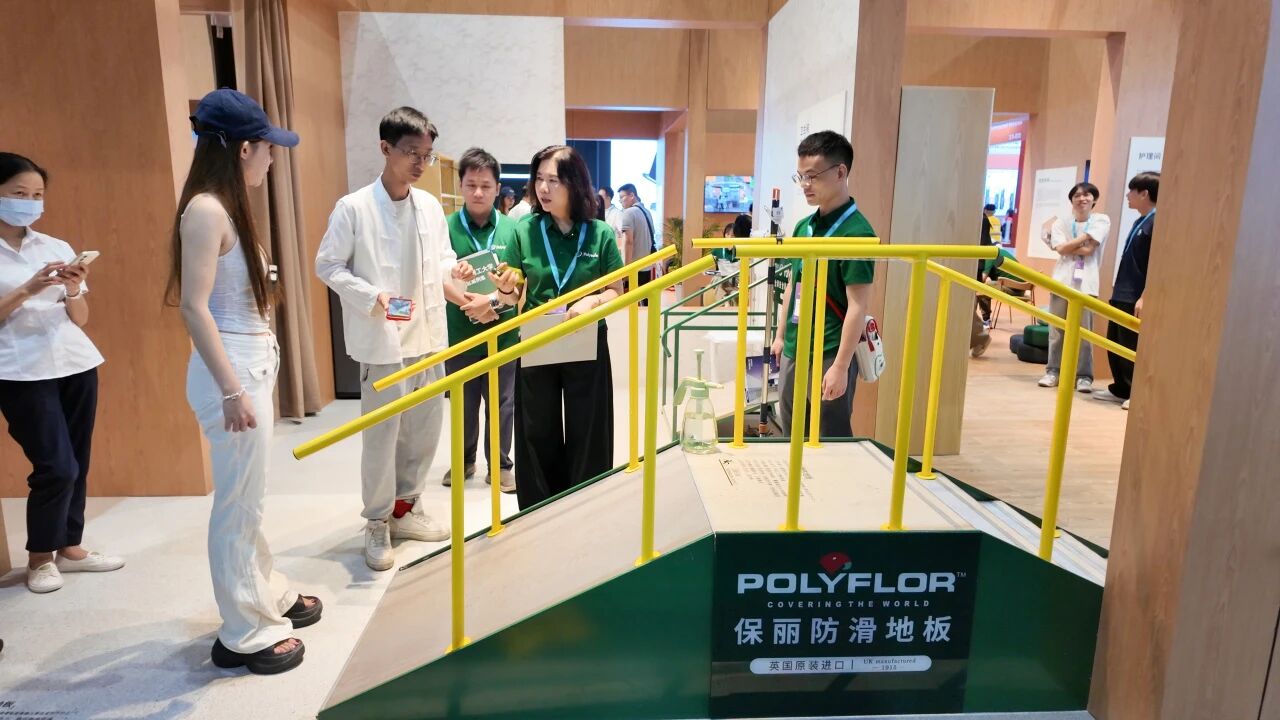
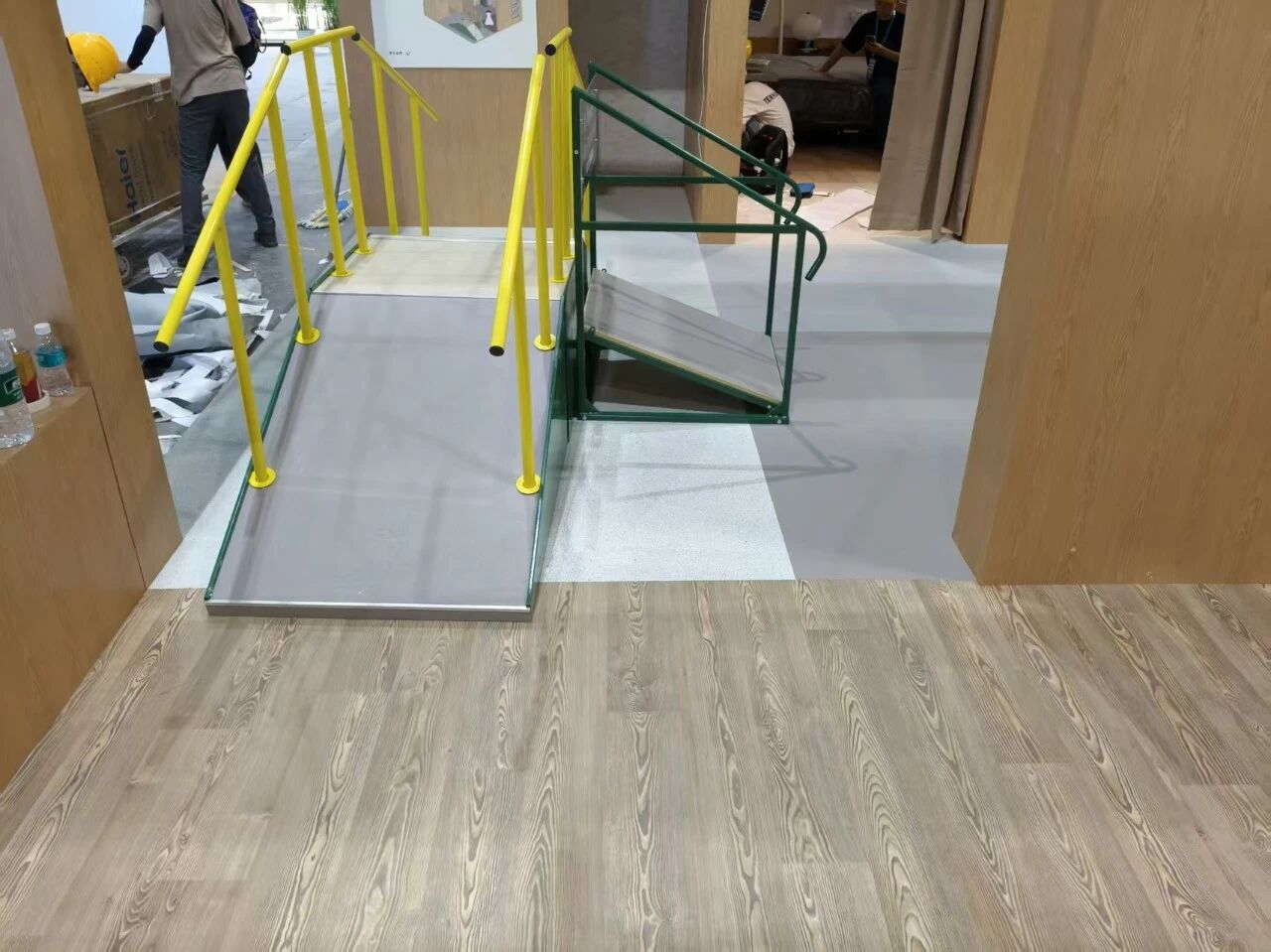
Safety within the home was also addressed by HHT and British flooring manufacturer Polyflor, whose exhibition recreated wet kitchen and bathroom environments to demonstrate slip-resistant flooring designed to reduce fall risks for older users.
Staircases become architectural statements
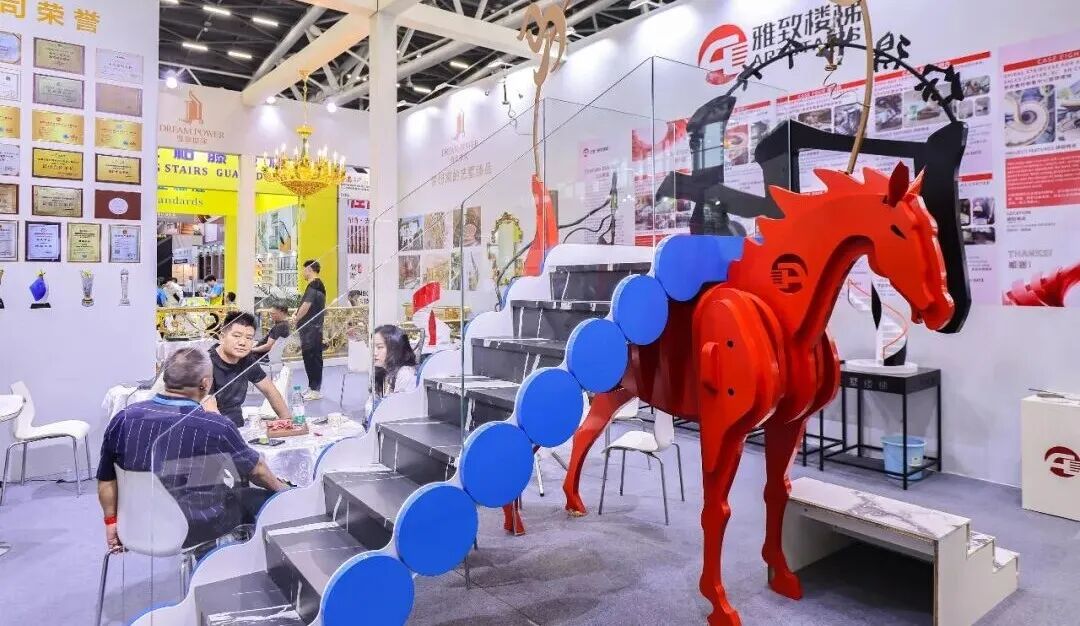
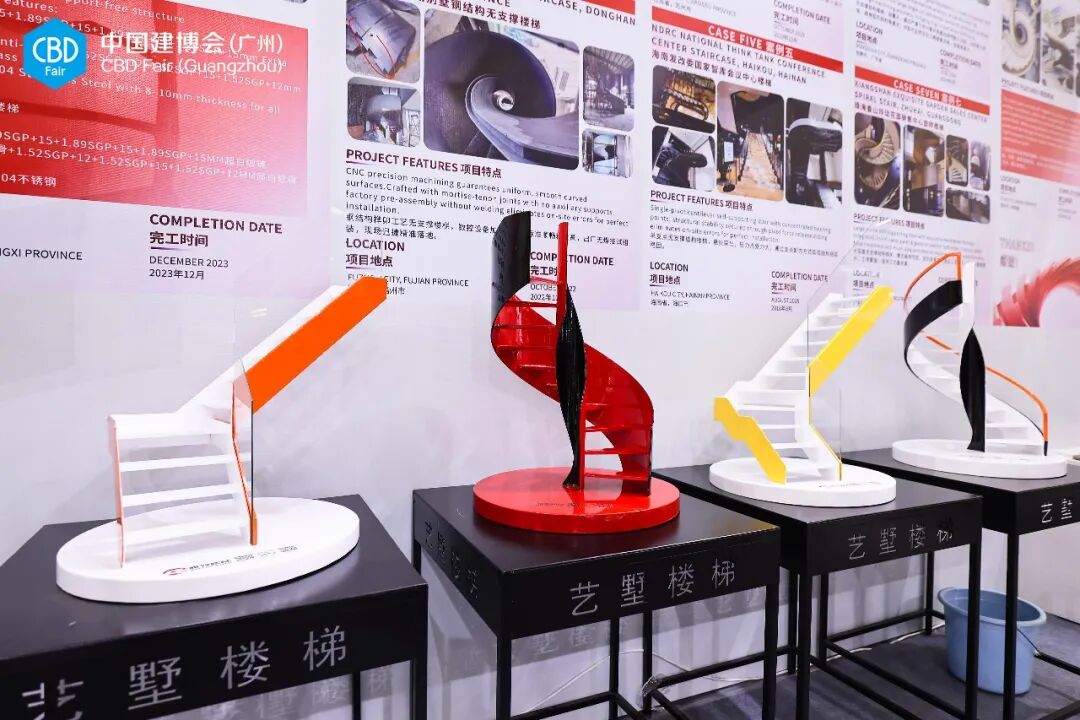
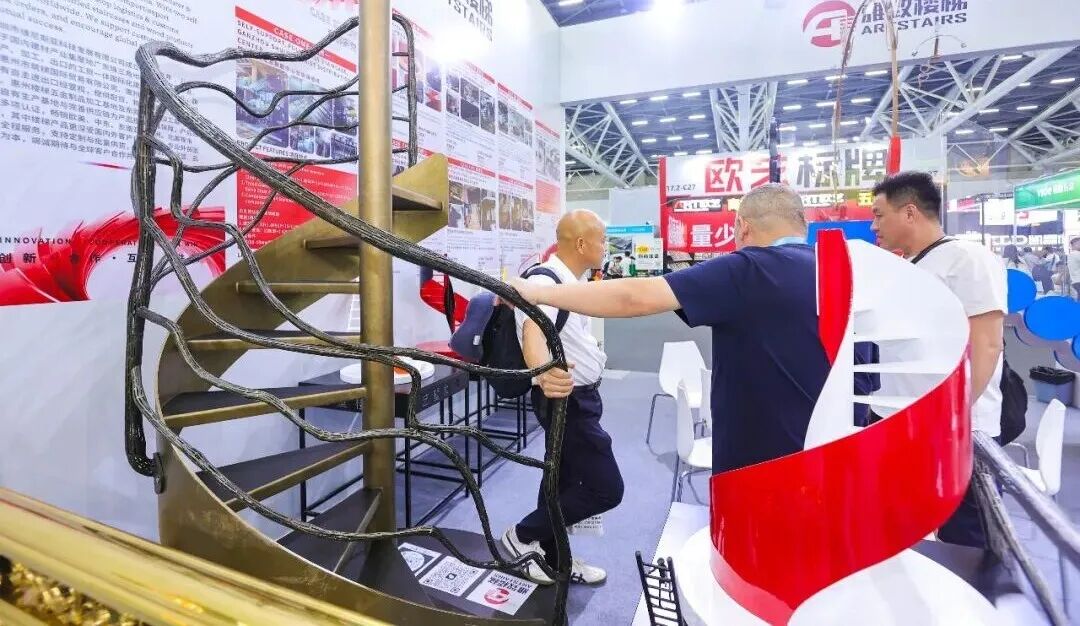
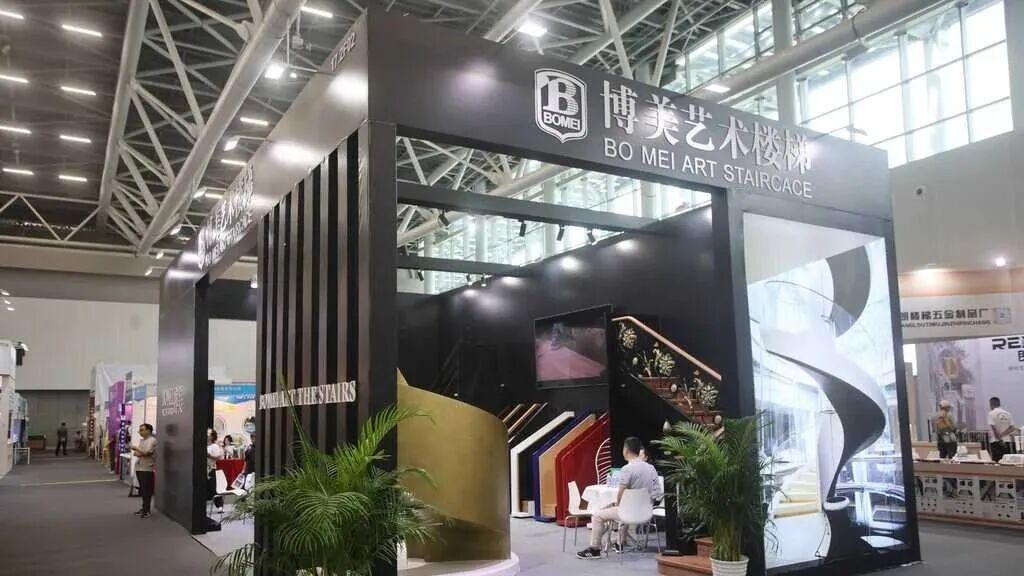
Within the newly introduced DWS+ Windows, Shading and Artistic Staircase Exhibition, more than 40 staircase manufacturers demonstrated how staircases are increasingly being treated as sculptural architectural elements rather than purely functional connectors.
ARTSTAIRS presented steel staircases that combined expressive structural forms with playful cultural references, while BOMEI ART STAIRCASE showcased handcrafted metal staircases ranging from elaborate ornamental works to minimalist contemporary designs.

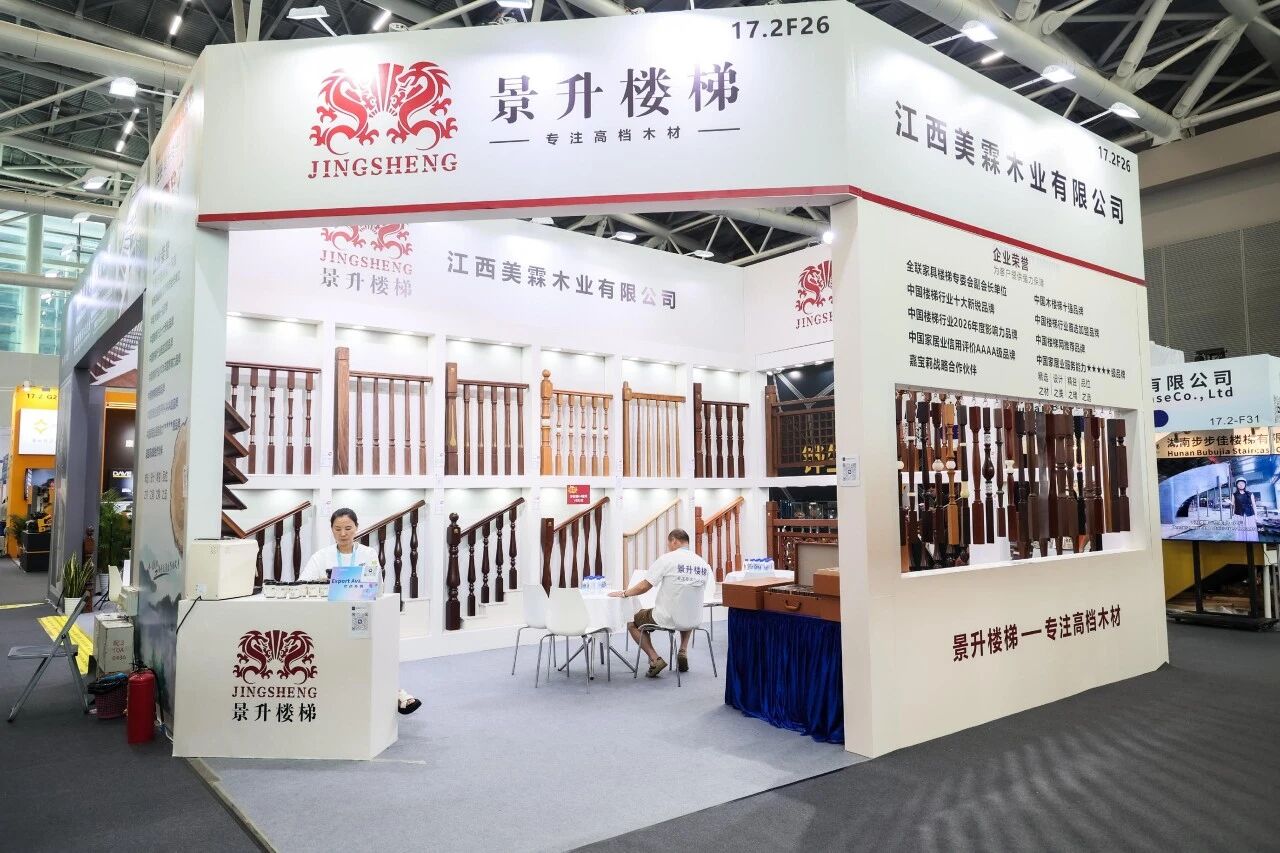
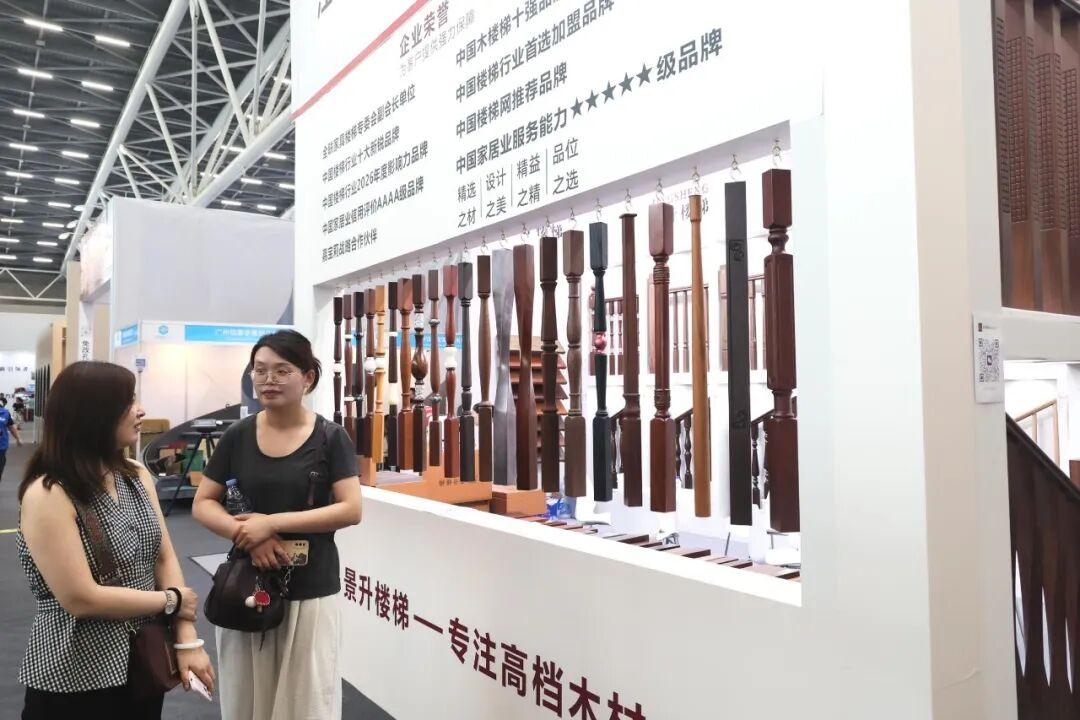
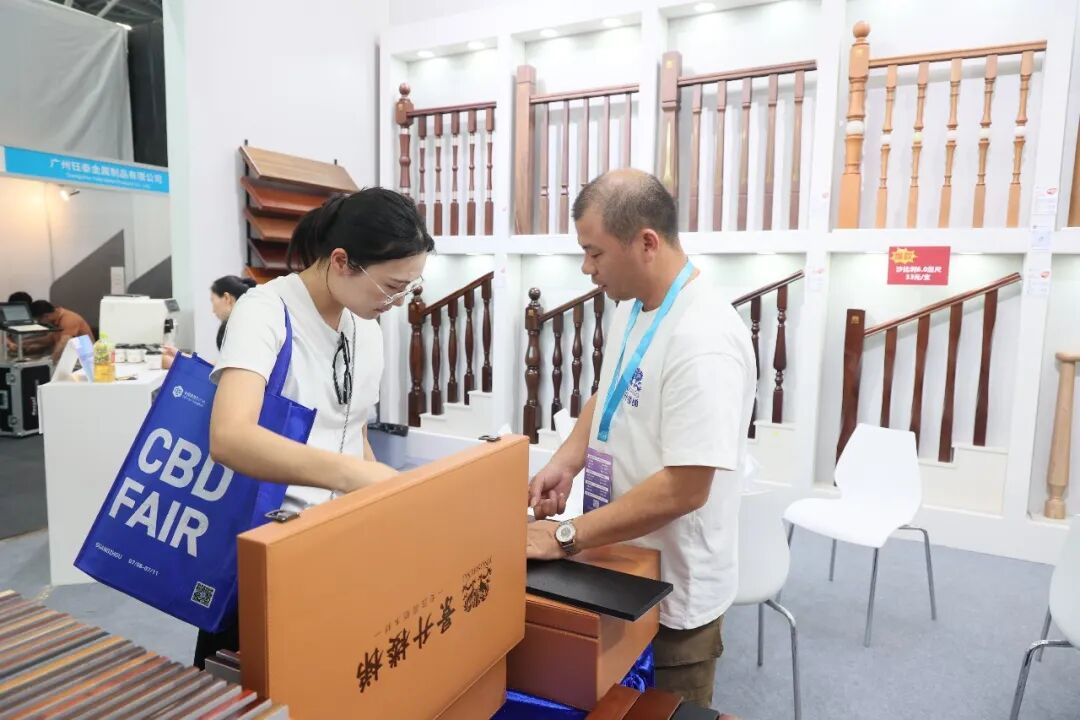
Elsewhere, JINGSHENG focused on the natural character of imported hardwoods, allowing material quality and craftsmanship to become the defining visual language of its exhibition.
Material innovation embraces craftsmanship and sustainability
The exhibition concluded within the MATECH sector, where the MATECH SPARKlab explored how material innovation increasingly intersects with digital technology and sustainable manufacturing.
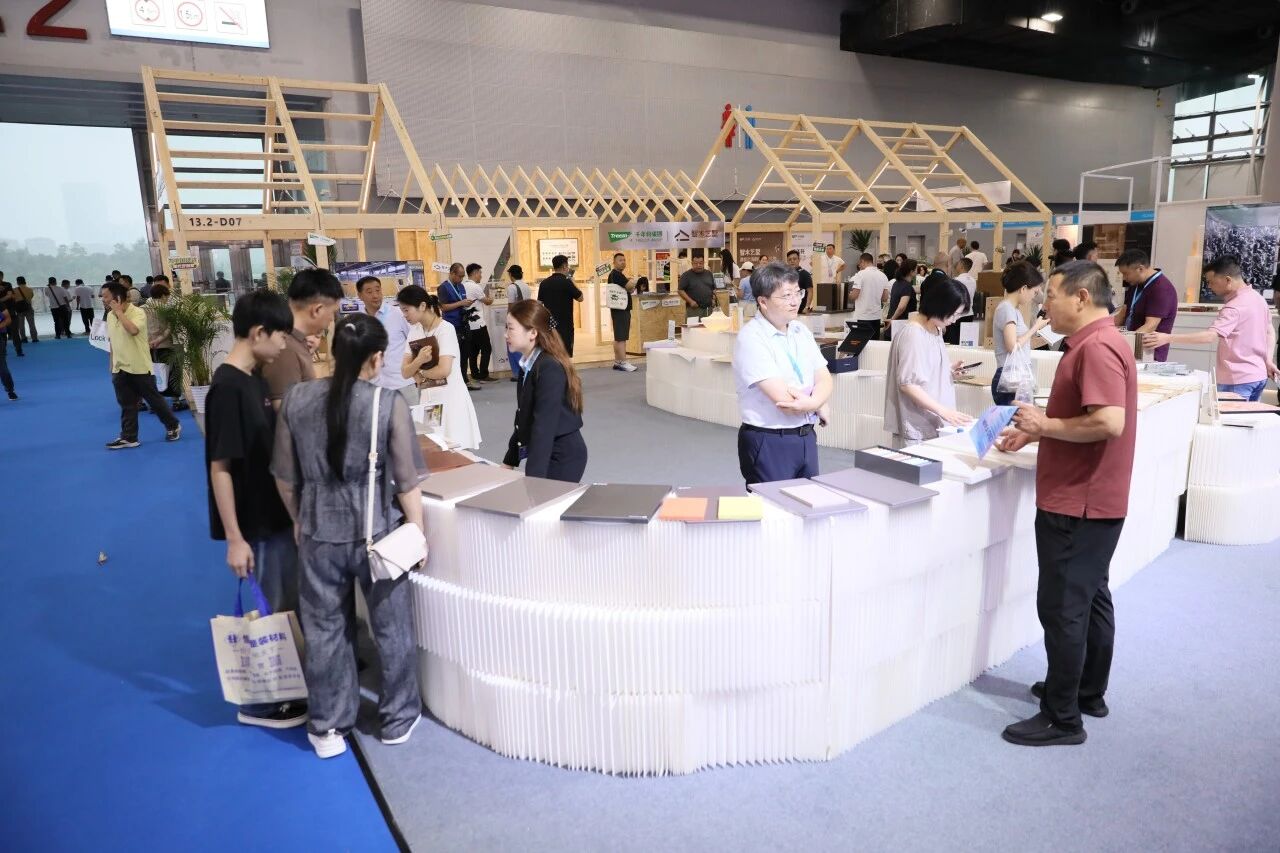
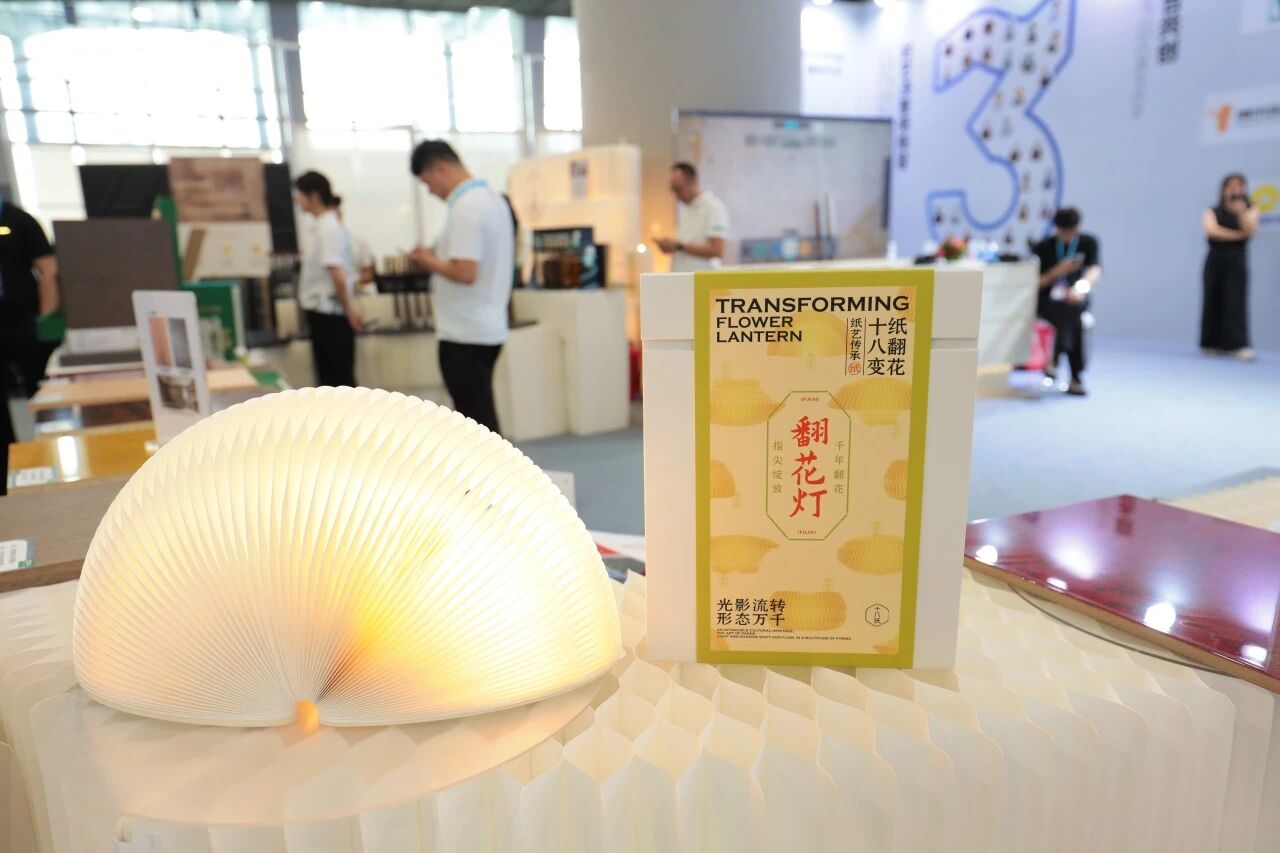
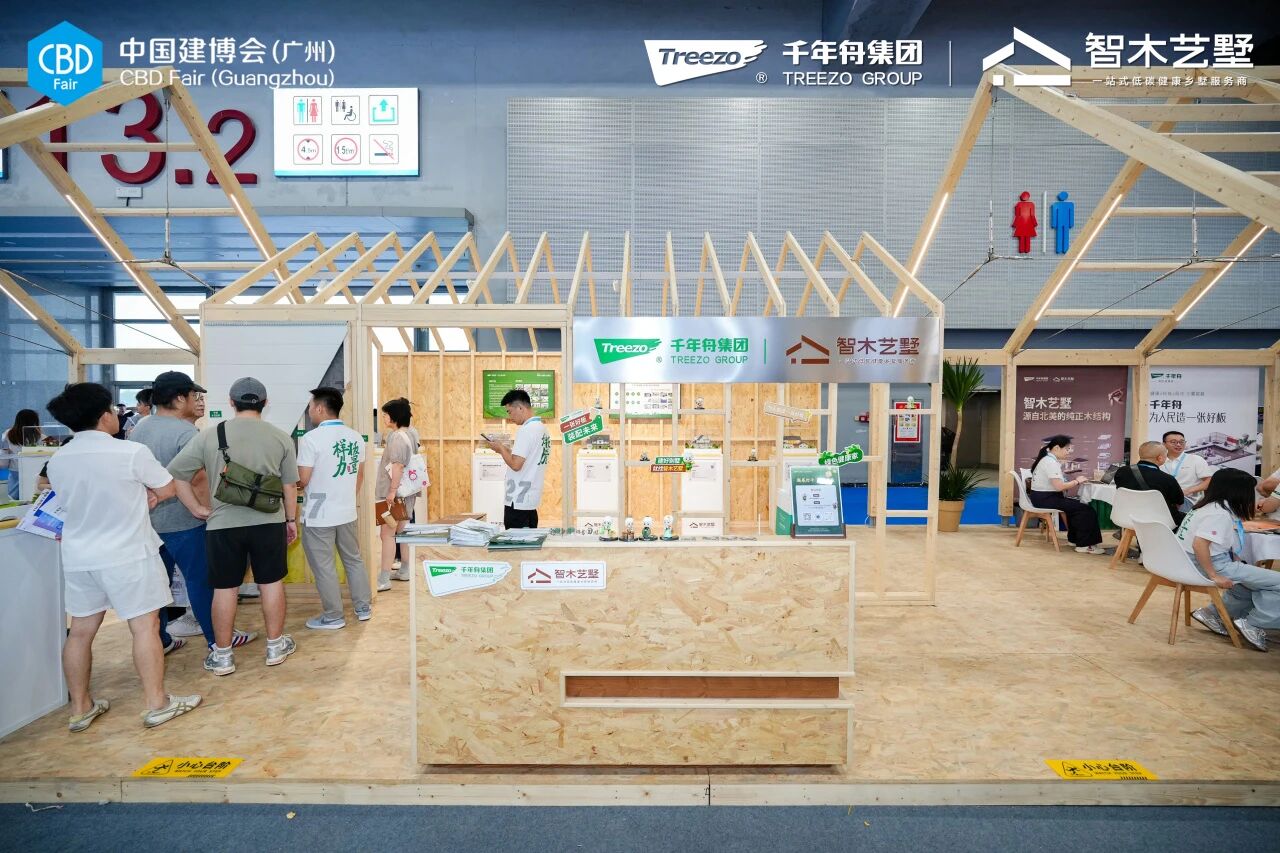
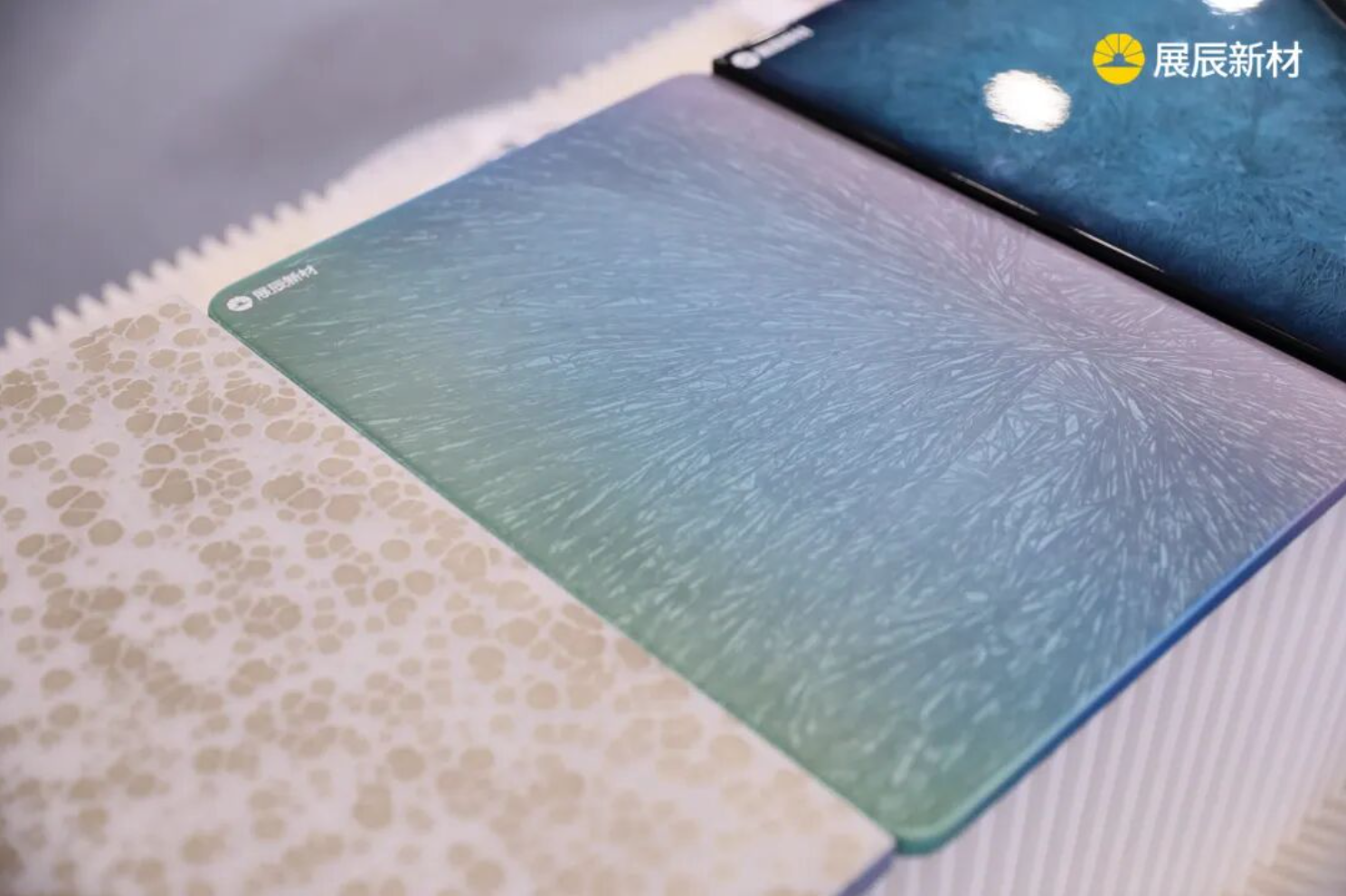
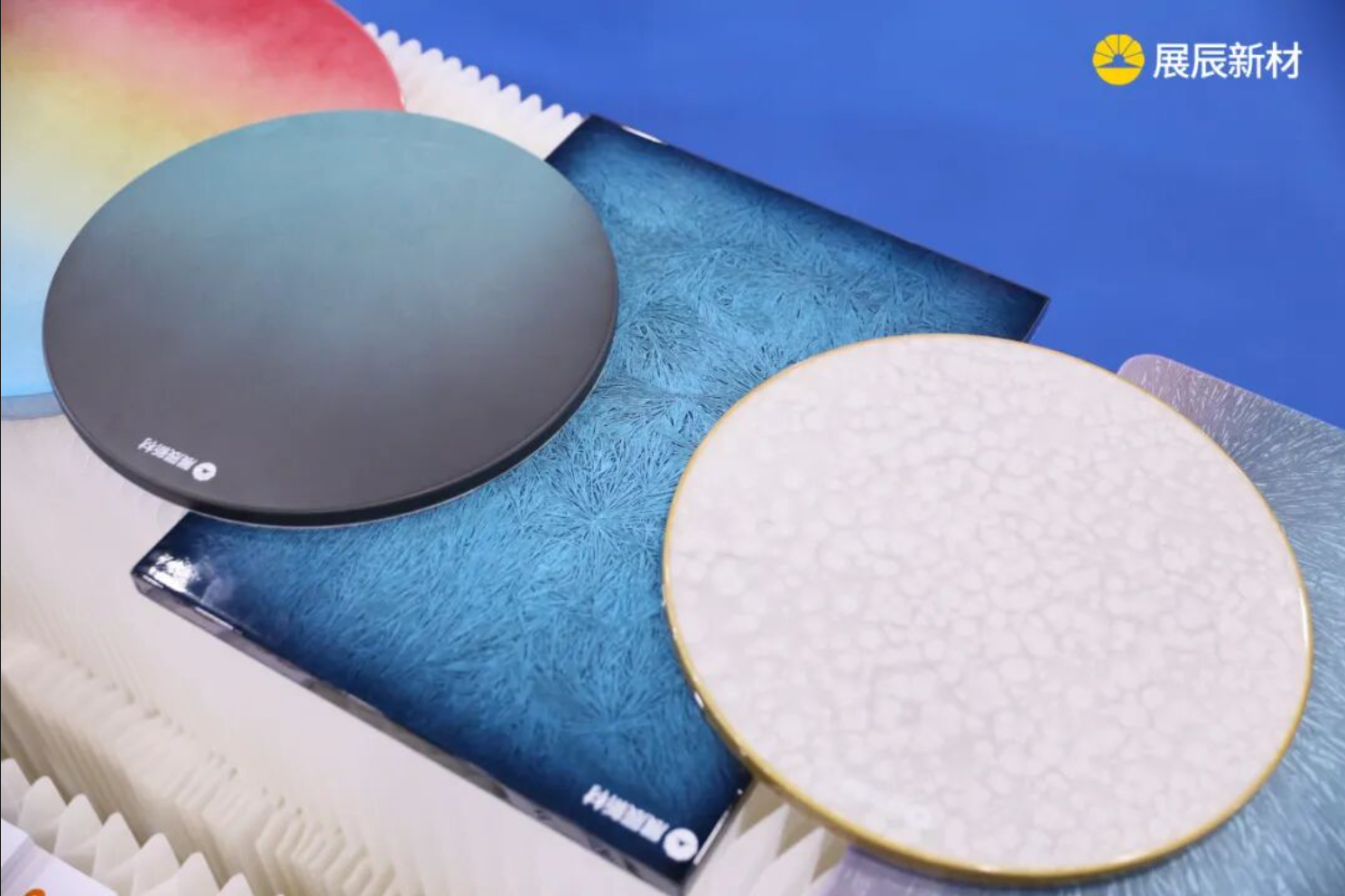
Among the highlights, TREEZO presented timber structural systems through architectural models illustrating contemporary wood construction techniques, while ZHANCHEN exhibited advanced coating technologies capable of producing liquid metal, cracked glaze and feather-like finishes without compromising environmental performance.

Together with digital configuration systems and recyclable paper furniture installations, the exhibition suggested that future material innovation will depend as much on craftsmanship and tactile quality as on manufacturing technology.
Watch the video:
