





The way lighting is understood has evolved significantly in recent decades. No longer viewed solely as a means of illuminating spaces, it is increasingly recognised as an environmental factor that can influence mood, sleep and overall wellbeing, reflecting a broader shift towards human-centric lighting.
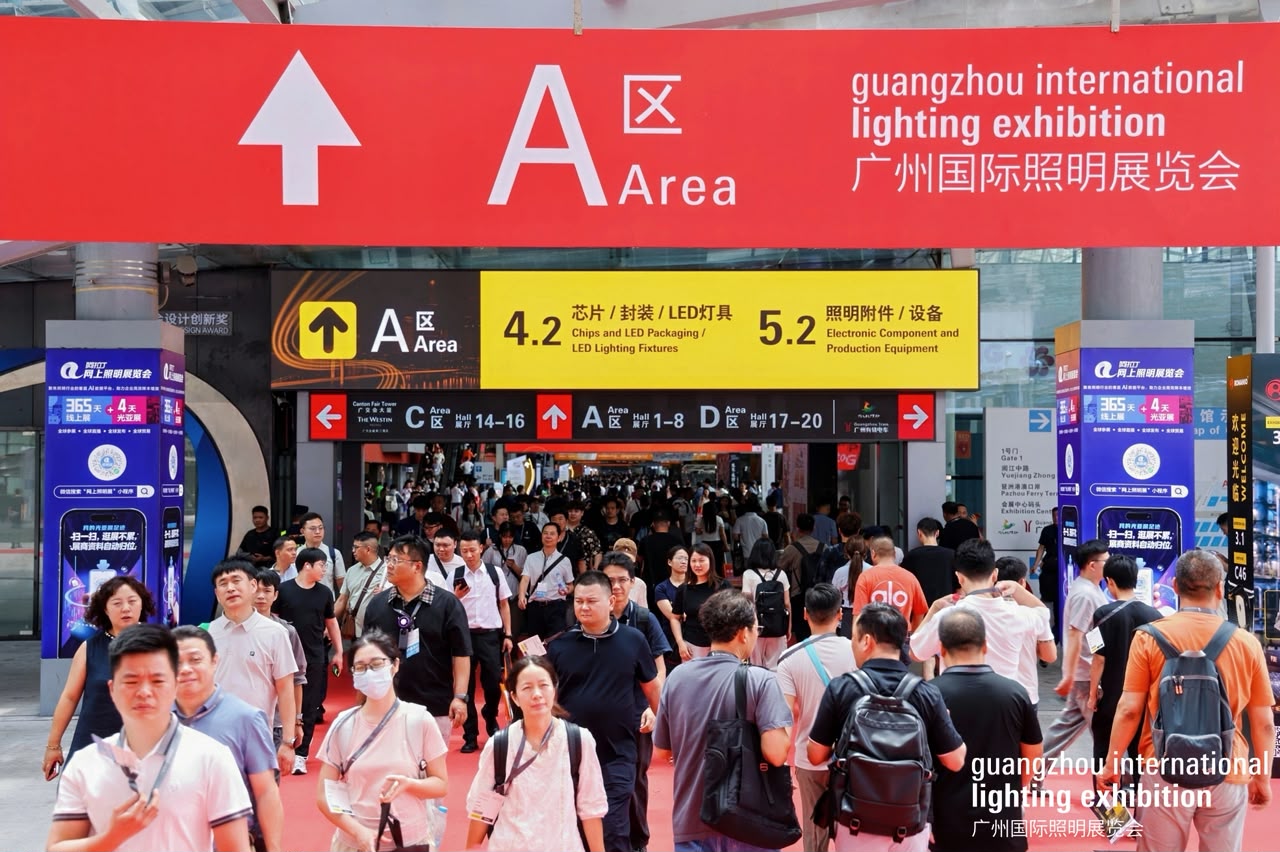
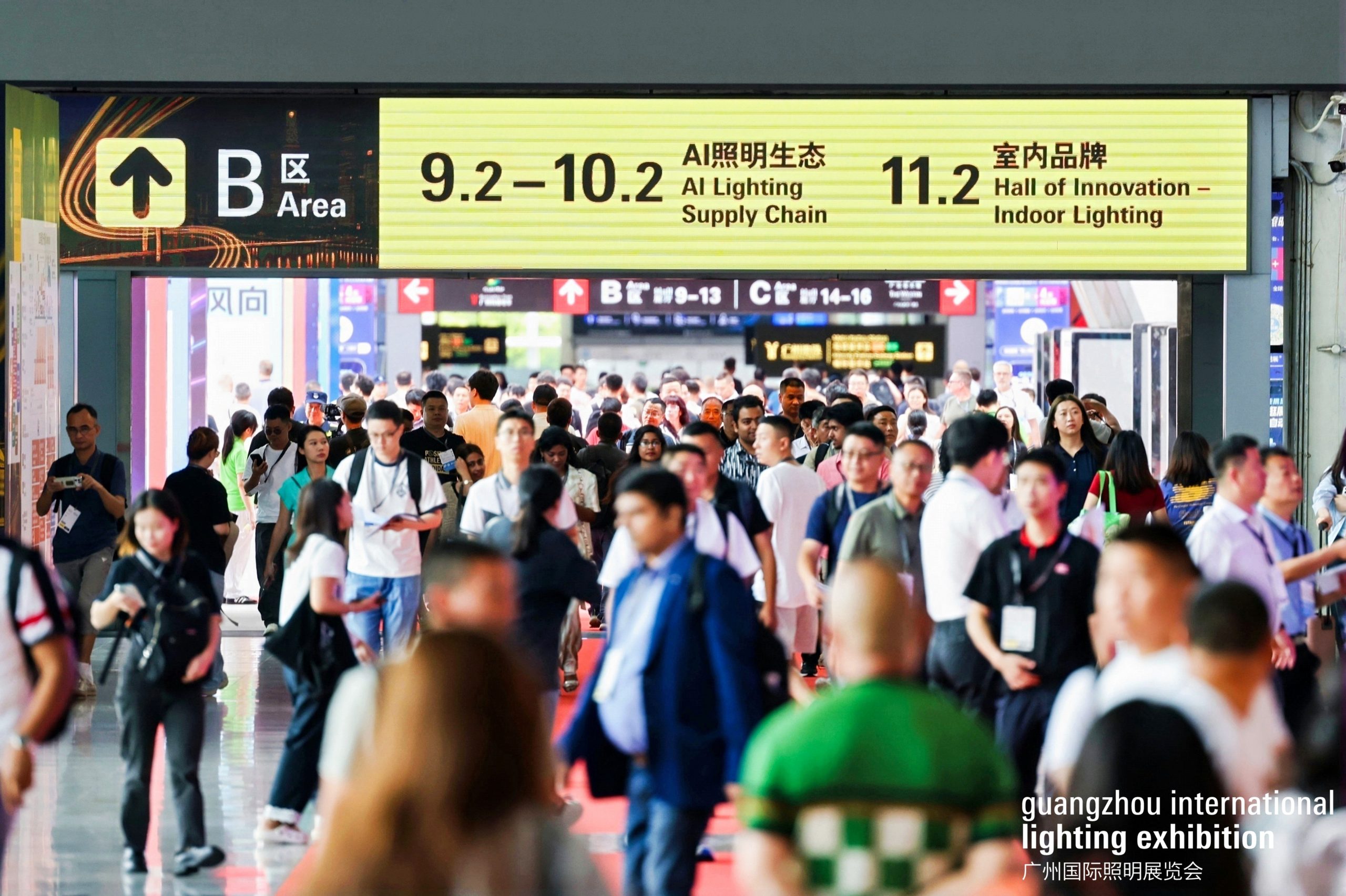
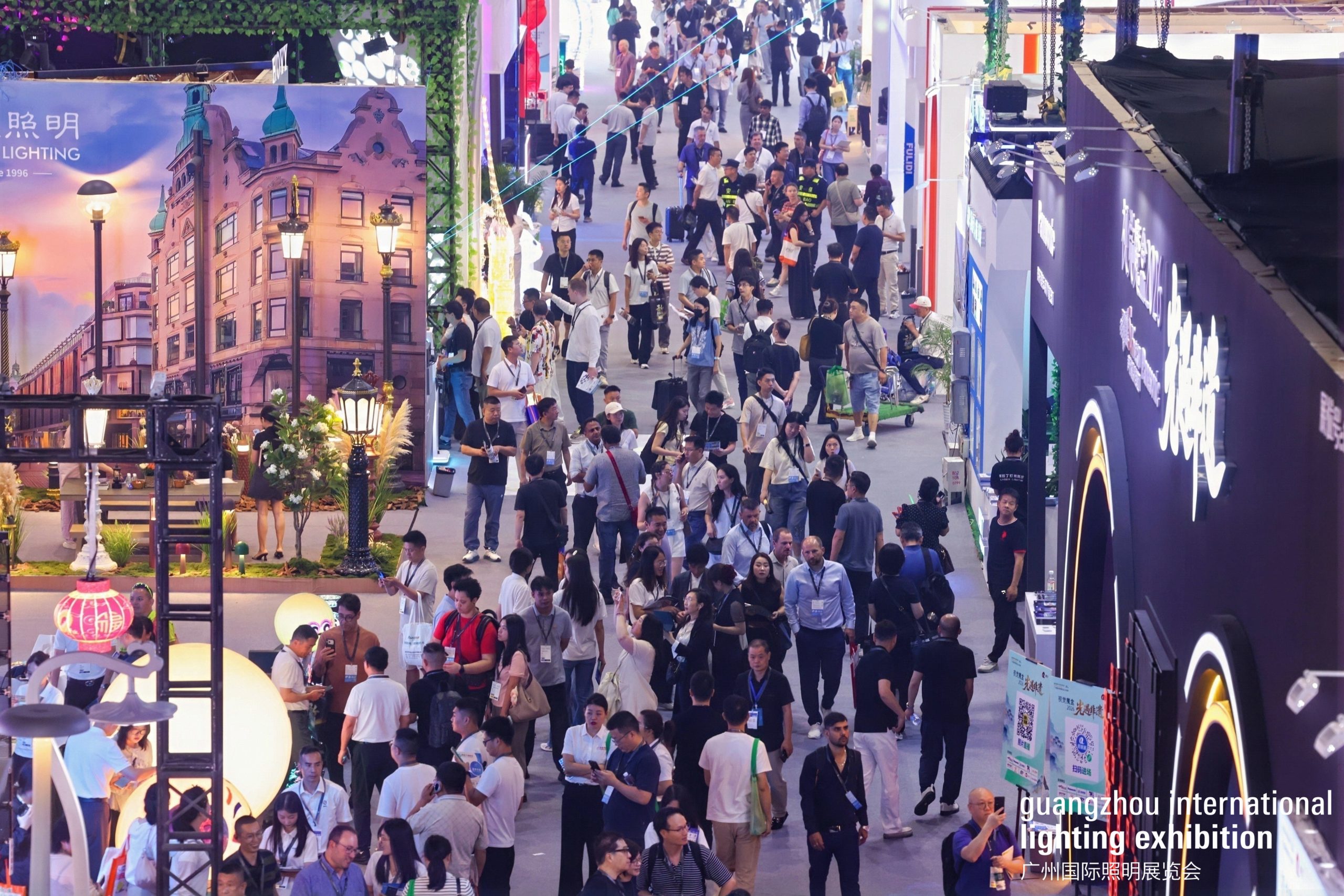
This changing perspective formed the backdrop to the 31st edition of the Guangzhou International Lighting Exhibition (GILE), which centred on the theme “Light-Enhanced Living.” The exhibition welcomed 210,128 visitors from 164 countries and regions, alongside 2,802 exhibitors from around the world.
As part of the programme, deLIGHTed Asia, organised in collaboration with Good Light Group Asia, explored the concept of “good light” through a combination of scientific research, industry standards and practical applications in lighting design. The initiative also aims to strengthen collaboration between property owners, policymakers, architects and the lighting industry to encourage wider adoption of healthier lighting environments.
At the heart of the programme was the “Good Light Wake-Up Call”, which brought together international experts to discuss how the industry can move beyond conventional lighting design towards human-centric standards supported by measurable metrics, including internationally recognised frameworks such as CIE S 026. These discussions culminated in deLIGHTed Talk Asia, held on 9 June 2026, where scientists, designers and industry leaders examined the future direction of lighting amid growing interest in health and wellbeing.
Examining the science behind healthier lighting
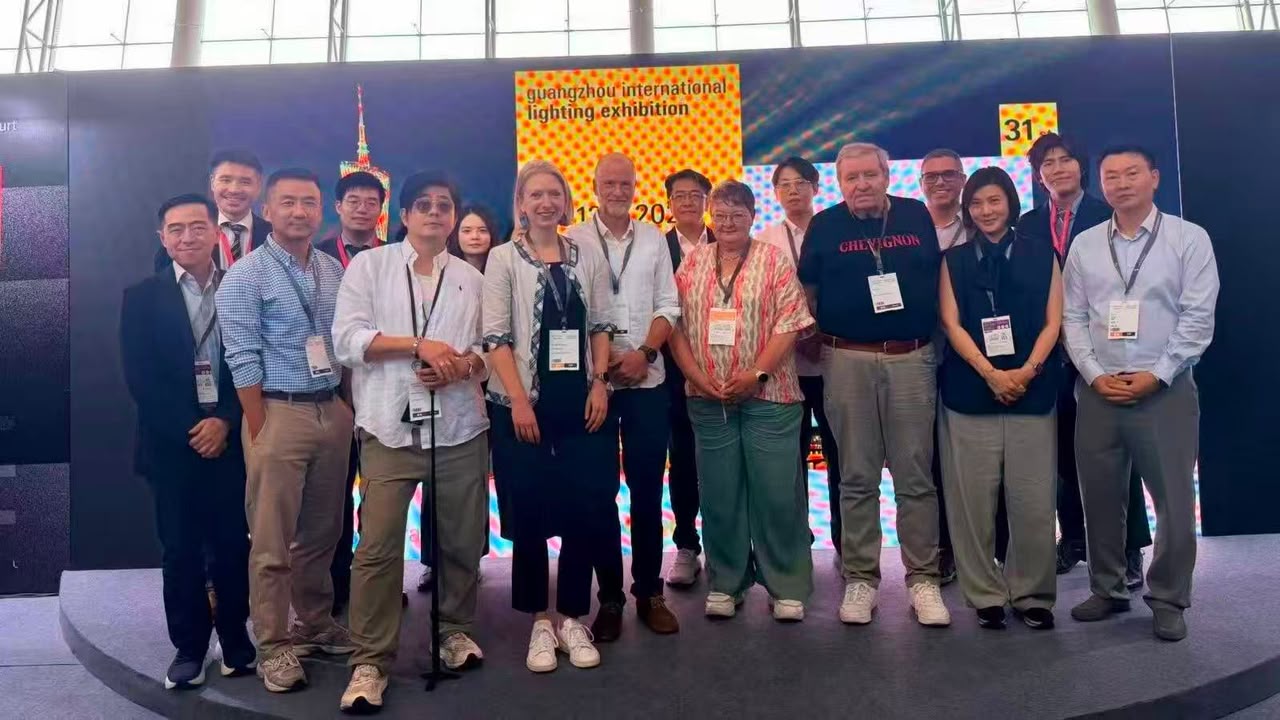
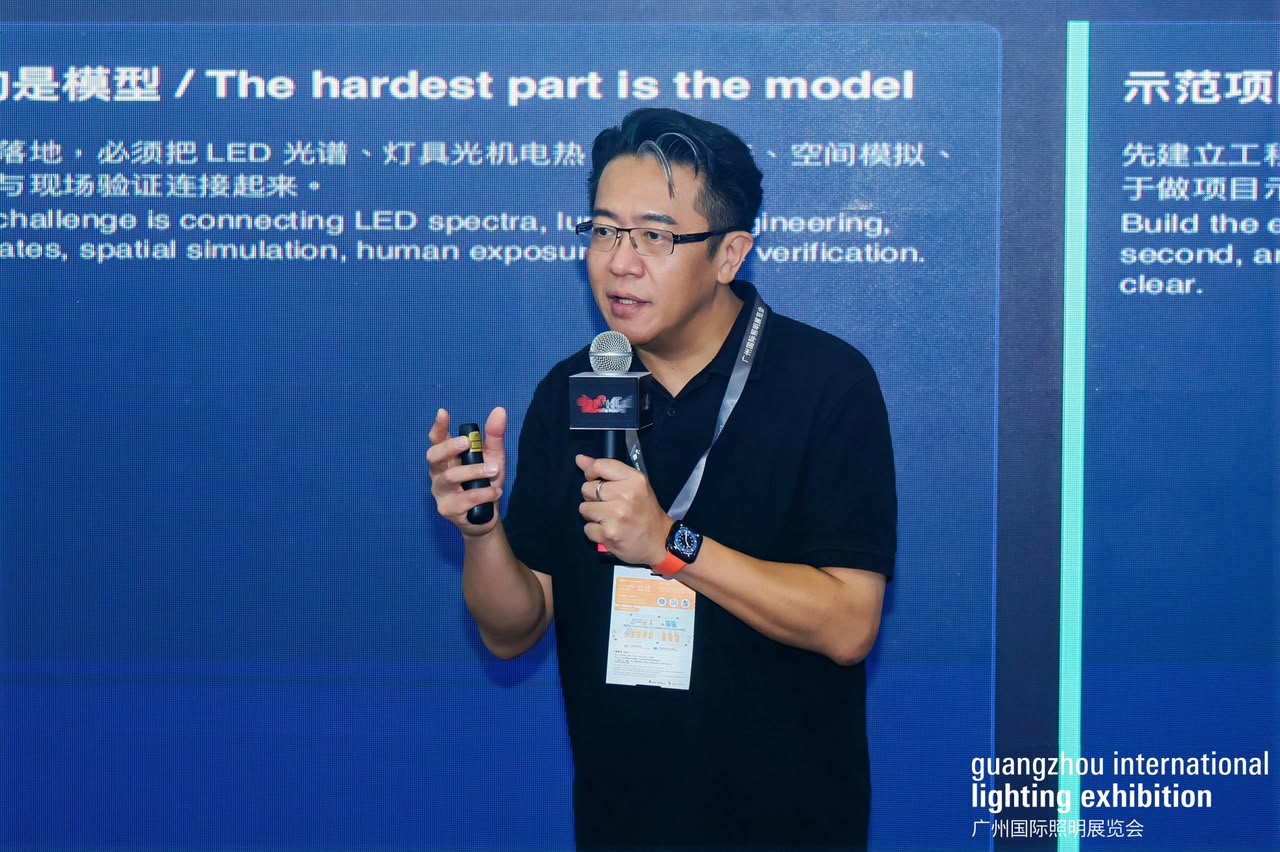
Hosted by Lawrence Lin, chairman of Good Light Group Asia (GLGA), board member of the Good Light Group and founder and CEO of Lighting Recipe Studio, the opening session featured Kevan Shaw, fellow of the International Association of Lighting Designers, Professor Rob Lucas from the University of Manchester, and chronobiology researcher Marijke Gordijn.
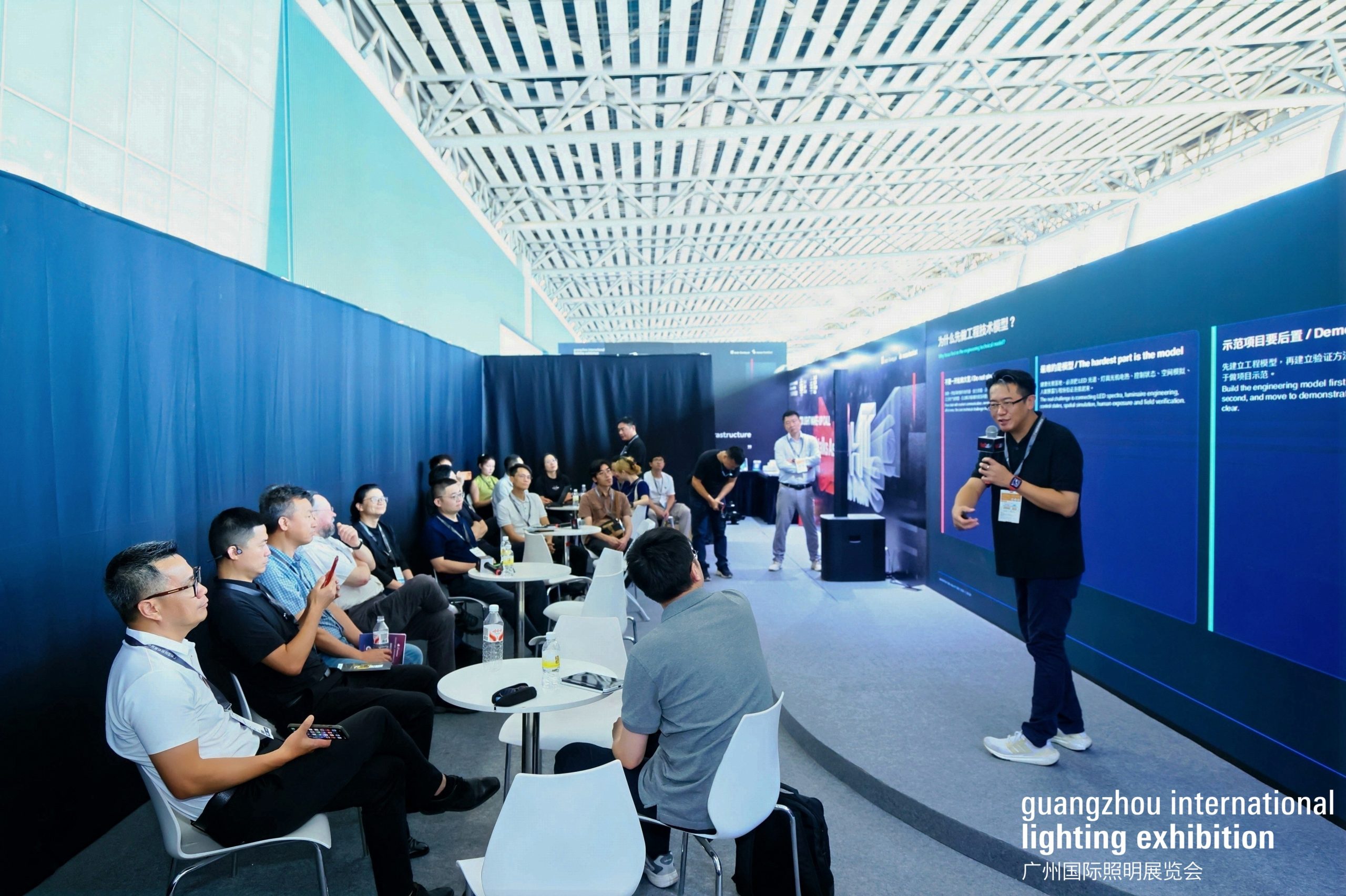
Together, the speakers explored the relationship between lighting, architecture and human physiology, while discussing how current industry standards could better reflect the biological effects of light.
Shaw noted that lighting is often overlooked within the wider building industry, resulting in comparatively limited health-related standards. He suggested that lighting products could benefit from labels that communicate their biological impact, much like nutrition labels on food, enabling designers, specifiers and consumers to make more informed decisions.
From a physiological perspective, Lucas explained that increasing urbanisation has reduced people’s exposure to natural daylight, while artificial lighting has become a dominant part of everyday life. Since human circadian rhythms rely on the changing qualities of natural sunlight, indoor lighting designed to better reflect these biological patterns has the potential to improve both sleep quality and daytime alertness.
Gordijn added that greater education is needed across both the manufacturing sector and among consumers, so future smart lighting systems can deliver the right type of light at the appropriate time of day.
While artificial intelligence continues to shape many industries, the speakers agreed that it is not the primary driver behind health lighting. Instead, the sector is largely responding to growing consumer demand for personalised lighting experiences. However, Lucas cautioned that smart home technologies should encourage healthier behaviours rather than reinforce existing habits, highlighting the importance of balancing user control with evidence-based wellbeing principles.
From scientific research to practical applications
The second session turned its attention to how scientific research is influencing product development.
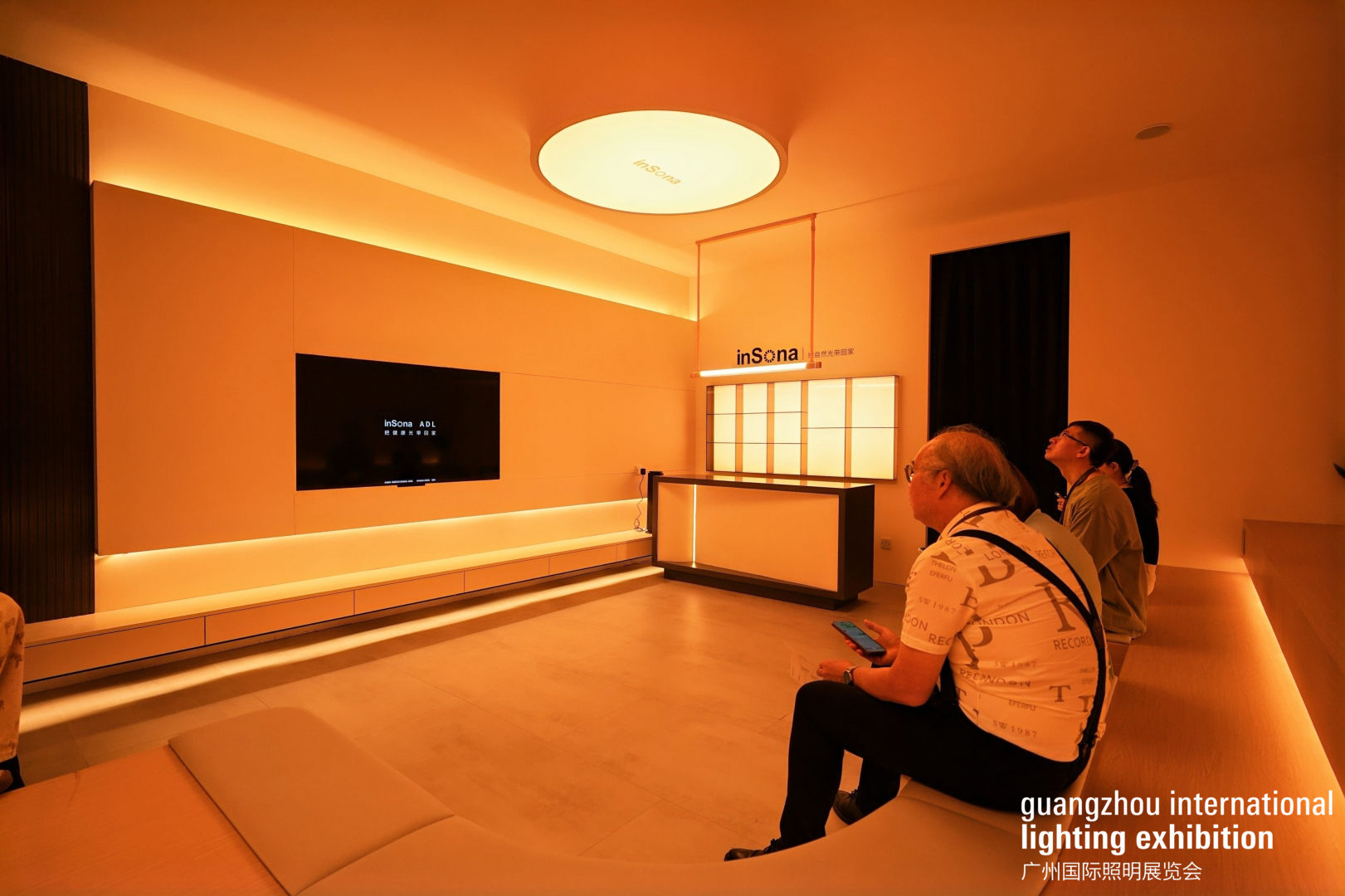
Anne Berends, CEO of SunLED, and senior research scientist Oliver Stefani discussed the role of preventative, health-supportive lighting, focusing on the inclusion of near-infrared wavelengths within lighting systems. While these wavelengths are largely absent from conventional indoor lighting, emerging research suggests they may contribute to better rest, circadian alignment and overall wellbeing.
As a result, the industry is increasingly exploring evidence-based design approaches capable of producing broader light spectra that include near-infrared wavelengths, positioning lighting as more than a functional necessity and instead as part of long-term health-focused environments.
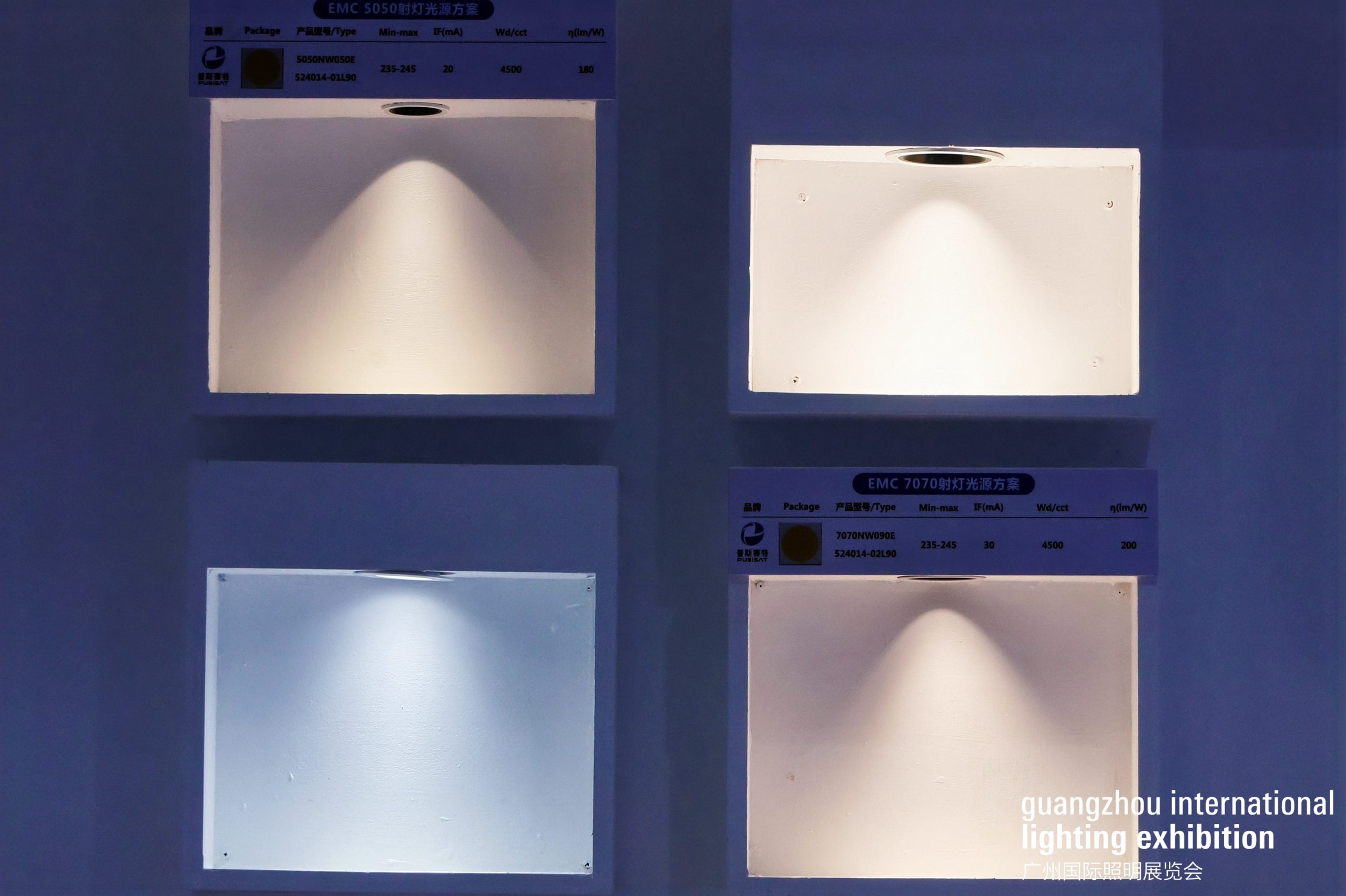
The discussion also highlighted how regional priorities are influencing innovation. Across Asia, increasing concern over children’s visual health has been driven by long hours of indoor study and limited exposure to natural daylight. Growing awareness of the relationship between artificial lighting, eye fatigue and myopia has prompted many manufacturers to develop scientifically supported eye-care lighting solutions, several of which were presented during GILE.
The speakers also pointed to healthcare as another area where human-centric lighting can have measurable impact. According to Stefani, lighting designed around biological rhythms can contribute to calmer, more restorative environments for both patients and healthcare professionals.
These developments, they suggested, demonstrate the industry’s gradual transition from conventional illumination towards evidence-based lighting strategies centred on human health.
Advancing healthier lighting through collaboration
The discussions also underscored the commercial opportunities emerging alongside the global wellness movement, as consumers increasingly seek products that prioritise health and wellbeing. At the same time, the panel agreed that broader public education remains essential if evidence-based lighting solutions are to achieve wider adoption.
Reflecting on GILE’s “Light-Enhanced Living” theme, Berends observed that the exhibition continues to provide a platform for manufacturers investing in scientifically validated technologies and internationally recognised certifications. She also noted the strong scientific foundation behind many of the products presented during the exhibition.
Gordijn further remarked that the exhibition demonstrated how rapidly the market is embracing health-oriented lighting solutions, adding that several Chinese companies have already incorporated many of the scientific principles discussed during the forum into their lighting technologies and smart systems.
Closing the event, Lin encouraged visitors to continue exploring the technologies showcased across the exhibition. By bringing together scientific research, design expertise and industry collaboration, deLIGHTed Talk Asia highlighted how evidence-based approaches are increasingly shaping the future of lighting design, while supporting broader conversations around healthier built environments.
