






At this year’s Contemporary Design Exhibition at CIFF Guangzhou 2026, a noticeable shift could be felt across the halls. Many Chinese brands no longer seemed preoccupied with proving manufacturing capability alone. Instead, they presented increasingly assured perspectives on contemporary living, Eastern aesthetics and domestic culture — each with its own narrative language and spatial rhythm.
Under the theme “Design Commons”, the exhibition gathered more than 60 commercial brands, over 20 designer brands and around 60 international studios, forming one of the fair’s strongest curatorial sections in recent years.
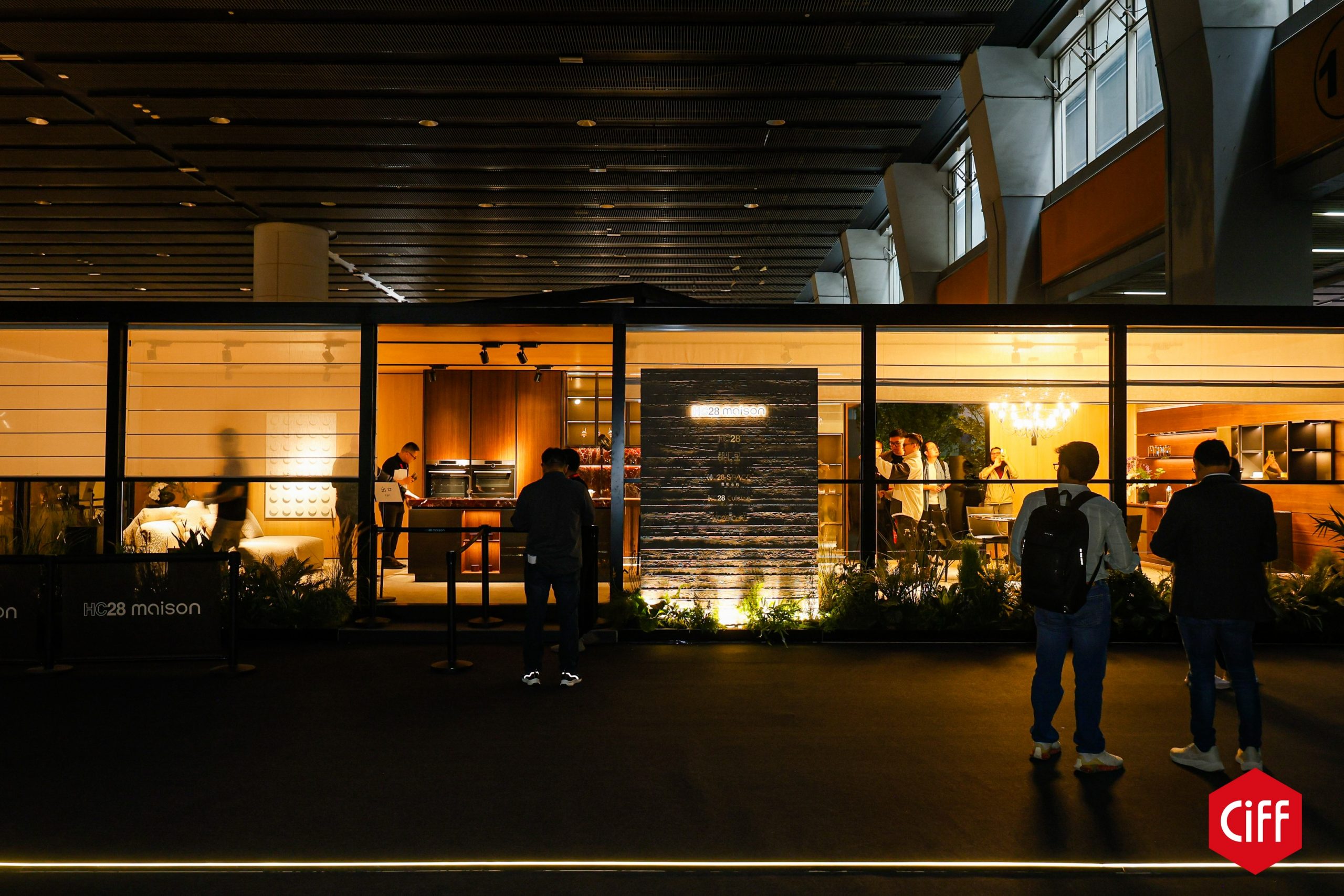
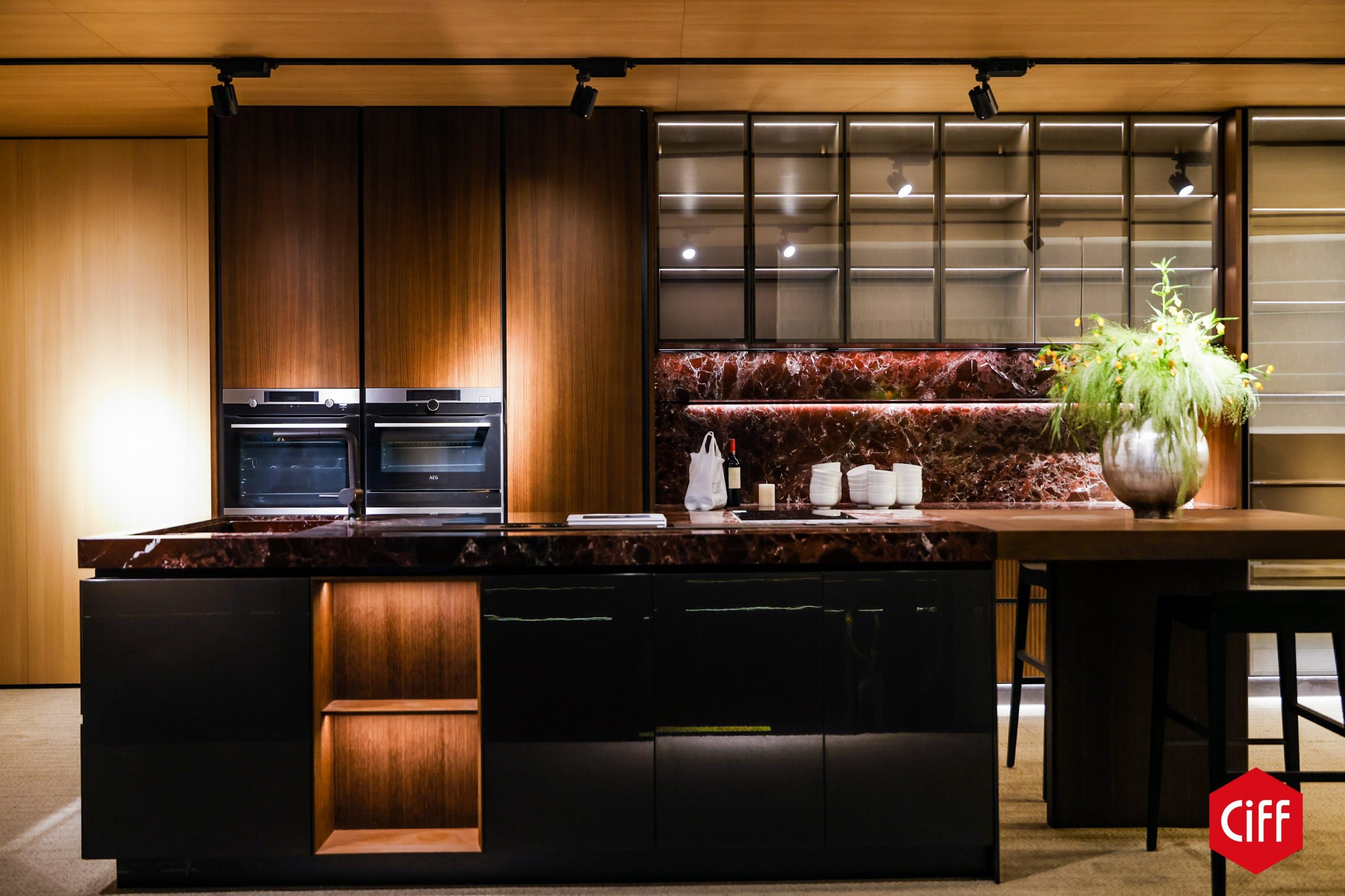
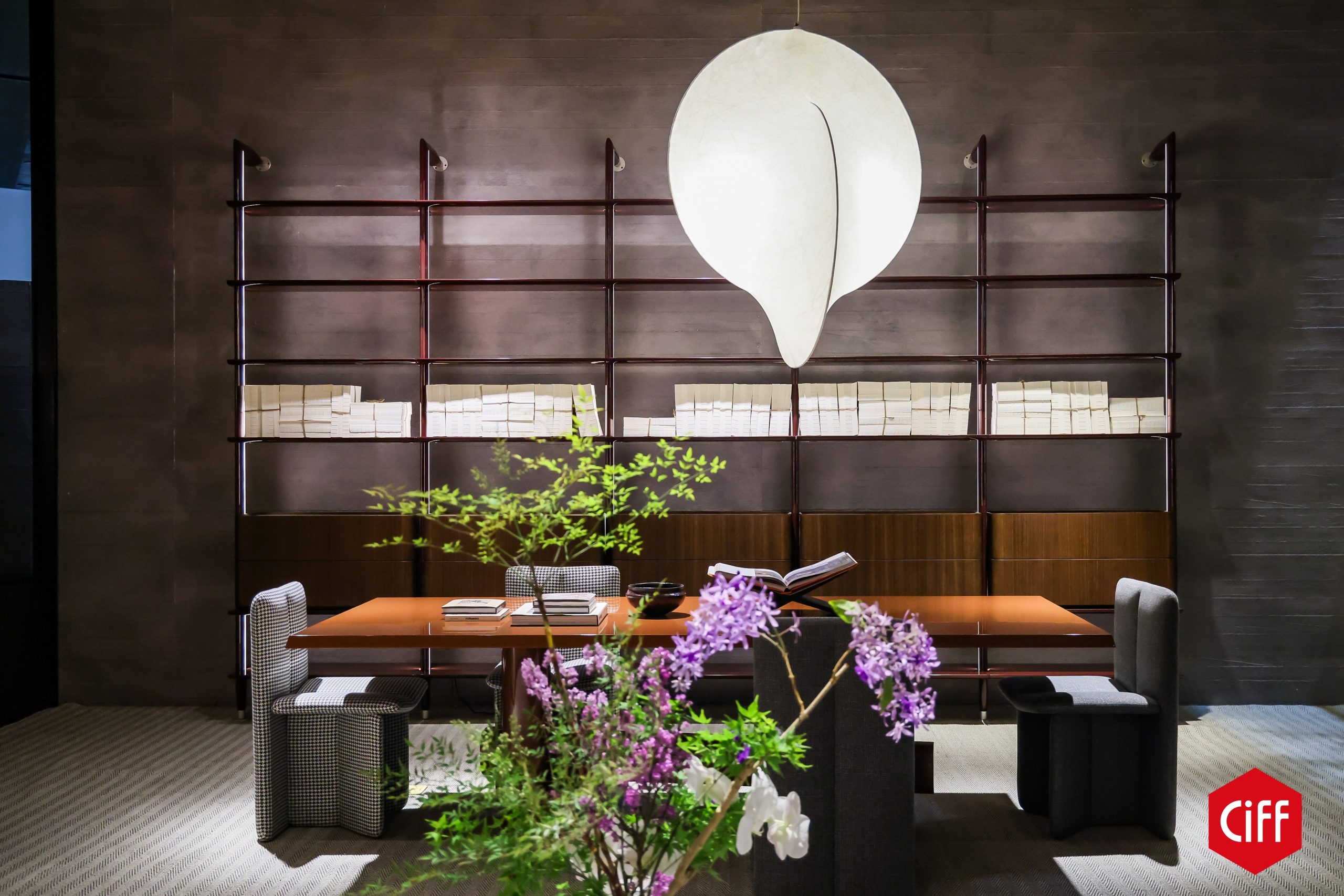
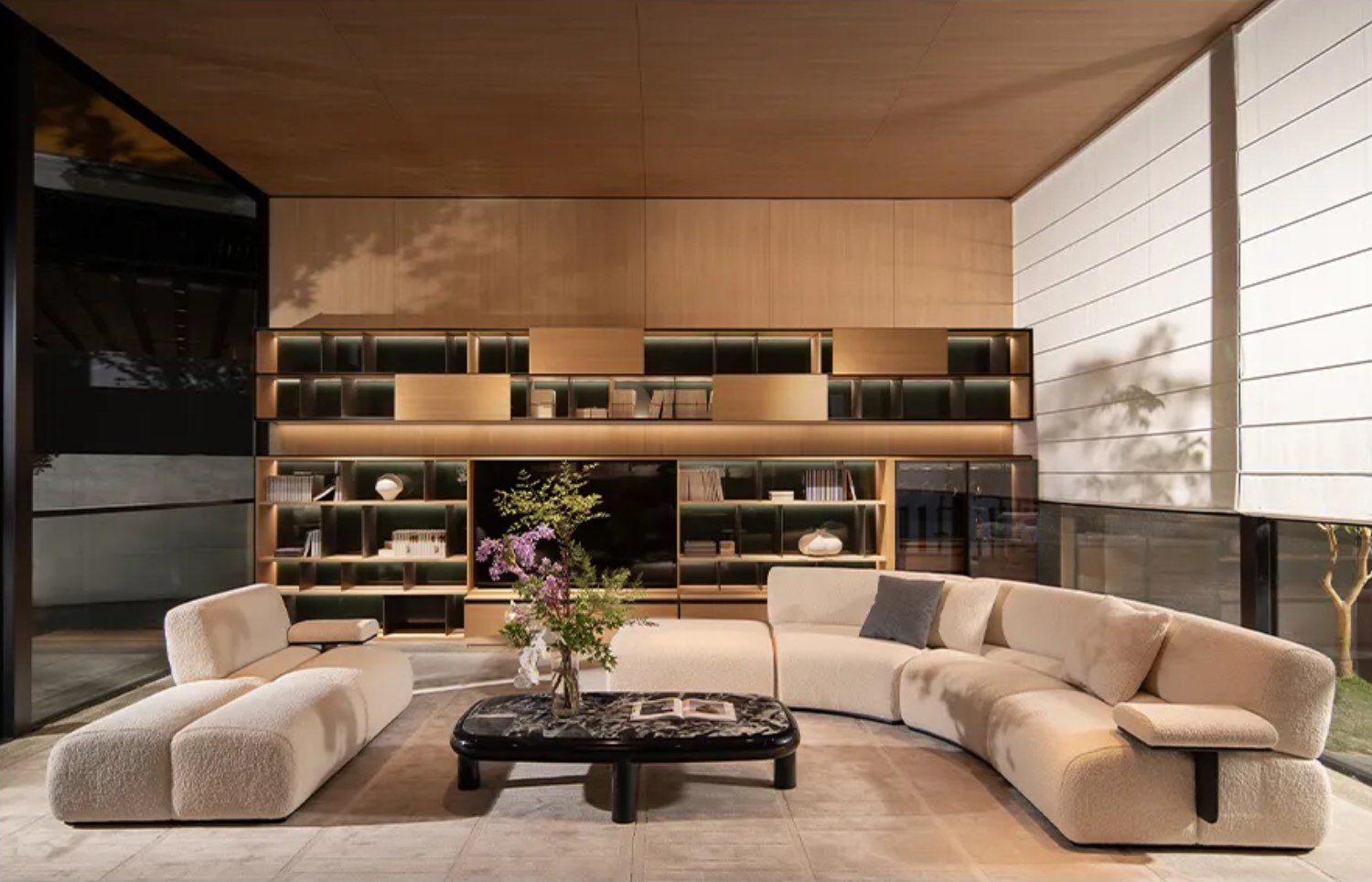
HC28 maison stood out for its cinematic sense of atmosphere. Outside, soft concrete brickwork met expansive glass façades while linen curtains filtered daylight into muted shadows, partially revealing the interiors beyond. The overall impression felt less like a trade fair booth and more like stepping into the home of a particularly tasteful friend.
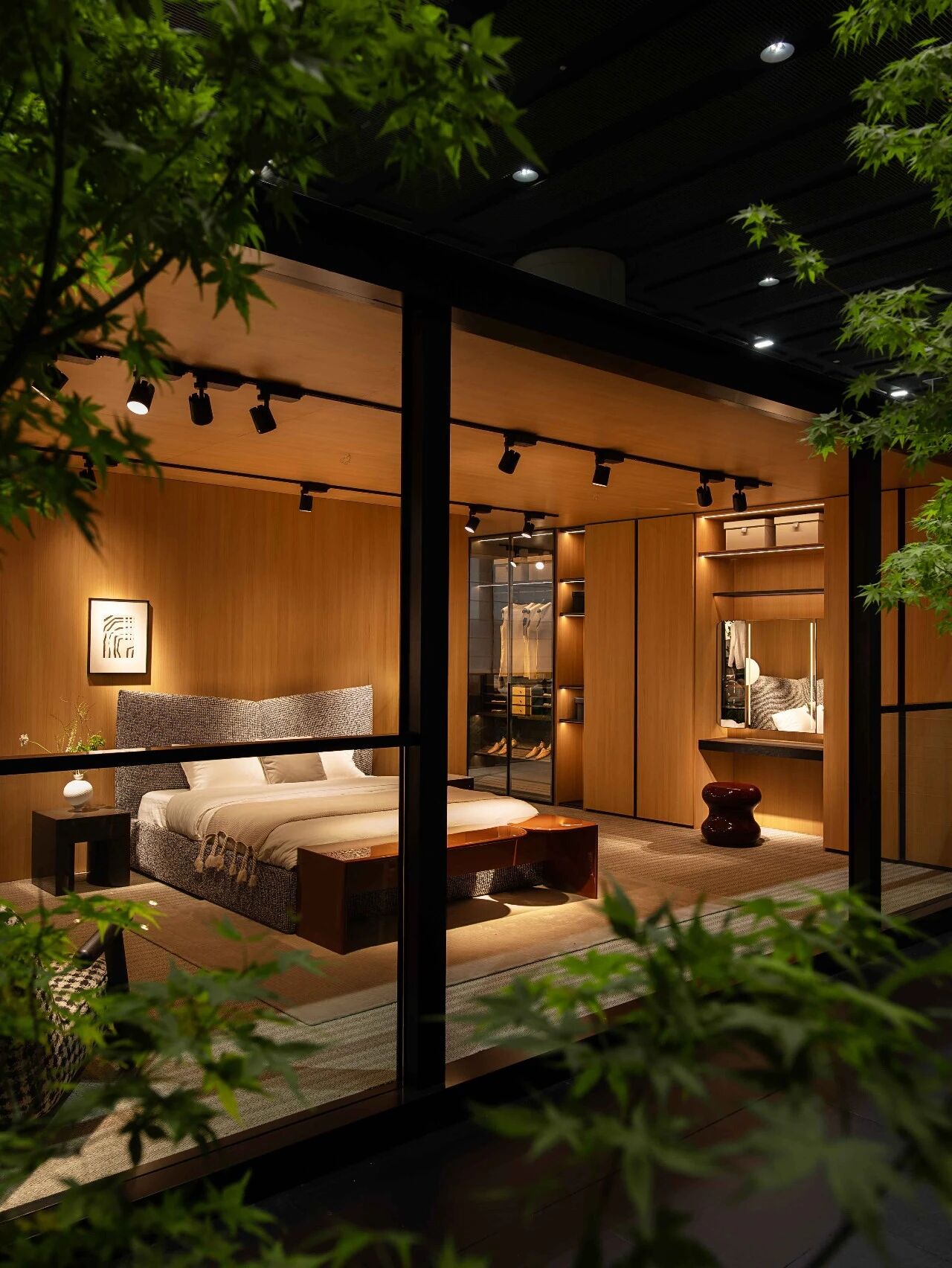
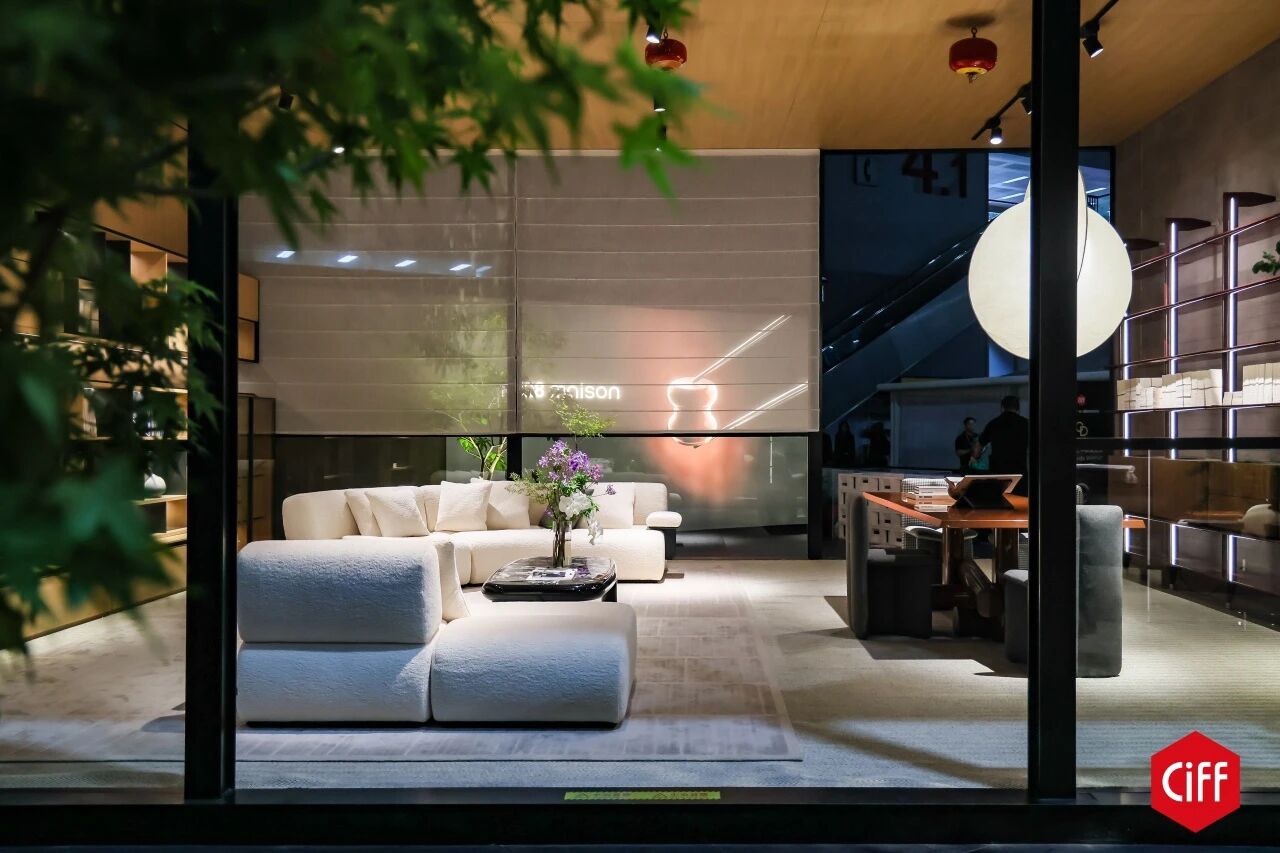
Inside, the OTIS shelving system lined the living space alongside the sculptural JUNNUO dining table and NORI hummingbird chair. Further in, the dining area paired the POCKY table with a wall-mounted cabinetry system that quietly dissolved into the architecture. In the bedroom, the CREST bed and oversized headboard created an intimate enclosure, while casually draped garments rested atop the SIAM bench and the ROMA side table held books within reach. Nearby, the BOLD lounge chair occupied a solitary corner by the window, offering a moment of stillness away from the exhibition crowds. HC28 maison demonstrated a highly refined understanding of proportion, materiality and spatial pacing, where lighting, circulation and transitions worked together to construct a fully realised domestic environment.
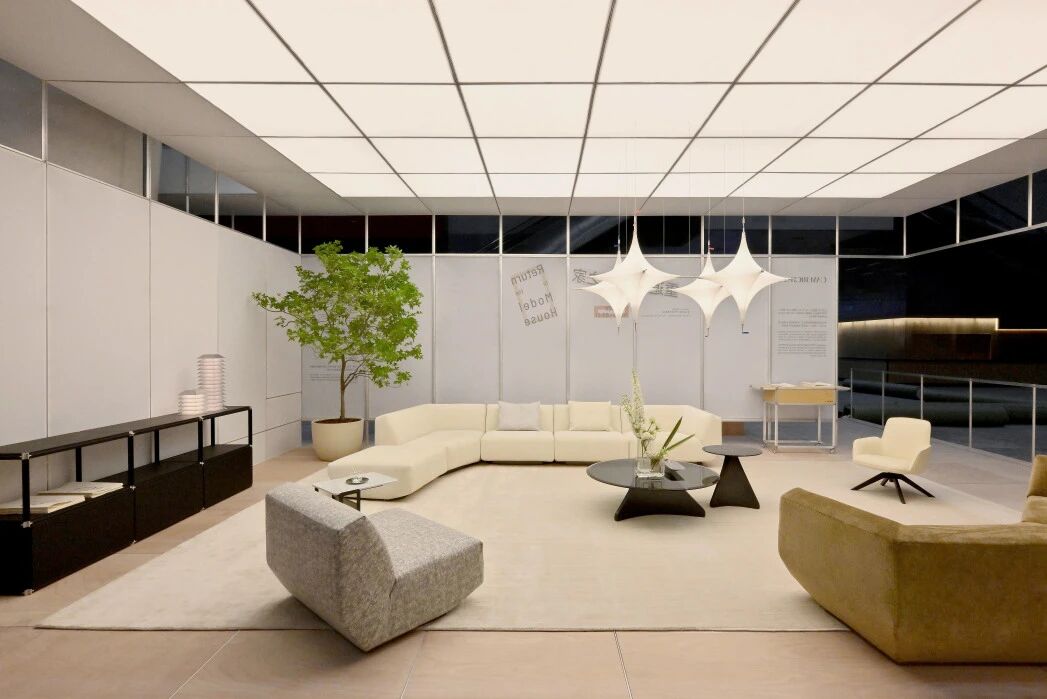
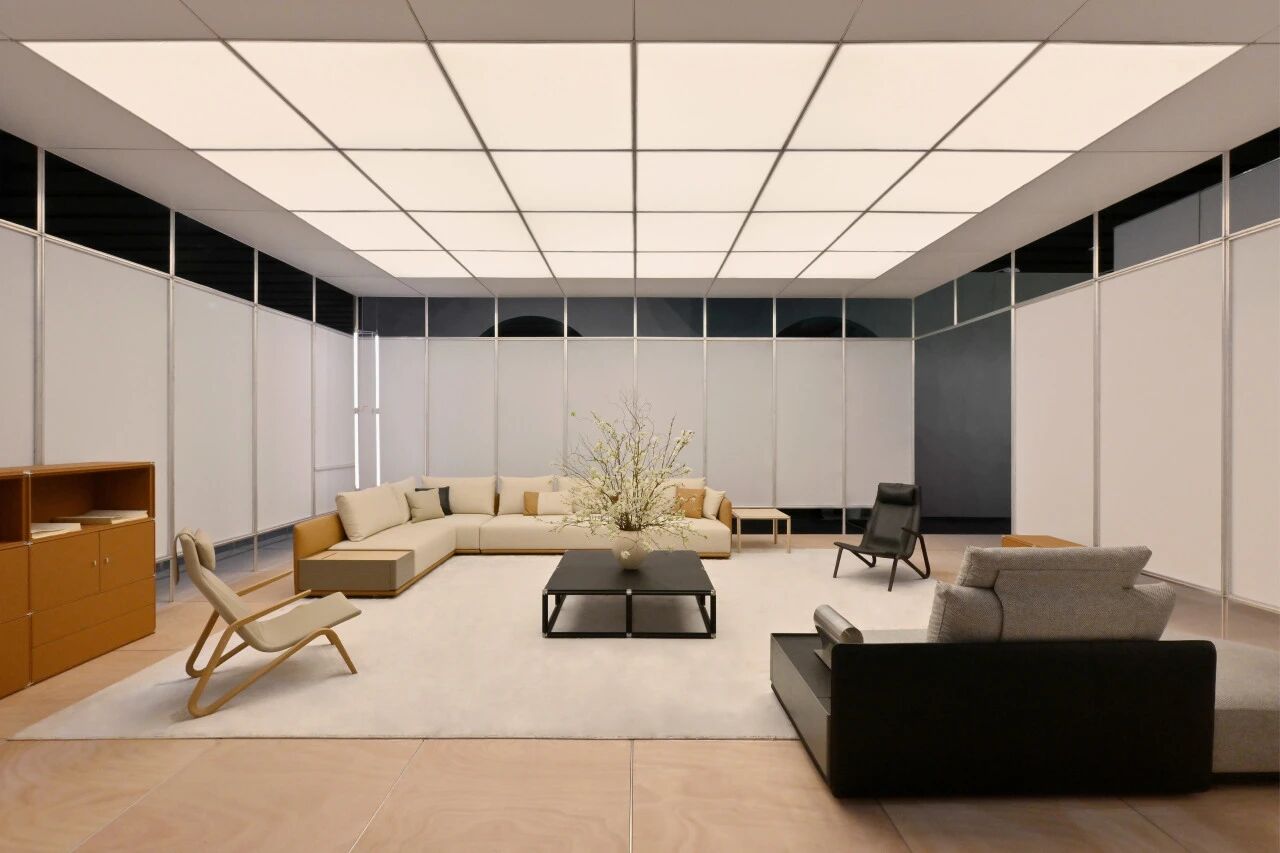
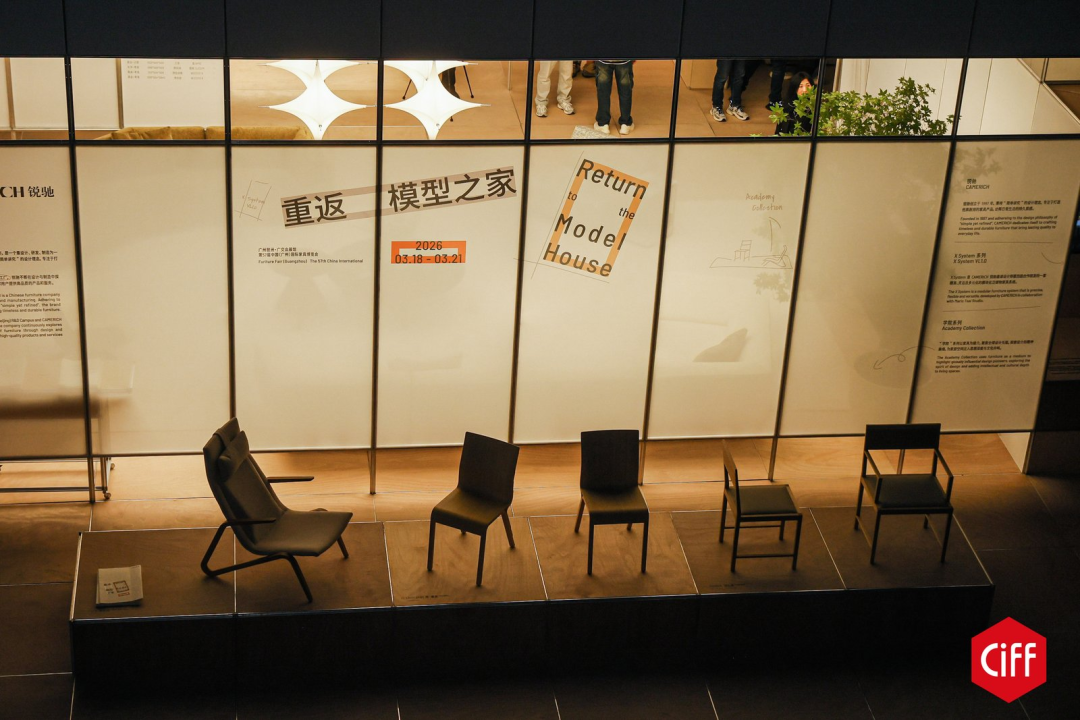
CAMERICH approached modular living from a different angle with its “Return to the Model Home” installation. Developed in collaboration with designer Cai Lie, the X System combined modular furniture logic with the spatial sensibility of the traditional Chinese courtyard house. The result carried a subtle sense of inward calm — spaces that felt enclosed from the outside yet increasingly open within.
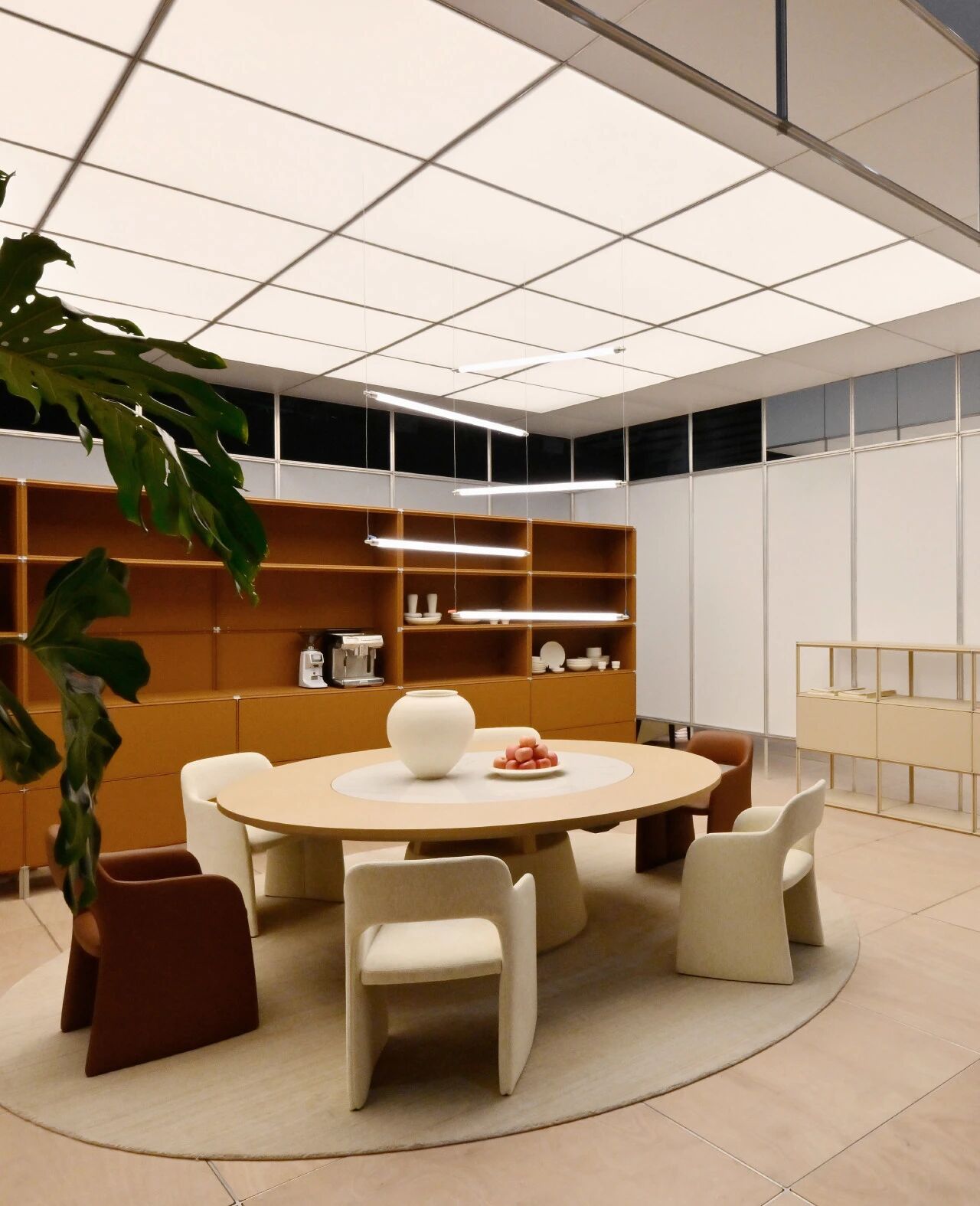
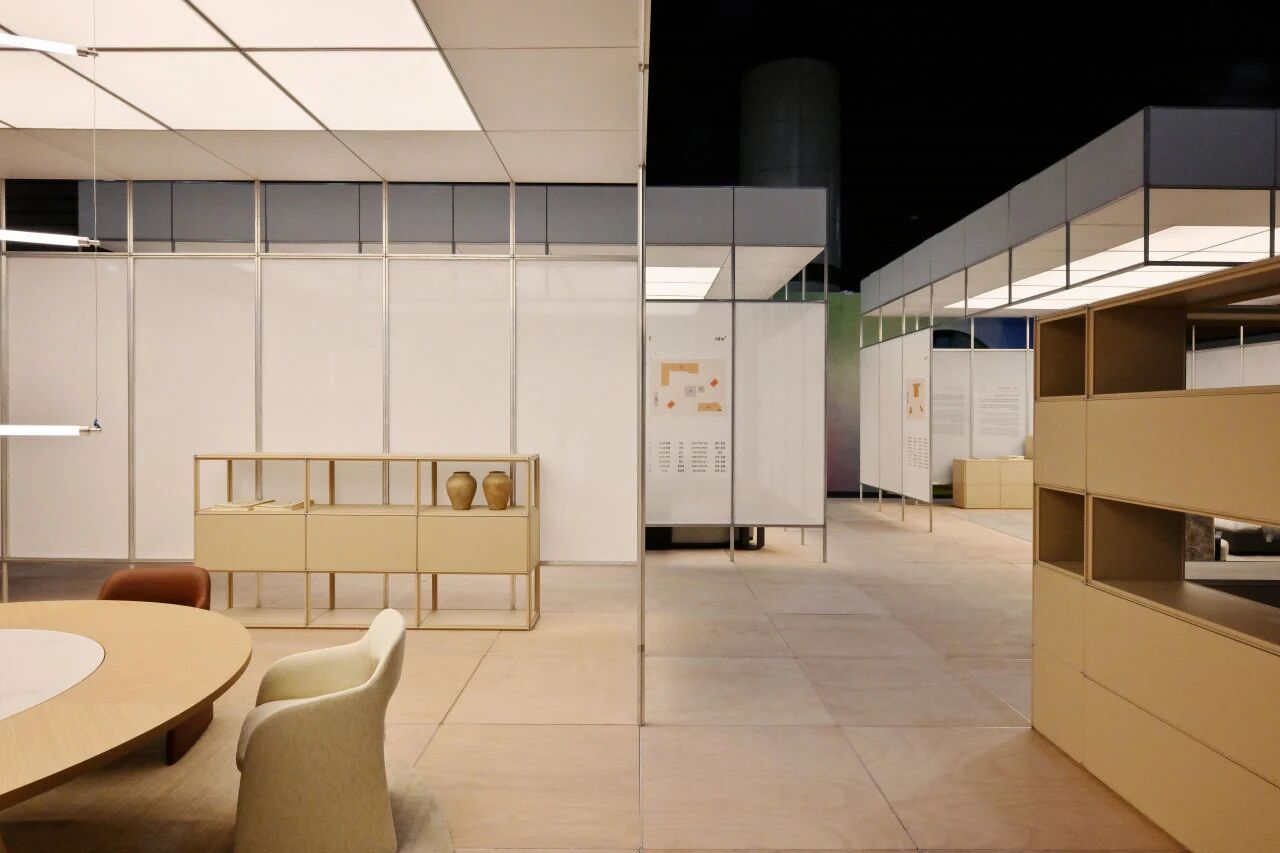
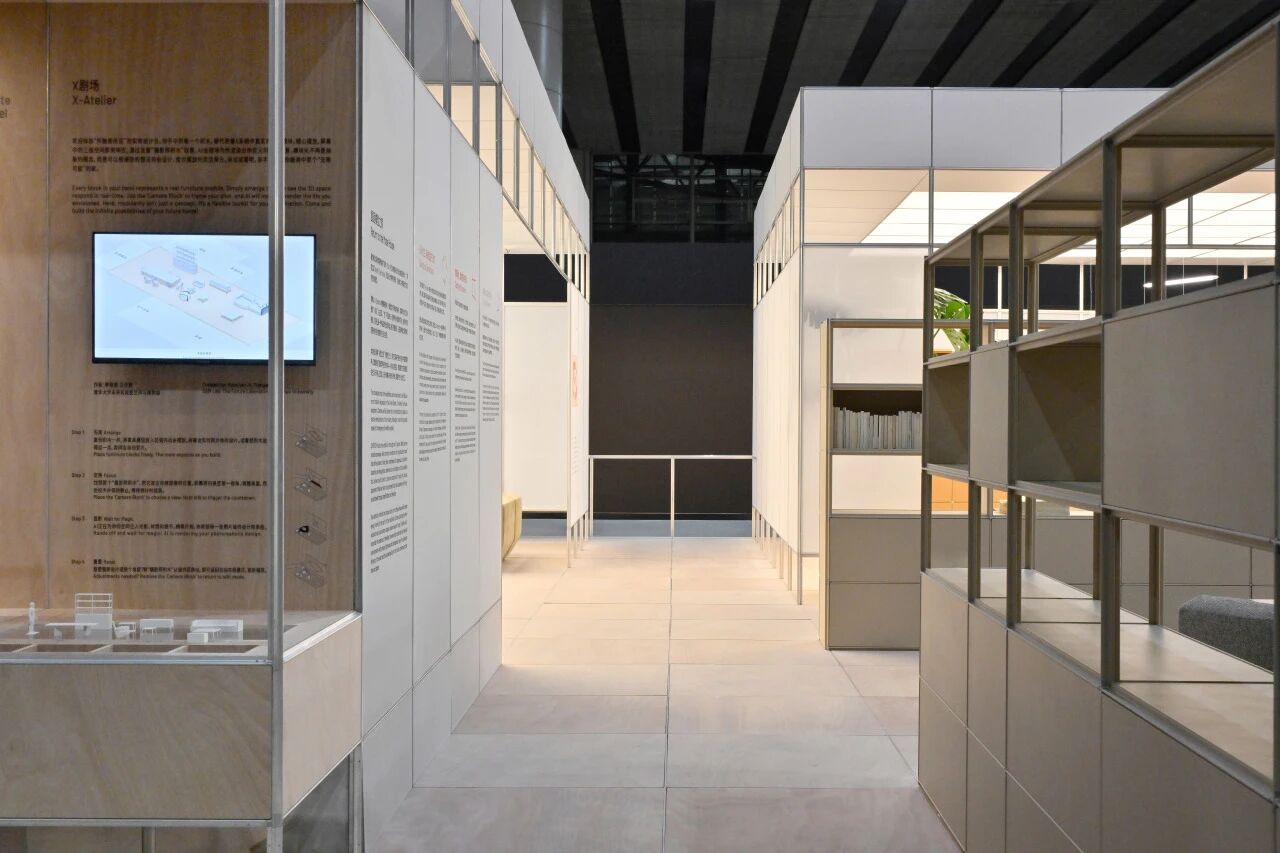
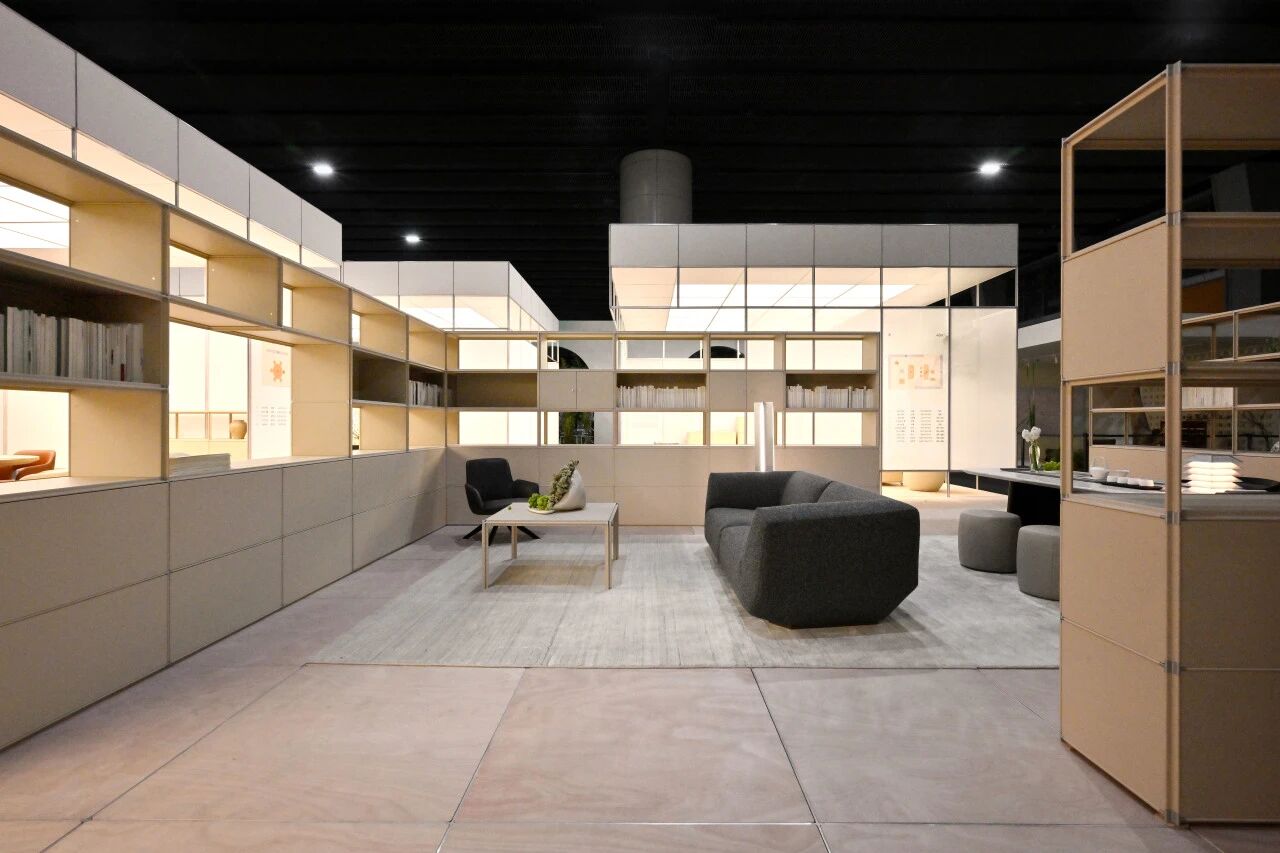
The system extended from shelving and wall panels to movable furniture components, all connected through aluminium extrusion joints forming distinctive X-shaped nodes. Although highly standardised, the structures retained warmth and softness rather than appearing overly industrial. Even the exhibition architecture itself functioned as a modular system: walls, platforms and display structures could all be dismantled, reassembled or converted into saleable furniture after the fair, reducing exhibition waste considerably.
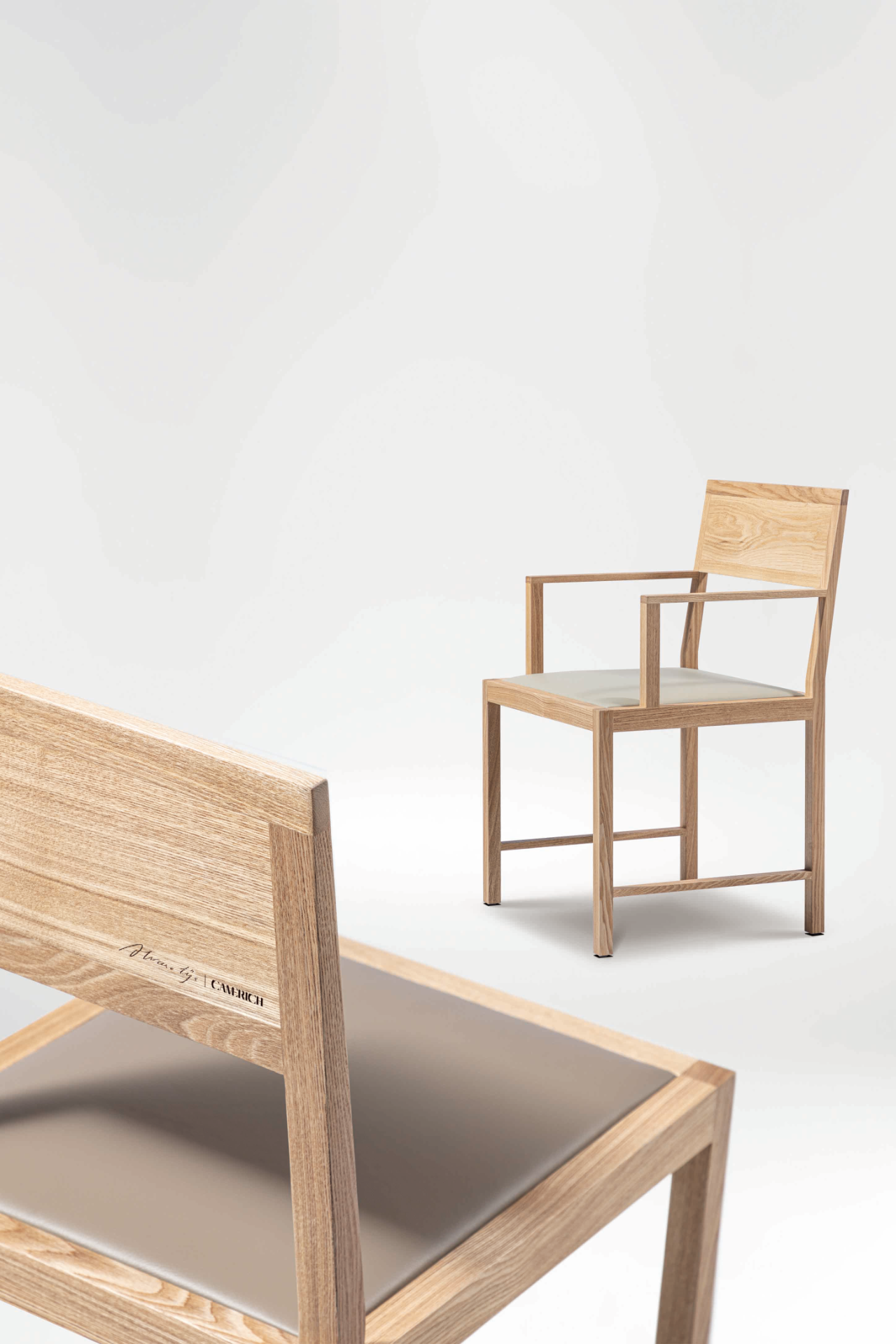
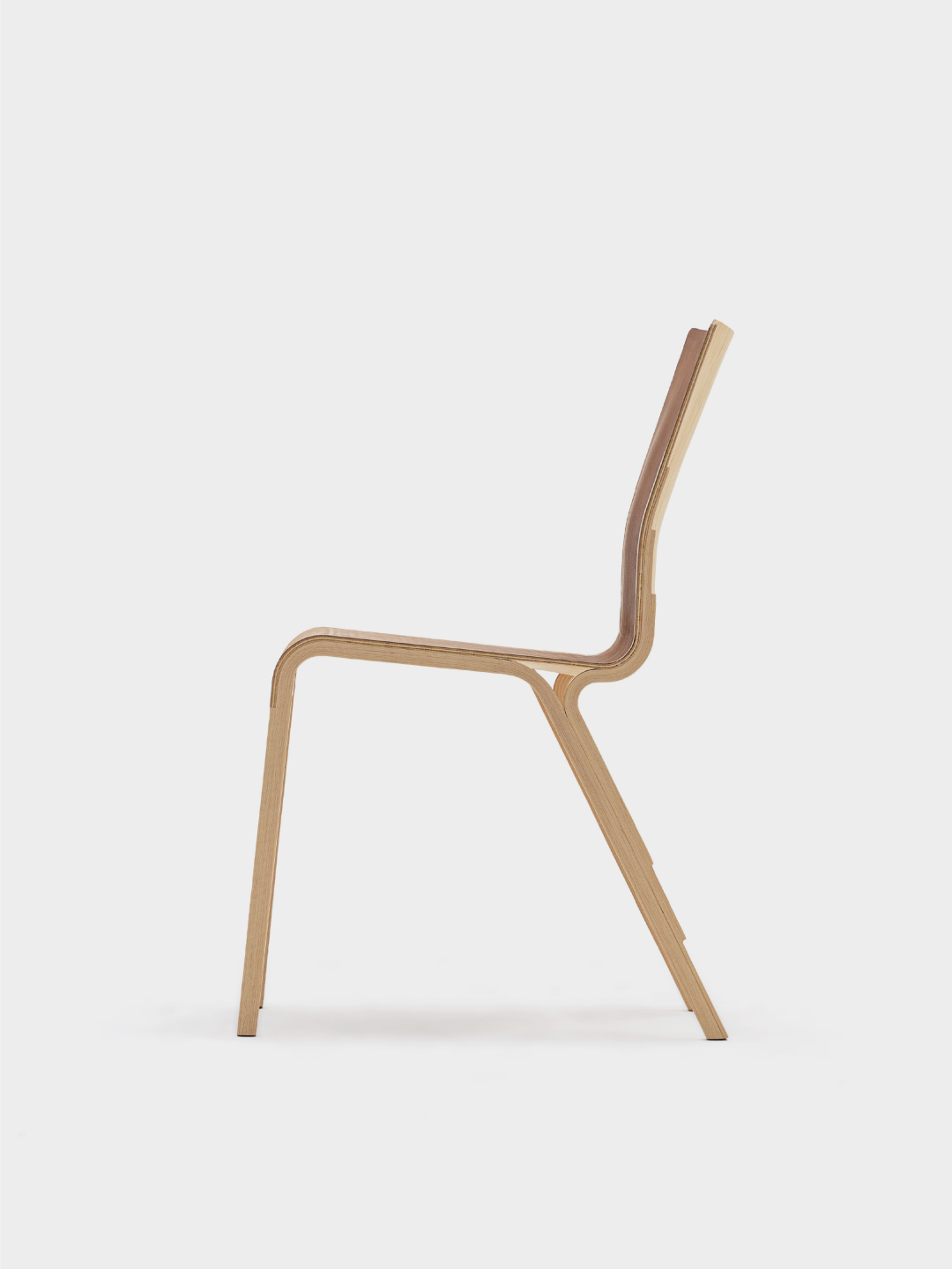
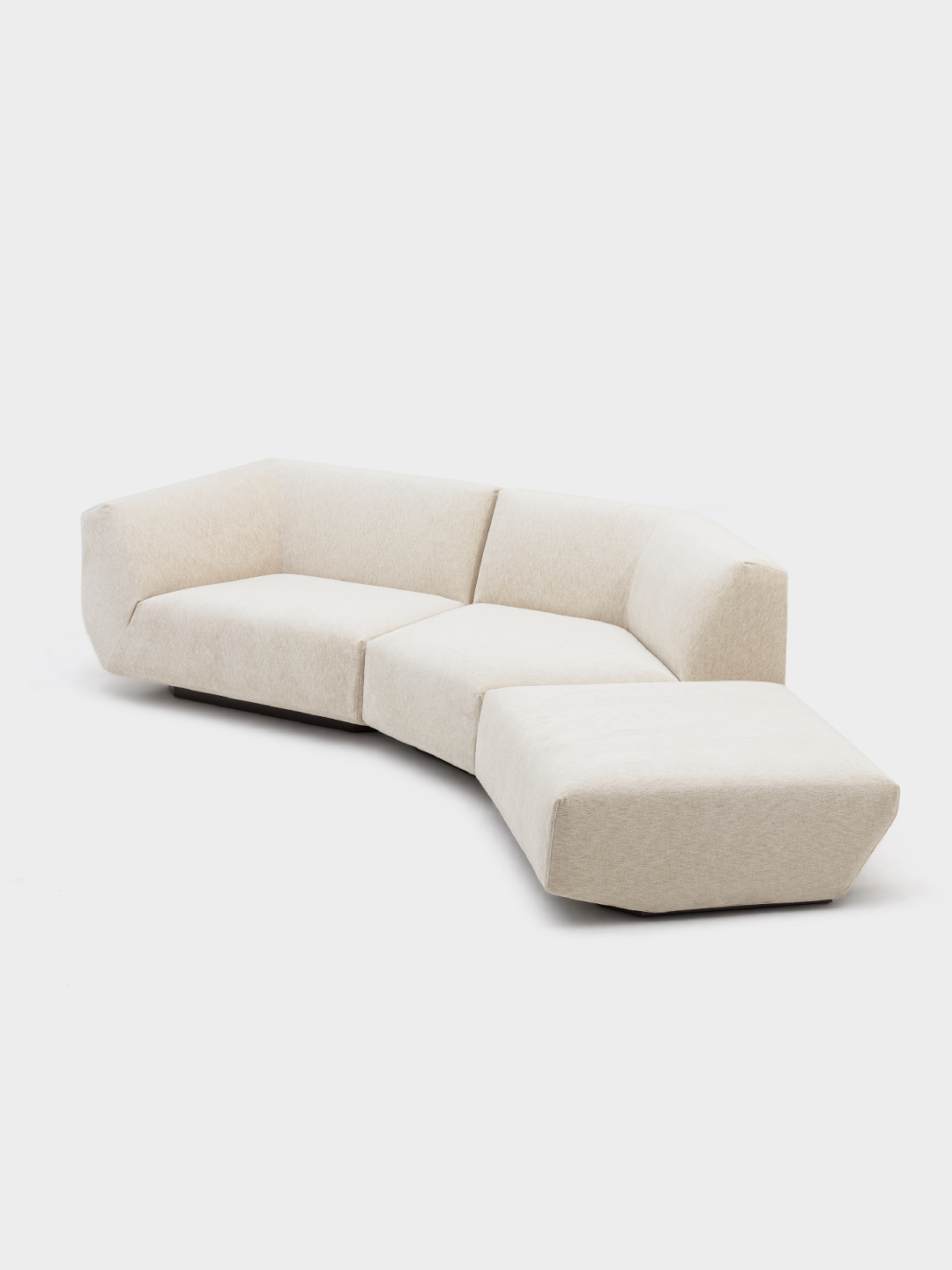
Among the featured pieces was the Academy Collection, created alongside international architects and designers. Álvaro Siza’s 20 BAIANA chair translated minimalist timber construction into something both lightweight and grounded, while the 21 LADY JANE chair used laminated bamboo to achieve remarkably thin curved surfaces with an almost dancer-like precision. The VAST sofa introduced broader sculptural gestures, combining sloped armrests with recessed metal bases into a clean monolithic silhouette that could still adapt freely through modular arrangements. CAMERICH’s presentation suggested that modular systems may offer users greater participation in shaping their own domestic environments.
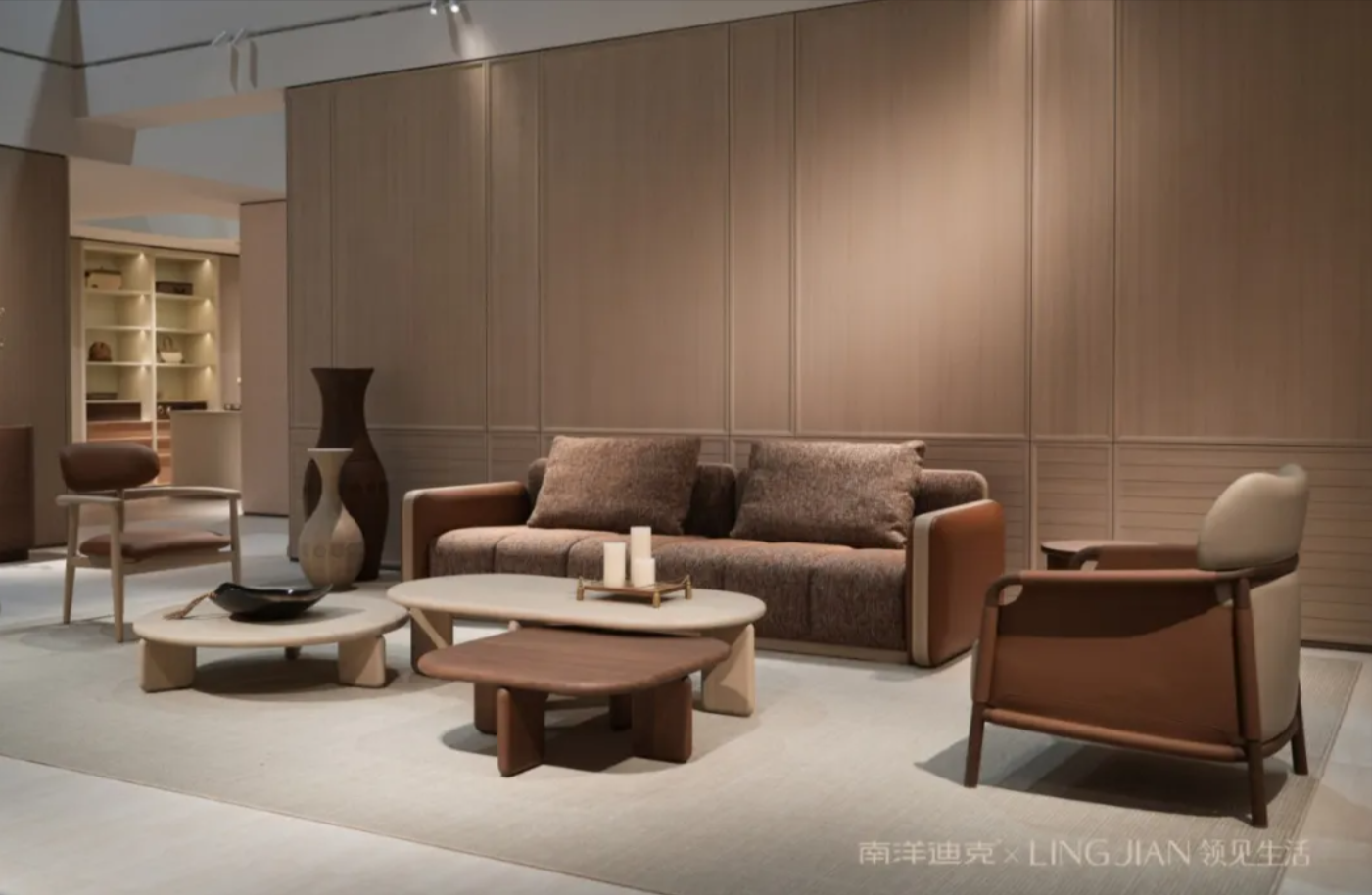
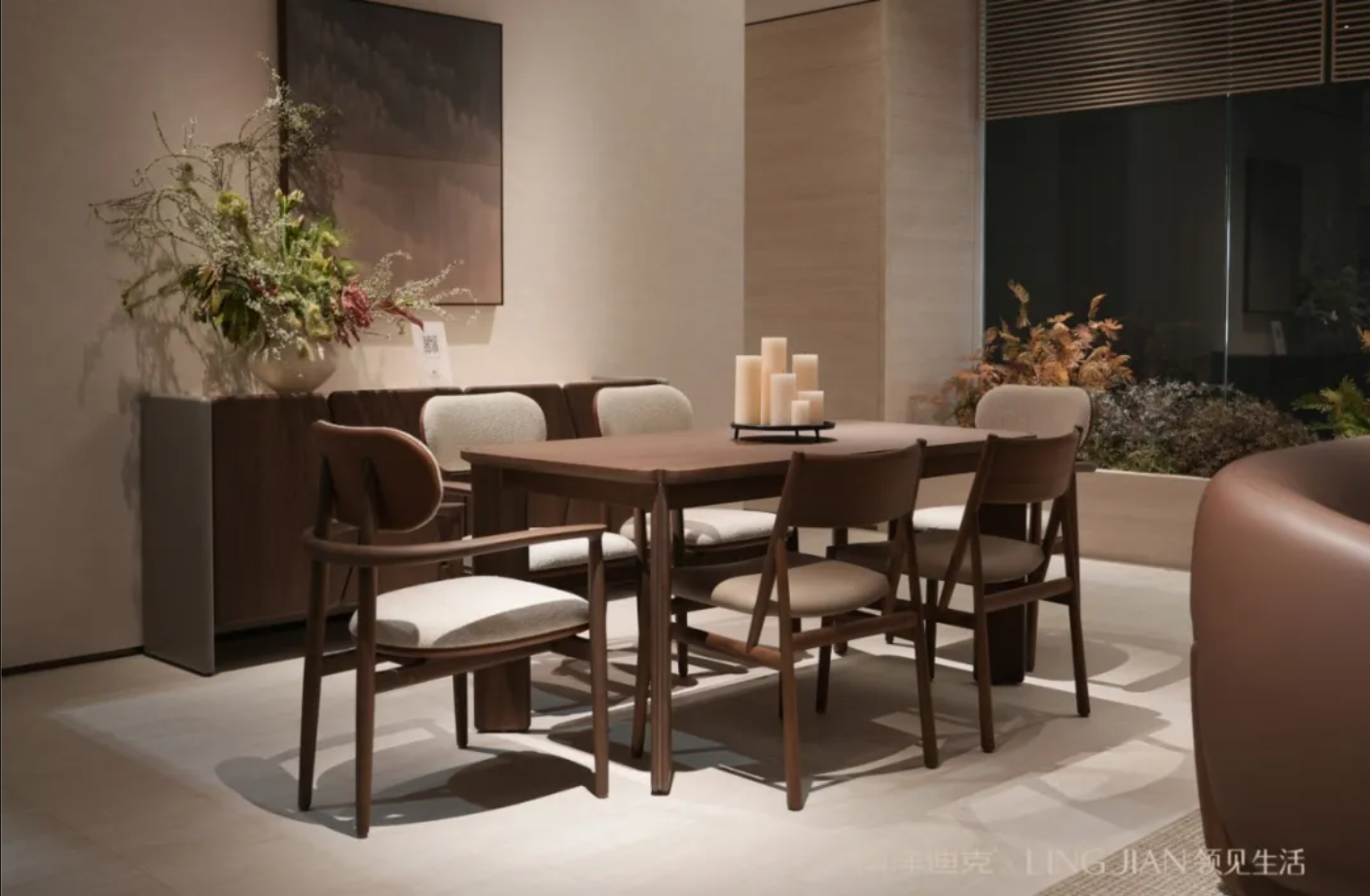
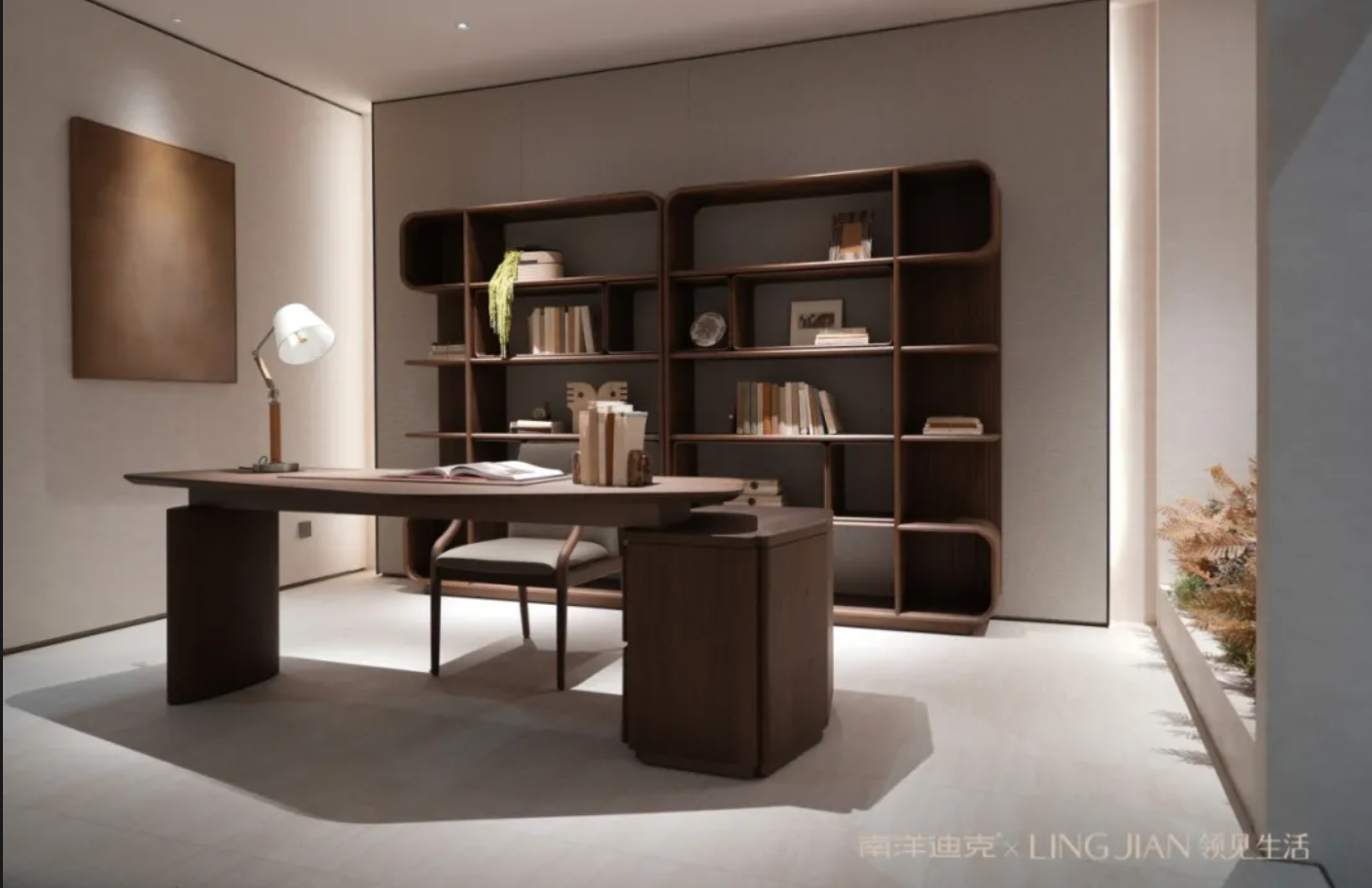
First-time exhibitor NEODIKO also attracted steady crowds throughout the fair. The solid wood manufacturer, with more than two decades of experience, presented a comprehensive “whole-home customisation” concept that emphasised continuity across architecture, cabinetry and furniture.
The exhibition space unfolded through an open layout with restrained colour palettes defining each zone. Cream-toned interiors, old-money references, natural timber finishes and vintage-inspired details coexisted surprisingly comfortably. Nothing felt overstated. Instead, the atmosphere carried the quiet confidence that comes from long-term craftsmanship development.
Its LINGJIAN collection, developed with designer Lin Chen, maintained a consistent timber language across walls, cabinetry and furniture systems. The project balanced cultural references rooted in Eastern living with the composure of contemporary residential design, achieving a notably high level of detail throughout.
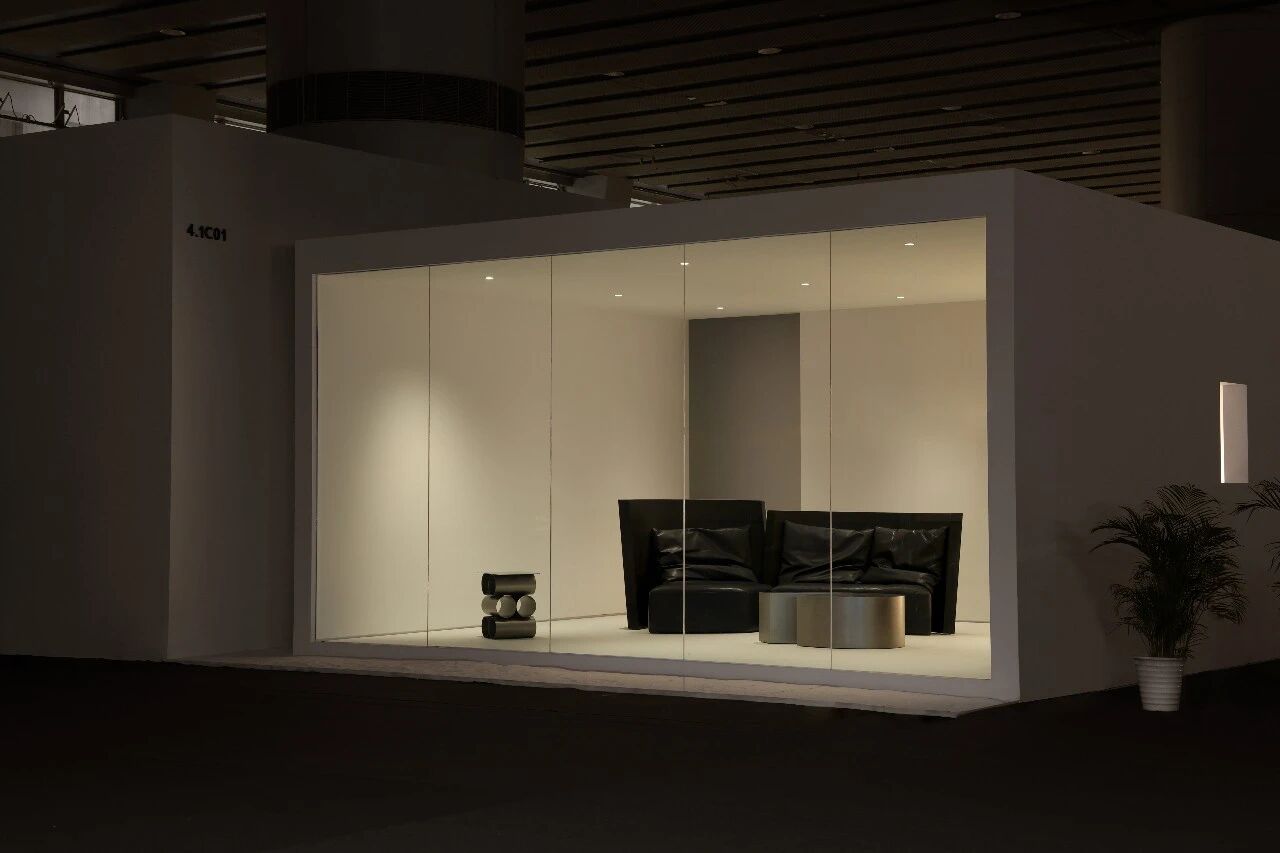
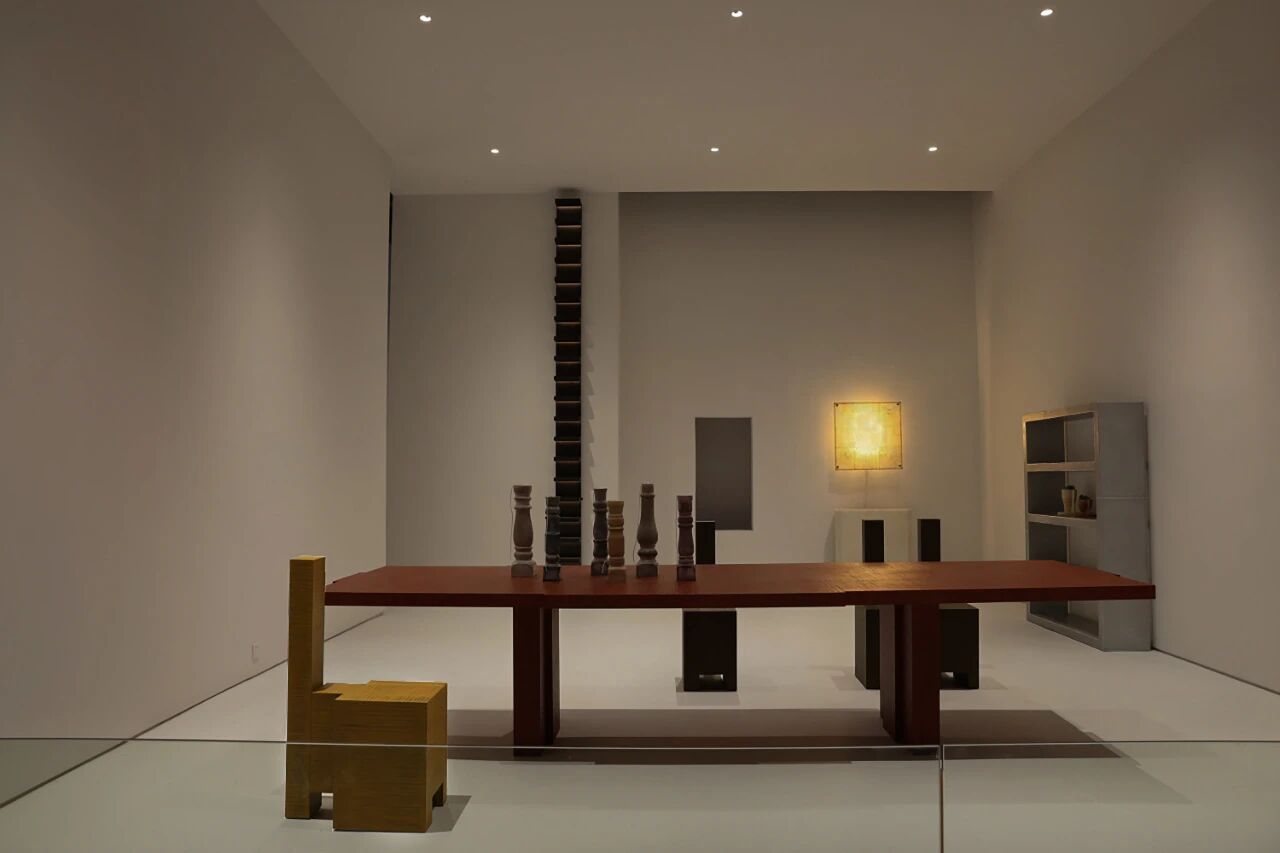
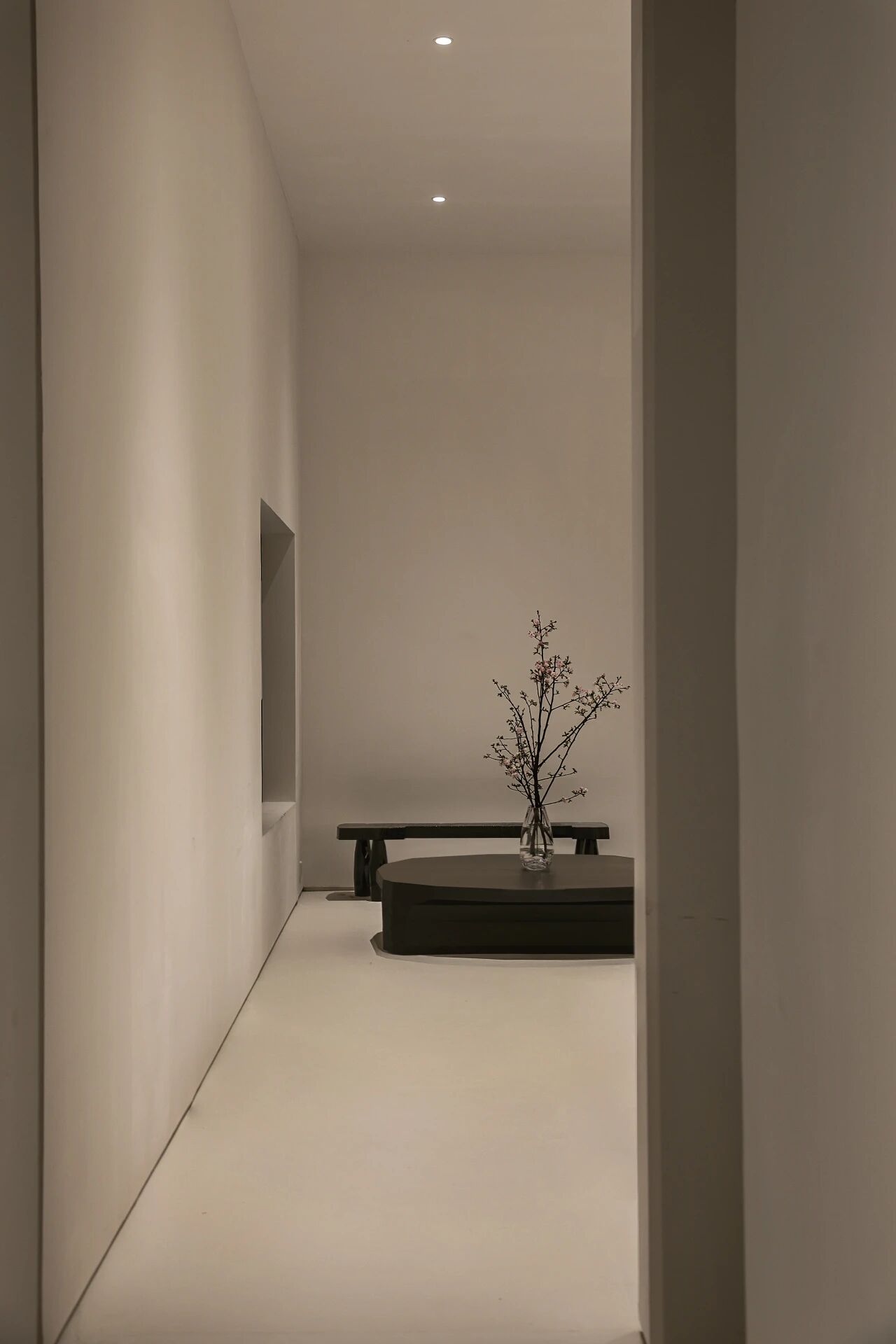
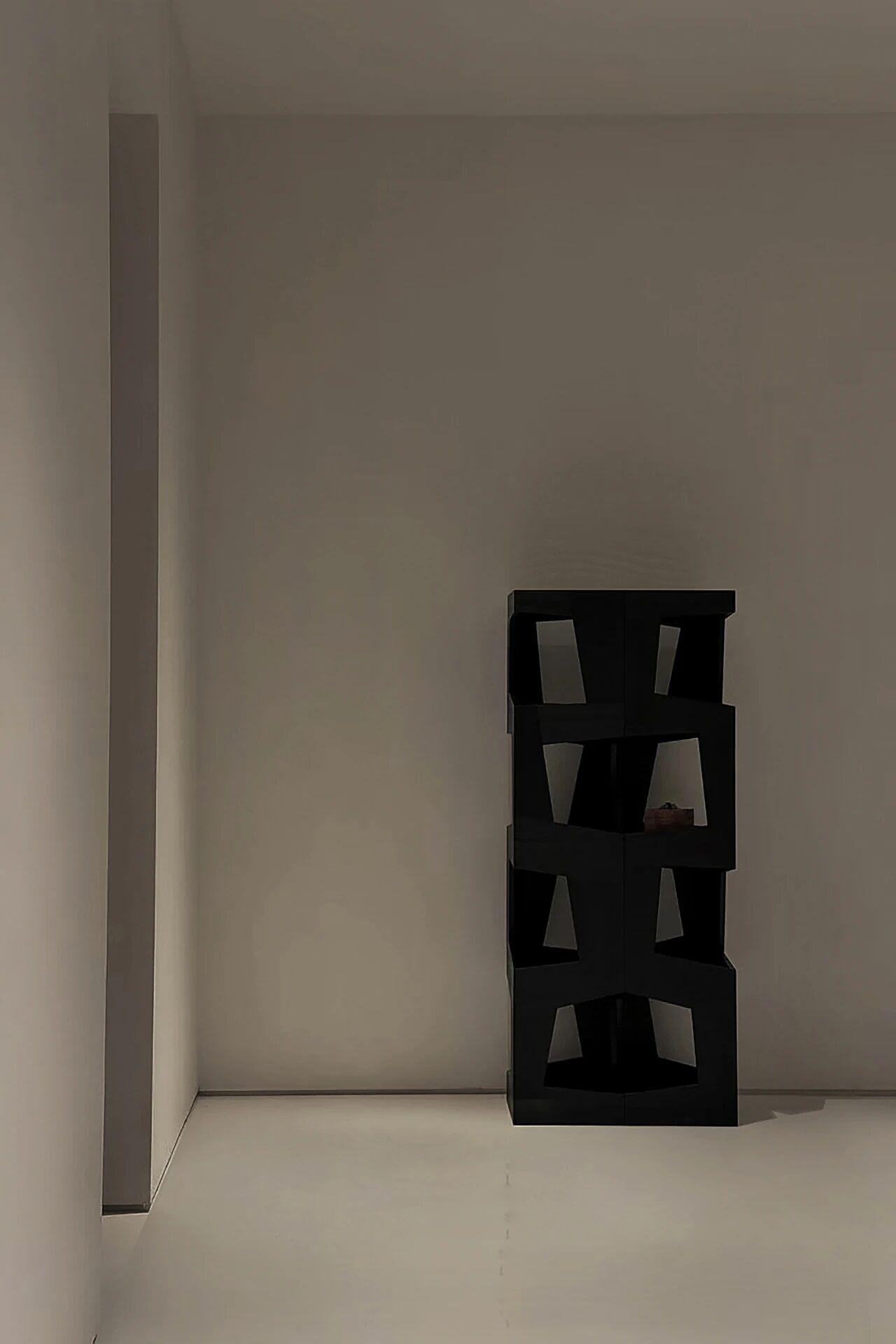
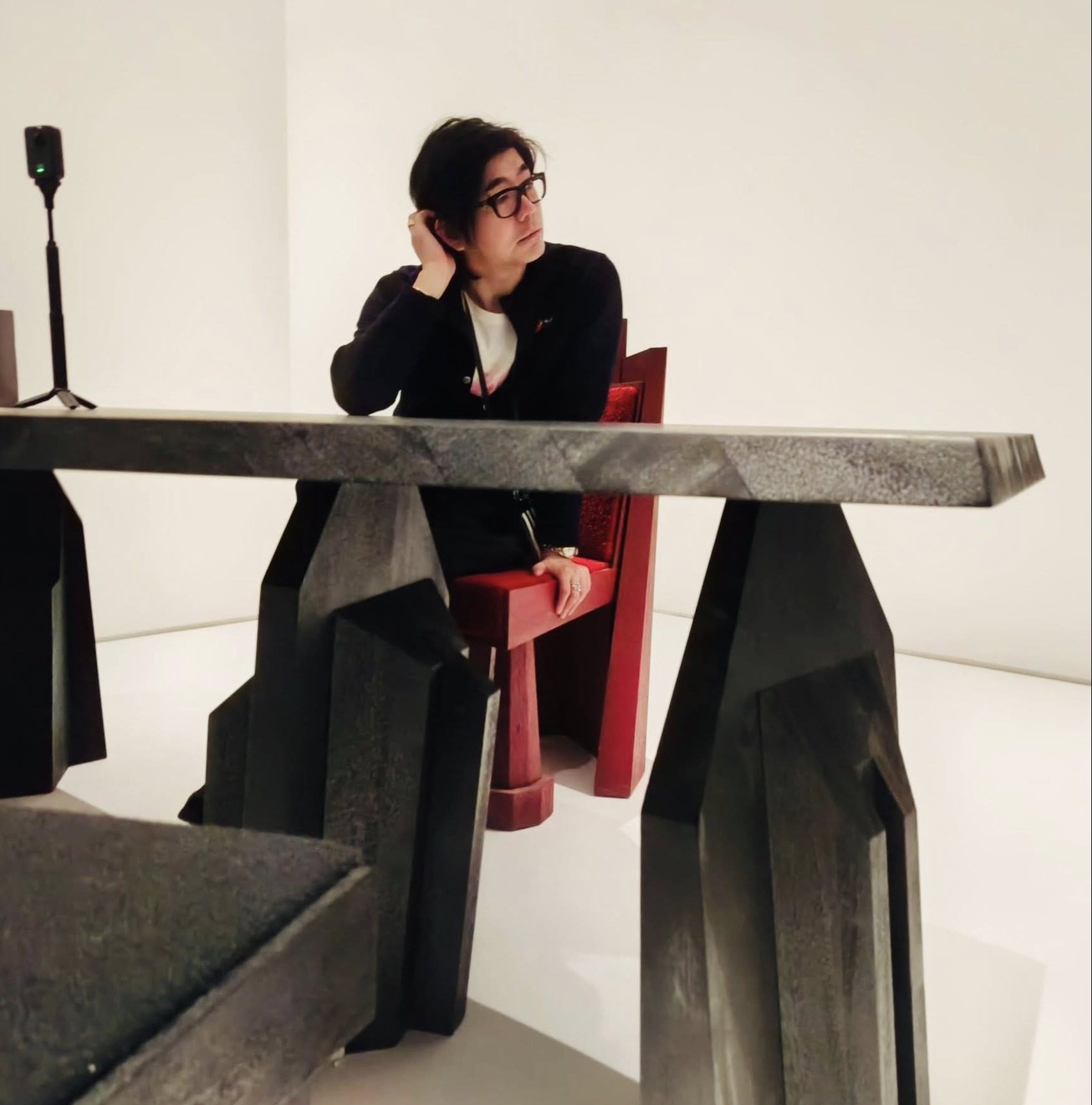
DAaZ took an entirely different approach with its LIMITED-EDITION exhibition. Designed almost like a contemporary gallery, the booth used pure white architectural volumes and restrained colours to place full attention on the furniture itself.
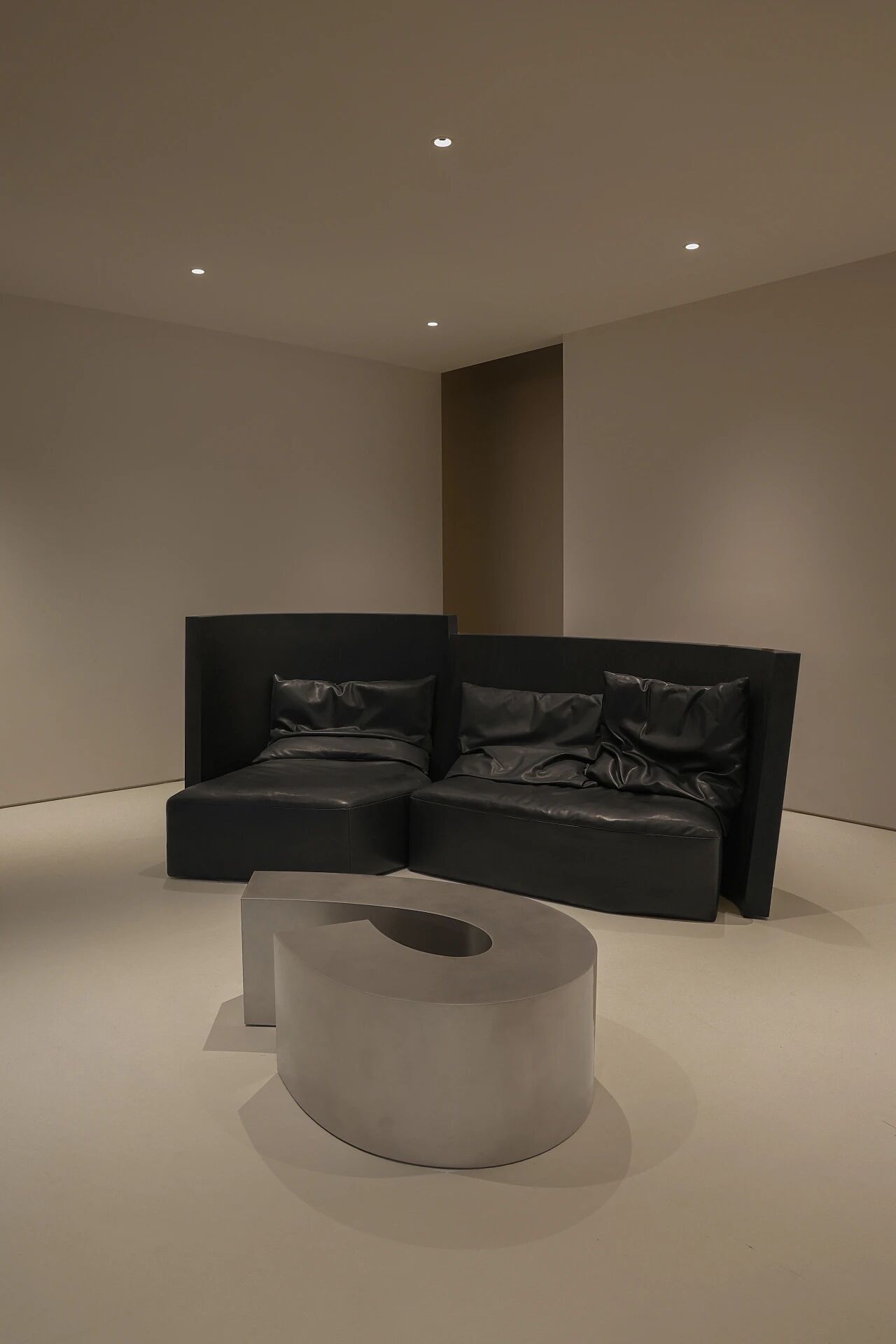
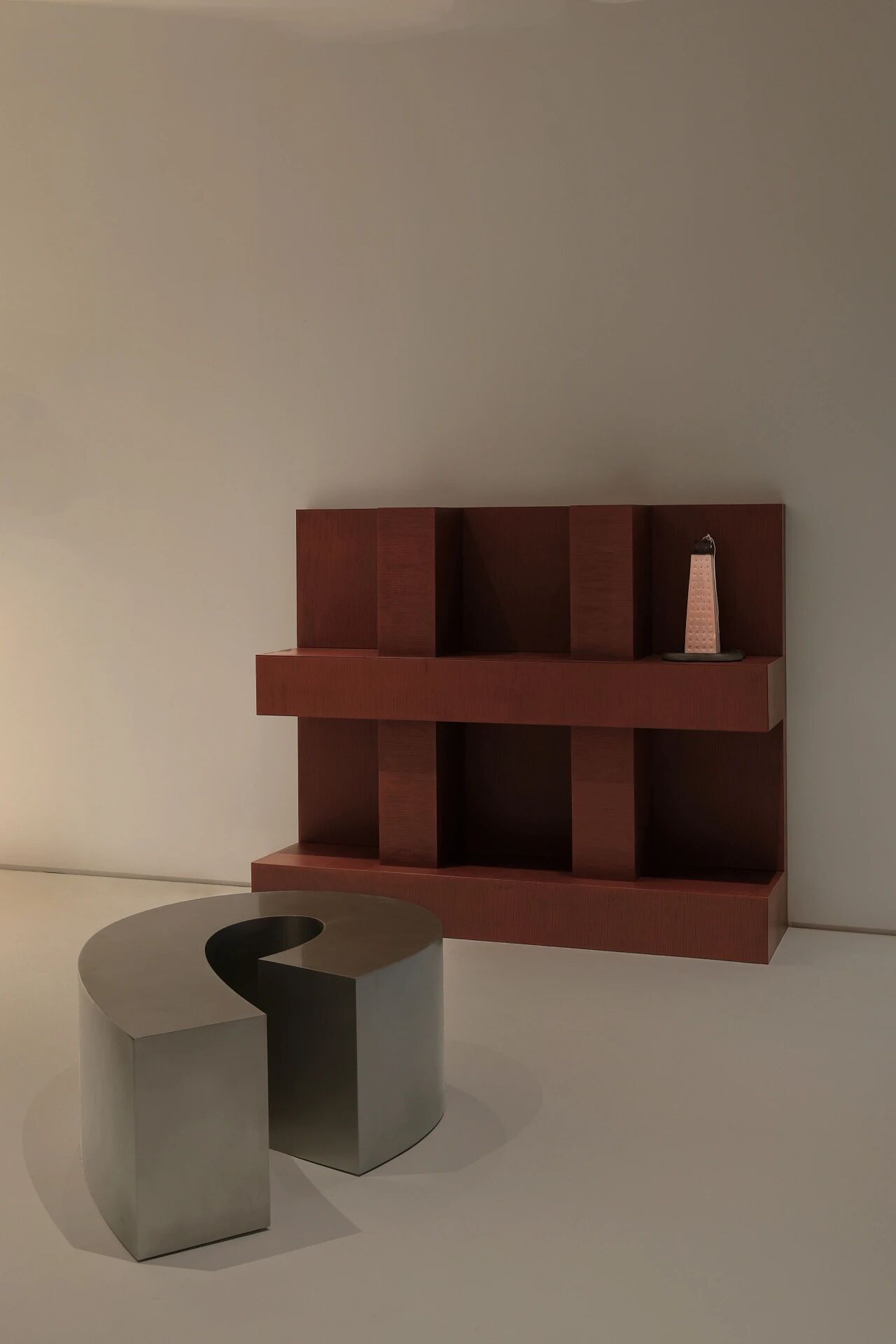
One elongated table occupied the centre of a near-empty room, its proportions stretched dramatically to emphasise sculptural presence and artisanal precision. The furniture carried traces of Eastern sculptural sensibilities while remaining highly restrained. Even in silence, the works commanded attention.
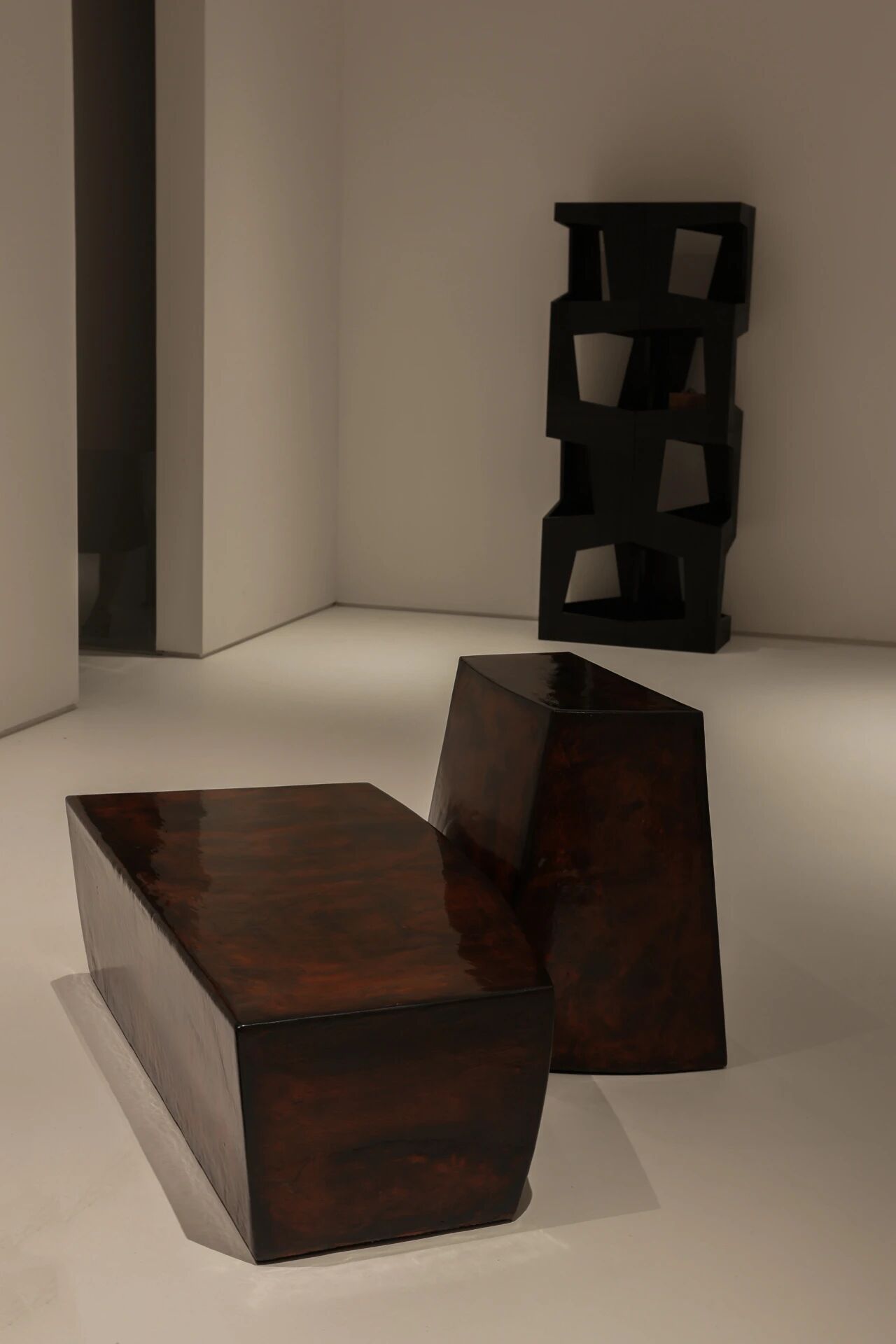
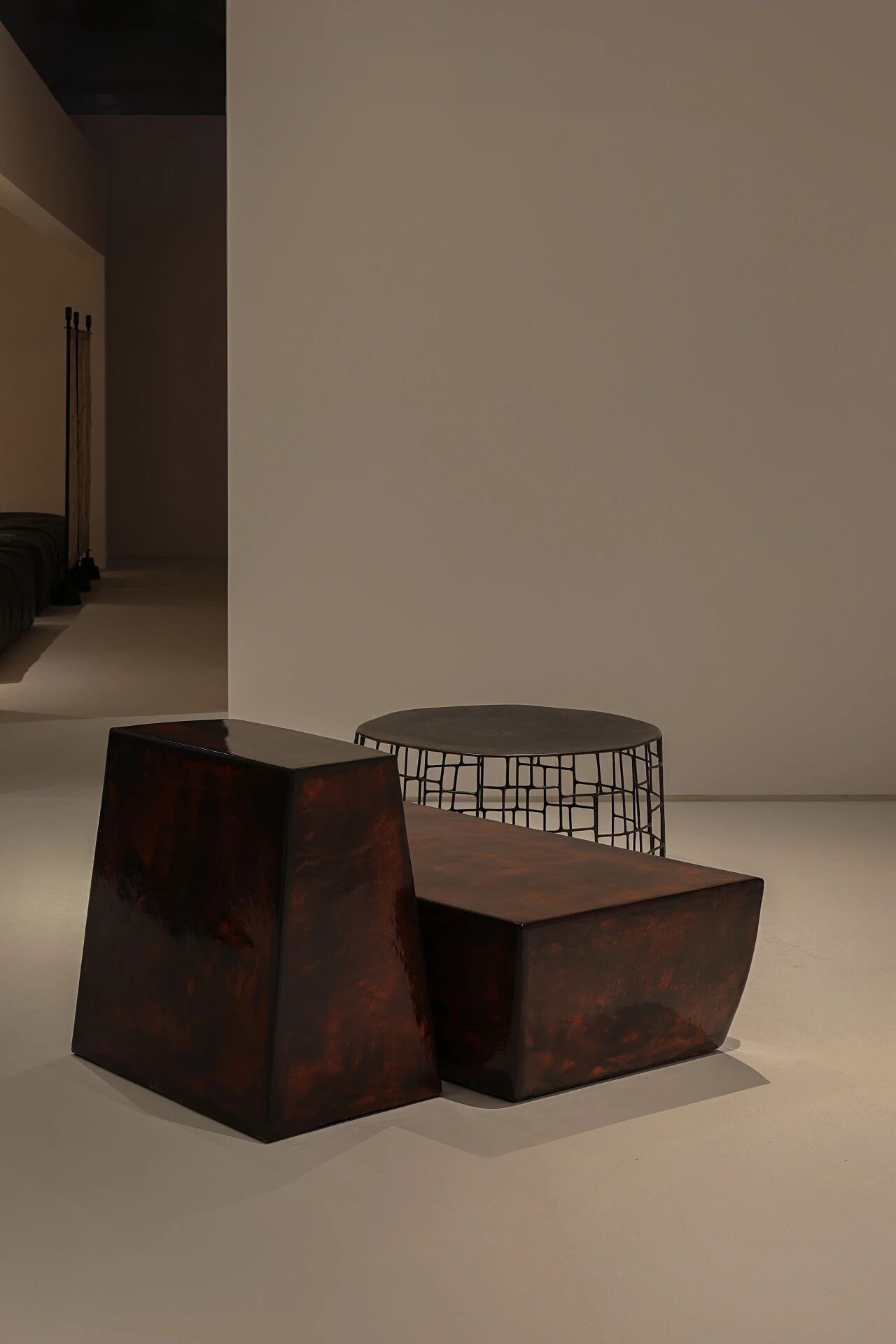
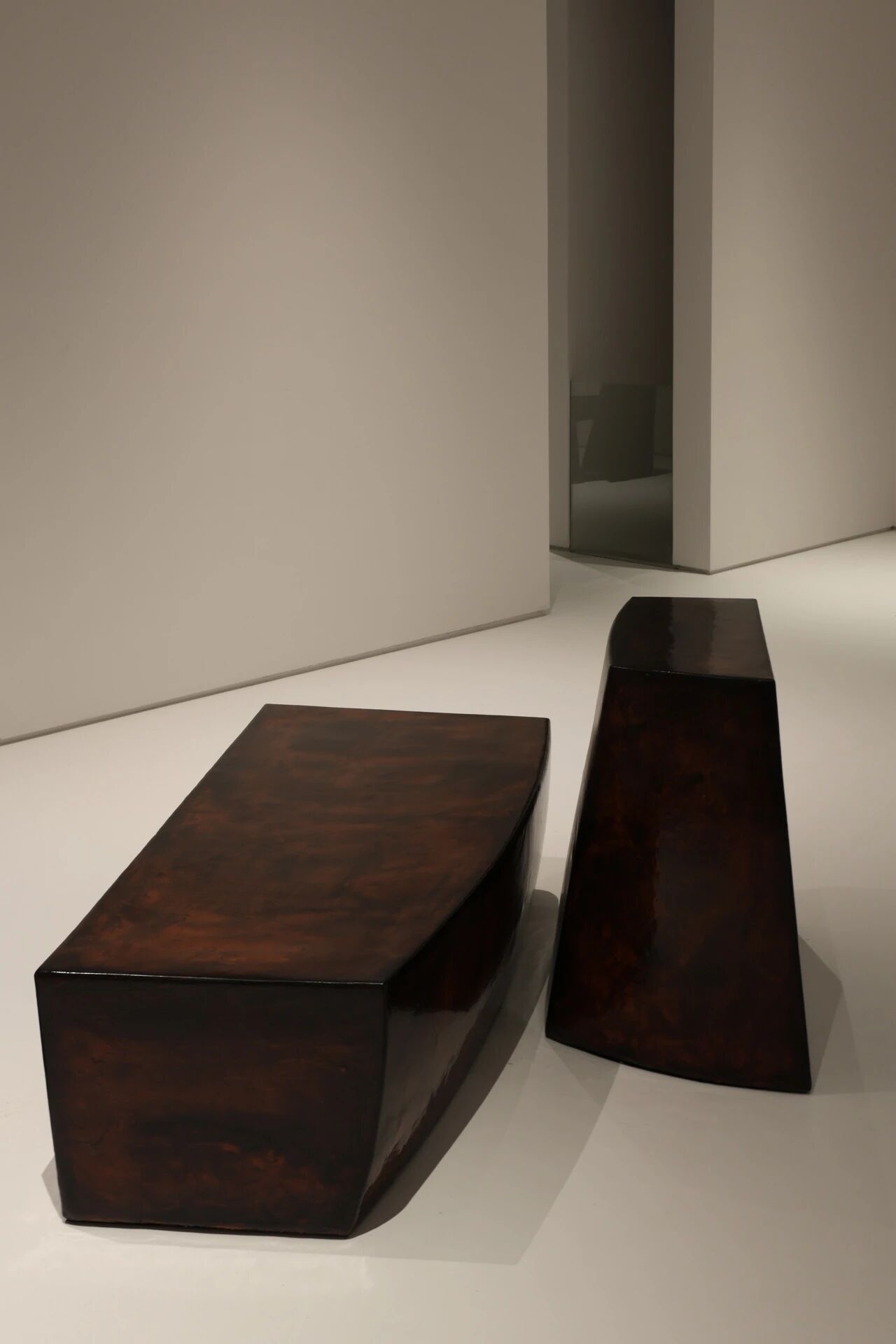
Following last year’s collaboration with Korean artist Hwang Hyungshin on the RUST series — which extracted colours from oxidised metal powder to freeze the process of ageing onto furniture surfaces — DAaZ continued exploring the idea of “time as material”. This year, similar oxidised textures appeared even within upholstered pieces, blurring the line between collectible design and functional furniture in ways increasingly sought after within the high-end collectible market.
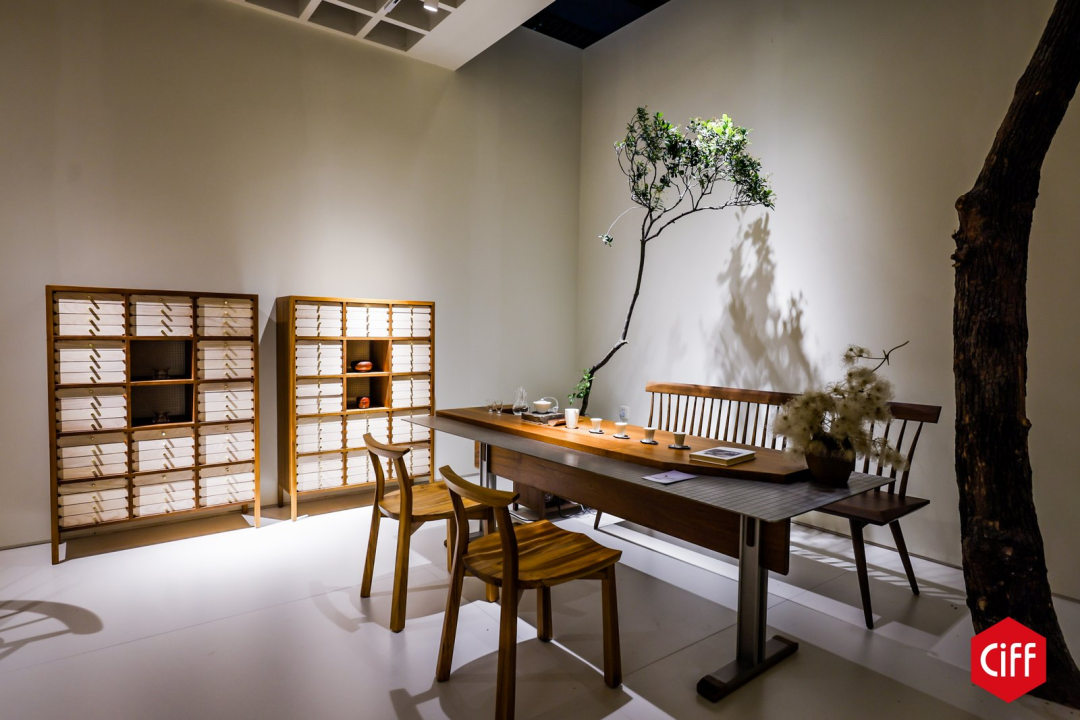
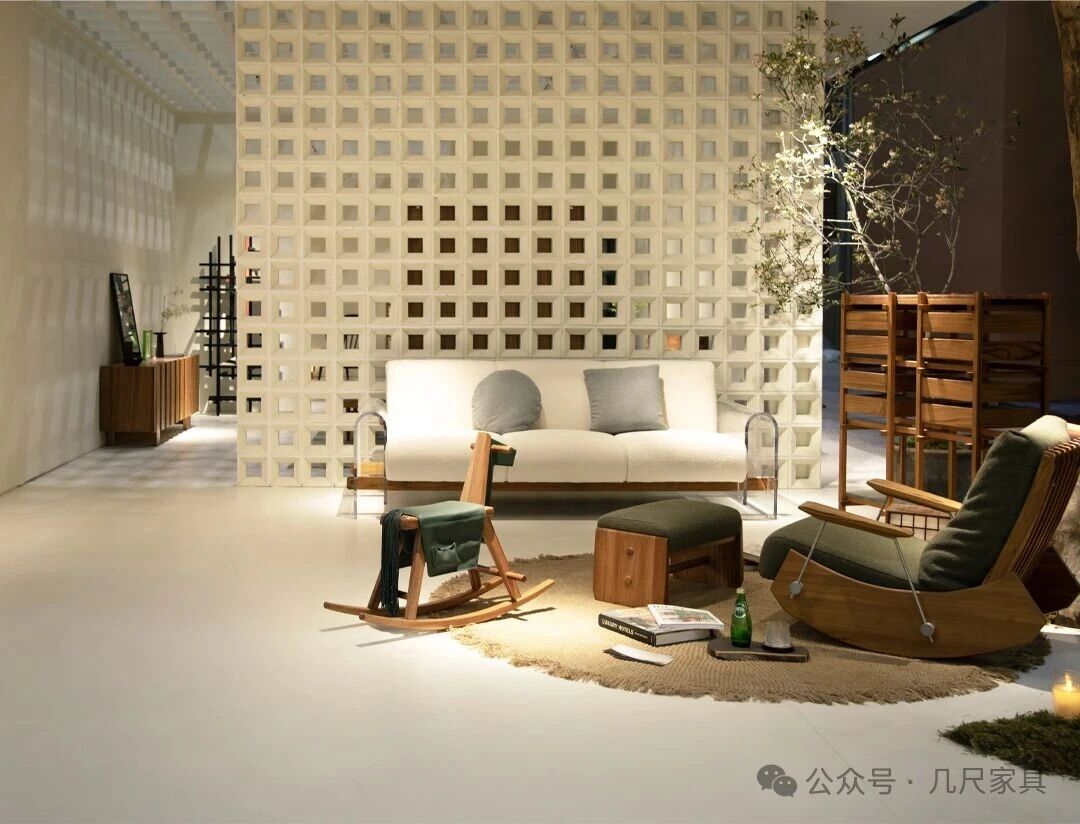
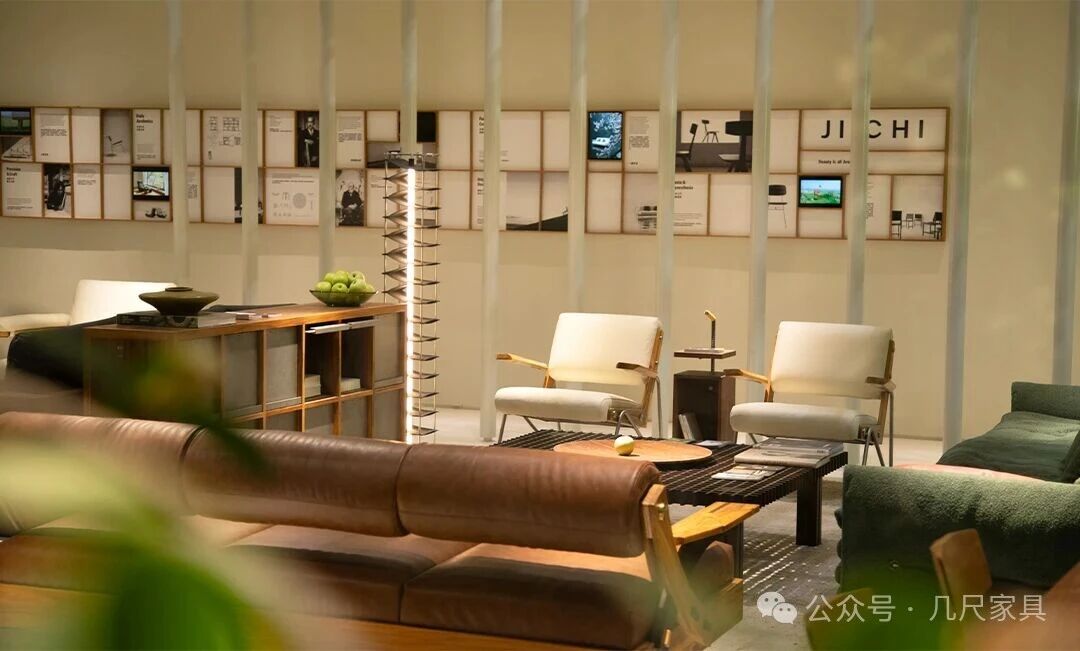
JICHI’s debut presentation, titled JICHI in Spring Field, brought a quieter and more contemplative atmosphere to the exhibition. Dark walnut and warm teak surfaces layered against one another while furniture profiles referenced Song Dynasty aesthetics alongside Bauhaus rationalism and hints of Le Corbusier’s modernist language. At a time when much of the industry prioritises speed and novelty, JICHI chose restraint, allowing timber itself to carry the emotional weight of the space.
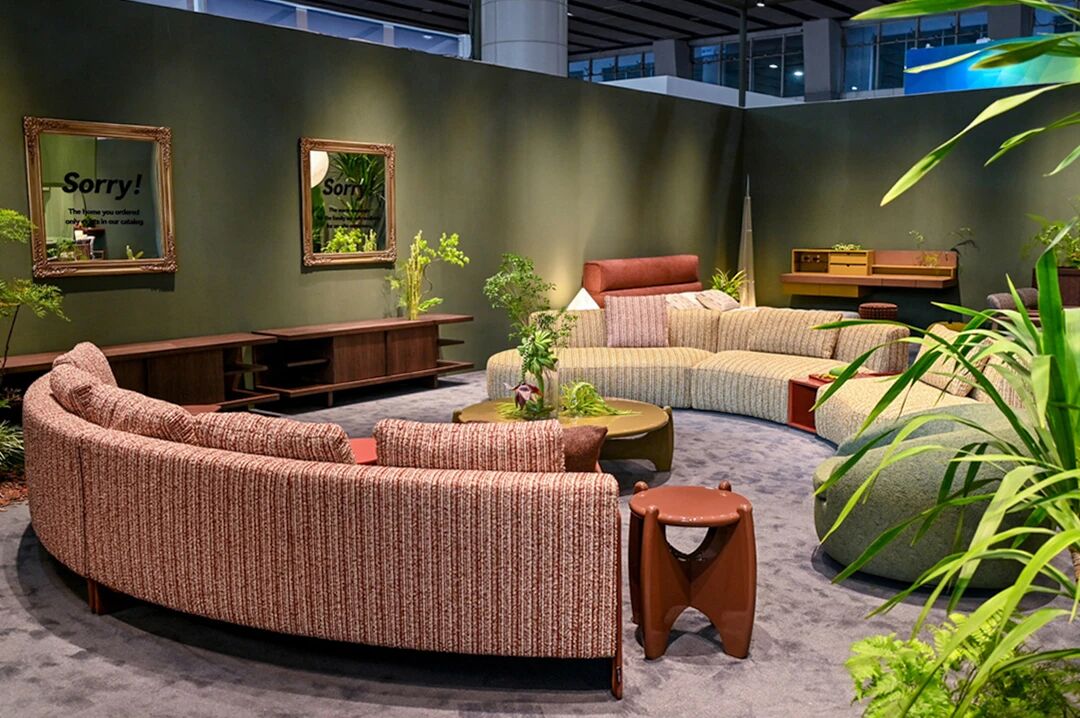
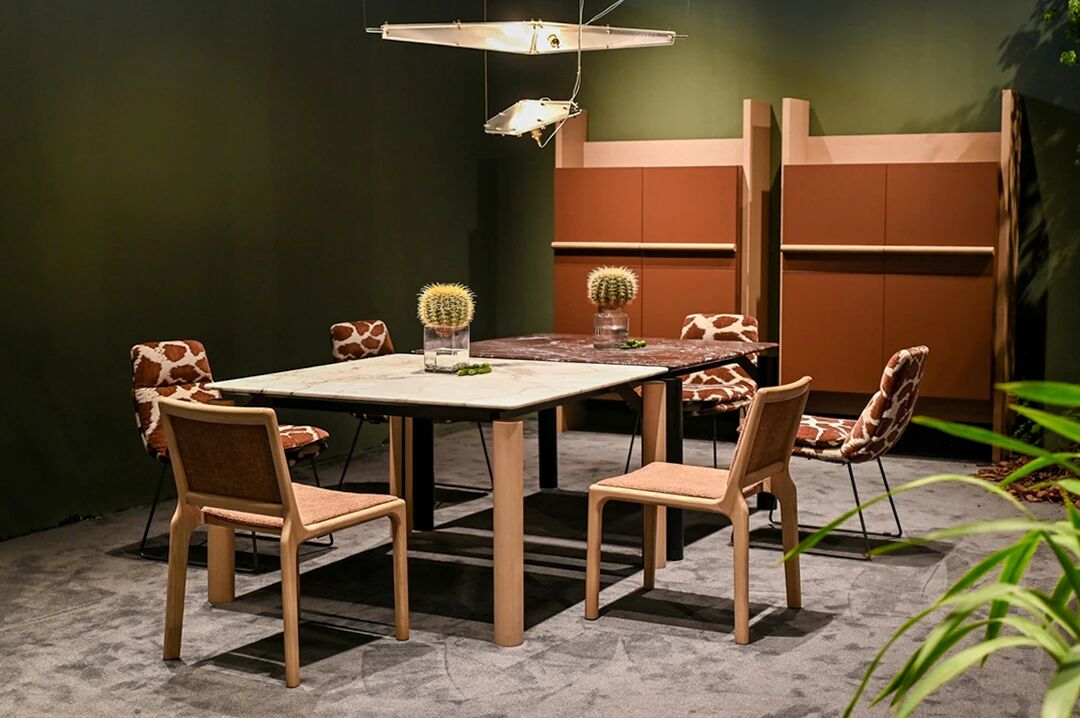
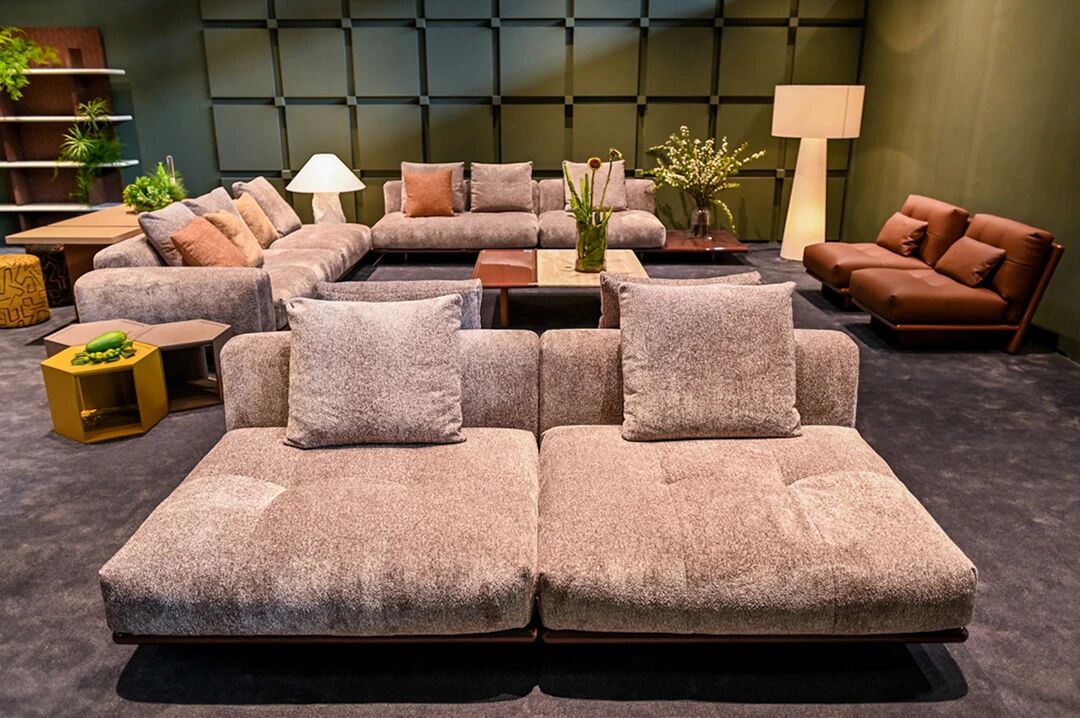
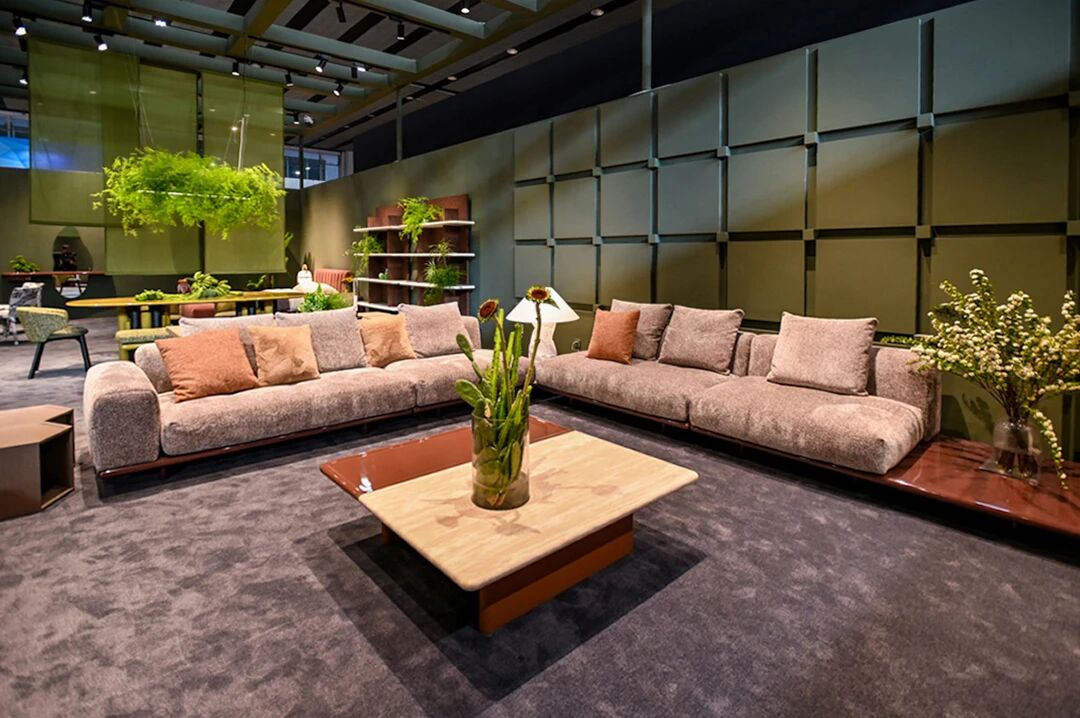
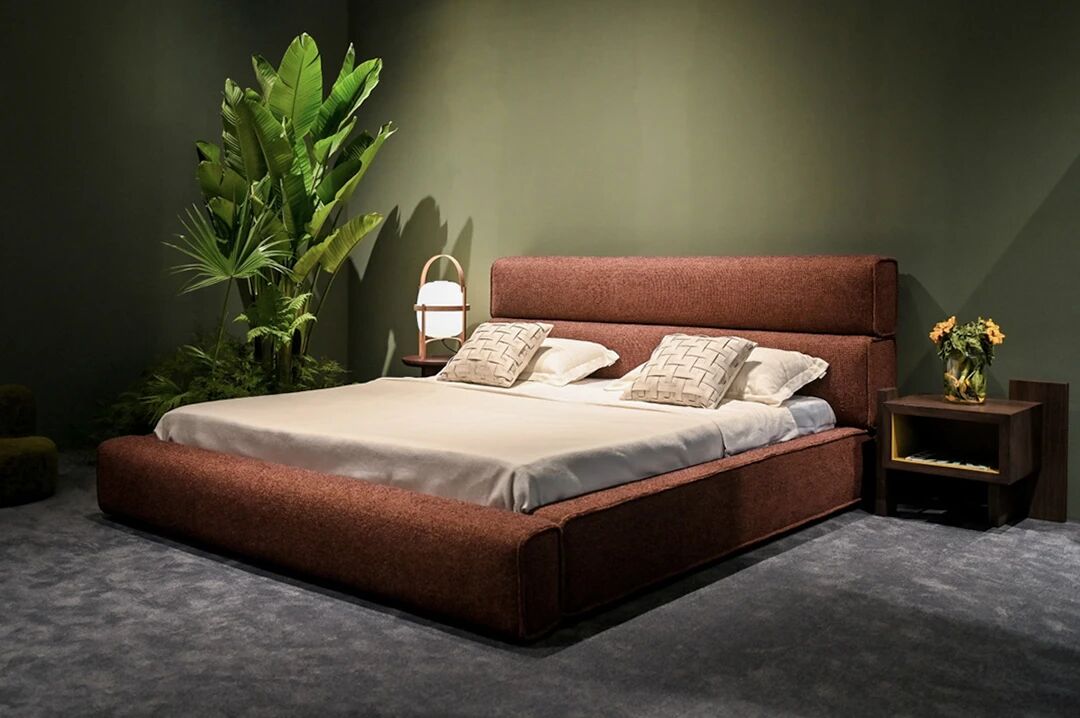
COSMO MOBILI similarly foregrounded material honesty. Natural grain patterns, structural variations and imperfections within the timber remained intentionally visible rather than overly refined. The brand appeared less interested in polished perfection than in preserving the tactile qualities of the material itself.
The living area paired the HUTEN curved sofa and ROUND ISLE coffee table against deep green walls punctuated by warm accents of red and cream. The VIRGIL lounge chair used thick upholstery to create an enveloping softness, while the bright yellow HEXA NEST side table added a playful interruption to the otherwise muted palette. Elsewhere, the VICKY dining table balanced marble surfaces with warm timber textures, while the MINO bed, WALKER side table and BLOCK bedside cabinet shaped a calm and intimate sleeping environment.
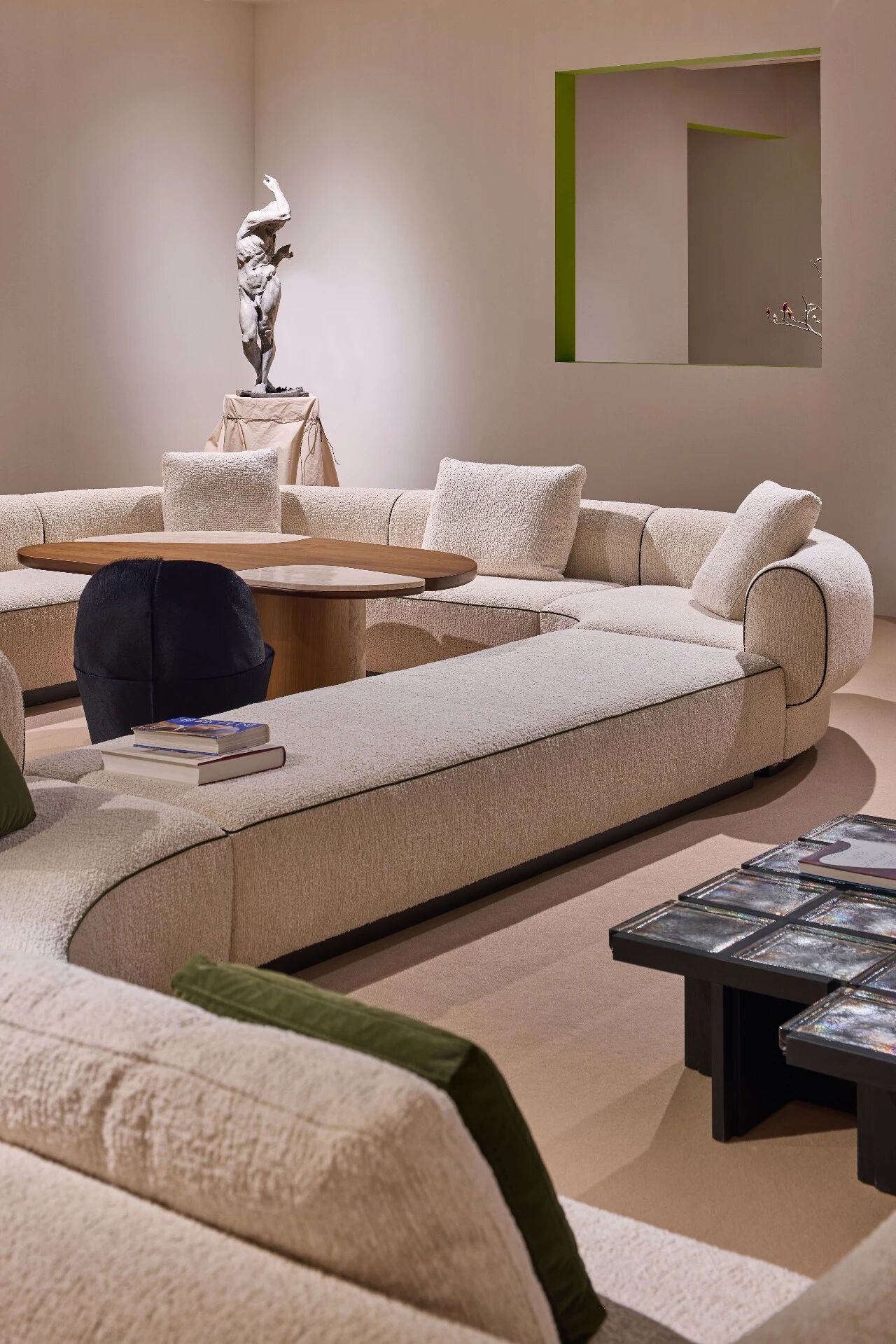
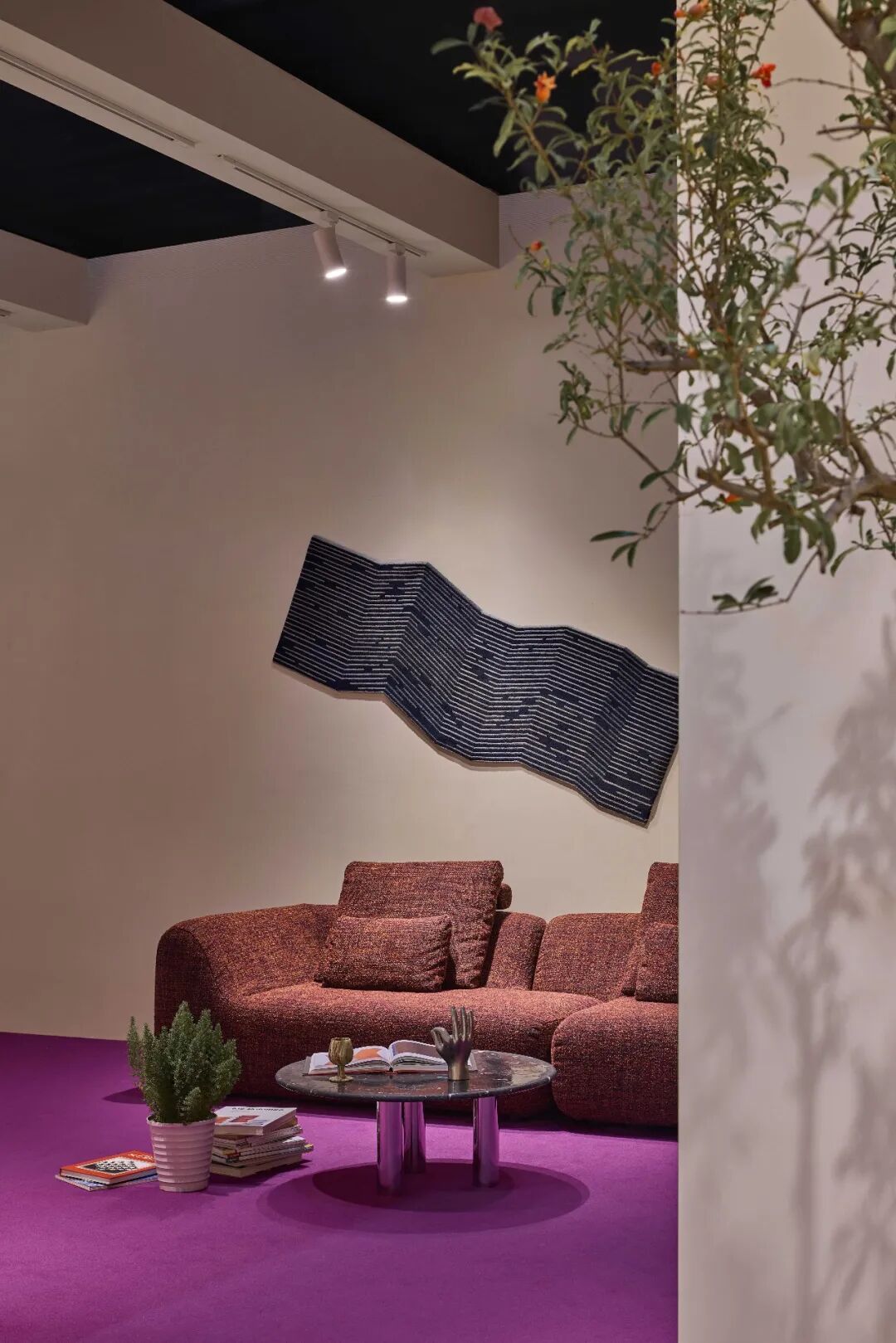
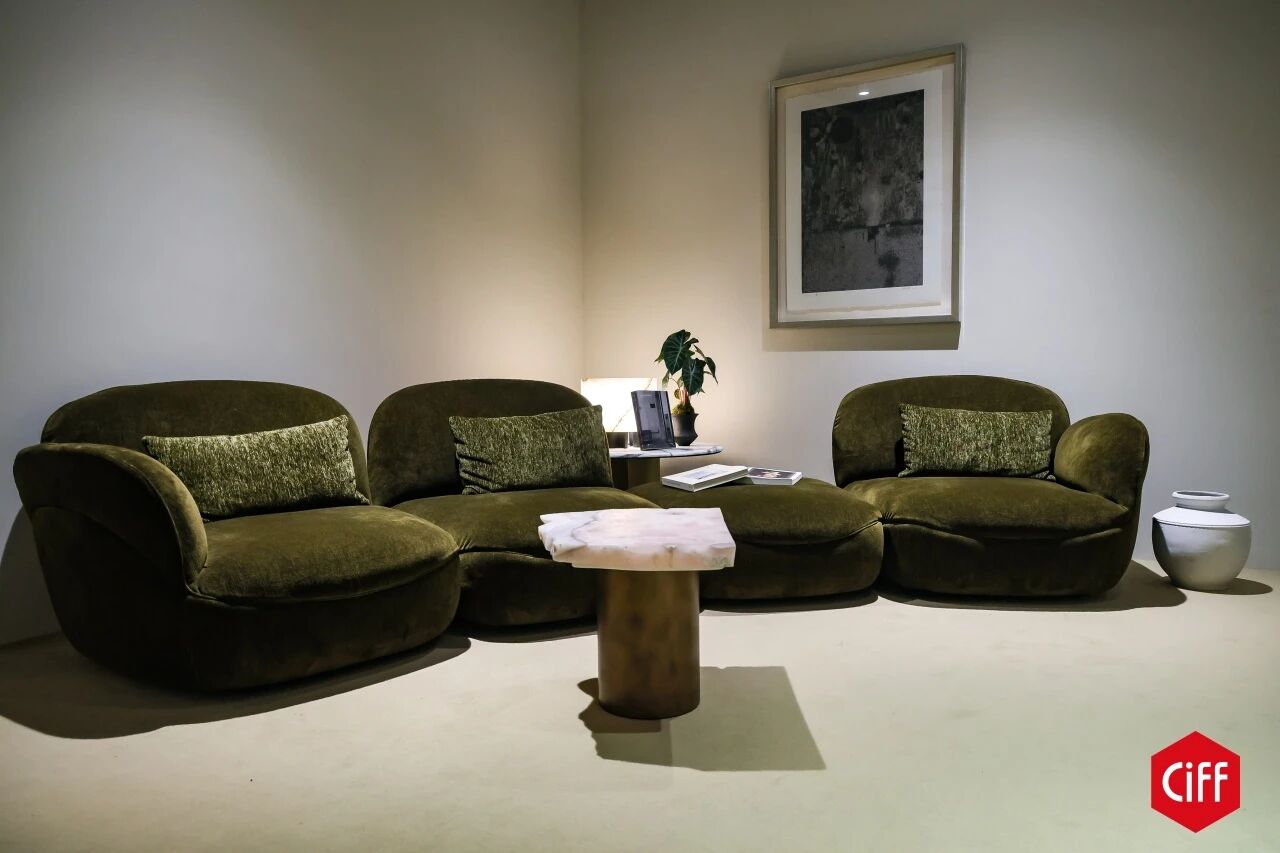
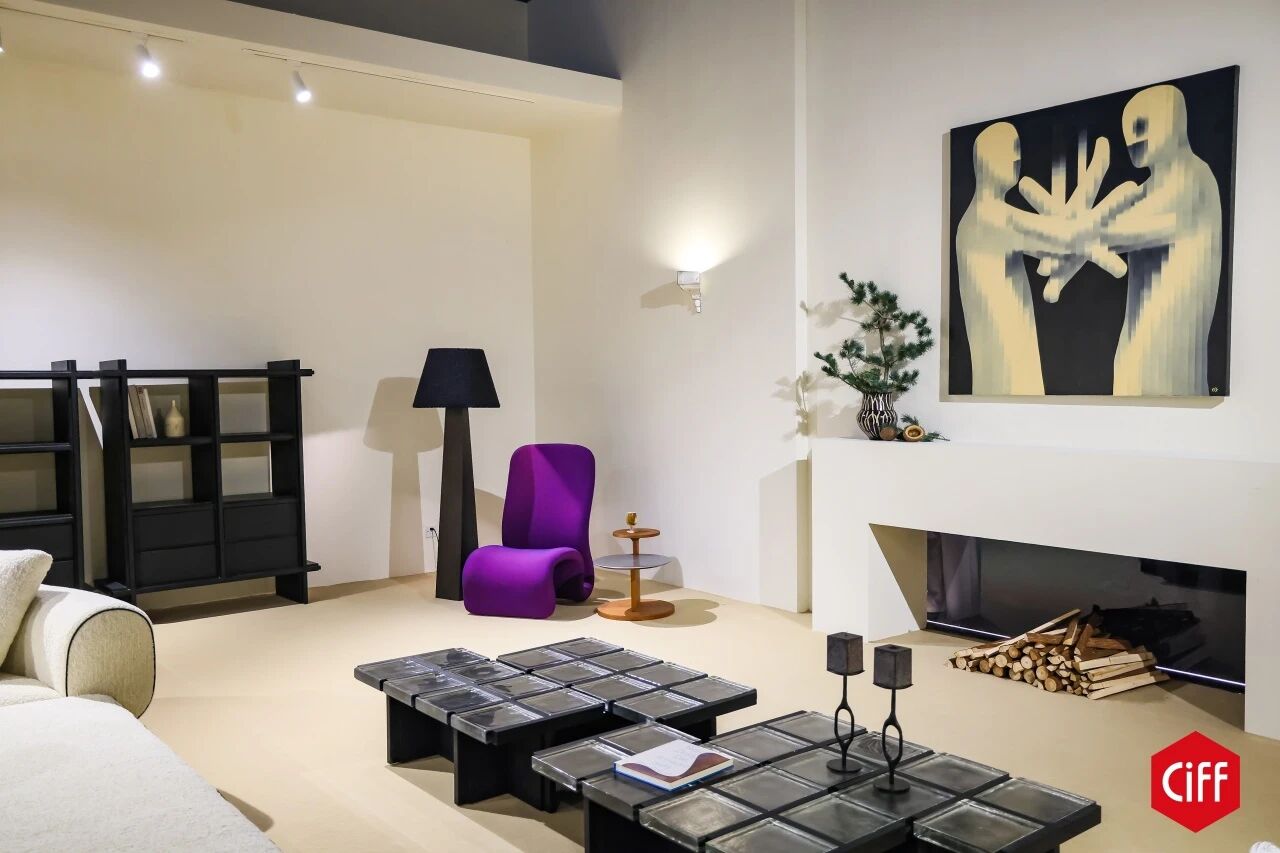
RECASA approached the exhibition through material storytelling. Under the theme “Frame by Frame Into Everyday Life”, the booth fragmented domestic rituals into a series of quiet spatial moments.
The HUANYU sofa used gently extended armrests and rounded forms to create a deeply enveloping seating experience. Nearby, the modular MOFANG sofa softened geometric volumes through textured woven fabrics that encouraged flexible arrangements. In the workspace, the BAOYUE sofa borrowed its form from the crescent moon, its curved backrest and separated modules creating intimate seating configurations equally suited to solitude or gathering.
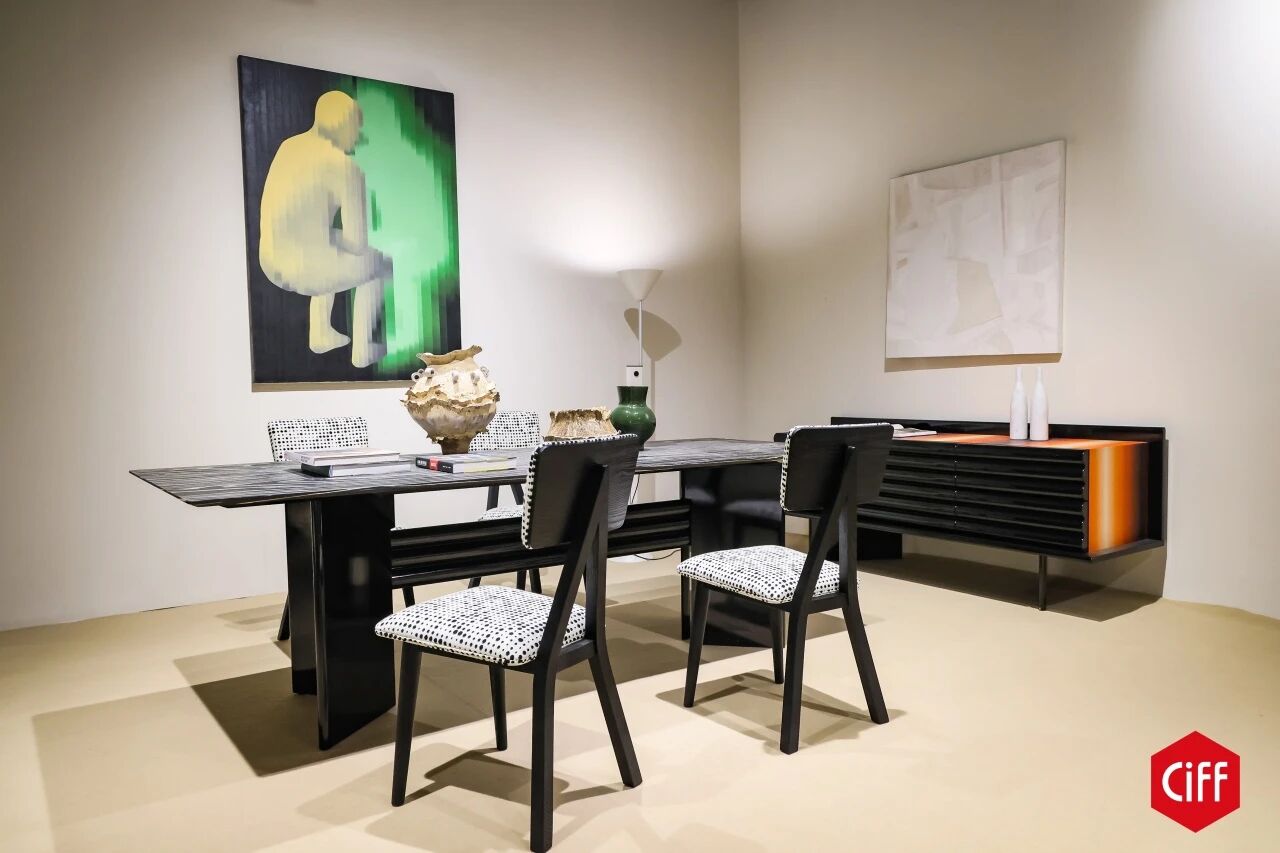
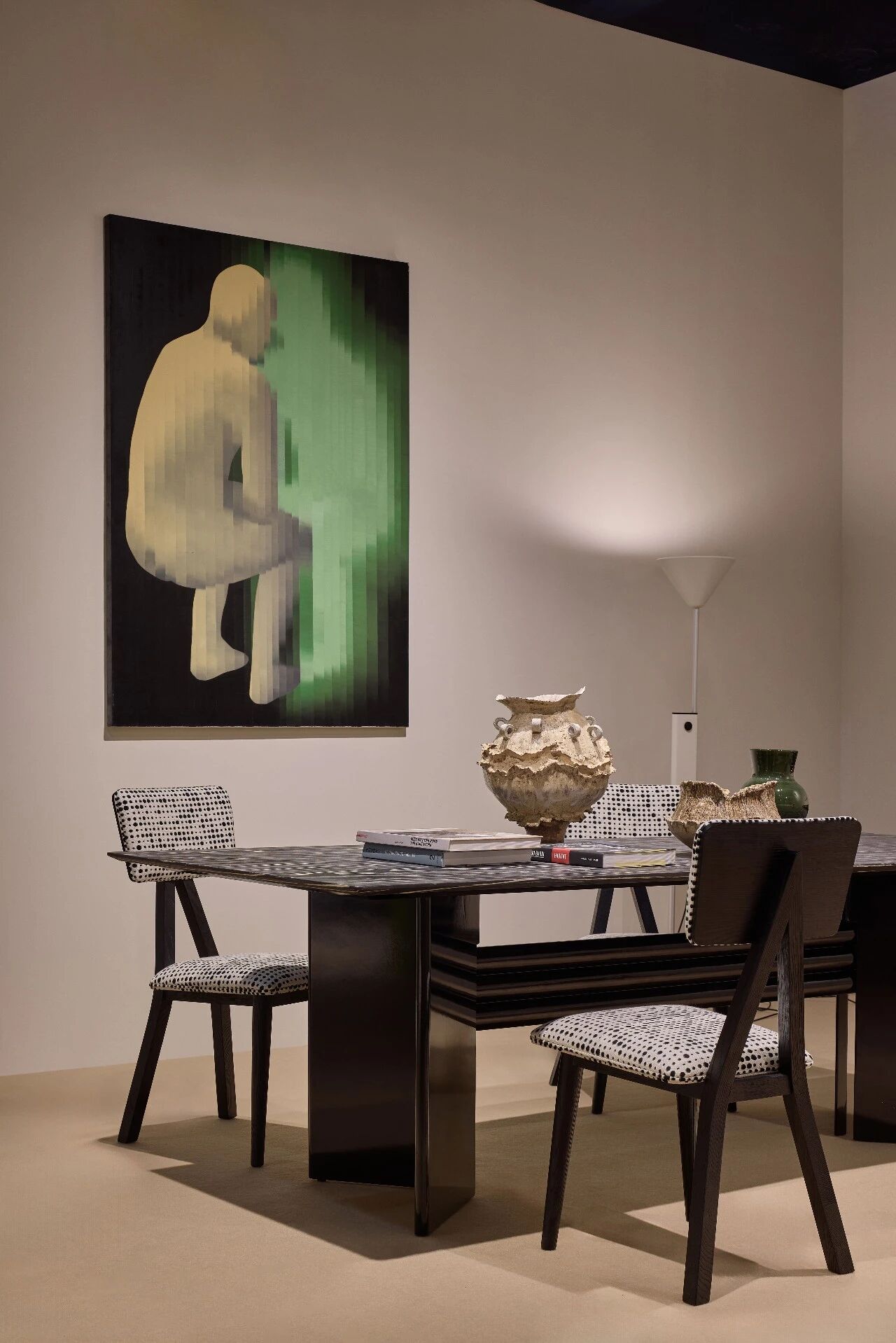
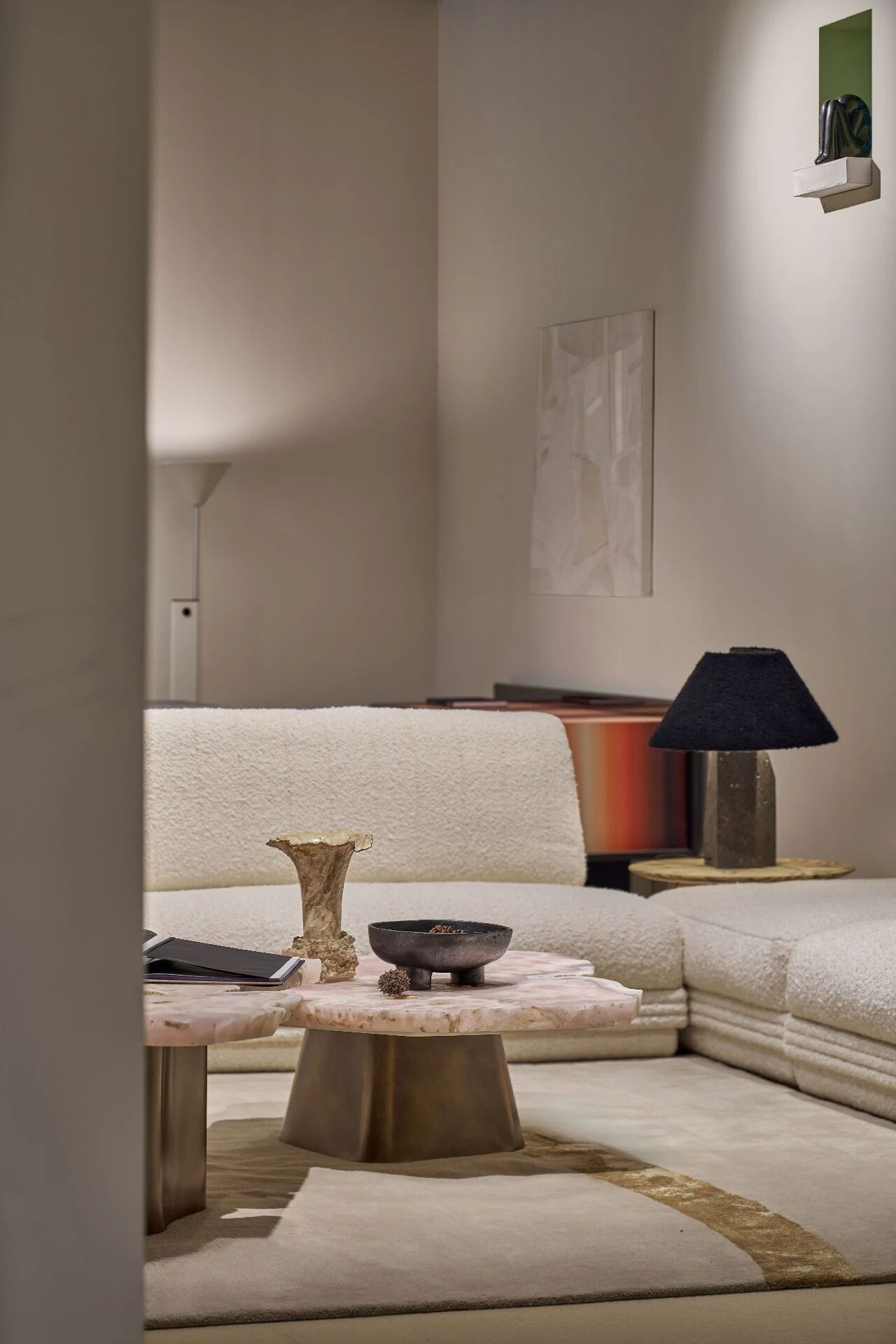
The dining area introduced the INLINEA table, where striped timber veneers resembled flowing ink brushstrokes. Black timber dining chairs paired woven upholstery against the grain of the tabletop, creating subtle tactile contrasts. Elsewhere, a JADE STONE coffee table revealed another layer of the brand’s material exploration. Originally sourced from discarded quarry stone, the surface underwent acid-washing treatments that gradually exposed intricate mineral textures, allowing the material to feel less cold and more geological — almost like a fragment of mountain landscape brought indoors.
Throughout the space, materials functioned as emotional devices rather than decorative finishes. RECASA’s furniture rarely attempted to dominate attention. Instead, it settled quietly into the background, integrating into daily life with the ease of something long familiar.
Watch the video:
