







Arper Japan has unveiled Catifa Carta, a radical rethinking of seating that introduces a closed-loop, wood-waste-derived paperboard to mainstream furniture production. Scheduled to arrive on the Japanese market in July 2025, the Catifa Carta represents both a material innovation and a lifecycle-led design approach.

The shell is formed from 29 layers of compressed recycled paper, with raw material sourced from discarded wood residues. Importantly, the manufacturing process excludes conventional chemical adhesives: the product relies solely on natural hemi-cellulose as the binder. At end-of-life, Catifa Carta can be thermally processed into porous biochar, which can then be returned to soil to support reforestation demonstrating a “from nature, back to nature” circularity.

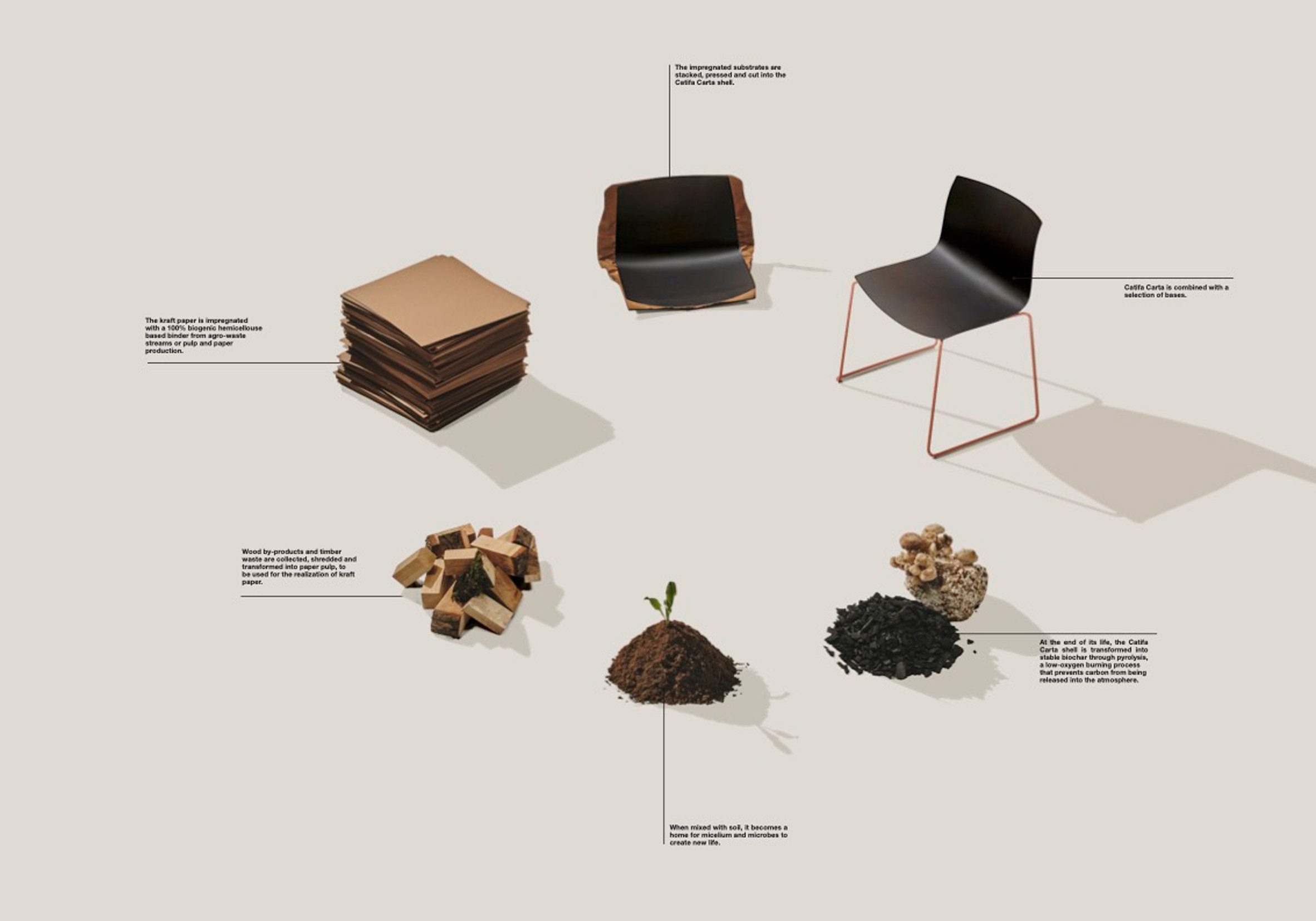
Arper’s environmental assessment indicates a significant carbon advantage: each kilogram of paper shell sequesters approximately 1.5 kg of CO₂, and overall greenhouse-gas emissions are reduced by up to 98% compared with equivalent plastic shells. These figures position Catifa Carta as a high-impact prototype for low-carbon furniture manufacturing.
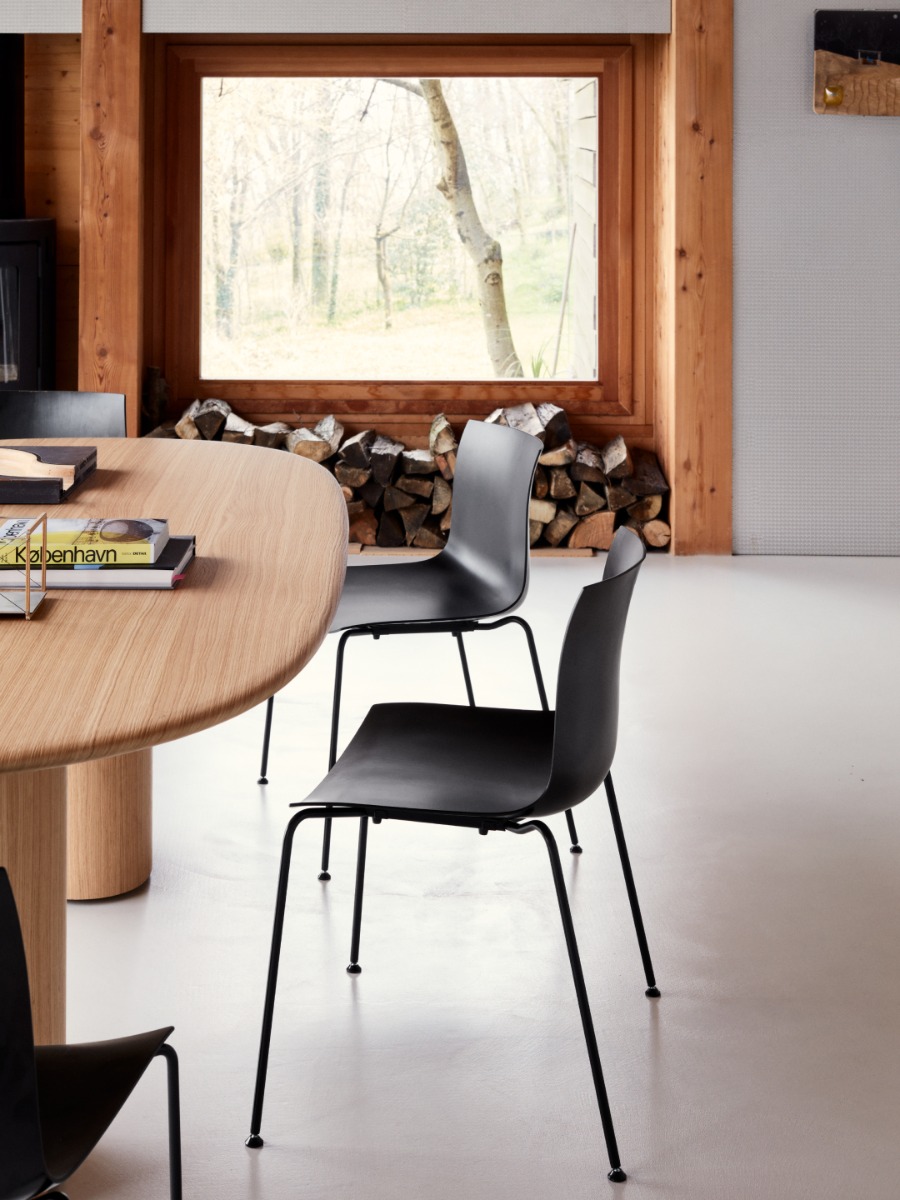
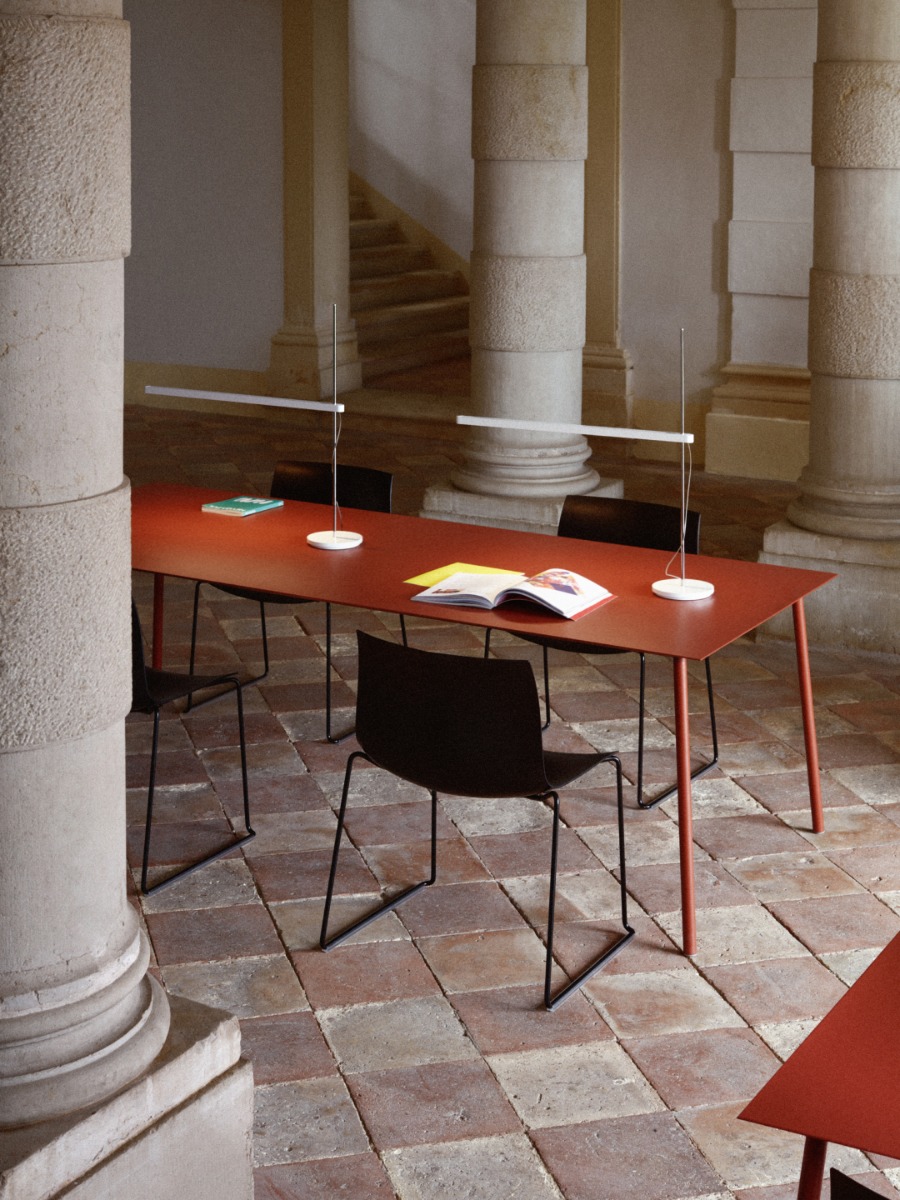
On the ergonomics and product design front, Catifa Carta retains practical usability: a 53 cm wide ergonomic seat profile, detachable construction for easier maintenance and recycling, visible brown-black textures from the compression process, and five leg-frame options to suit different interiors and applications. The detachable structure further simplifies repair and streamlines end-of-life processing.
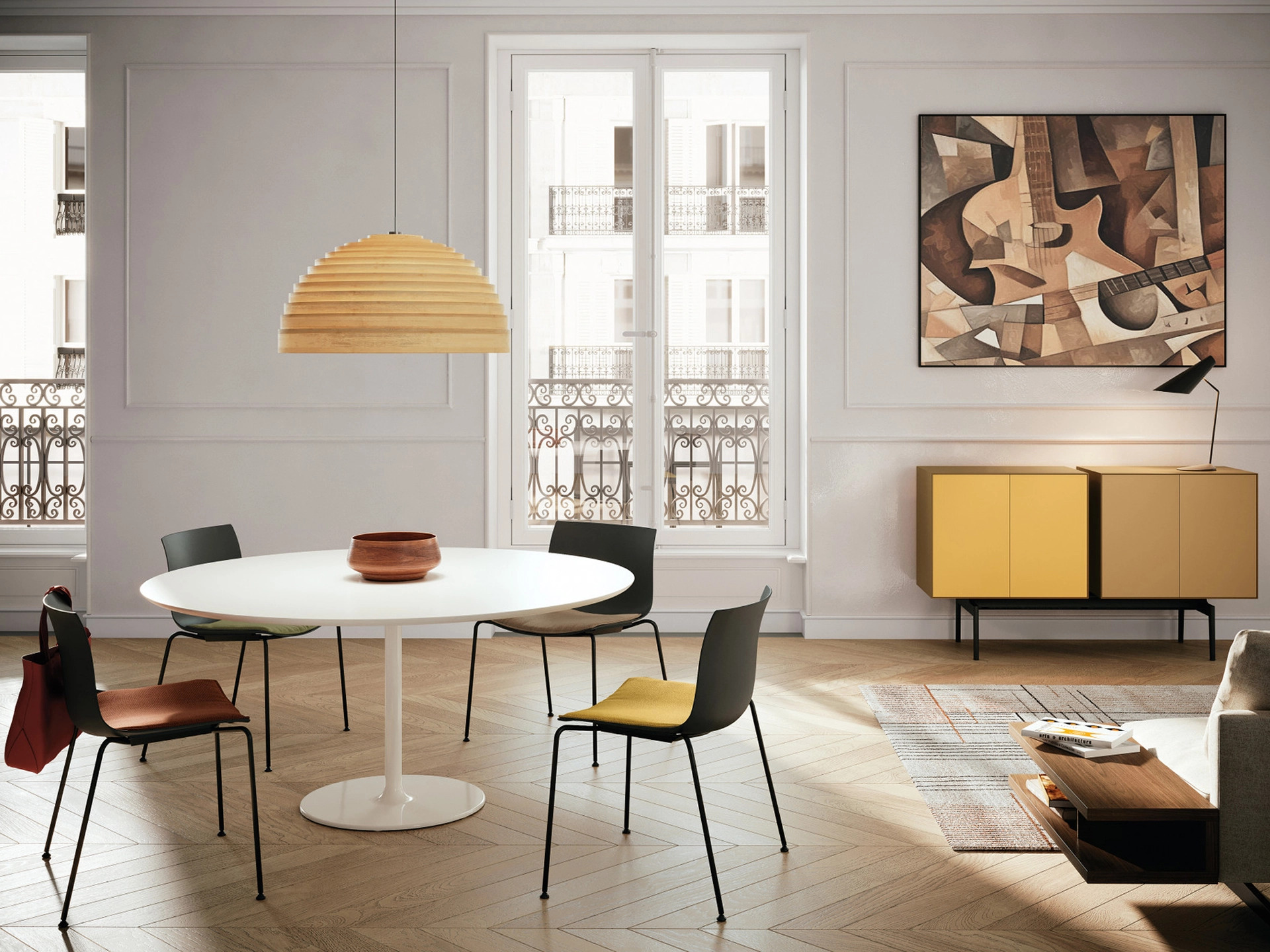
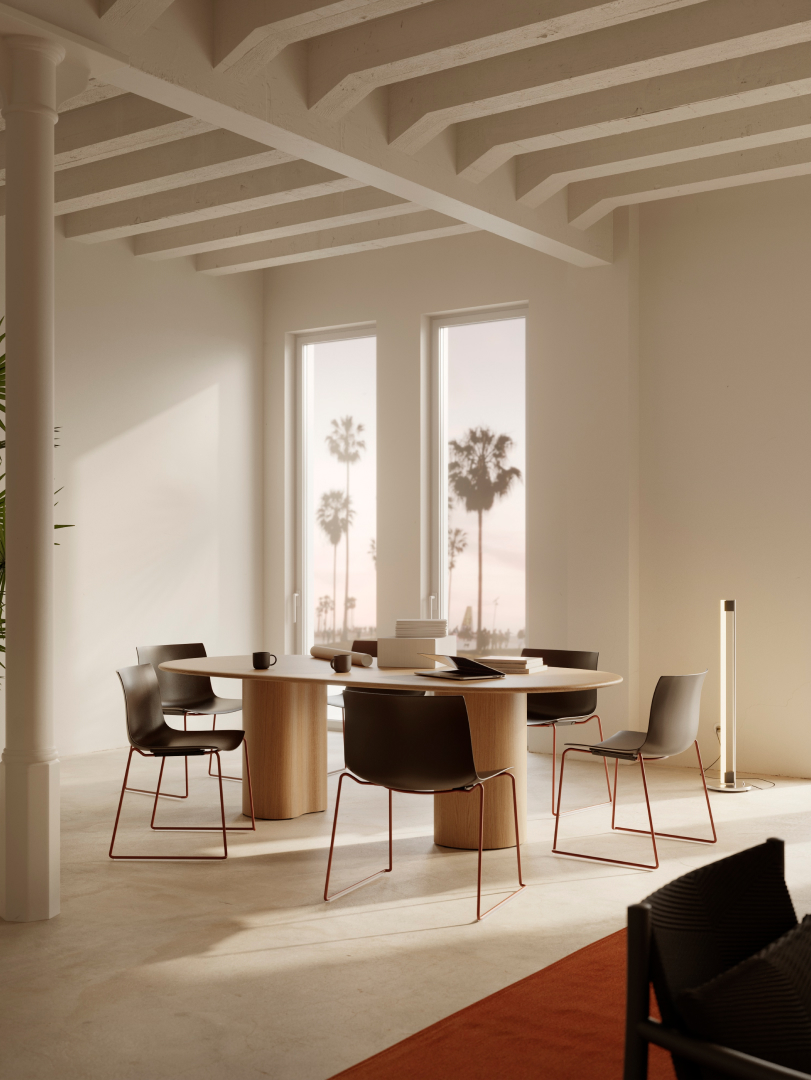
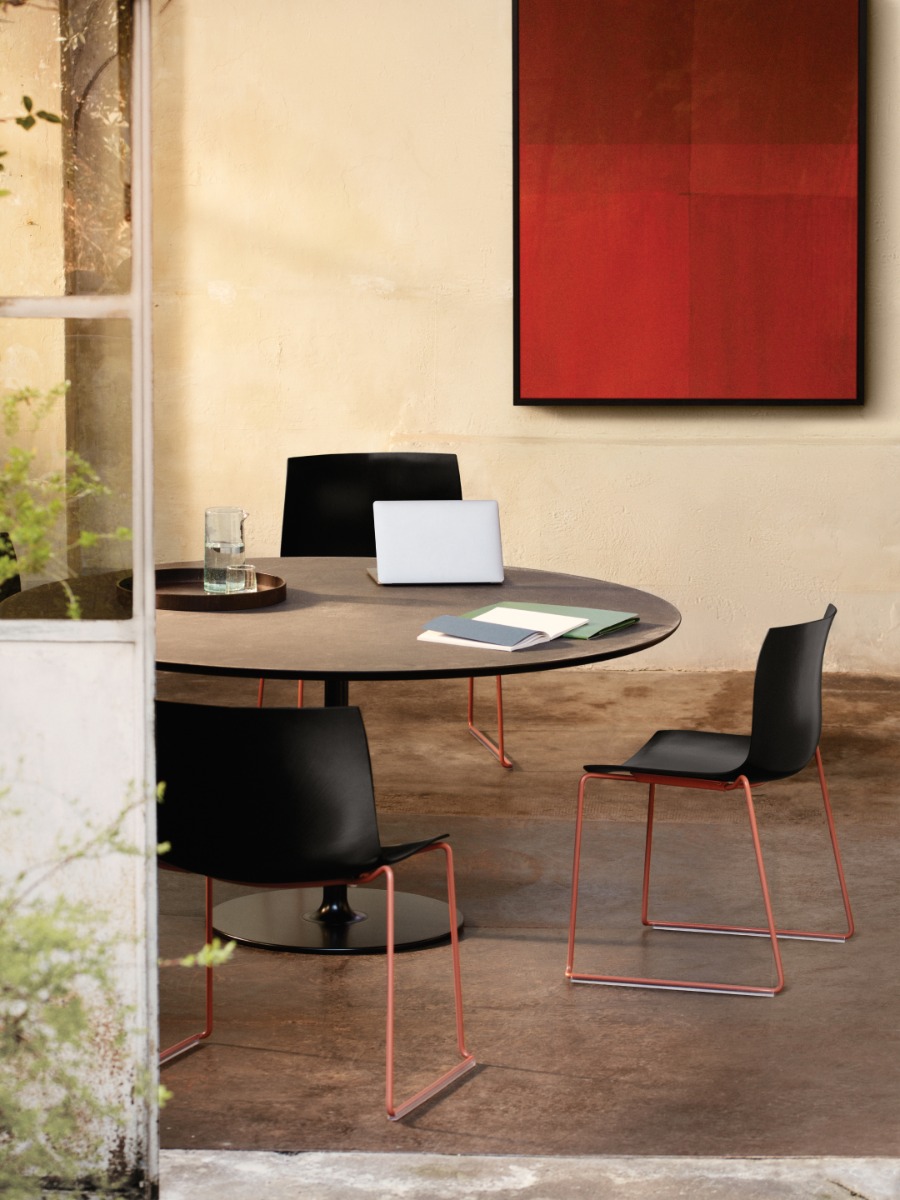

Arper founded in 1989 and long recognized for a design philosophy of “simplicity, style, and harmony” has a track record of sustainable innovation. The brand established an environmental R&D unit in 2005, received early environmental declarations for seating in 2008, and earned EPD certification in 2018. Catifa Carta extends this trajectory, blending the company’s refined design language with material circularity.
Catifa Carta is presented as both a credible seating solution for commercial and residential settings and a visible benchmark for the furniture industry’s shift toward regenerative materials and closed-loop production.
Source: 77° Global Furnishings Media
