






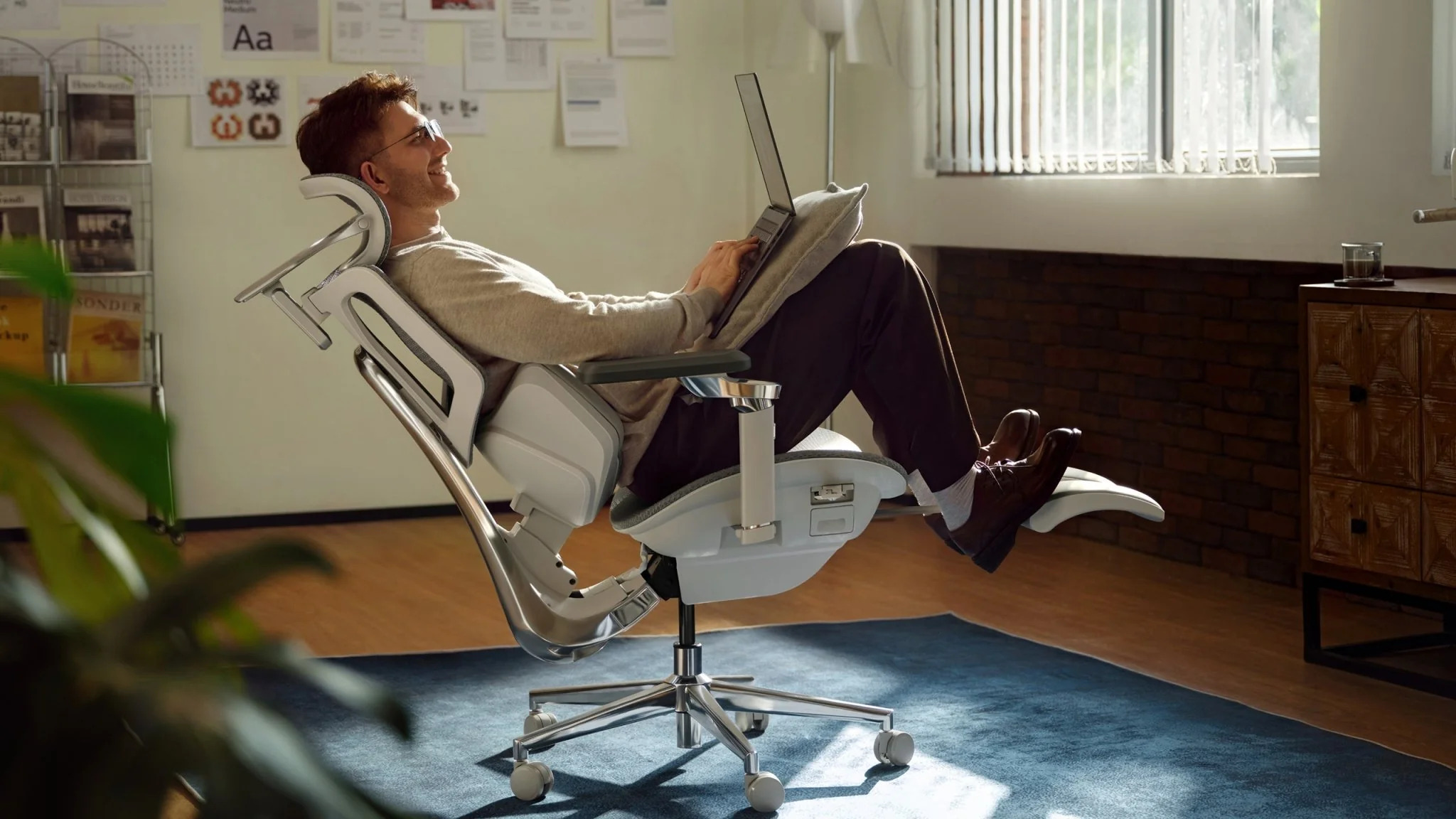
Chinese ergonomic furniture brand HBADA has unveiled what it describes as the world’s first AI-powered lumbar-tracking system for office chairs, marking the introduction of artificial intelligence into the ergonomic seating category.
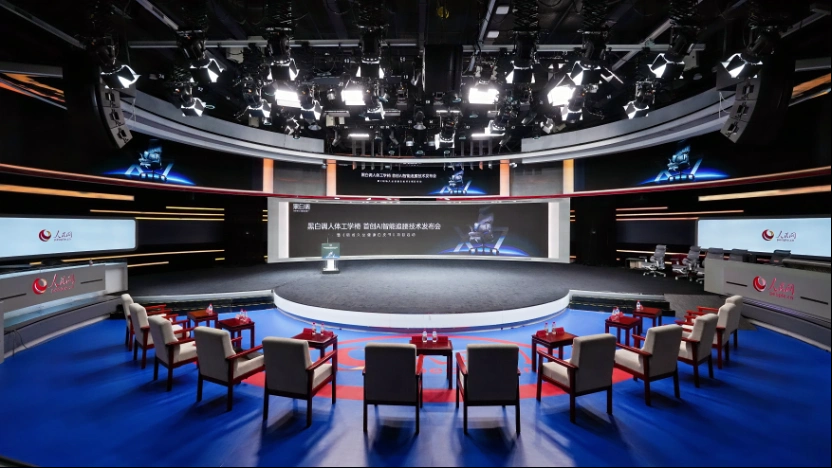
Launched on World Spine Day at an event held in Beijing, the technology enables chairs to automatically adapt to users’ posture in real time — eliminating the need for manual controls or app-based adjustments.
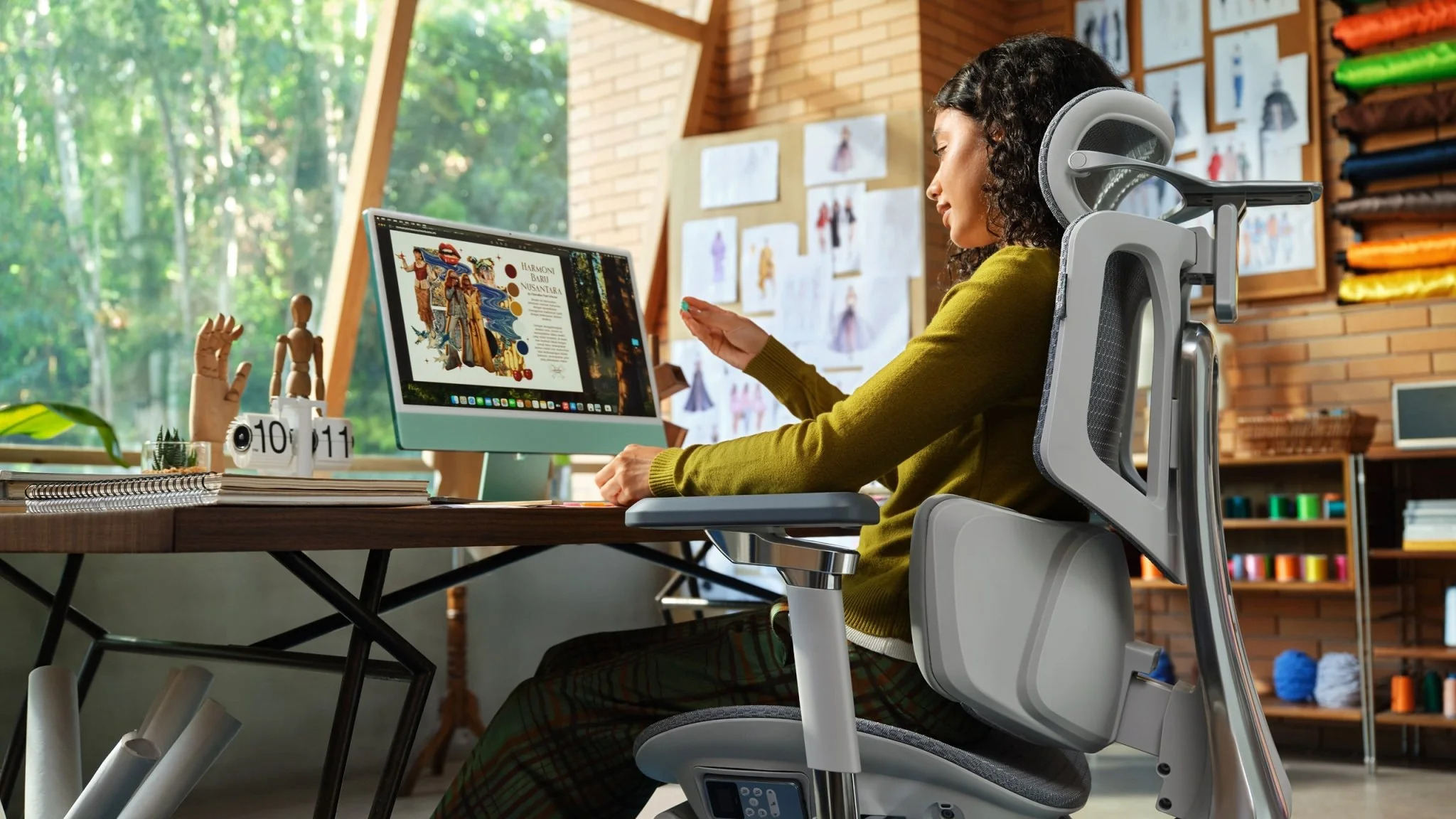
Unlike existing “smart” chairs that rely on mobile interfaces, HBADA’s new system is designed to operate autonomously. An embedded AI chip continuously analyses pressure changes at the user’s lower back, while integrated sensors respond within milliseconds to adjust the backrest vertically and horizontally. The result is what the company calls “dynamic support”, allowing the chair to follow the movement of the waist and maintain what it describes as an optimal lumbar-support position.
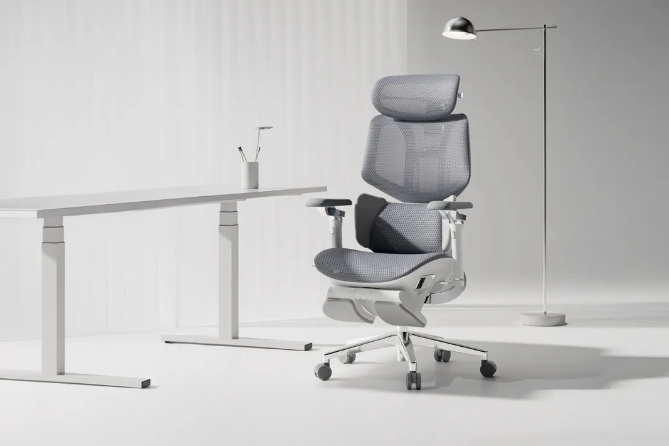
The AI lumbar-tracking technology debuts in HBADA’s X7 high-end ergonomic chair and represents what the brand claims to be the industry’s first fully automatic adjustment system — reframing intelligent seating as a passive, always-on experience rather than a user-operated feature.
The launch event also featured discussions on spinal health from medical professionals, highlighting growing concerns around prolonged sitting and screen-based lifestyles. Speakers emphasised that sedentary work habits are increasingly affecting younger demographics, reinforcing the need for adaptive furniture solutions that actively support posture throughout the day.
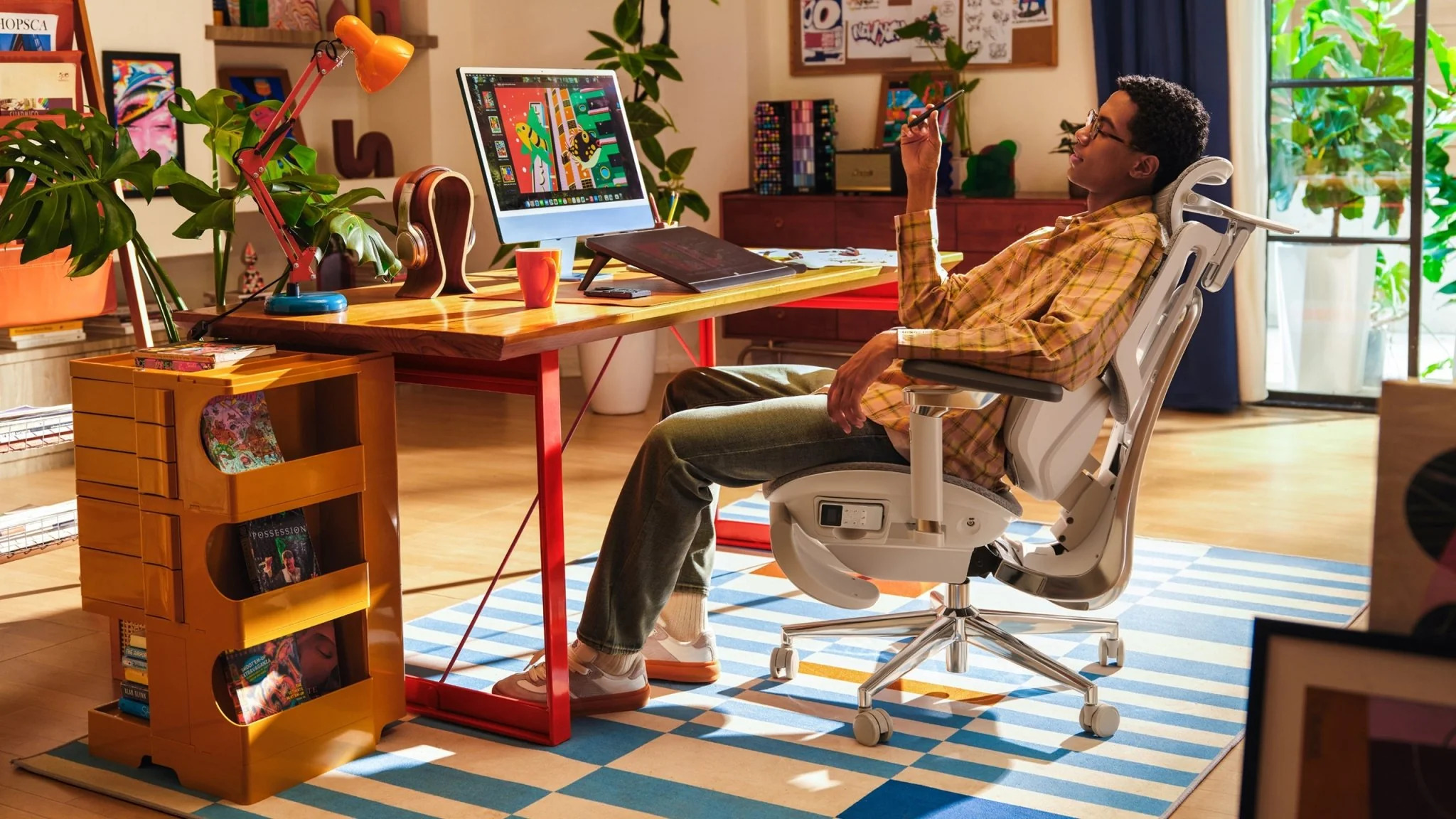
Founded in 2010, HBADA has focused on ergonomics-led product development, combining medical research with material innovation. The company reports holding more than 500 patents worldwide and has received multiple international certifications for ergonomics and product safety.
Alongside the technology launch, HBADA announced the initiation of a workplace sedentary health white paper project and a user appreciation programme aimed at collecting personal stories around long-term sitting habits.
By embedding AI directly into seating mechanics, HBADA positions its latest development as a shift toward real-time health-responsive furniture — signalling a broader move toward intelligent environments that actively adapt to the human body.
Source: 77 Global Furnishings Media
