







Under the theme Design Without Limits, Maison Shanghai 2026 brought together adaptive interiors, intelligent home technologies, material research and emerging creative practices to examine how design is responding to changing patterns of contemporary life.

Maison Shanghai 2026 organised its programme around four themed halls and a cultural platform titled Design Gathering, creating a broad survey of the forces reshaping domestic space.
The exhibition moved from the integrated residential environments of H1 Decoration Aesthetics and the market-oriented living scenarios of H2 New Channel Selection to the cultural and material investigations of H3 Design Highland. H4 Future Presence completed the programme with cross-disciplinary installations led by a younger generation of designers and creative entrepreneurs.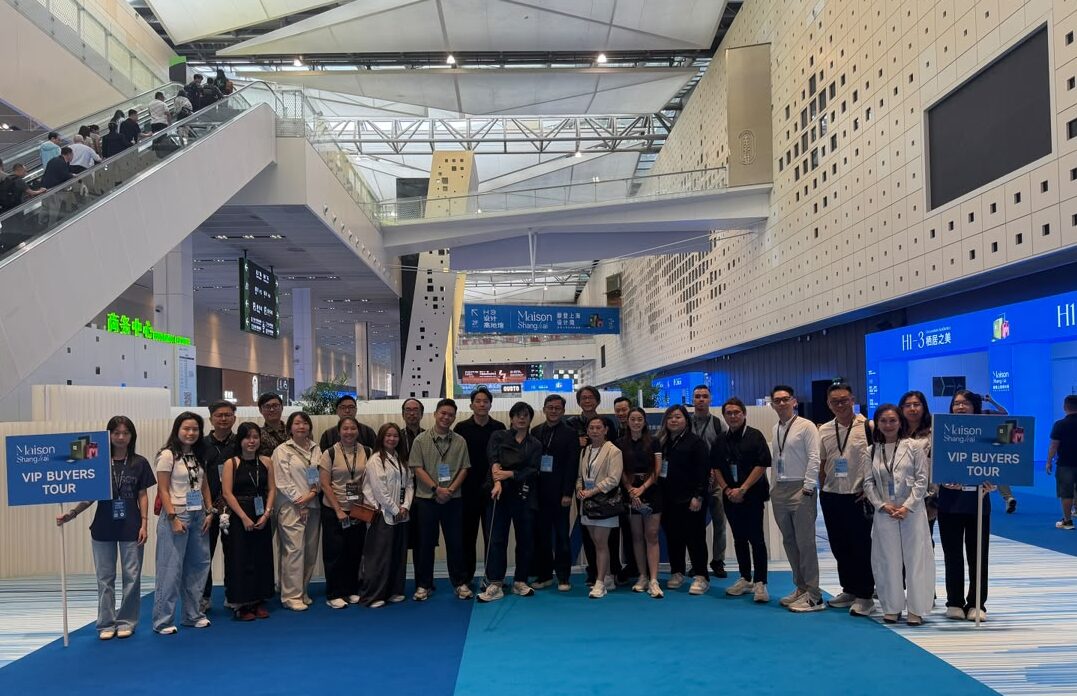

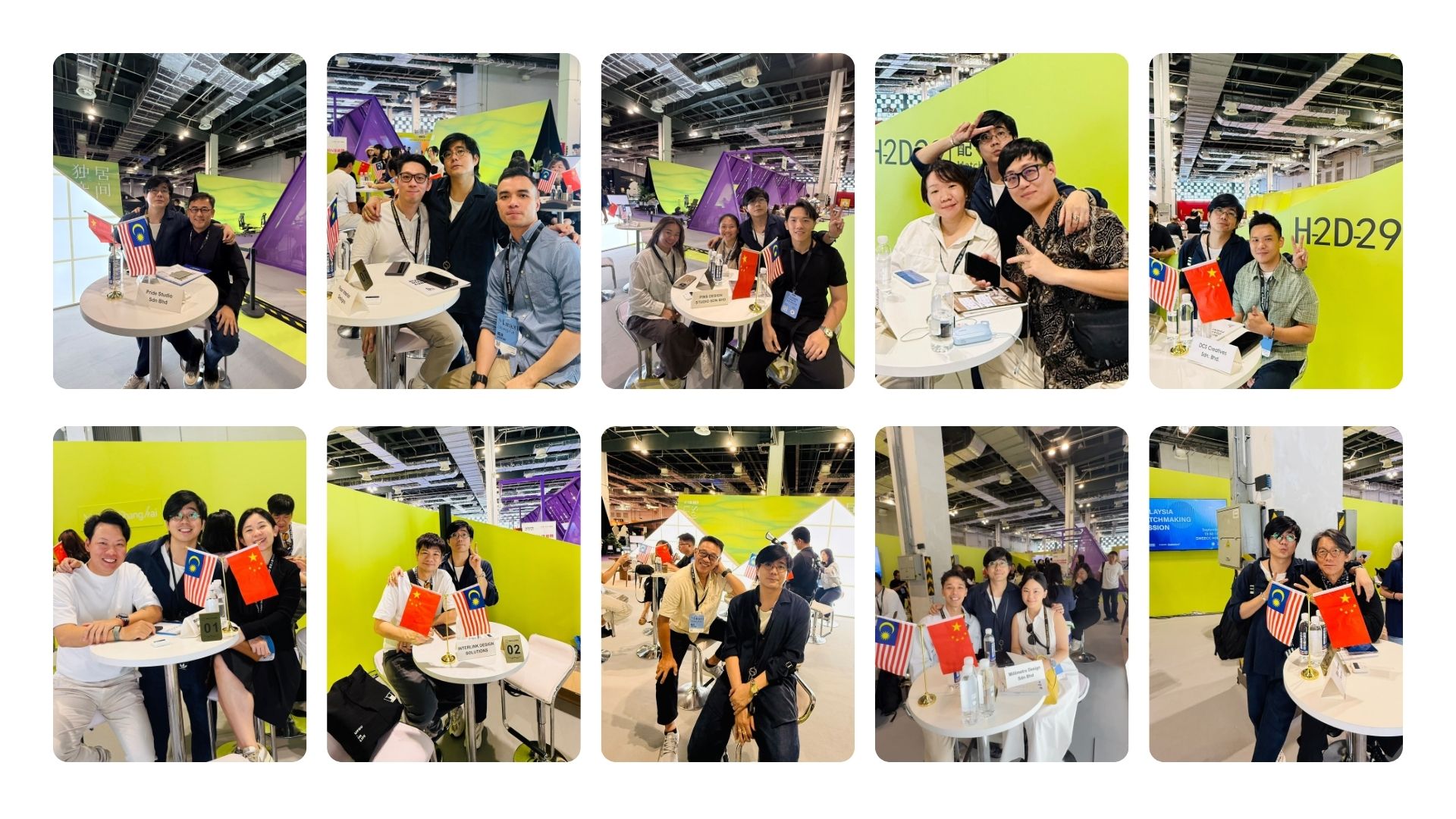
iN Design Hub founder iko iN attended the event with a delegation of established Malaysian interior designers. Their visit combined an exploration of contemporary living concepts with meetings intended to strengthen connections between Southeast Asia’s design market and China’s furniture and manufacturing sectors.


H1 Decoration Aesthetics reimagines the luxury home as a living system
The H1 Decoration Aesthetics hall examined how the luxury residence is evolving from a collection of highly finished rooms into a more responsive and emotionally attuned living environment.
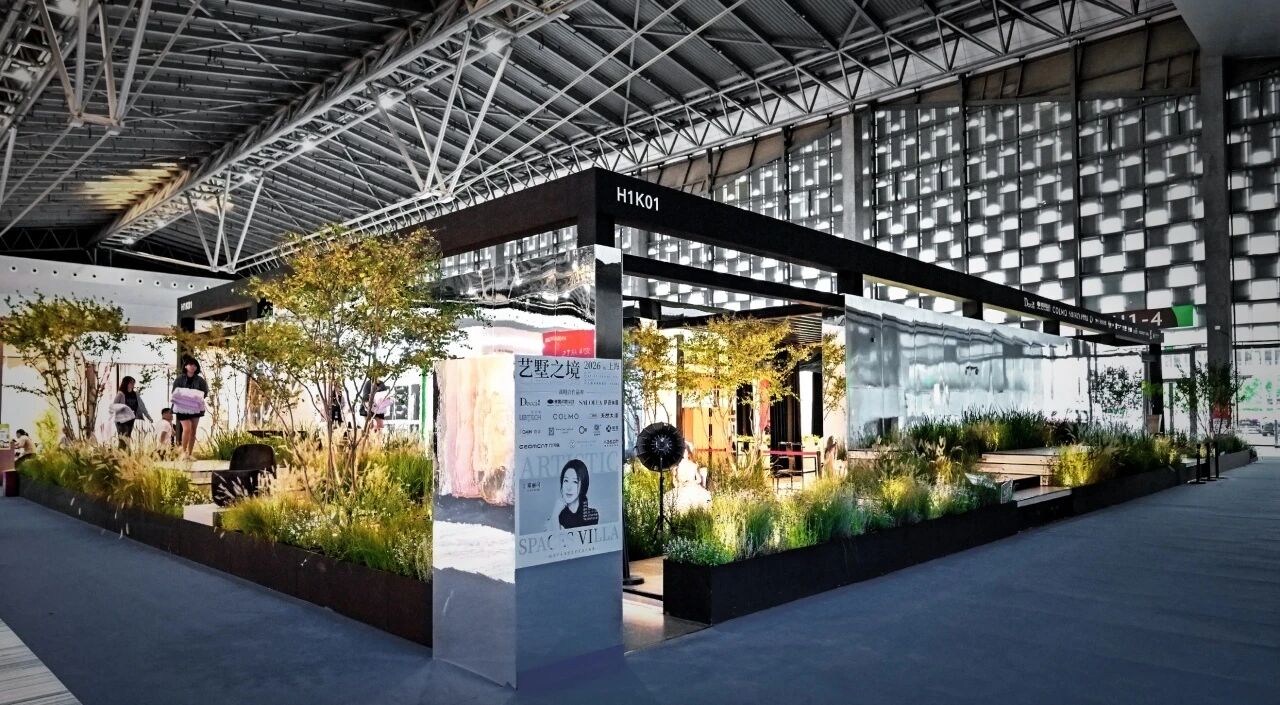
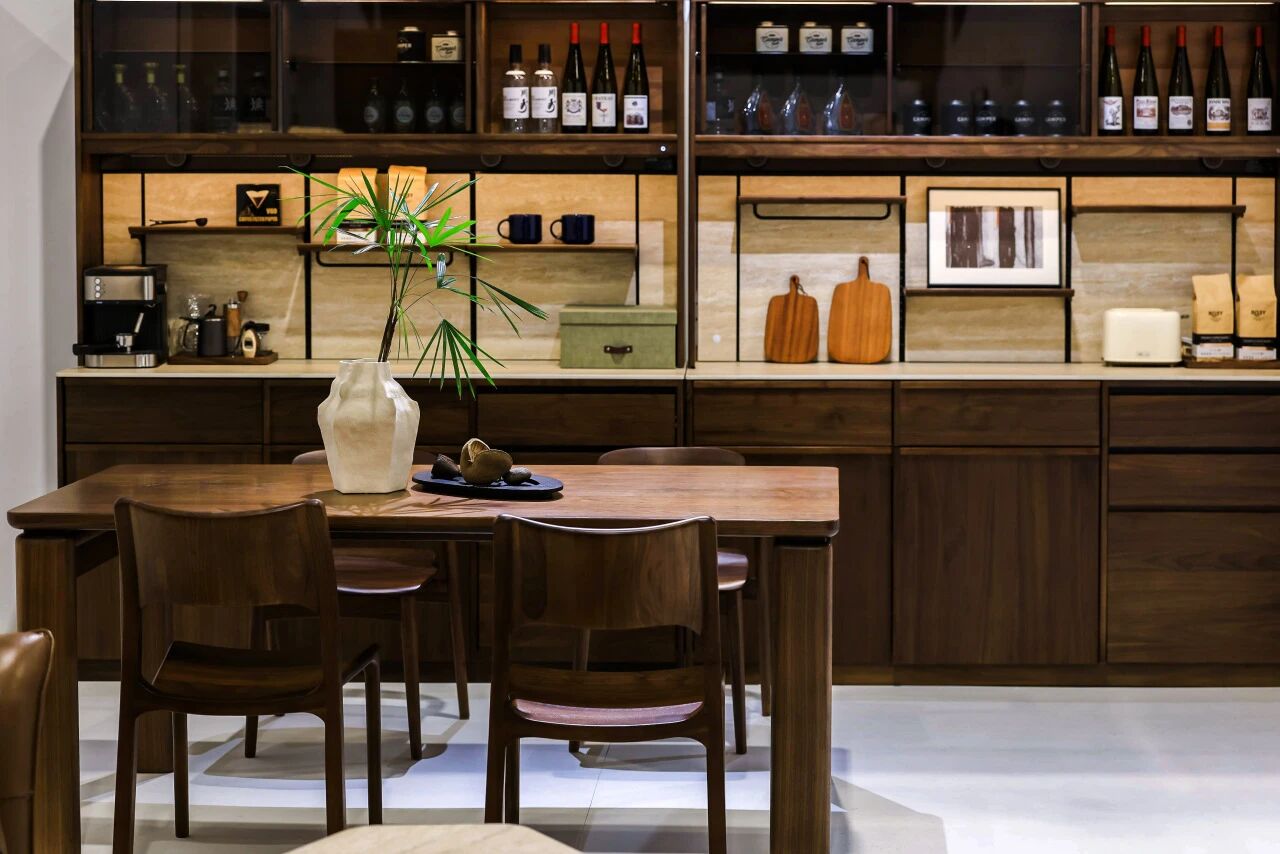
At the centre of the hall, the Artistic Villa Spaces exhibition brought building materials, fitted interiors, furniture, lighting and landscape design together within a single full-scale setting.
Instead of imposing a fixed route, the exhibition adopted a meandering circulation inspired by a private garden. Visitors moved freely between a western kitchen, private dining room, cigar and wine lounge, tea area, bathroom and VIP retreat, encountering each space gradually rather than as part of a prescribed sequence.
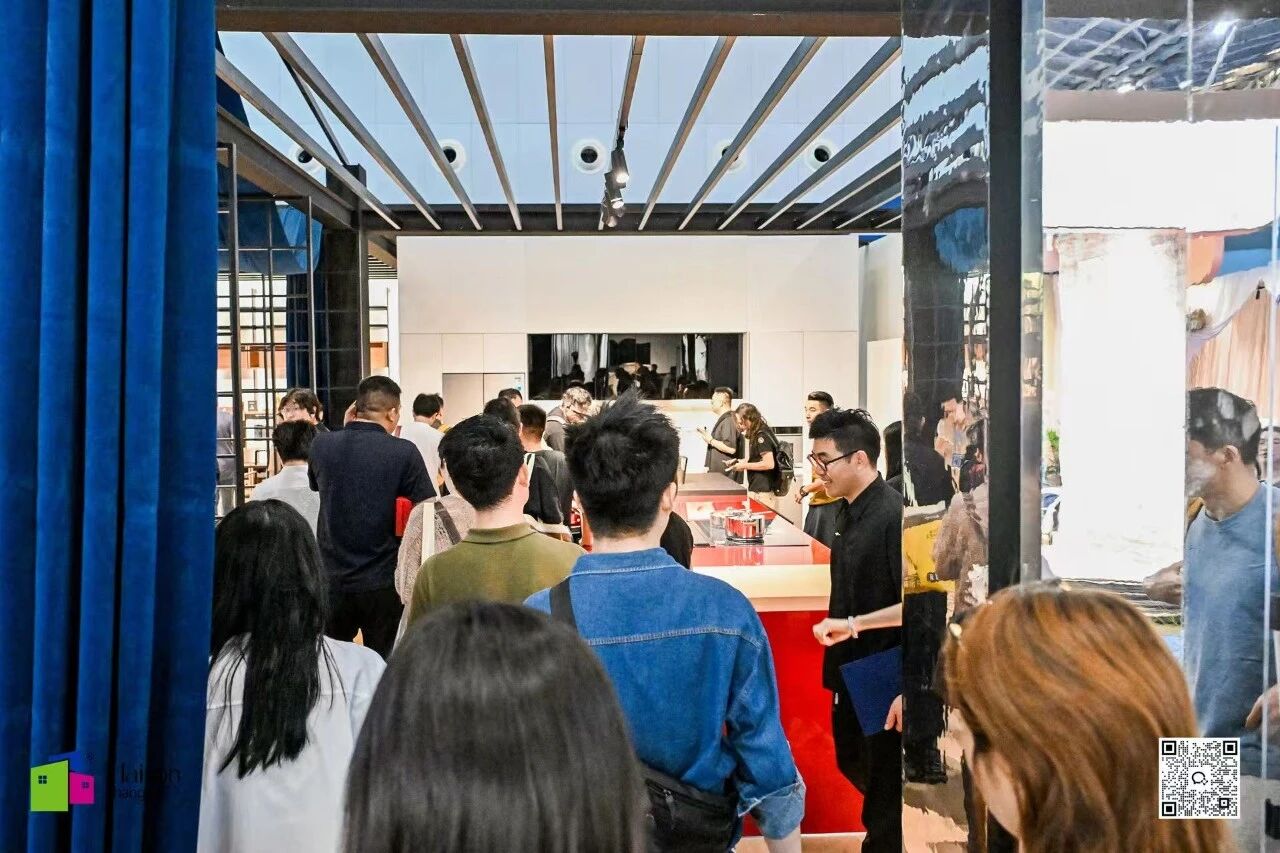
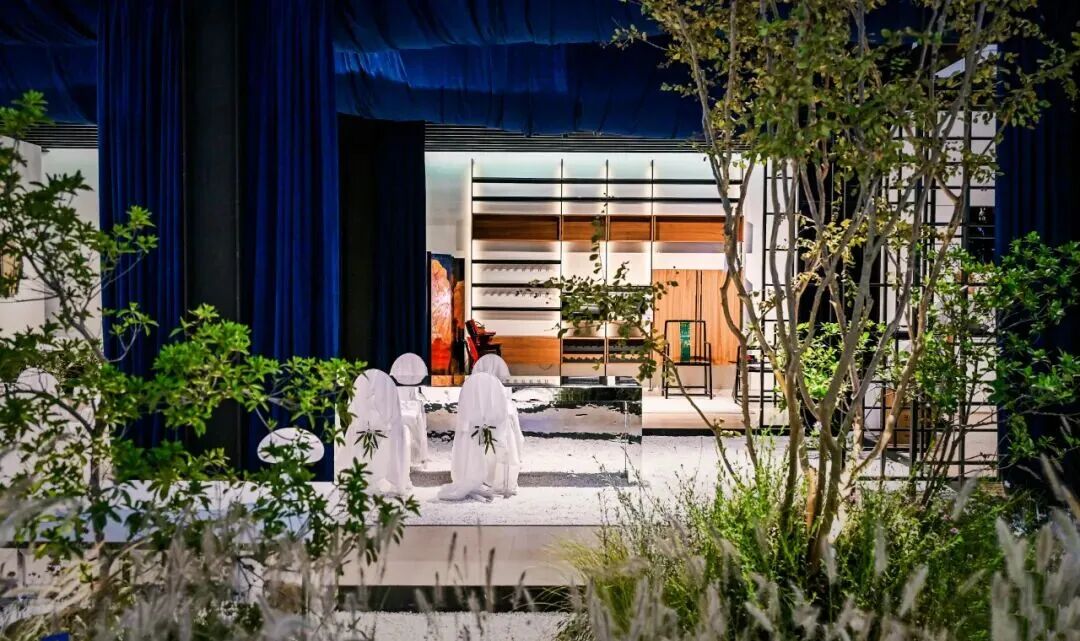
The format positioned the villa as an interconnected system in which spatial planning, furniture and technology contribute to everyday rituals as much as visual identity.
DECCI provided the architectural and furnishing framework through its integrated product range and whole-home design services, linking the installation’s spatial, functional and emotional components.
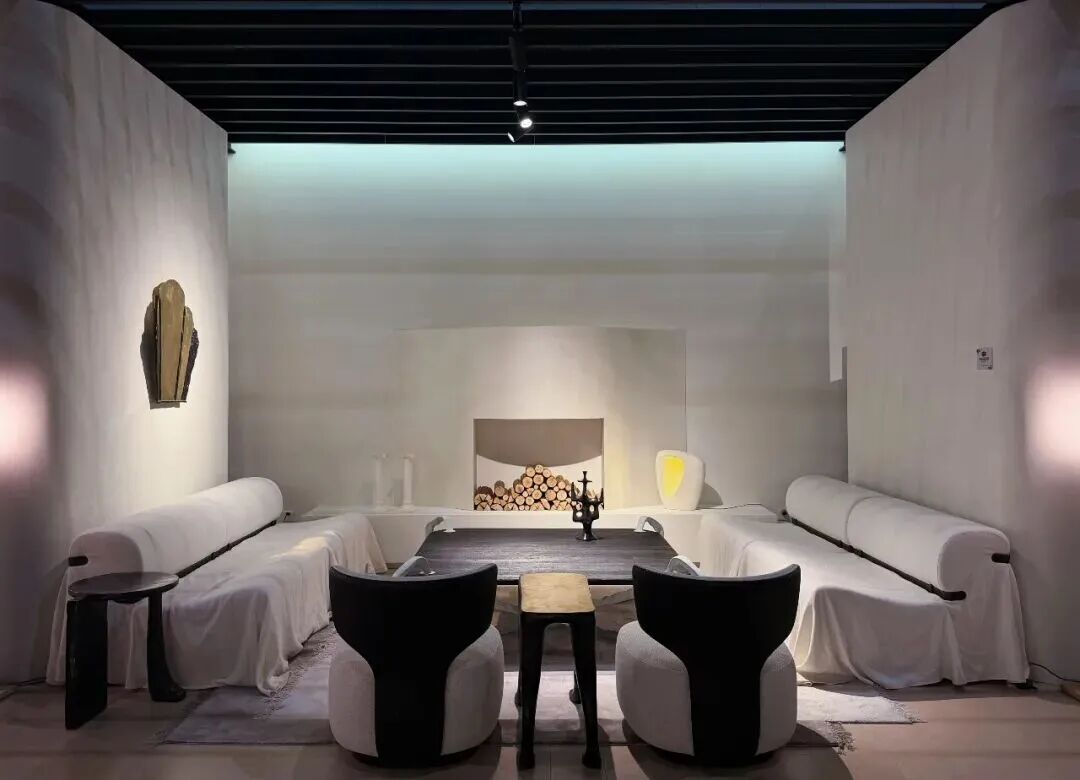
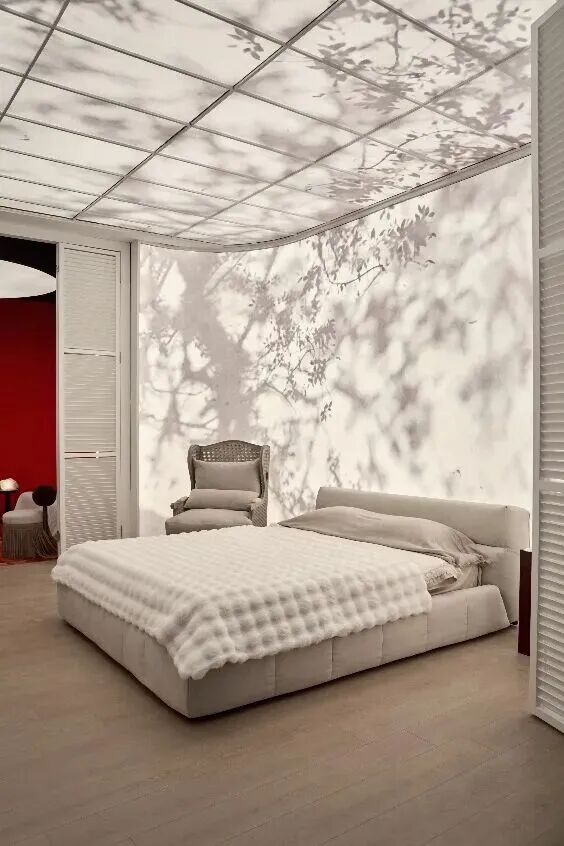
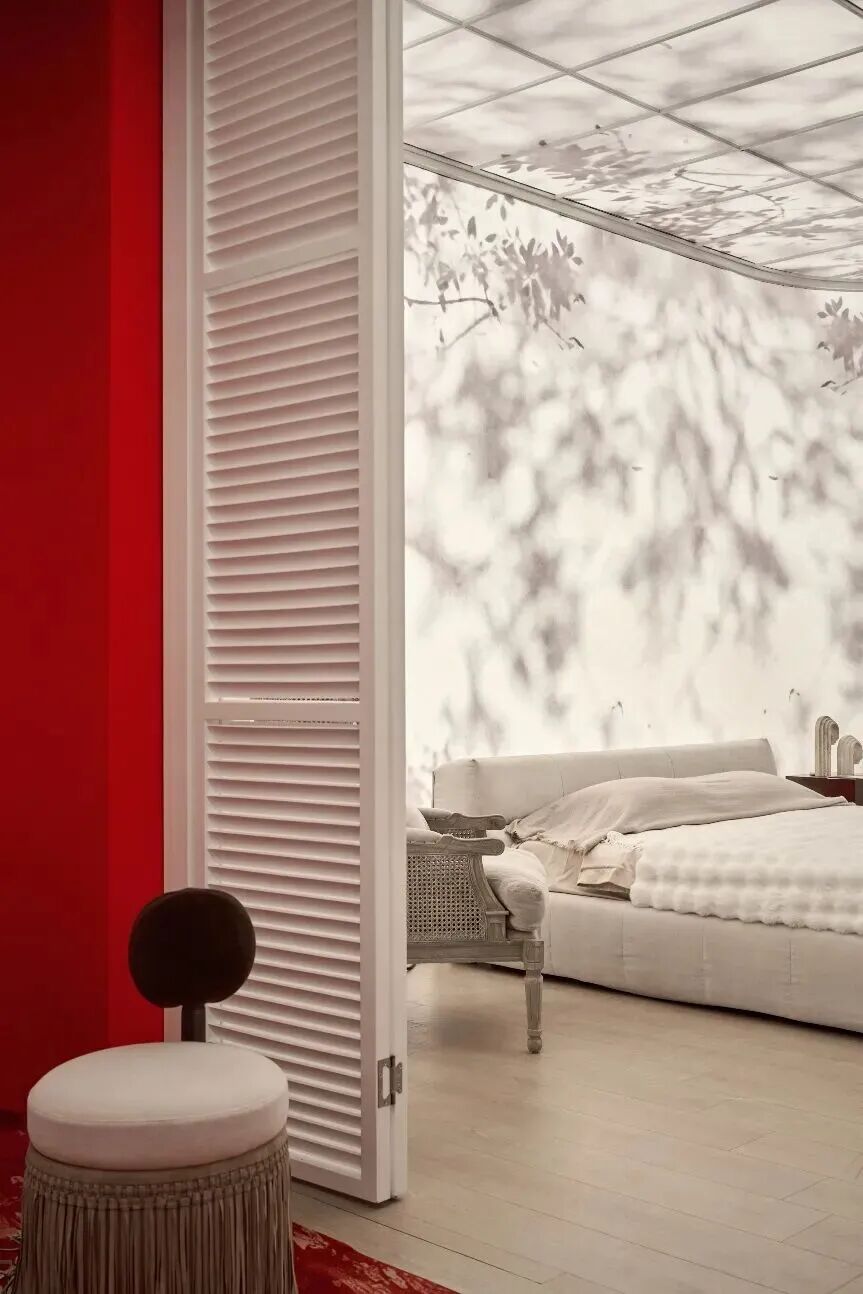
Appliance brand COLMO presented domestic technology equipped with what it describes as the industry’s first AI agent. The system proposes a shift from smart-home devices that merely respond to commands towards an environment capable of sensing behaviour, learning from routines and acting with greater autonomy.
UBTECH extended this speculative approach with a highly biomimetic humanoid robot, raising questions about how robotic systems could eventually become active participants in domestic life.
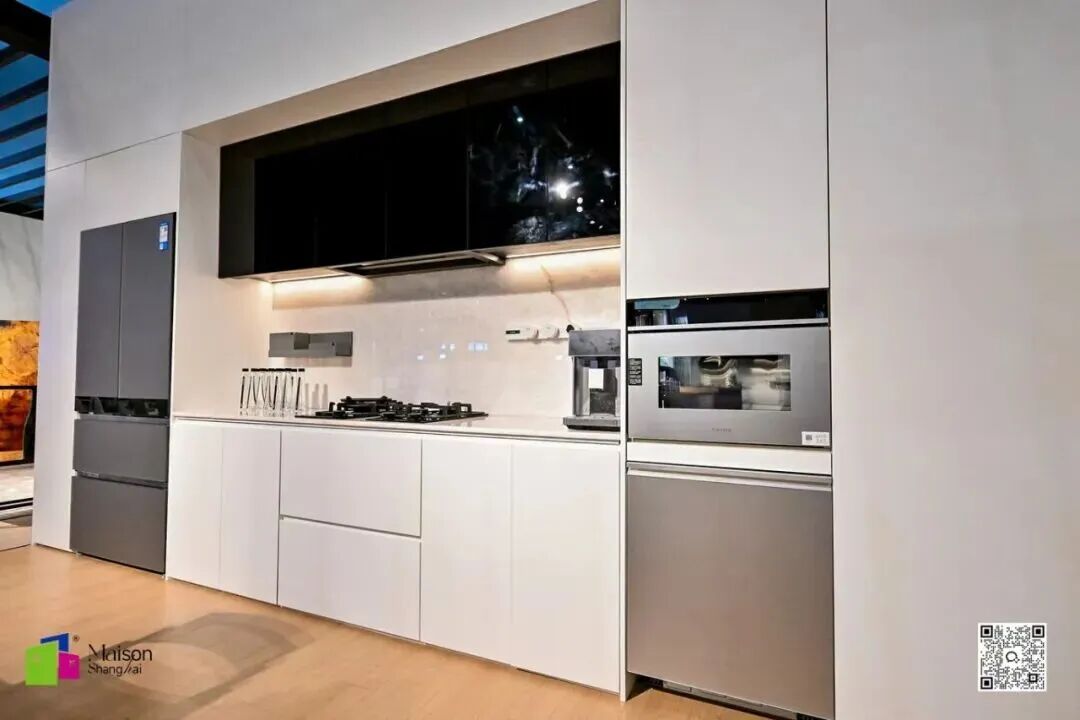


Elsewhere, SALOLEA combined aluminium, sintered stone and leather in a modular kitchen designed to expand or be reconfigured as its users’ needs change.


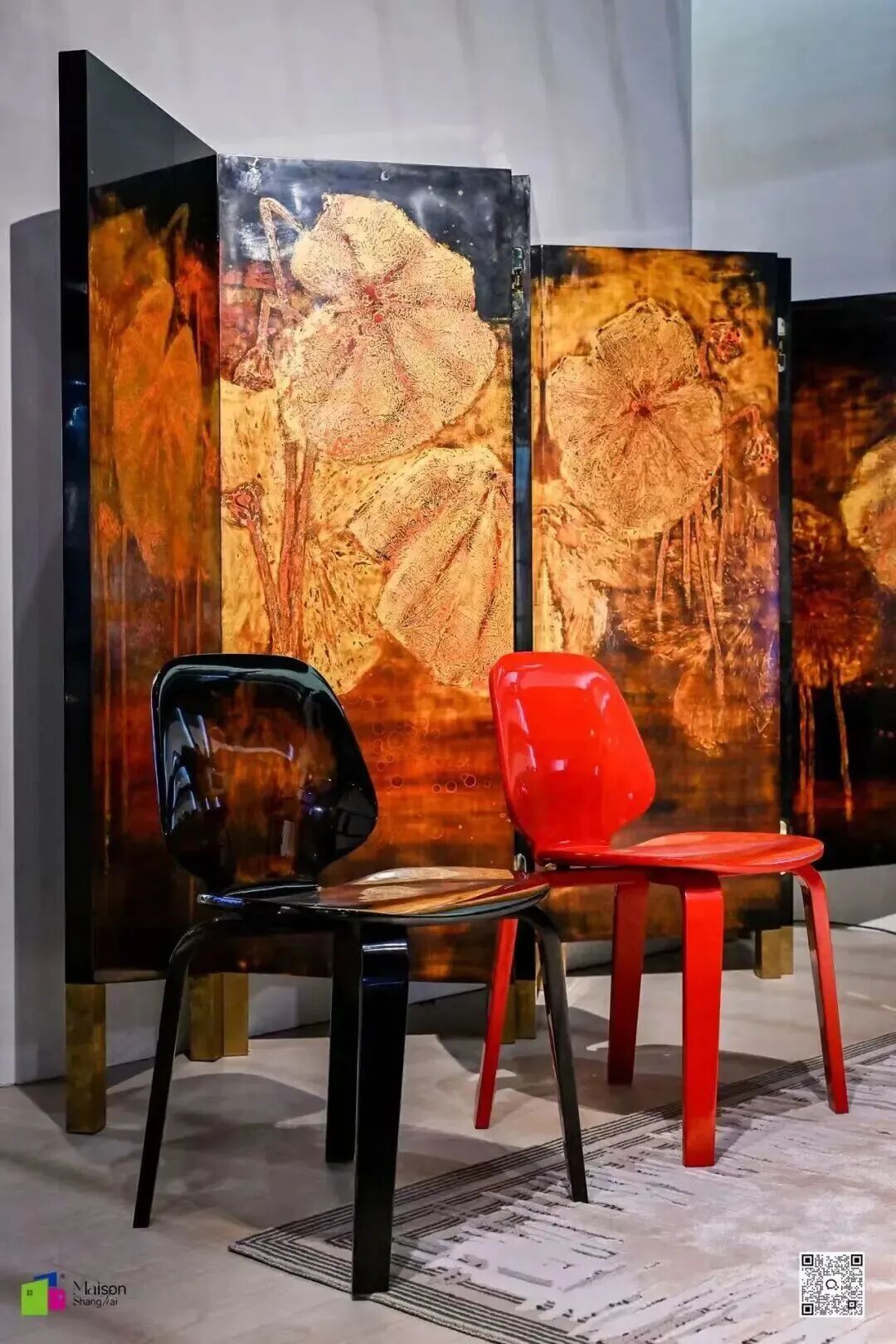
SKSHU Natural Lacquer translated the material depth of an ancient craft into pared-back wall finishes. By moving lacquer away from the scale of decorative objects and onto architectural surfaces, the installation made cultural heritage a tactile part of the everyday interior.
American paint company Dunn-Edwards presented its environmental and safety standards through finely calibrated colour and surface finishes. Technical credentials, including LEED Gold recognition and standards described by the brand as food-grade, were communicated less as visible technology than through the clarity and consistency of the finished walls.


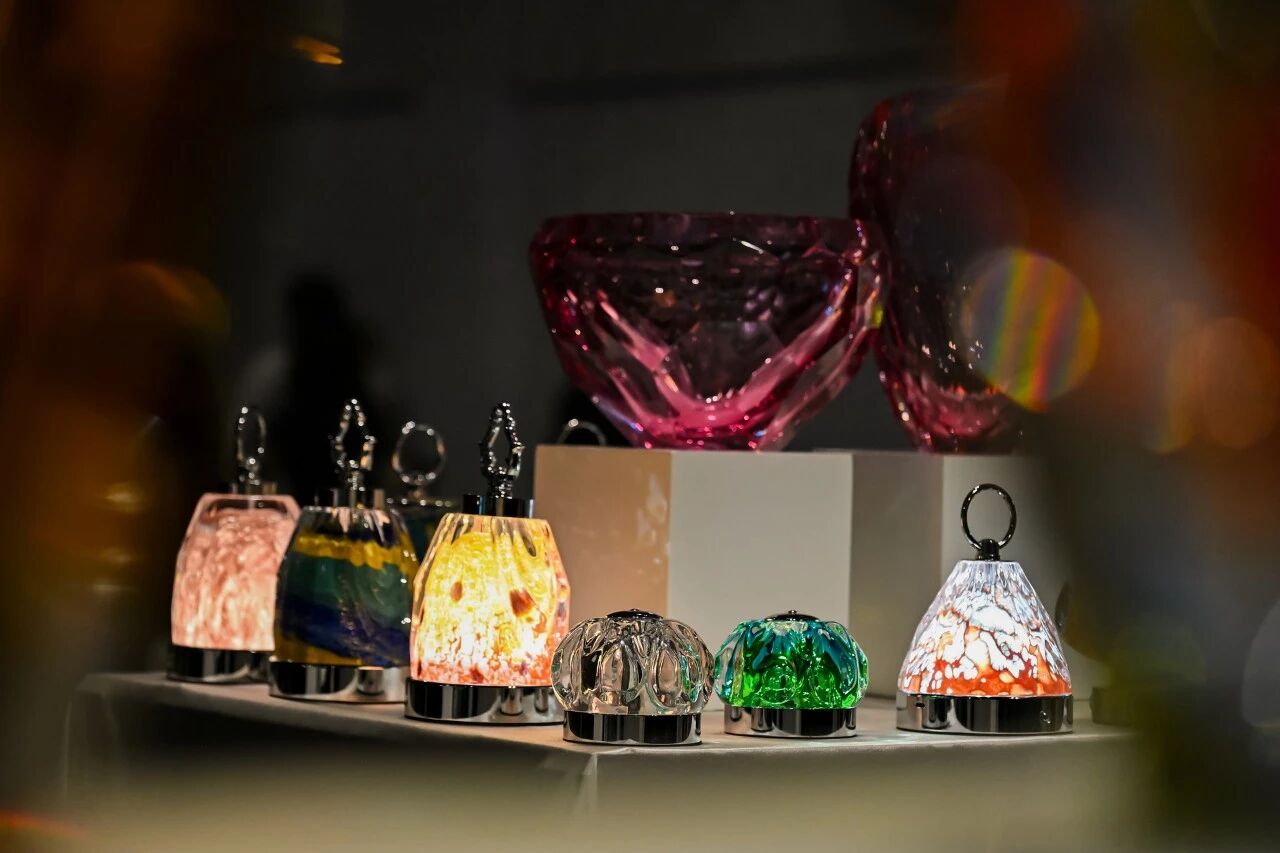
Lighting brand OLL used elementary points, lines and planes to create restrained compositions of light. The fittings functioned as decorative objects while shaping the atmosphere of the surrounding rooms.
GainLiving worked with French white oak, traditional mortise-and-tenon joinery and natural hardwax-oil finishes to retain the grain, tonal variation and tactile qualities of the timber.
The exhibition also acknowledged the growing influence of pets on residential design. Geomcat reworked the cat litter box as a piece of furniture, integrating a typically concealed household object into the wider material language of the home.


H2 New Channel Selection connects domestic scenarios with commercial demand
Full-scale interiors were employed as commercial testing grounds, responding to the challenges faced by export-oriented manufacturers seeking to enter China’s domestic market.
Through its New Channel Festival platform, the hall connected factories and brands with a network of sales and communication channels, including Douyin, RED Note, livestream commerce, private-domain retail and designer-led direct-to-consumer models.

Products were therefore presented within recognisable living situations rather than isolated displays, enabling buyers and designers to assess how they might perform in real projects.
The Malaysian delegation led by iko iN met with manufacturers and furniture brands within this context. The discussions explored opportunities to connect Southeast Asian design practices and consumer markets with China’s manufacturing and home-furnishing supply chains.
Alongside its commercial programme, H2 presented six scenario-based responses to the realities of urban living.
The Age of Long-Term Living 2.0 used modular furniture and adaptable interior systems to address the mobility of rental populations. Flexible units could be adjusted as tenants, household structures and patterns of use changed over time.
Total Transformation examined renovation at the scale of the entire domestic experience. Reconfigured circulation and overlapping living, dining and kitchen functions demonstrated how refurbishment can move beyond replacing finishes or individual objects to support broader changes in lifestyle.
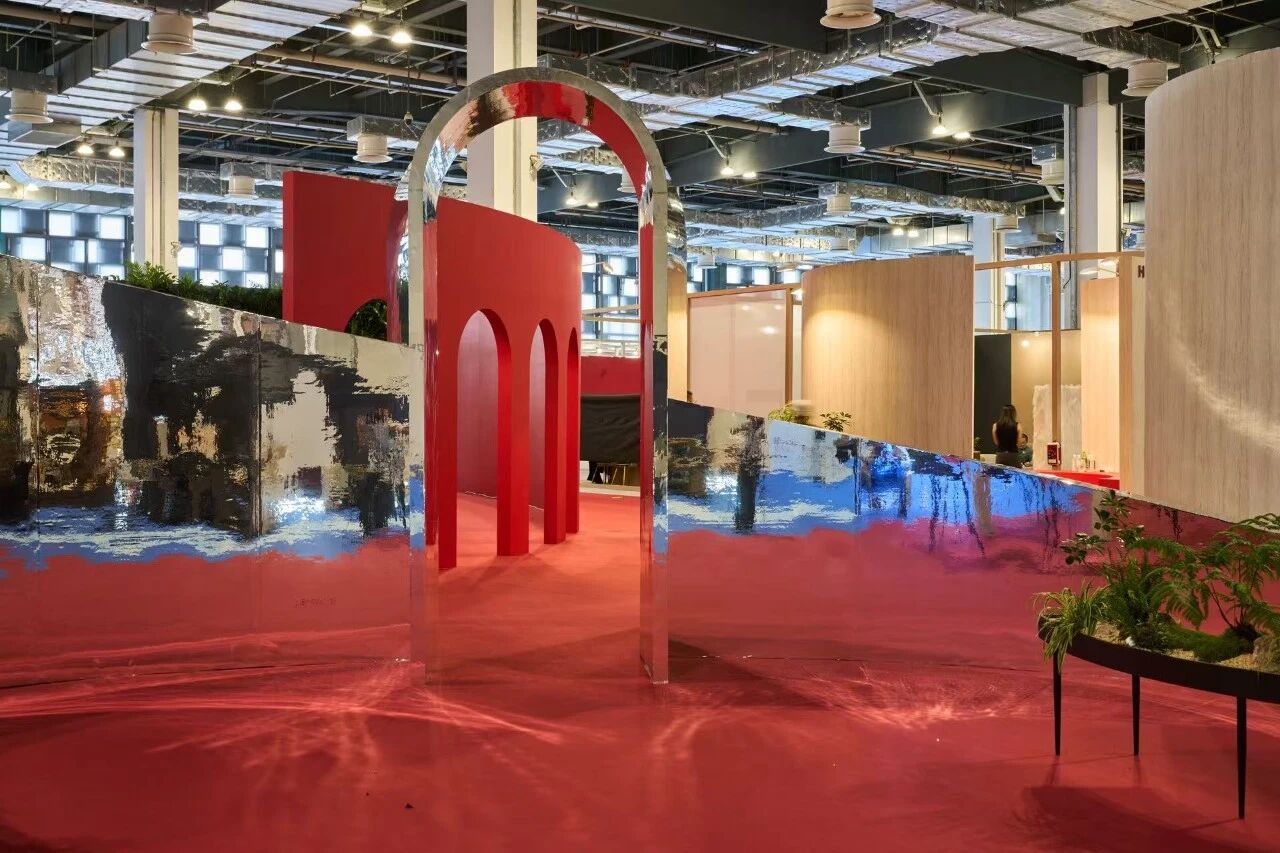
The Designer’s Home – Realm Making translated principles associated with Chinese gardens into a contemporary residence. Courtyards, framed views and deliberate areas of emptiness were used to mediate between furniture, architecture, landscape and art.
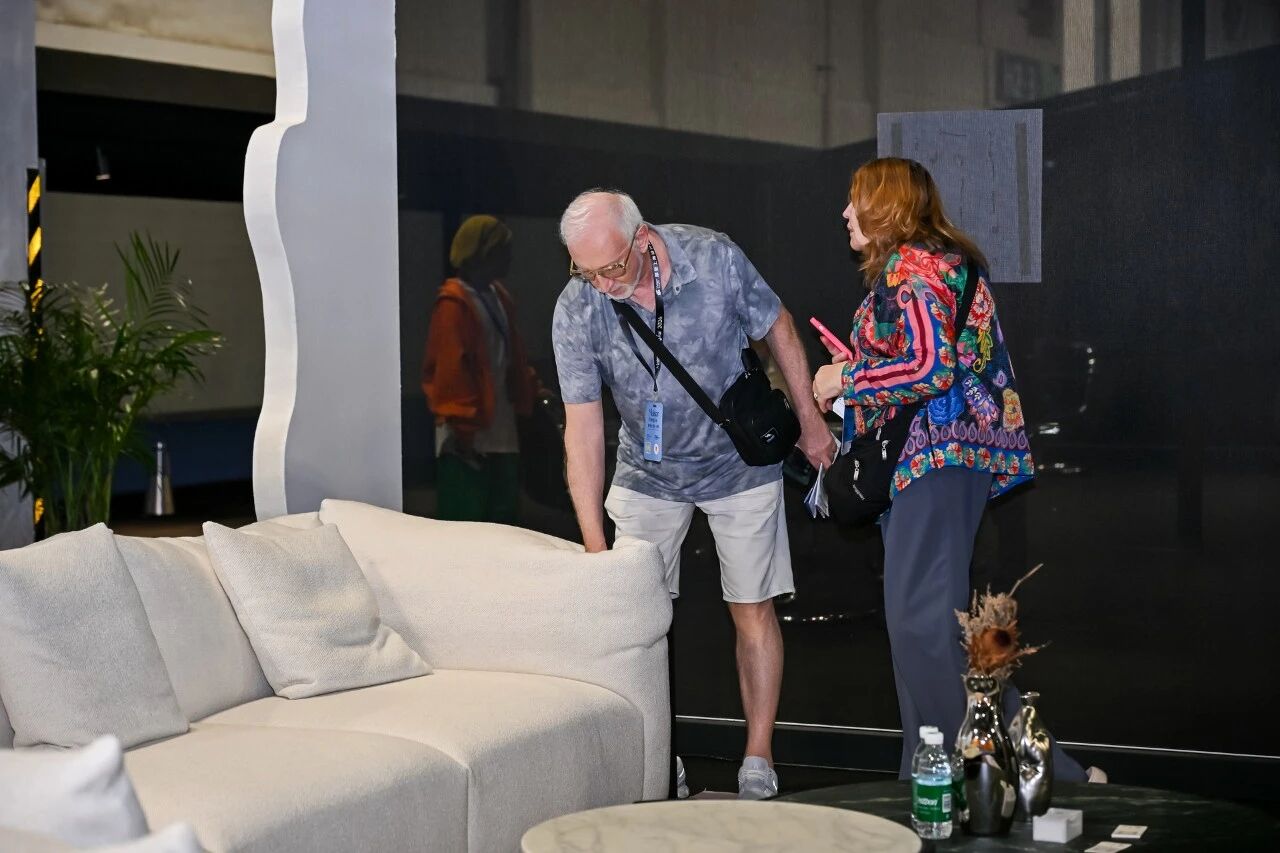
In The Third Space – Between Dreams, overlooked areas such as windows, corners, balconies and corridors became small environments for reading, listening to music or spending time alone. Abstract forms and more imaginative compositions allowed these residual spaces to support activities that are emotional rather than strictly functional.
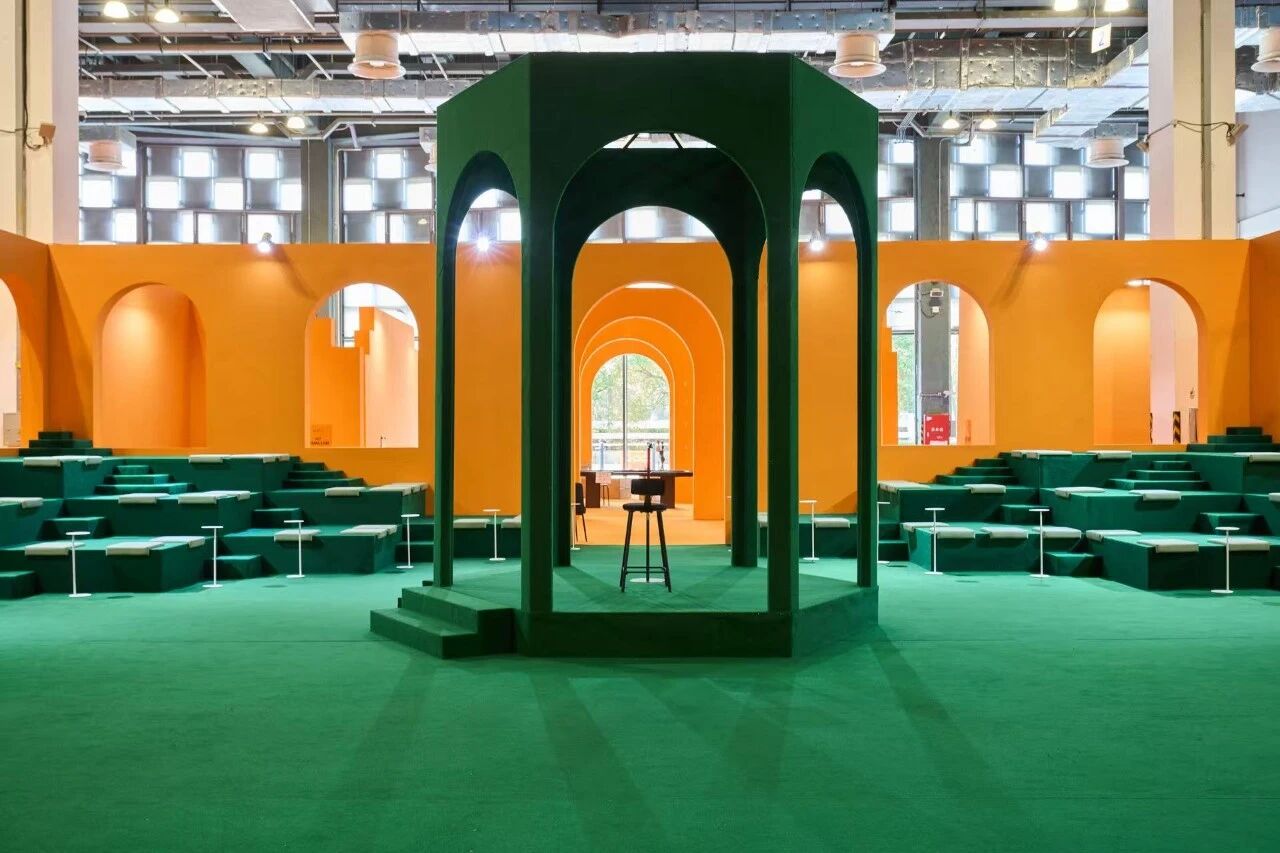
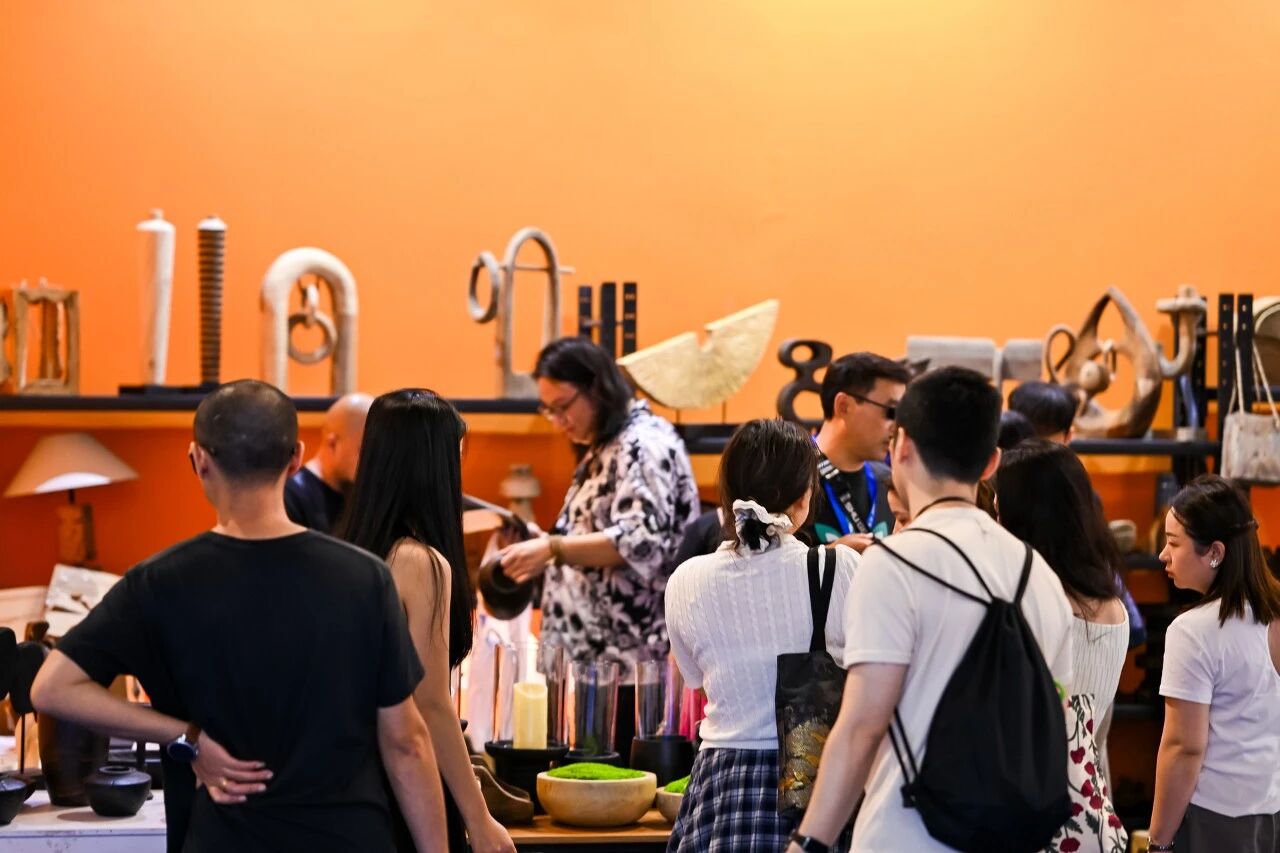
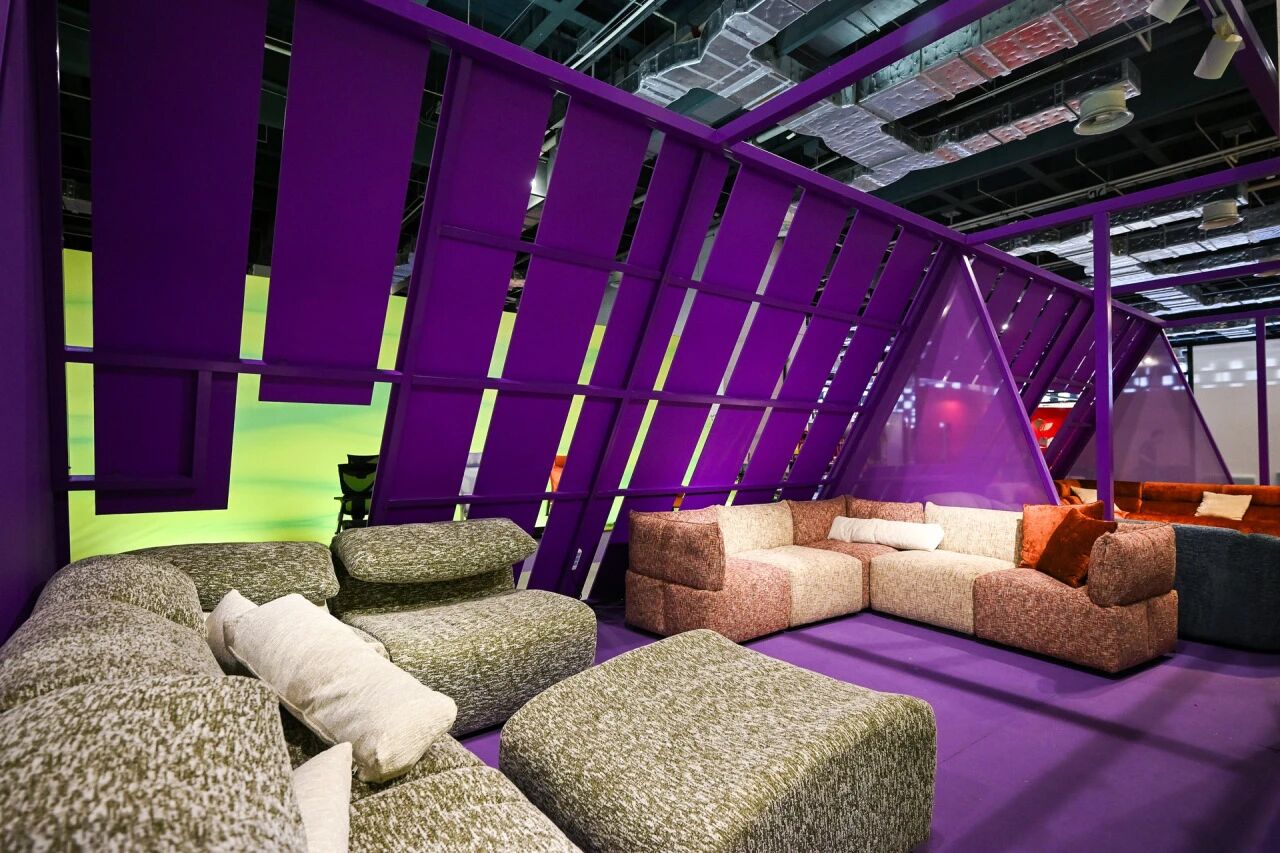
Solo Living responded to the dimensions and routines of one-person households. Guided by the concept of “Peak and Vein”, the interior balanced efficient planning with space for privacy, relaxation and personal ritual, demonstrating that compact homes need not be reduced to purely utilitarian arrangements.
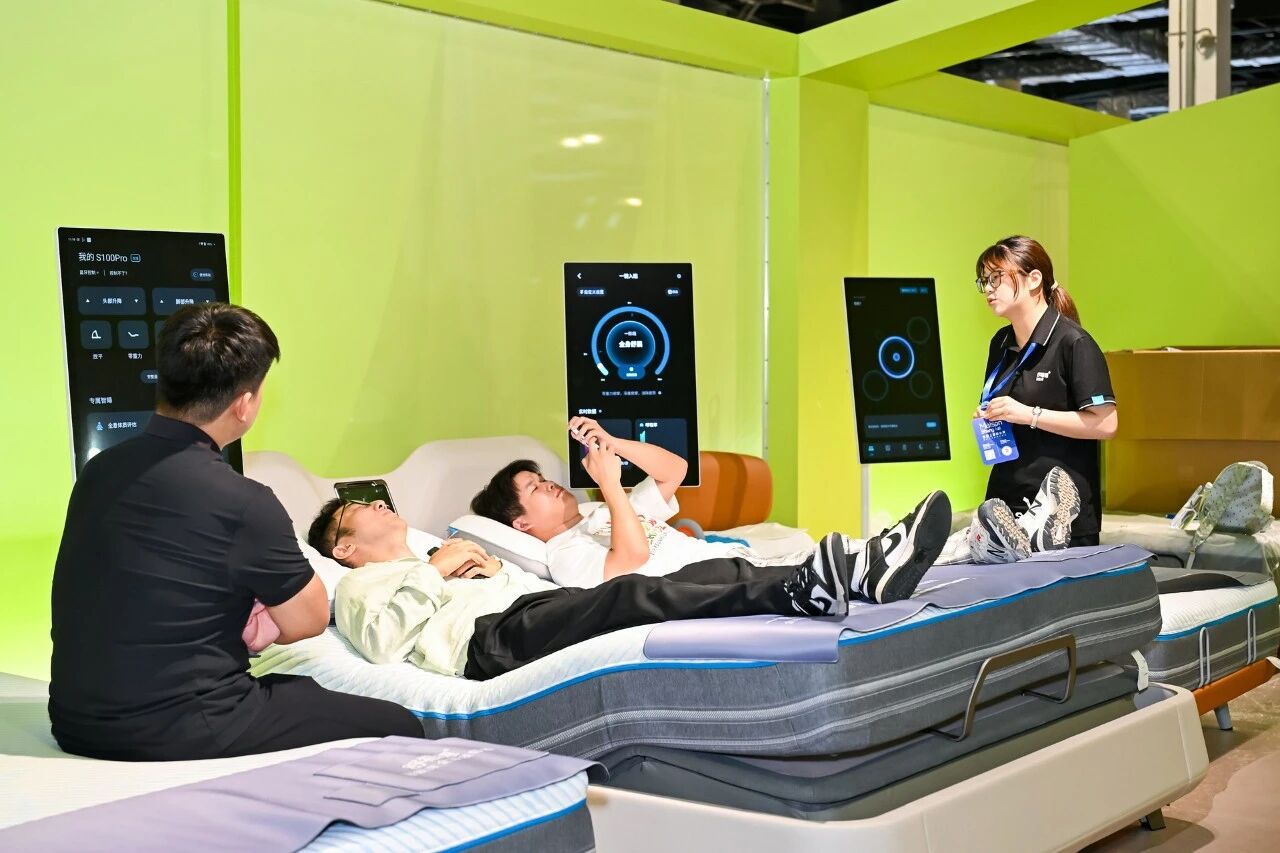
H3 Design Highland brings cultural research and digital fabrication together
H3 Design Highland positioned the exhibition as a platform for ideas as well as products.
The hall brought together established designers, material researchers and experimental studios whose work moved between Eastern philosophy, traditional making, artificial intelligence and digital fabrication.
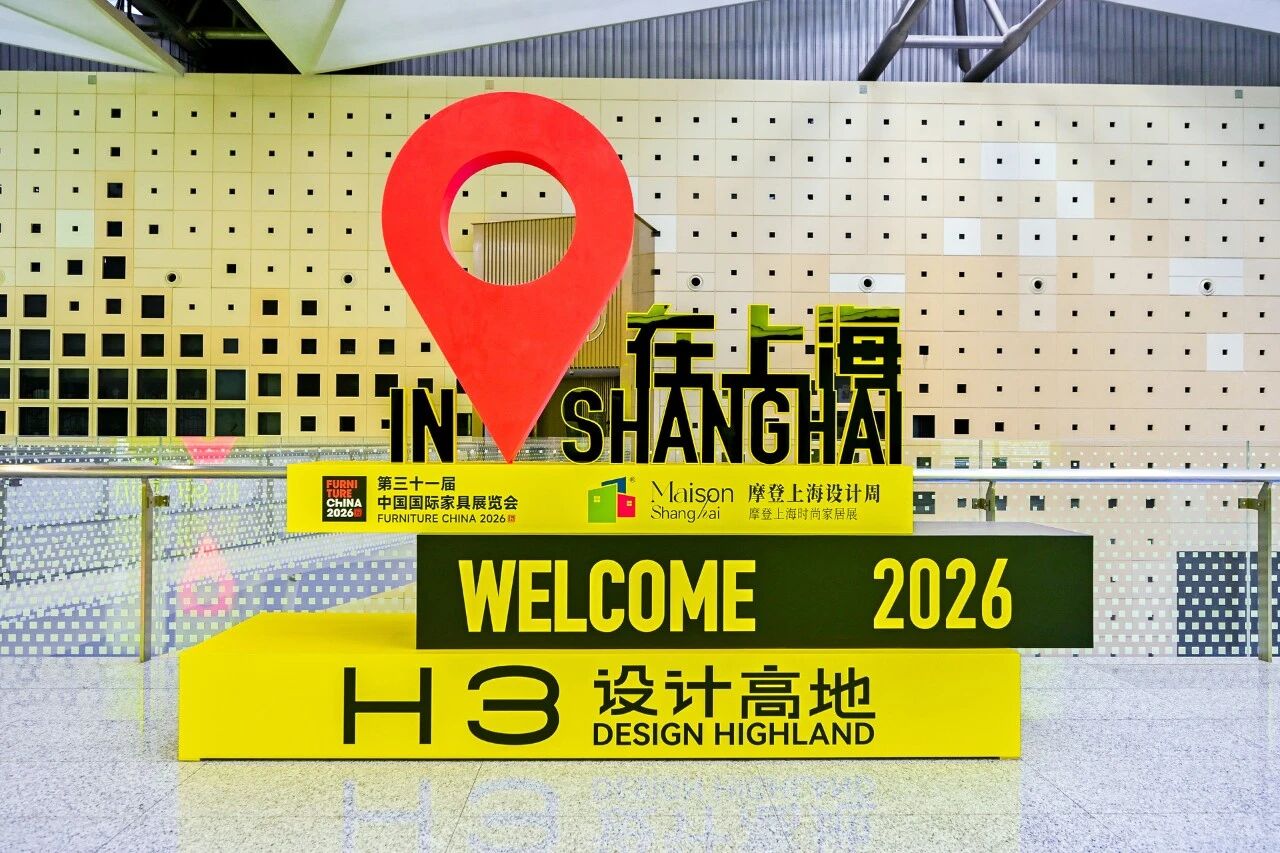
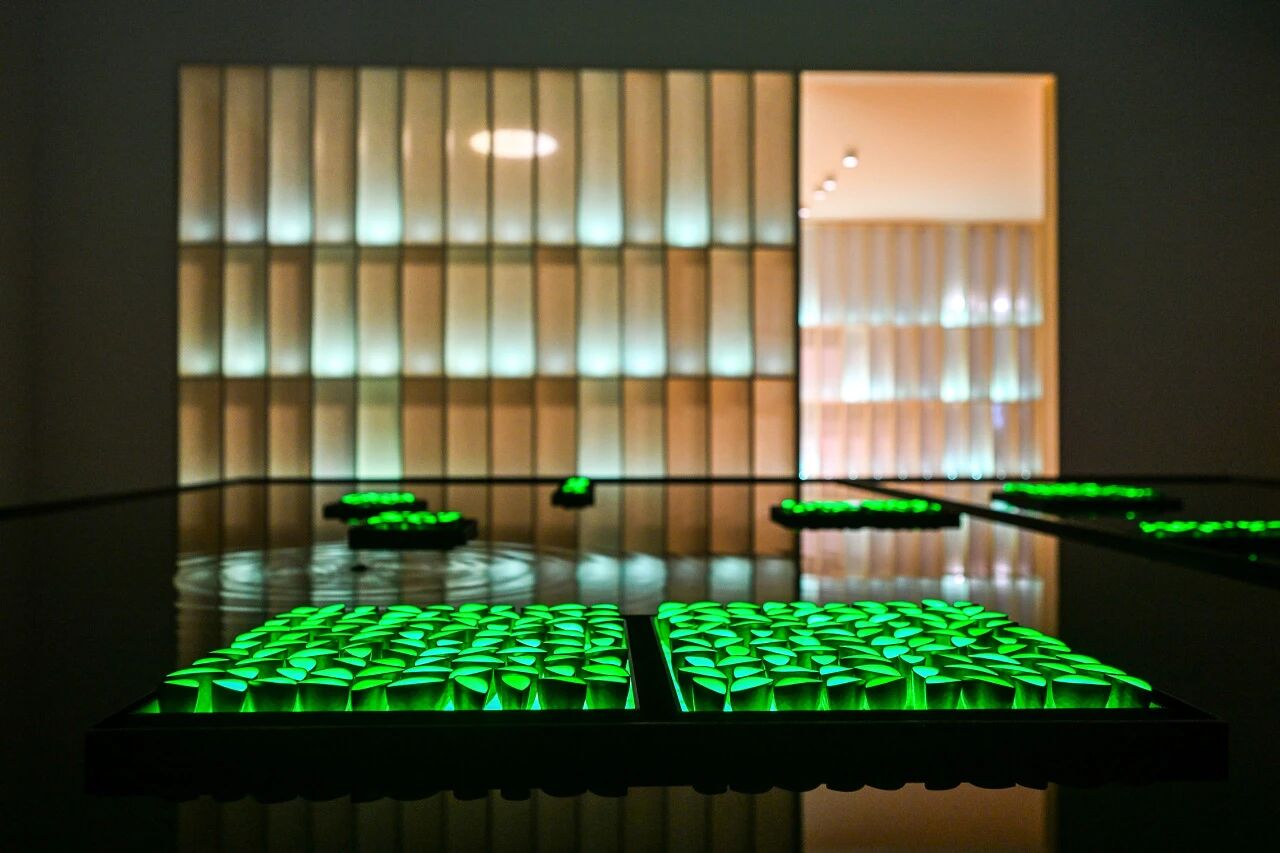
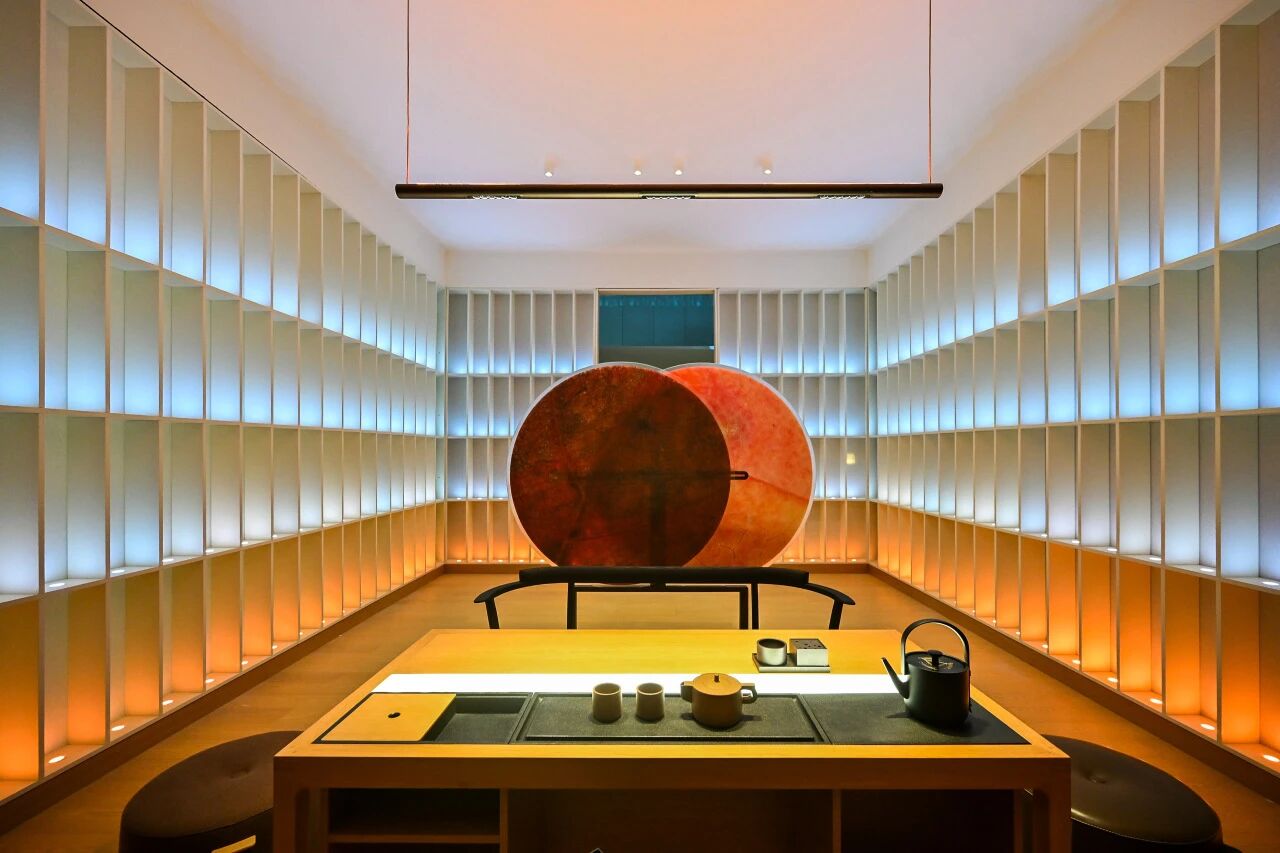
Architect and designer Chi Wing Lo structured his Inner Garden installation around the four seasons. Museum-scale artworks occupied a sequence of contemplative spaces in which smart technology was deliberately softened, becoming part of an interior conceived around the relationship between people and nature.

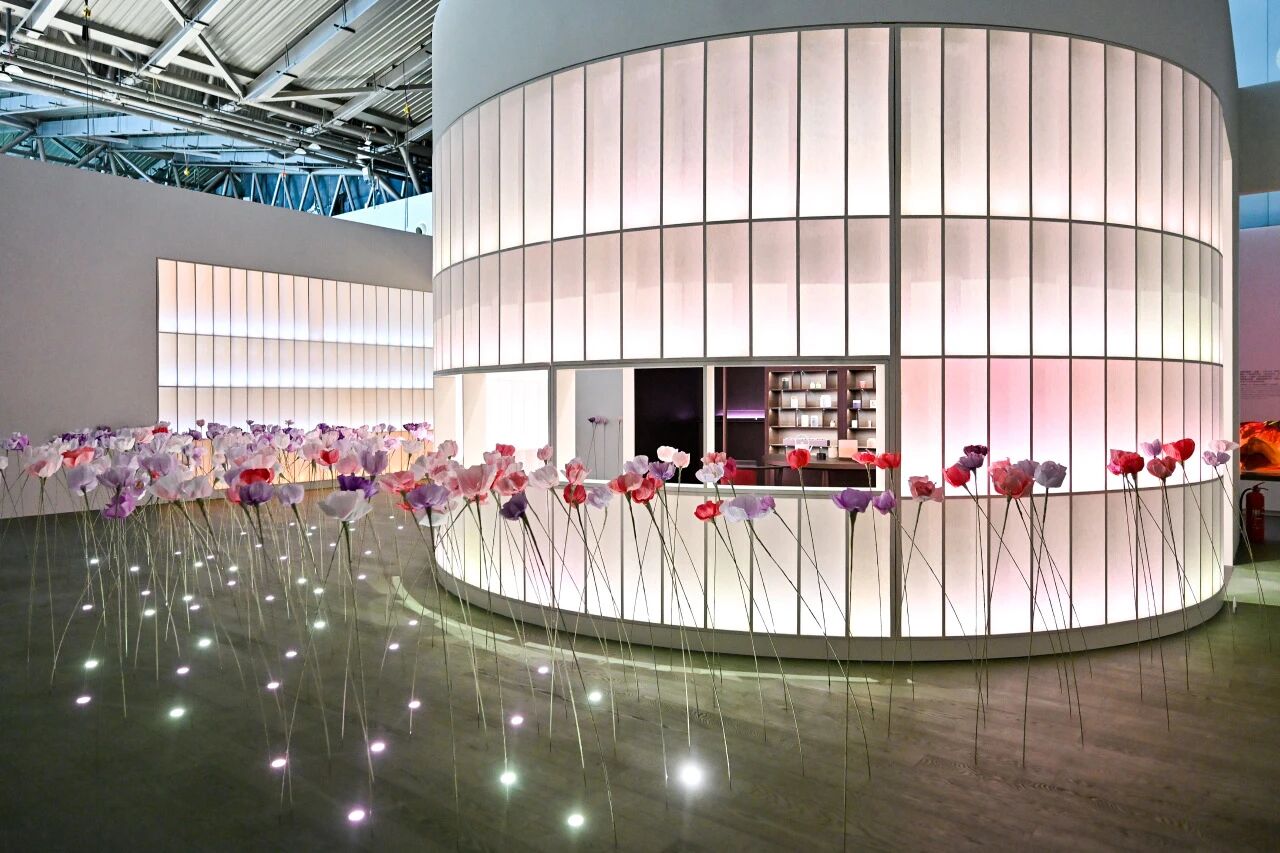
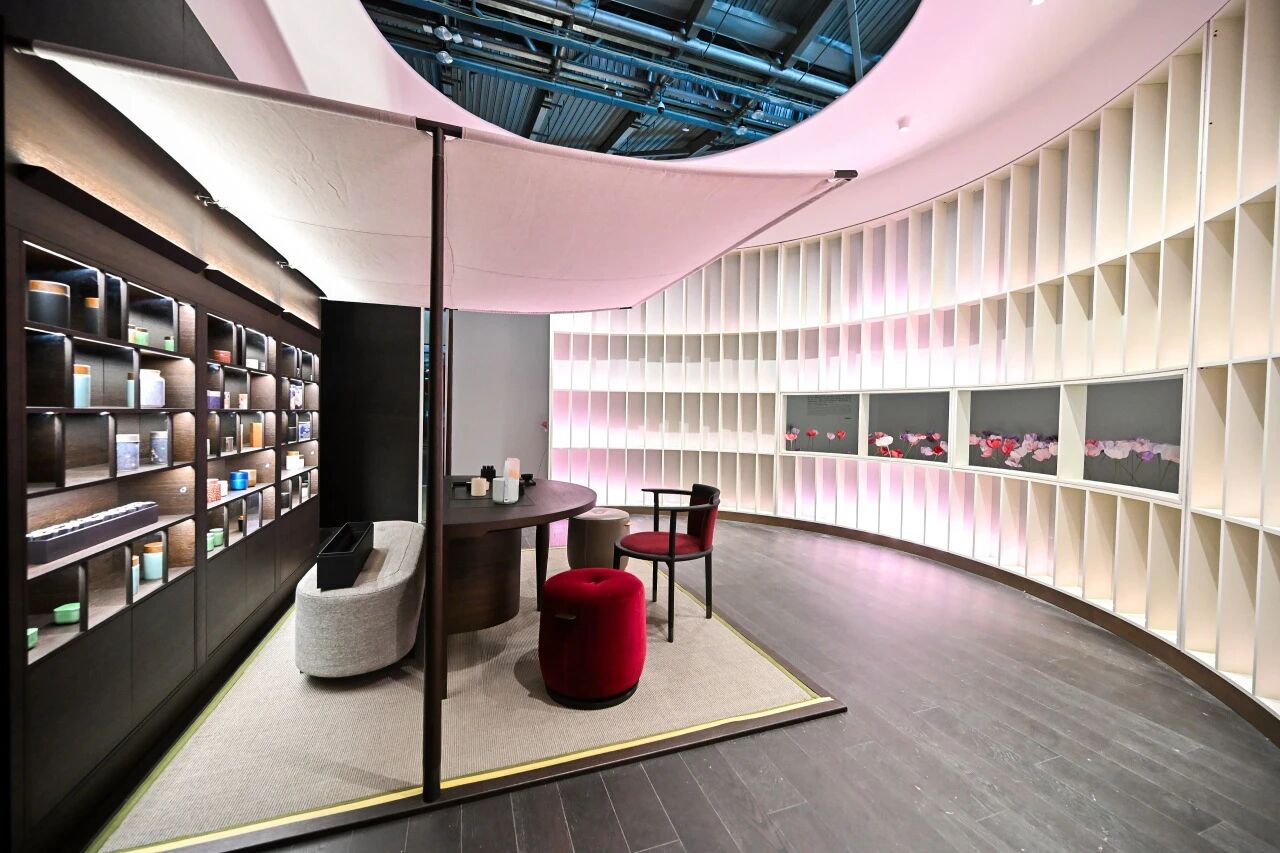
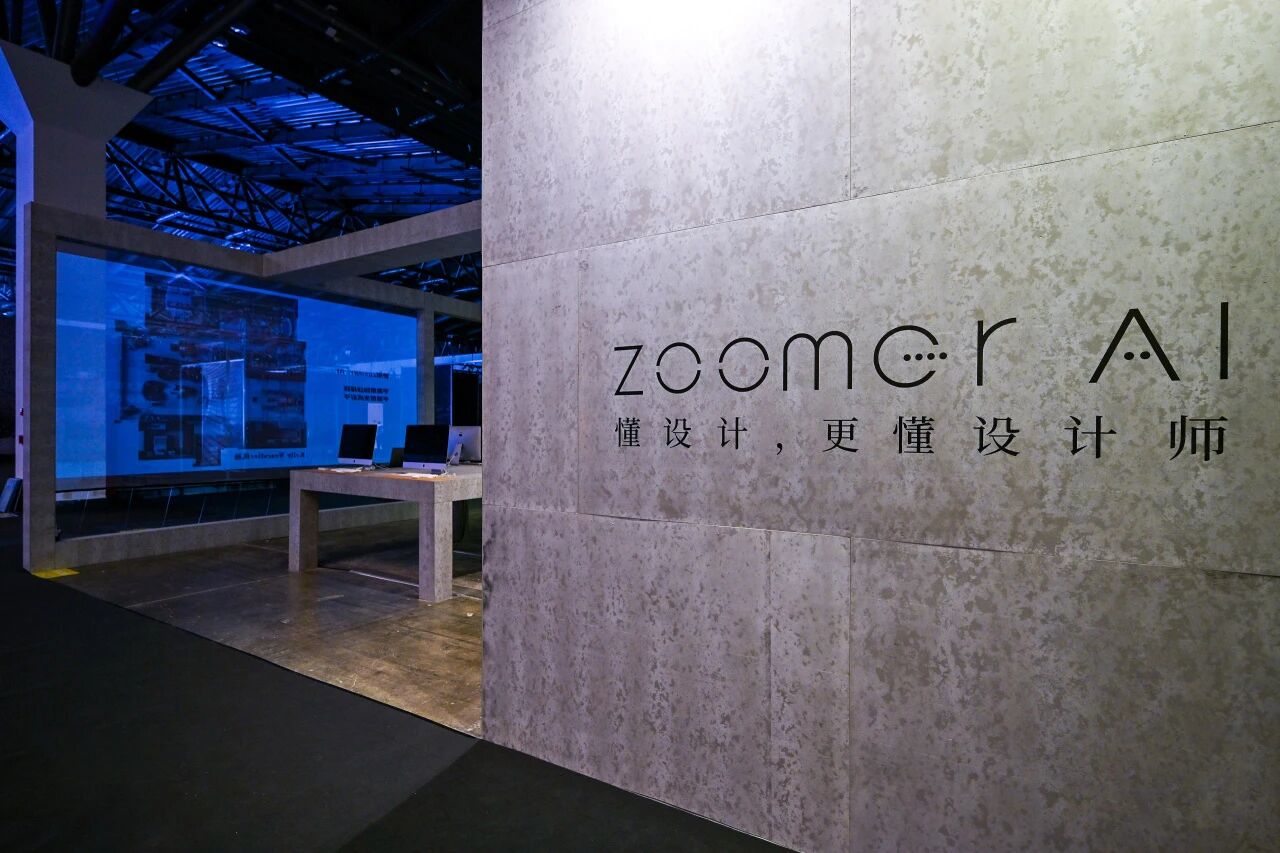
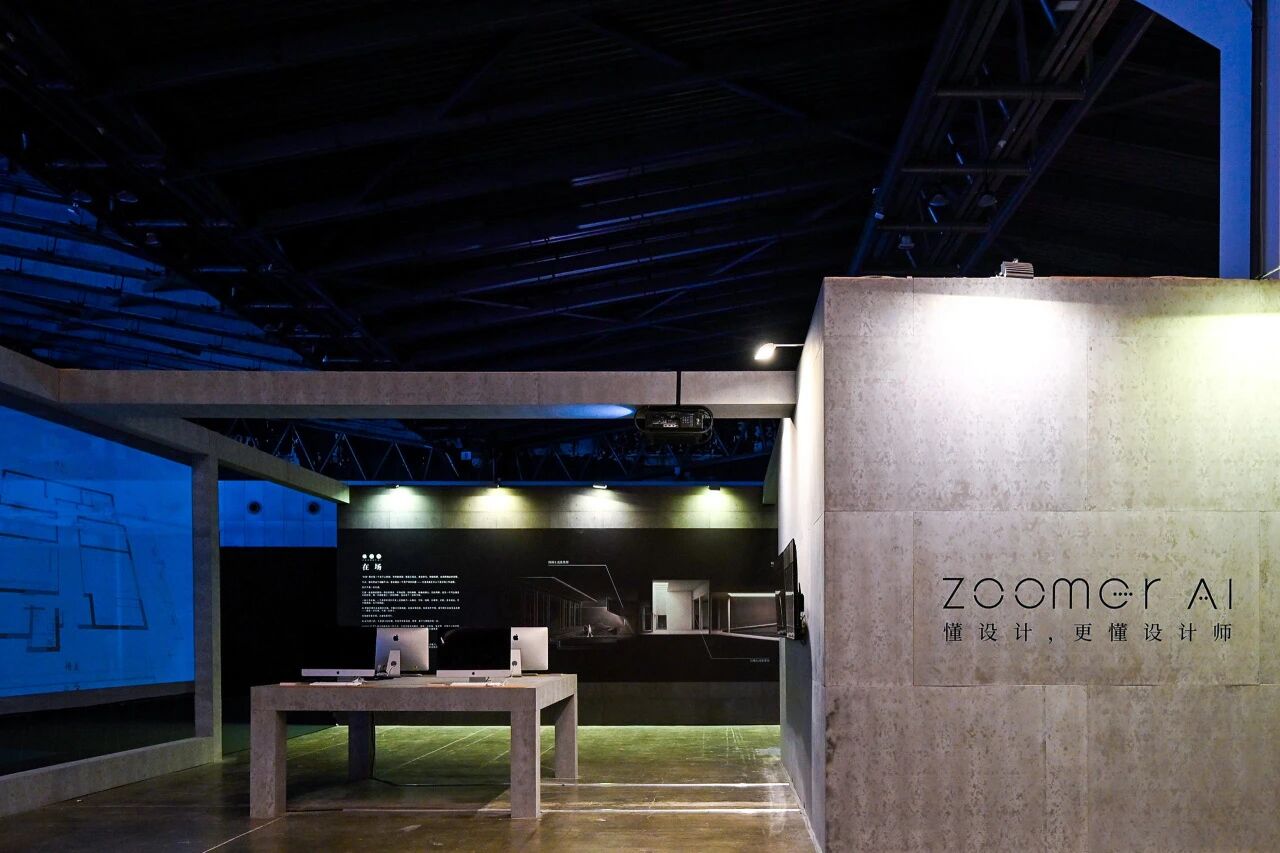
In the MUSE-AI × zoomer AI 2026 exhibition, Zhong Song collaborated with zoomer AI to investigate how algorithms might participate in both artistic production and commercial development. The project examined the shifting boundary between digitally native practices and humanistic forms of expression.
Designer Hou Zhengguang revisited Moreless’ long-standing engagement with solid timber in an exhibition marking the brand’s 18th anniversary.
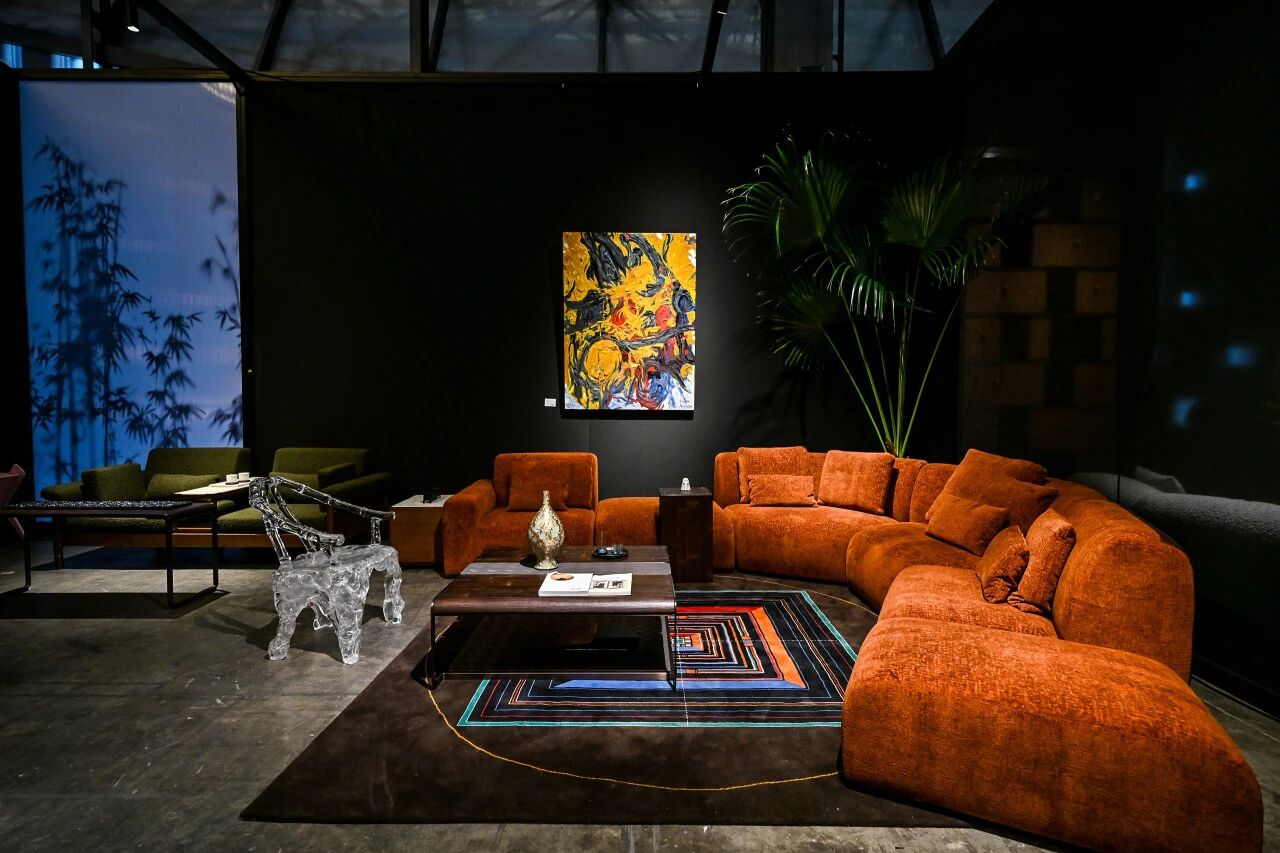
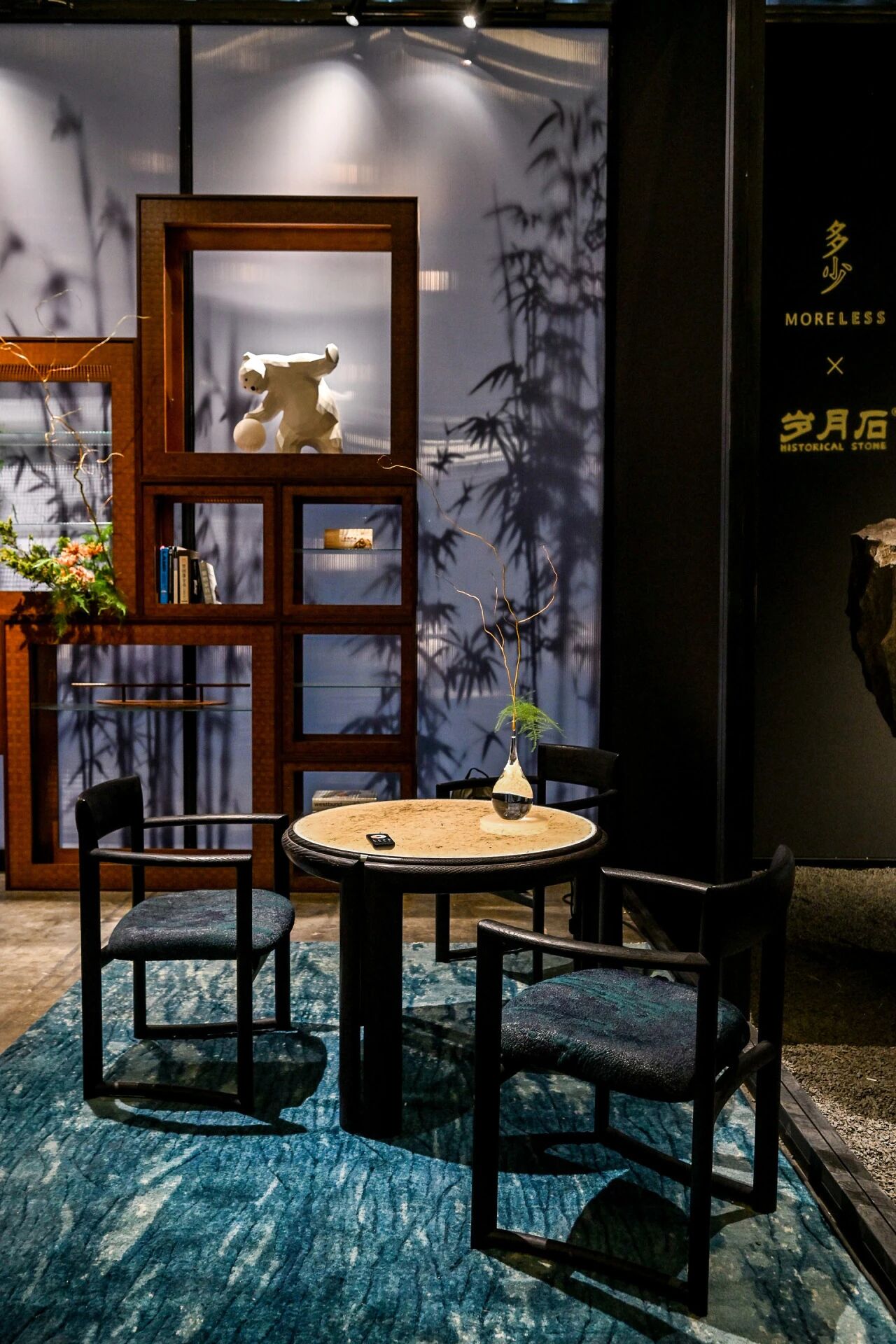
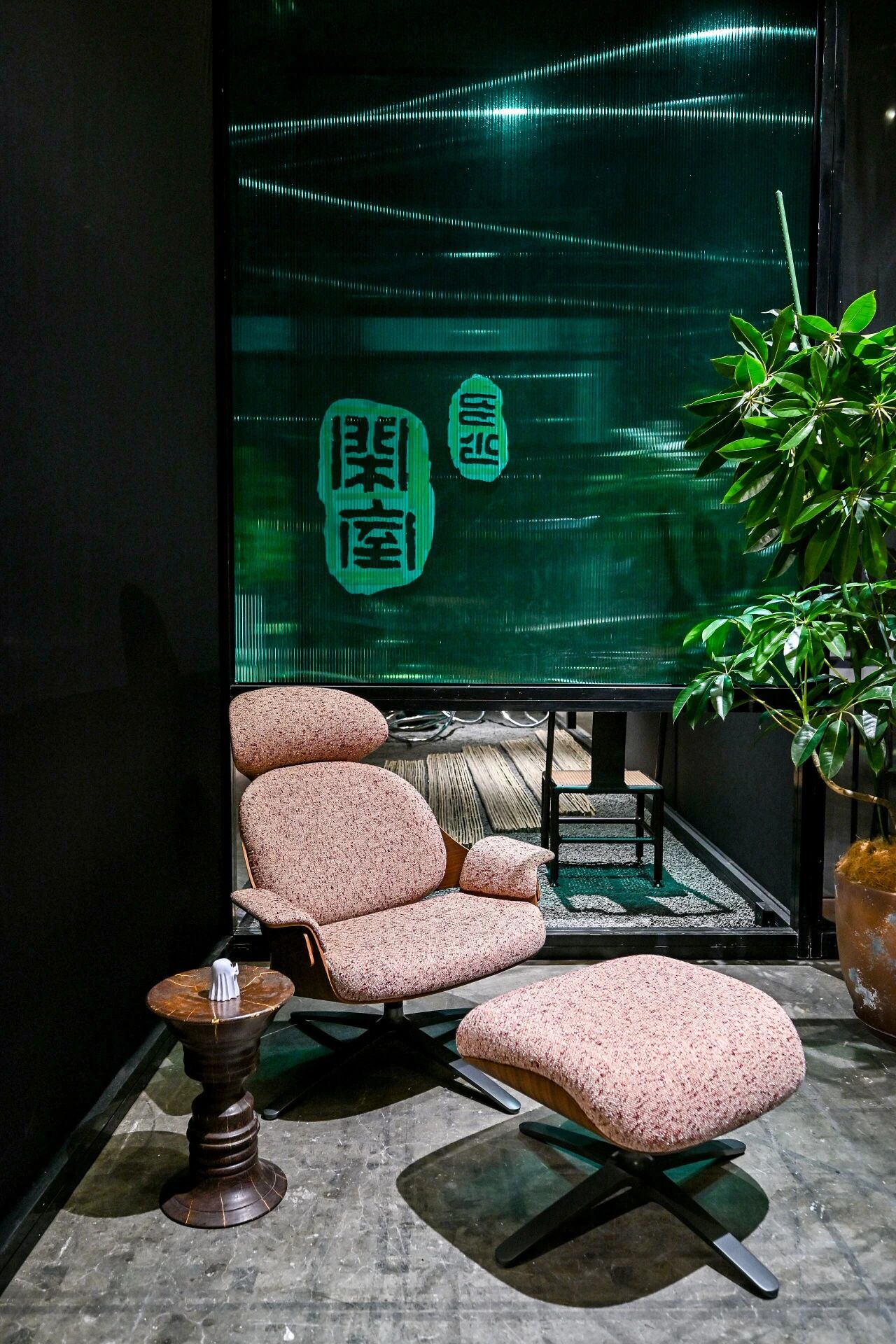
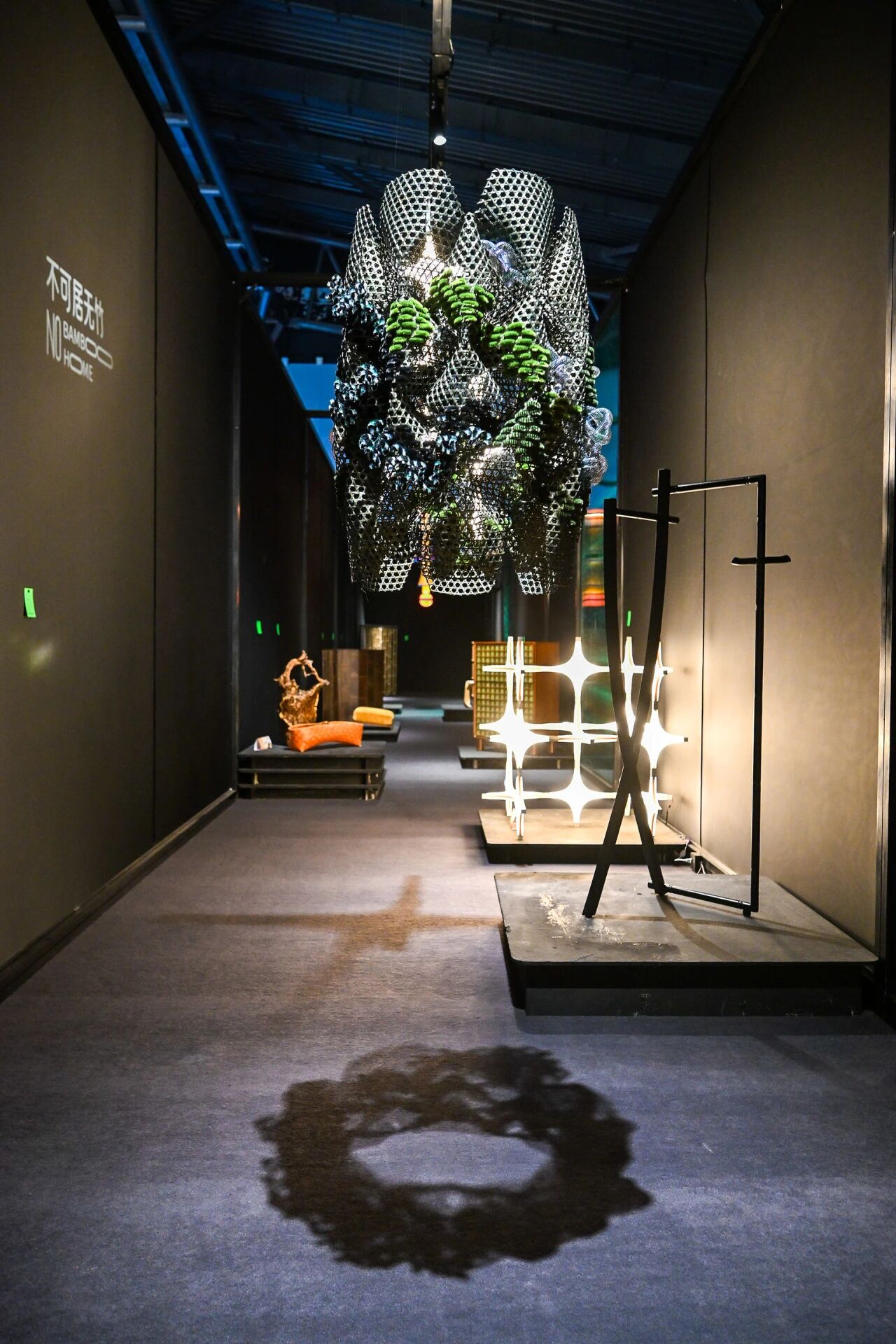
He also contributed to the No Bamboo No Home exhibition, organised under the theme Bamboo Is Possible. The presentation connected three fields – bamboo design, bamboo-focused colour, material and finish research, and domestic applications – to demonstrate the plant’s potential beyond familiar craft typologies.
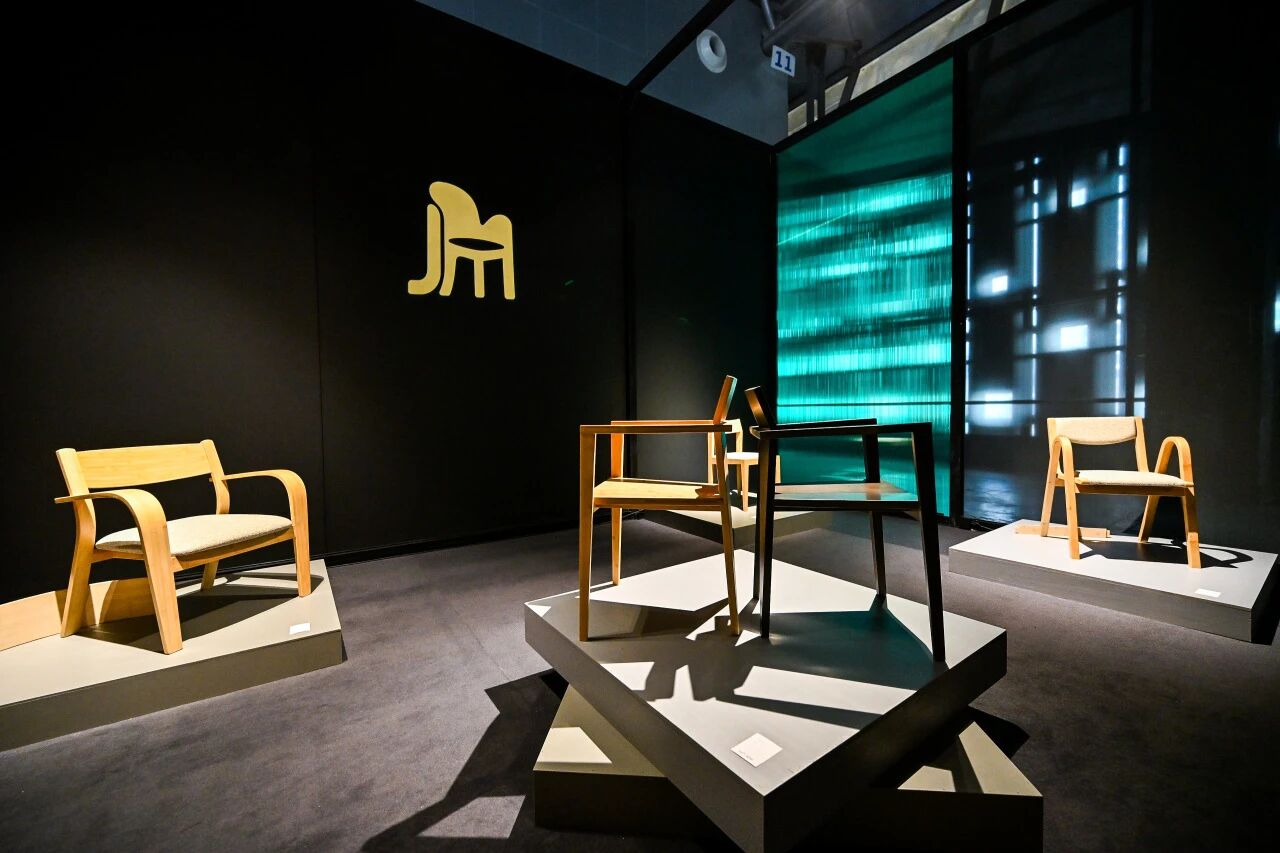
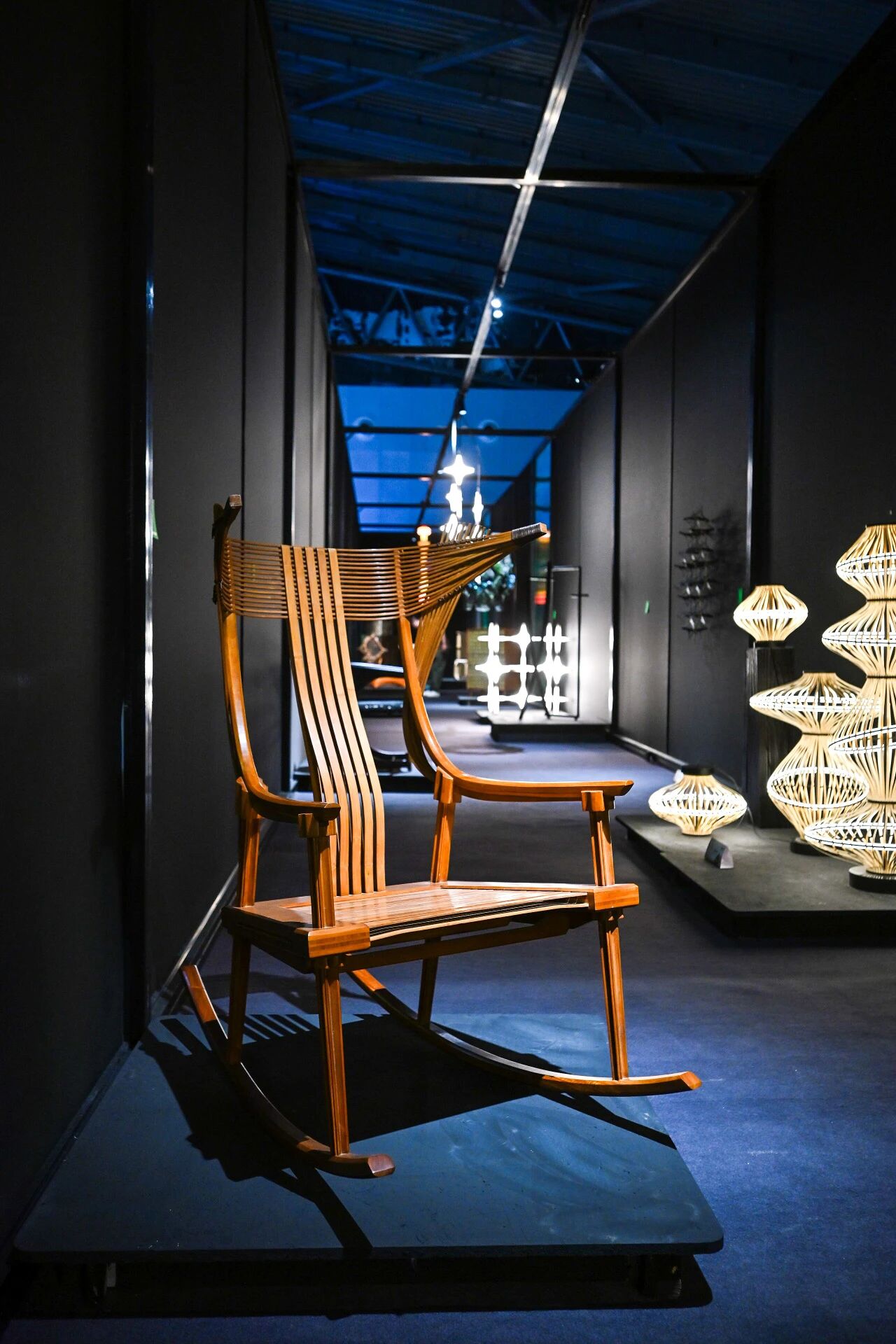

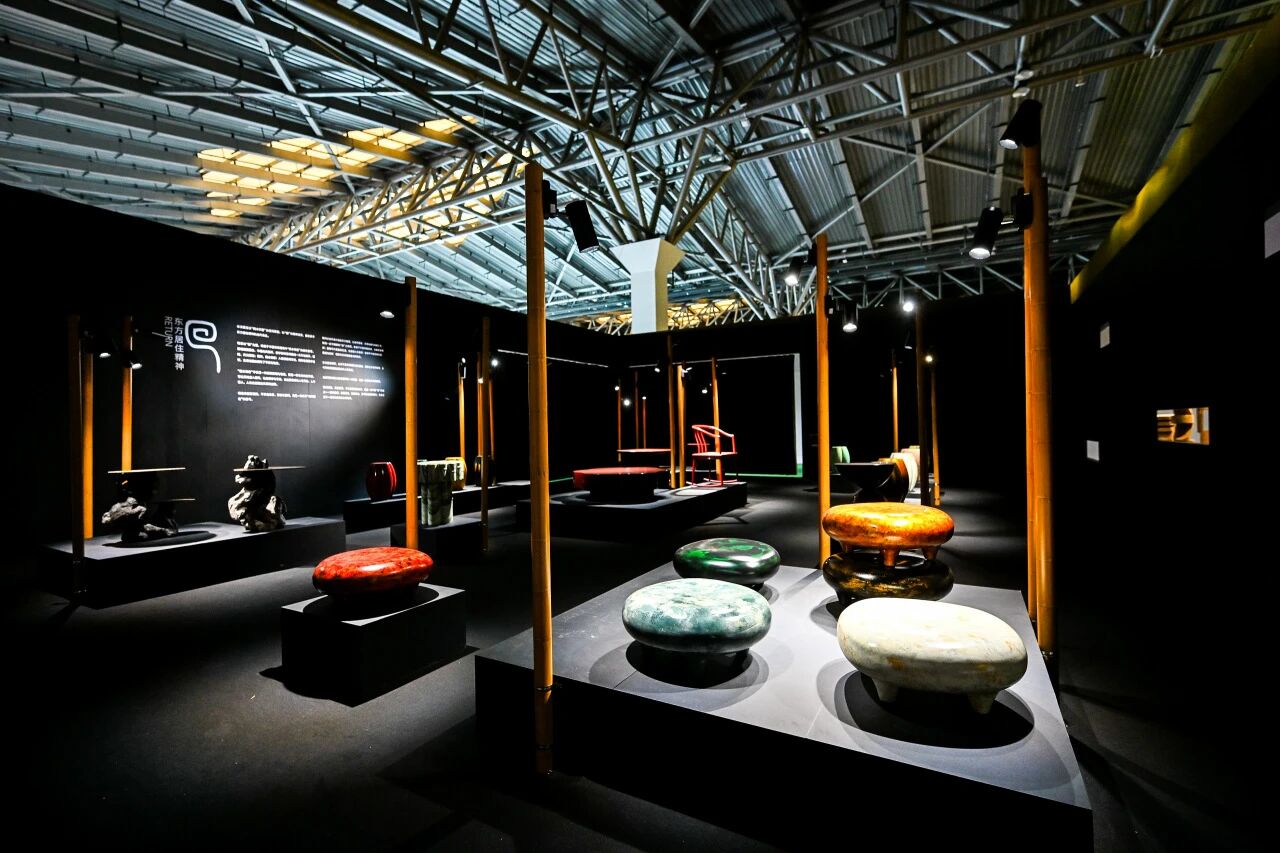
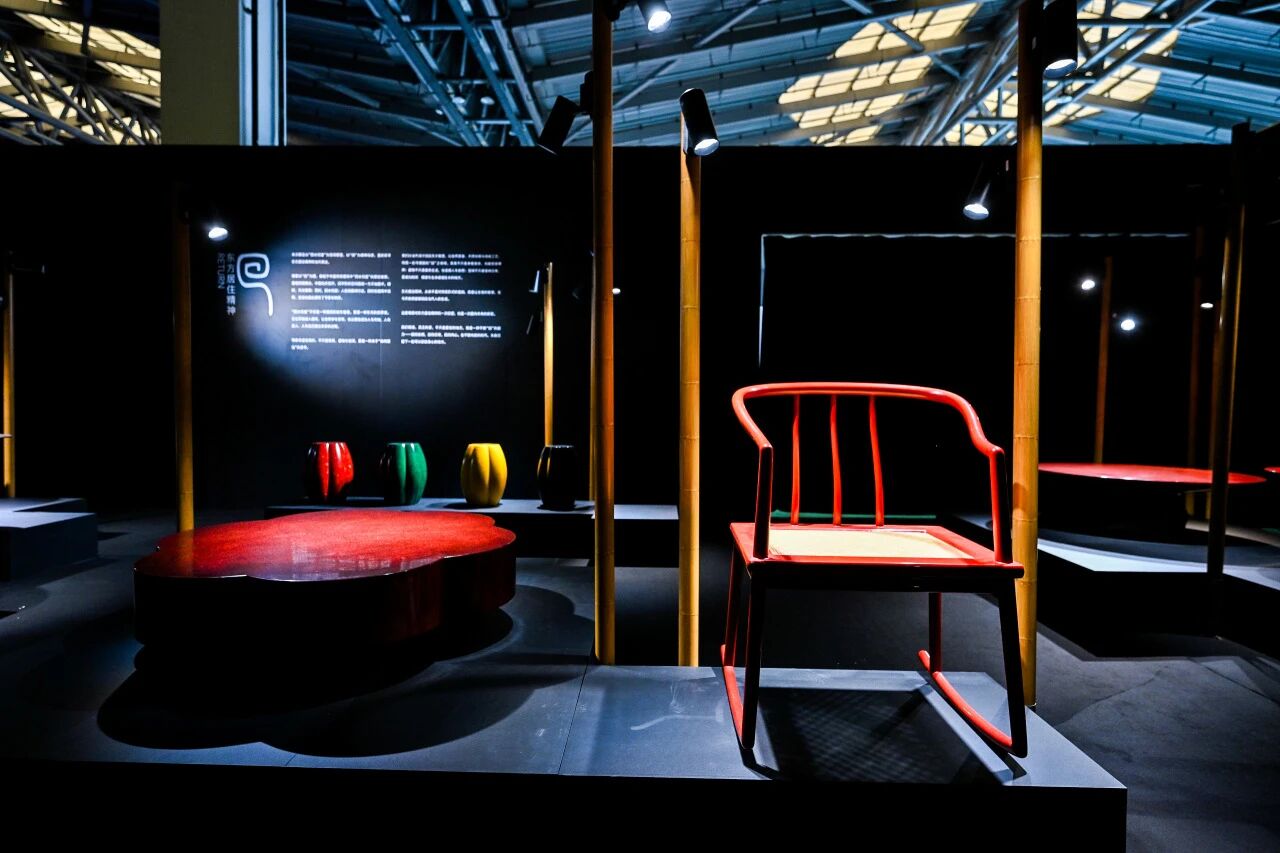
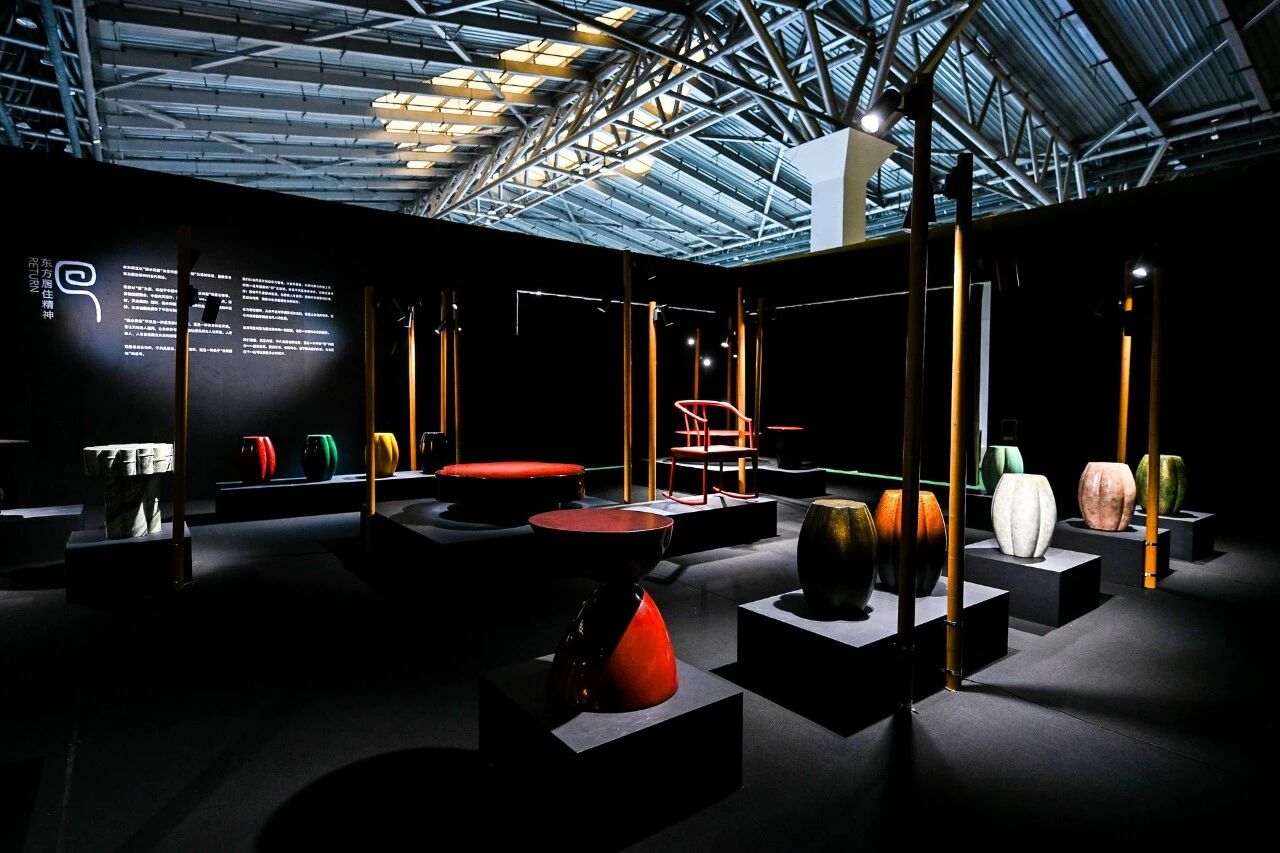
For PUSU – Return, Chen Yanfei assembled established lacquerware alongside new art furniture. The exhibition reinterpreted the cultivated sensibility of the traditional Chinese scholar through contemporary forms and spatial compositions.

Zhu Wenli, Zhu Yuhua and Kim Xu explored the history and revival of Ru porcelain in the exhibition ‘Celadon Inherits the Lineage, All Things Return to Blue’. Re-fired examples of the historic ceramic tradition appeared alongside a cross-disciplinary installation developed with Louis Vuitton, bringing the material language of imperial kilns into dialogue with international design.


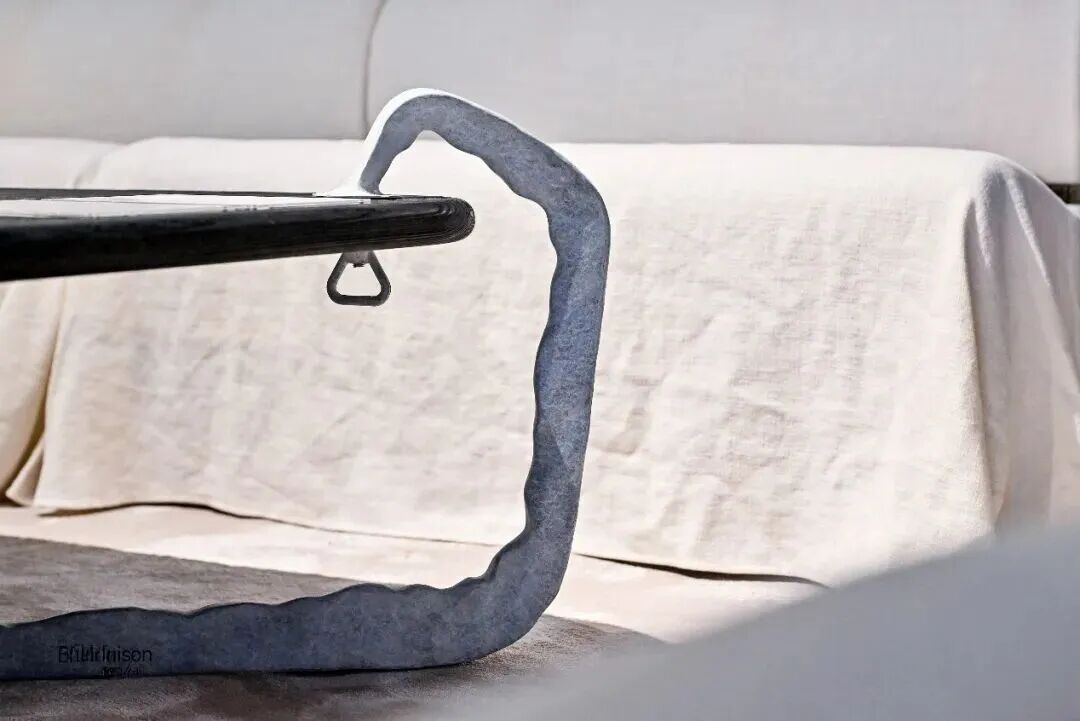
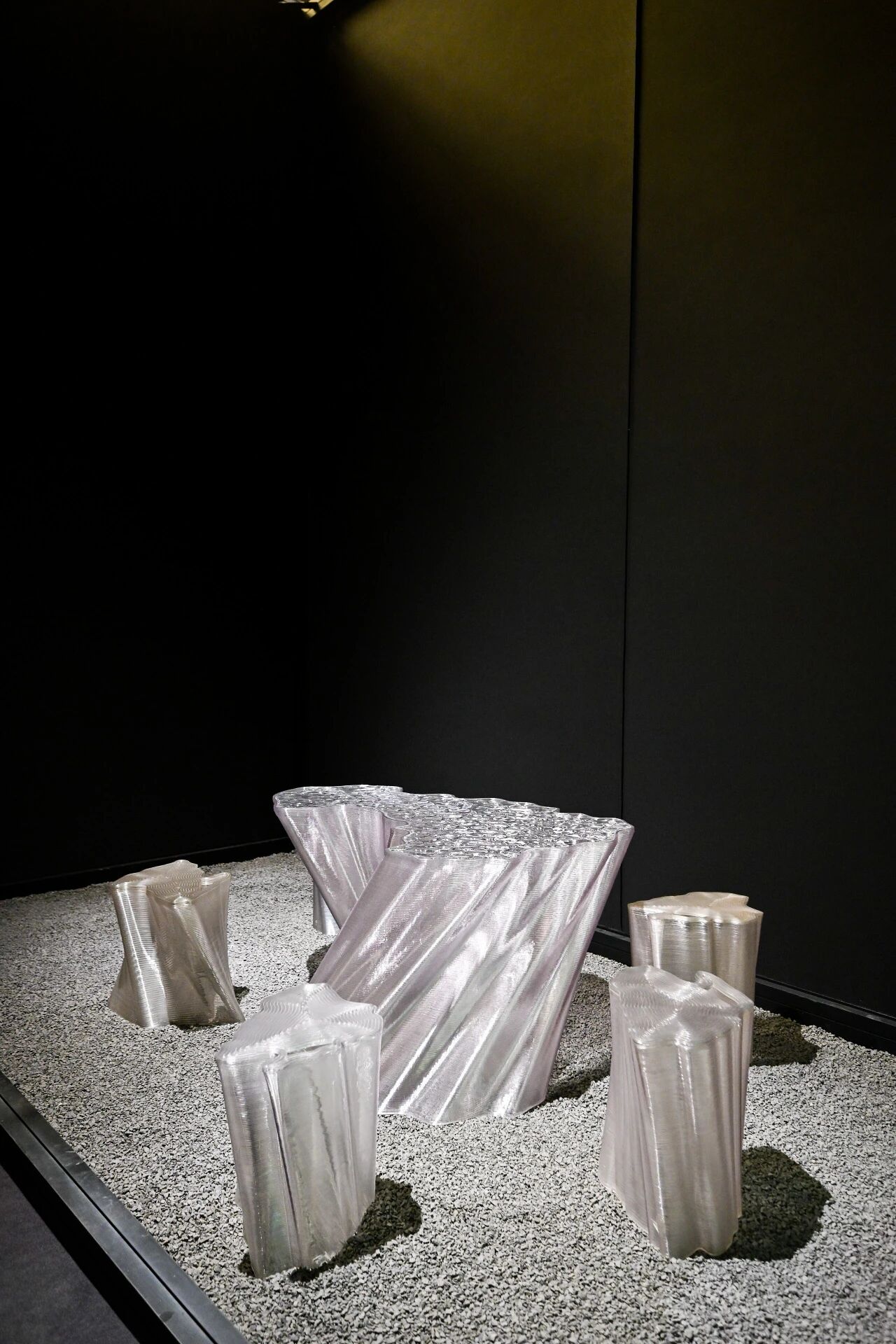
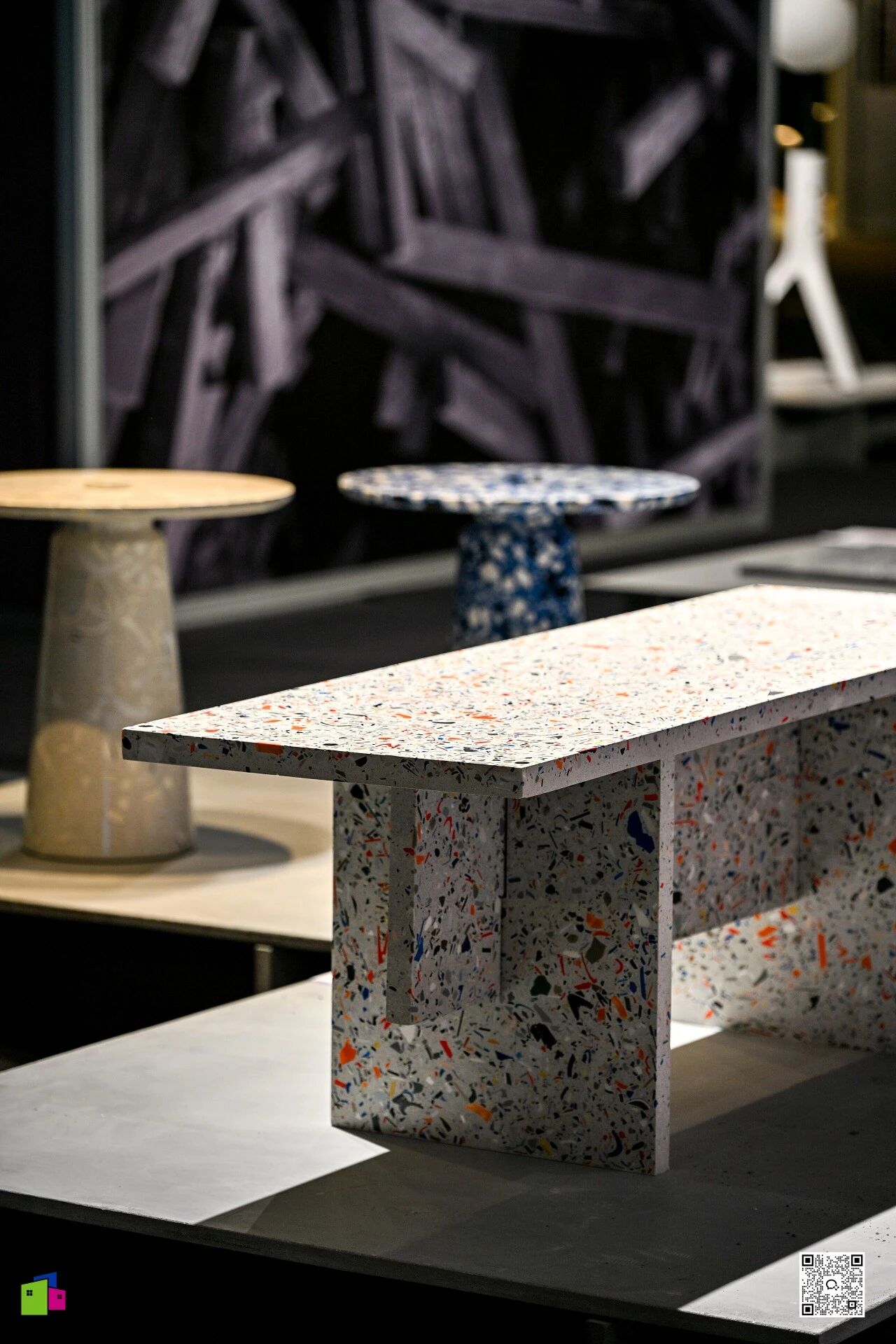
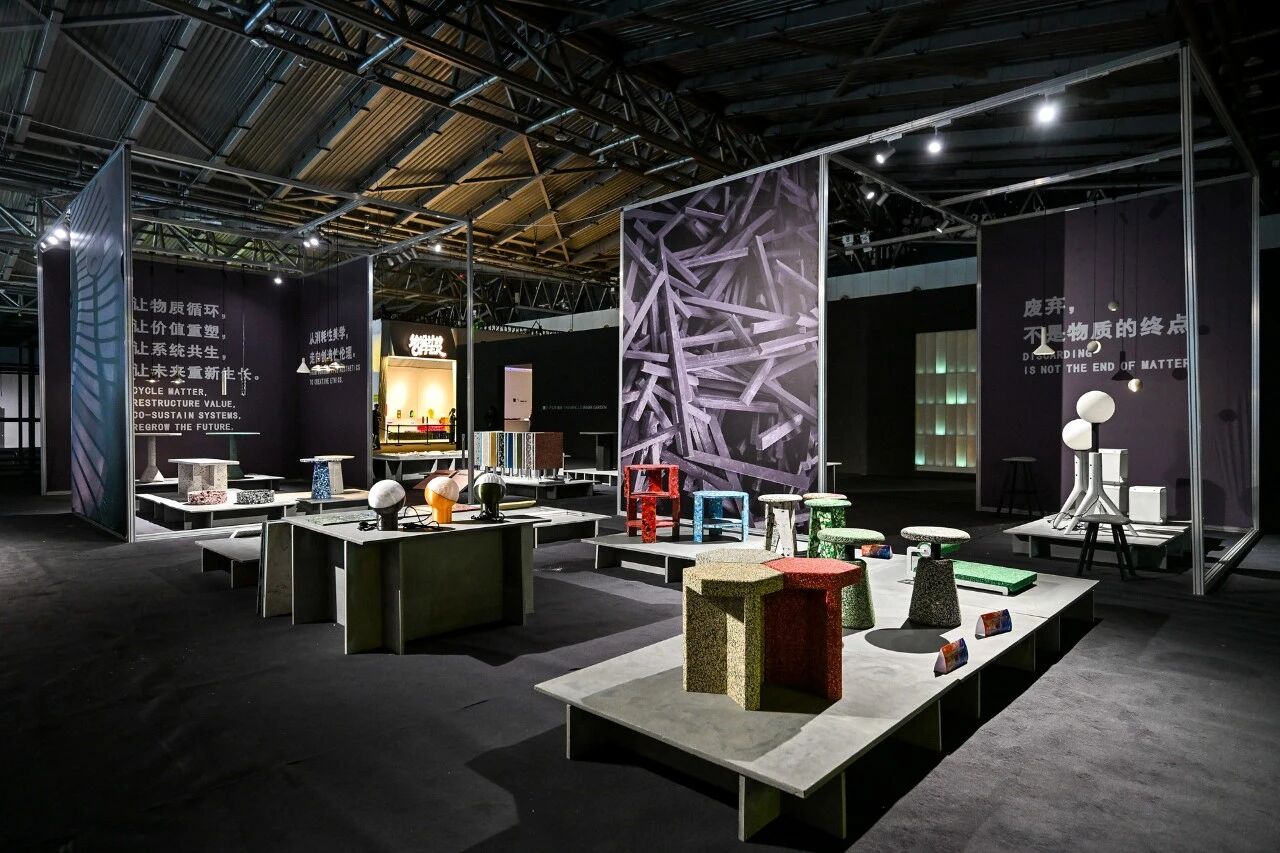
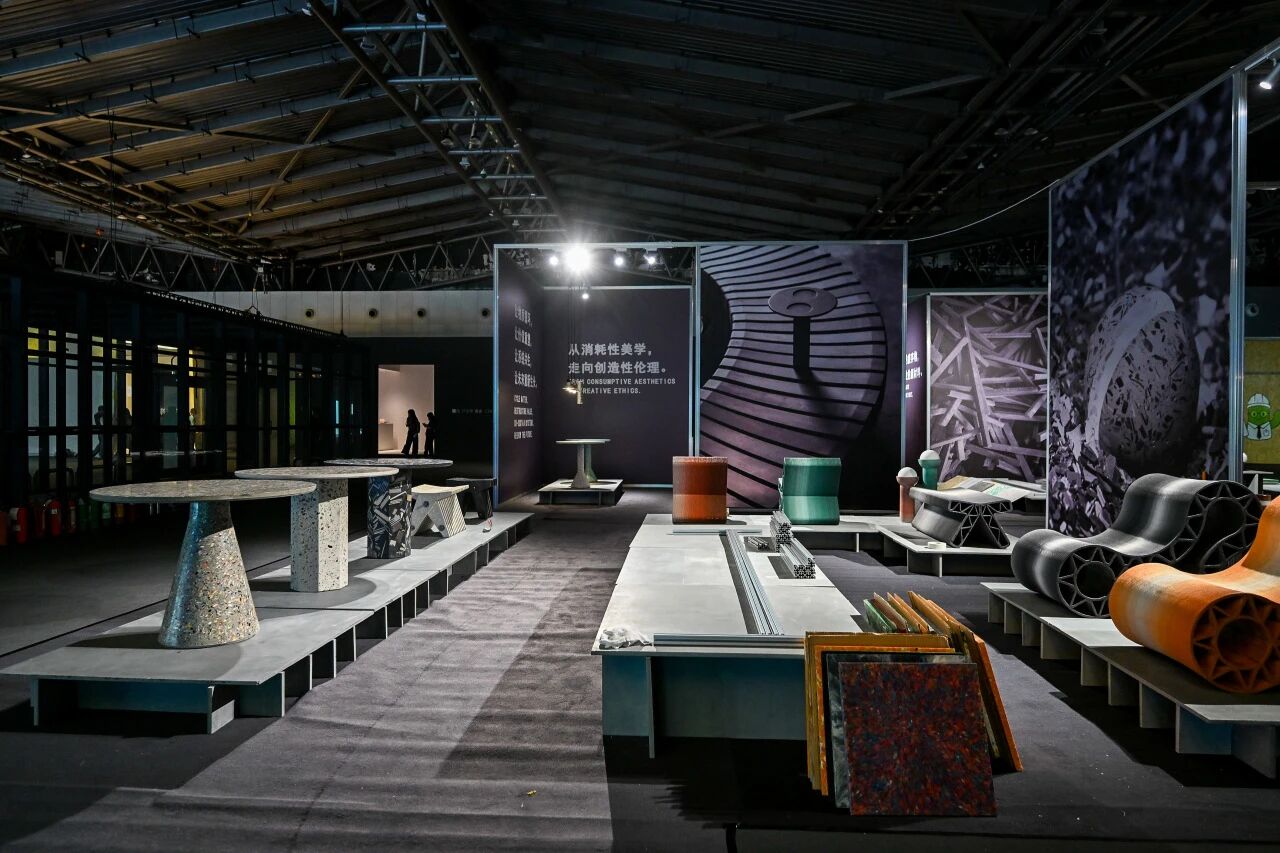
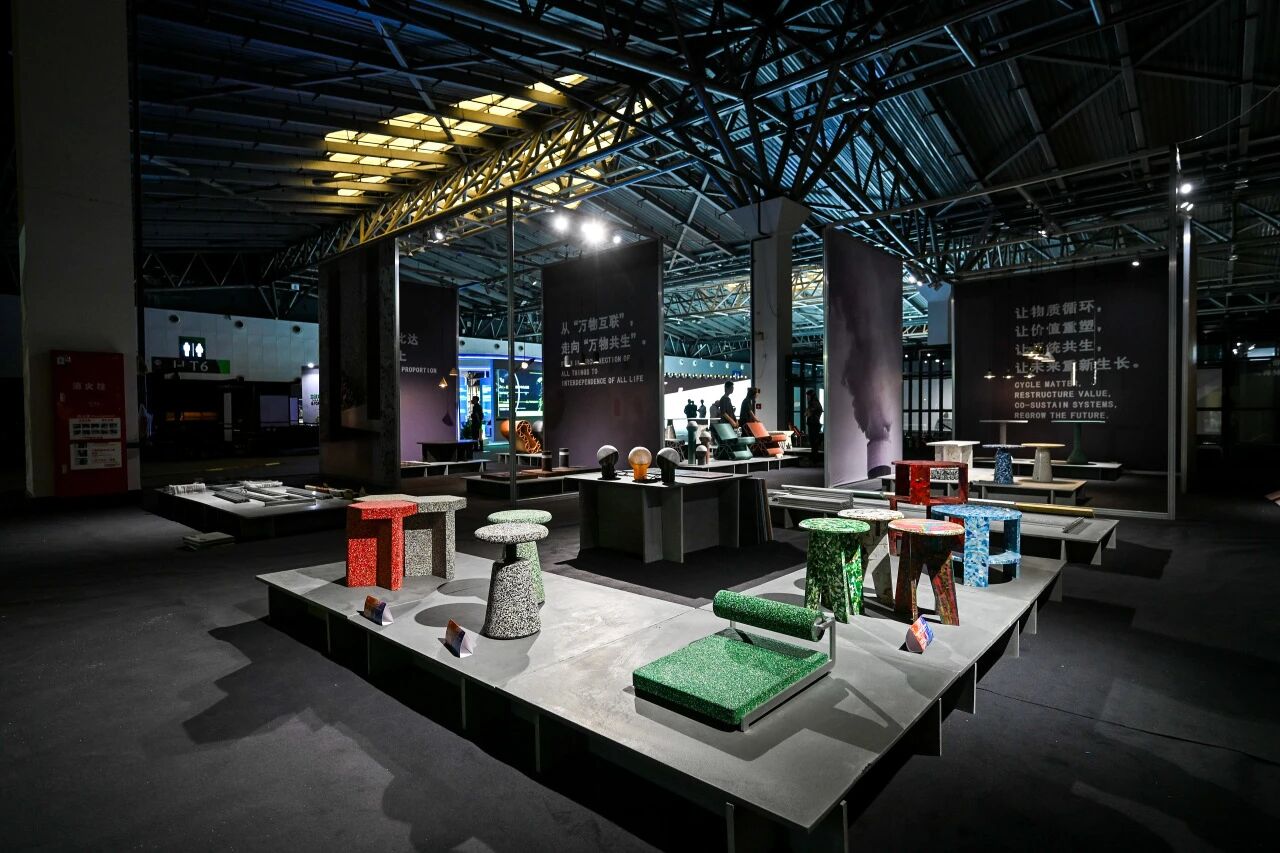
BENTU founder Xu Gang presented 3D-printed furniture produced from solid waste. The pieces retained a coarse and visibly processed character, allowing the irregularities of recycled matter to become part of their aesthetic rather than disguising them beneath a conventional finish.
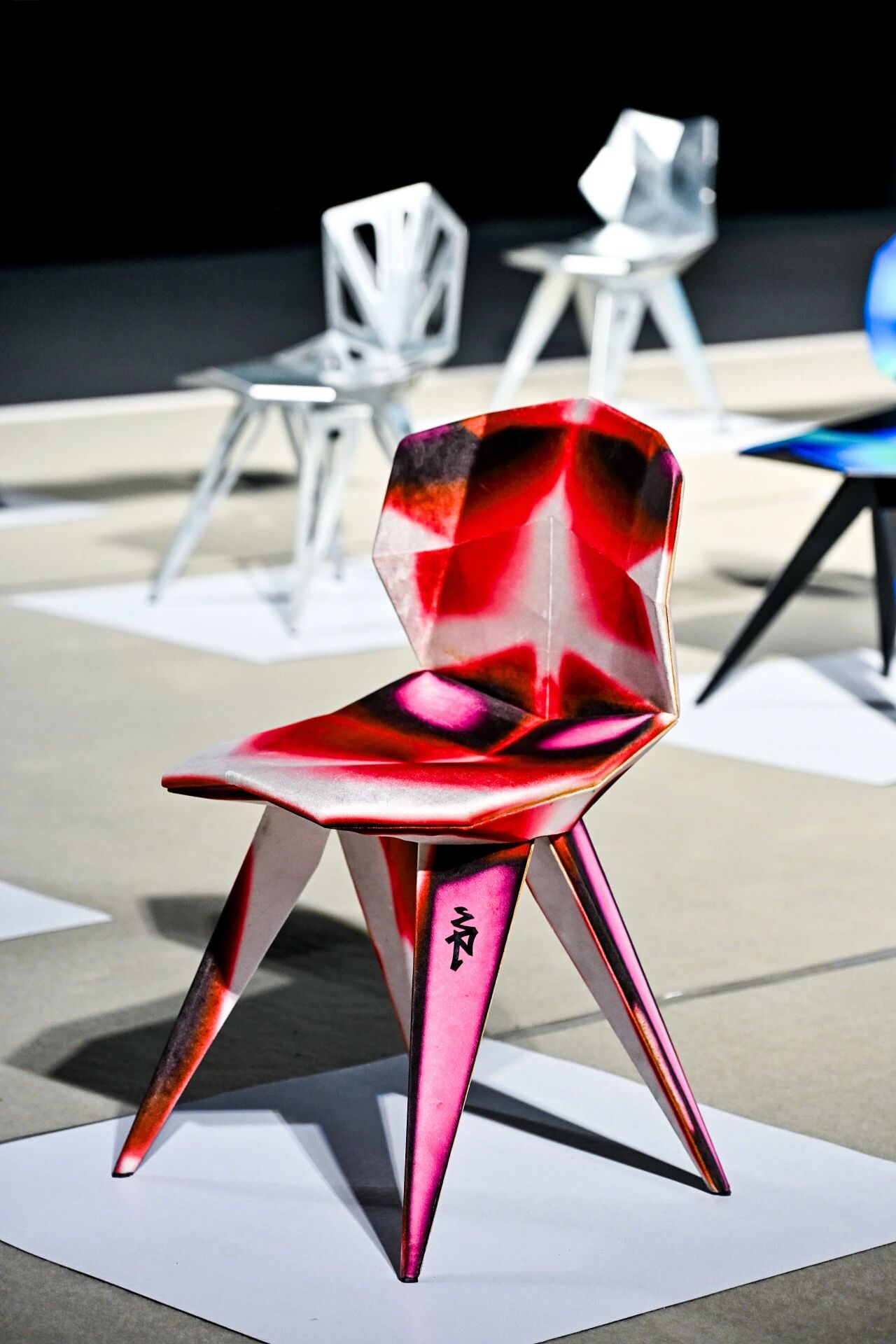
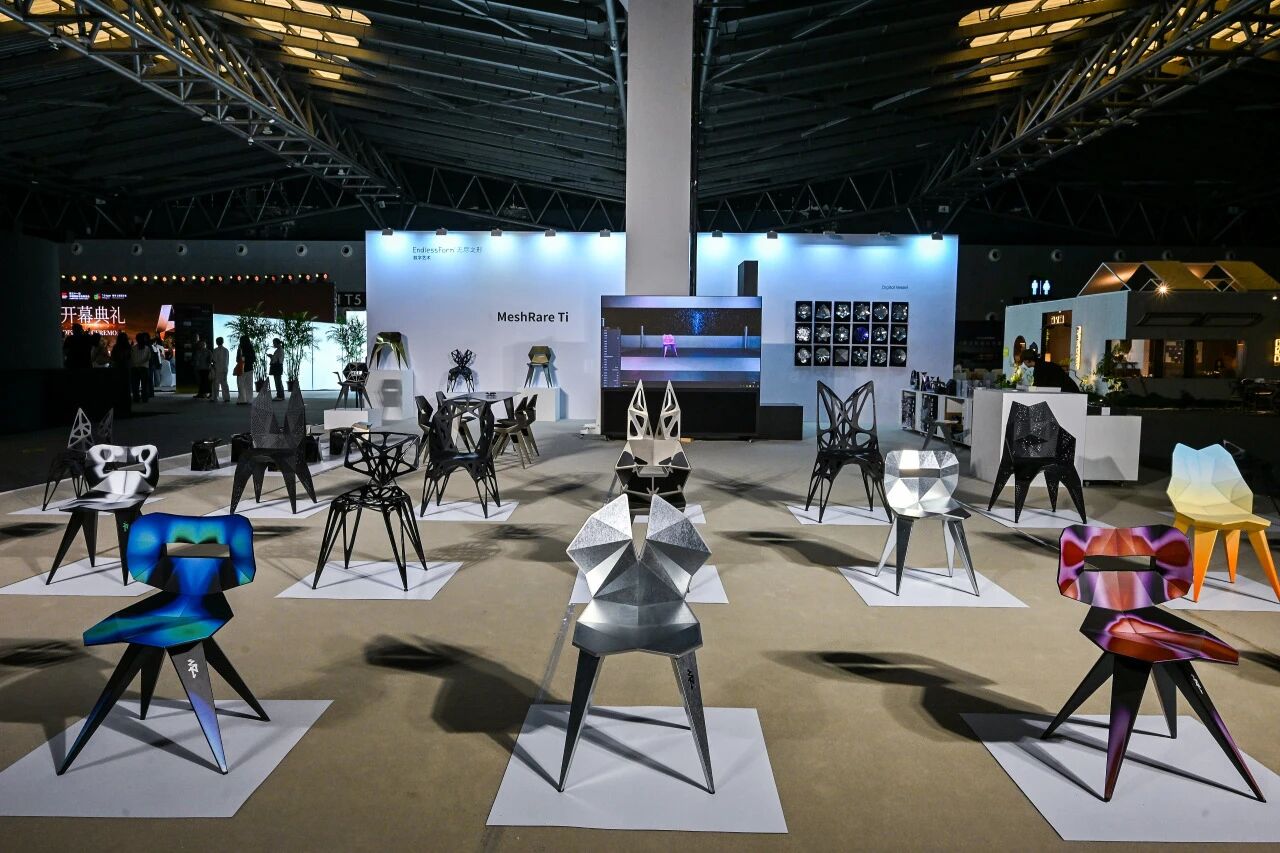
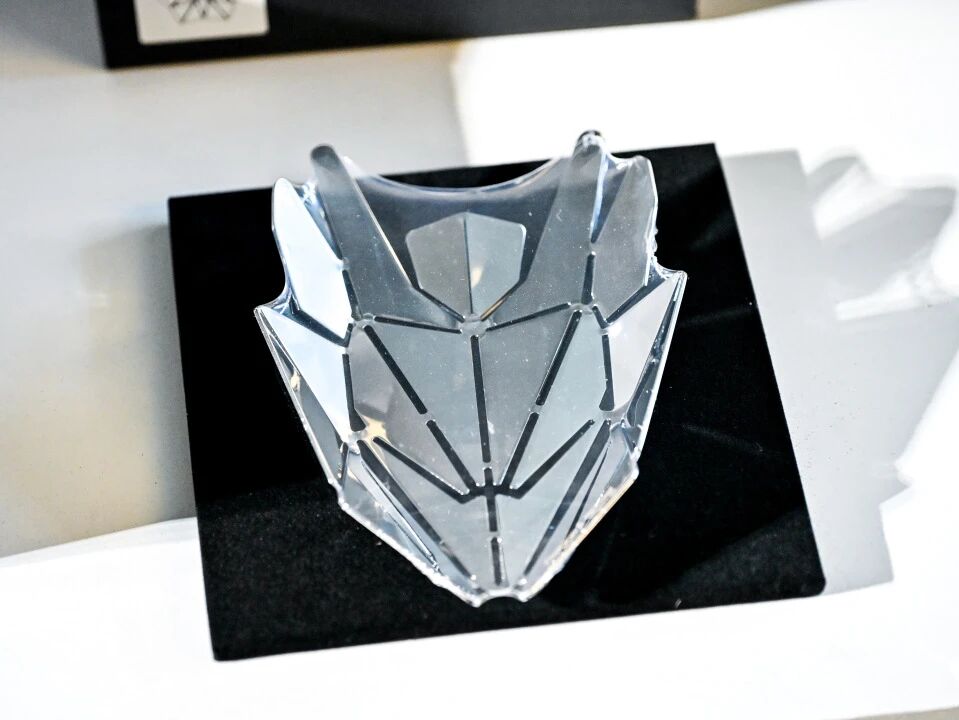
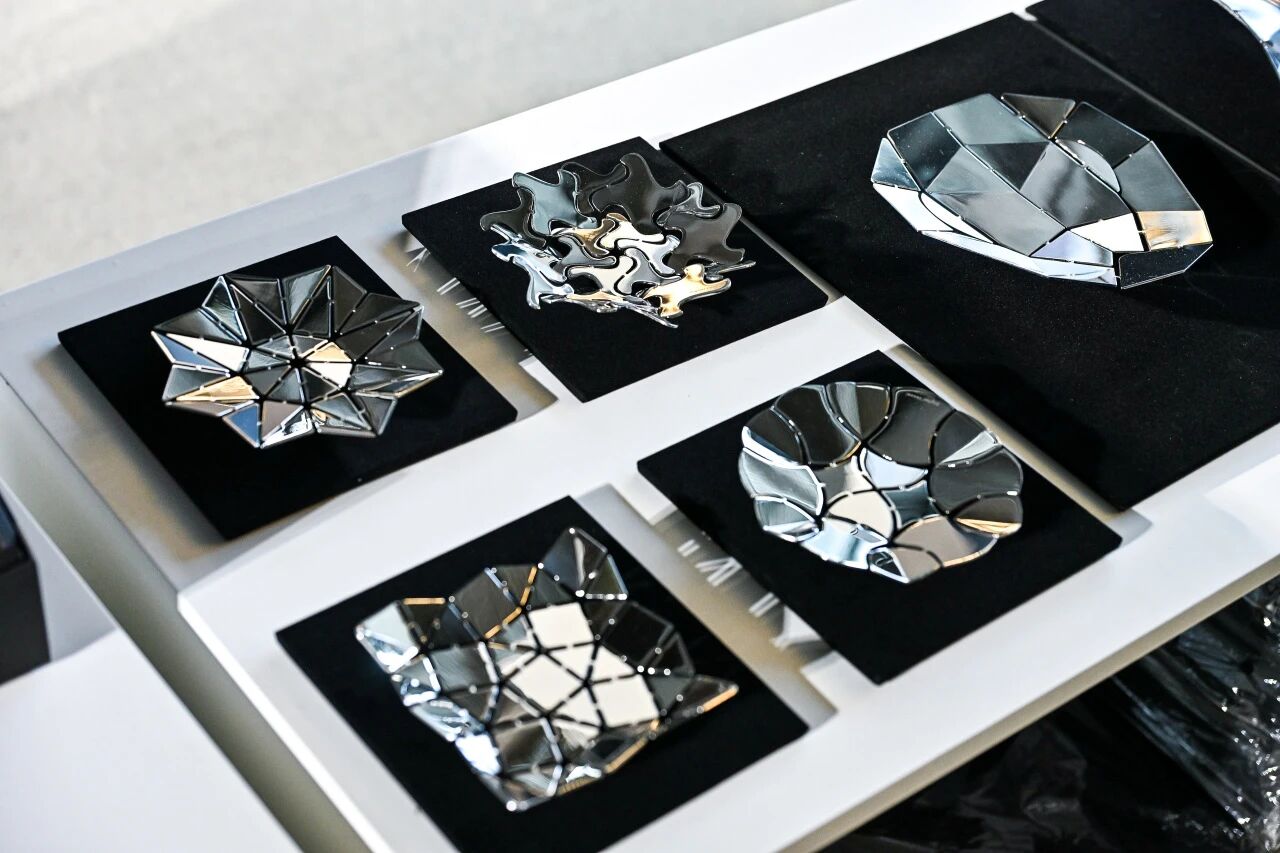
In Endless Form – Digital Art, Zhang Zhoujie transformed computational systems into a field of black geometric structures. The exhibition included the MeshRare 2026 titanium-alloy collection, whose futuristic forms were informed by the cinematic worlds of Stanley Kubrick.

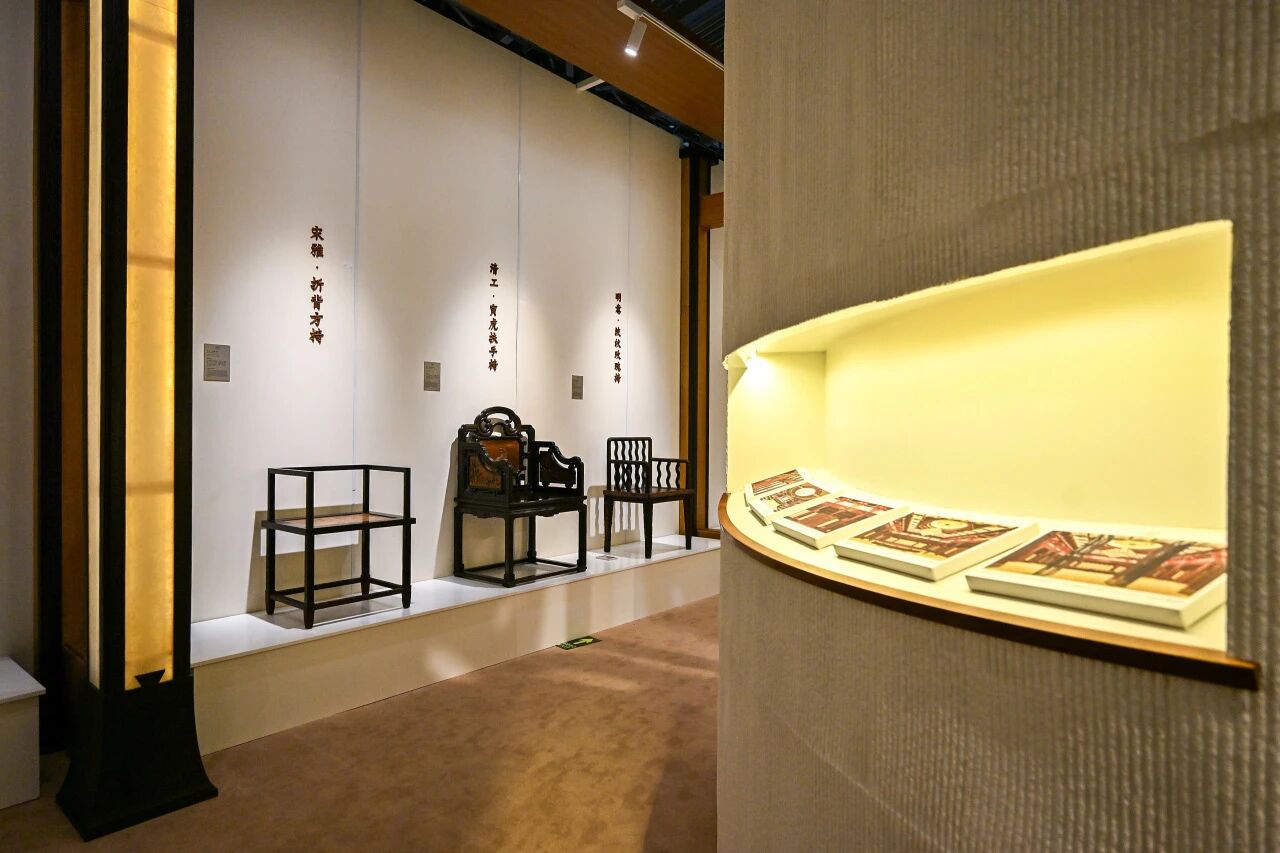
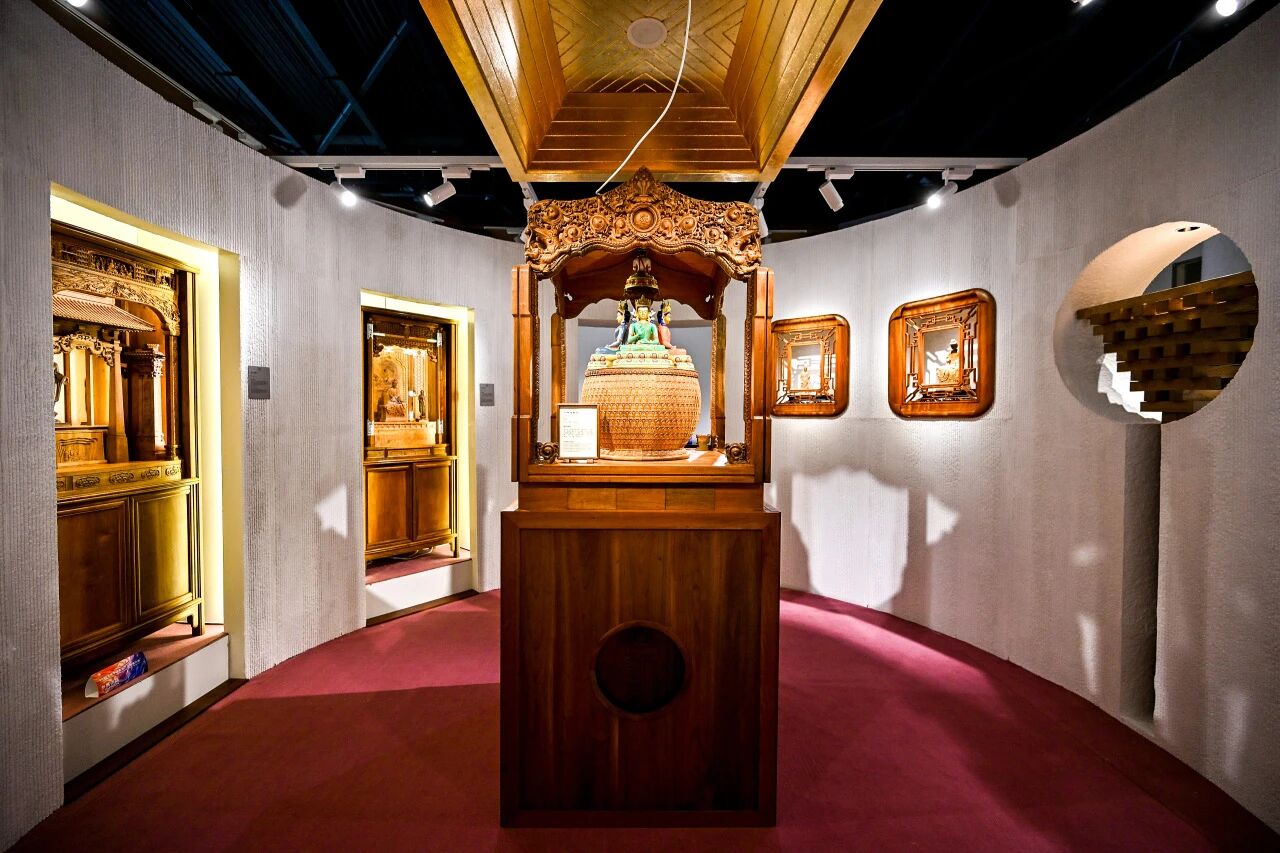
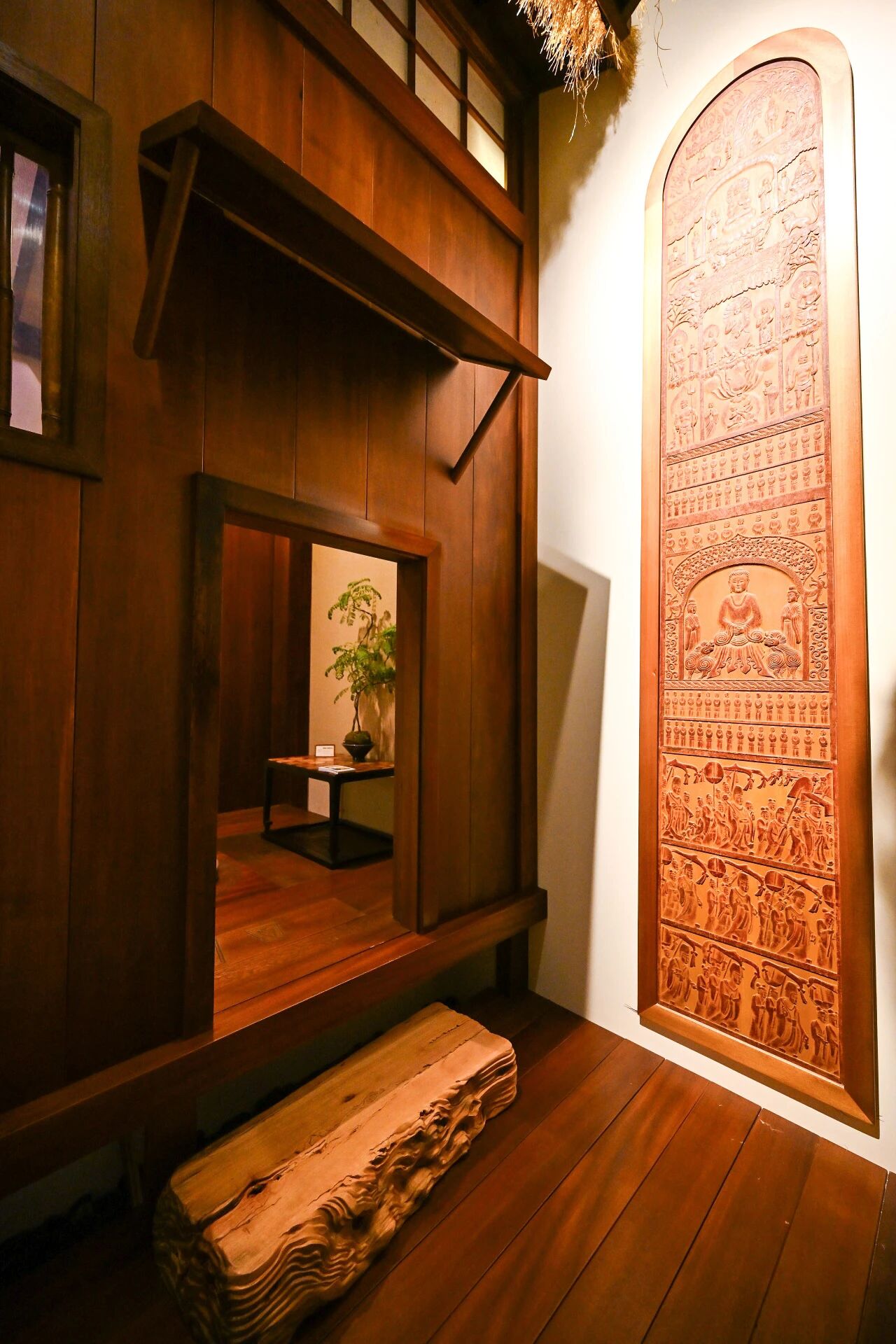
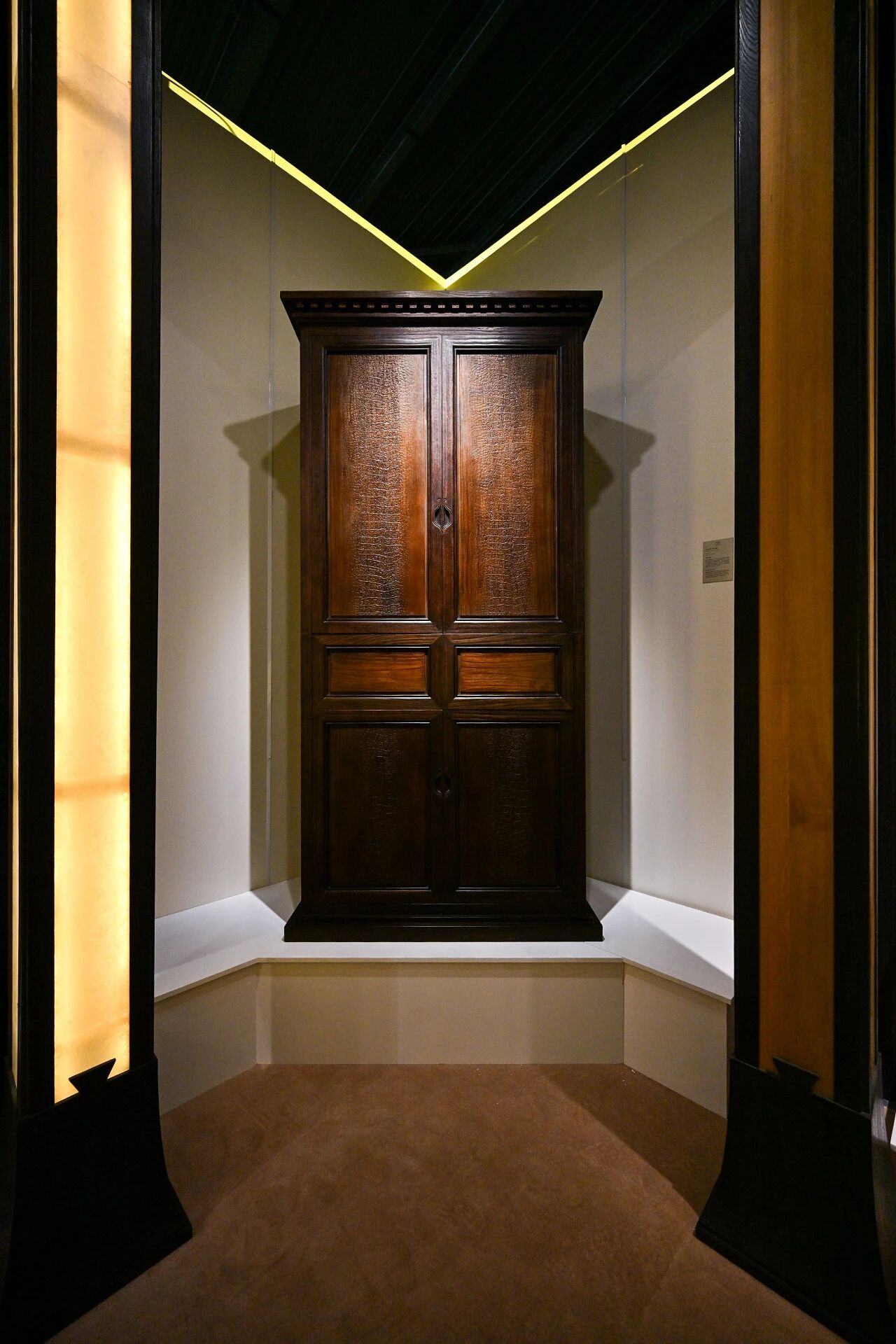
Furniture maker Zhuomujang looked instead to China’s timber architecture. Its installation was organised around the structural principle of “four beams and eight columns”, using furniture to interpret the construction logic of historic buildings. A contemporary luohan daybed, a Five Dynasties Chair linking forms from different periods, a trestle table informed by dougong bracket systems, and a bespoke Ming-style cabinet made with mortise-and-tenon joints collectively paid tribute to the precision of classical Chinese woodworking.
H4 Future Presence gives emerging practices room to experiment
H4 Future Presence focused on younger design practices and new forms of creative commerce.
Its principal installation, all in IP Pop Up – A Garden Beyond the Window, replaced the conventional product-led trade-show format with a network of collaborations centred on individual expertise.

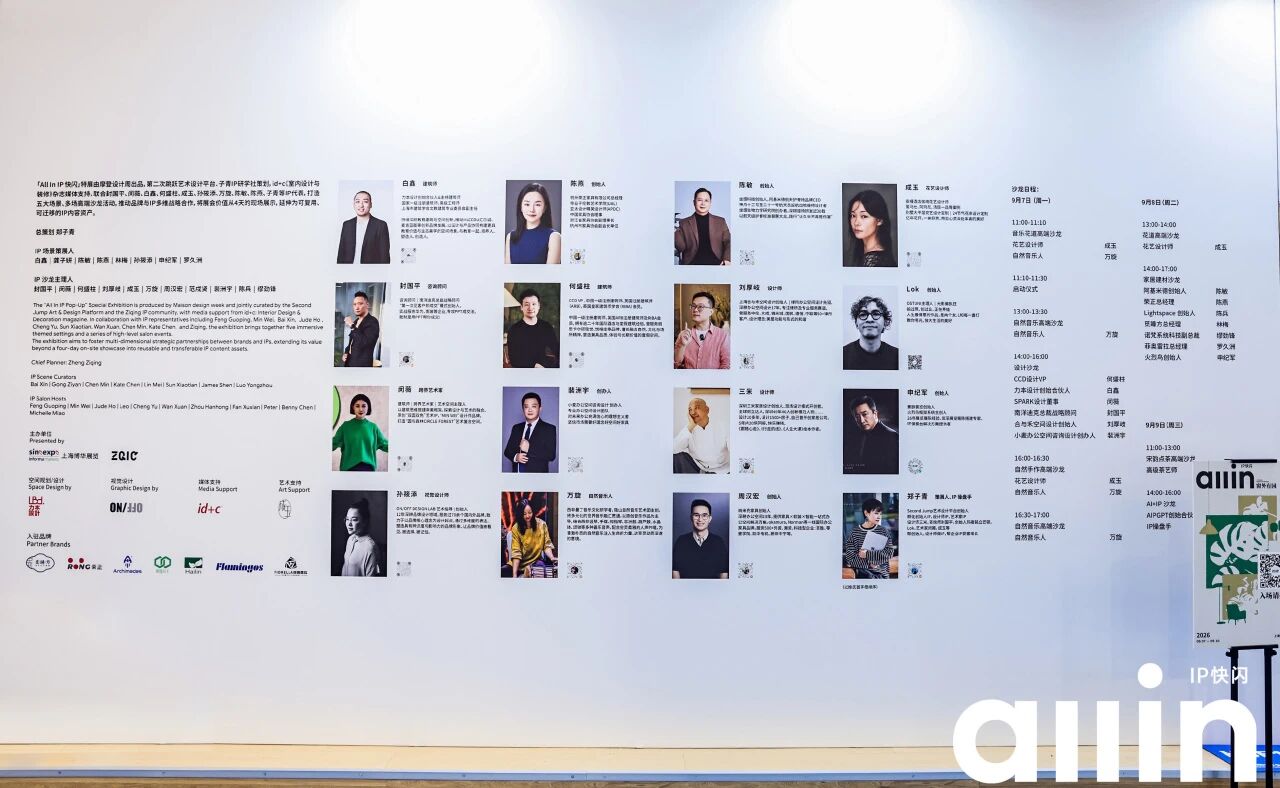
Brands and designers worked with artists, tea practitioners, traditional Chinese medicine specialists, florists and aerospace professionals, allowing products to emerge from shared narratives rather than stand-alone commercial displays.
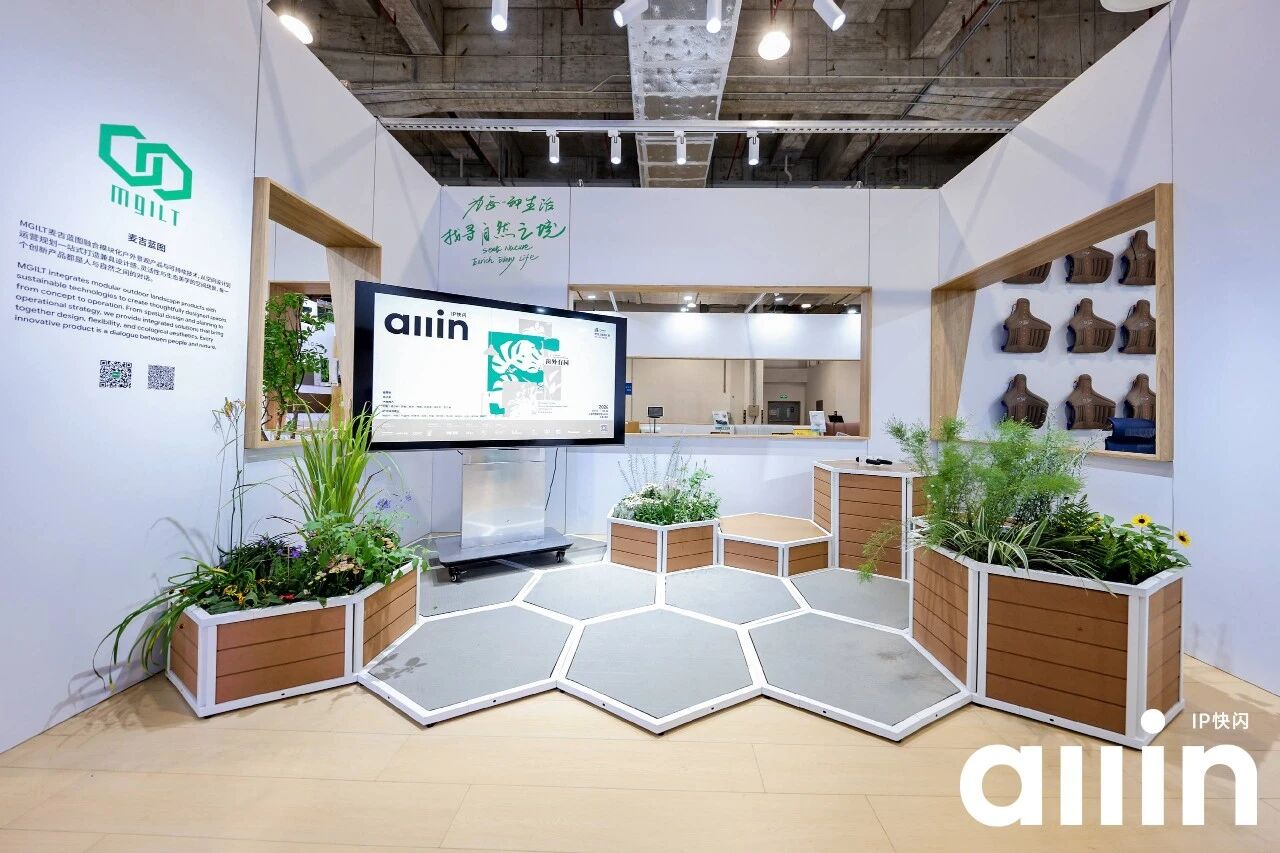
Urban Green Island brought together MGILT, a nature musician and designer-led intellectual properties to create a modular outdoor landscape. Seating, planting and sound transformed the installation into an urban retreat that could be heard, occupied and experienced through the body.
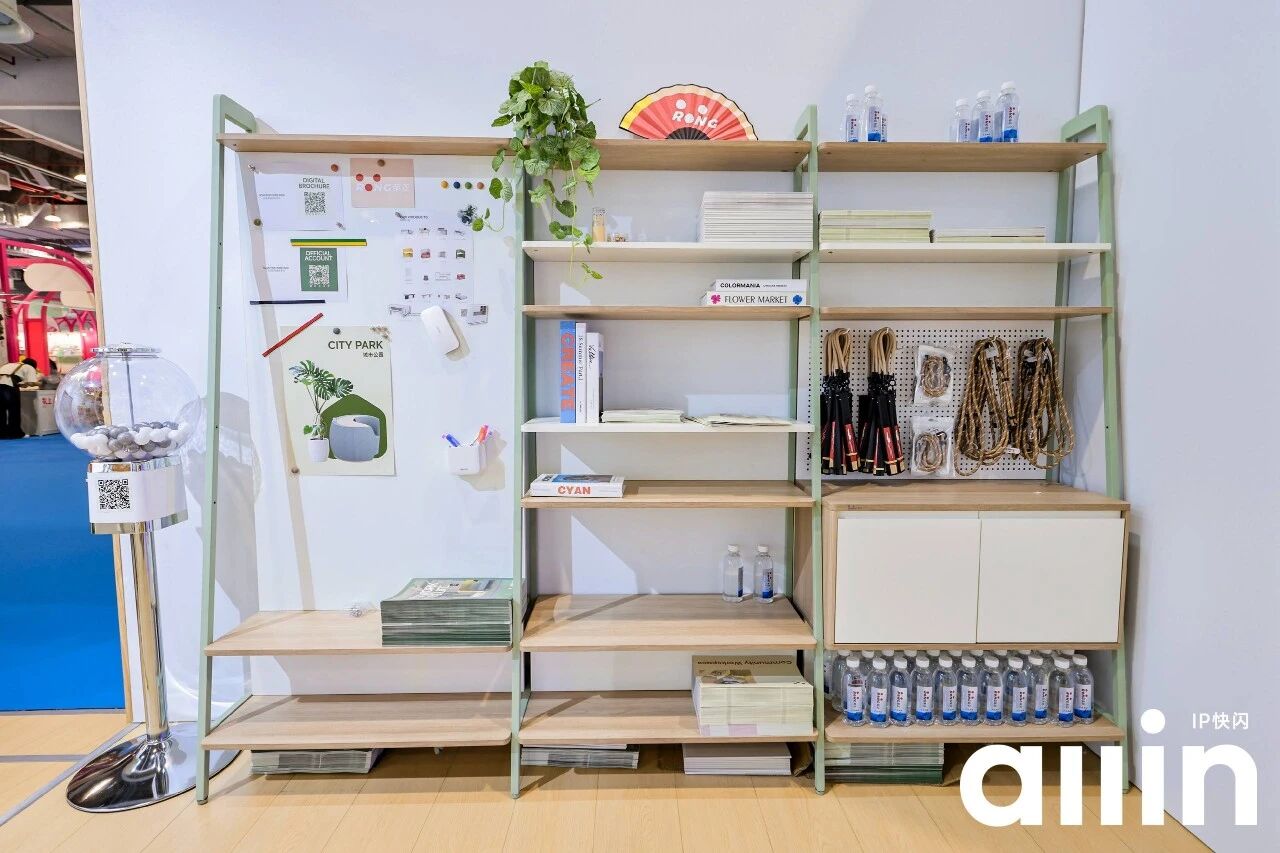
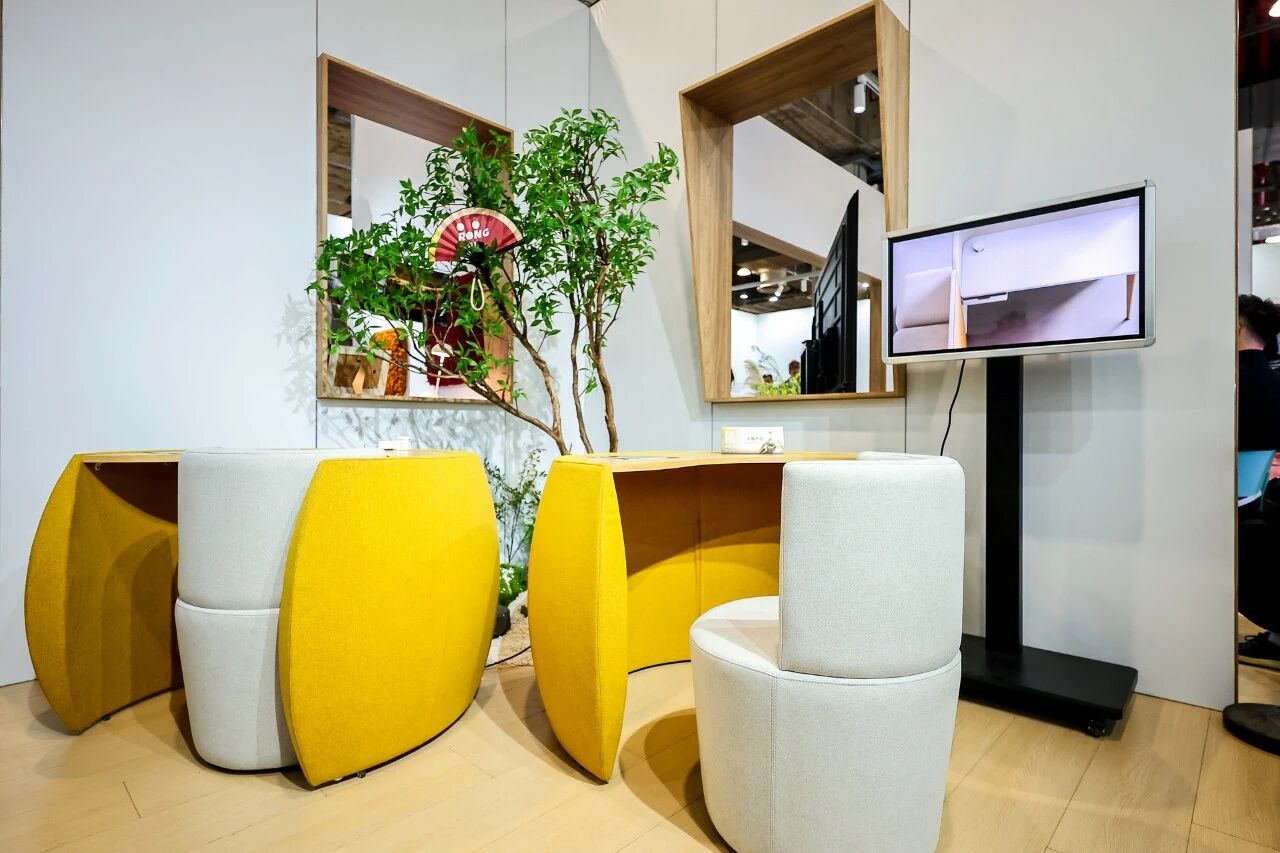
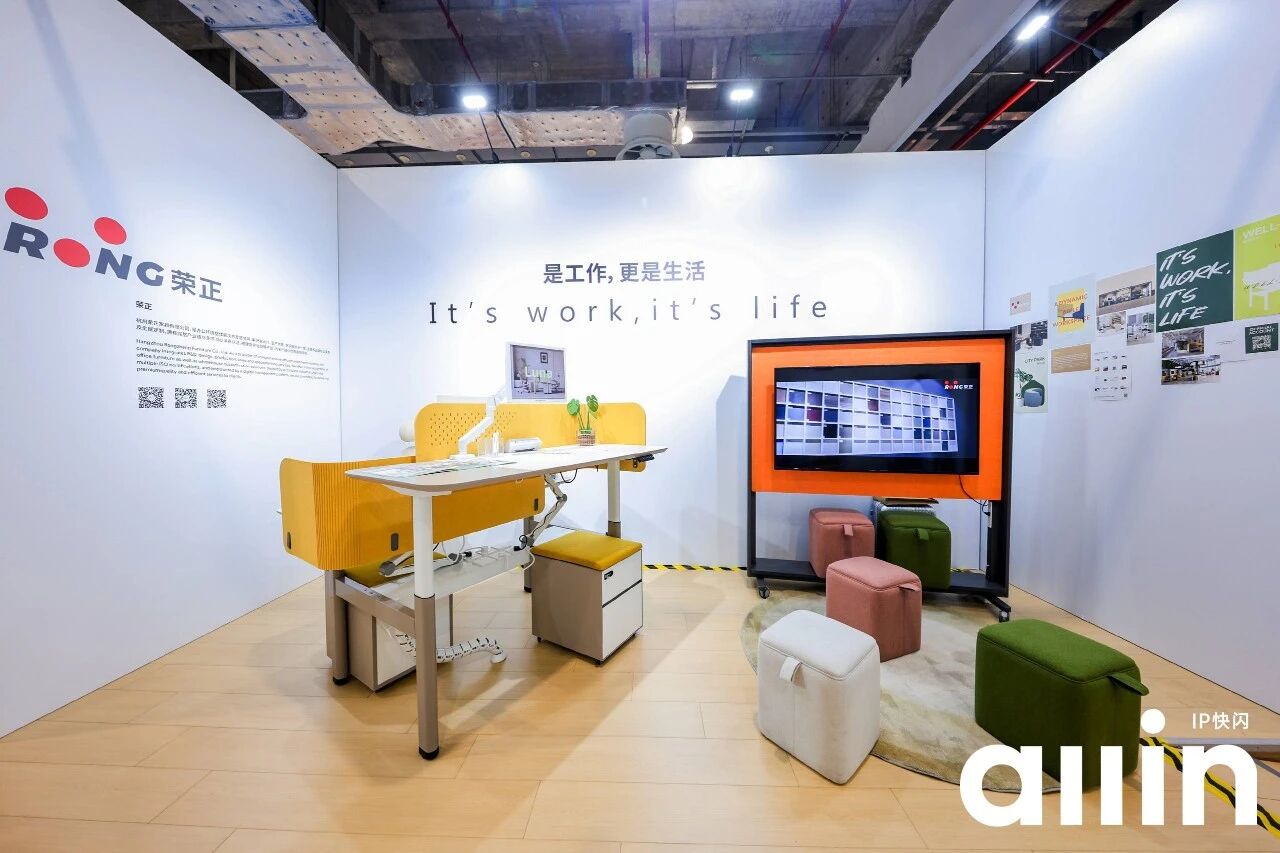
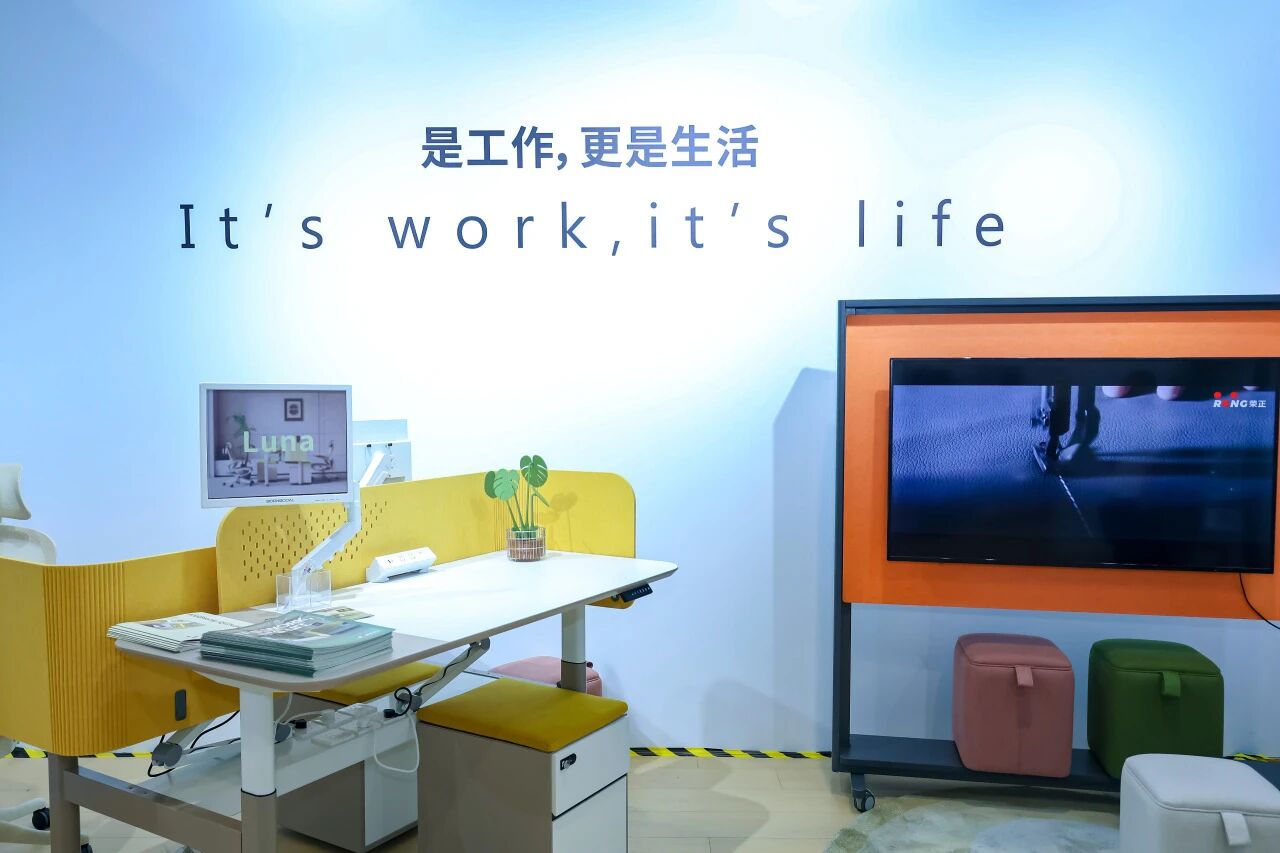
At Inspiration Academy, furniture brand RONG collaborated with a senior tea practitioner and its founder to reinterpret the workplace tea setting through the rituals and visual culture of Song-dynasty tea preparation.
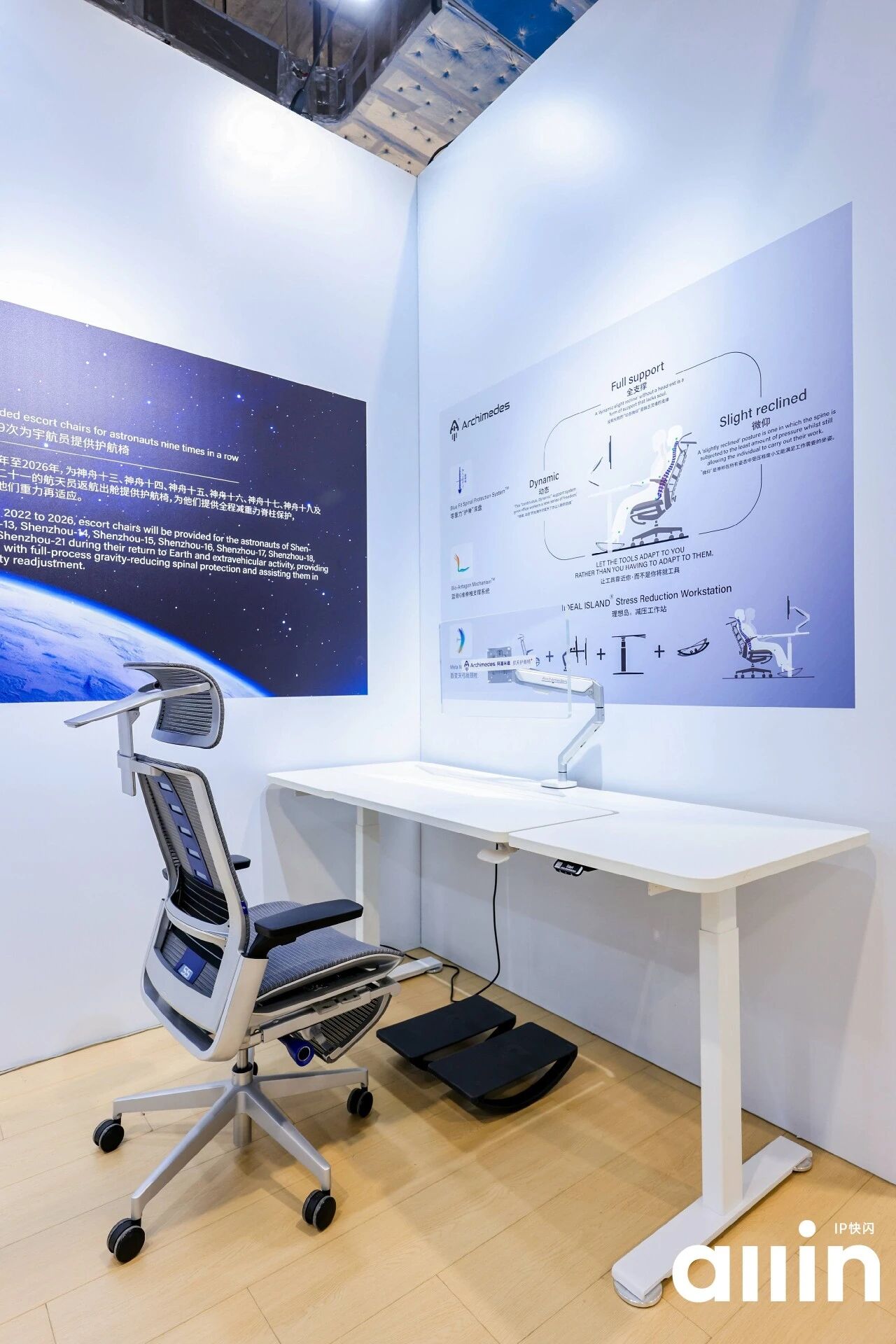
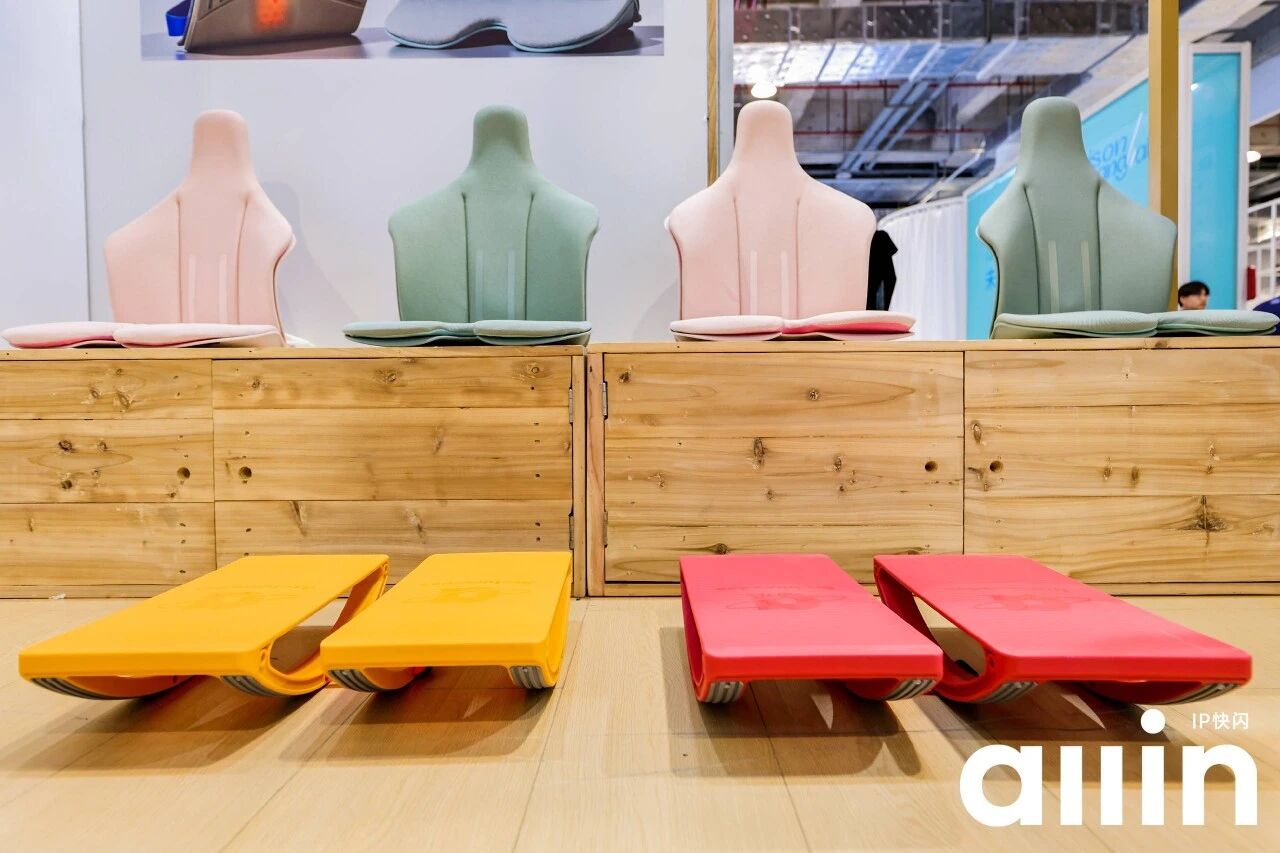
The Starry Workshop connected Archimedes with aerospace research. Dr Sit, a designer of seating for astronauts during extravehicular activities, adapted spinal-support principles developed for extreme environments into the Skywing lumbar support system for everyday use.
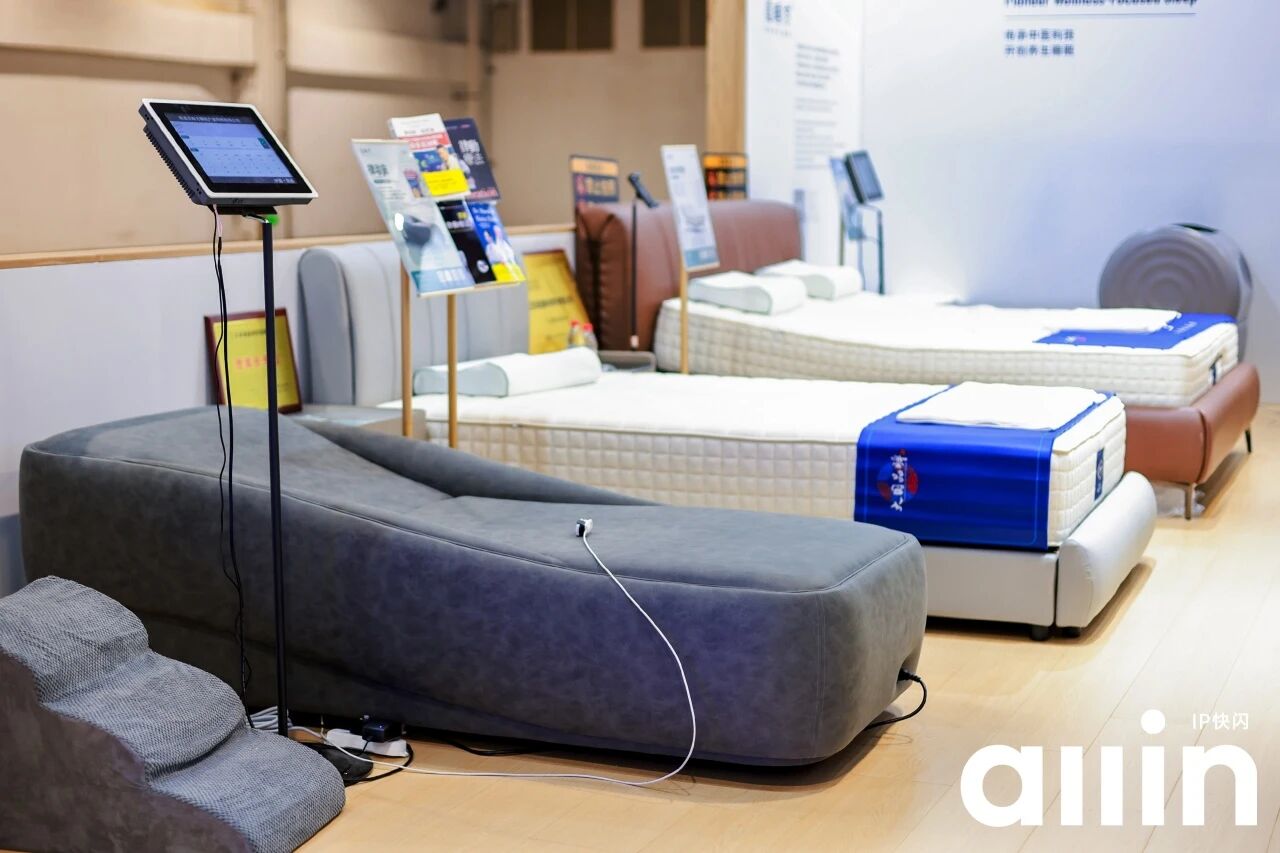
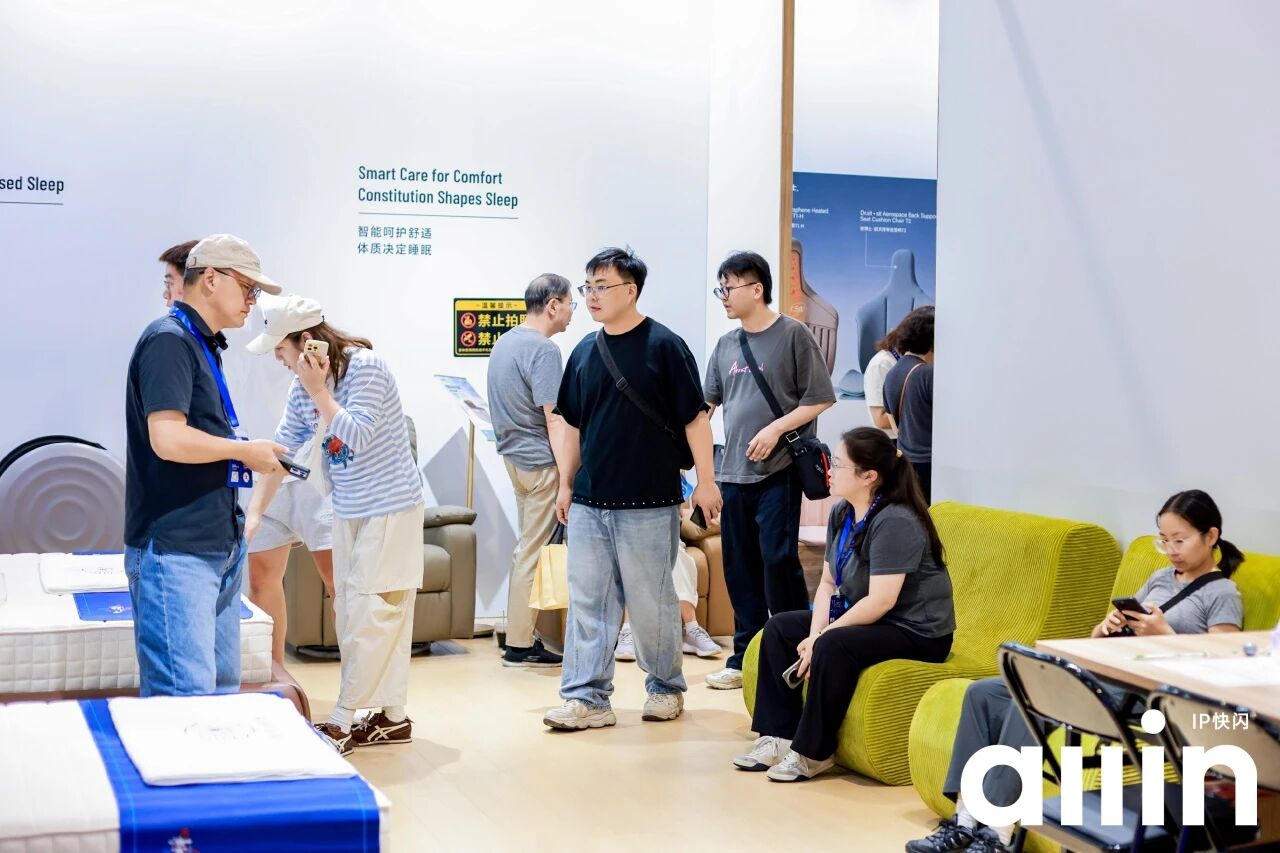
Quiet Sleep Retreat paired sleep brand Mishuifang with traditional Chinese medicine and nature-based therapeutic practices. Concepts such as balancing yin and yang and calming the mind were translated into a contemporary sleep system supported by patented technology and data feedback.

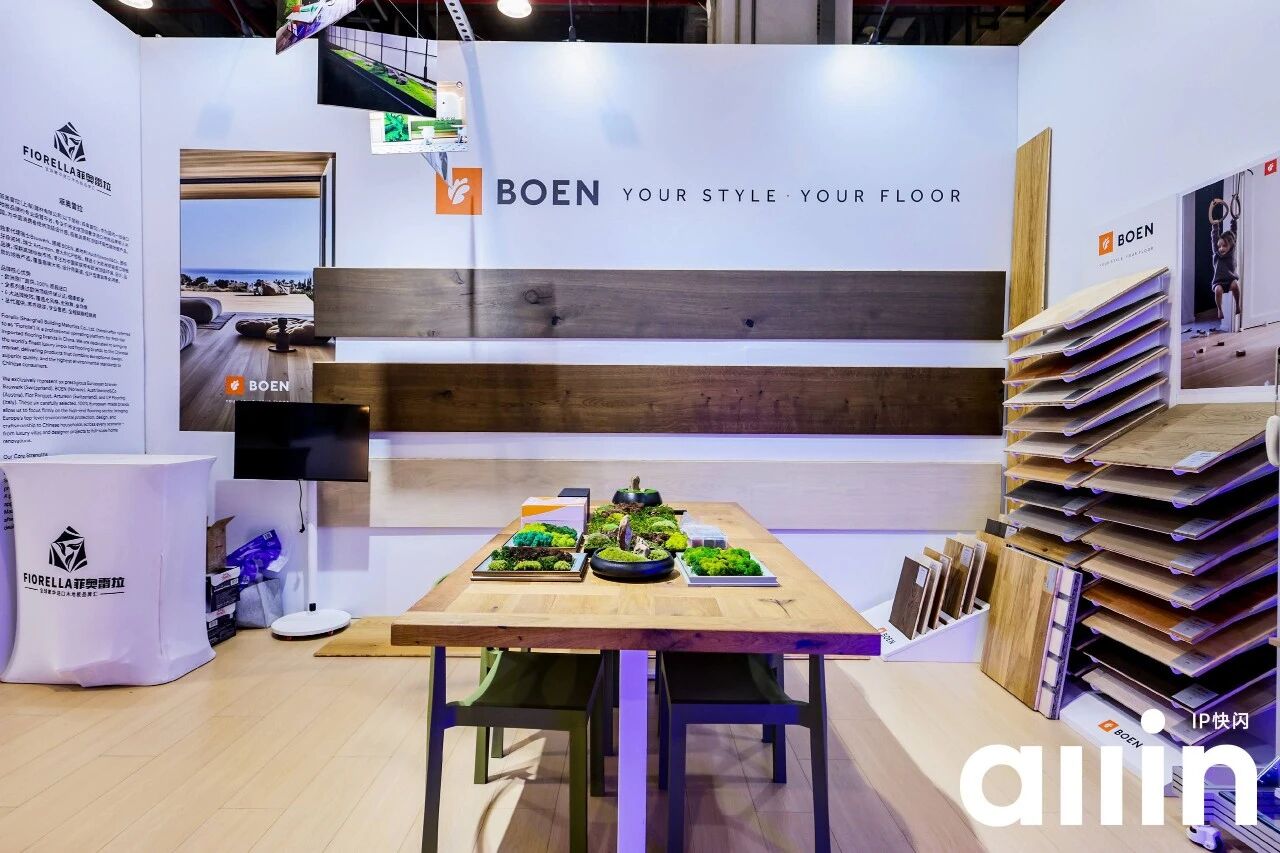
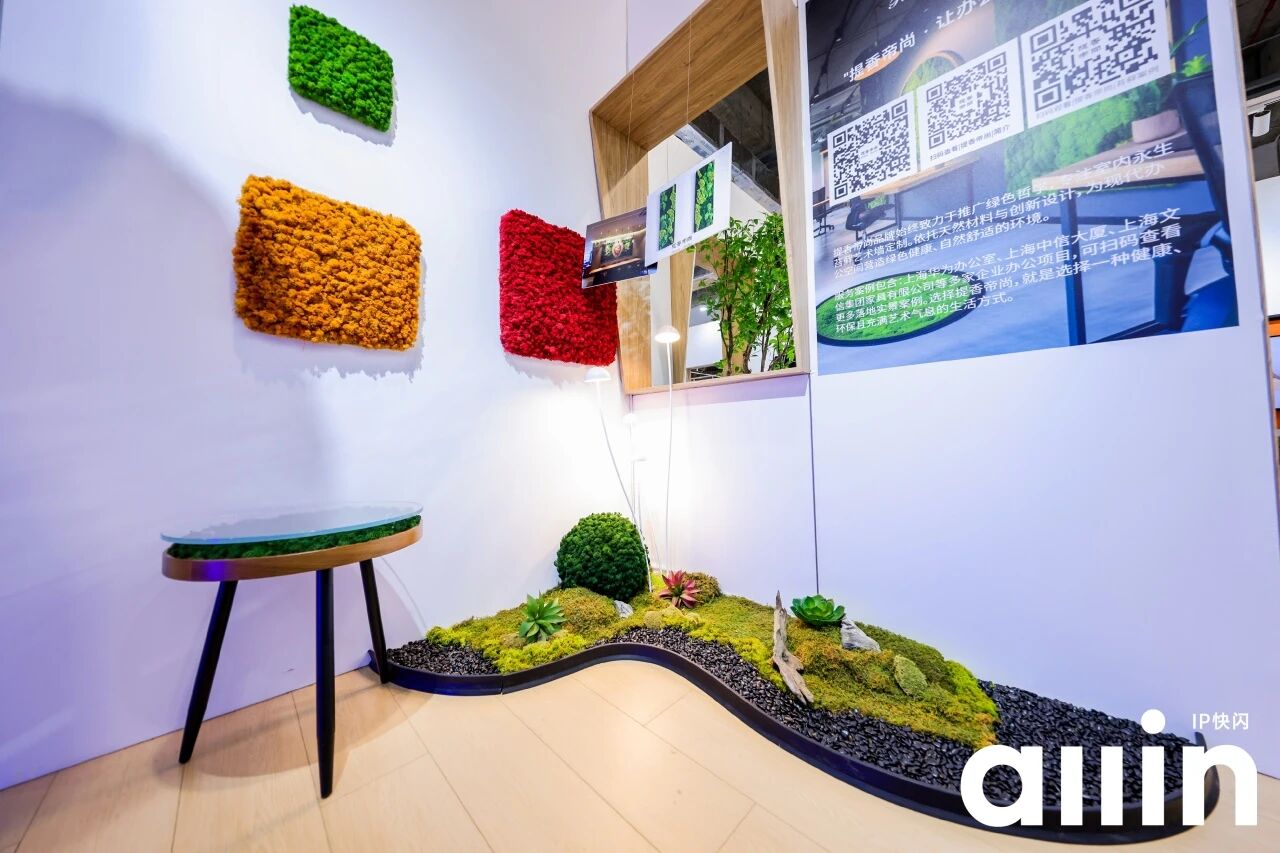
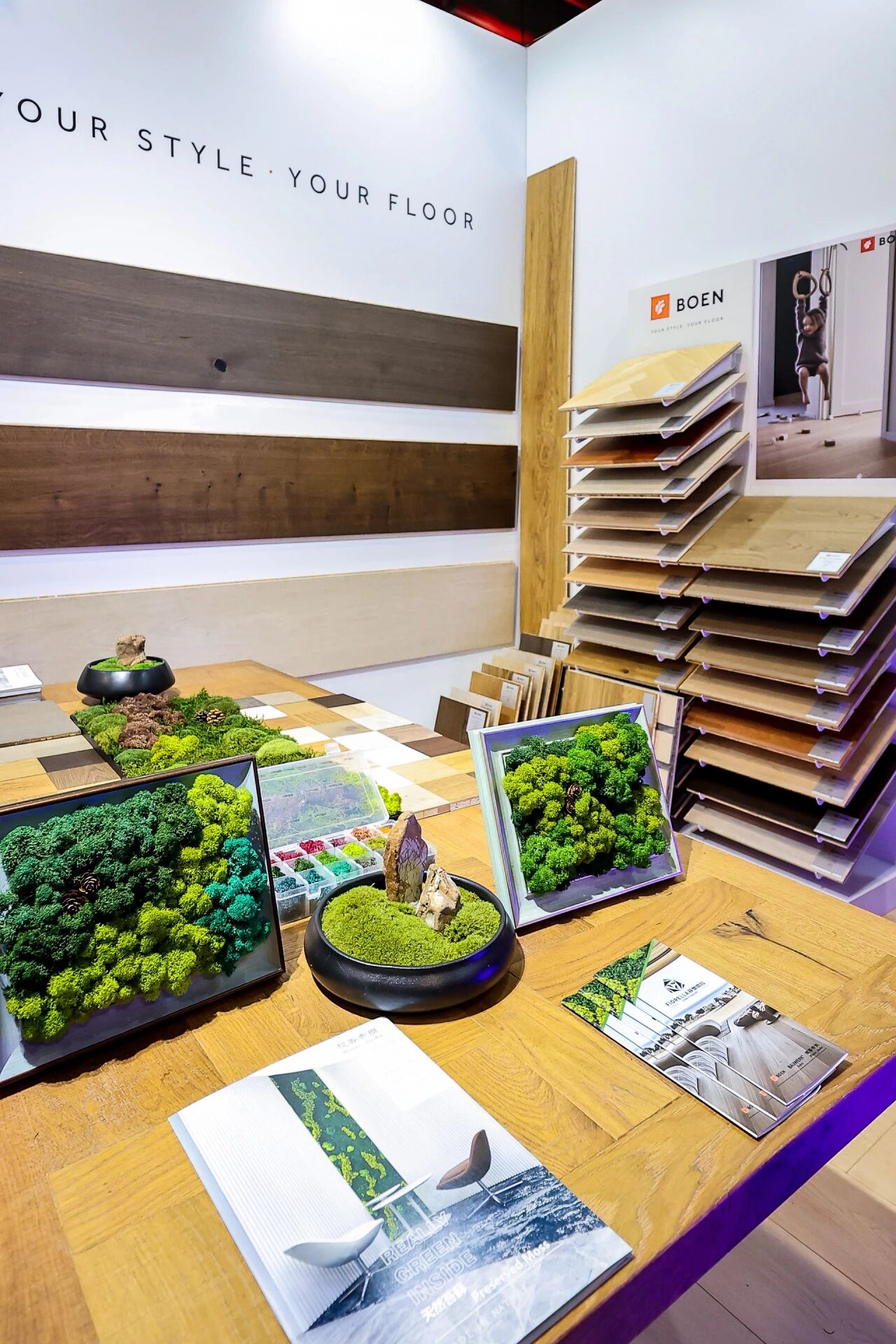
Livestream Workshop explored how online retail environments might acquire stronger spatial identities. FIORELLA flooring, preserved moss and floral installations introduced natural materials and hand-crafted elements into a set designed for digital broadcasting.
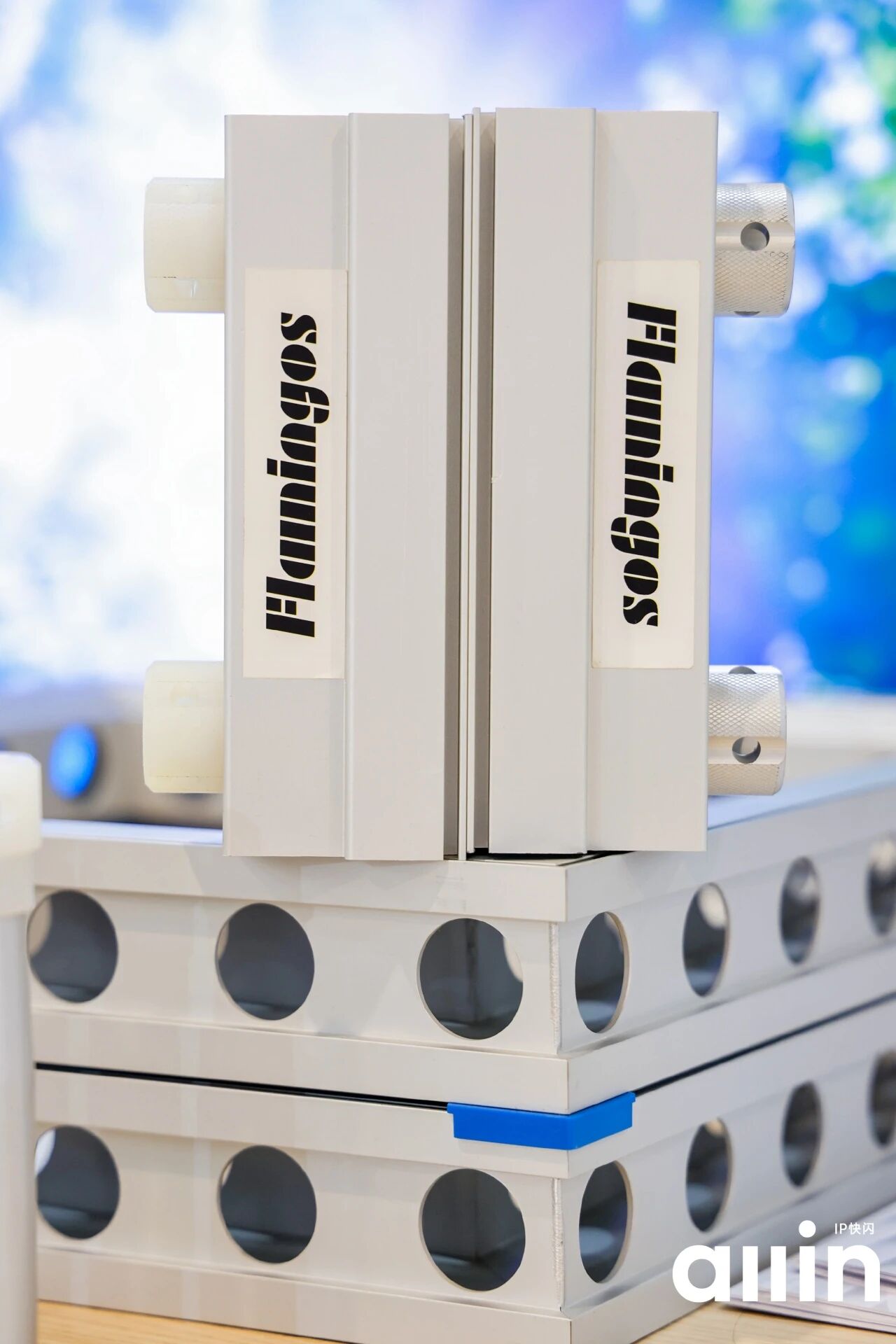
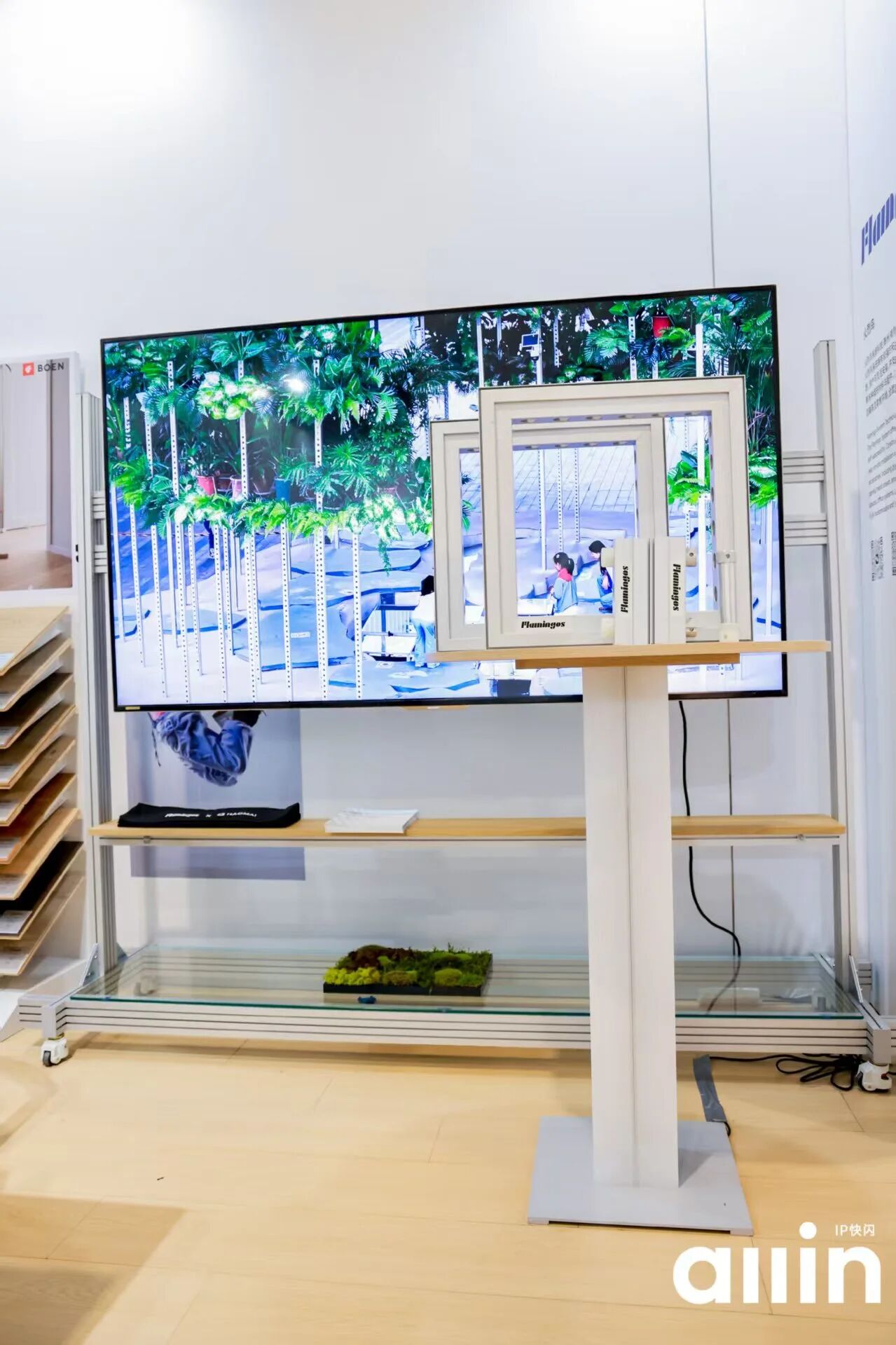
A parallel collaboration involving FLAMINGOS brought the environmental framework normally concealed behind interior finishes into view. Structural junctions, proportions and material connections became part of the aesthetic language, turning the framework into an integrated system for more sustainable commercial interiors.
Furniture becomes a narrative for temporary living
The RE.d7 contemporary design exhibition ‘Yu Garden’ addressed another increasingly prominent condition: living between places.
Titled Fluid Dwelling – Furniture Narratives of Nomadic Living, the exhibition followed the concept of “one day’s journey through seven spatial moments”. Visitors moved from the dawn setting of Encounter · Return to the evening atmosphere of Encounter · Resonance.
Work by Luca Rizzi Brignoli, Dong Xuelian, Atelier Sūn, Twelve Hours Slow and Opal Furniture was arranged as a continuous narrative rather than a series of individual stands.
Furniture and accessories designed for high-end homestays, boutique hotels and private residences explored how temporary accommodation can retain a sense of intimacy, cultural identity and spatial continuity.
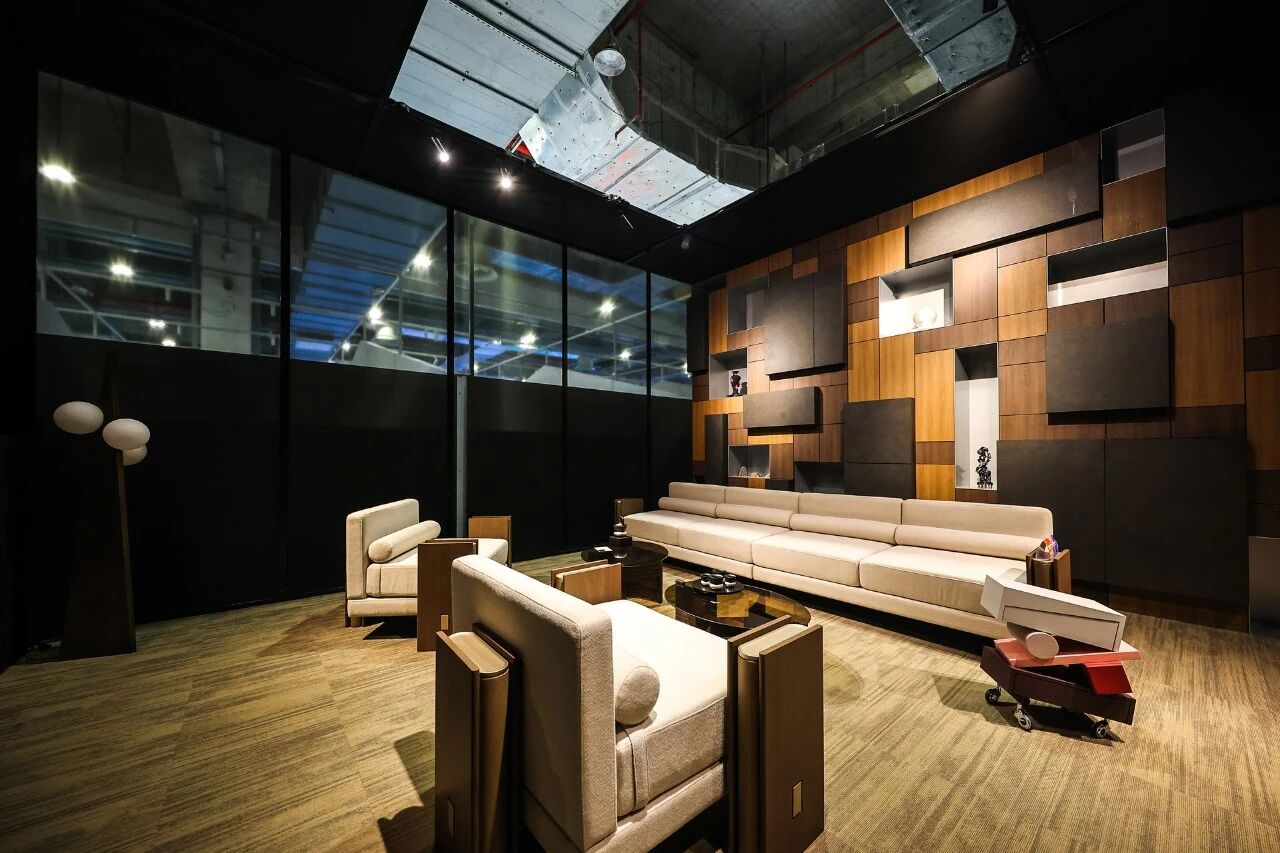
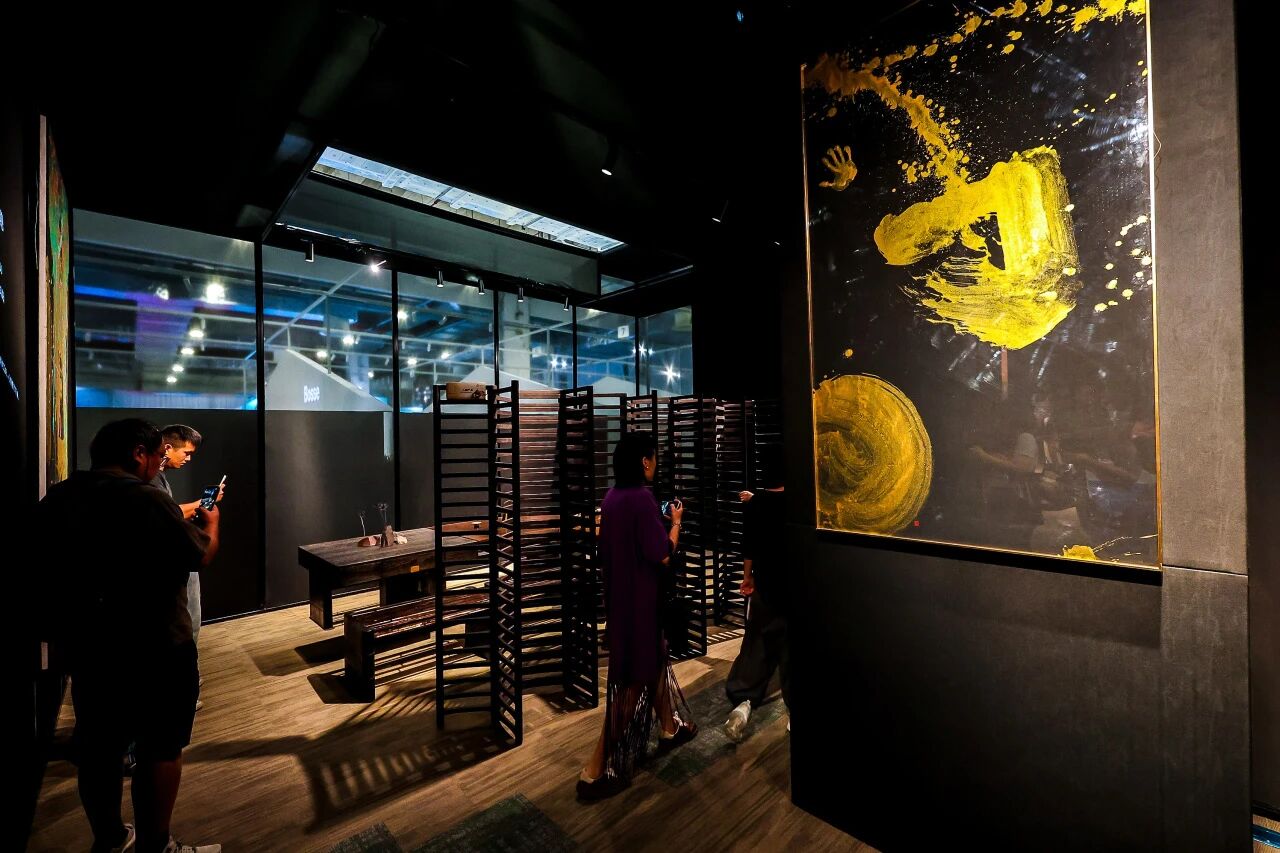
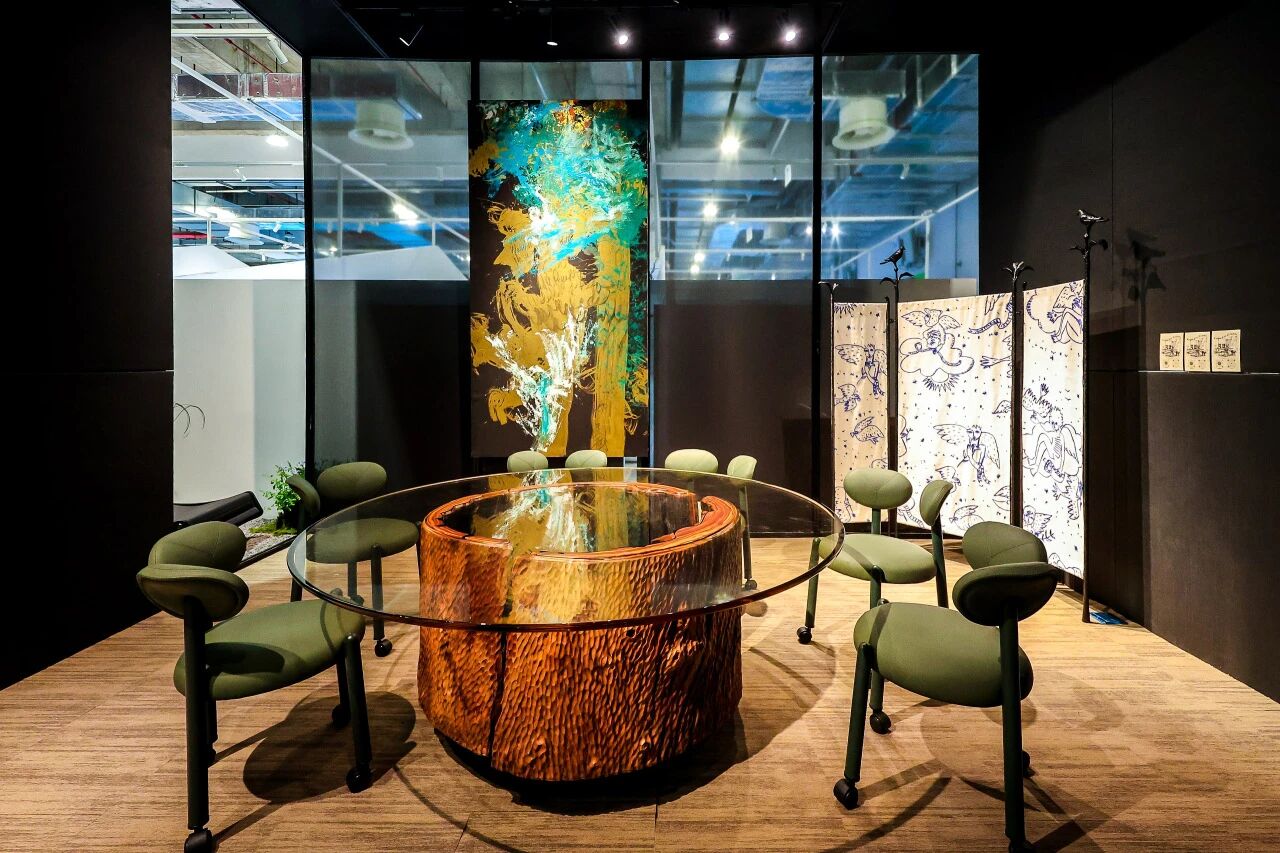
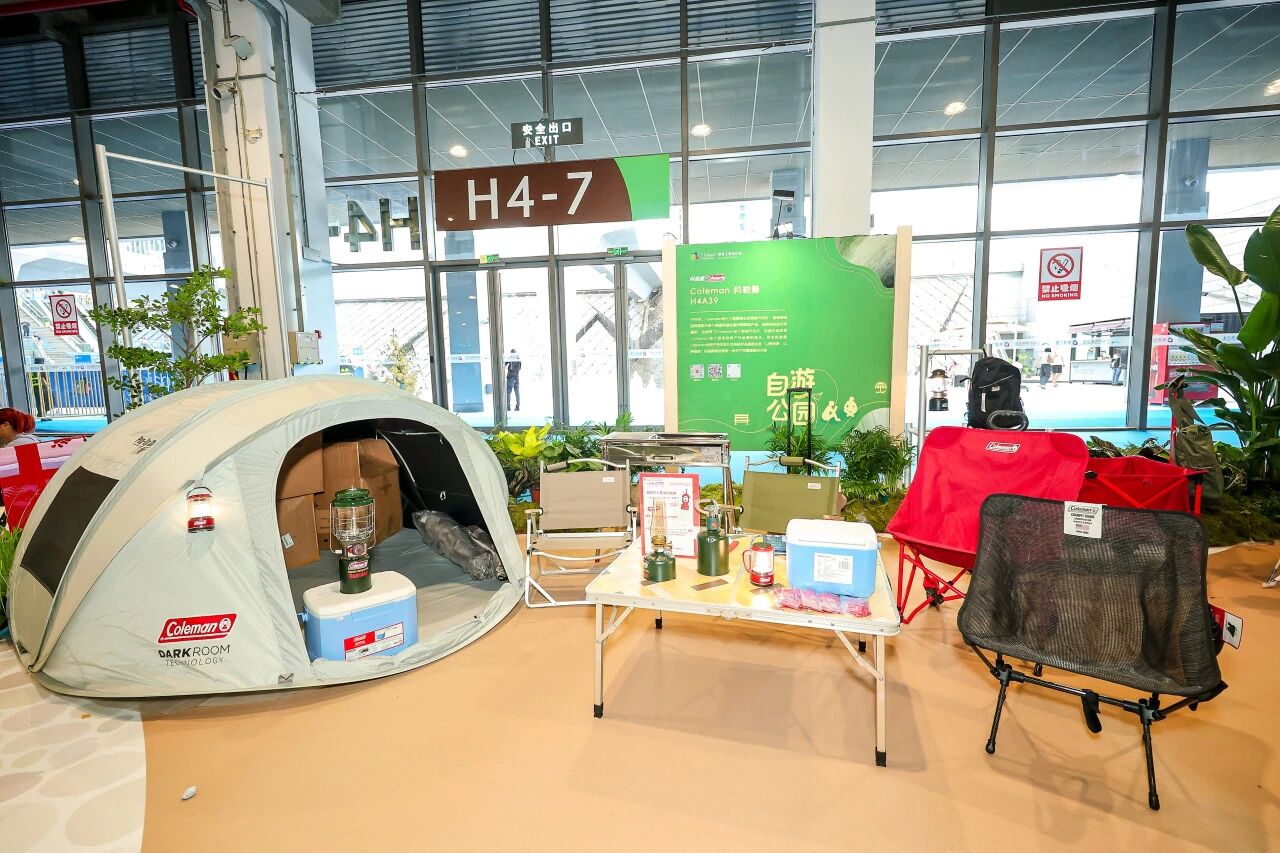
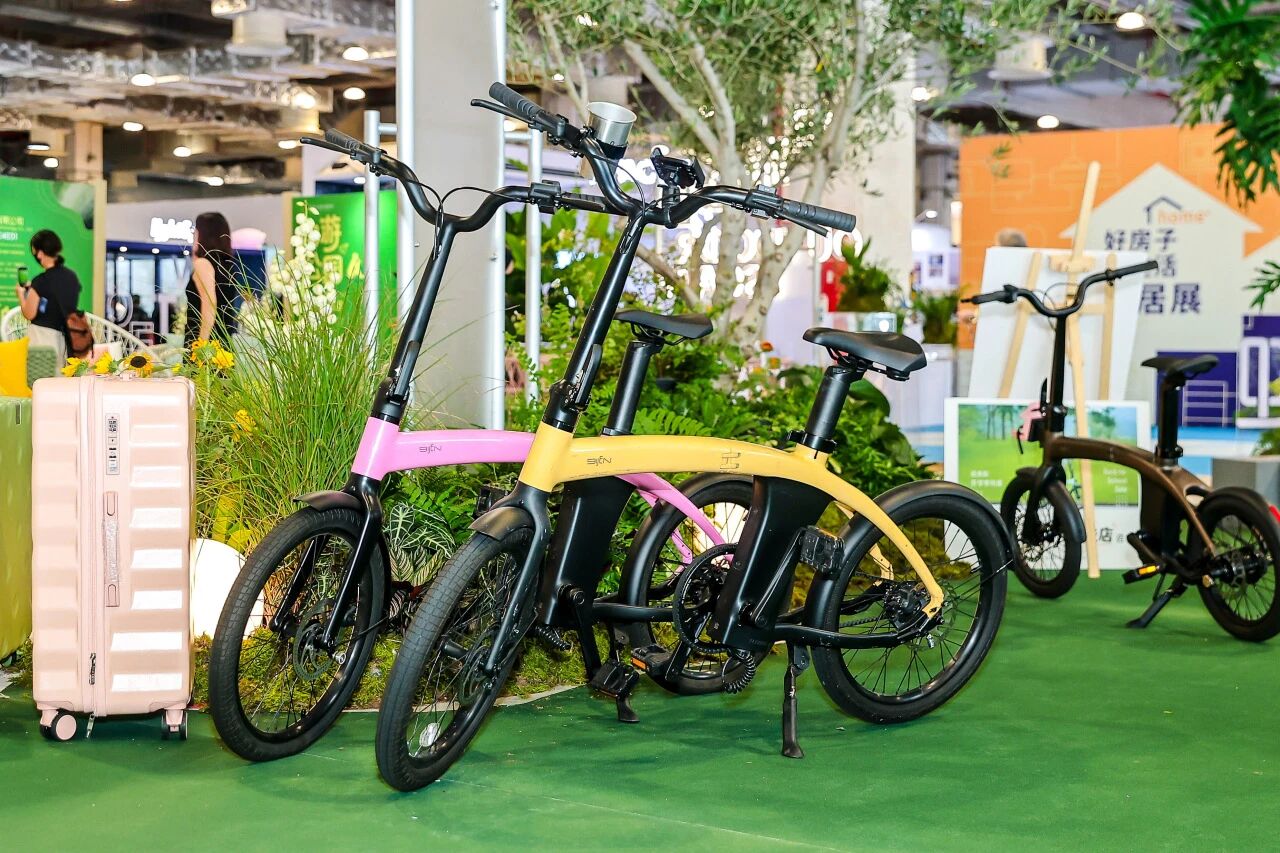
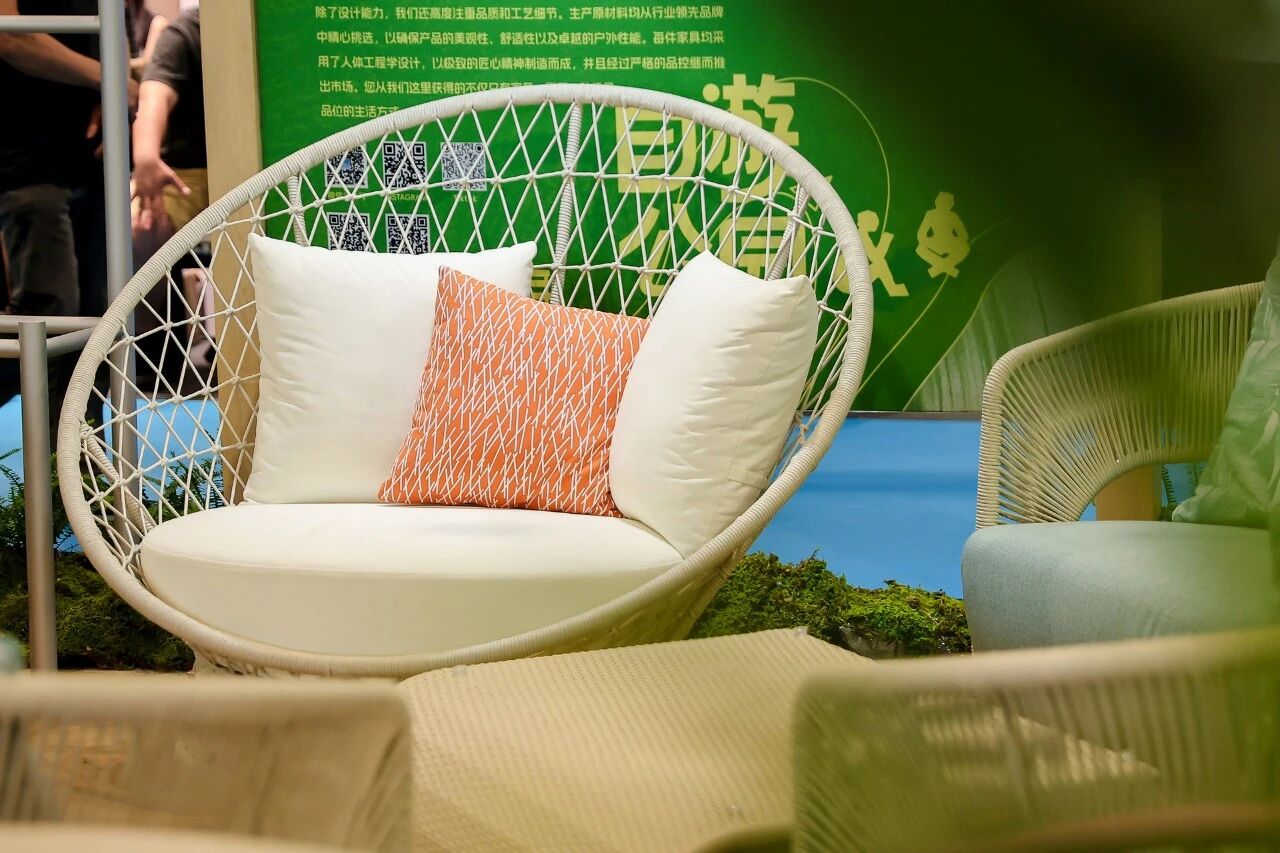
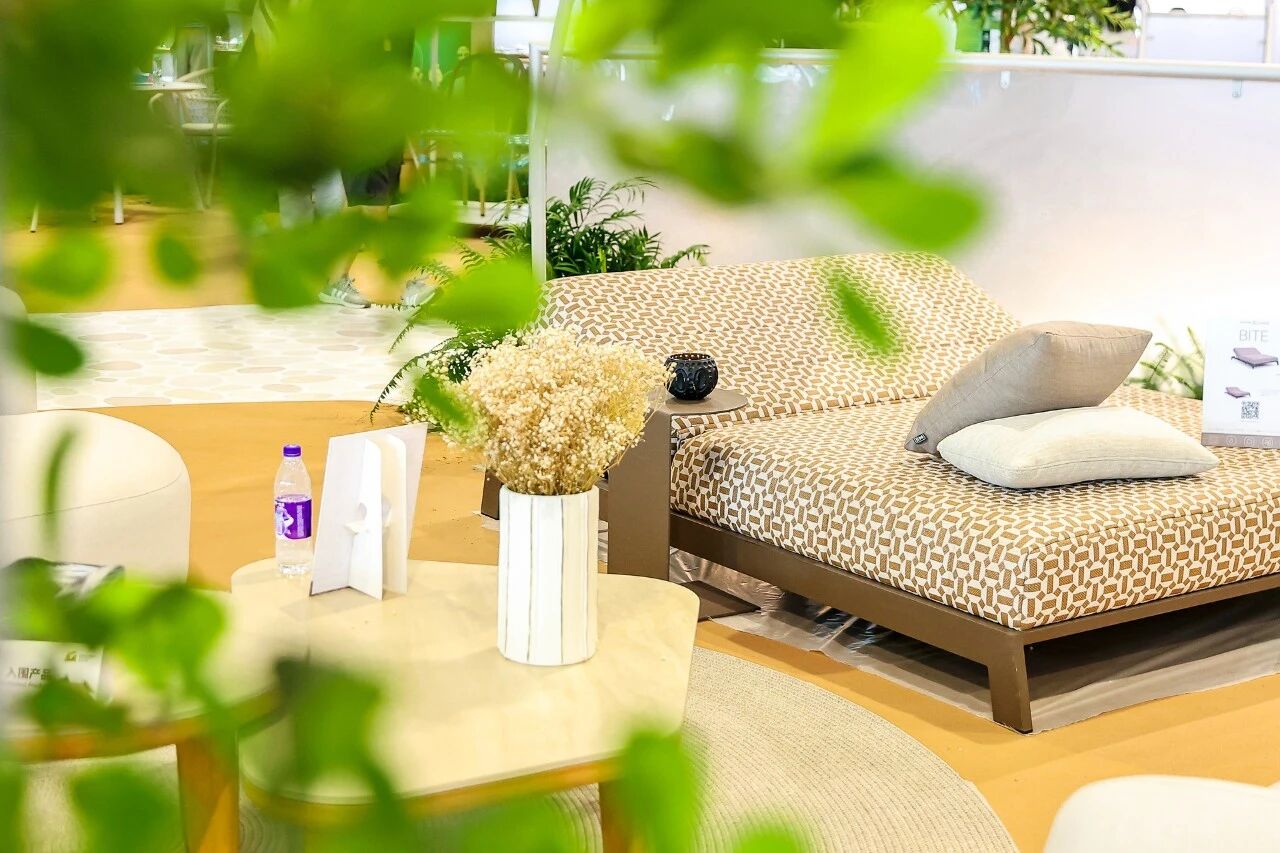
The Outdoor Escape exhibition took a more theatrical approach to life beyond the interior. Its three-part sequence offered a contemporary interpretation of the Chinese dramatic work The Peony Pavilion and its dreamlike garden encounter.
The journey began with First Encounter at the Green Heart, continued through a landscape of outdoor furniture in Strolling Through the Garden and concluded with participatory encounters in Theatre of Echoes.
For urban residents accustomed to the density of the city, the installation proposed outdoor space as a setting for spontaneity, sensory engagement and a less regulated pace of life.

Watch the video:
