






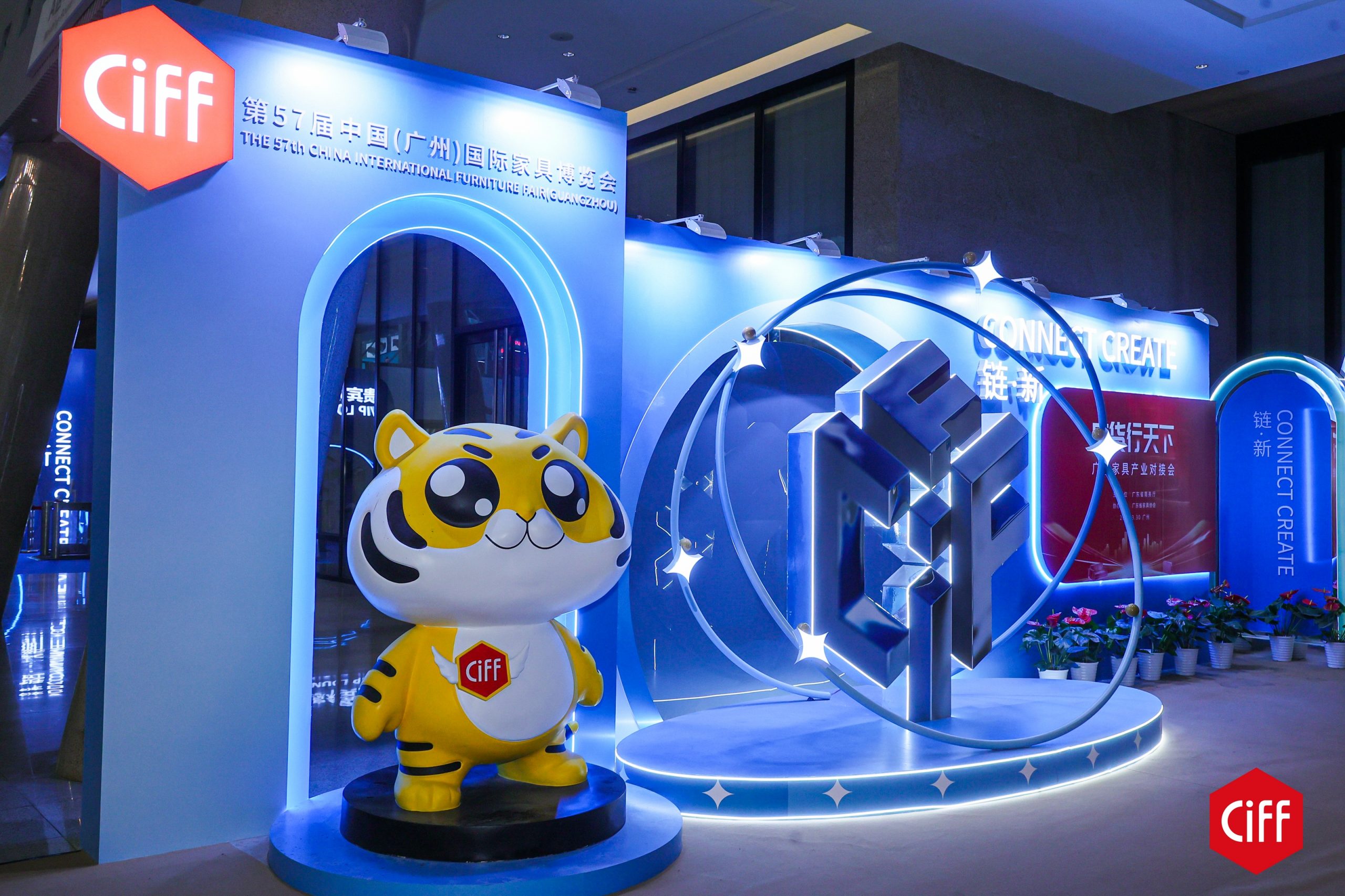
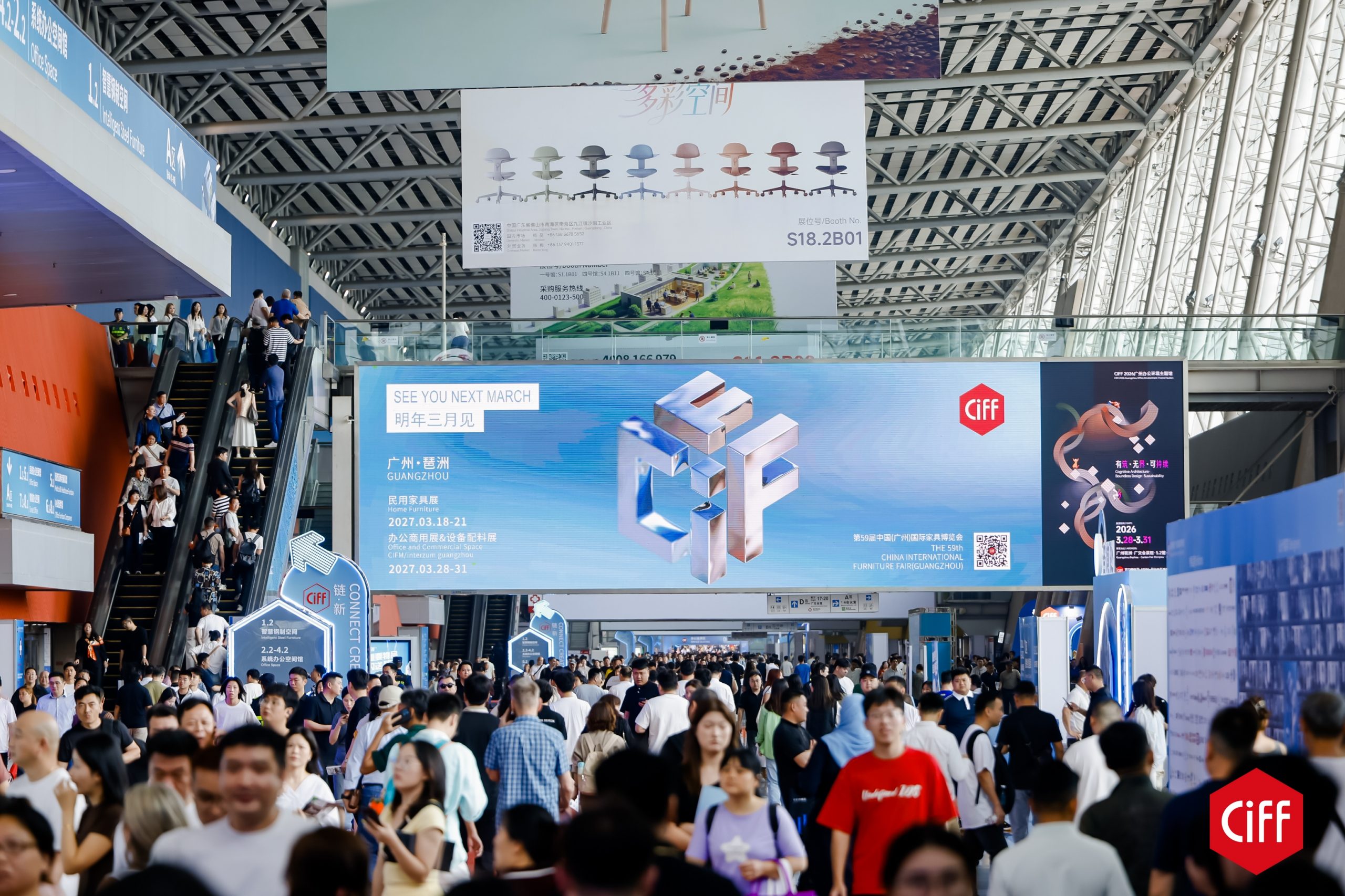
The 2026 edition of CIFF Guangzhou occupied 90 exhibition halls across two phases, covering a total exhibition area of 850,000 square metres and bringing together more than 5,100 brands, setting a new record for the fair. Each year, brands, manufacturers, designers, material suppliers and buyers from around the world gather in Guangzhou, making the fair an important annual meeting point for the furniture and design industry.
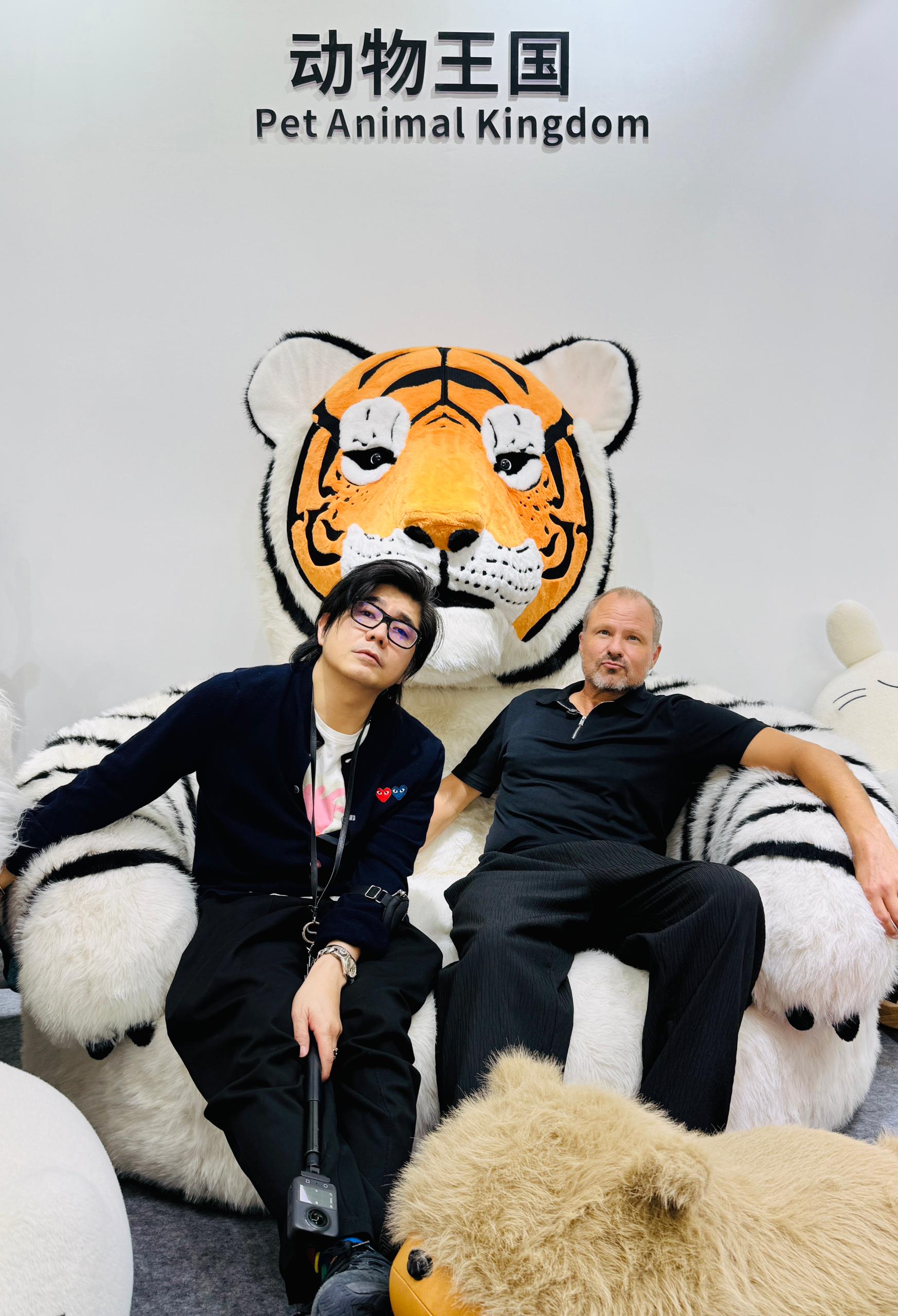
This year, CreativeHomex publisher and designer iko iN invited Beijing Olympics Water Cube architect Chris Bosse to visit the fair together. Unlike general visitors, designers and architects tend to view exhibitions not through individual products, but through materials, structure, scale and spatial application – understanding how products might be used in architecture and interior spaces.

In the smart sleep and functional seating sections, the boundary between furniture and technology appeared increasingly blurred. The SleepOne AI mattress demonstrated how biometric data such as heart rate and breathing could be monitored without wearable devices, while algorithms adjusted support in real time according to body movement. After trying the mattress, Bosse described it as “a mattress that can read your dreams”, noting how it responded to posture and body conditions automatically.
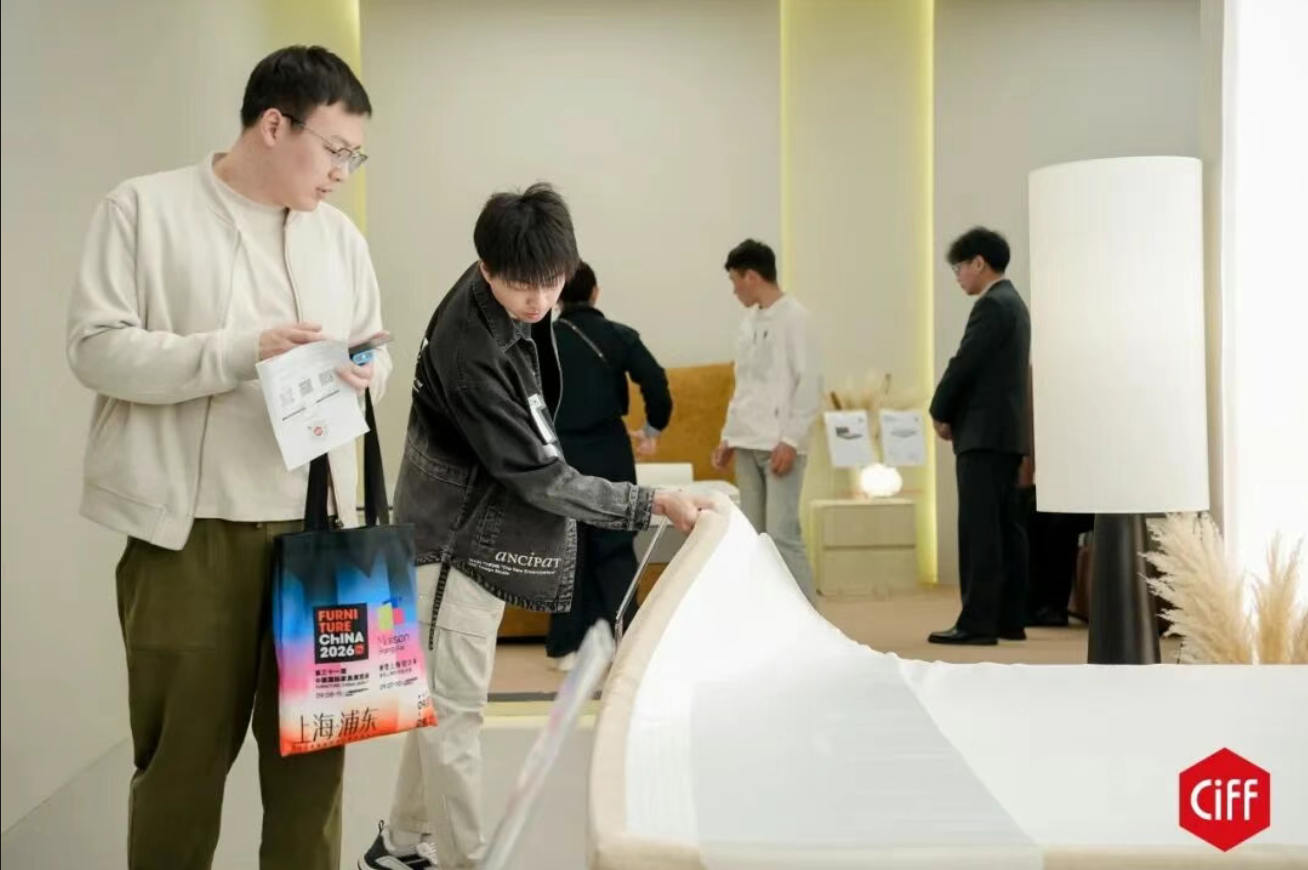
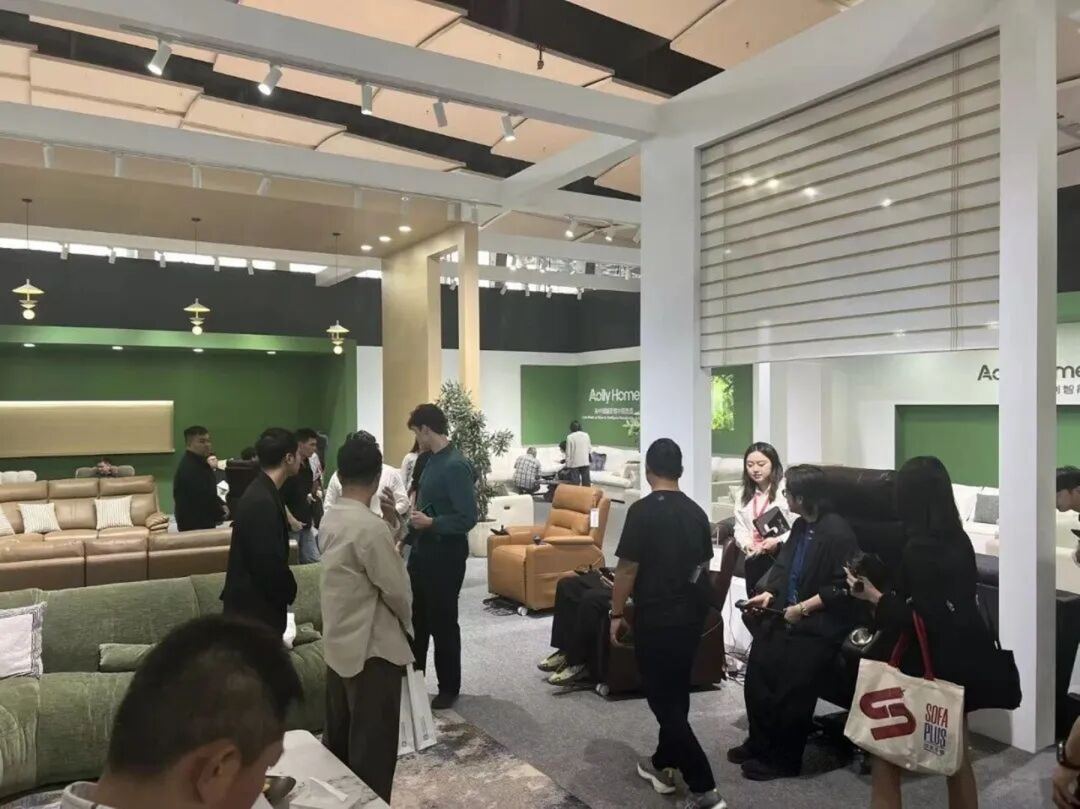
In contrast to data-driven smart mattresses, Makonzy explored the relationship between traditional materials and contemporary lifestyles. Inspired by Chinese linen weaving culture, the brand transformed natural fibres into products aligned with modern lifestyle scenarios such as zero-gravity resting and yoga modes. Meanwhile, Aolly Home’s mobility chair for elderly users drew attention for addressing ageing society needs through technology, enabling users to stand, move and sit independently.
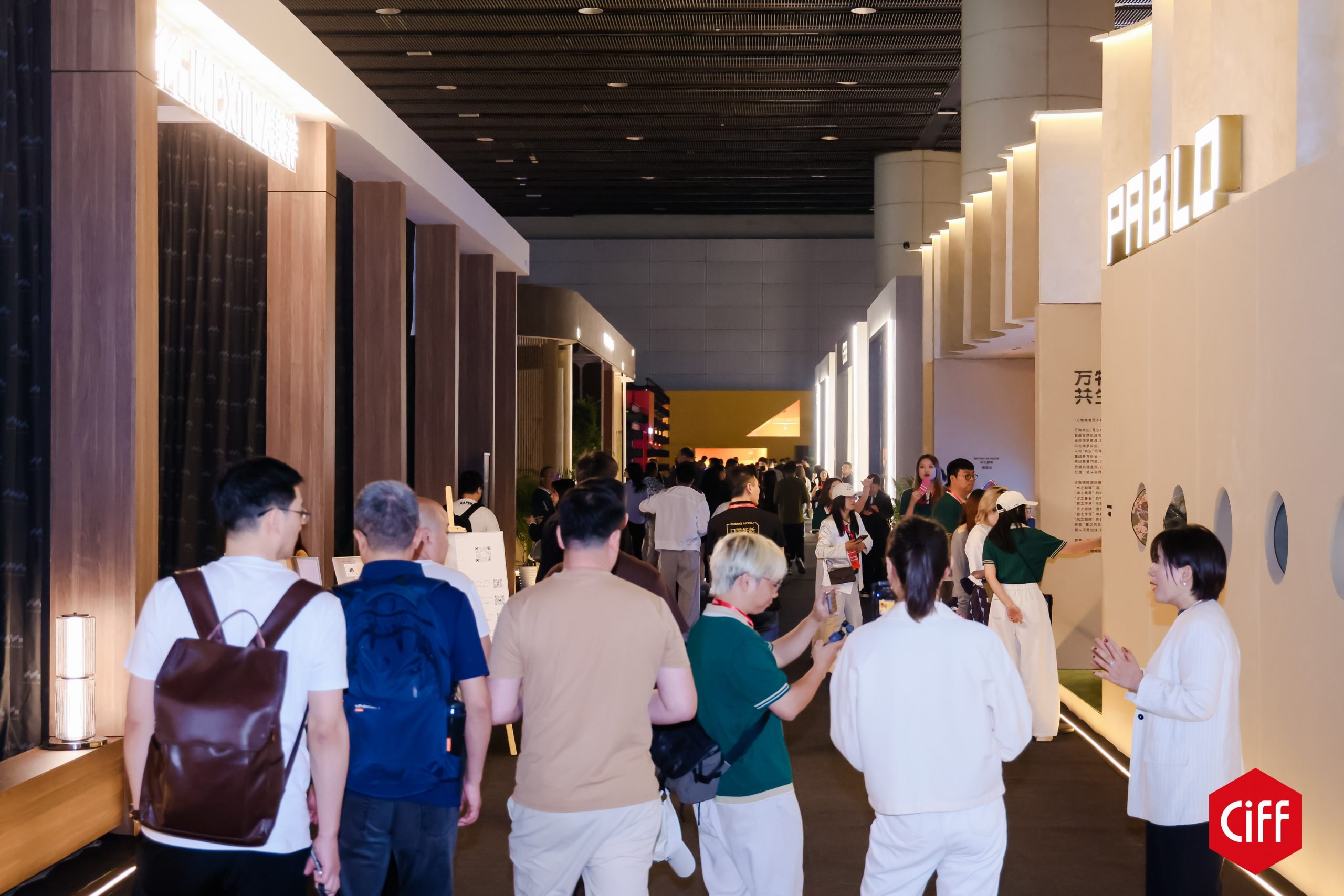
The Contemporary Design Exhibition brought together more than 60 commercial design brands, over 20 designer brands, and a number of international studios. Bosse frequently paused in this section, observing how different brands used furniture, materials and spatial presentation to express lifestyle concepts.
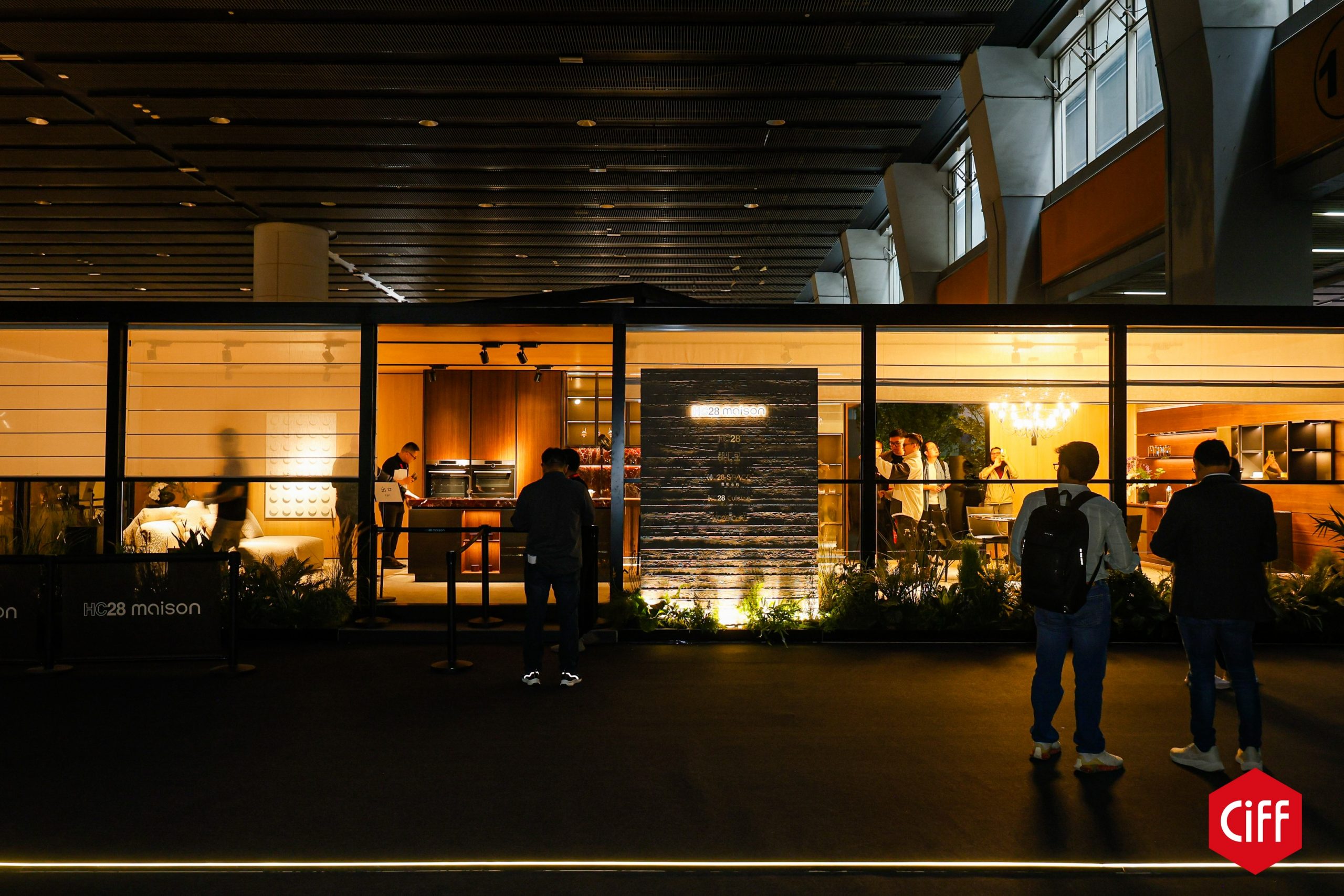
At HC28 maison, the exhibition was organised around the concept “Living as Scenario”, presenting a series of connected domestic environments including living room, study, dining space and bedroom. Furniture, circulation and daily activities were presented as part of a continuous spatial narrative rather than isolated products. Iko and Bosse spent a long time moving through the exhibition route, experiencing each setting as a complete living scene.
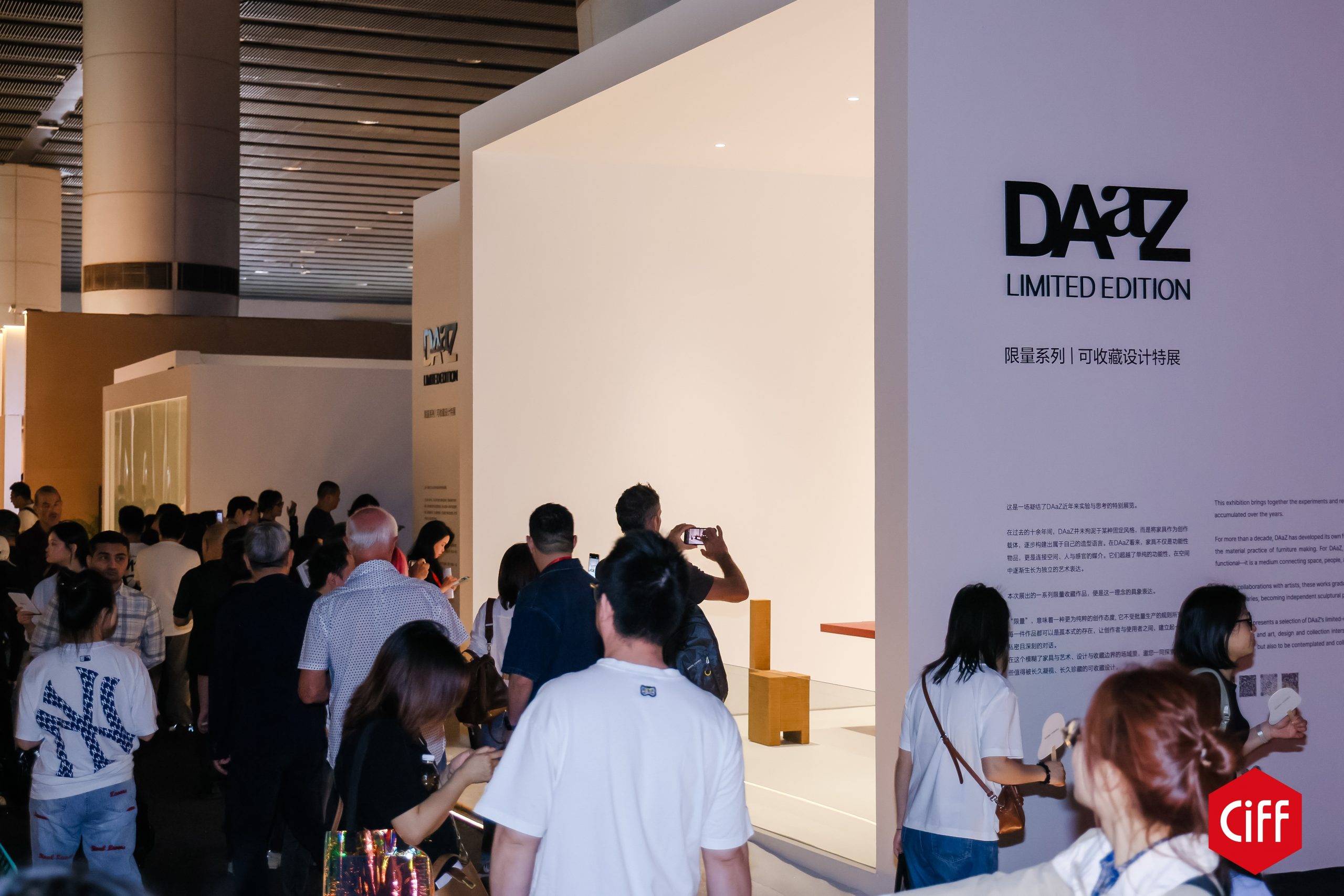
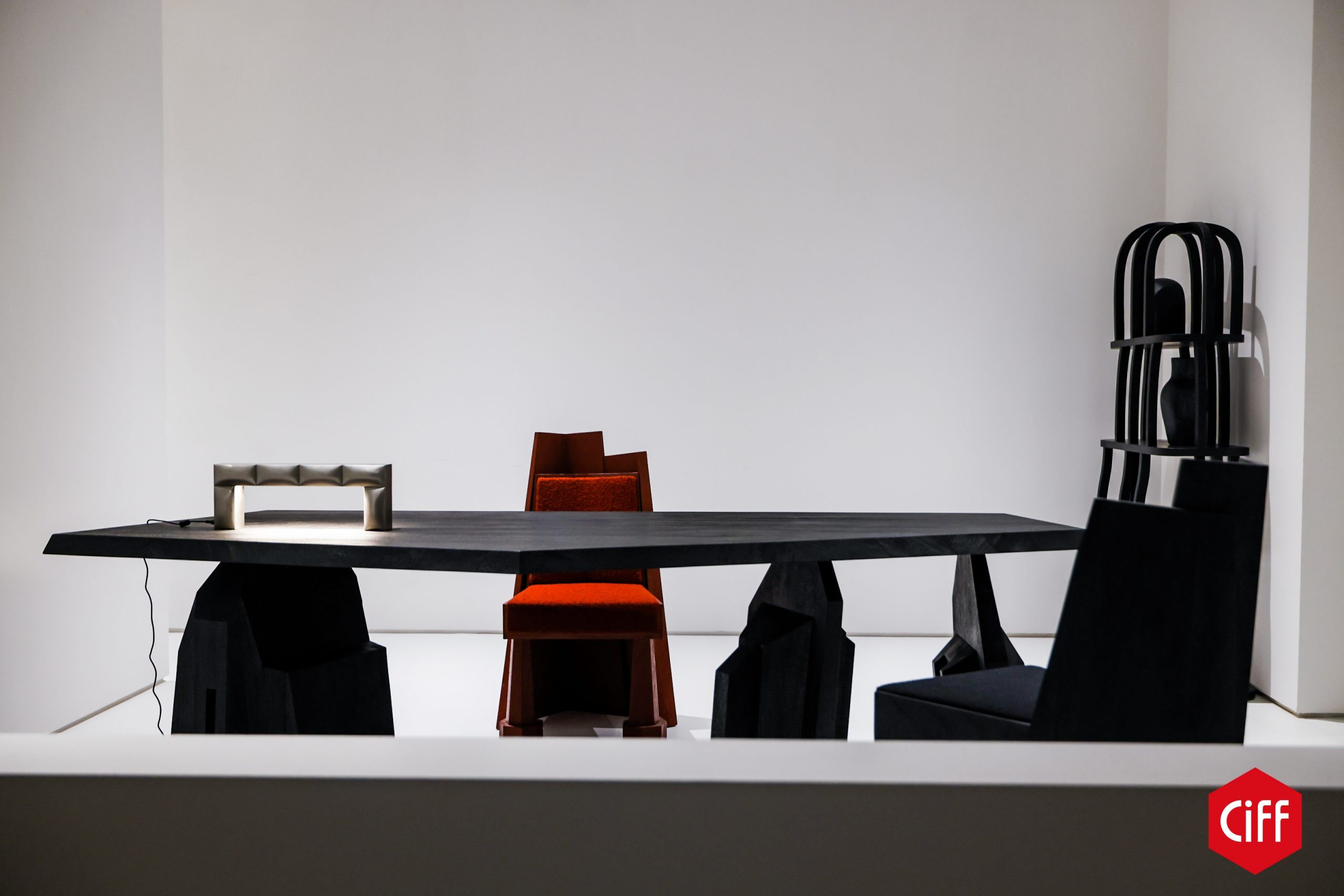
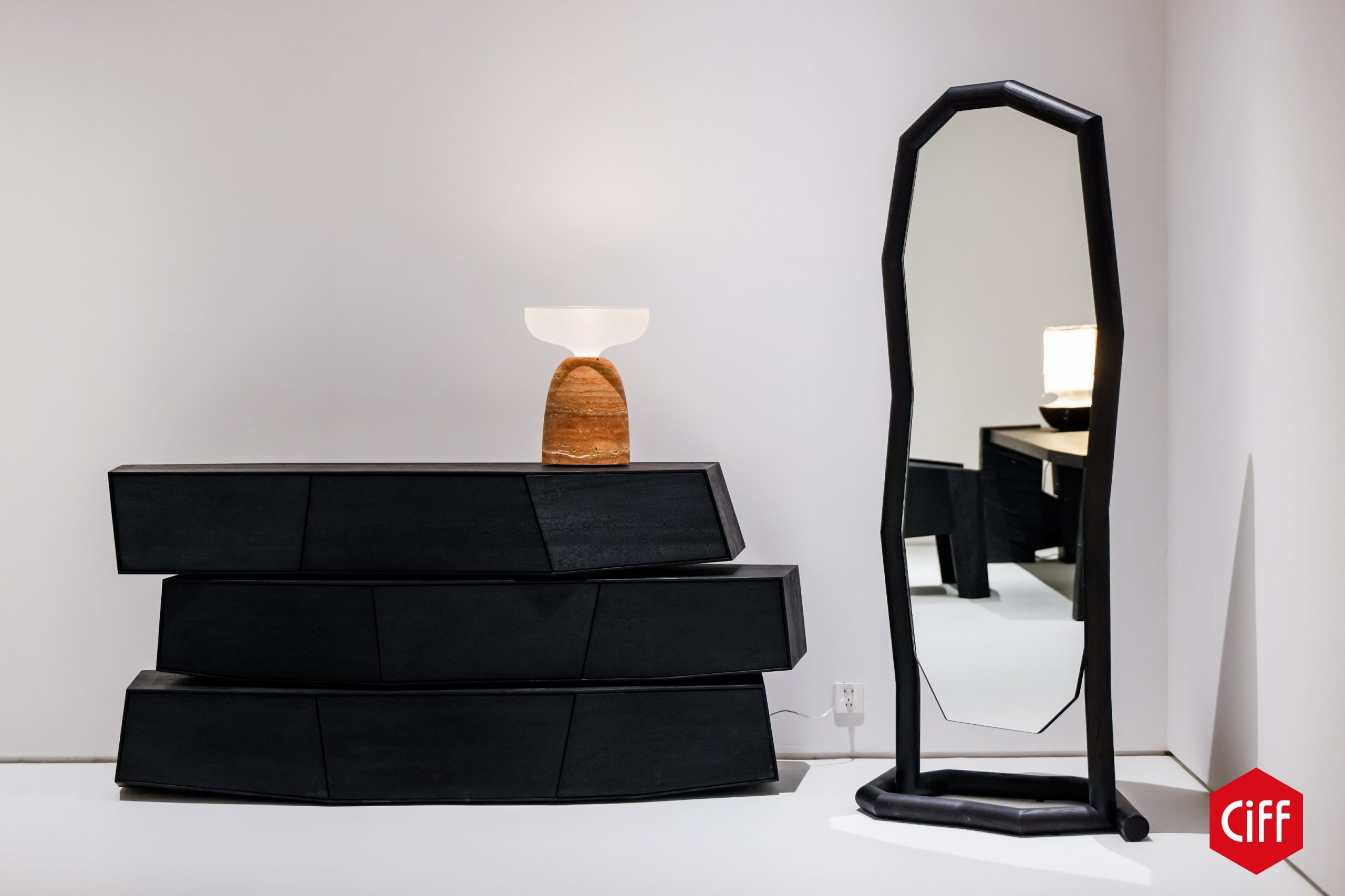
Among the brands presented, DAaZ was one that Bosse specifically highlighted. In a white gallery-like space, limited edition furniture pieces were displayed as collectible objects. He noted that the brand’s long-term commitment to design and craftsmanship resulted in a strong visual identity, while also translating elements of Chinese culture into a contemporary design language. The L-edition series, inspired by artists’ studios, allowed different materials and forms to be freely combined to create layered spatial compositions somewhere between furniture and sculpture.
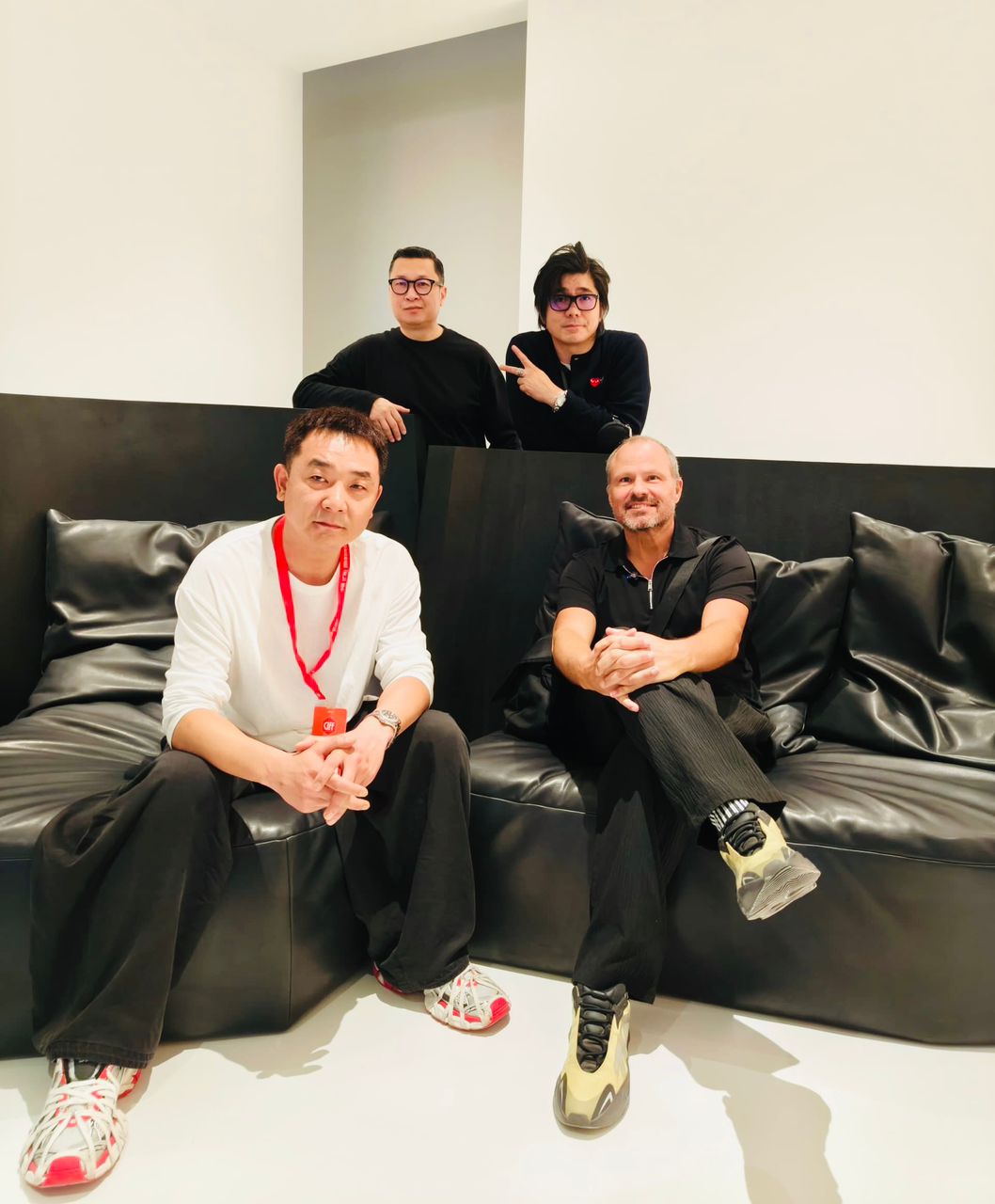
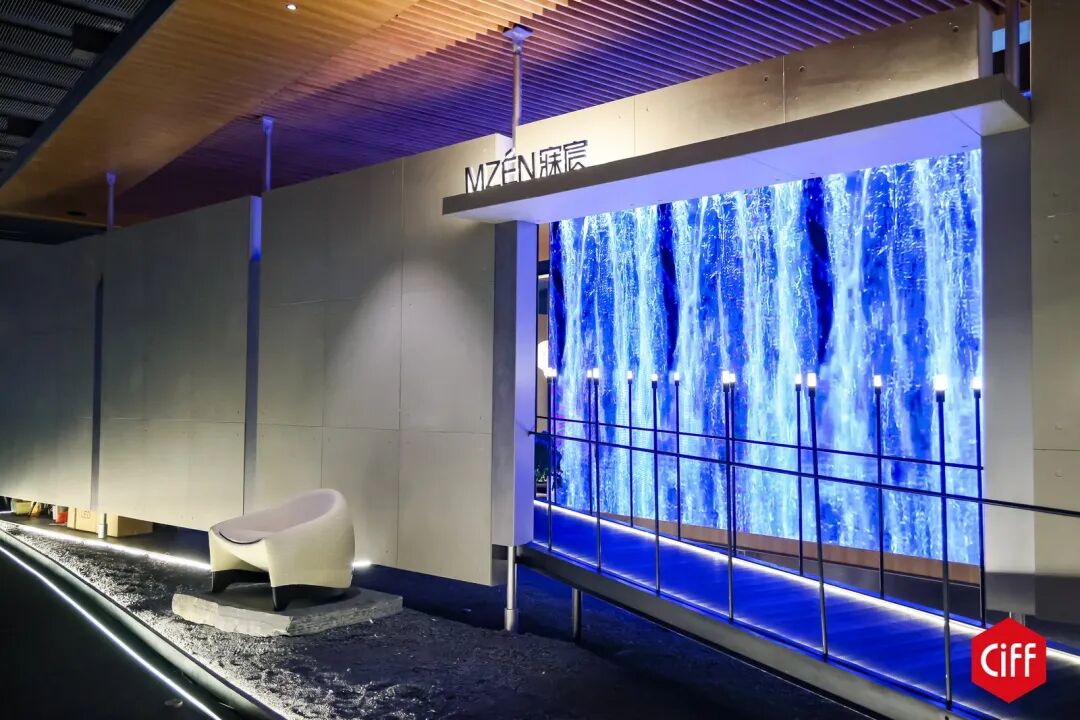
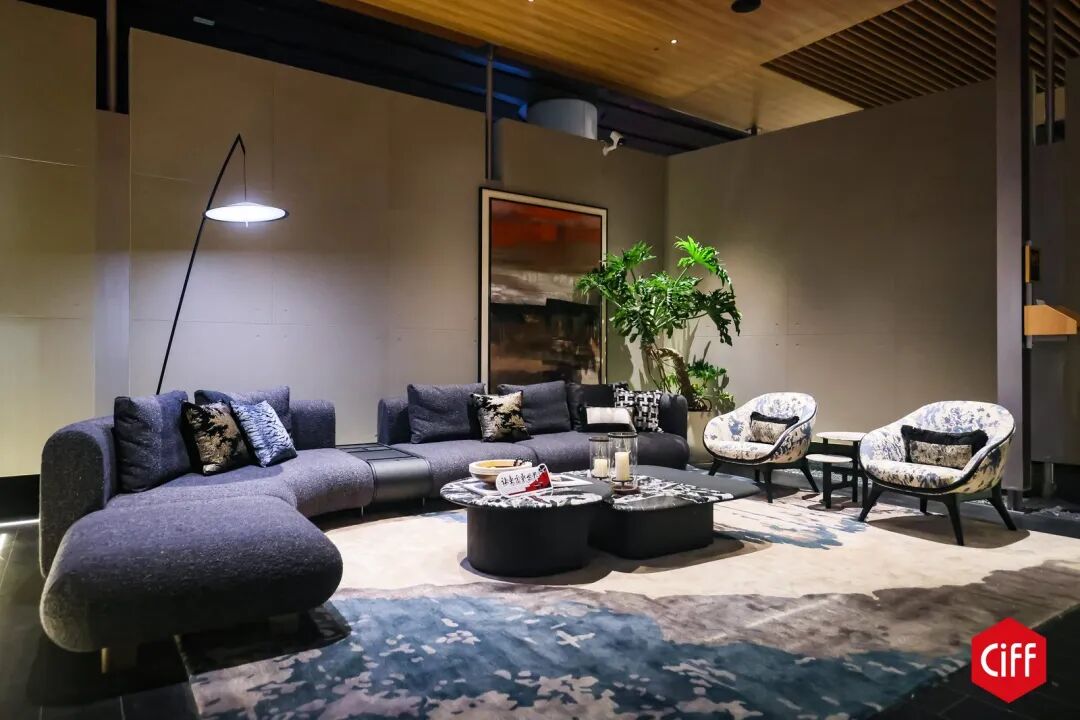
MZEN presented an installation in the form of an “Oriental Bridge”, symbolising the connection between Eastern and Western design languages. Bosse commented that the maturity of these products made them suitable for high-end residential projects in international cities such as Kuala Lumpur, Singapore, Beijing, Sydney, Hamburg and San Francisco. Iko also noted that original Chinese furniture brands are increasingly being specified in interior design projects across Asia.
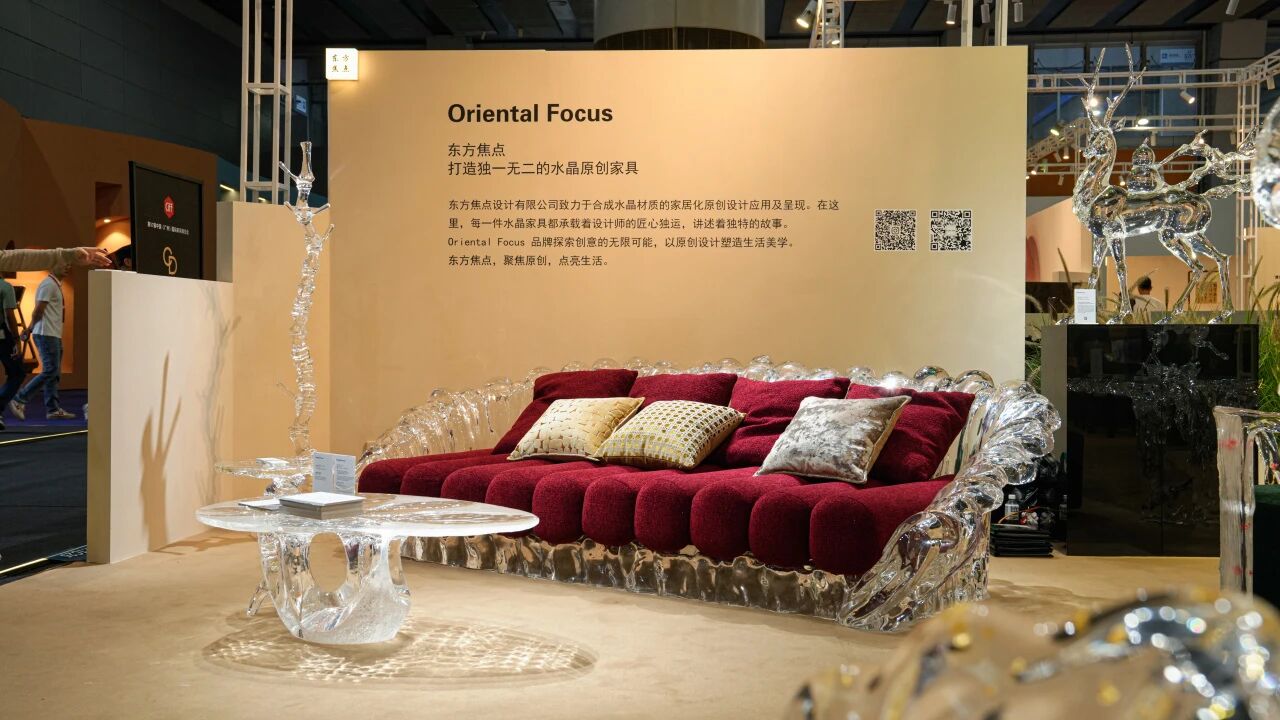
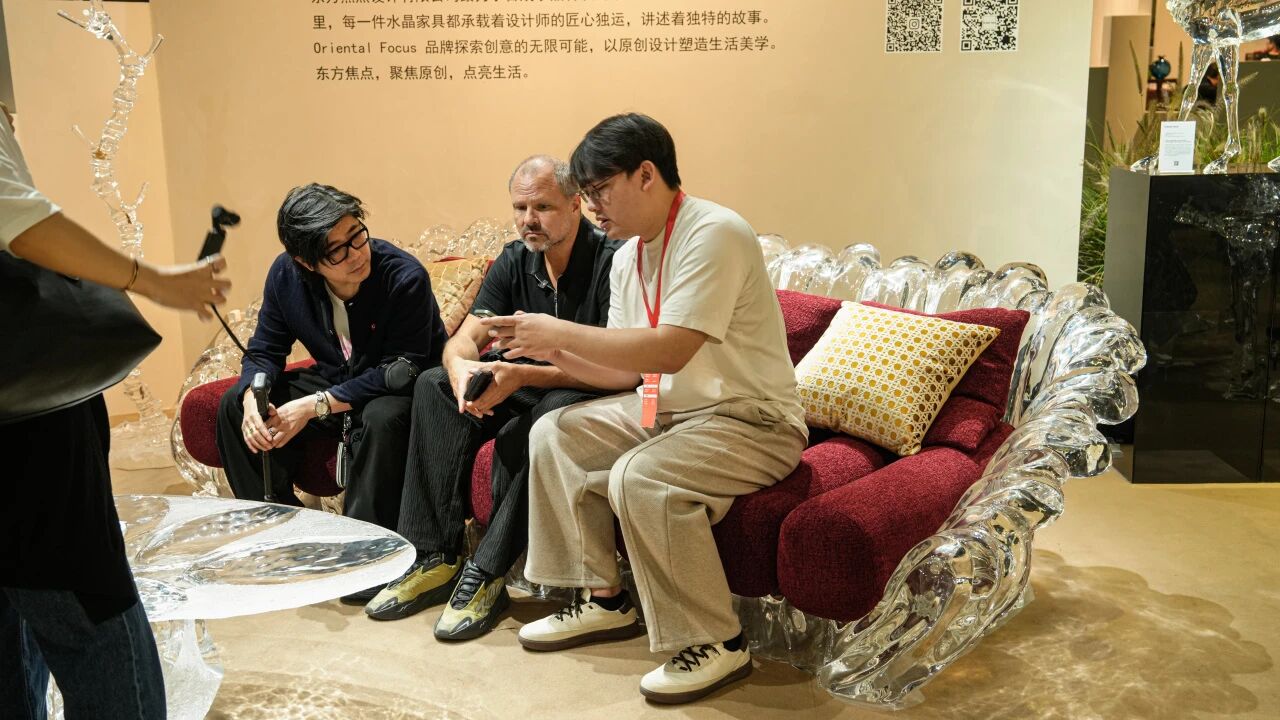
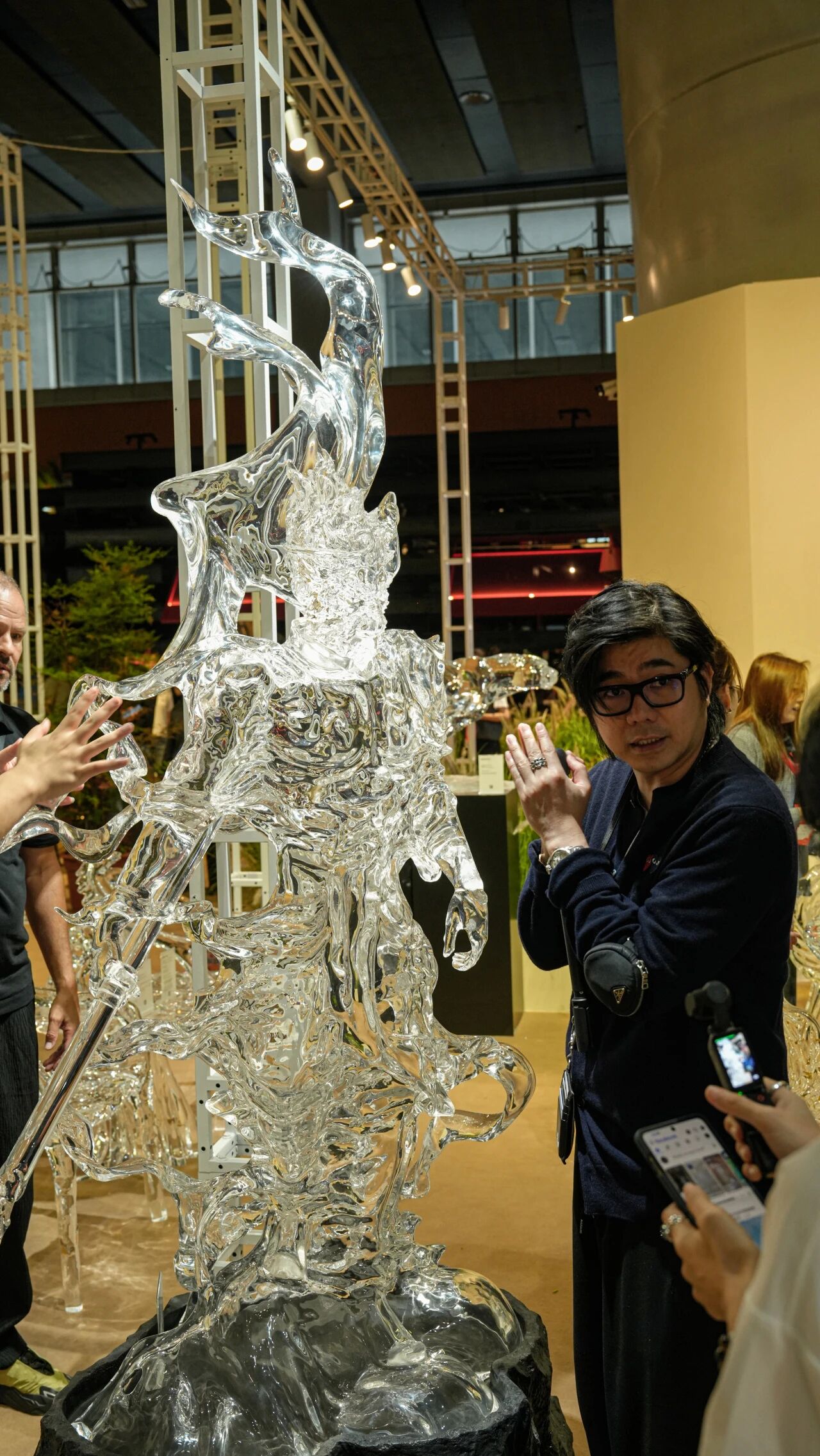
At Oriental Focus, a crystal-based furniture collection was displayed, including the Blossom sofa, which paired a transparent crystal base with vivid red upholstery. The exhibition also featured a crystal sculpture inspired by the global gaming phenomenon Black Myth: Wukong, showcasing highly detailed craftsmanship and material experimentation.
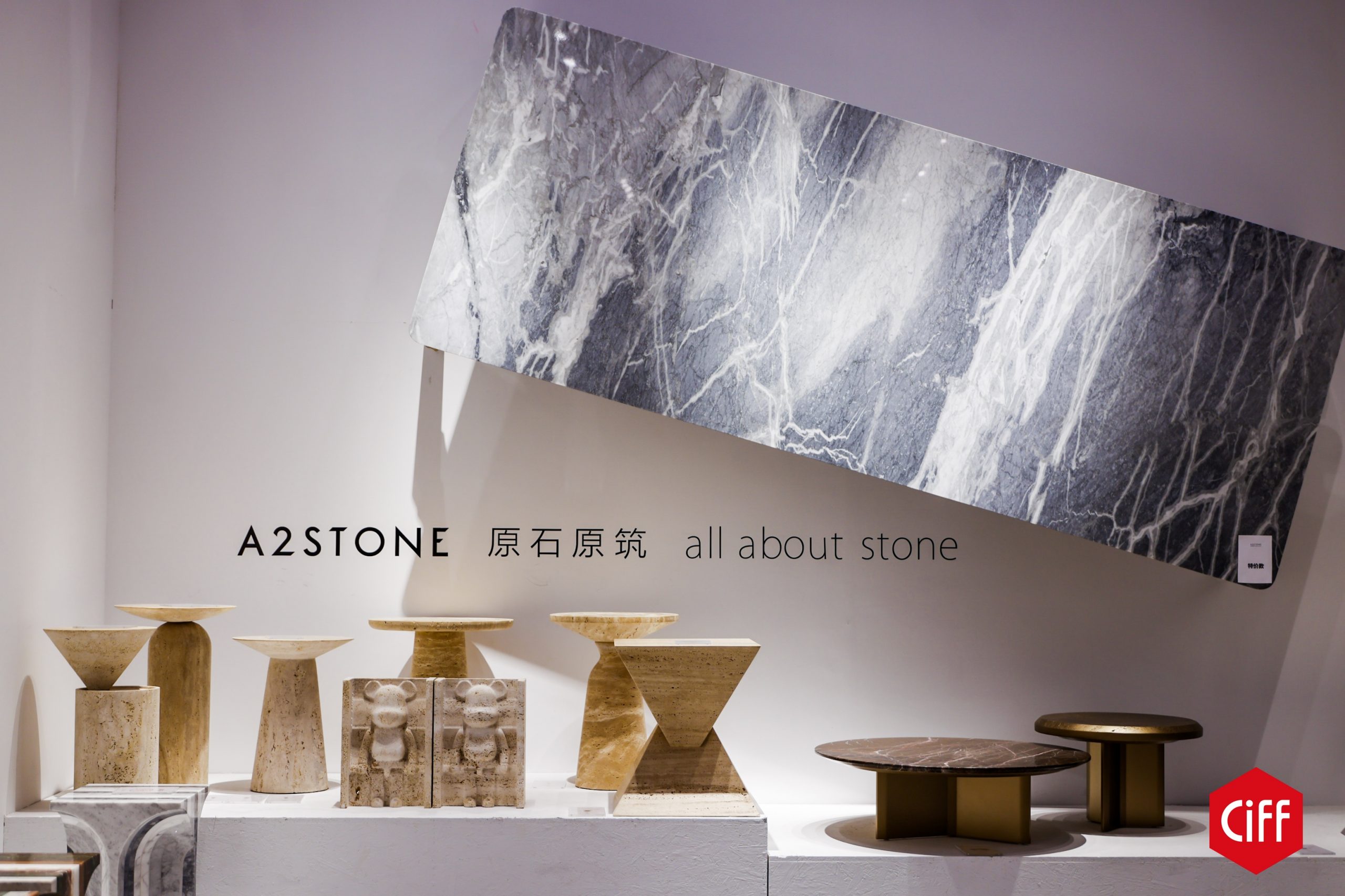
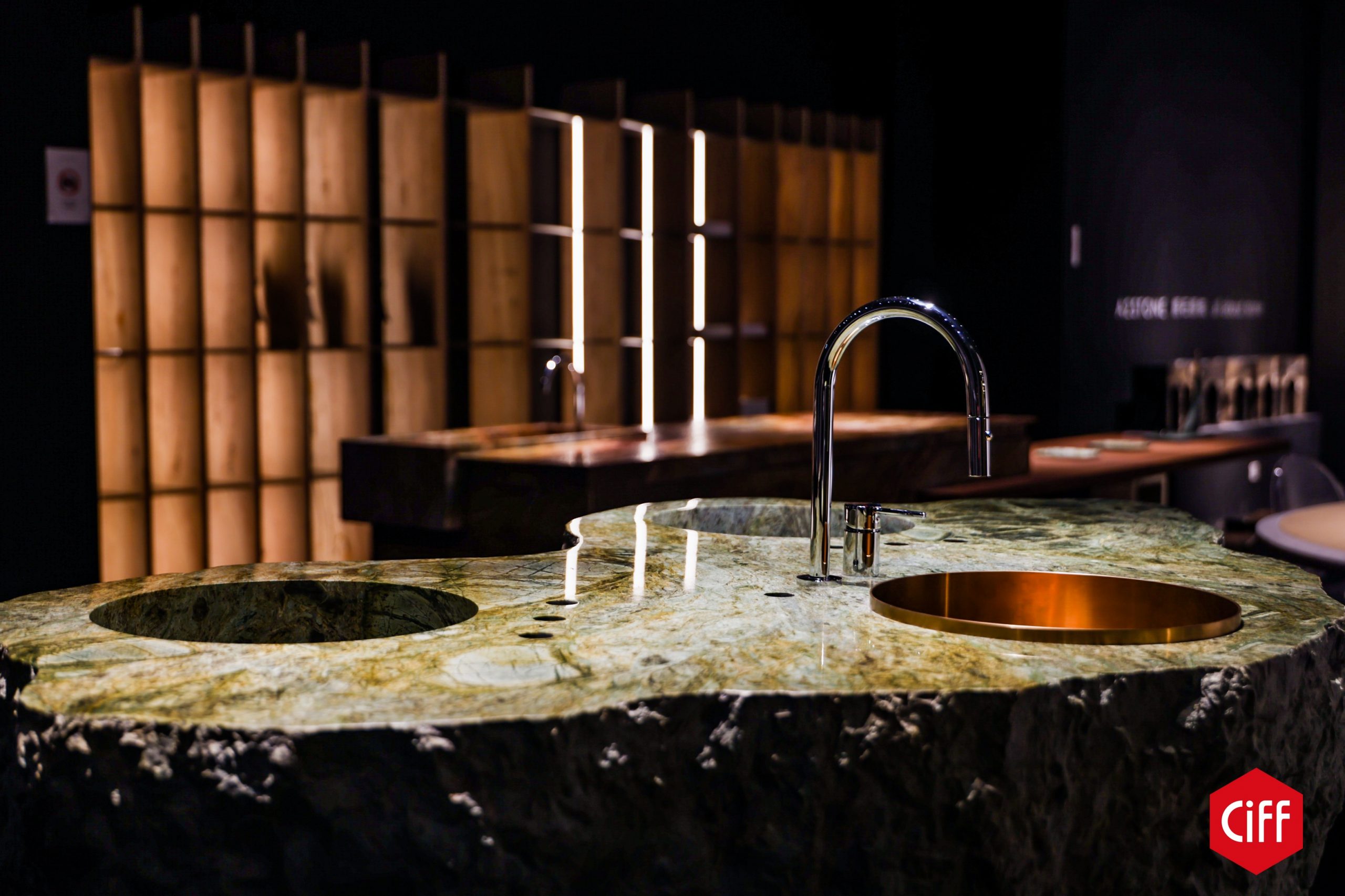
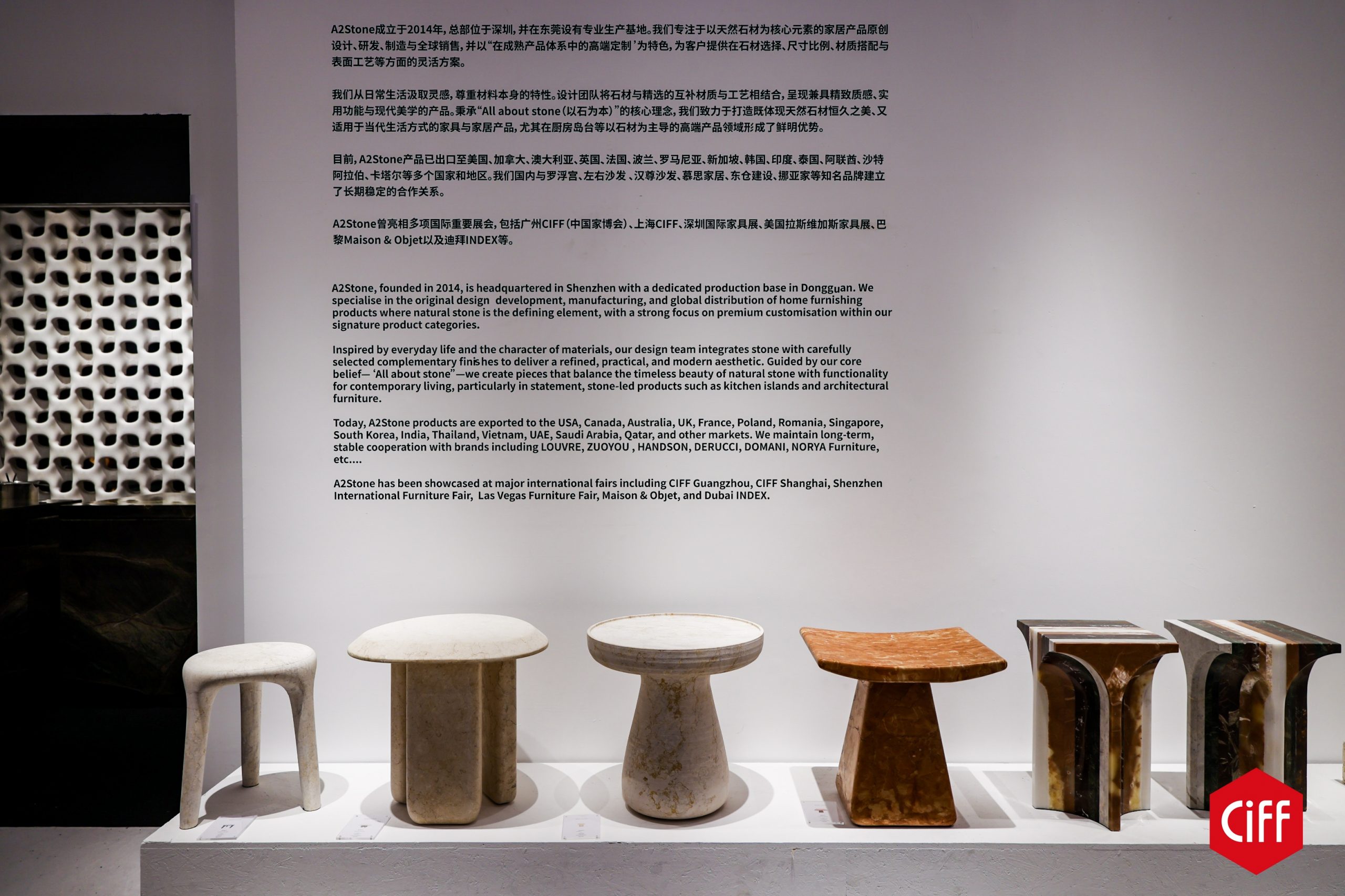
A2STONE presented furniture carved from natural stone blocks, transforming raw stone into tables, seating and storage pieces while retaining the original texture and weight of the material. Bosse spent considerable time at this stand, commenting on the manufacturing capabilities on display and noting that “almost anything can be realised”.
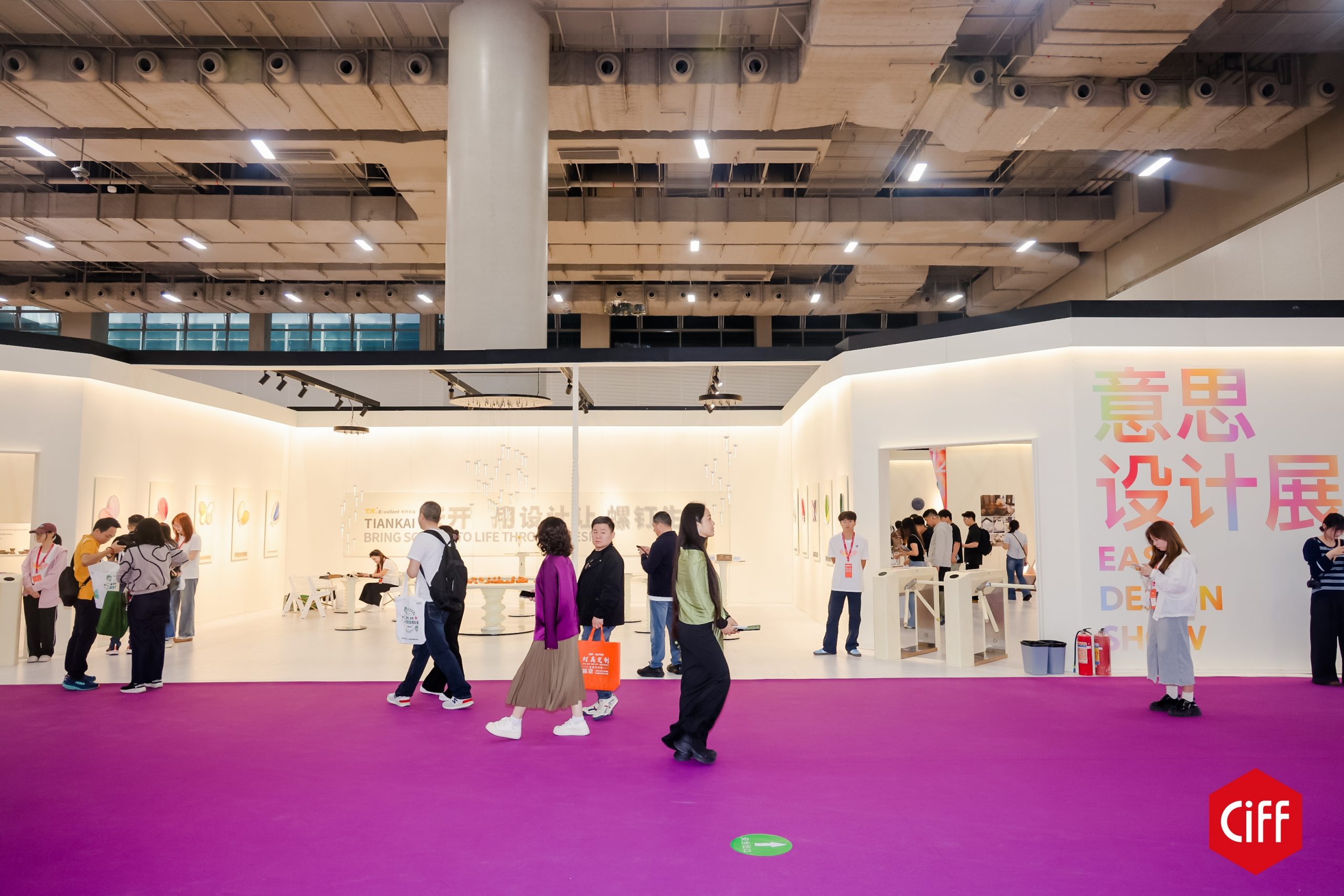
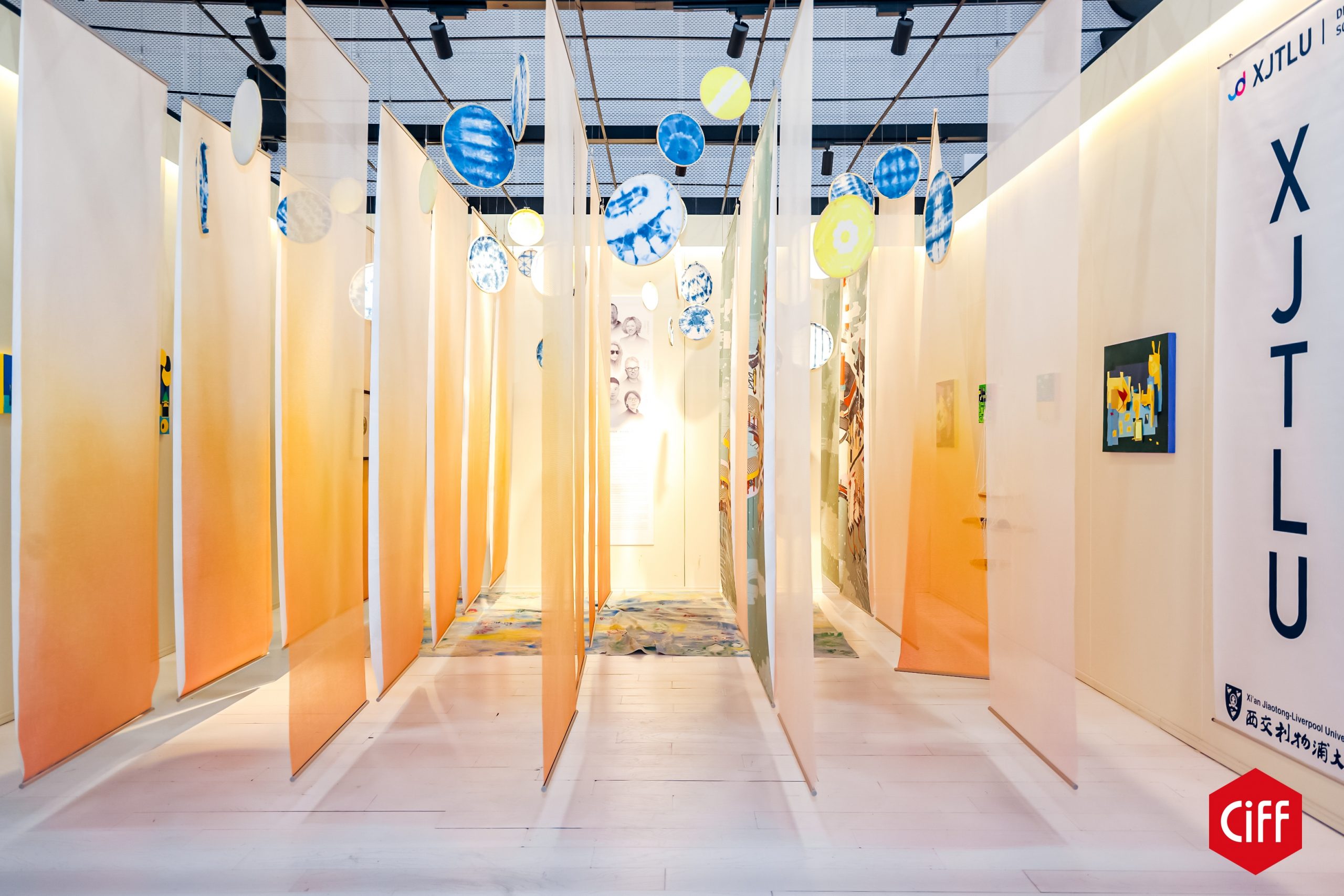
Beyond brand exhibitions, several curated exhibitions added another layer to the fair. The East Design Show, curated by designer Zhu Xiaojie, explored the theme “Design in Ambiance”, using spatial sequences and exhibition routes to create immersive environments for young designers and emerging brands.
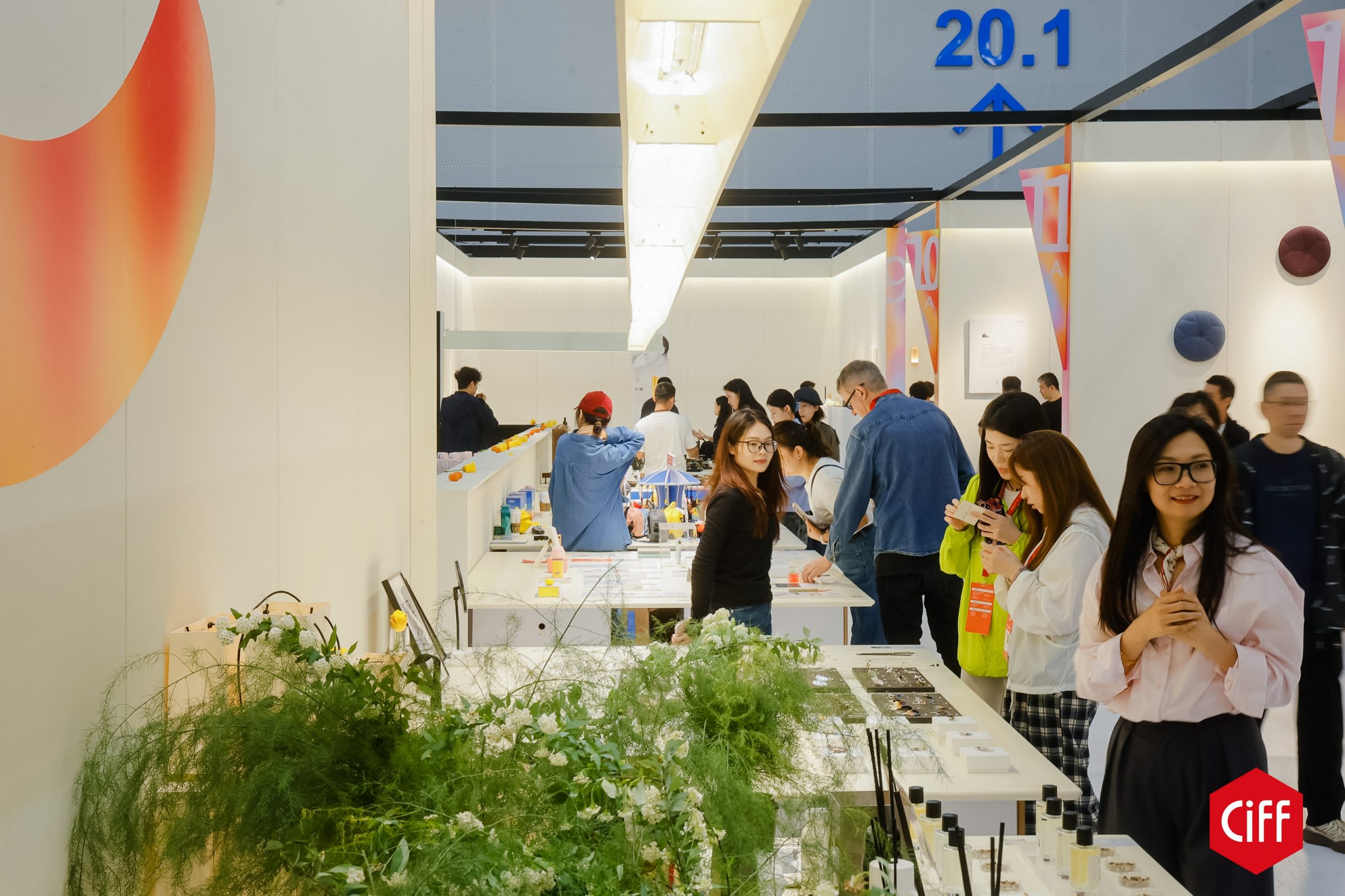
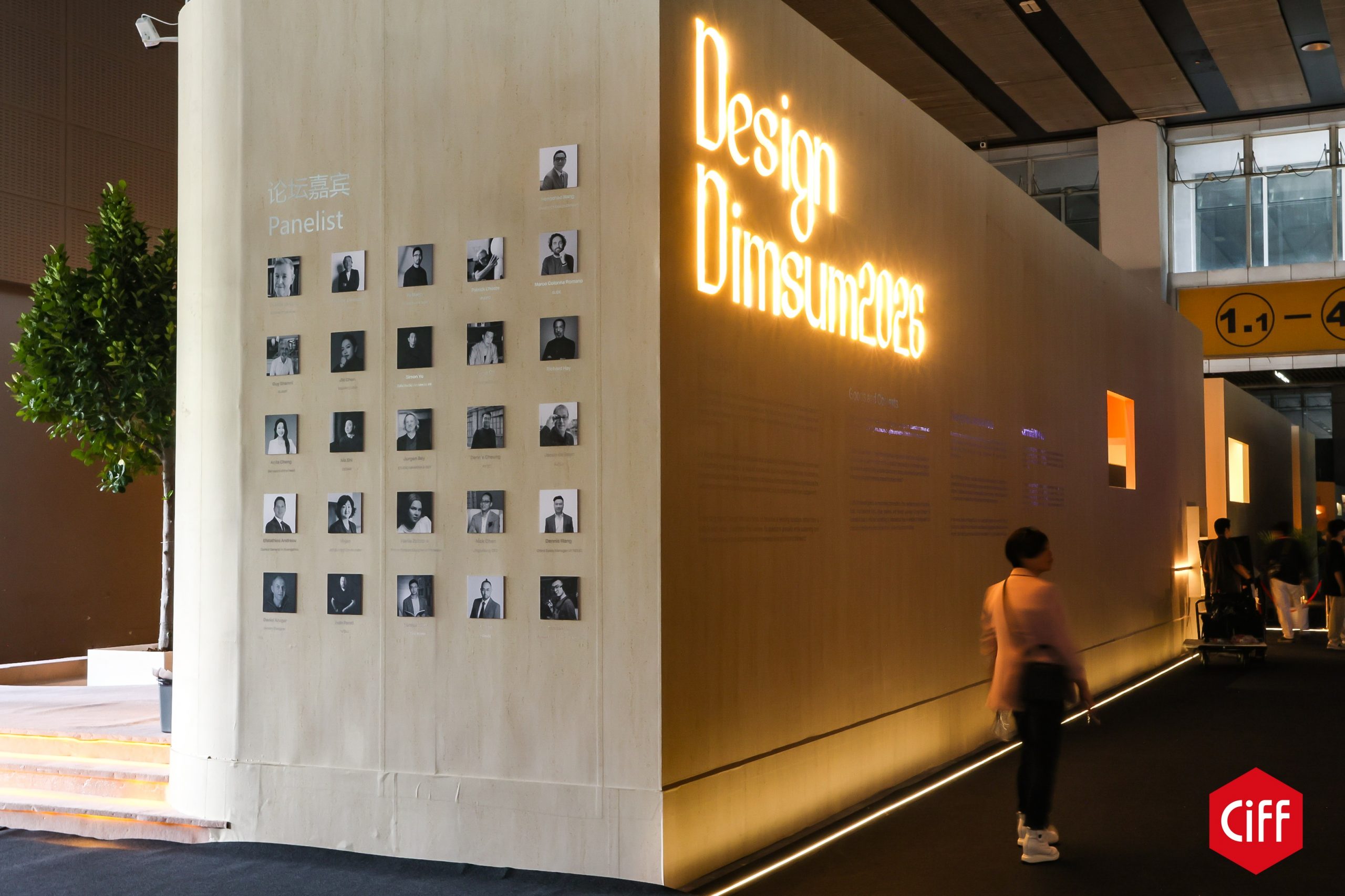
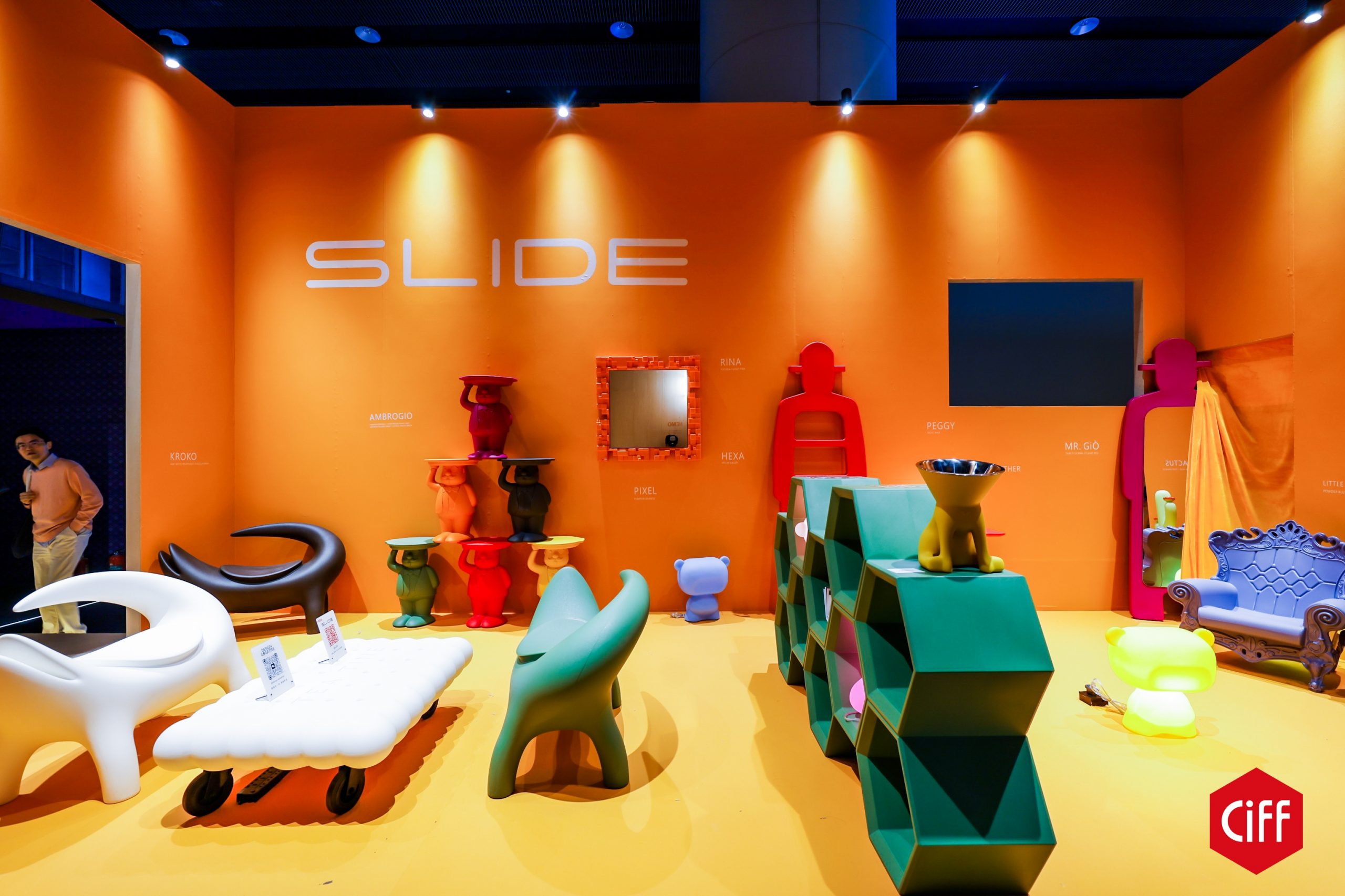
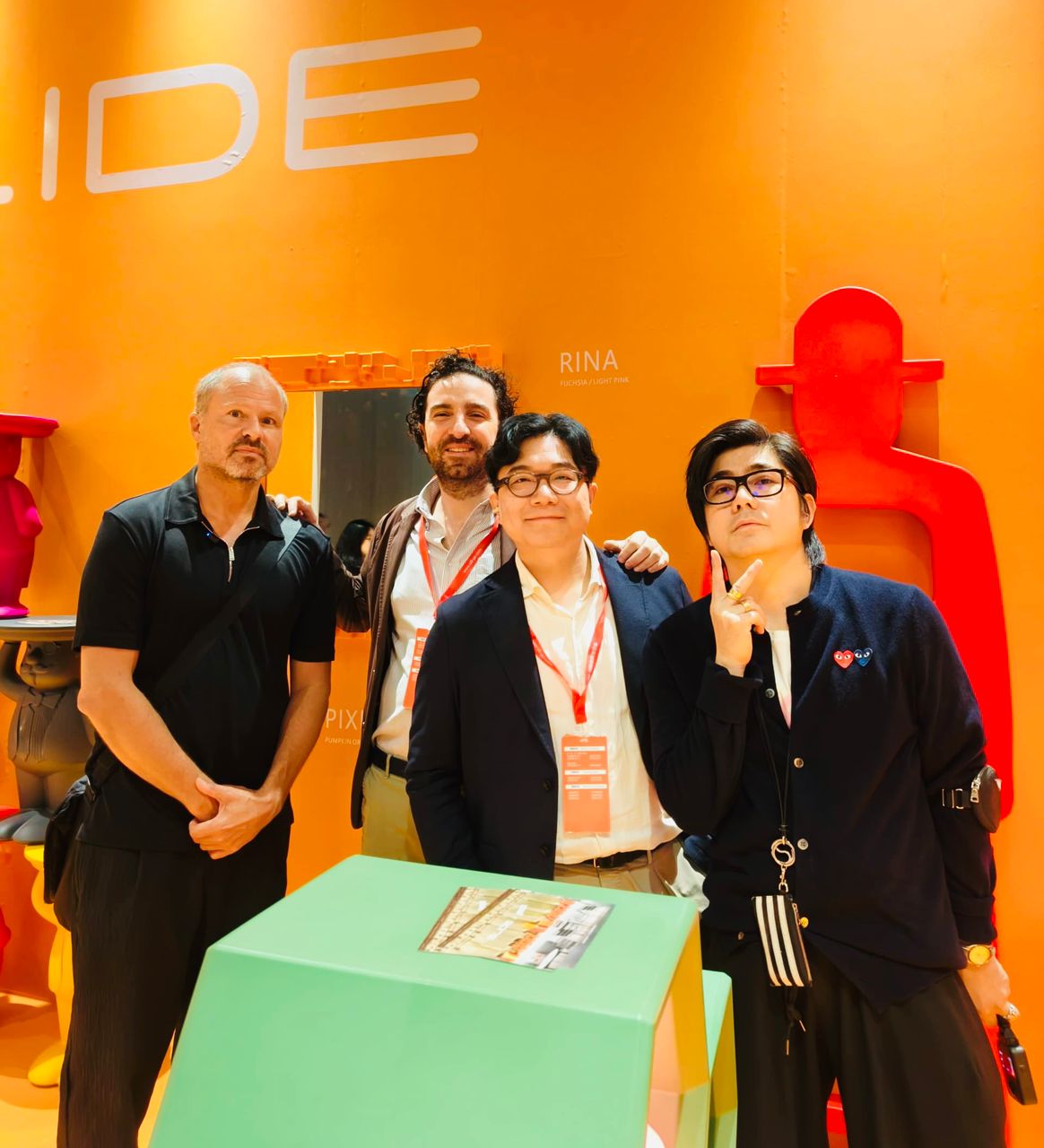
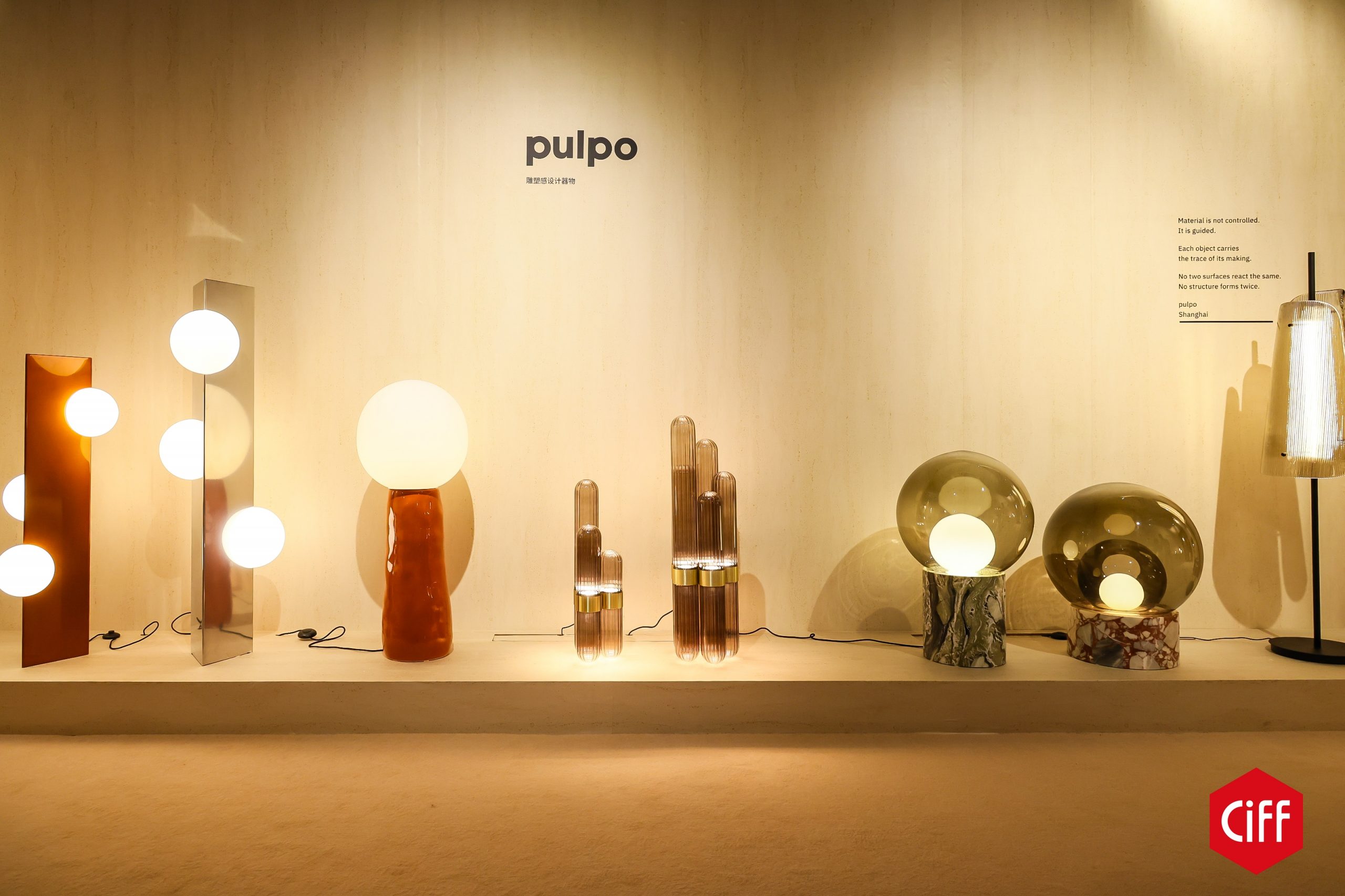
The Design Dim Sum exhibition focused on the process from prototype to mass production. Iko and Bosse spent time at the stands of Italian outdoor furniture brand Slide and German lighting brand Pulpo, observing how expressive forms and colourful objects could function both as products and spatial installations.
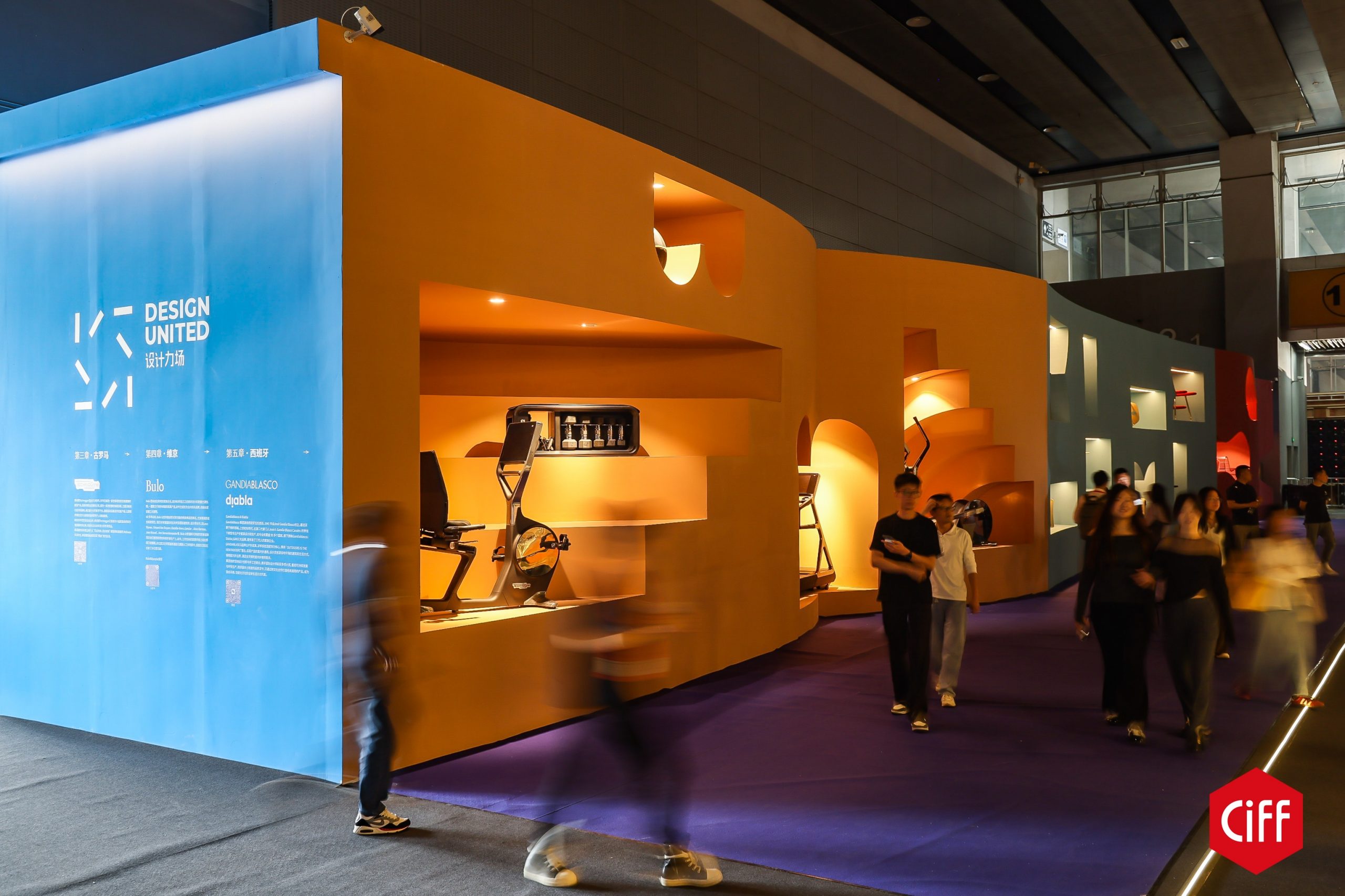
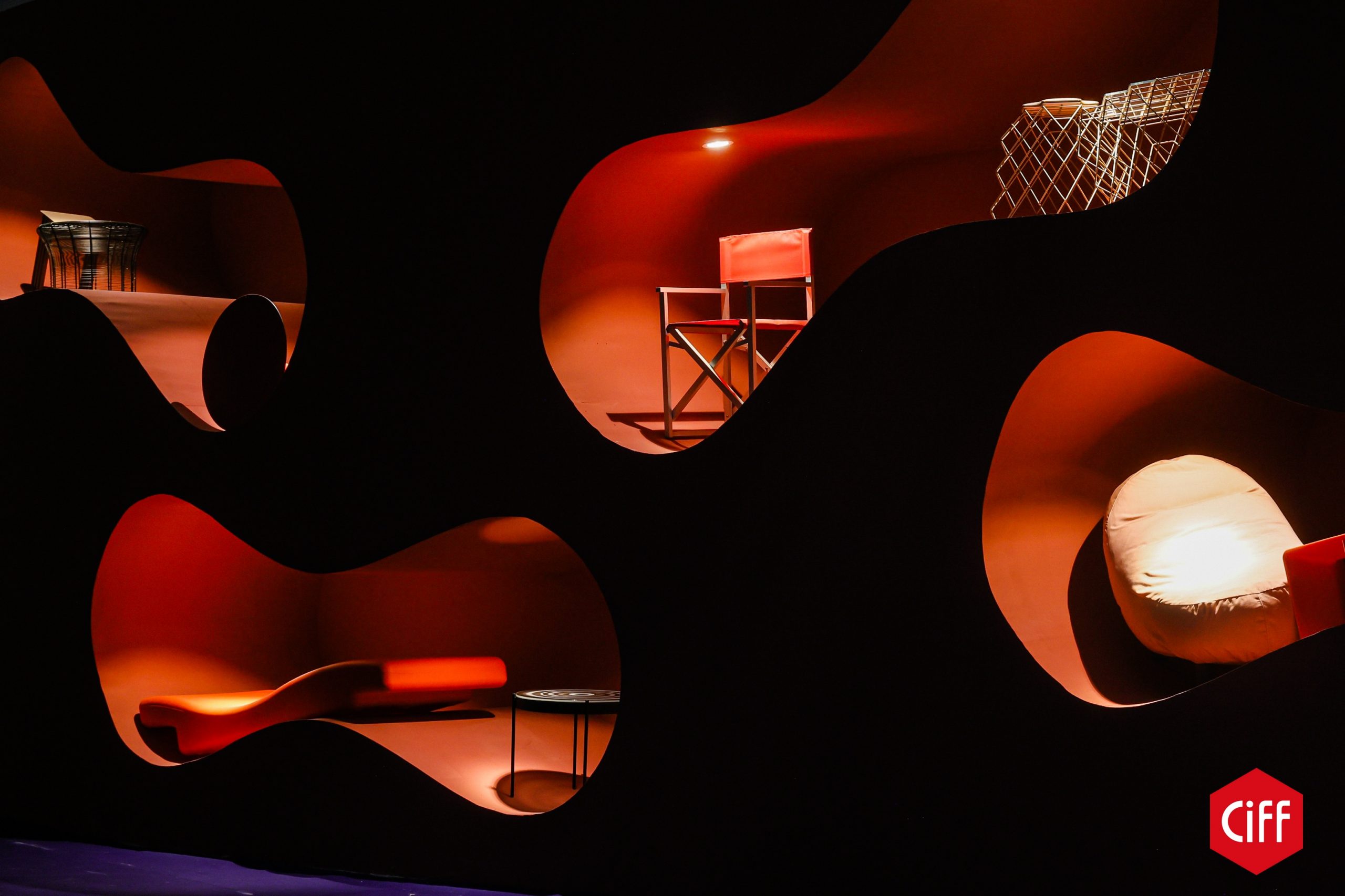
Another curated exhibition, Design United, presented a series of spaces inspired by different historical civilisations including ancient Egypt, Greece, Rome, Viking culture and the Spanish Golden Age, exploring how historical aesthetics continue to influence contemporary design language.
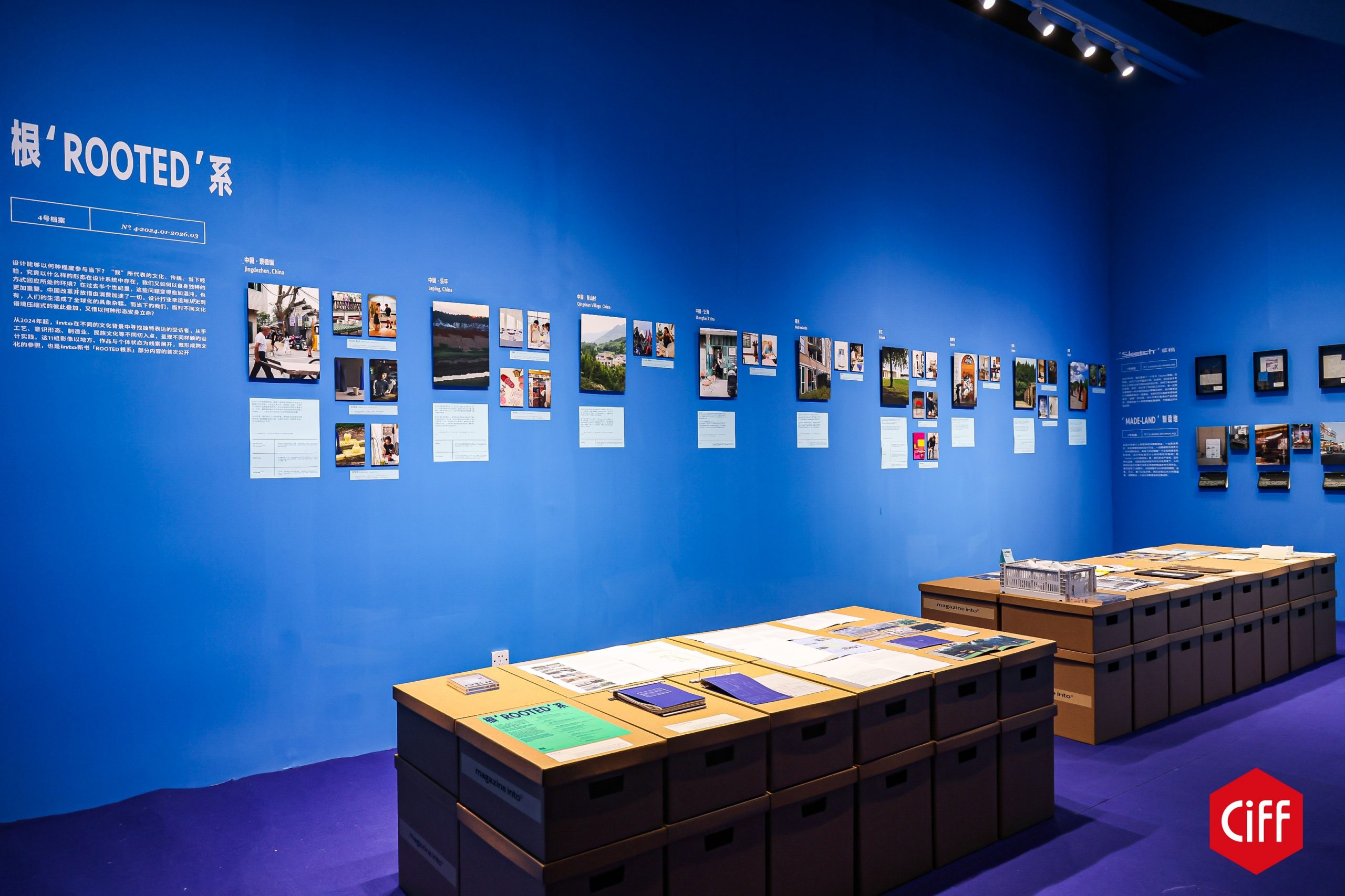
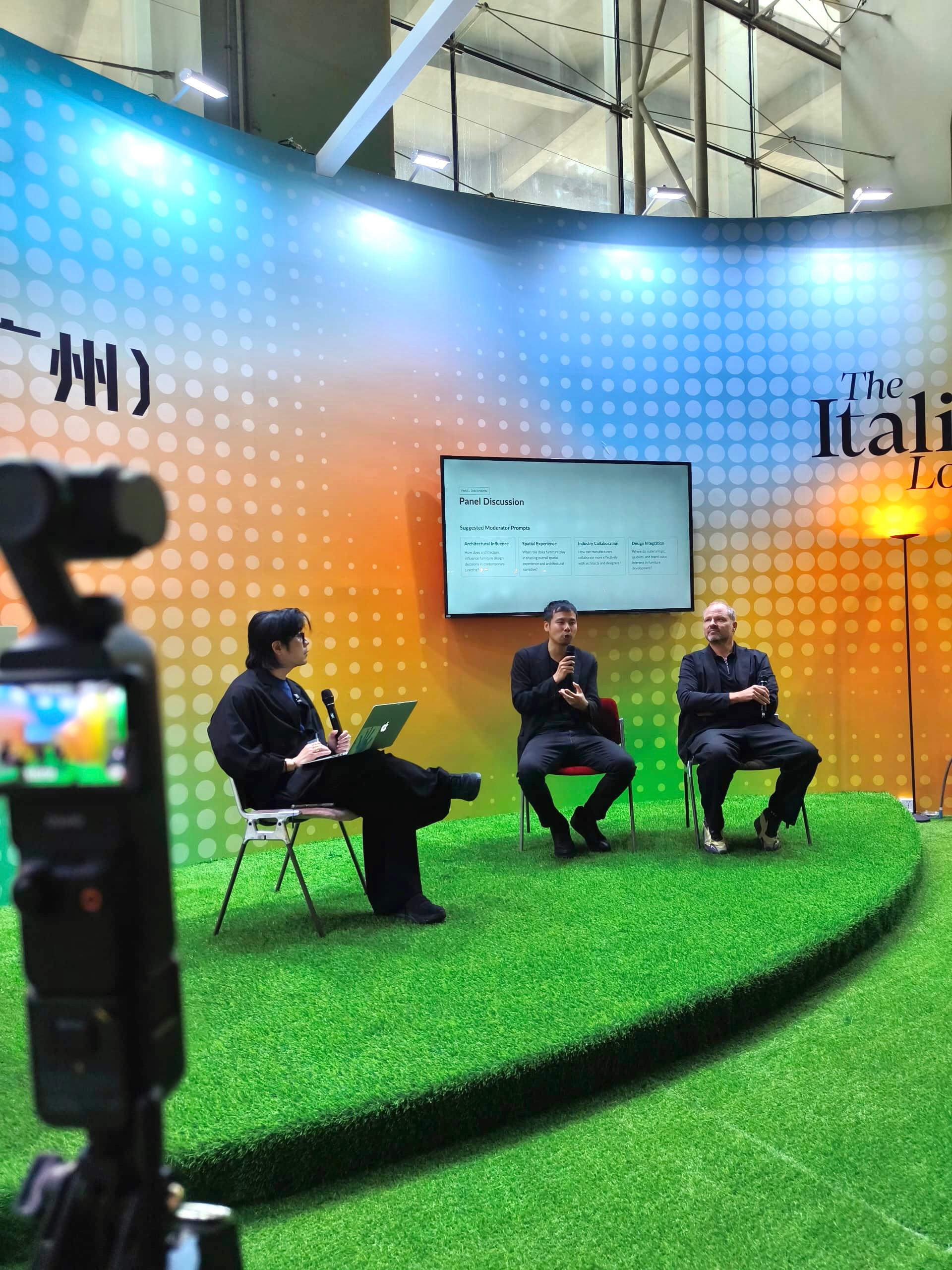
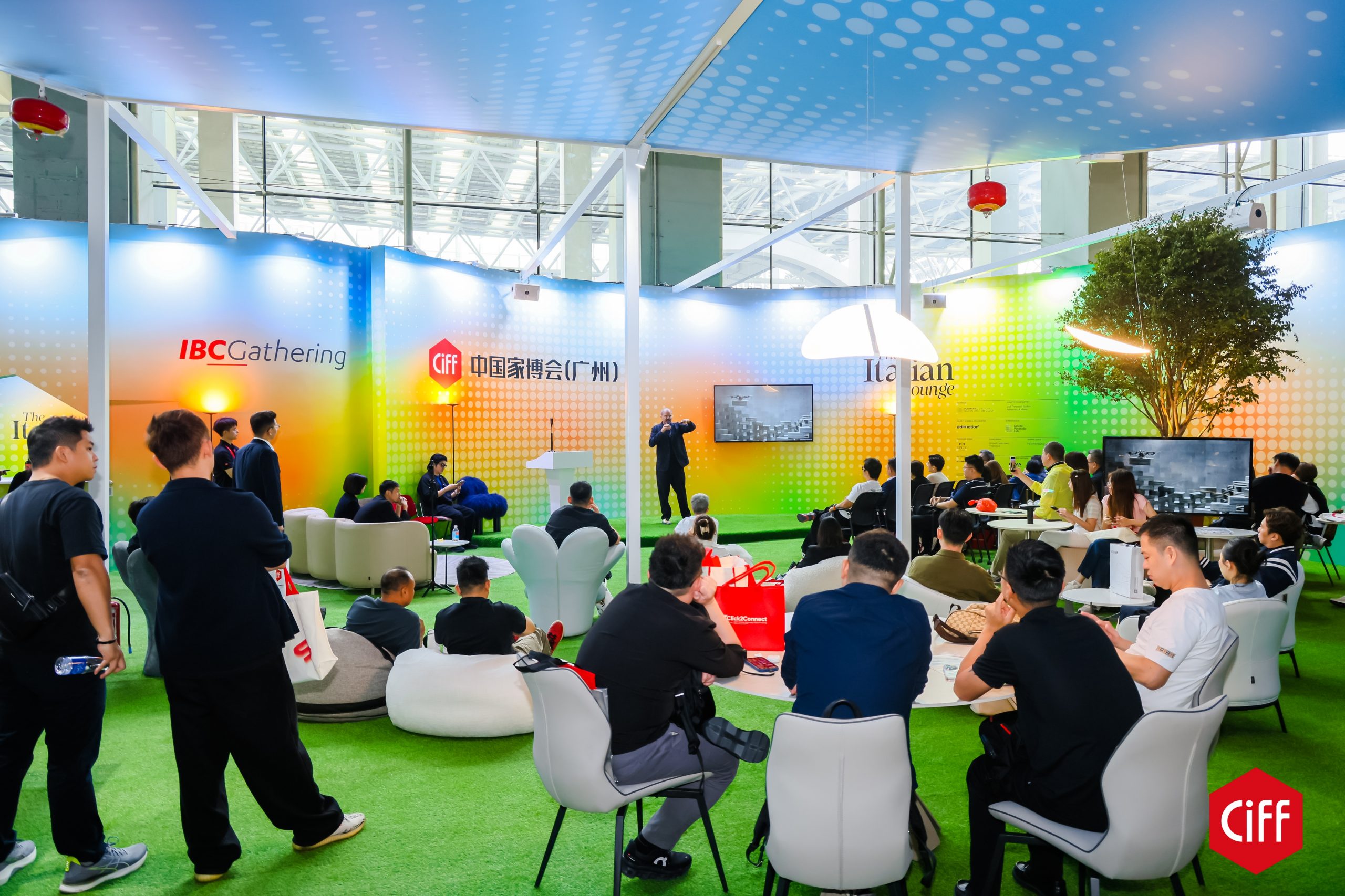
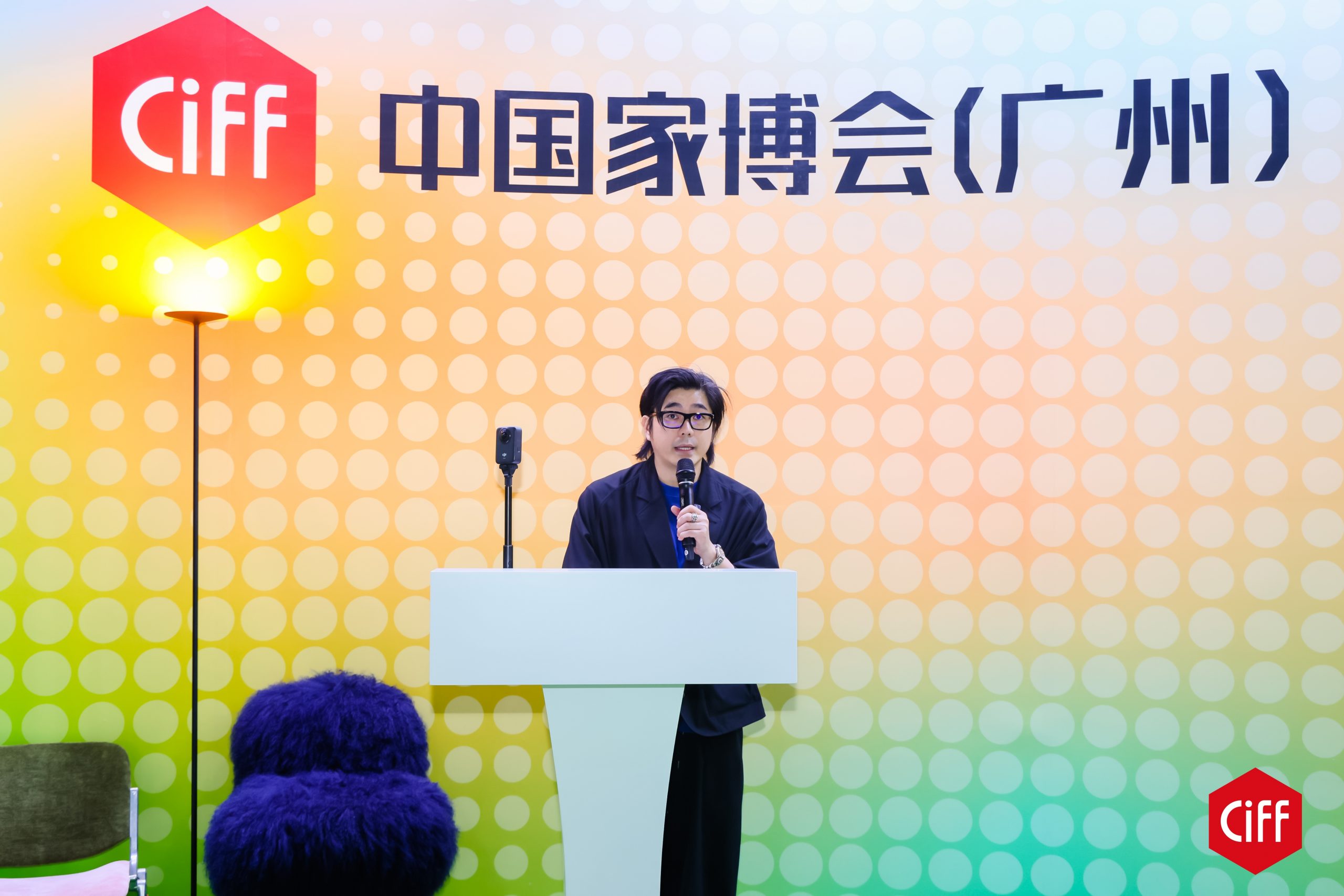
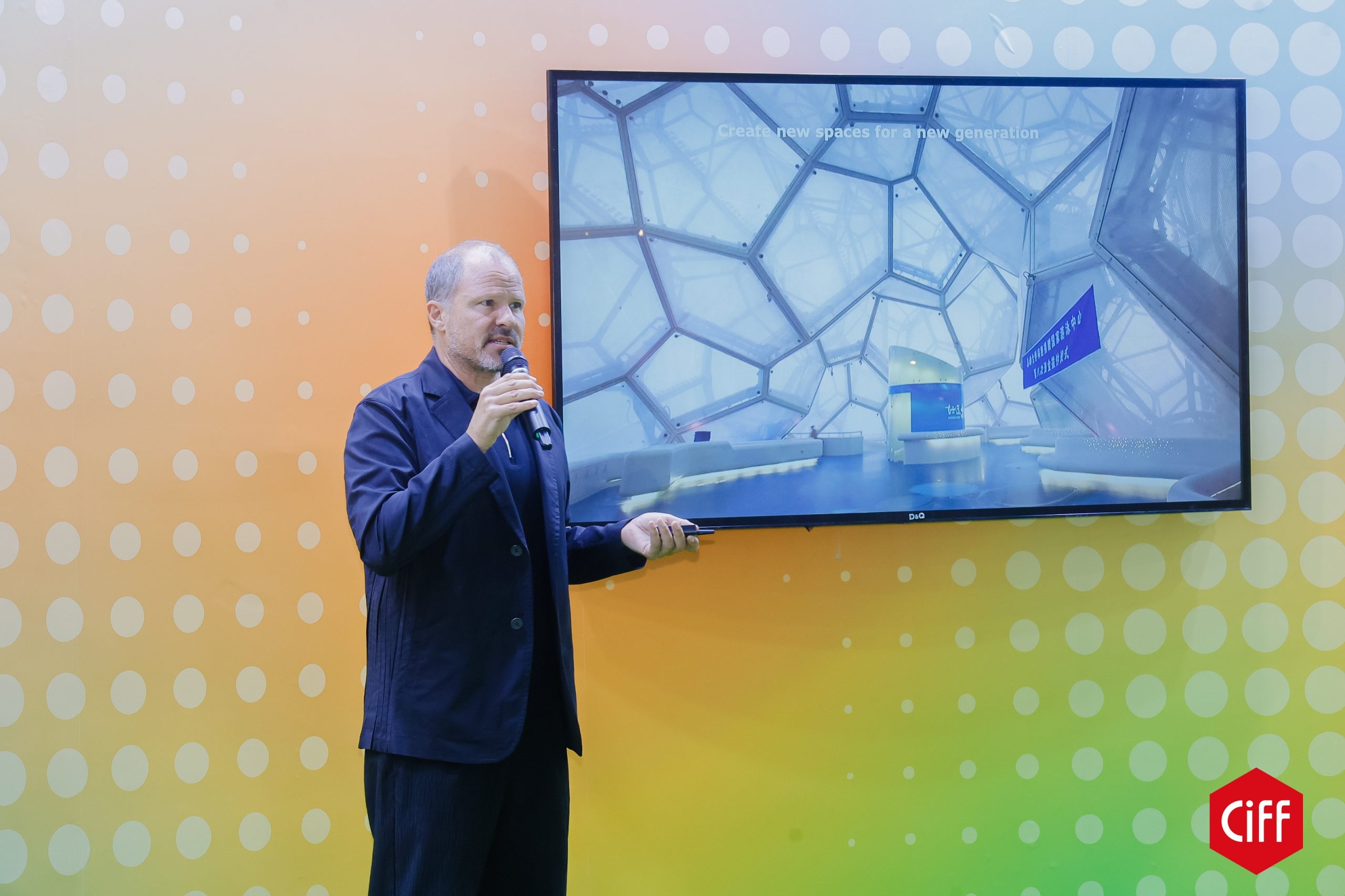
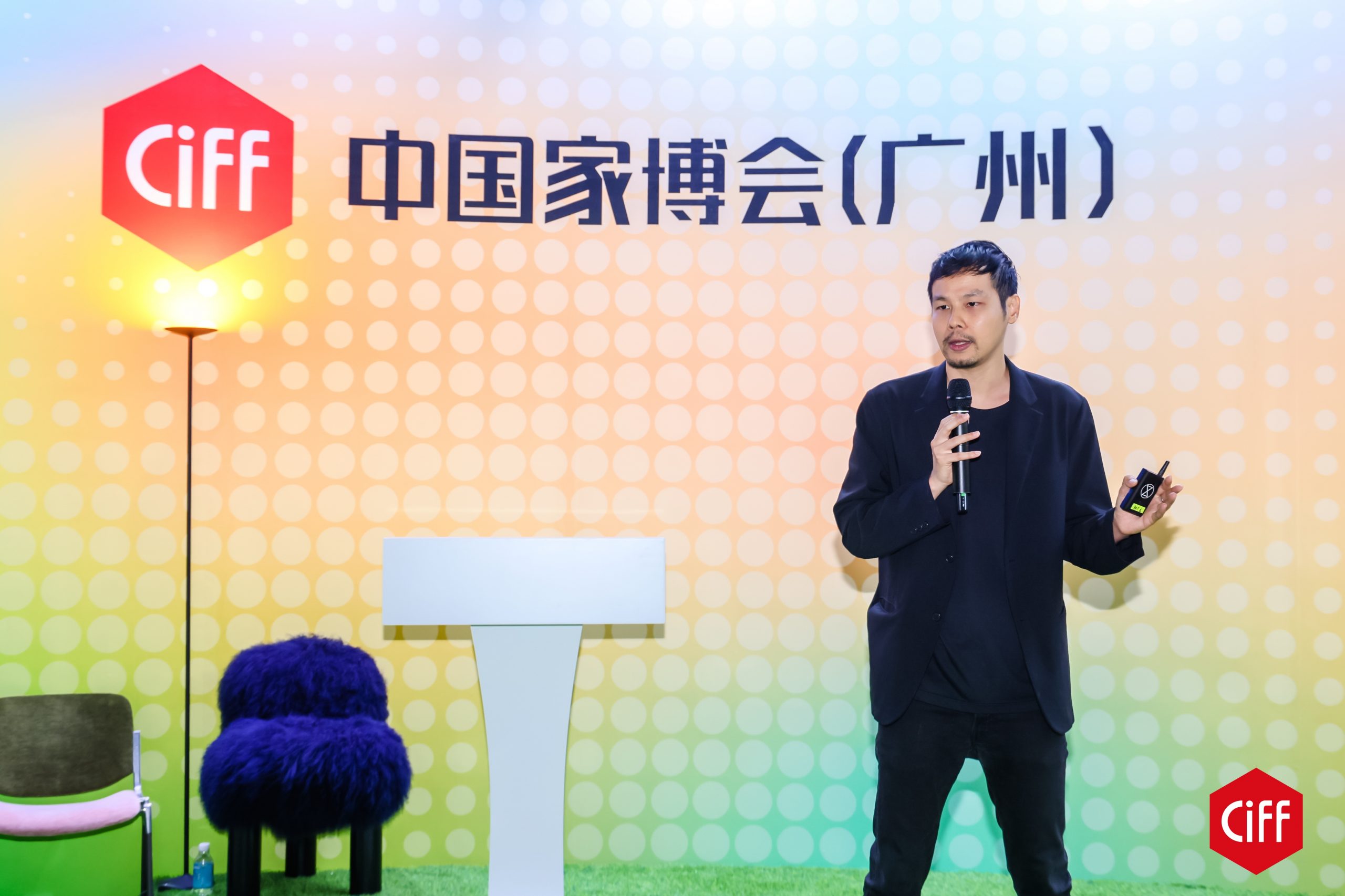
In addition to the exhibitions, the CIFF International Forum formed another important part of the programme. Titled “From Architectural Thinking to Furniture Reality”, curated by Iko iN, founder of iN Design Lab, and brought together architects to discuss how design can be realised across different scales.
Chris Bosse, Asia Pacific Director of LAVA (Laboratory for Visionary Architecture), and Professor Jenchieh Hung, principal architect of HAS Design and Research in Thailand, were invited as keynote speakers. Approaching the topic from an architectural perspective, they shared their design thinking and discussed the relationships between architecture, materials, technology and culture. Their talks also expanded the exhibition’s discussions beyond design methodology towards broader visions of future spatial environments.
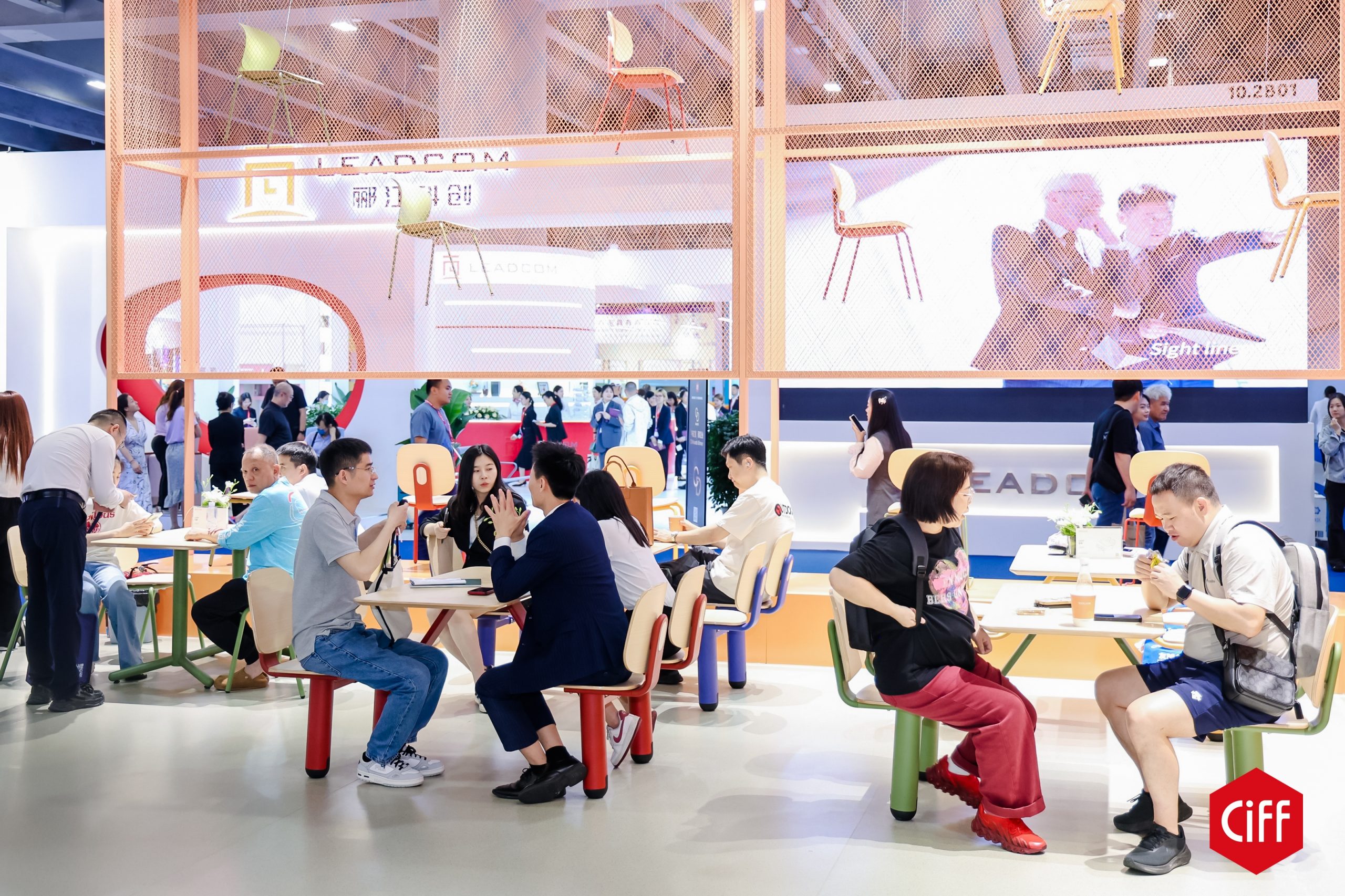
The second phase of the fair shifted focus towards office and commercial environments.
The office exhibition halls placed strong emphasis on low-carbon materials and workplace planning, while healthcare and ageing-related environments appeared more prominently than in previous years. Age-friendly furniture and wellness-oriented interiors were presented alongside traditional office systems, suggesting a shift in how workplaces are being designed for changing demographics.
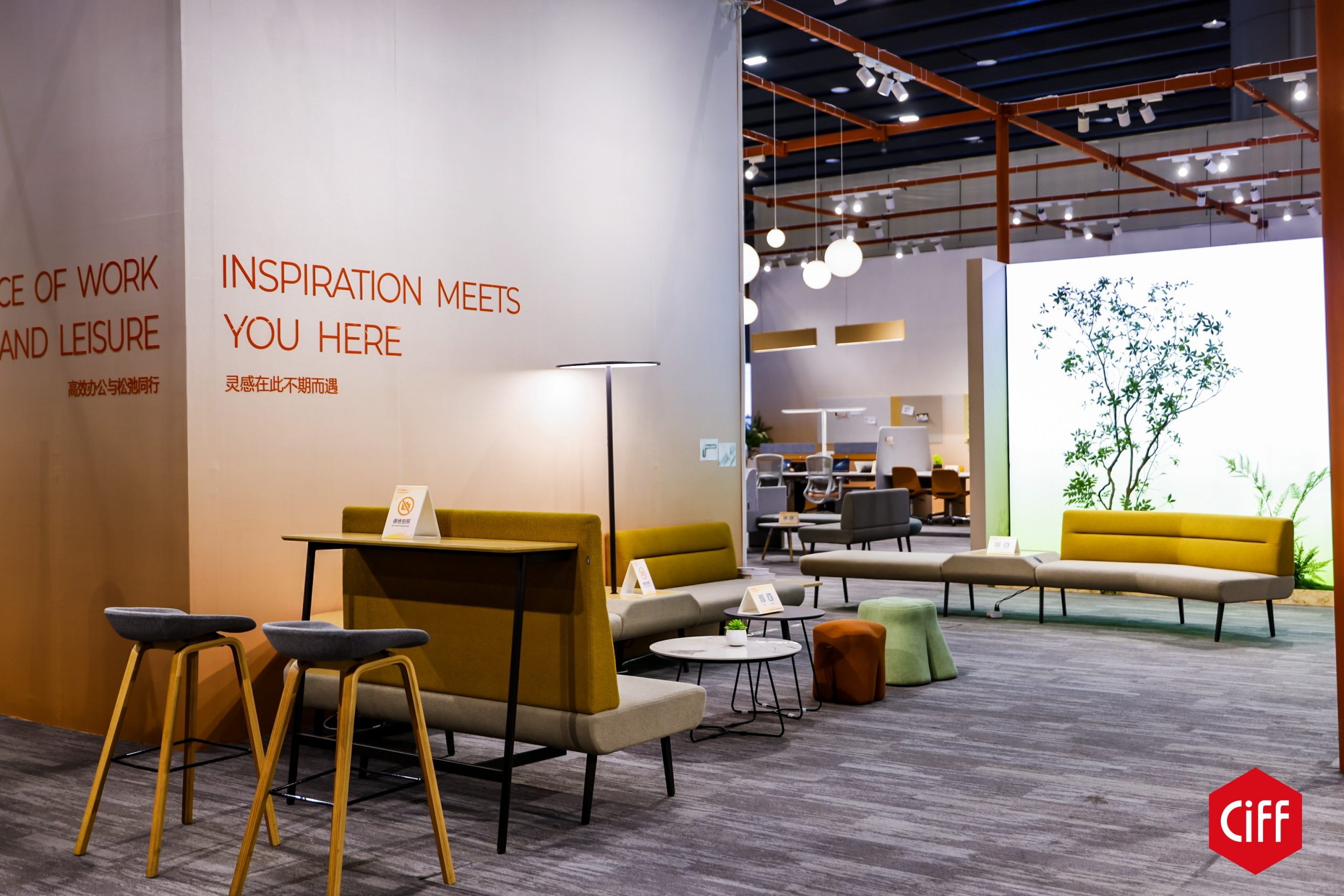
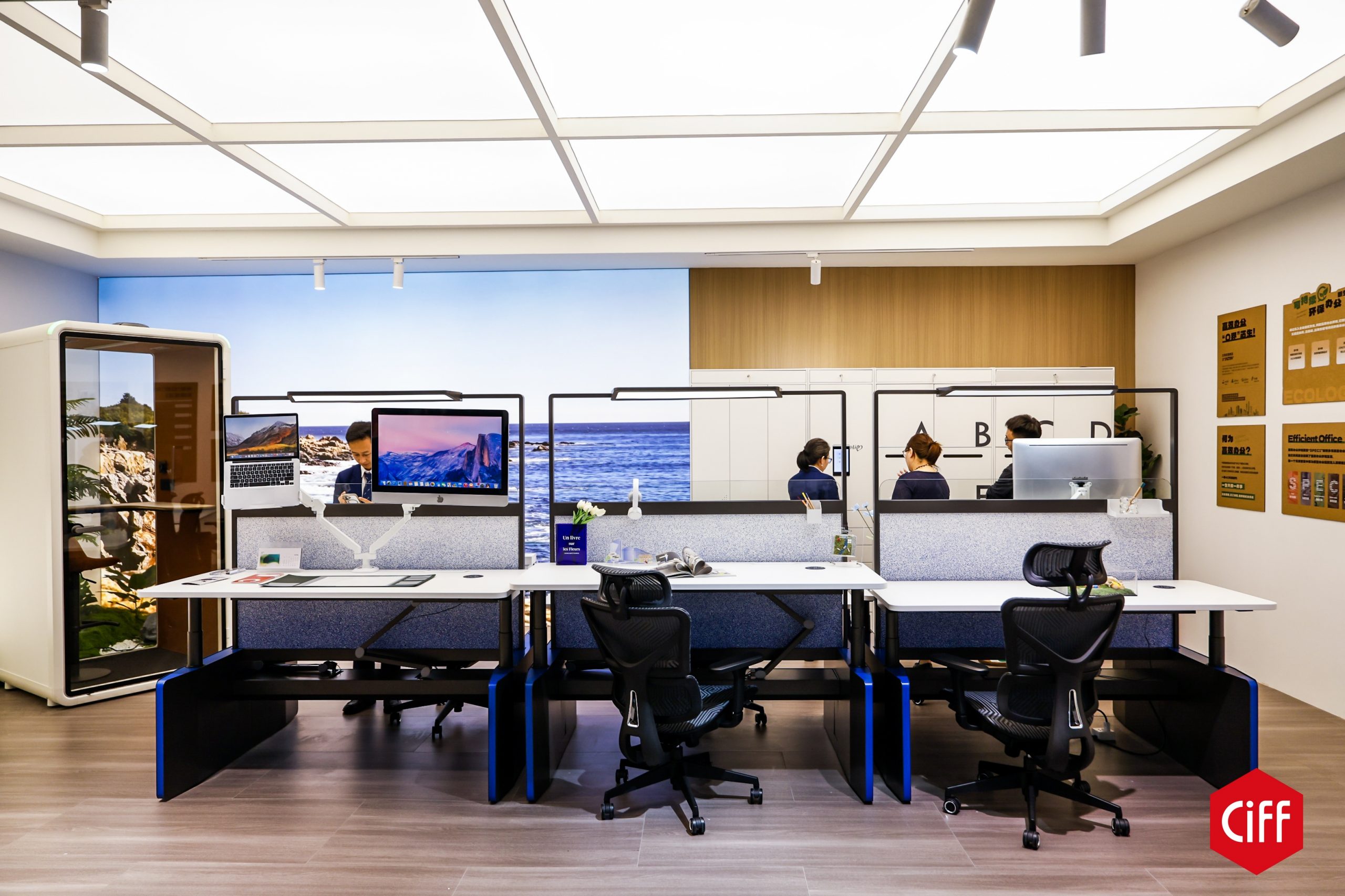
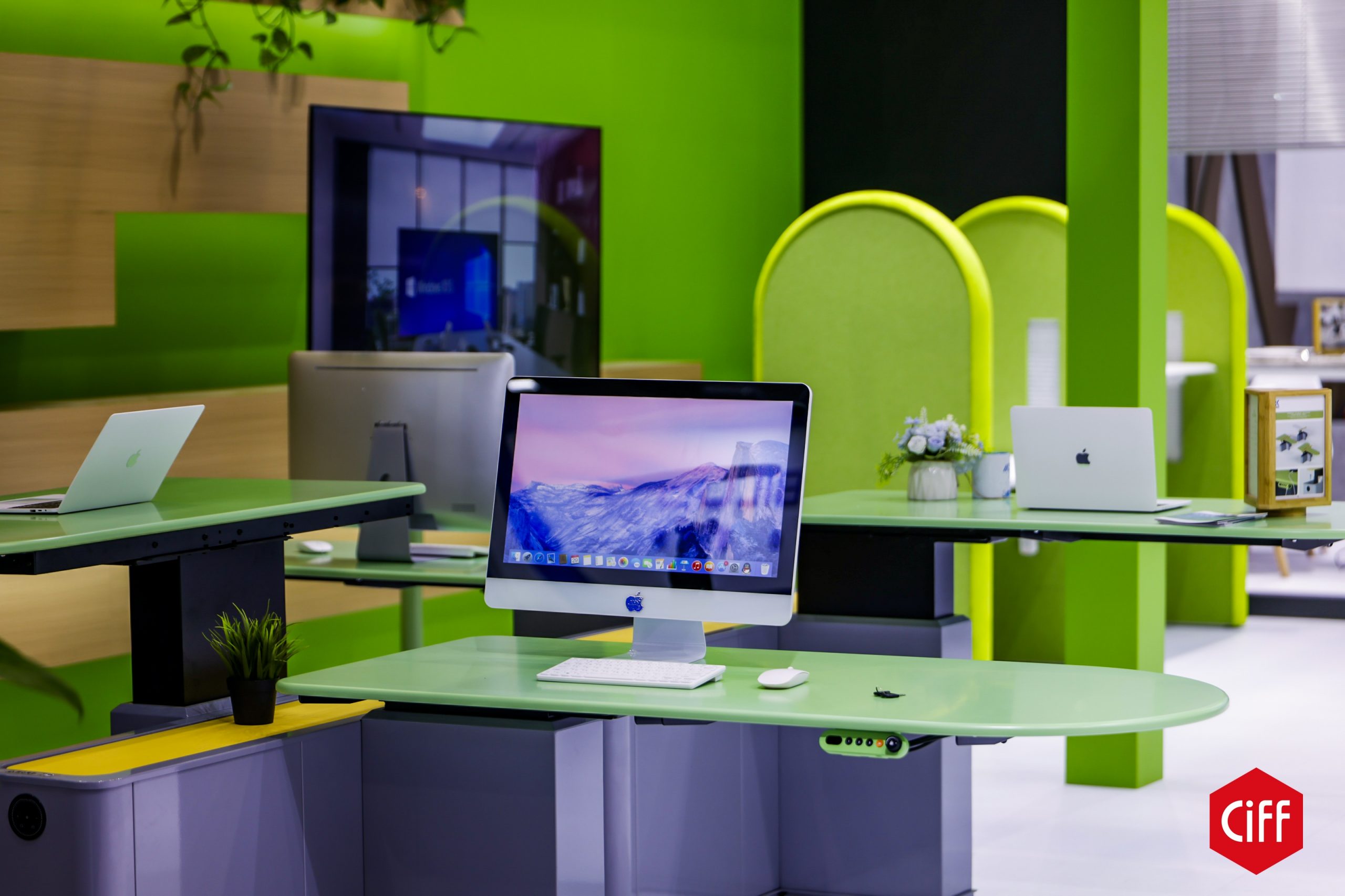
In the seating section, the focus was on ergonomics and long-term comfort. Many chairs incorporated mechanical adjustment systems and responsive materials designed to support different postures throughout the workday, reflecting a broader conversation around workplace health.
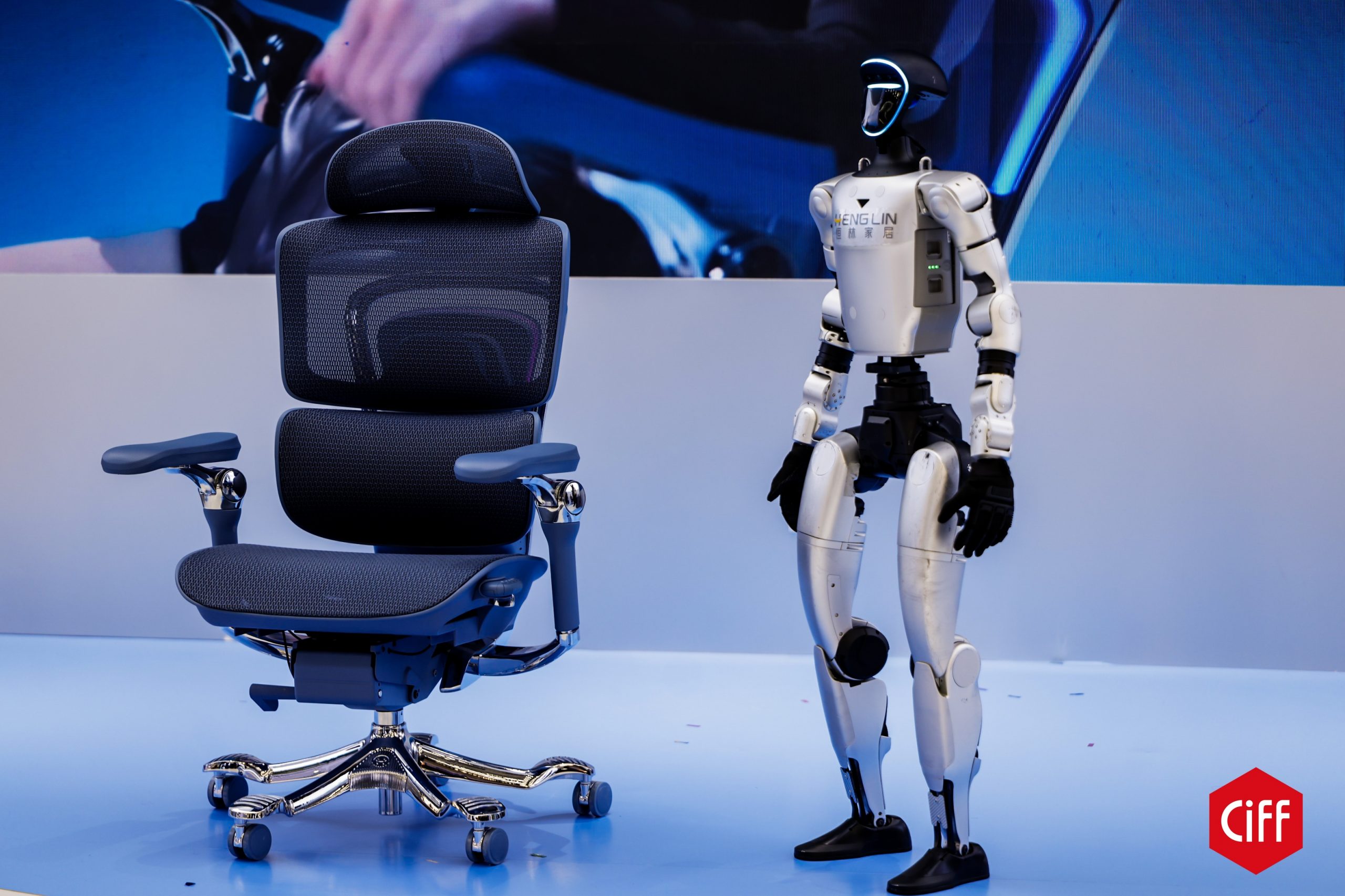
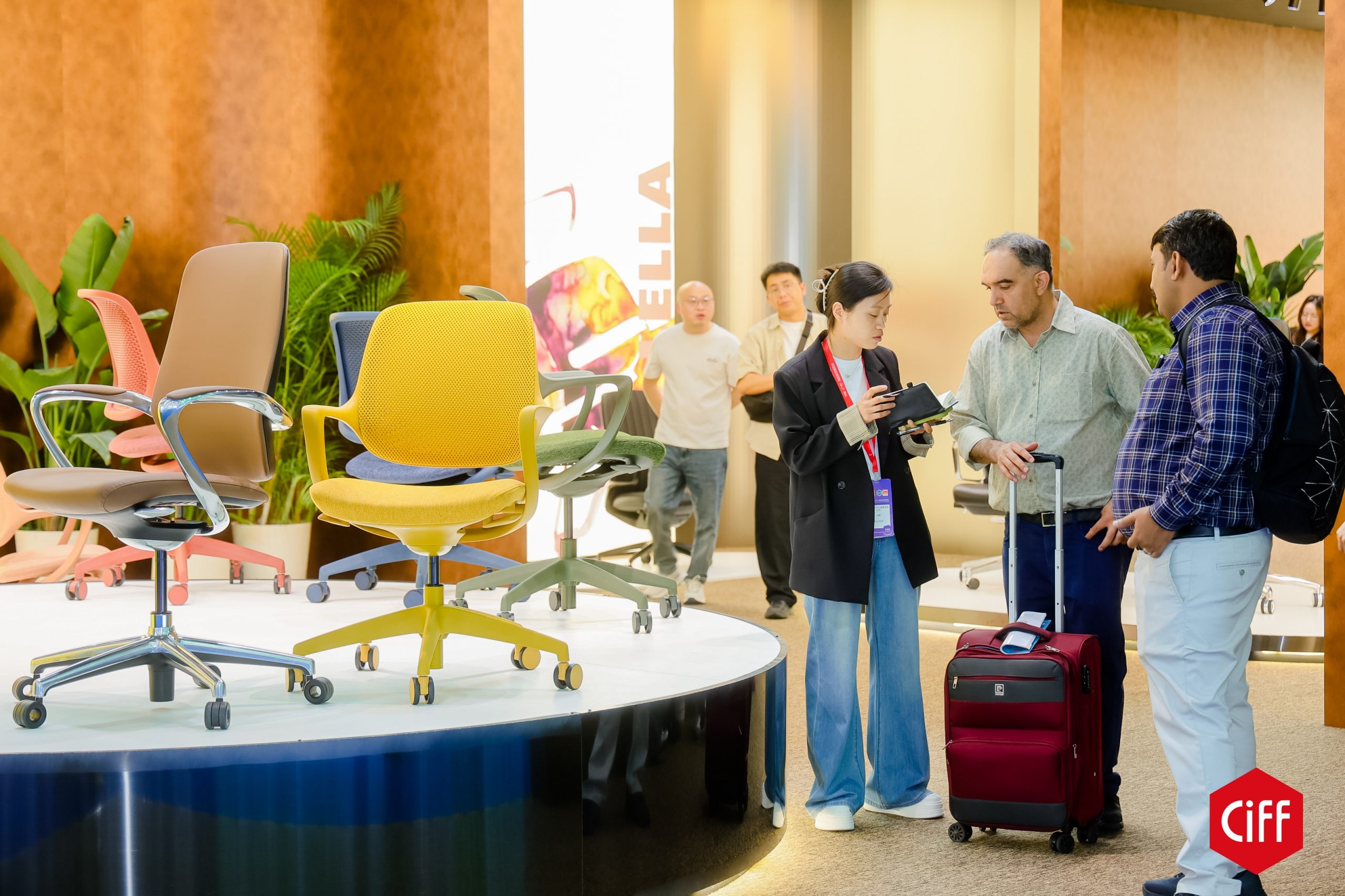
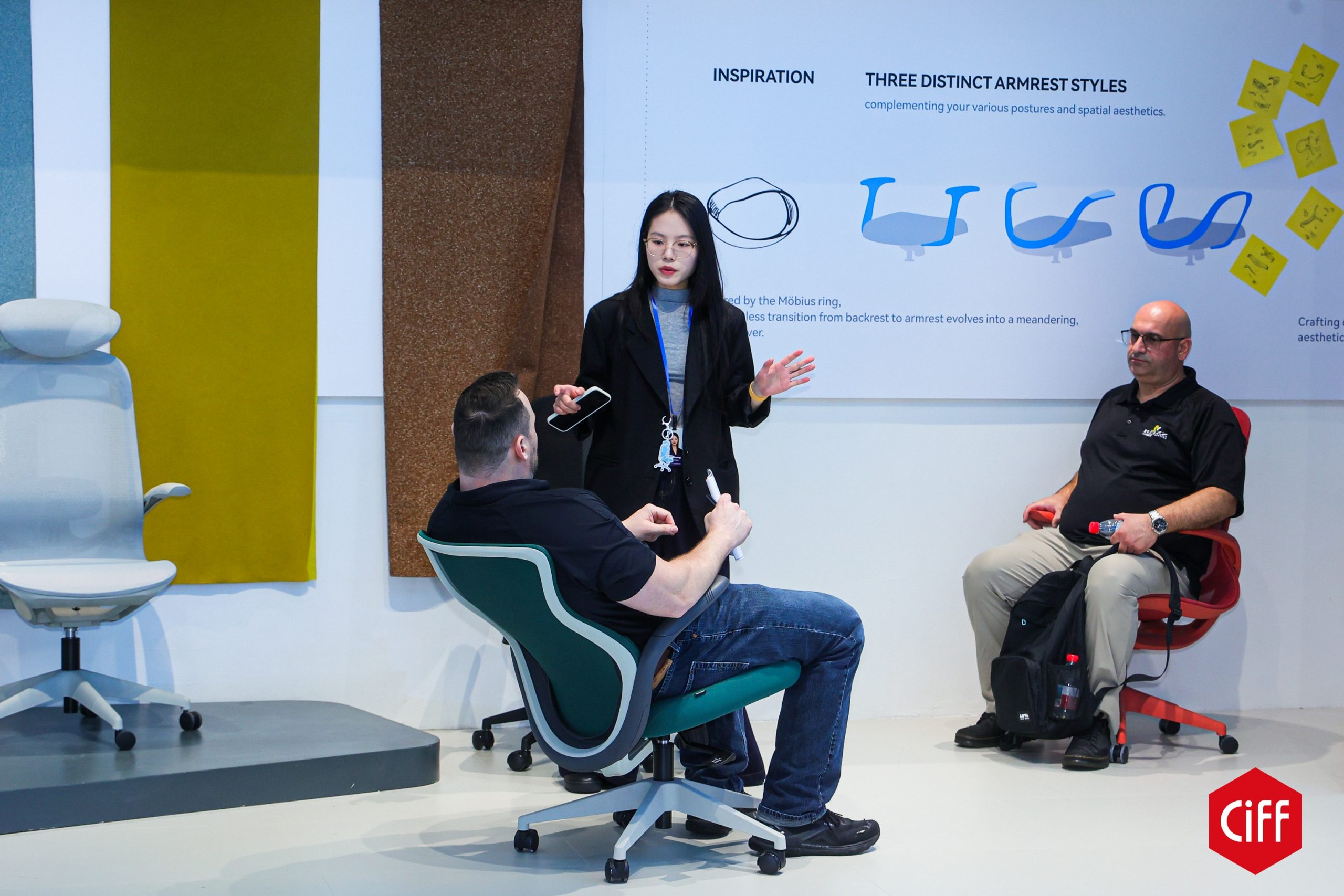
The public and commercial sector showcased solutions for schools, hospitals, hotels and transportation hubs. Modular construction systems and low-carbon strategies were common themes, indicating how furniture design is increasingly connected to architecture, infrastructure and environmental performance.
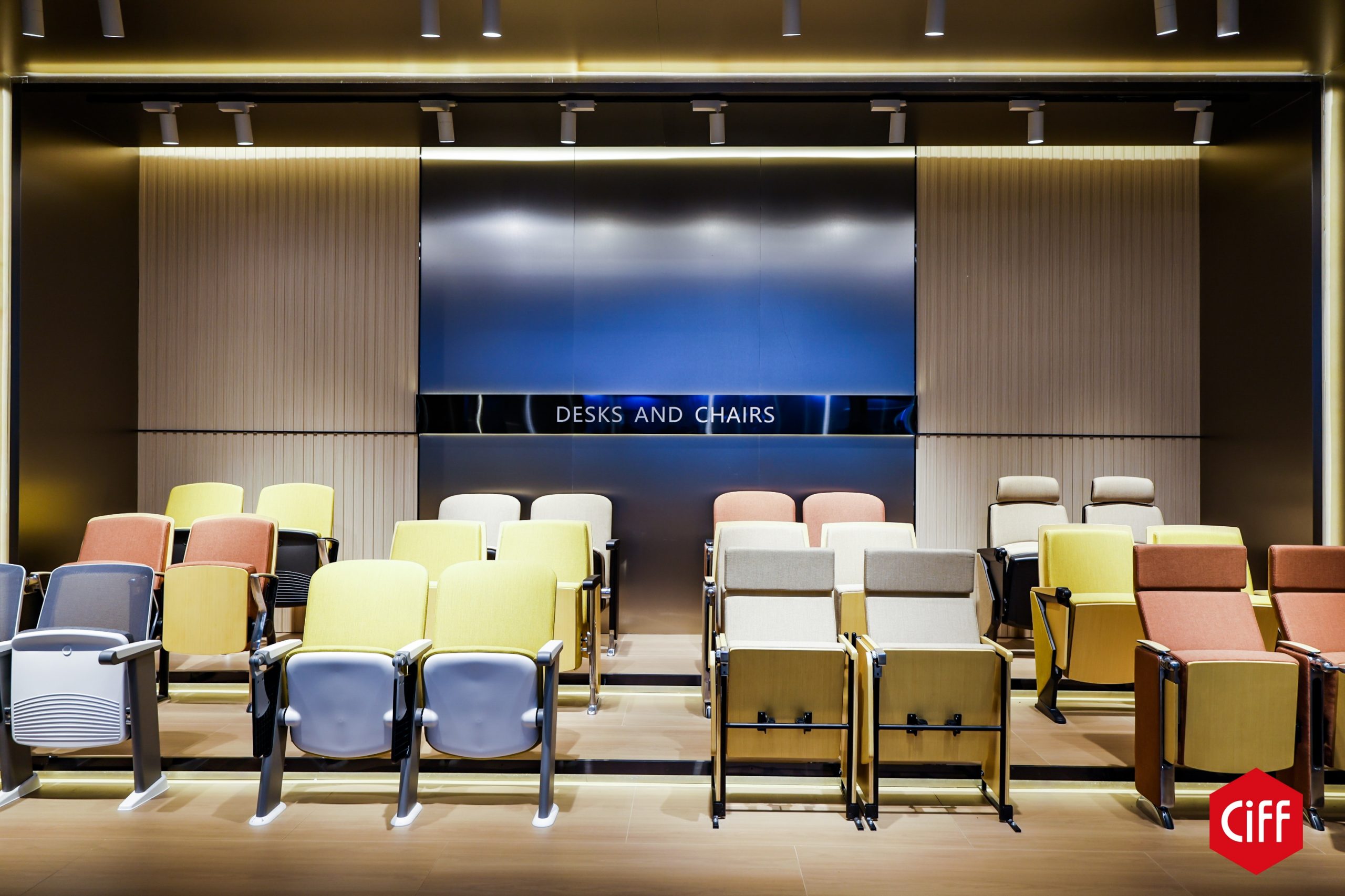
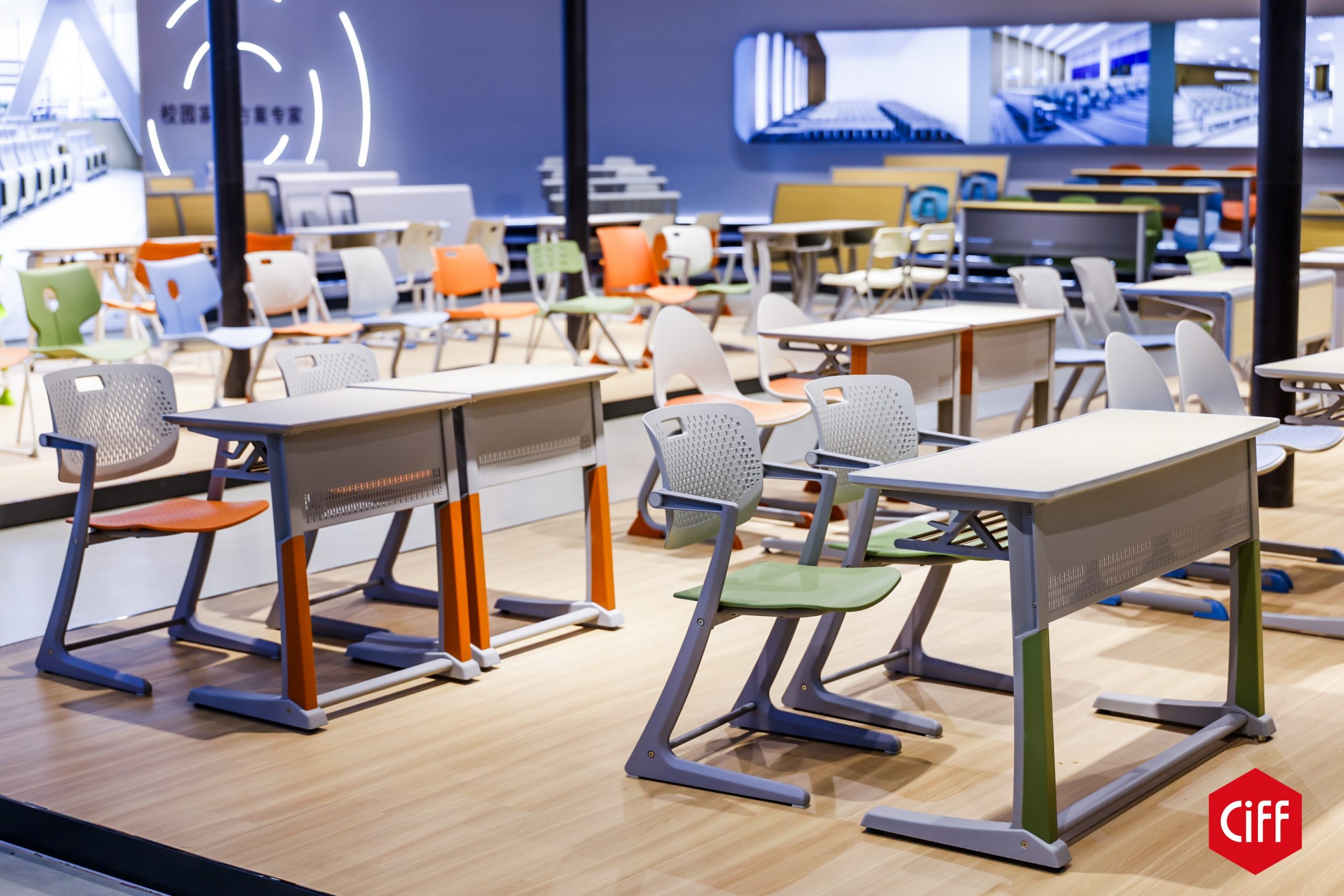
Watch the video:
