






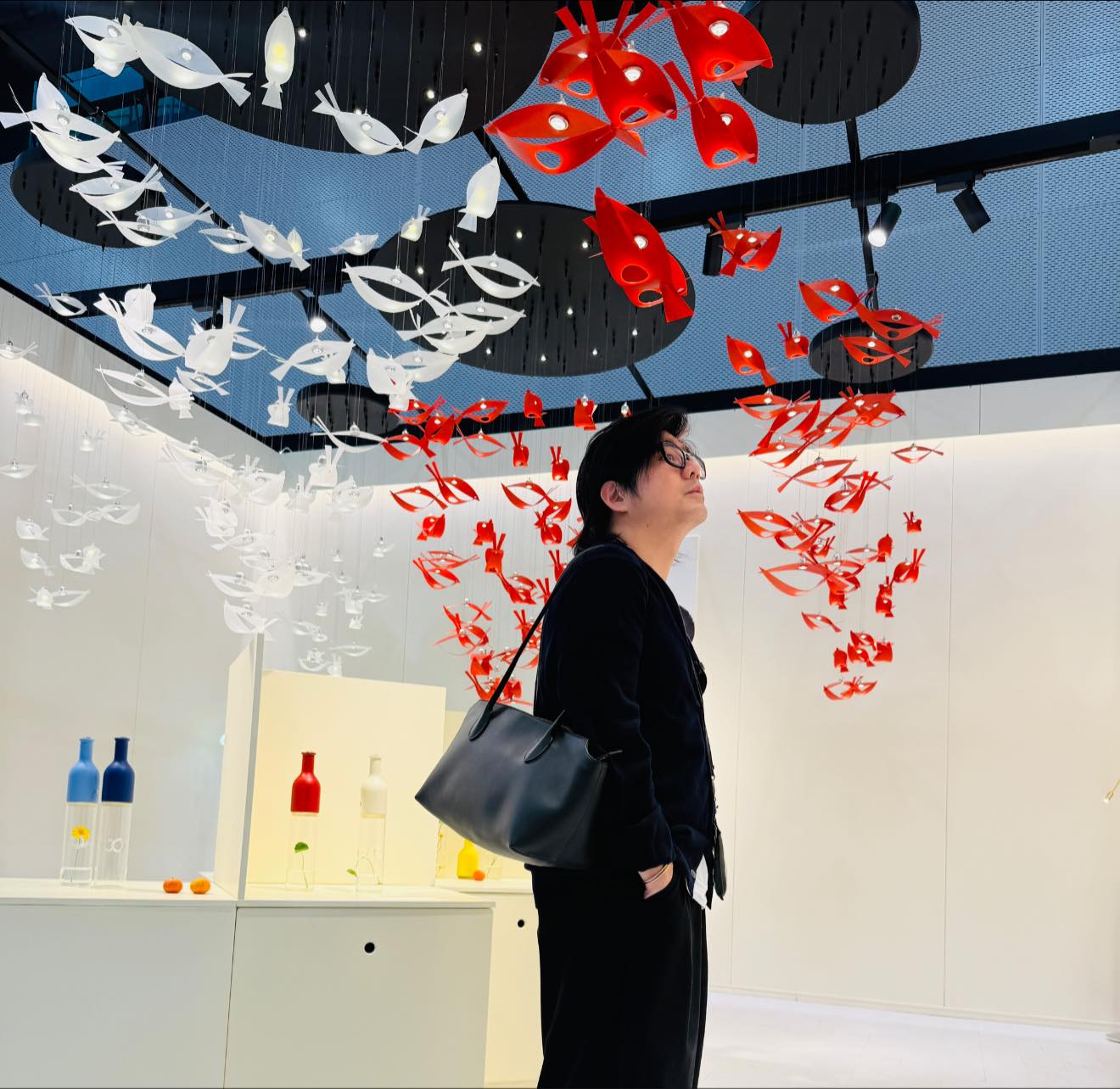
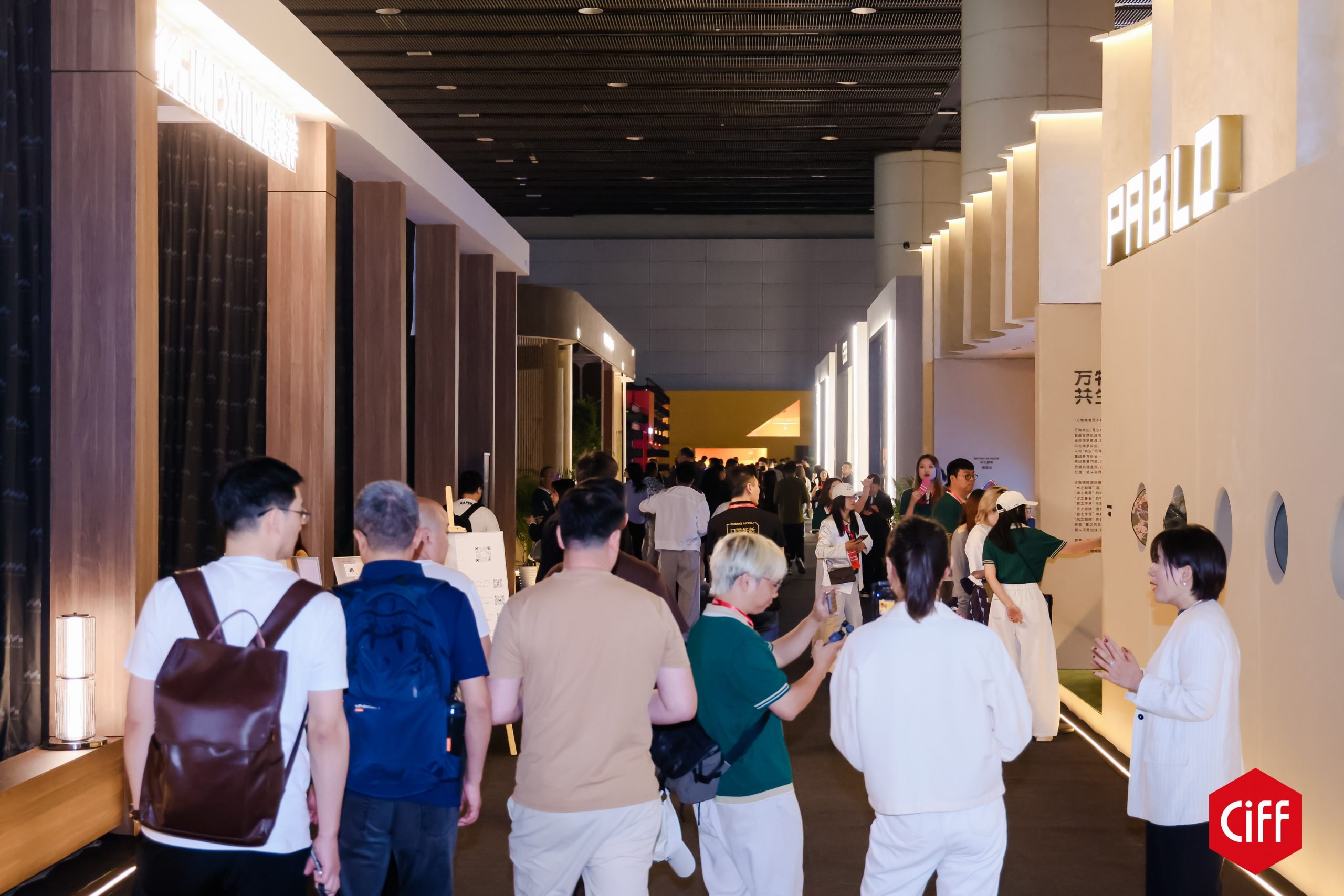
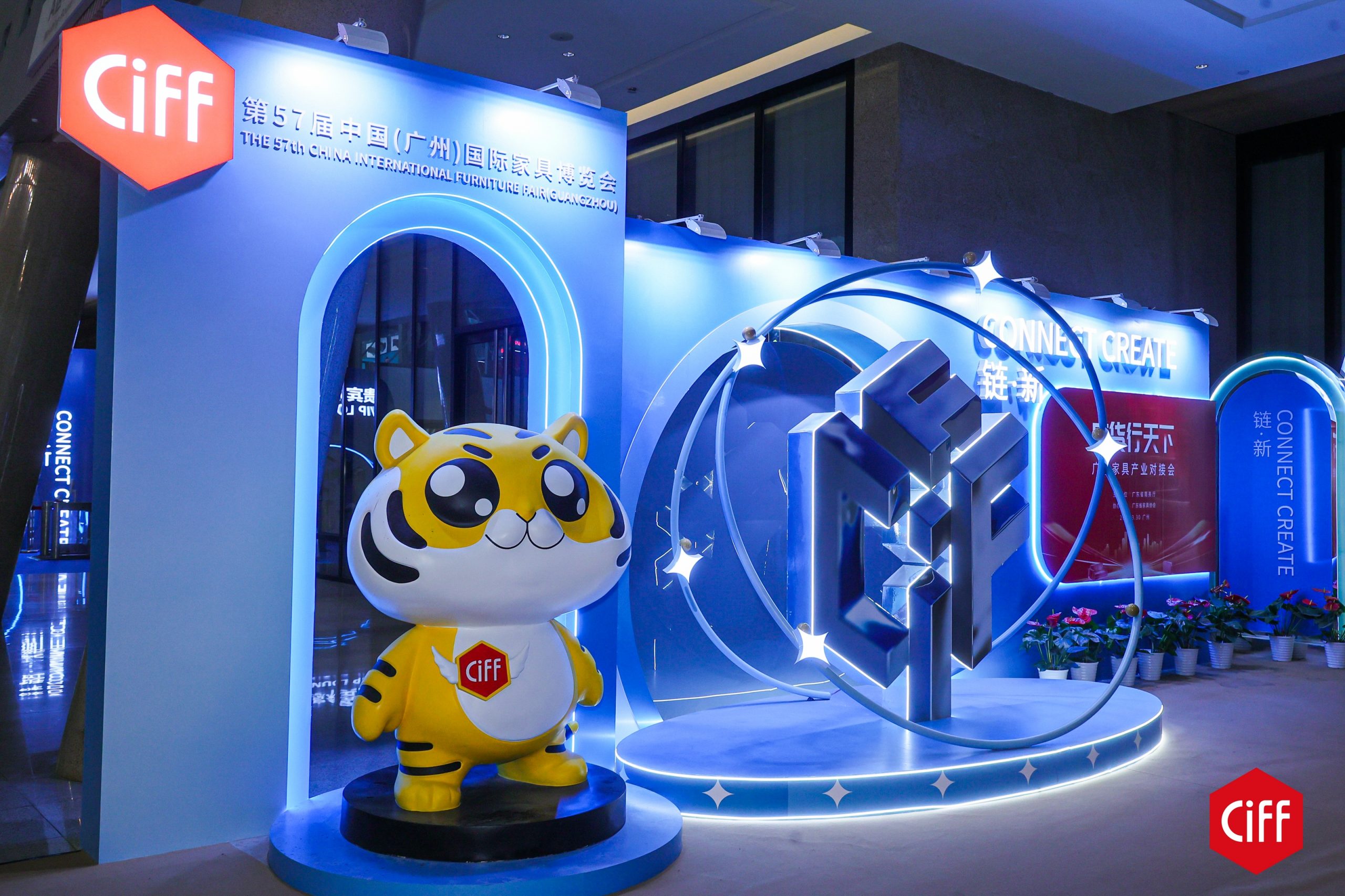
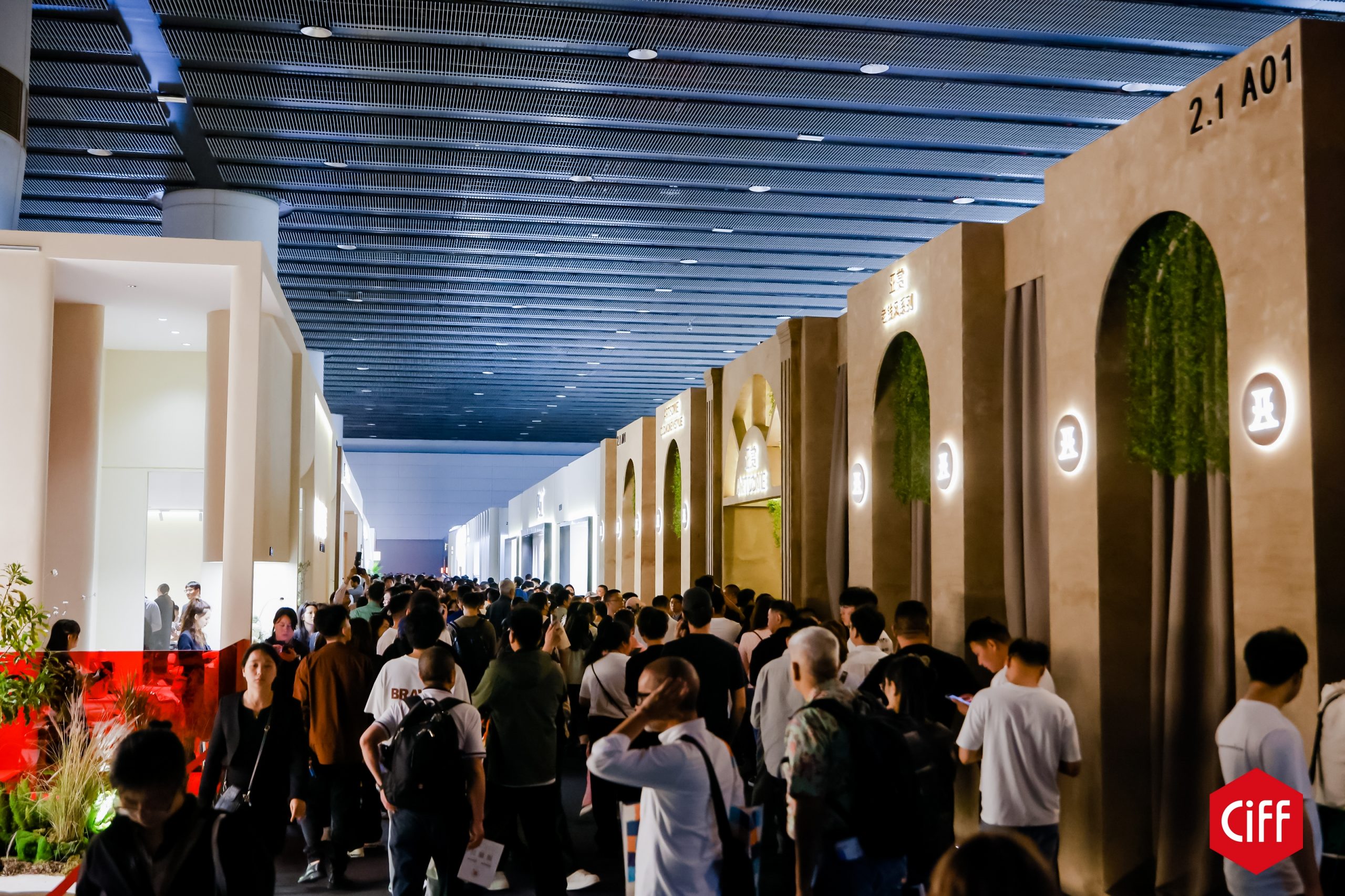
In March, Pazhou is filled with a constant flow of visitors. On-site at the 57th edition of CIFF Guangzhou, 《CreativeHomex》experienced first-hand the momentum driving the industry forward. Spanning 850,000 square metres and bringing together more than 5,100 exhibiting brands, this year’s fair not only sets a new benchmark in scale, but also reflects a noticeable elevation in quality.
Today, CIFF Guangzhou has moved well beyond its role as a conventional trade platform. It has evolved into a key industry hub that supports innovation and shapes emerging directions. Across the exhibition, what comes into view is not only the breadth of brands and products on display, but a more comprehensive exploration of how future lifestyles are being imagined and articulated.
From standalone objects to holistic living environments
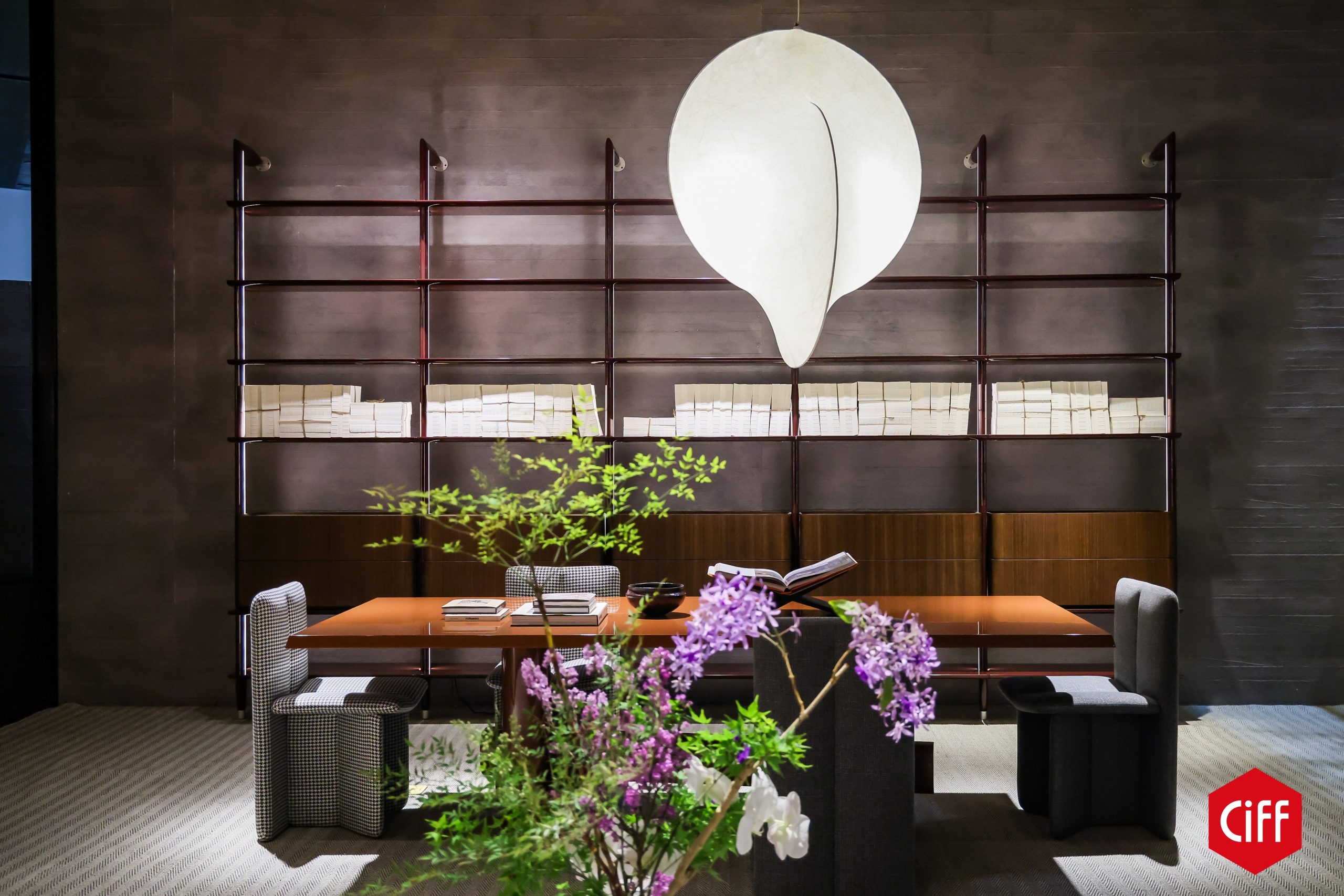
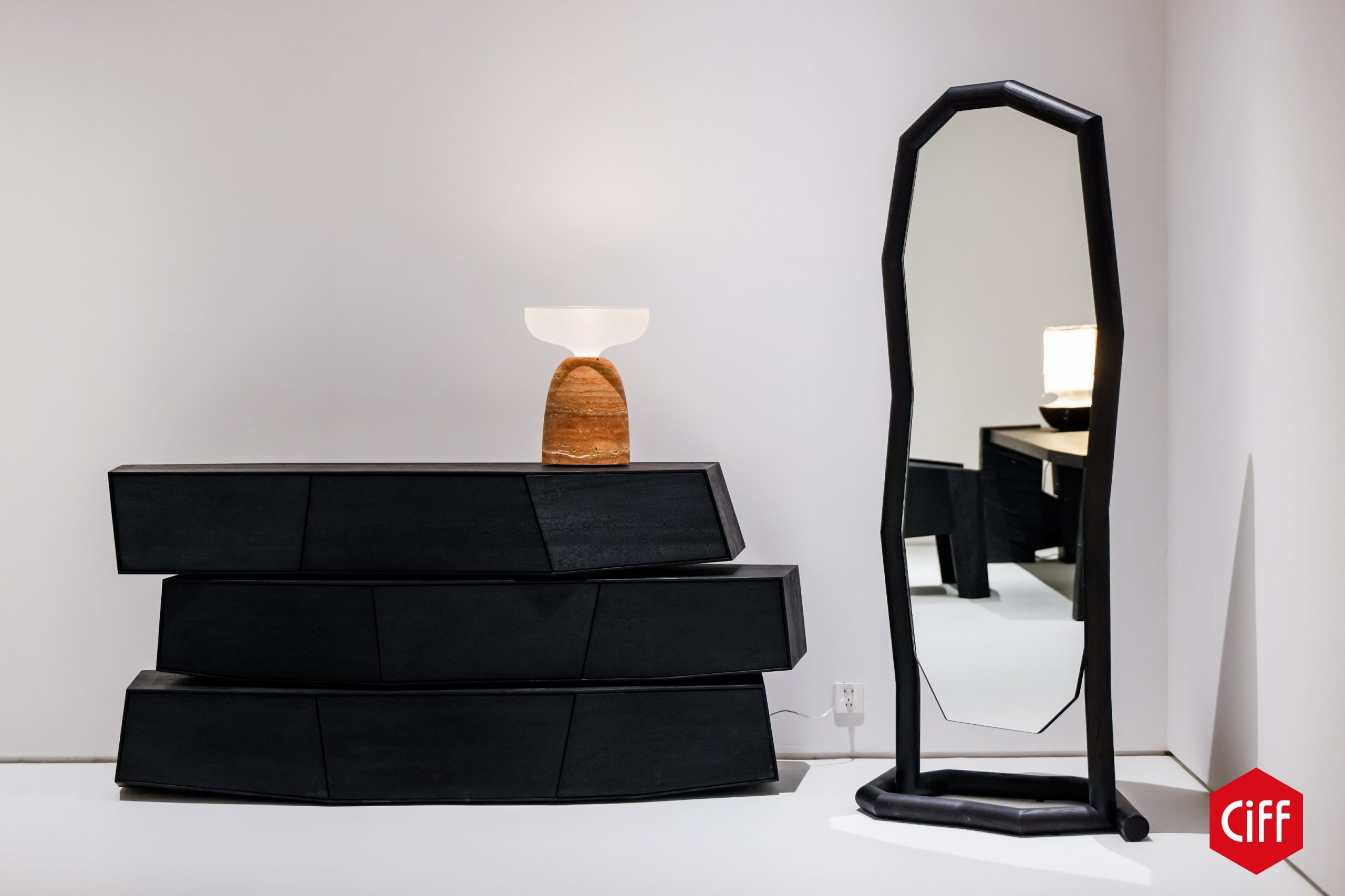
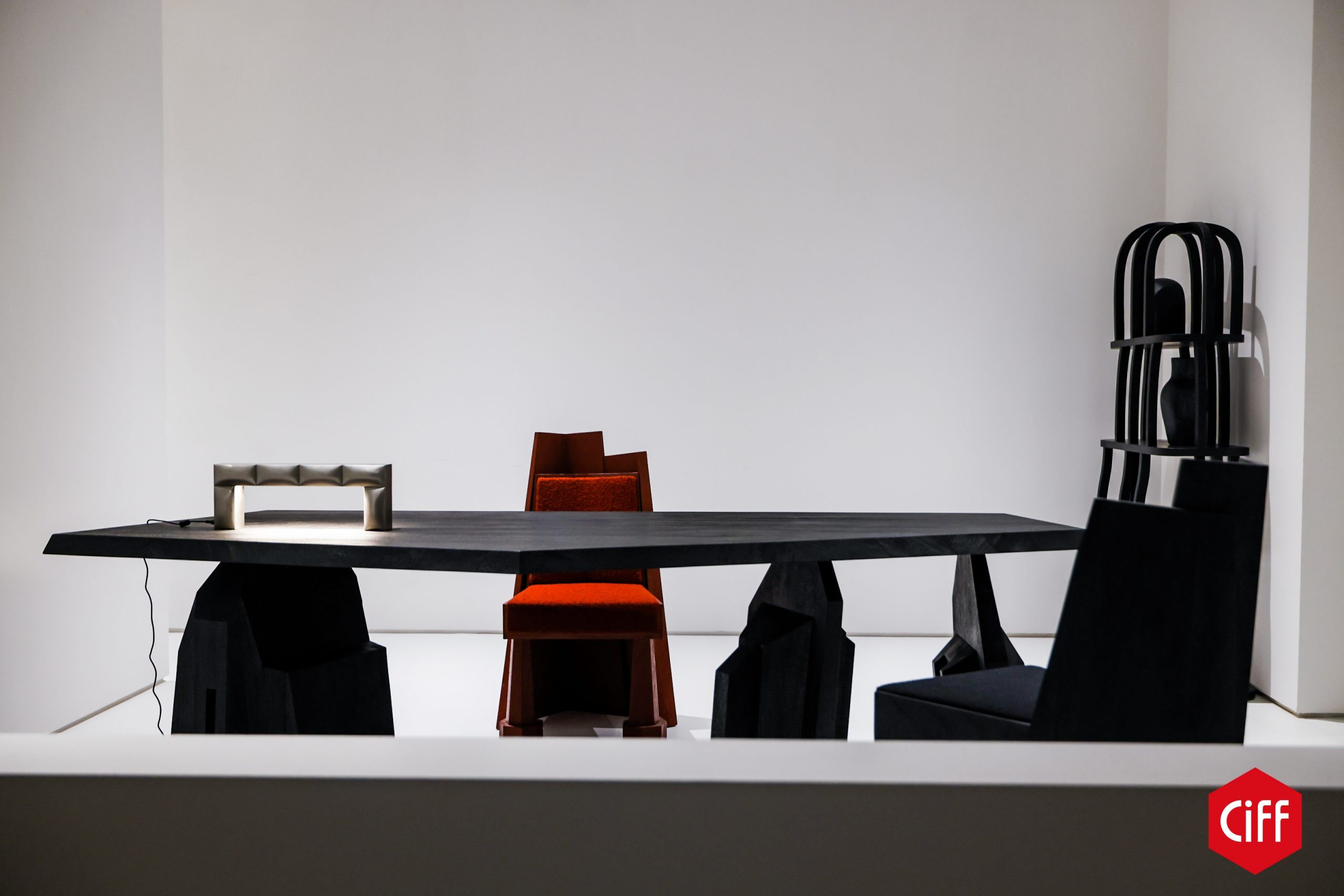
One of the most visible shifts is the move from individual furniture pieces towards complete spatial narratives. The Contemporary Design Exhibition, organised under the theme “Design Commons”, brings together more than 60 commercial brands, over 20 independent designers and around 60 international studios, framing design as a collaborative ecosystem.
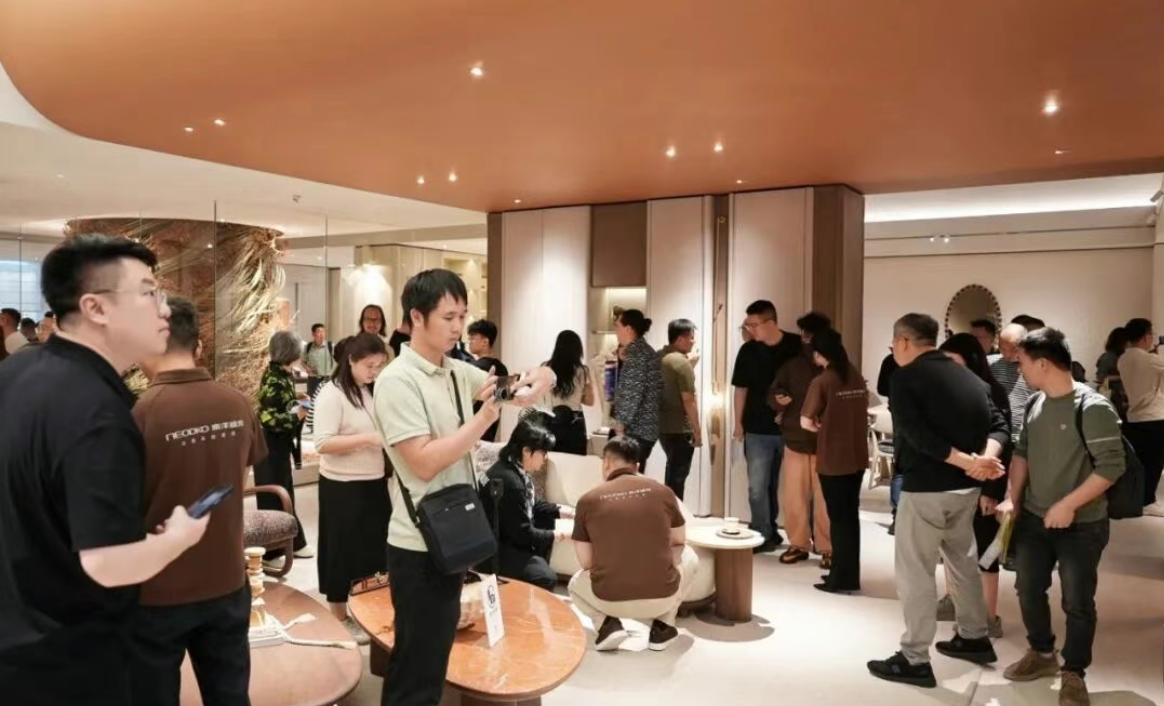
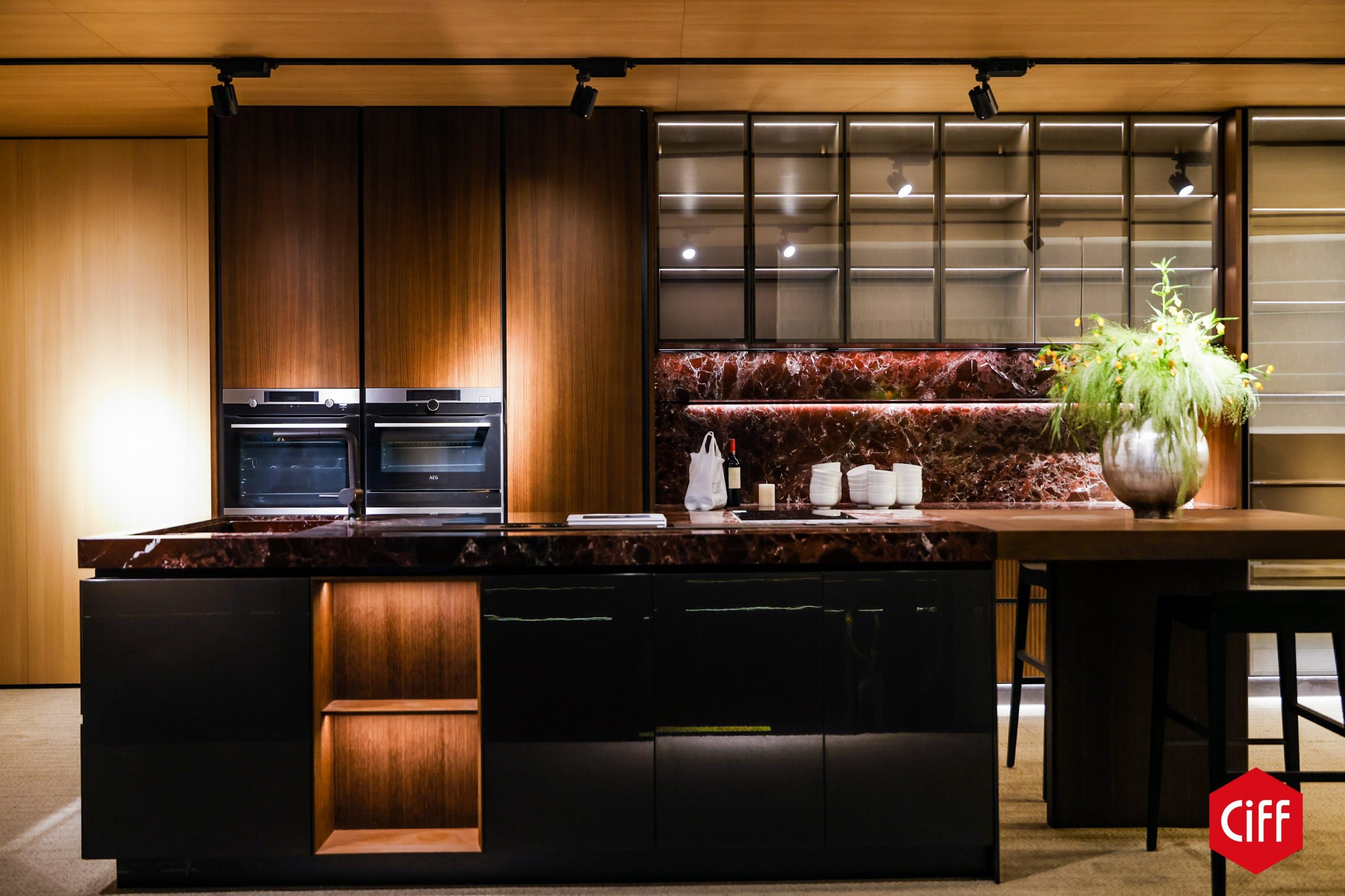
Taking NEODIKO as an example, the company — with over 25 years of experience in solid wood craftsmanship — uses its CIFF debut to reposition itself through a “whole-home customisation” approach. Moving beyond standalone products, it expands into integrated residential solutions, shifting from product delivery towards the creation of complete lifestyle environments.
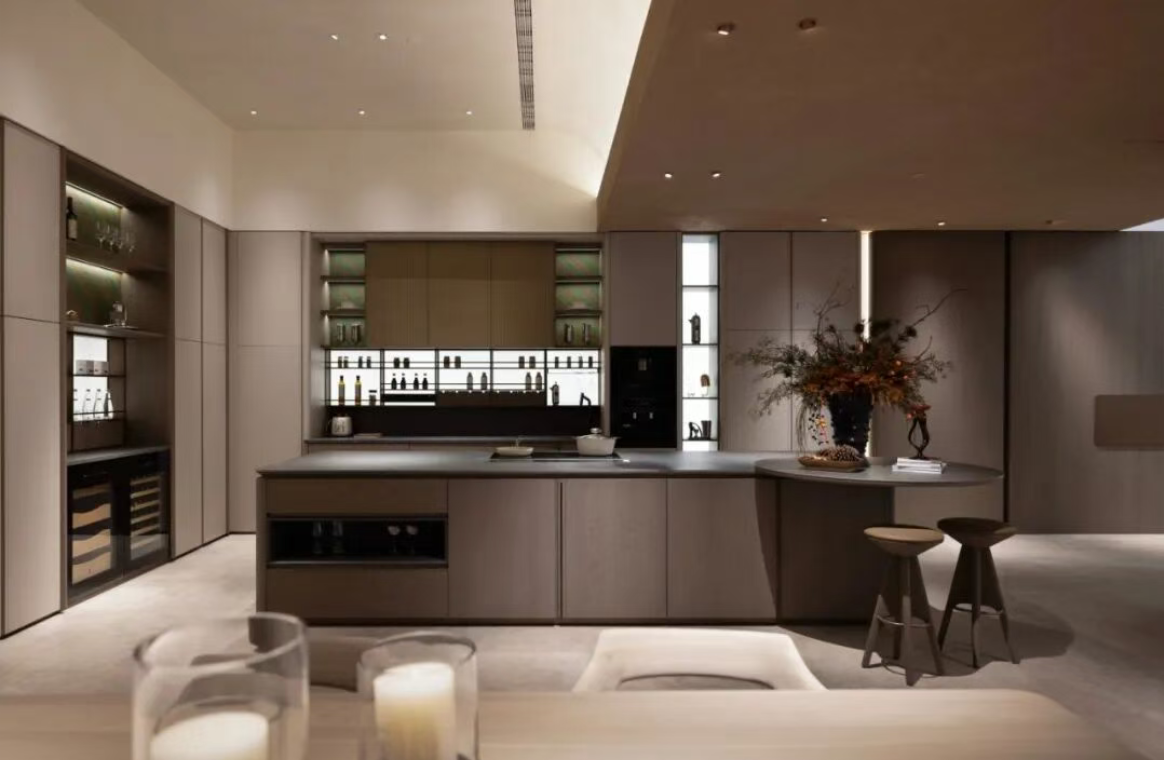
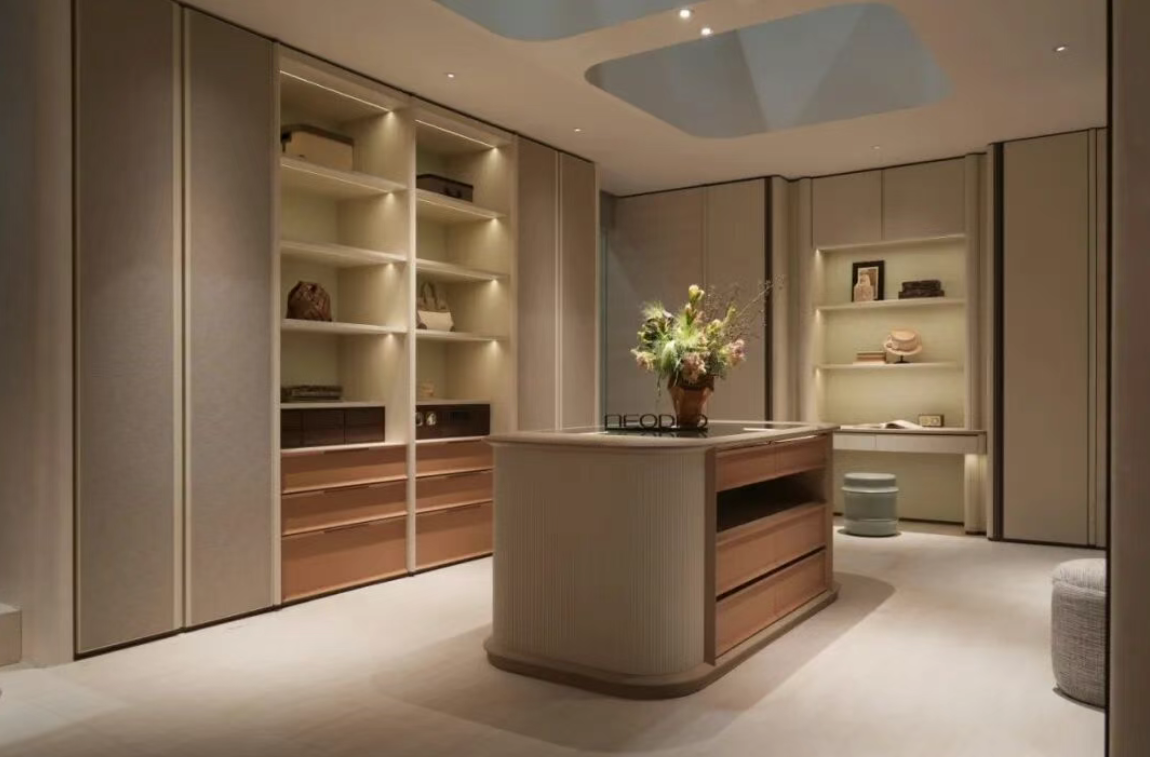
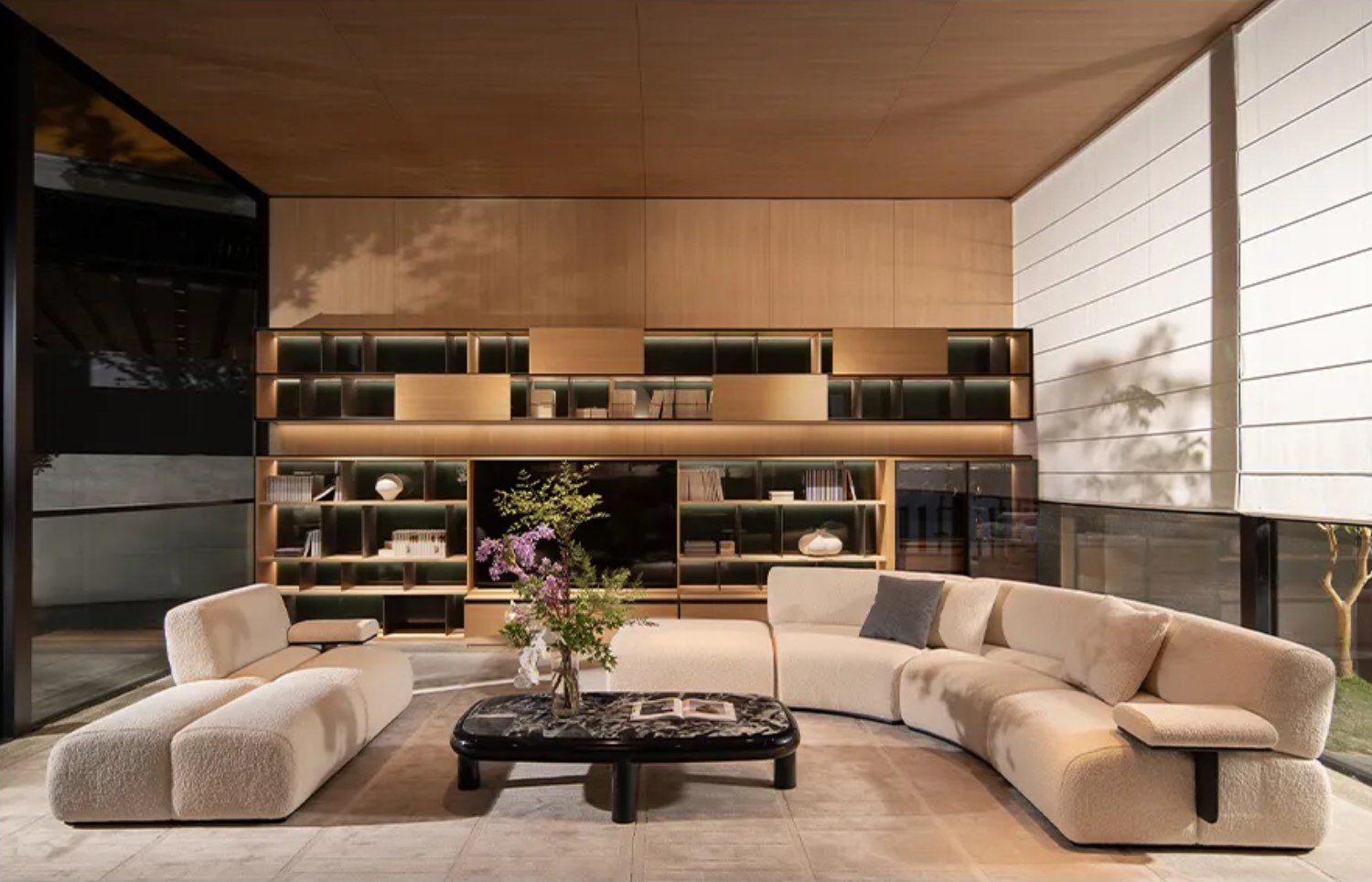
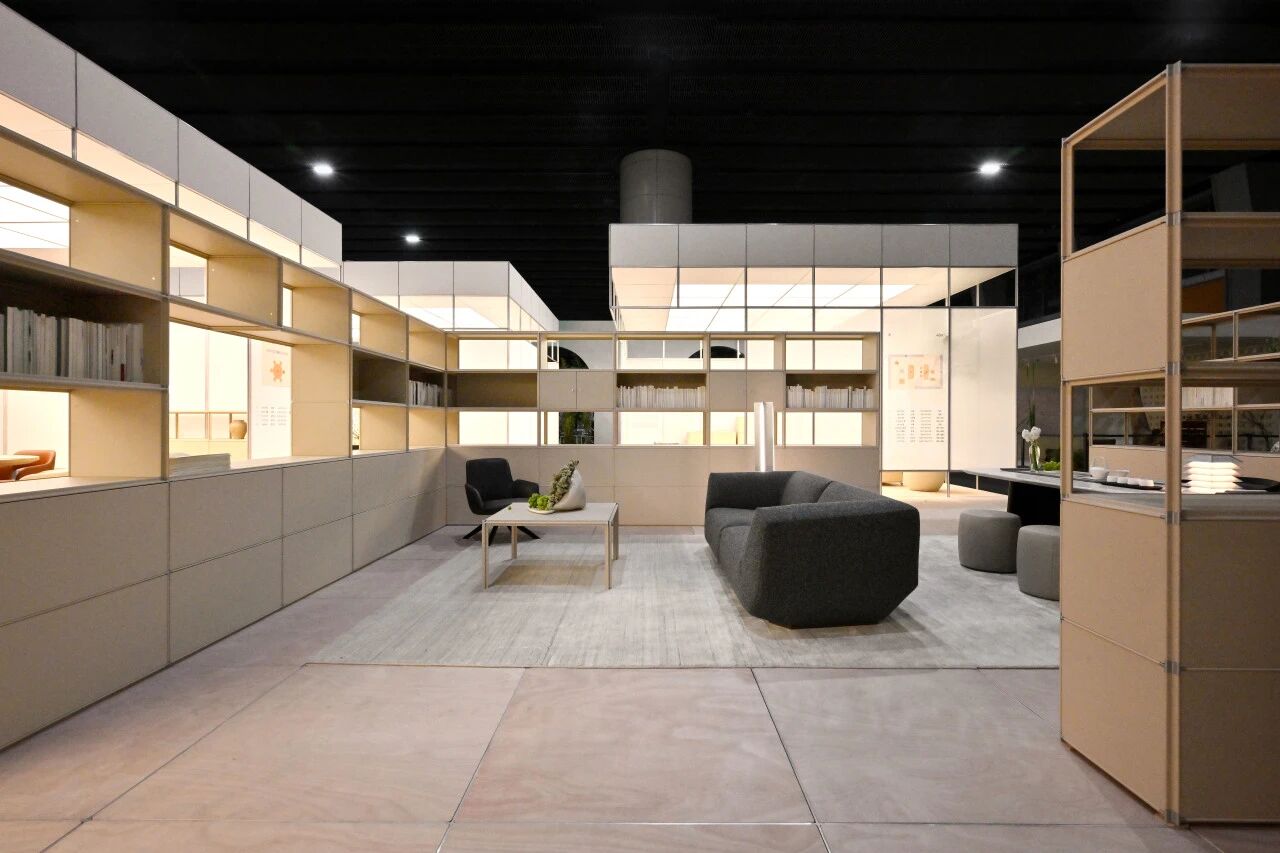
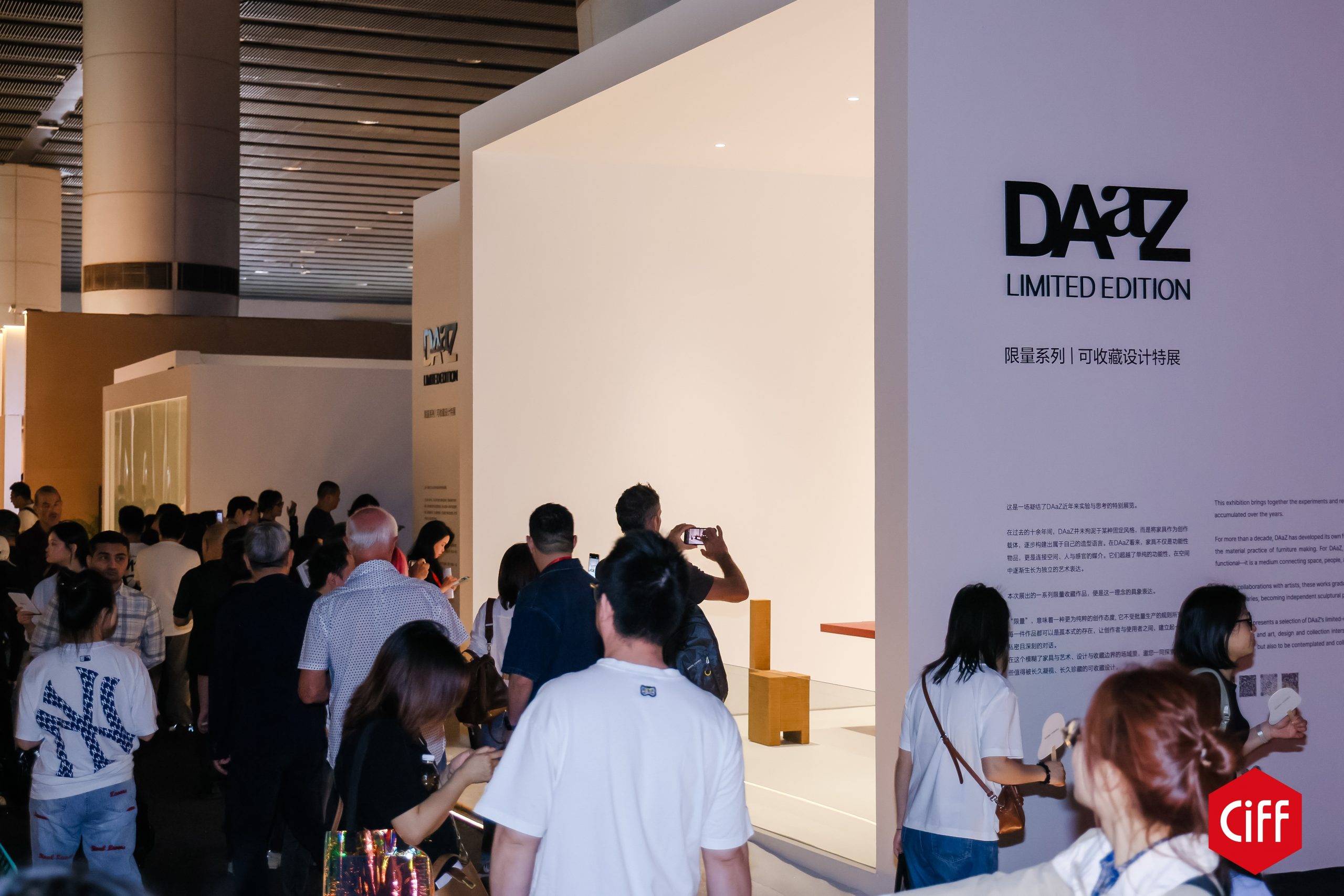
Equally notable is HC28 maison, which presents a fully articulated spatial narrative, integrating furniture, materials and lighting into immersive, scenographic interiors. CAMERICH responds to contemporary living through modular systems that enable spatial flexibility across different modes of use. Meanwhile, DAaZ draws on long-established craftsmanship and Eastern cultural references to produce limited-edition pieces positioned at the intersection of furniture and collectible design.
Emotional value reshapes domestic design
New thematic zones focusing on ageing populations and pet-inclusive living point to a broader expansion of design priorities. Furniture is increasingly responding to emotional and behavioural needs alongside functional requirements.
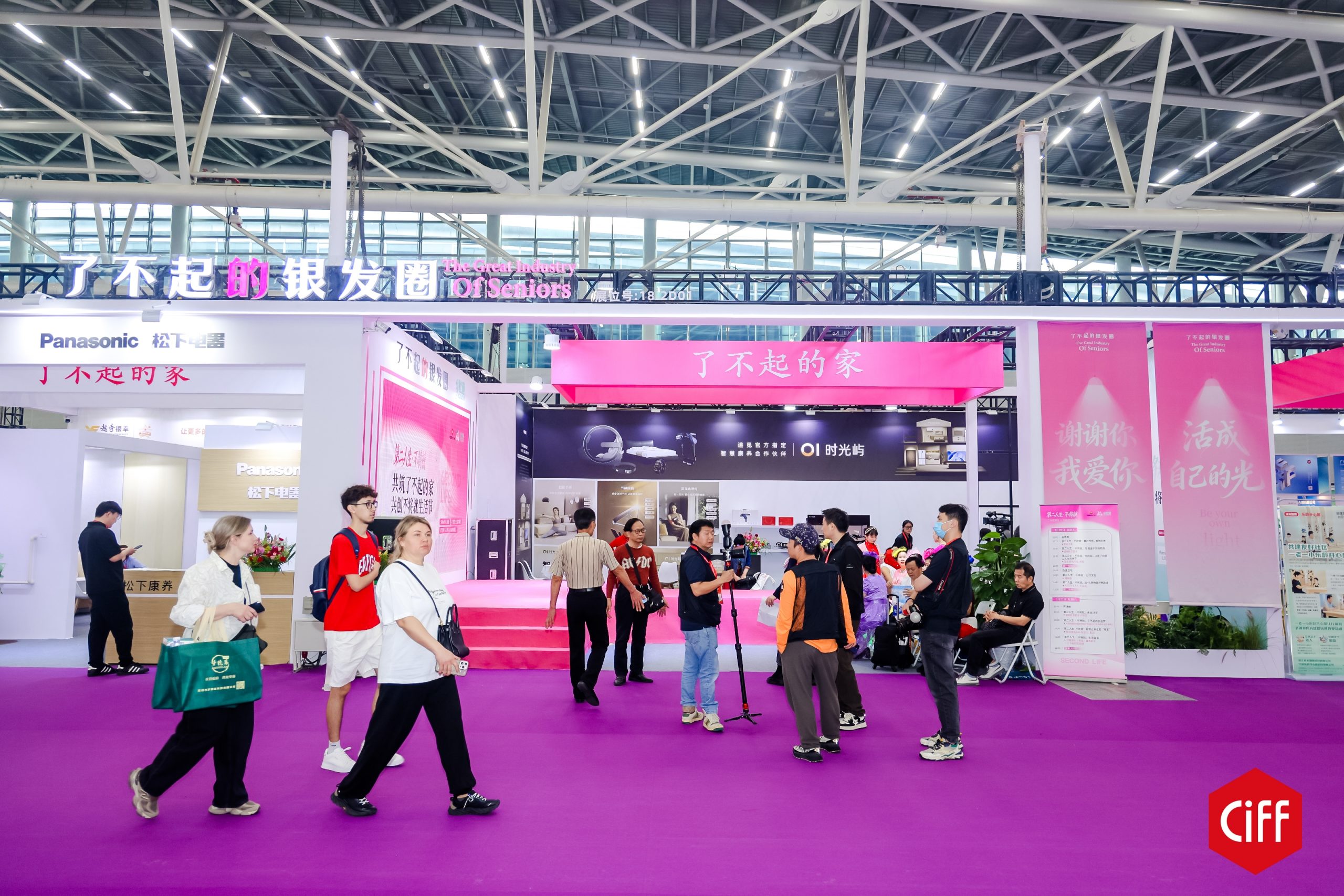
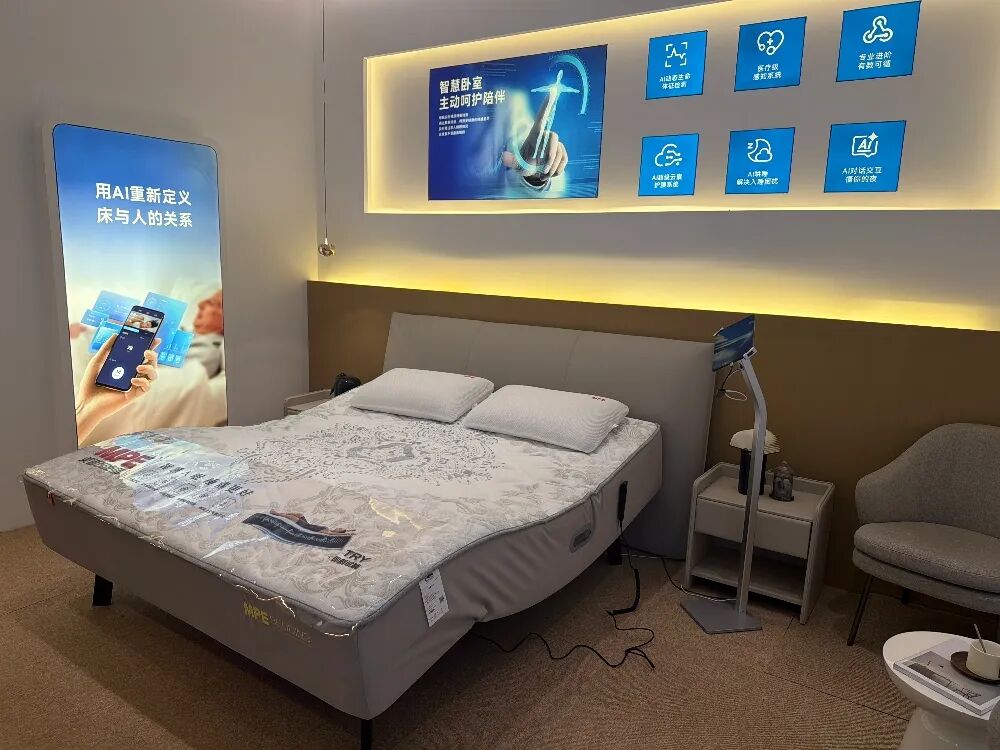
In the Healthy Elderly Living Themed Exhibition, assistive design is integrated into domestic settings with greater sensitivity. Smart bedding systems by MPE embed AI-driven health monitoring into everyday use, aligning with the demands of an ageing demographic.
At the same time, the rise of the Living with Pet – Pet Home & Supplies Themed Exhibition underscores how emotional value has become a defining driver in home-related consumption.
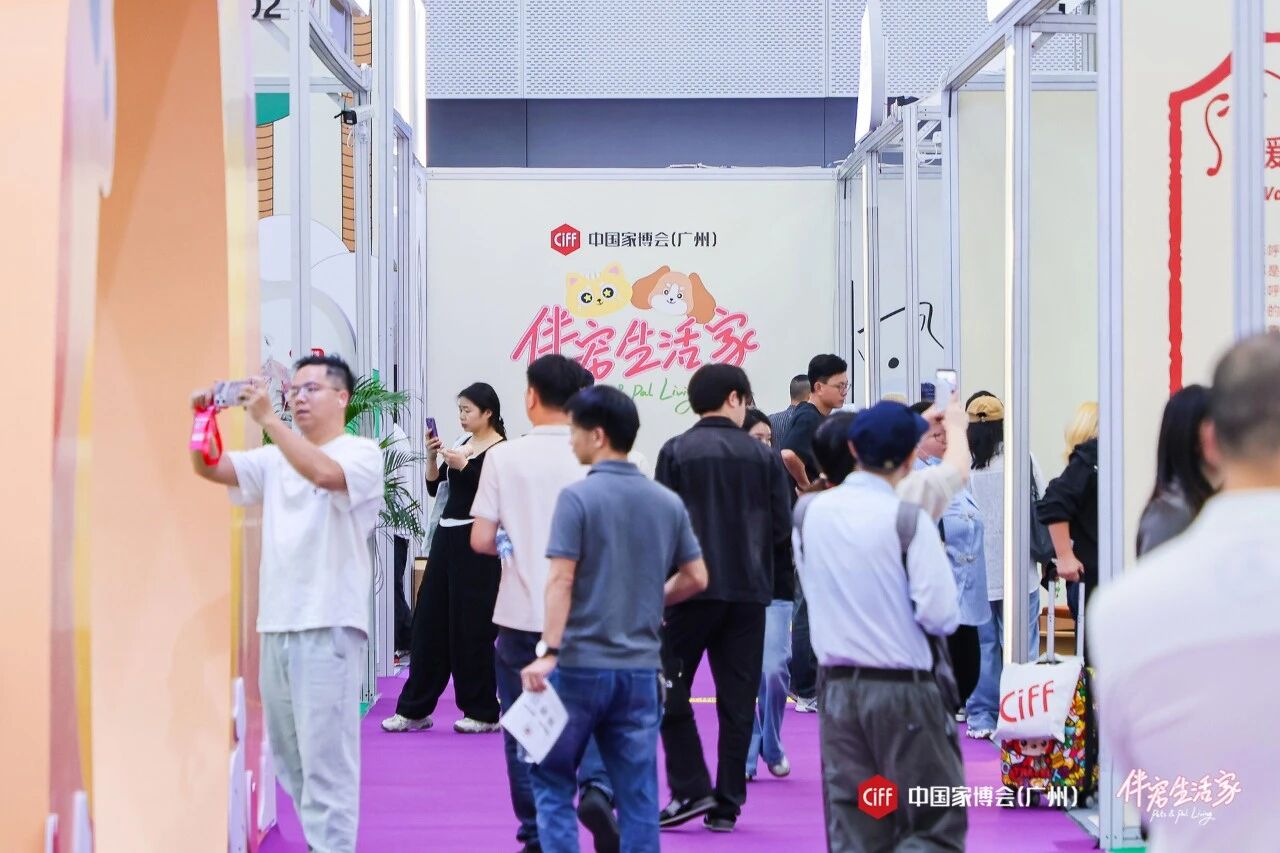
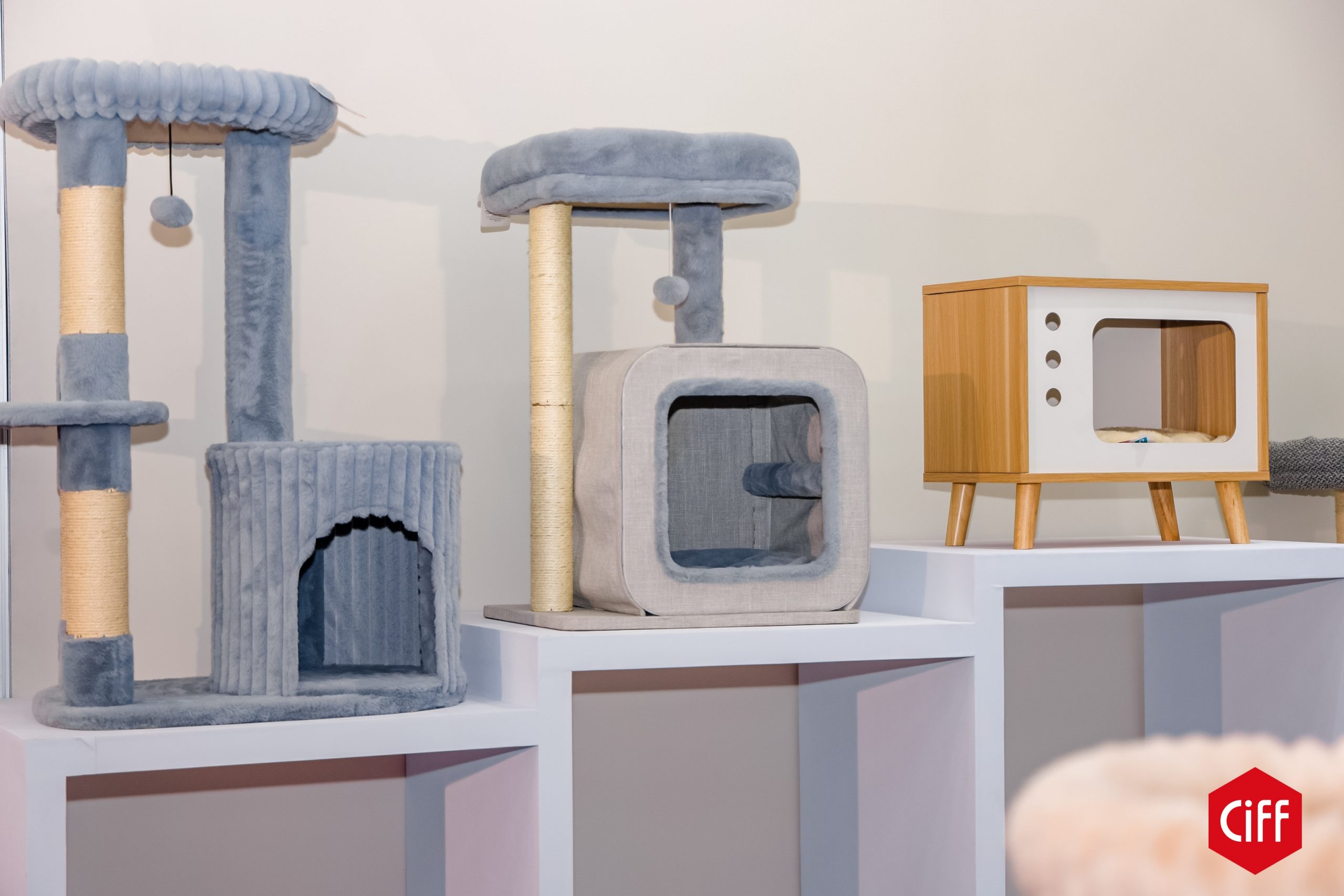
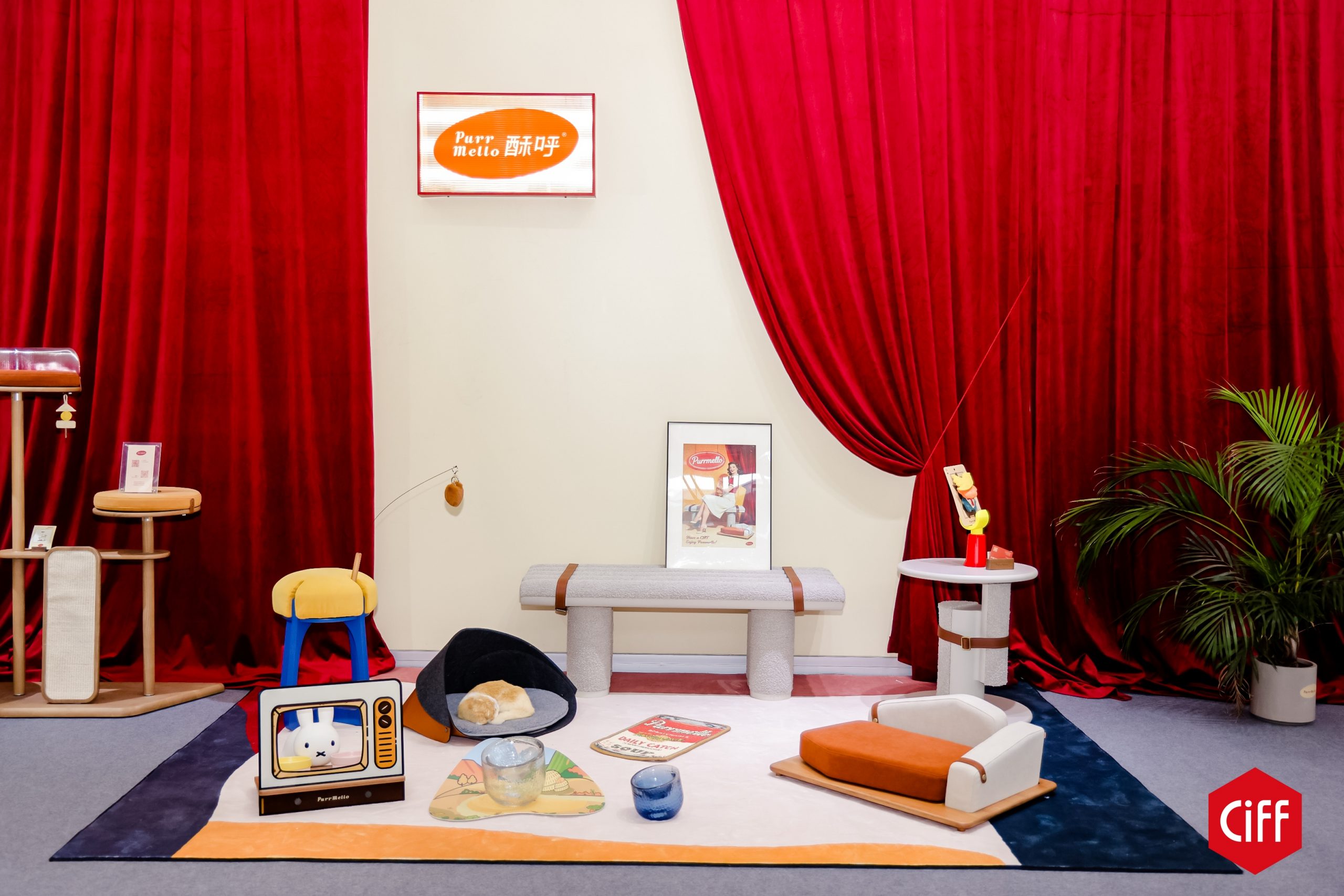
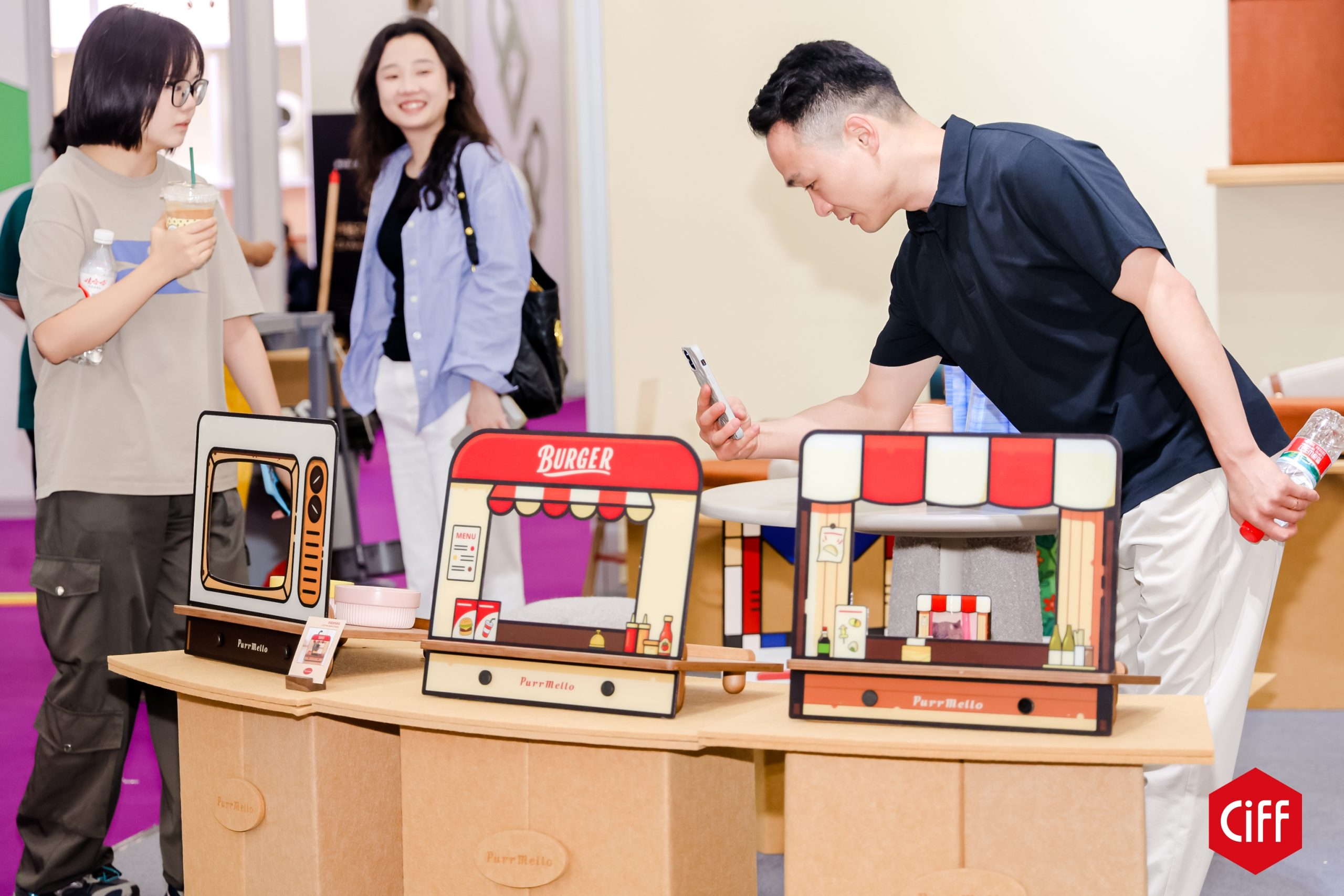
The pet furniture zone features products such as bench-style cat nests and modular pet furnishings, drawing strong interest from younger visitors. As pet ownership in compact urban homes becomes increasingly common, modularity, concealment and multifunctionality are emerging as key directions in product development.
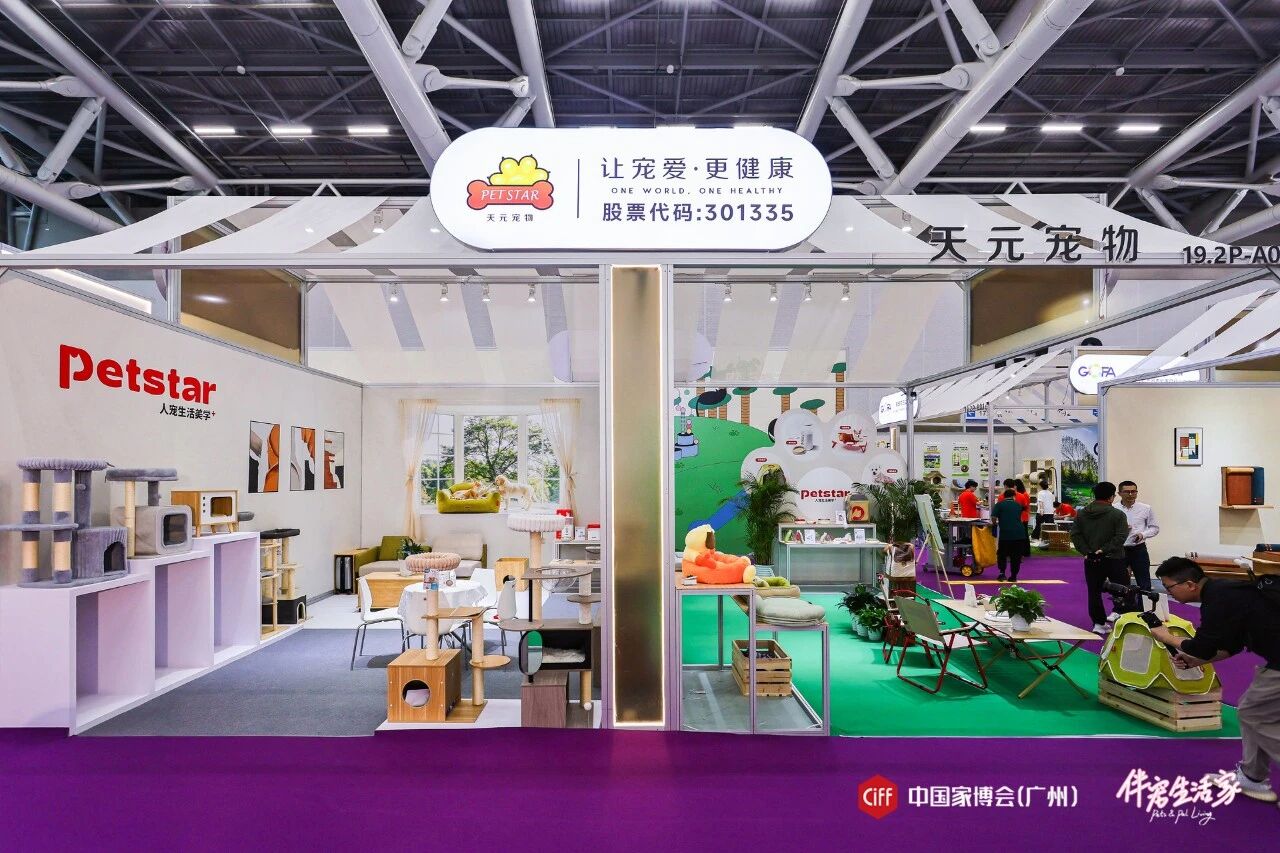
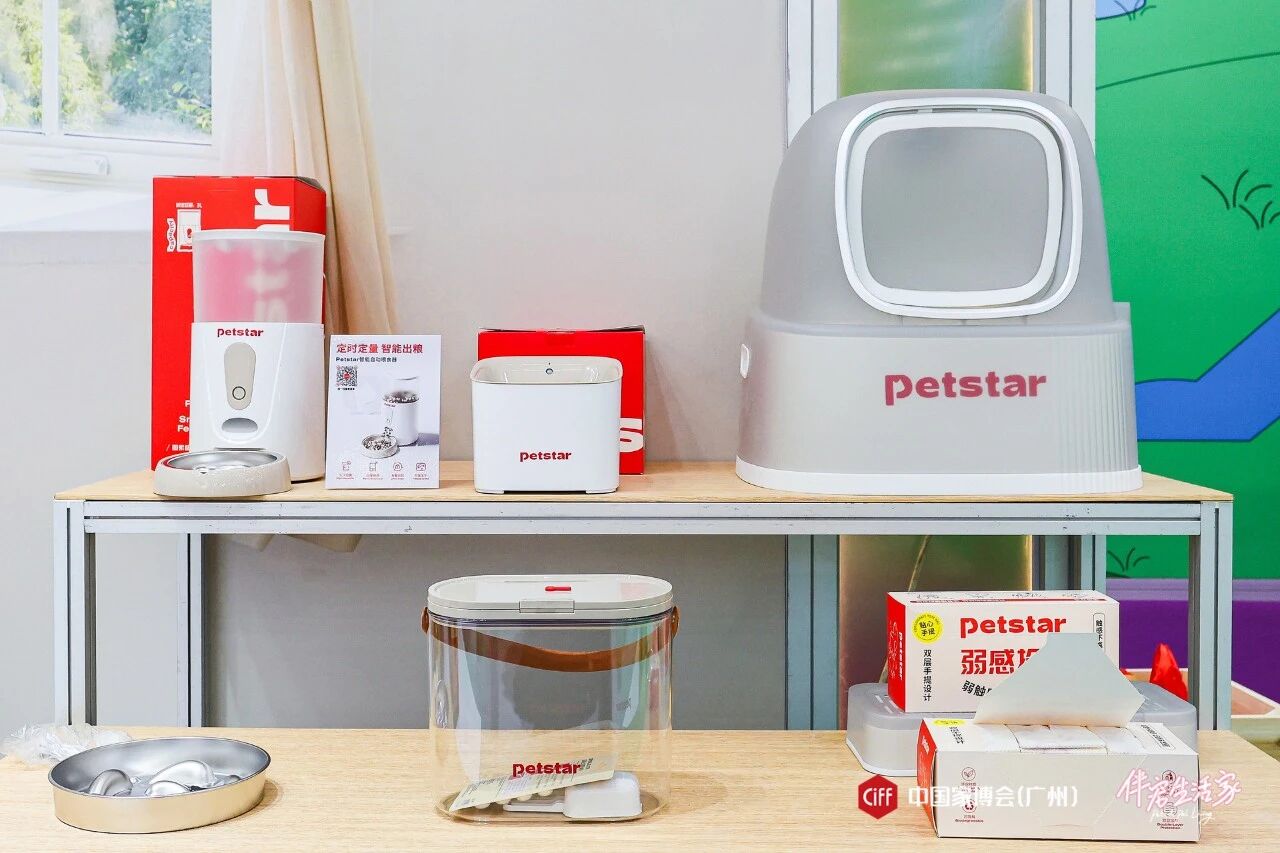
PETSTAR expands from furniture-style pet pieces to automated feeding systems, integrating animal care into cohesive interior environments and bringing co-living concepts into practical use. Meanwhile, PURRMELLO’s Mondrian-inspired pet sofa series balances functionality with a sculptural, design-led approach.
From passive comfort to responsive systems
Technological integration is particularly evident in sleep and seating systems, where products are designed to respond dynamically to the body.
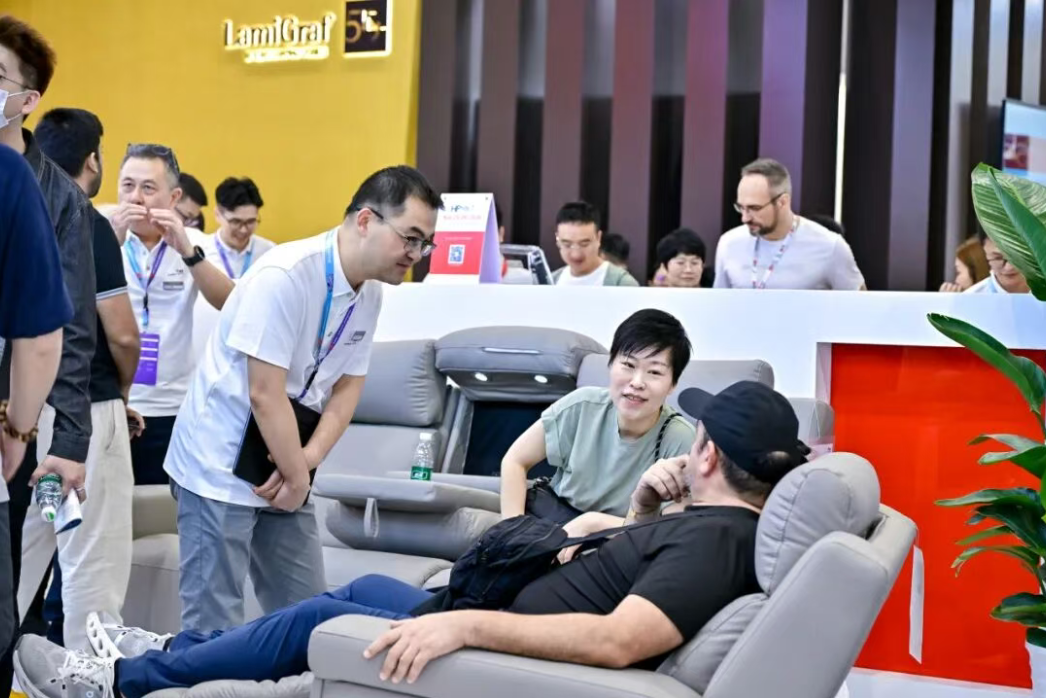
Entering the smart sleep zone, visitors are naturally drawn to lie down, test and engage in conversation. From mattresses to integrated sleep-assistance systems, the full product ecosystem outlines a clear transition in sleep technology — moving from isolated smart products towards more comprehensive, scenario-based solutions.
The SleepOne AI mattress exemplifies this shift. Operating without the need for wearable devices, it captures physiological data with precision and responds dynamically to the user’s sleep state, integrating health monitoring seamlessly with comfort.
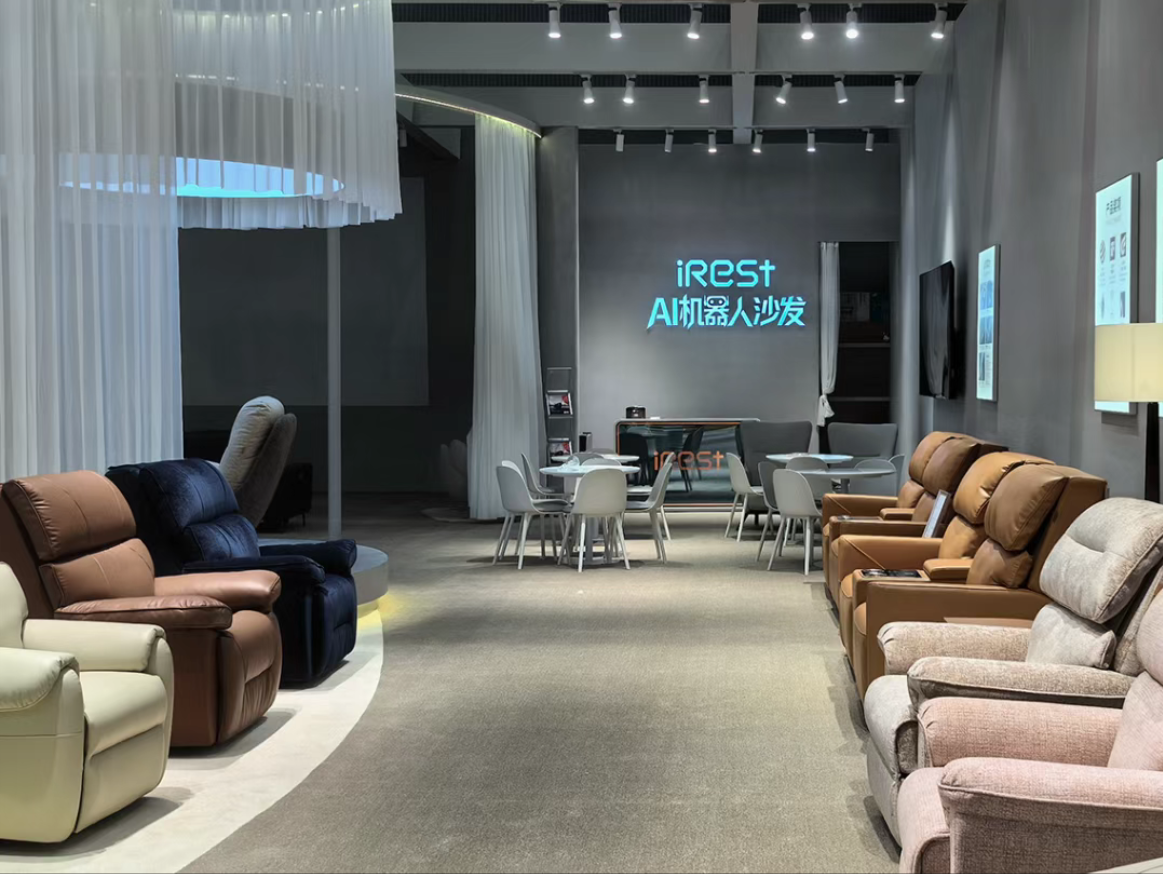
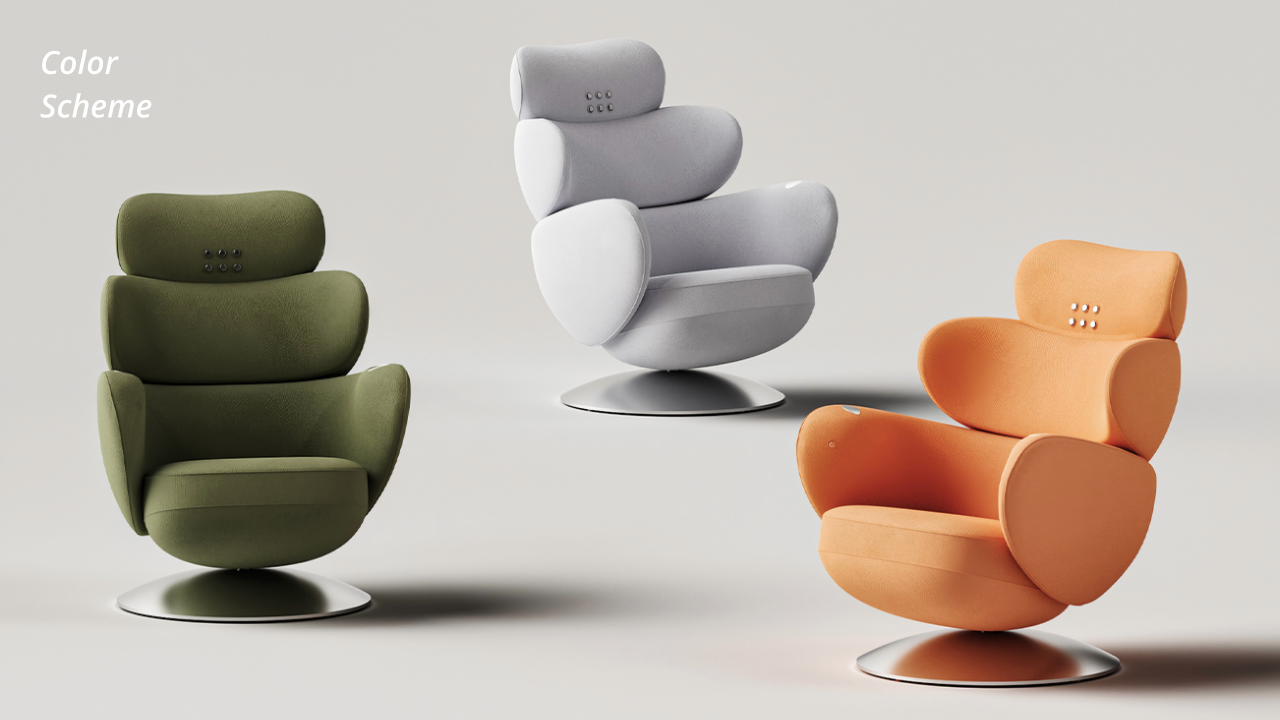
In the Massage Chairs / Function Sofas section, iRest presents an AI-powered robotic massage chair equipped with integrated electroencephalogram (EEG) monitoring. The system captures users’ brainwave data in real time and synchronises it with the chair’s human–machine interface, adjusting parameters such as intensity, speed, angle, sound, temperature, lighting and ambient settings. This integration of neuroscience, ergonomics and wellness technology enables a more personalised, multi-scenario relaxation experience.
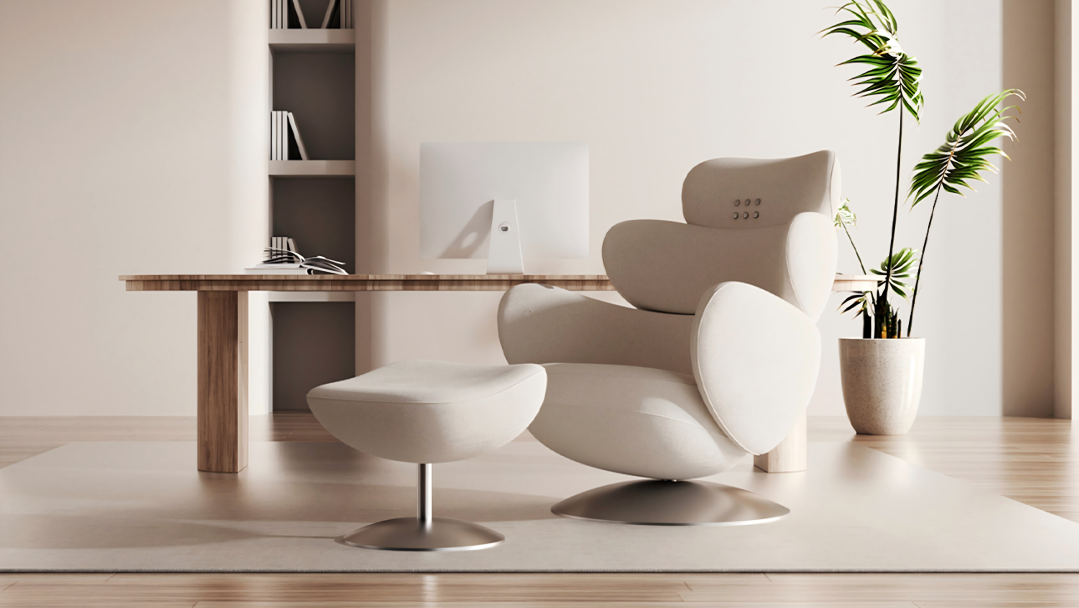
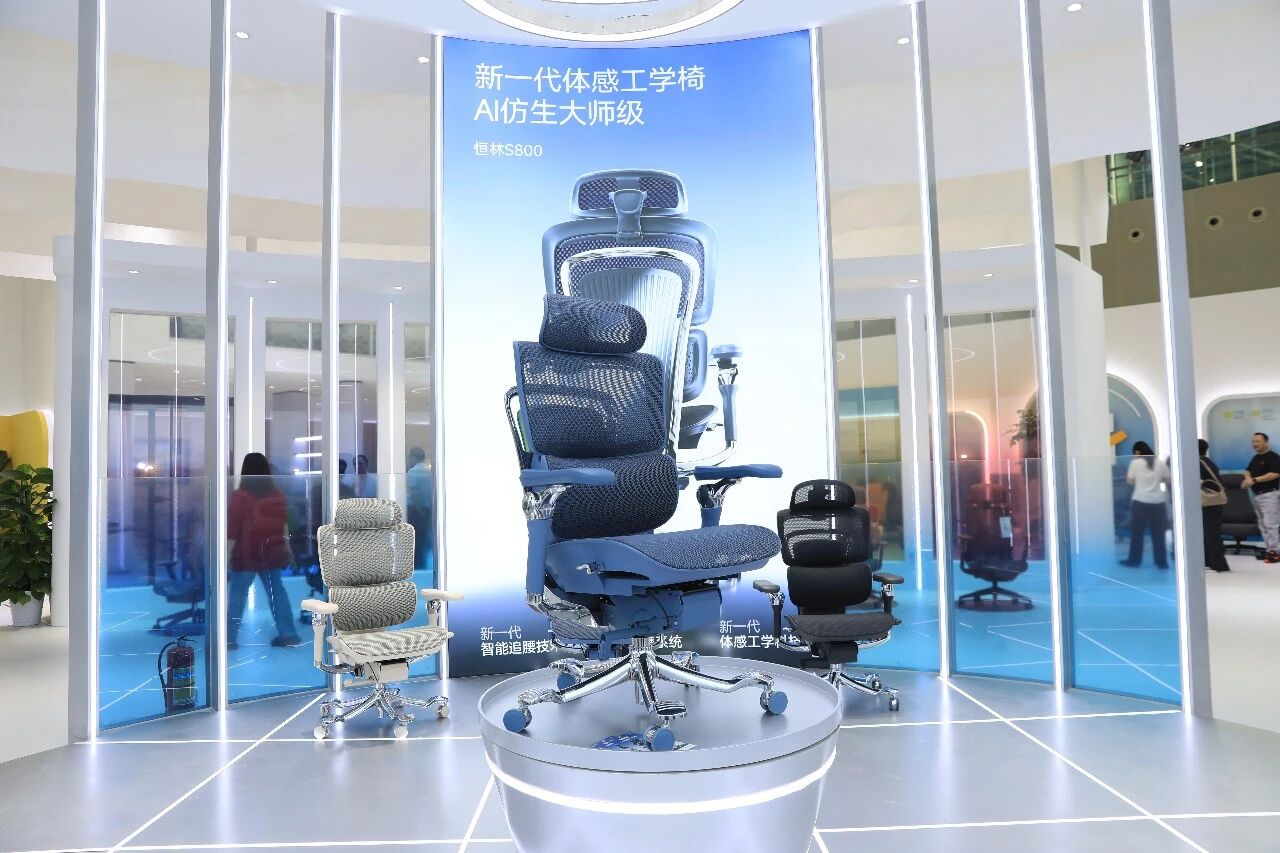
In the office and commercial space exhibition, HENGLIN presents an AI-enabled ergonomic chair, the S800, which automatically adjusts lumbar support the moment a user sits down, extending forward to fit the lower back and continuously adapting to changes in posture. The system reflects a broader shift in furniture design — from passive support to active responsiveness.
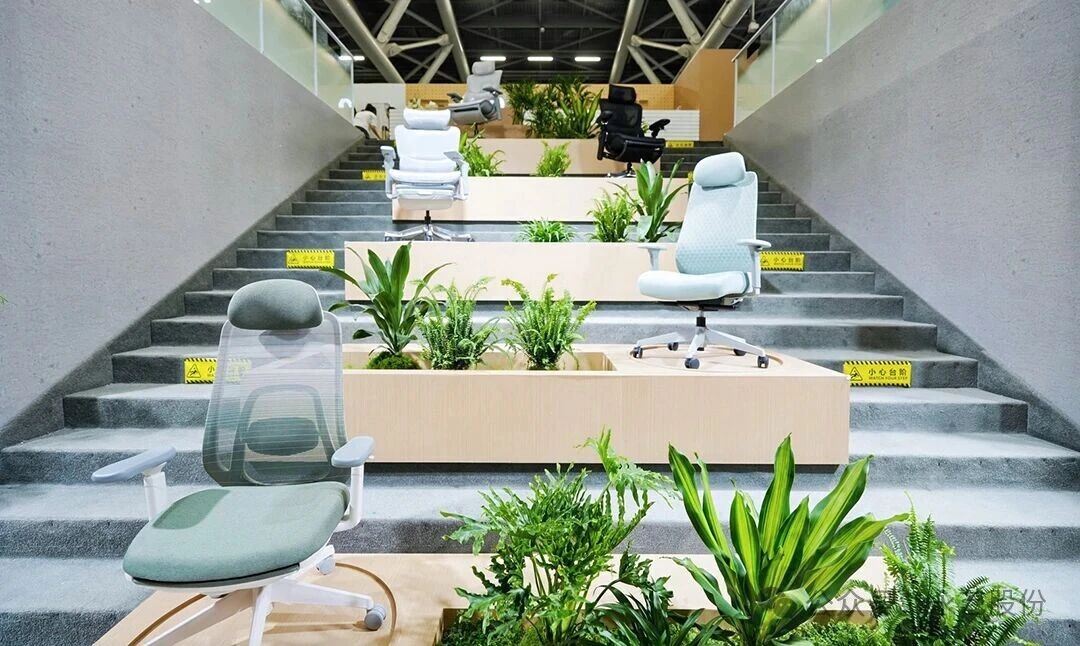
Meanwhile, UE focuses on health-oriented seating systems, spanning lounge chairs to height-adjustable desks. Across its product range, ergonomics remains central, with an emphasis on maintaining comfort and support over extended periods of use.
Material innovation as a design driver
Manufacturing and hardware redefine the industry base
Moving into the CIFM/interzum guangzhou Exhibition, the focus shifts towards the technological foundations of the industry, where manufacturing processes are being reconfigured through automation and system integration.
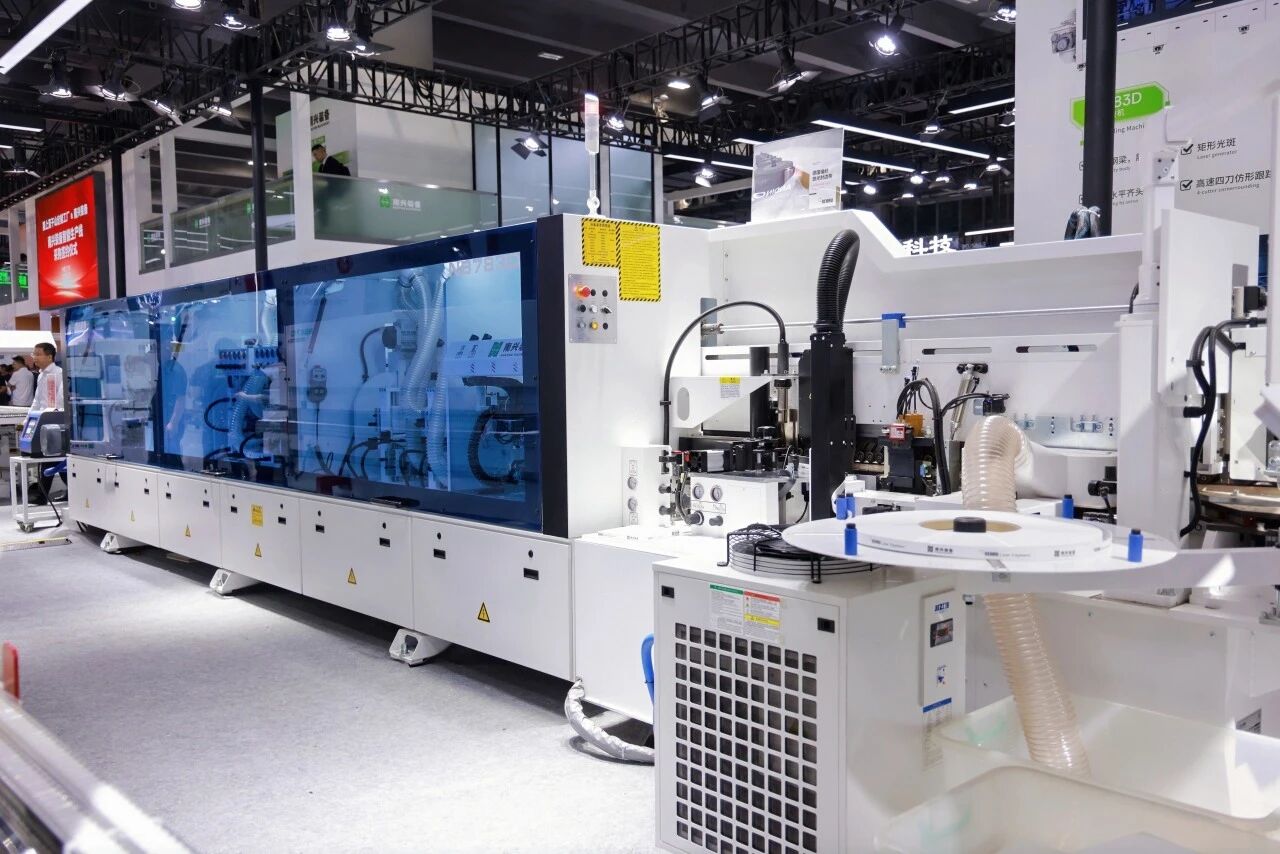
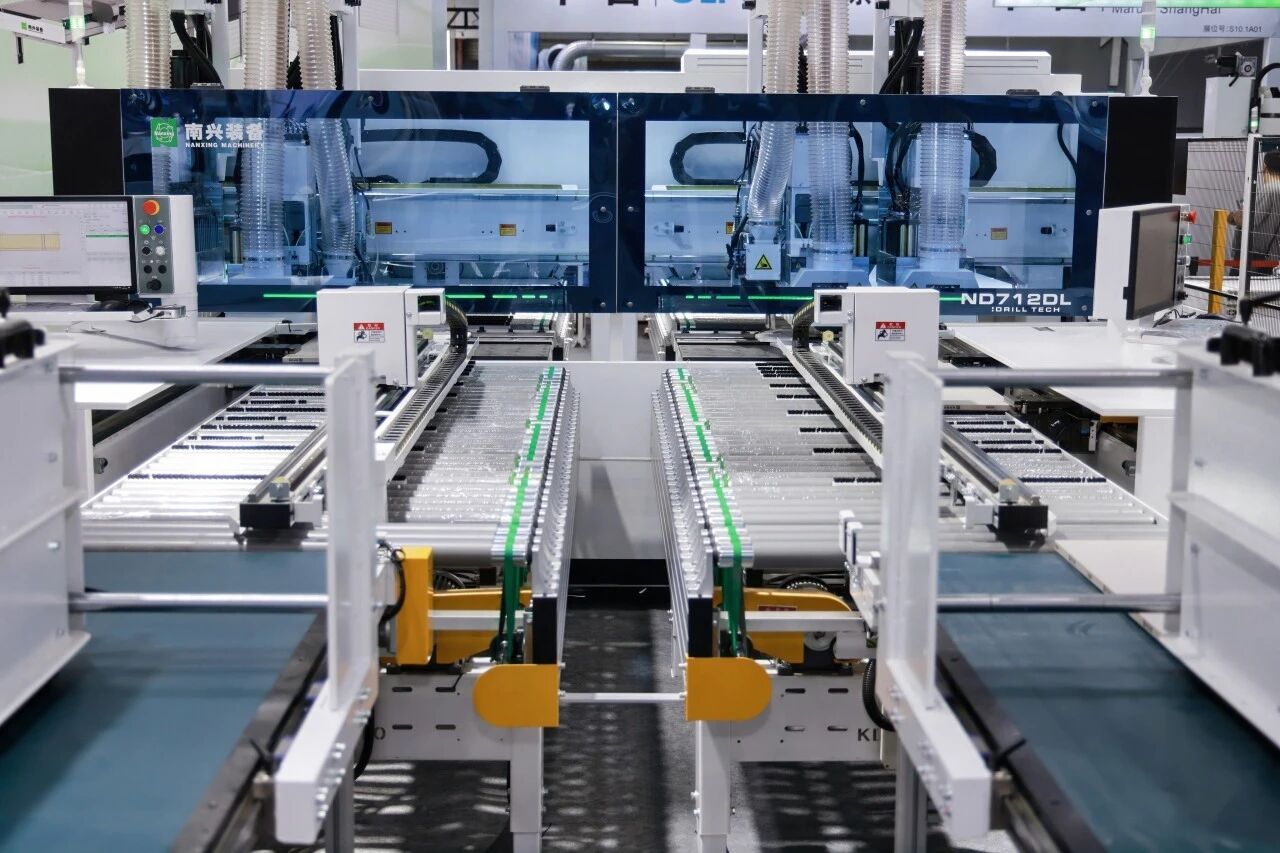
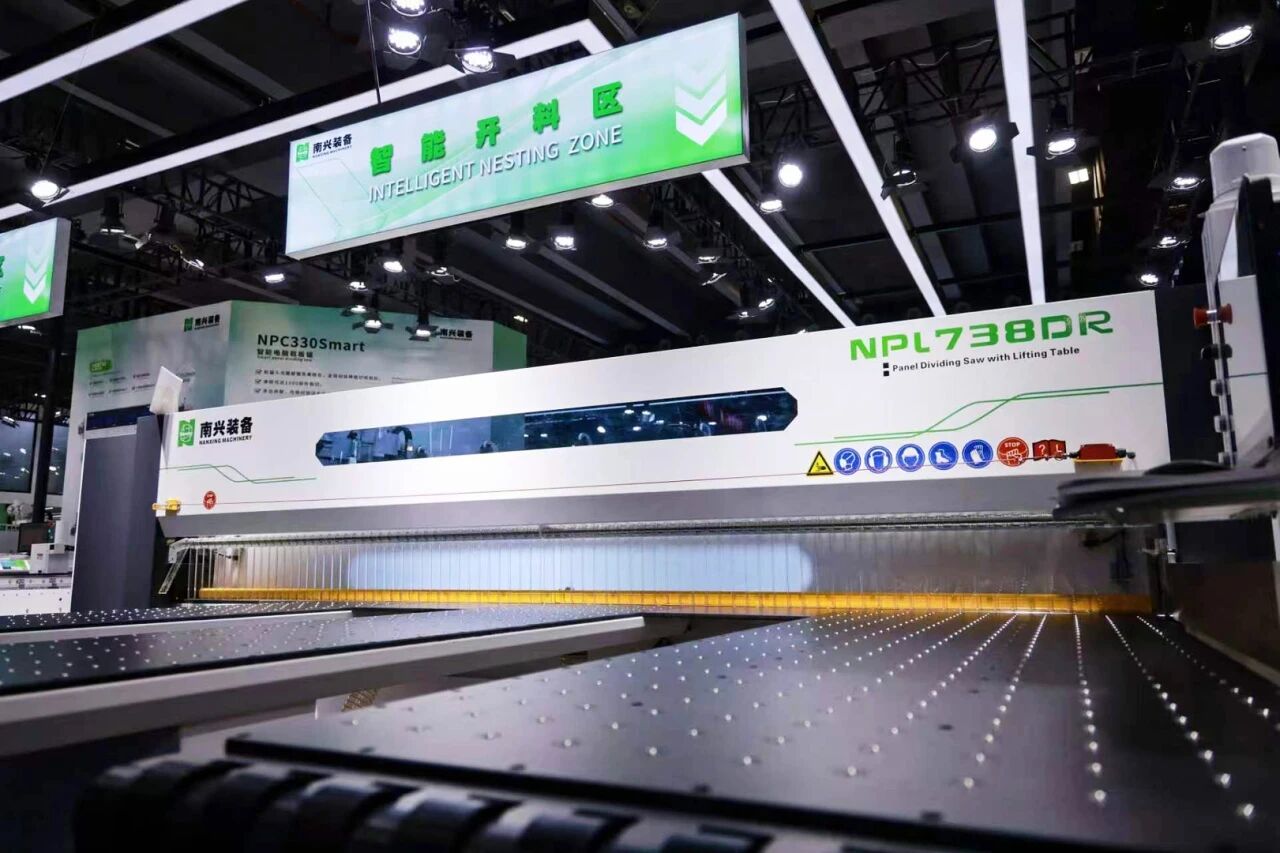
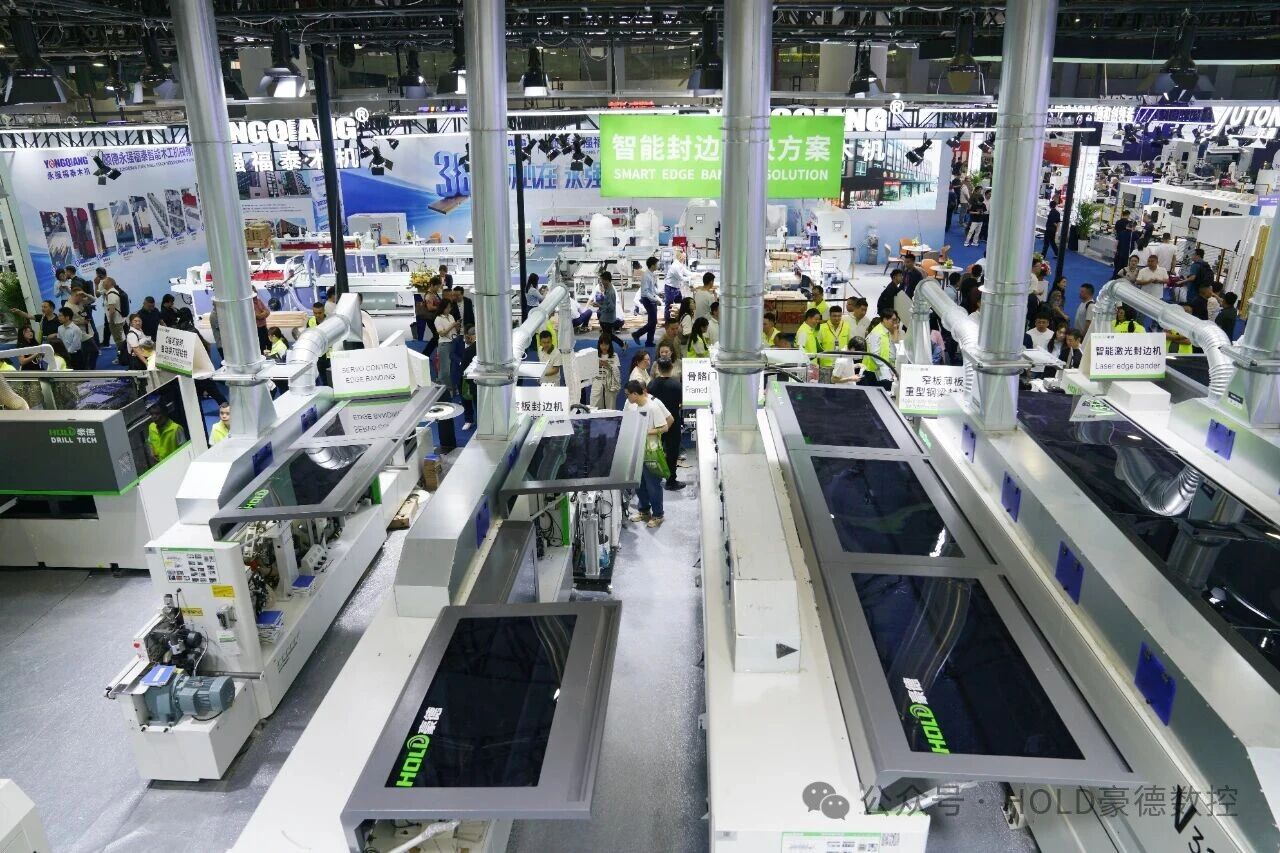
NANXING presents a suite of intelligent machinery, including panel saws and laser edge-banding systems, that together map a more continuous workflow across panel-based furniture production.
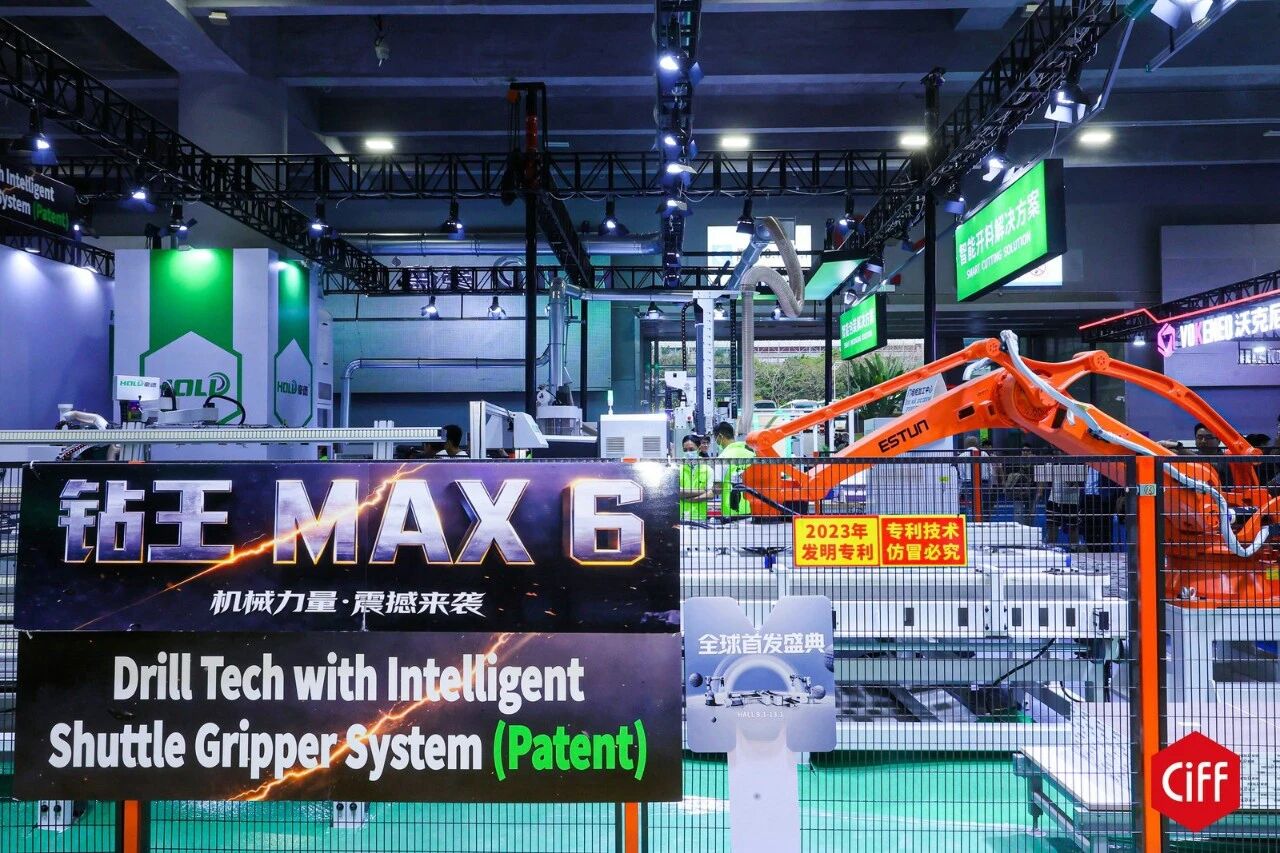
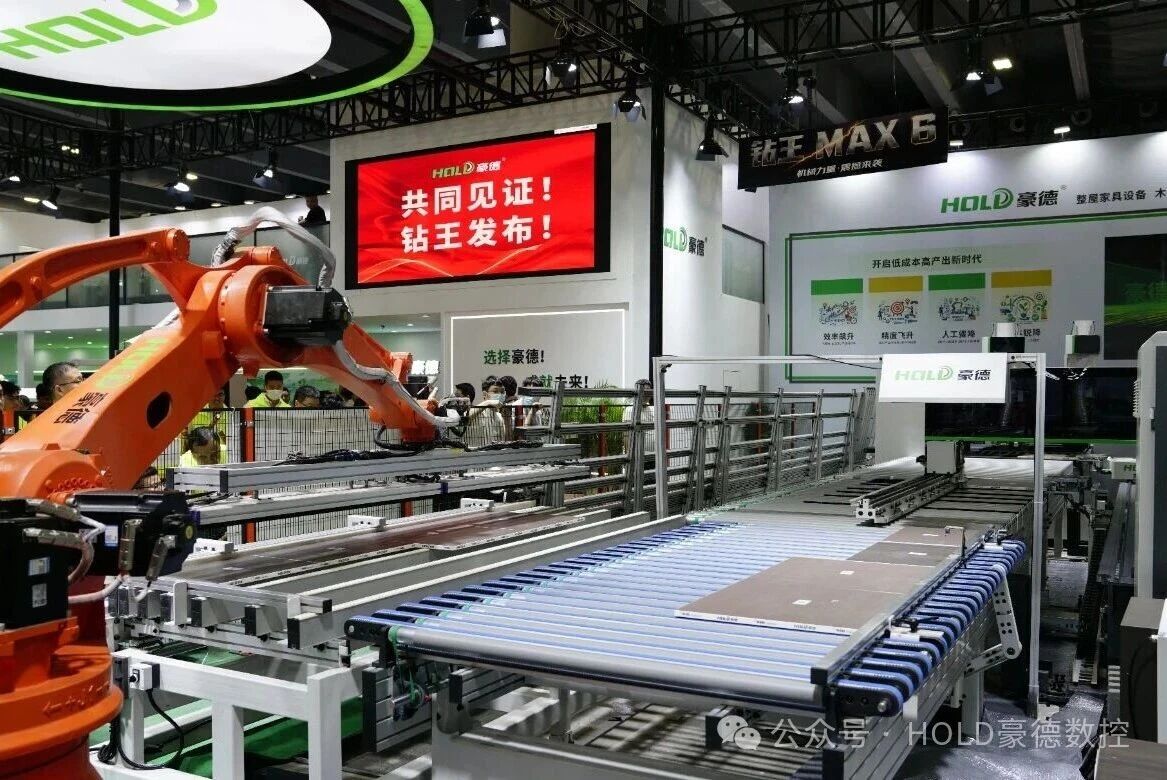
At the same time, HOLD introduces its Drill King MAX 6, a high-speed drilling centre that uses AI-assisted path optimisation to significantly improve operational efficiency, reducing downtime between processes.
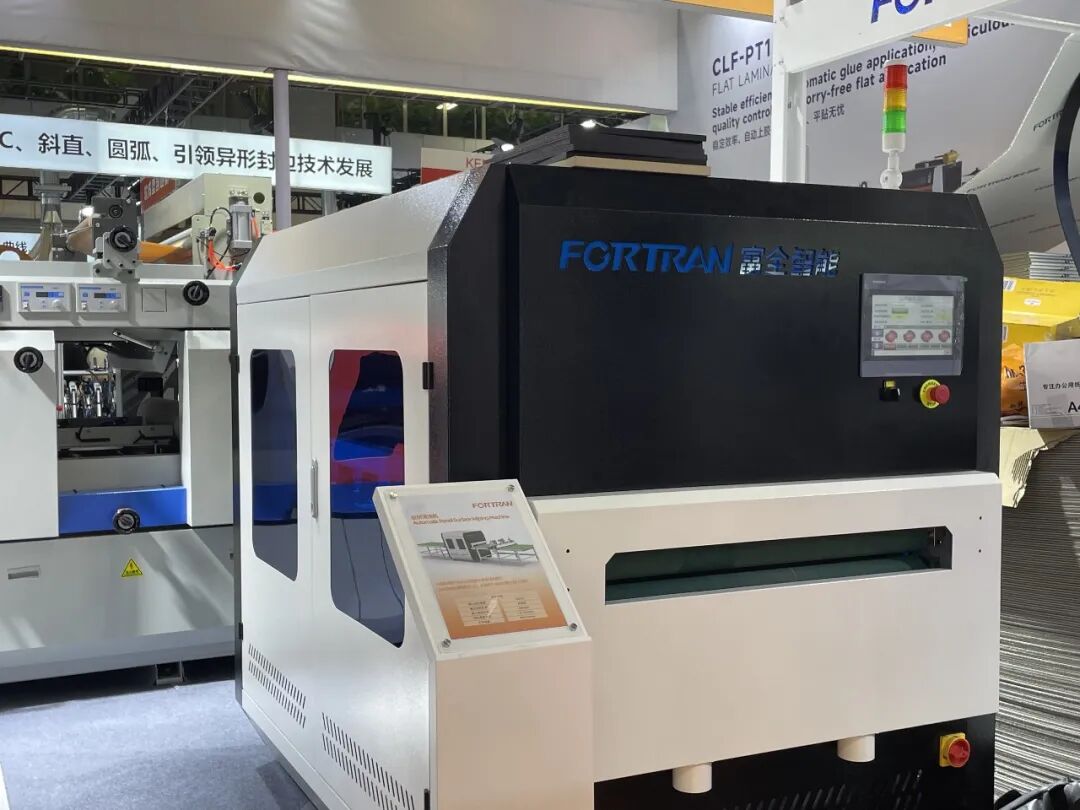
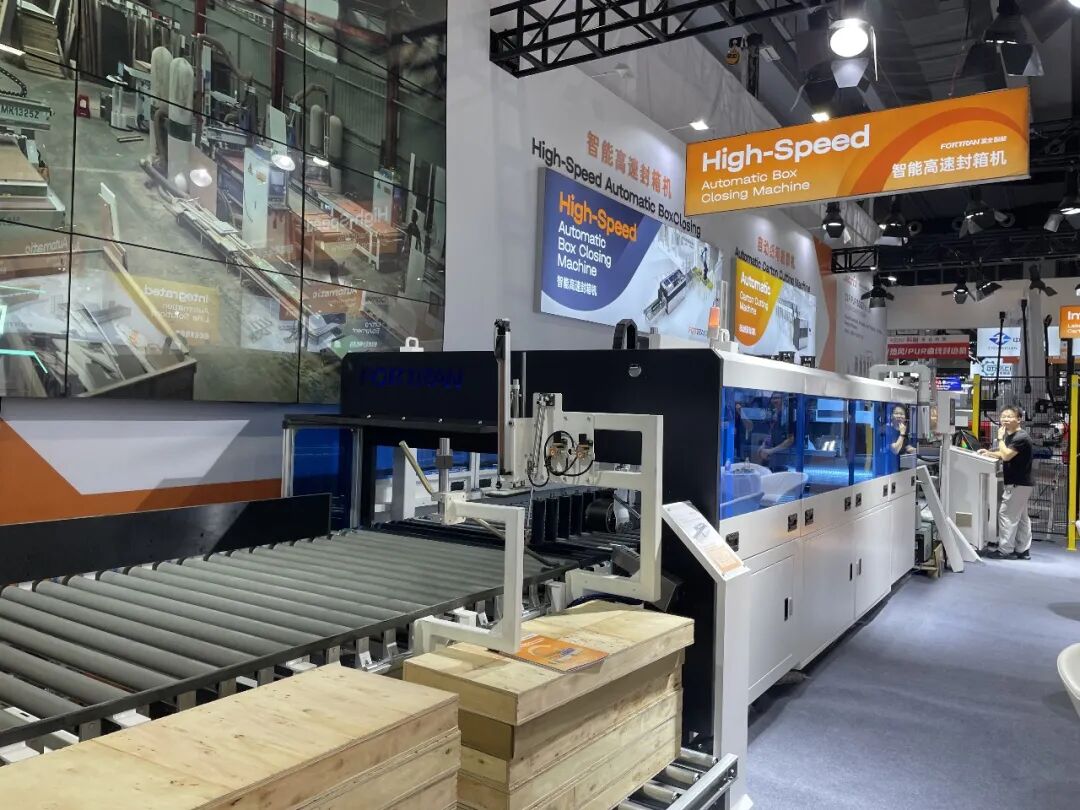
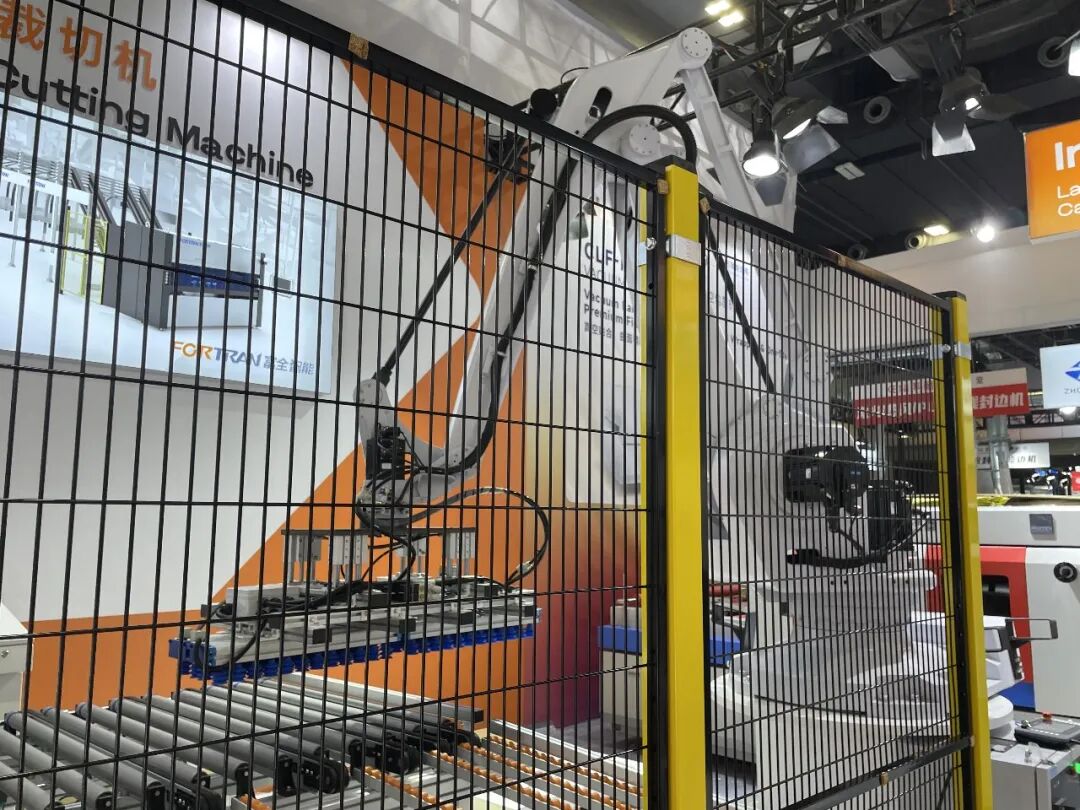
Packaging systems are also undergoing similar consolidation. FORTRAN’s S2928 Max integrates sealing, weighing, labelling and robotic visual picking into a single automated sequence, streamlining what was previously a fragmented set of operations.
Hardware systems are also gaining prominence. Traditionally concealed components are now central to spatial performance and user experience.
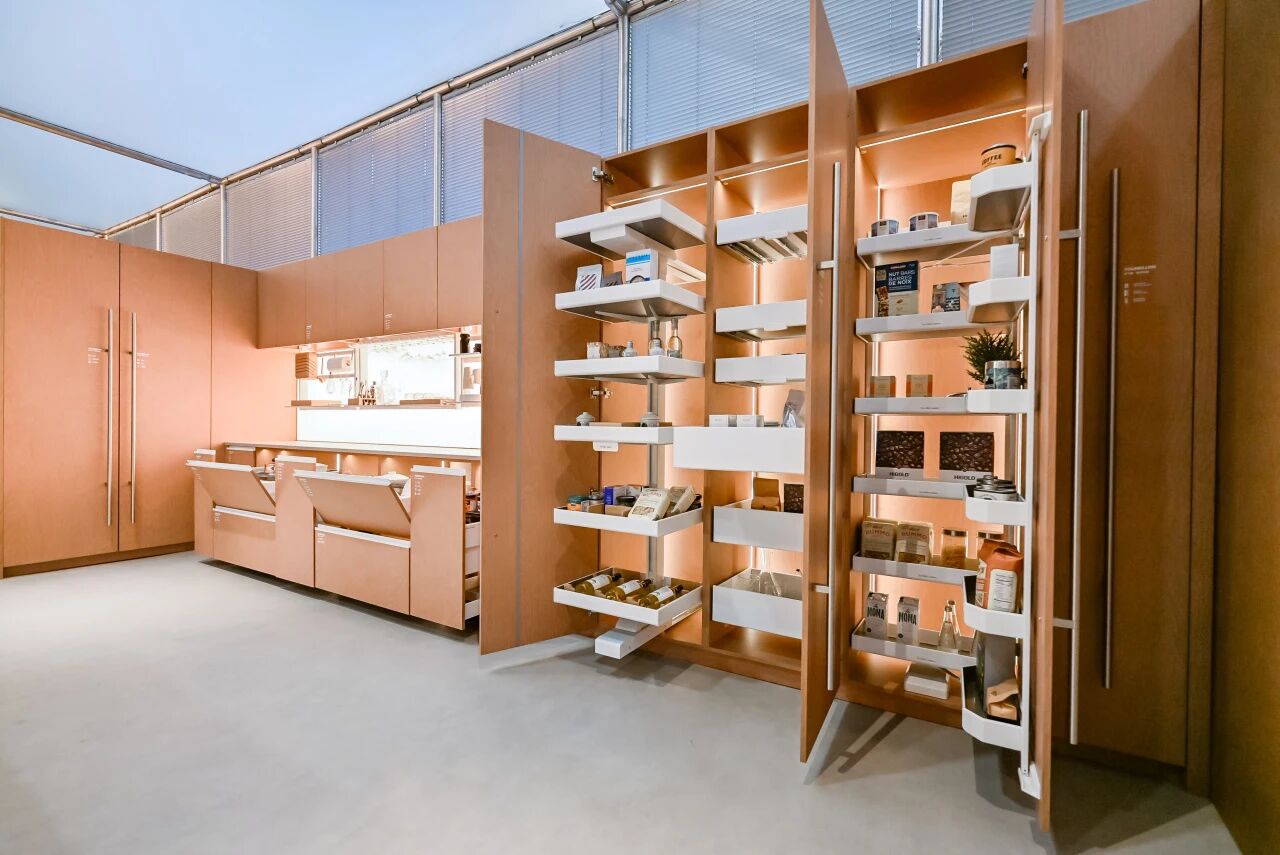
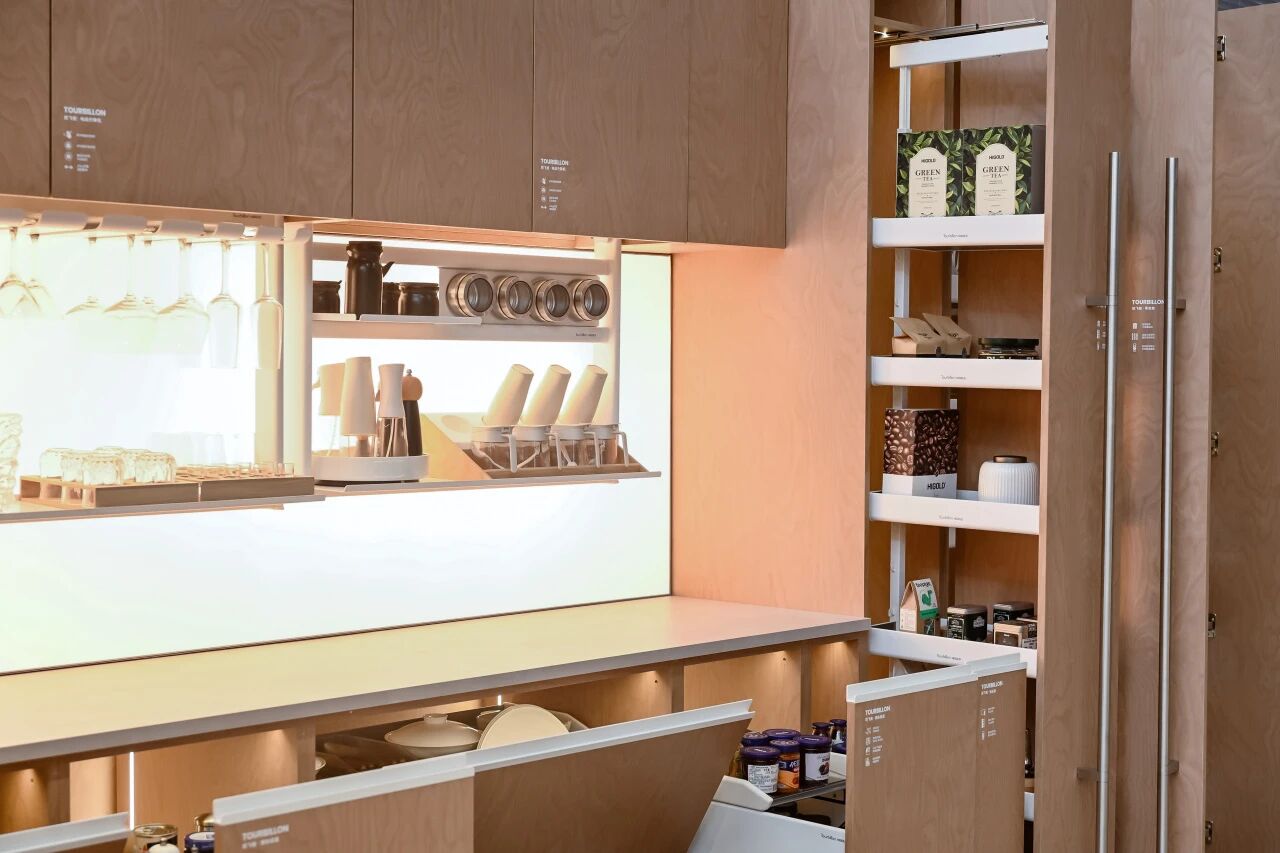
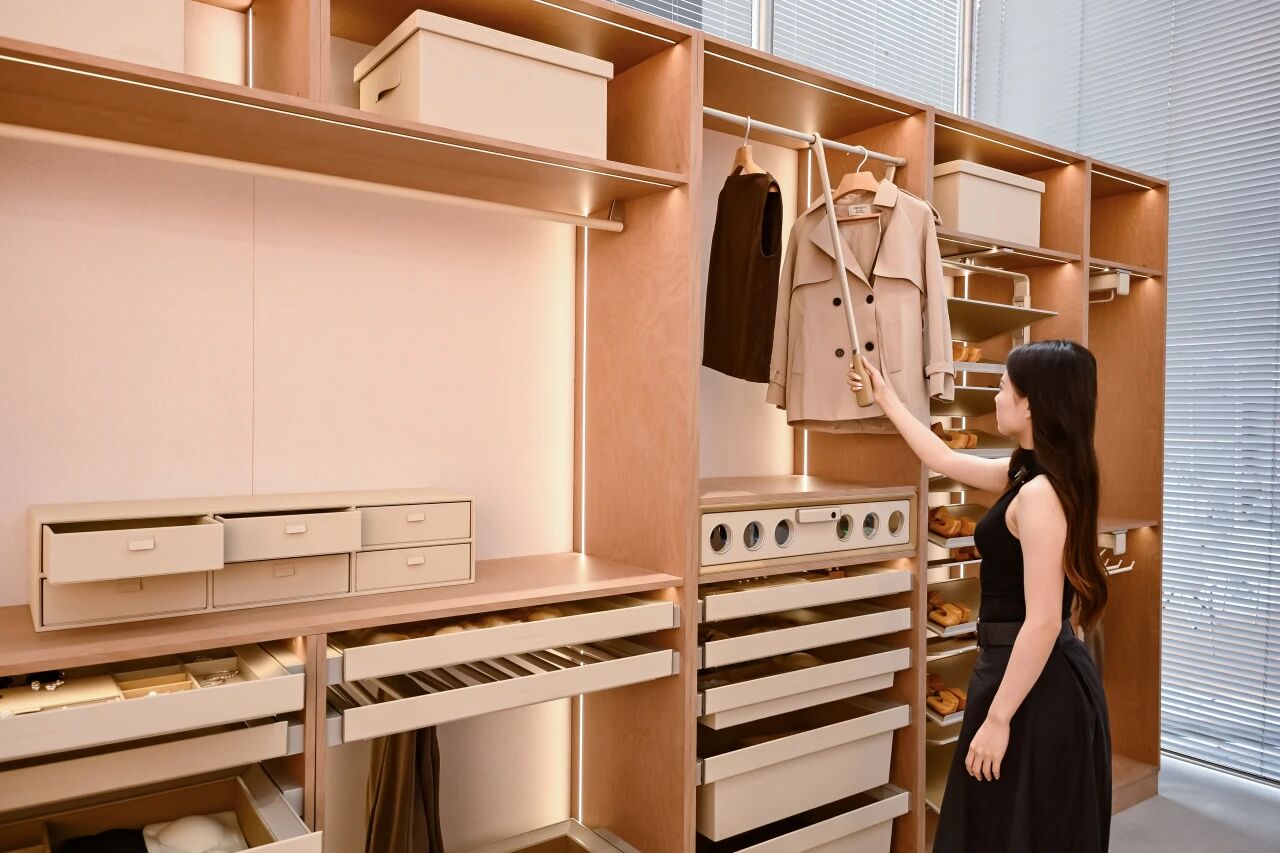
At the global debut of Tourbillon, the high-end brand under HIGOLD, Italian minimalist aesthetics are combined with precision mechanical detailing. Its kitchen and wardrobe systems elevate storage into a refined spatial experience, where movement and structure become part of the overall design language.
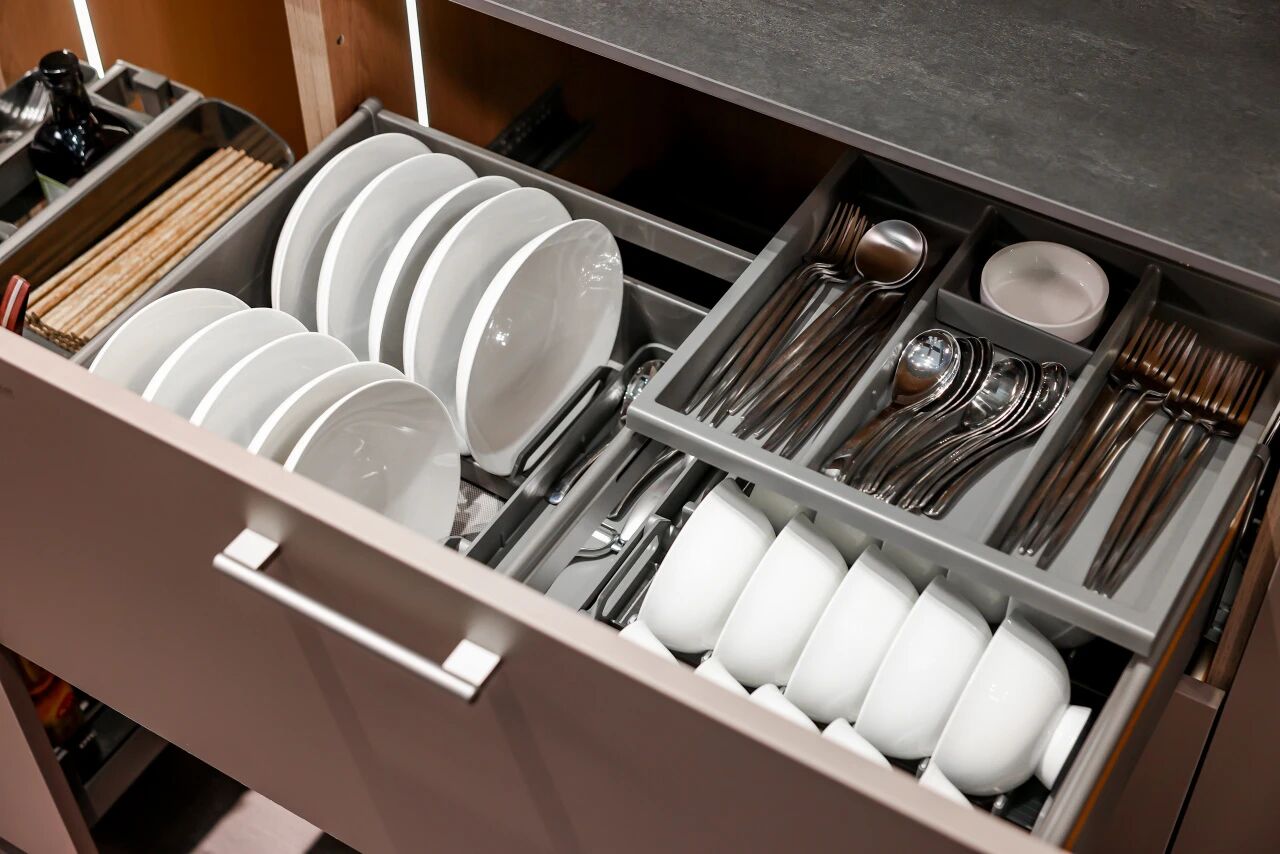
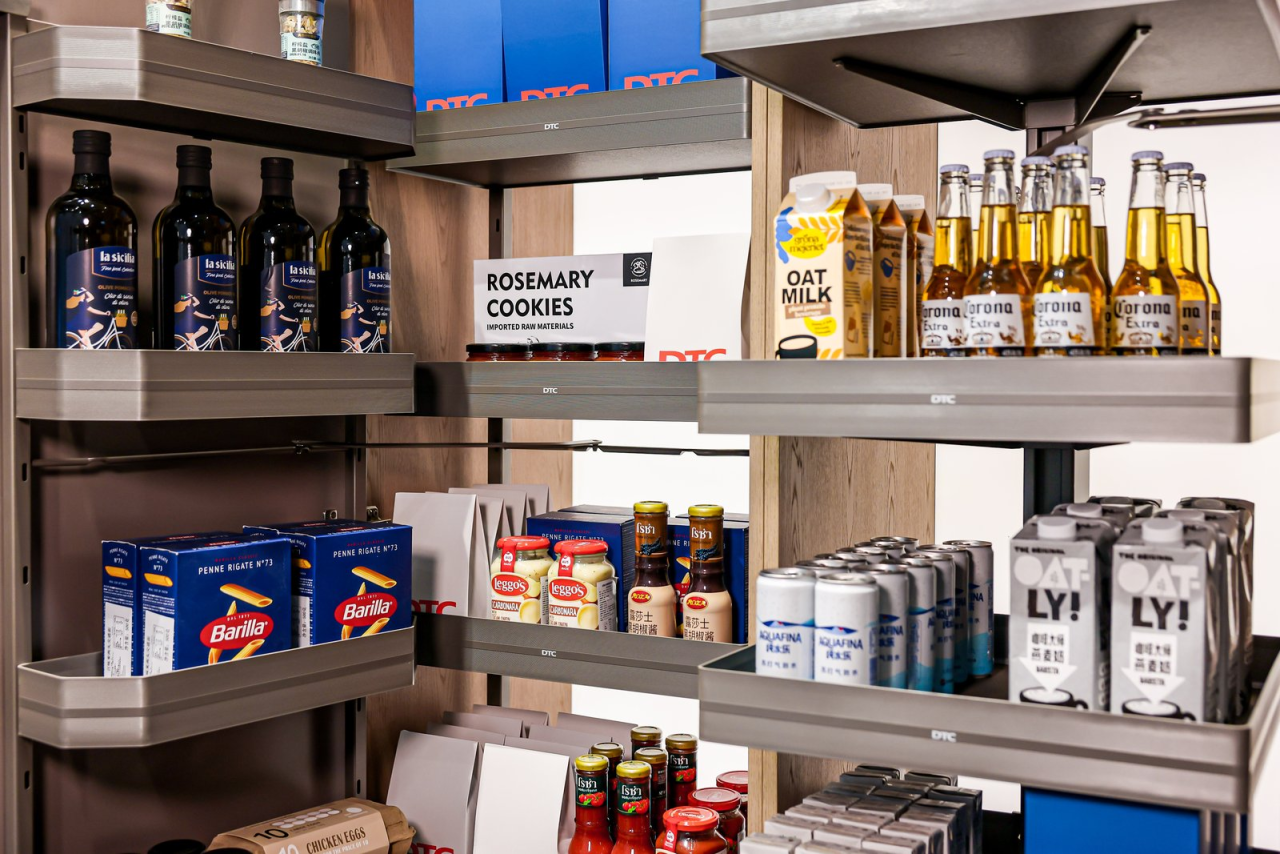
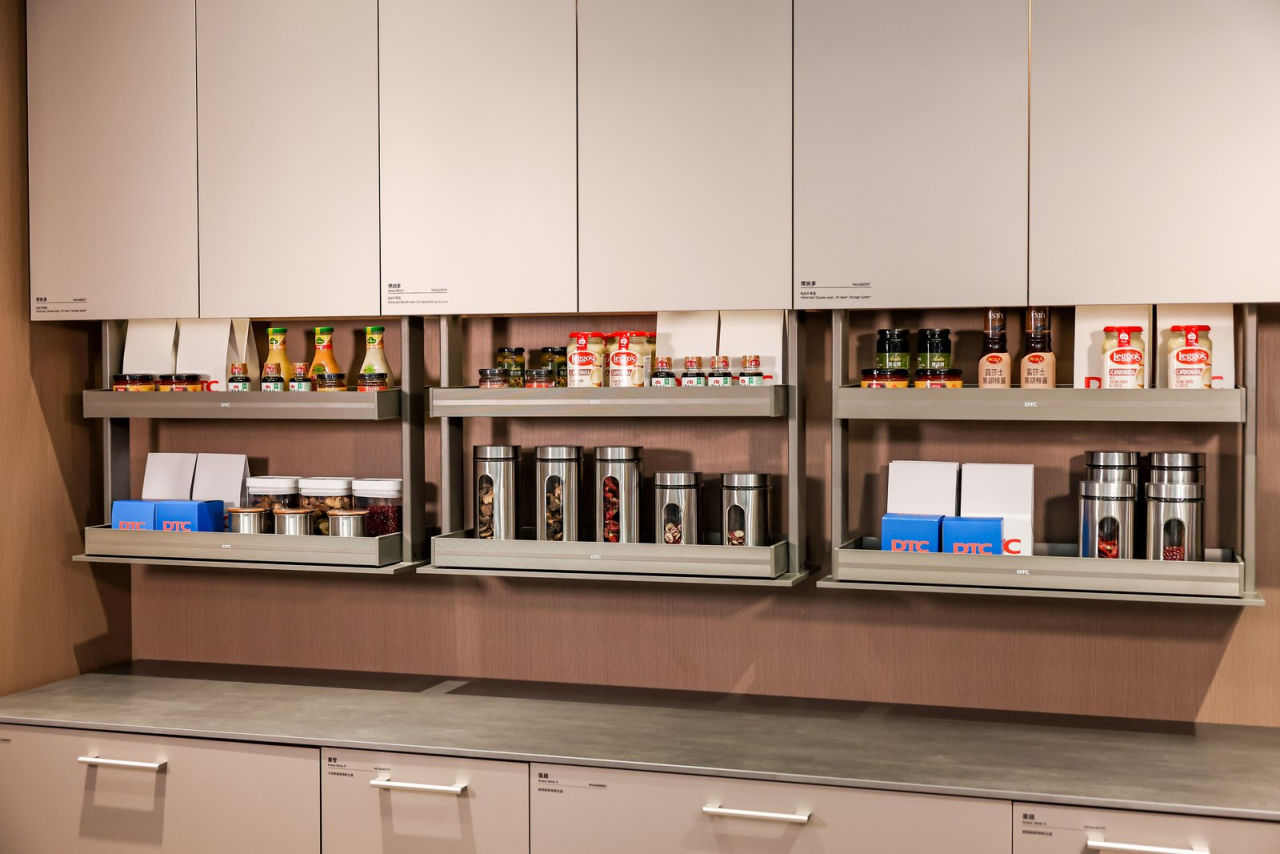
DTC approaches the issue from a more technical perspective. Its flagship Bonado basket system addresses the challenges of narrow, non-standard cabinetry through a proprietary synchronised rail mechanism, balancing spatial efficiency with ease of use.
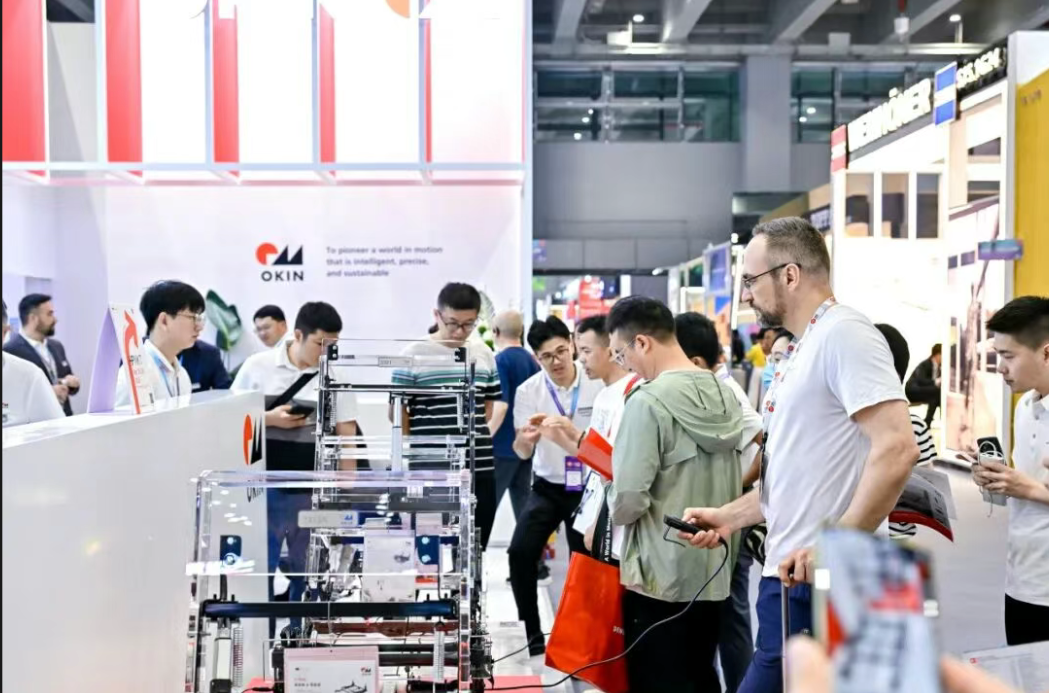
Meanwhile, OKIN extends hardware systems into furniture applications. Its integrated solutions for motion sofas and smart beds combine relaxation functions with AI-assisted sleep features, pointing towards a closer relationship between mechanical systems and human-centred comfort.
Watch the video:
