




Can you tell us a little about how your design journey began?
I was always interested in art, aesthetics and functional design. I started formal art training in 4 genres of classical Chinese art when I turned 6, together with music theory and piano. After high school, I was keen in fashion and design. My father was the one who encouraged me to pick up something more challenging, so I decided to study architecture engineering. Although I don’t practice architecture as much now, design is a huge part of who I am – I love creating and designing things that I am unsatisfied with, like clothes, jewellery, furniture and space. I guess all my work space (production studio and gallery) are good examples of how I unconventionally express myself. Also, due to my illness that resulted in my experiences of paralysis, it made me design around accessibility issues as well. When I pick up an interior architecture job, I often think far ahead of my clients’ years and plan for ‘possible’ immobility of the users of my designed space. The reality of life is that we all age and deteriorate, and then stairs and split levels become a design hazard.
You have practiced in so many streams of design. What is about design that you like?
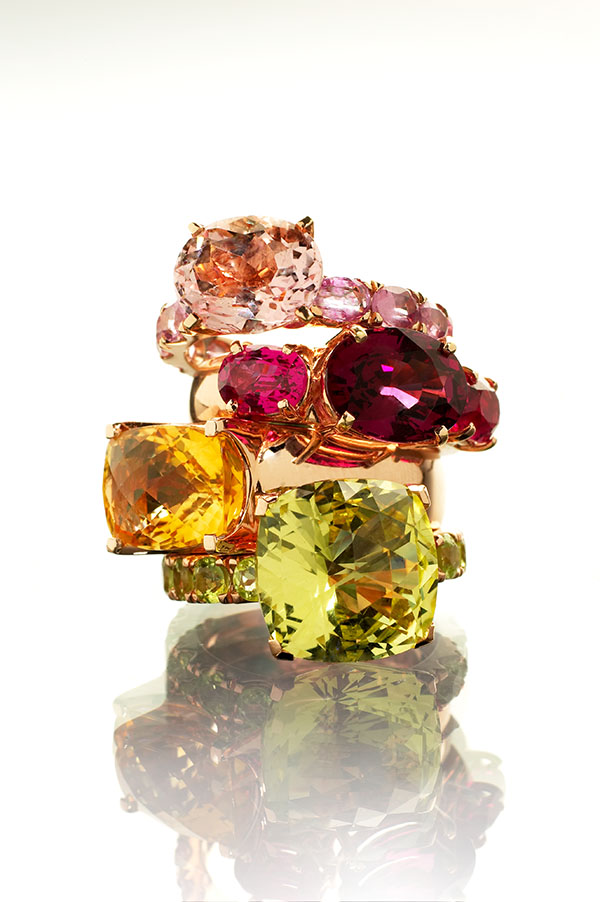
I love designing jewellery. I love interior design. I love to hack the way things work. I even get geeky with designing processes at times. Design is an occupational hazard, when I go about daily affairs; my eyes are constantly scanning things (shapes, sizes, designs) sometimes I get annoyed by how things work. Annoying experiences can sometimes light up the bulb in my mind, and I see how some things should work instead of current processes. I like to simplify, cut down on energy output (because I am extremely lazy), I aspire to green, reduce, reuse, but at the same time I have to marry that with my love for luxury and see how I can make things work in a pleasing sense.
Where does your inspiration come from?
It can come from anything. A conversation. A lack. A dissatisfaction. I am a natural trouble-shooter, and otherwise a busybody, so I always think up solutions. Curiosity plays a huge part in harvesting inspiration. Most of my days, I try to stay close to my sources of inspiration (the good kind, not the annoyances)… It has somewhat become a discipline, every day I make myself create a little something, even if it was just some words of observation in the form of a poem.
Can you share with us a little about your muse – Harry Putter?
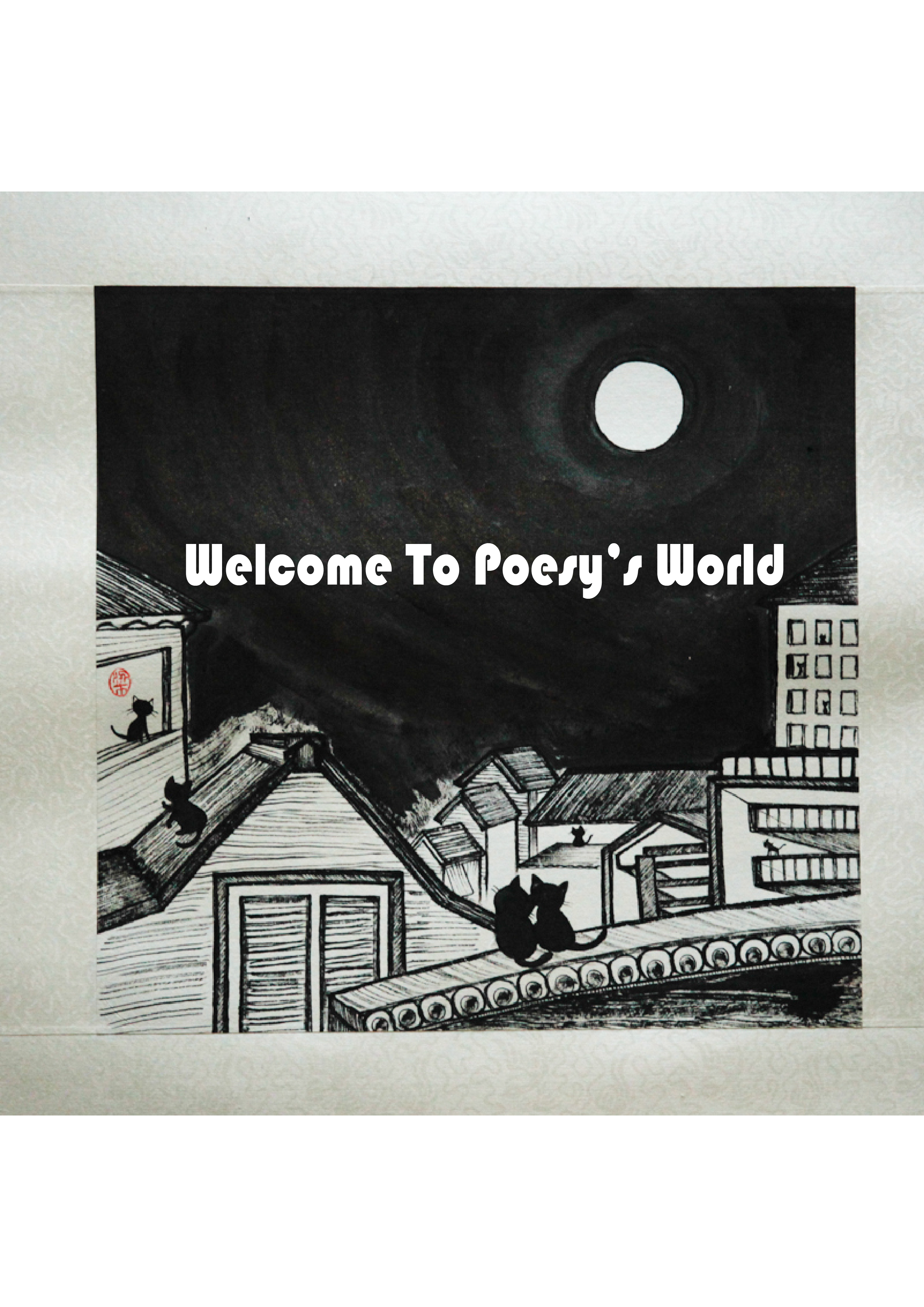
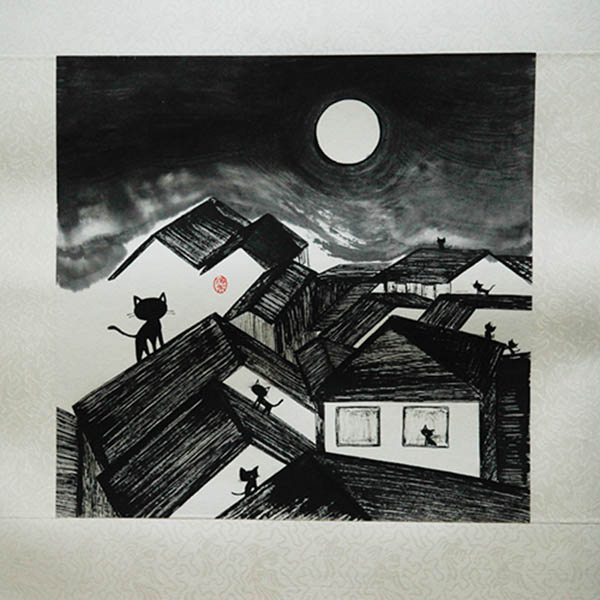
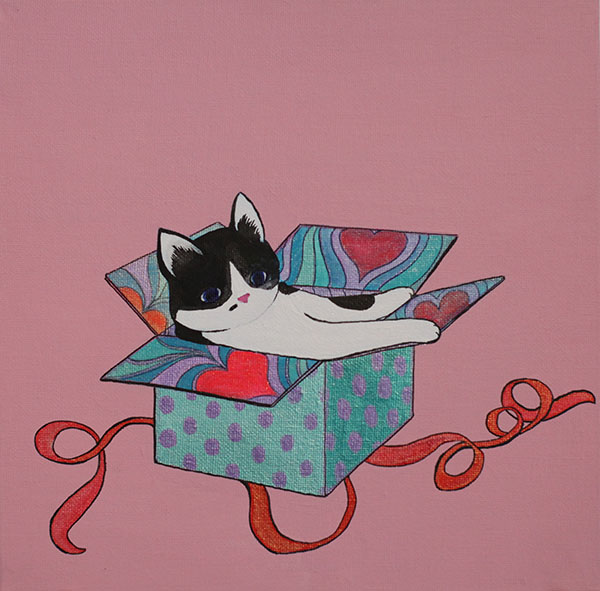
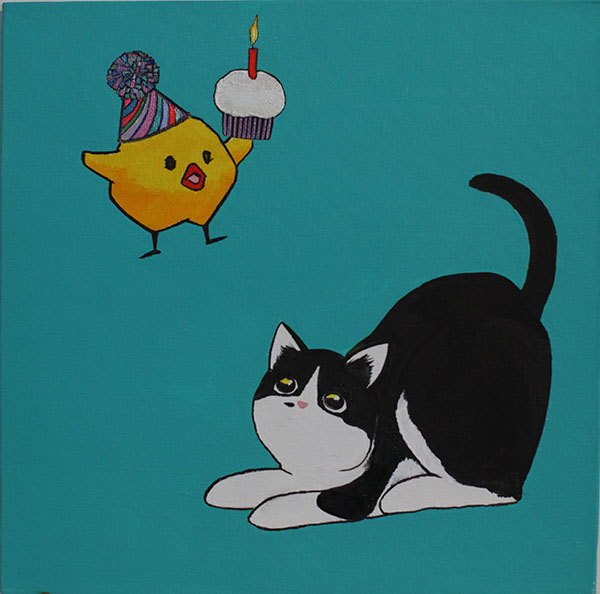
I started painting the Rooftop Cats in 2011 after the Bald Empathy Movement. A year later, he showed up outside my gate. I was actually going through a difficult time – making ends meet was challenging for a new artist. That year, I had a surgery, my production studio roof collapsed and I did not have the money to repair the situation. The space I used for working on large canvases was consistently damp and mouldy by torrential rainfall. Those were some dark months. One day, I was admiring a handsome tuxedo cat online and the very next day, a tuxedo kitten showed up outside my gate. I named him Harry Putter (after a hairy golfer I saw at the RSGC putting green) while his Chinese name 黑日白兔 literally means ‘dark night white rabbit’. Harry Putter was the white rabbit who appeared during my dark times. I often joke that he jumped out of a canvas from my Rooftop Cats series and fell off the roof when my place collapsed.
You’ve been through so much in life – what has been your greatest achievement so far?
I’m not chasing achievements – instead I collect experiences and keep the best friendships. It sounds mad but I want to change the world, and I have decided to do many small things to get there. My life quota is simply by touching one life at a time, changing one mindset at a time, one leader-ship shift at a time. In that sense, I don’t really think of achievements. Just that I am here to do what I am meant to do.
What’s your main focus of design currently?
High design must be approached with empathy, be functional and accessible to all – at the same time it has to look good too. These days I try to be as green as possible, to reduce carbon footprint – while I design inclusively to be accessible to users with special needs. Accessibility in architectural design must not be an afterthought nor should it be to fulfill legal requirements. My art direction will be putting out more messages on greening the world and these social values I’m passionate about. As a designer, it’s my social responsibility to reduce the carbon footprints of the end users and I can do that through my designs and products. While I do that, I also use my art to raise the level of kindness towards humanity as well as mother earth.
What’s next for Poesy?
There’s a lot in the pipeline and I will be traveling a lot. I’ve been working on a short animation film since 2013; simultaneously, I’m creating merchandise to reach a wider audience and we are in the midst of developing Poesyliang.com with an e-commerce platform, so I can get more sustainable and benefit more people. My skirts label(Pocket Poesitivity + Twirling Tutu) started selling in January and my KL Poesy Liang art gallery will potentially extend for another 18 months. Although people expect artists to be bad in business, I happen to love entrepreneurship, especially in spotting opportunities for social good. We are also developing the Poesy Prize – a youth leadership mentorship exchange program for final year university students diversely skilled in the creative language. I have been working on rebranding goodness since I started with Helping Angels in 2007. Many projects I started years ago are still rolling and I am continuously picking up causes I find worthwhile – it’ll be a busy decade ahead. POEZ, my jewellery brand is celebrating its’ 11th year soon. Recently my family was in crisis, and it made me reflect deeply upon the meaning of being a good daughter. An installation piece is coming out of this topic 孝 (filial piety) this year to highlight this old school value that is losing its’ footing in the modern society. I am also experimenting with my love for mini bonsai and gardening for an art project that will possibly take a good decade to mature.
Well, you’ve certainly got your hands full! All the best for future Poesy! Lastly, best piece of advice for aspiring designers?
Be willing to put in the hard work. Be humble and learn from everybody – make friends, be productive and disciplined. Find good mentors, stay away from negative people and do not cultivate the sense of entitlement ever – success is not a given.
Find more artwork from Poesy Liang at: www.poesyliang.com/
