


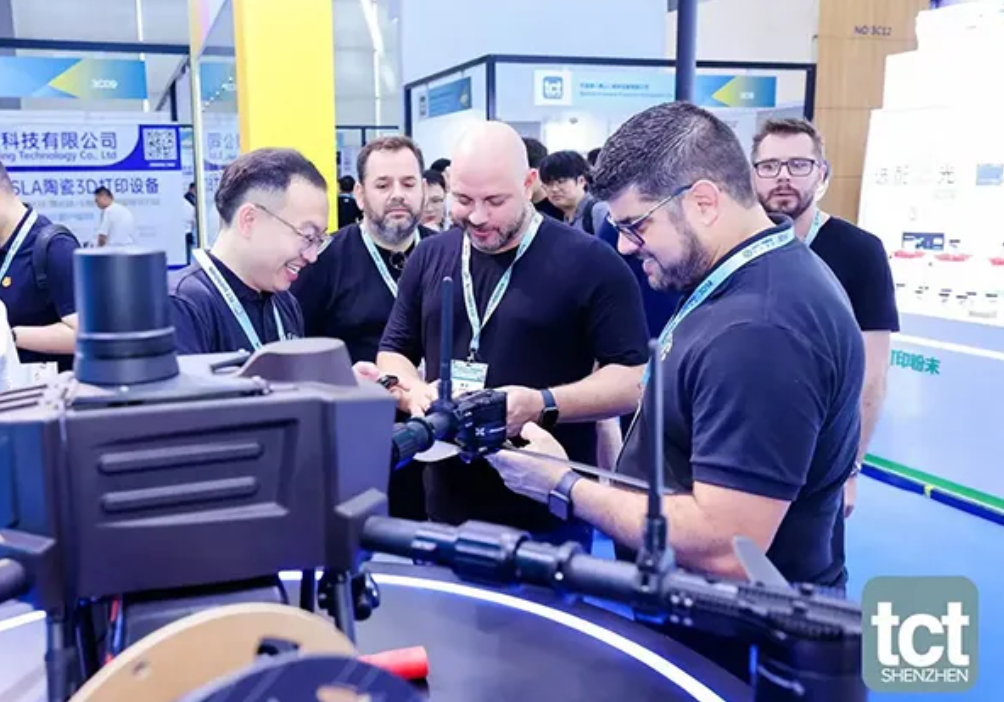
Historically, 3D printing evoked imagery of industrial components, rapid prototyping, and technology-driven manufacturing. Today, additive manufacturing has seamlessly integrated into modern interior architecture, bespoke furniture design, luxury hospitality, and high-end residential projects. Emerging as an indispensable tool for spatial designers, the technology fulfills growing client demands for customization while enabling practices to build more efficient, competitive business models.
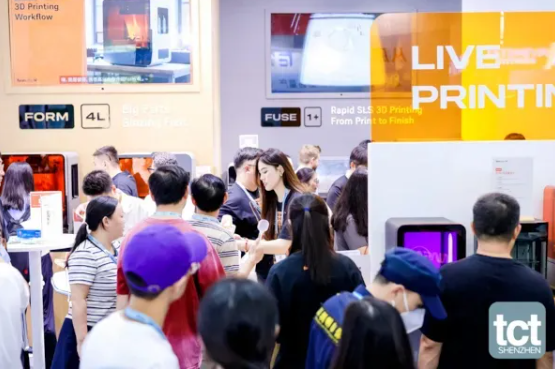
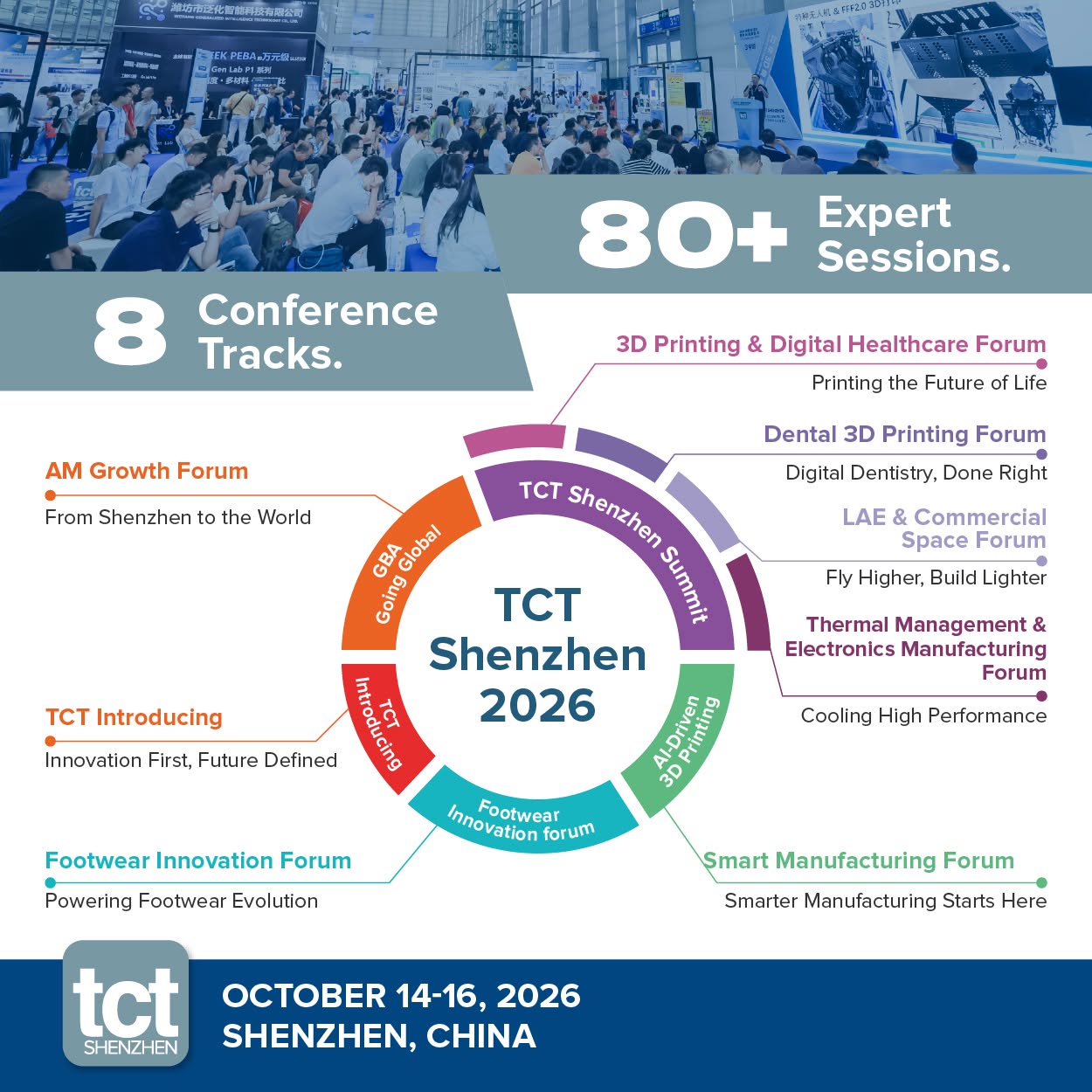
From 14 to 16 October 2026, South China’s flagship event for additive manufacturing—TCT Shenzhen 2026—will return to the Shenzhen World Exhibition & Convention Center (Bao’an). Expanded to 20,000 square metres, the exhibition will gather over 250 global leading exhibitors alongside 80 high-level interdisciplinary forums, providing Asian design professionals with key insights into the future of digital fabrication.
Bridging the Gap from Concept to Realisation
Traditional spatial design workflows—from initial conceptualization and 3D modeling to iterative drafting and custom tooling—frequently incur significant time and development costs.
The widespread adoption of large-scale 3D printing equipment is enabling designers to transcend these traditional manufacturing constraints. Studios can now translate complex geometries directly into built components: fluid algorithmic feature walls, customized lighting fixtures, sculptural furniture, and large-scale hospitality installations. This yields flexible, aesthetic solutions for high-end commercial and residential briefs.
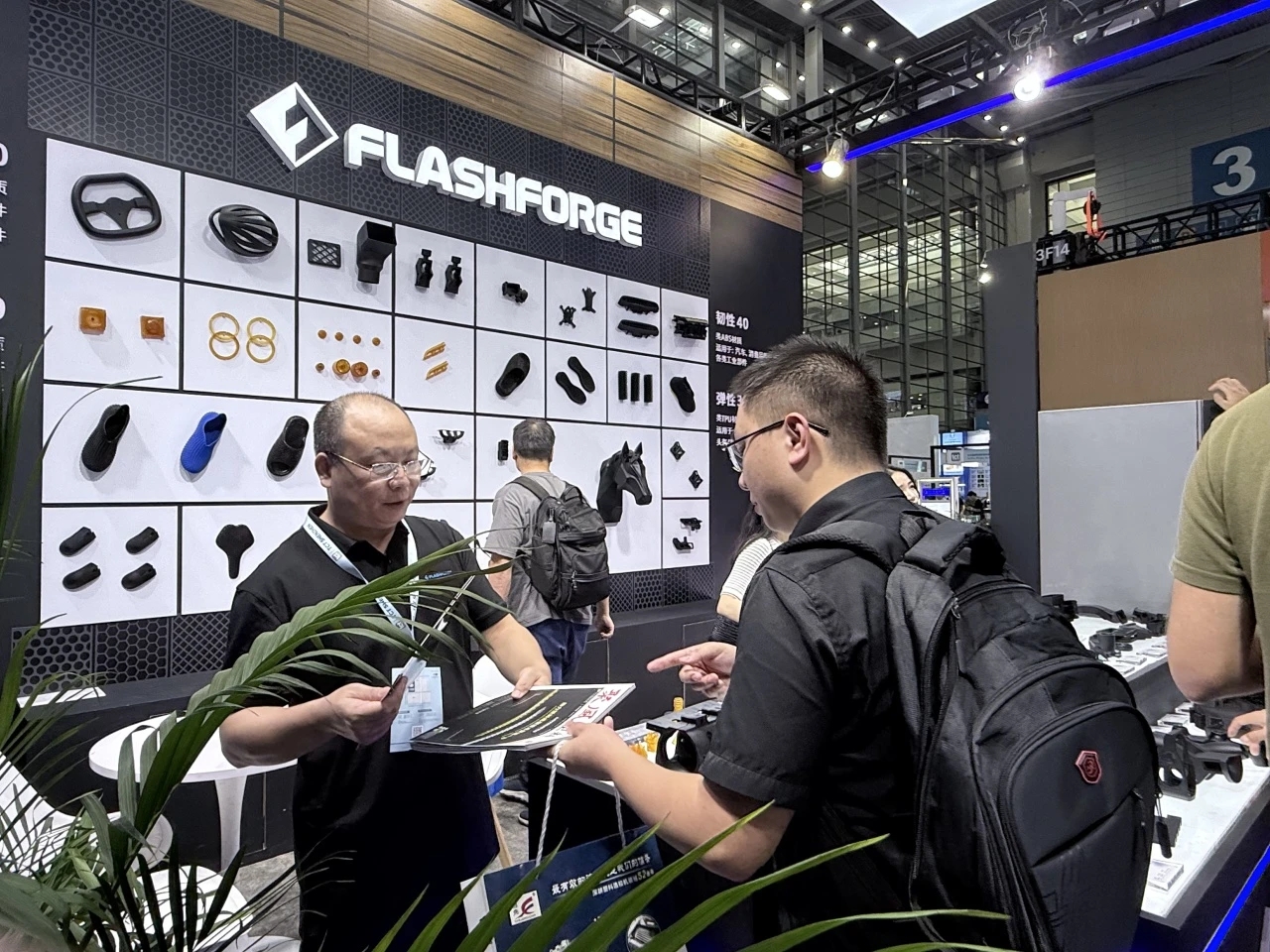
Global Design Studios Integrate Additive Manufacturing
From parametric surface treatments and monolithic fluid furniture to spatial installations utilizing sustainable substrates, leading global design practices are embedding 3D printing into their material narrative.
Complex double-curved forms, lightweight lattice structures, and intricate geometries—once cost-prohibitive or unfeasible through conventional subtractive stone or timber milling—can now be precisely produced. This technological shift liberates design practice while introducing new tactile and formal expressions to interior spaces.
Shenzhen: Asia’s Digital Manufacturing Hub
Supported by robust R&D ecosystems and industrial capacity, Shenzhen has established itself as an innovation hub for digital fabrication. The local industry chain integrates every stage of production, spanning software modeling, 3D scanning, hardware engineering, and material development.
Visiting Shenzhen offers designers single-point access to cutting-edge 3D printing equipment, innovative material formulations, and digital fabrication workflows. For practices handling bespoke furniture, hospitality engineering, commercial installations, and architectural model making, Shenzhen’s mature manufacturing infrastructure provides a reliable partner for efficient, high-quality execution.

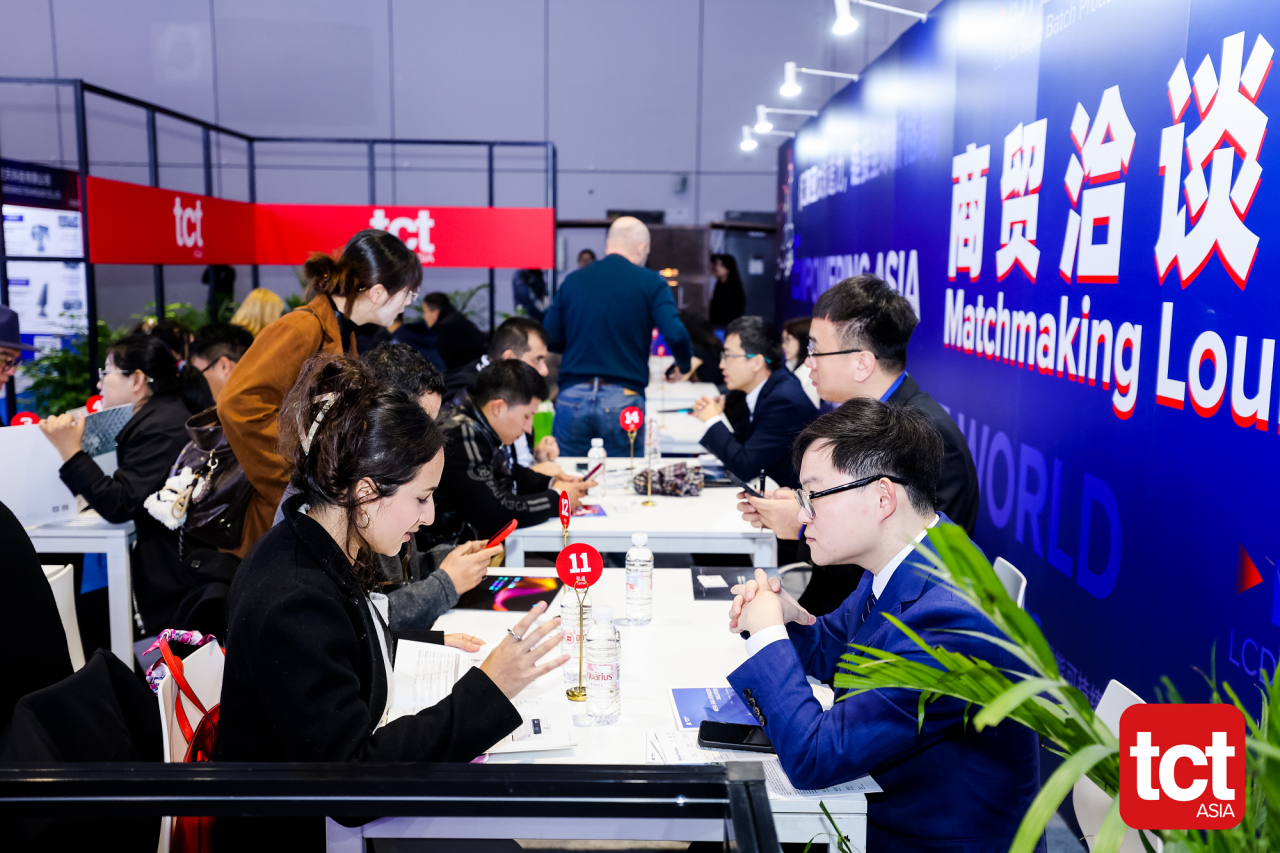
TCT Shenzhen 2026: Five Key Highlights for Designers
Doubling in scale from previous editions, TCT Shenzhen 2026 covers the complete additive manufacturing ecosystem. Key highlights include:
Industrial and Desktop Additive Systems: Live demonstrations of large-scale architectural and spatial component printing.
Next-Generation Sustainable Materials: Tactile and visual applications of recycled polymers, bio-composites, and upcycled substrates.
3D Digitisation and AI-Driven Design: Practical applications demonstrating how AI algorithms streamline parametric modeling and layout generation.
Advanced Post-Processing Techniques: Refined surface finishing solutions essential for high-end interior environments.
Over 80 Professional Forums: In-depth sessions focusing on AI-assisted design, digital fabrication, and global industry trends.
Redefining Spatial Execution
The future of design lies not only in spatial aesthetics, but in transforming how creative ideas are realized.
Additive manufacturing accelerates conceptual verification, makes high-level customization commercially accessible, and reduces prototyping error costs while enhancing project delivery efficiency.
For design professionals seeking to navigate spatial fabrication trends over the coming decade, TCT Shenzhen 2026 offers direct engagement with global technology, suppliers, and manufacturing networks.
Scan the QR code below to register for your complimentary visitor pass to TCT Shenzhen 2026: