



As client demands shift rapidly toward high-level customization, environmental sustainability, and nimble delivery timelines, traditional fabrication methods frequently run into constraints of cost and craftsmanship. To transcend these structural limitations, leading architecture and interior studios worldwide are increasingly adopting additive manufacturing (3D printing) to realize ambitious structural and spatial concepts.
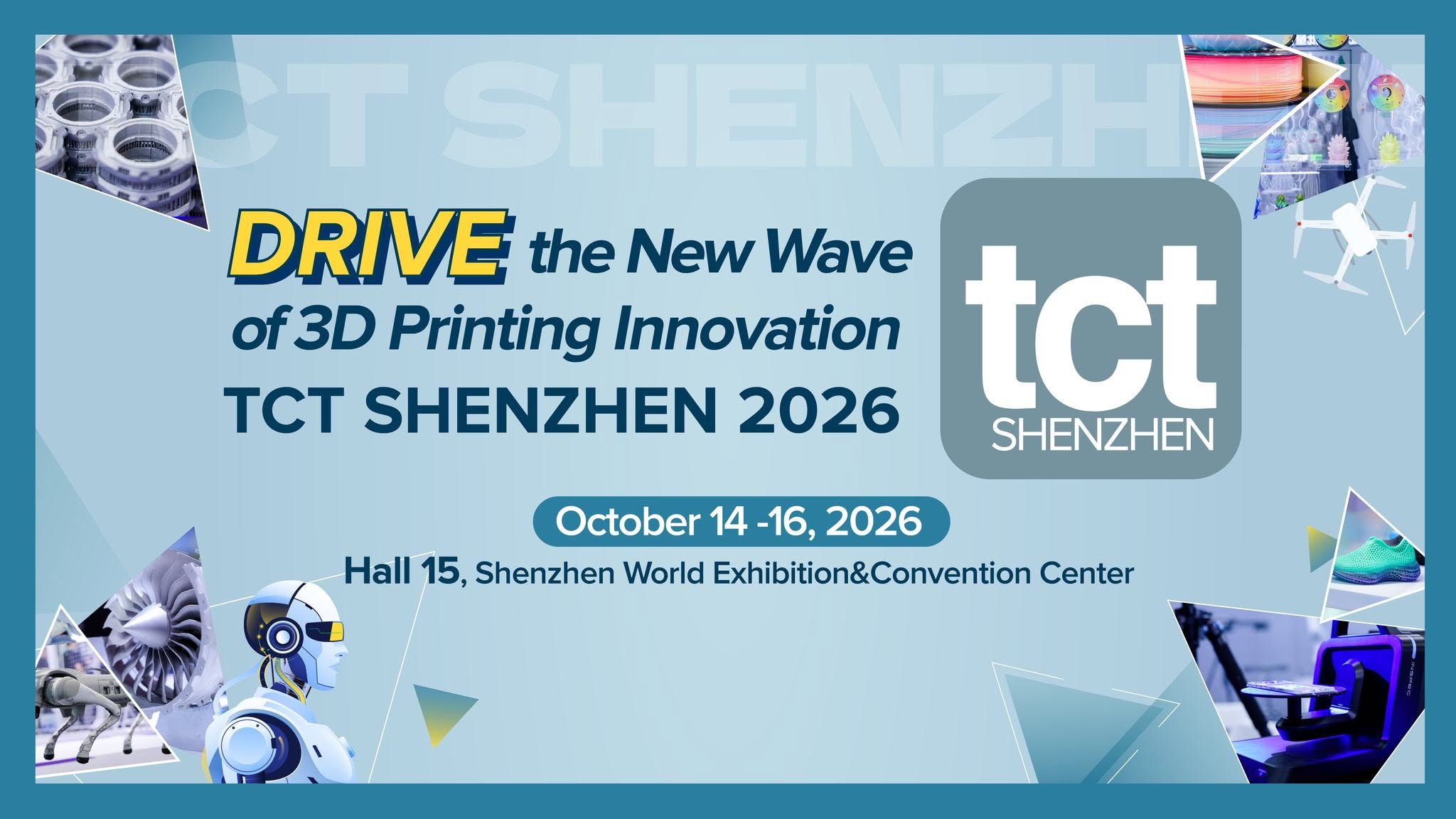
From 14 to 16 October 2026, TCT Shenzhen 2026—the premier exhibition for 3D printing and additive manufacturing—will take place at the Shenzhen World Exhibition & Convention Center (Bao’an). Expanding across 20,000 square metres, the event is projected to bring together over 250 global pioneering enterprises and more than 25,000 industry buyers and designers, delivering state-of-the-art digital fabrication solutions to contemporary interior architecture and spatial art.
Unlocking Creative Boundaries: When Fabrication Nuance Meets Design Freedom
Historically, visionary design concepts—ranging from complex double-curved forms and fluid organic geometry to algorithmic parametric frameworks and intricate latticework—were routinely compromised by prohibitive tooling costs and protracted production schedules.
The maturity of 3D printing has fundamentally reshaped this paradigm. Designers can now translate complex geometric visions directly into material reality, producing parametric furniture, bespoke lighting fixtures, large-scale wall installations, luxury home accessories, and specialized retail props. This digital workflow radically accelerates development cycles while rendering once-unfeasible concepts entirely constructible.
Sustainable Design: A Core Imperative for the ESG Era
Sustainability has become an essential baseline across the global design ecosystem. Today’s additive manufacturing sector is driving material innovation by integrating recycled polymers, bio-based composites, and low-carbon upcycled substrates into standard production processes.
Unlike traditional subtractive manufacturing—such as stone carving or timber milling—3D printing operates on an on-demand, zero-waste ethos. Material consumption is precisely calibrated to the exact volume of the object. This aligns seamlessly with green building standards, allowing boutique hospitality, commercial developments, and high-end residential projects to weave sustainable, ESG-aligned narratives into sophisticated spatial environments.
Shenzhen: Asia’s Emerging Hub for Digital Manufacturing and Supply Chain Innovation
For Malaysian designers and spatial strategists, visiting TCT Shenzhen offers direct access to a unified ecosystem: next-generation hardware, breakthrough material formulations, generative AI and parametric software tools, and agile contract manufacturing network partners with advanced OEM/ODM capabilities.

Key Takeaways for Malaysian Design Associations and Architectural Practices
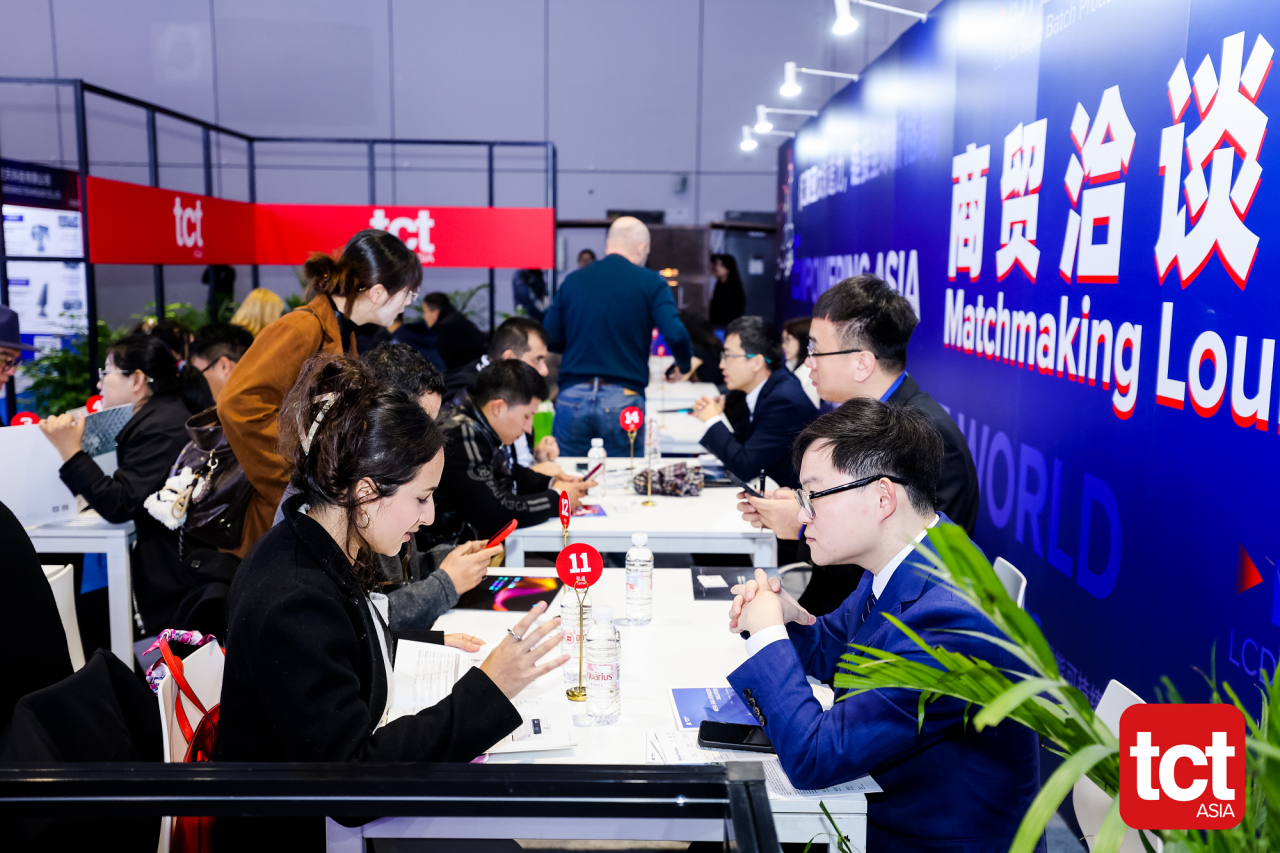
TCT Shenzhen 2026 bridges hardware developers, material suppliers, design studios, and international procurement networks. Delegations and design firms will have the opportunity to:
Capture global digital manufacturing trends and engage in technical dialogue with international industry specialists.
Source highly adaptable manufacturing partners capable of executing bespoke, low-volume architectural components.
Explore cross-disciplinary business models at the intersection of design, technology, and localized production.
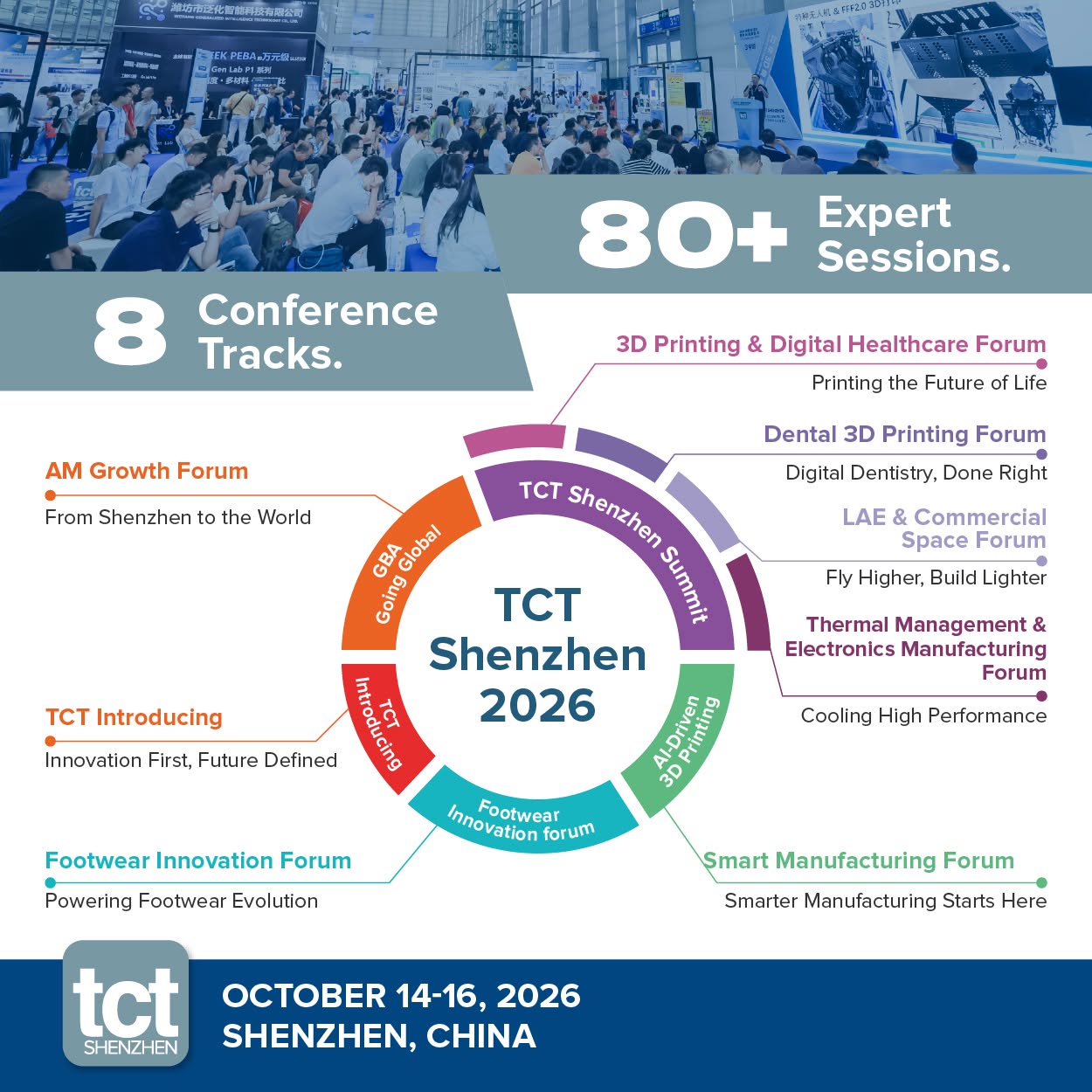
Alongside the exhibition, over 80 high-level professional forums will address topics spanning AI-assisted design, digital fabrication, consumer technology, medical application, and low-altitude economy hardware, offering designers fresh interdisciplinary perspectives.
Designing for Tomorrow: A New Chapter in Spatial Practice
The future of spatial design is no longer bound by traditional fabrication limits, but by the boundaries of architectural imagination. As the industry transitions from mass standardization toward high-precision customization and localized, on-demand production, additive manufacturing serves as the critical bridge between conceptual intent and built reality.
TCT Shenzhen 2026 stands as both a microcosm of global digital fabrication and a vital platform for the Malaysian design community to interface with international technology and supply networks.
We invite Malaysian design professionals, studios, and industry bodies to form delegation groups to Shenzhen this October—stepping onto the nexus of technology and spatial aesthetics to shape the next iteration of the built environment.
Scan the QR code below to register for your complimentary visitor pass to TCT Shenzhen 2026: