







The 58th China International Furniture Fair (CIFF Shanghai) brought together furniture, materials, manufacturing and interior fit-out in a joint presentation with the China International Building Decoration Fair. Organised around design, digital innovation and sustainability, the fair placed particular emphasis on Hall 4.1’s Design Eden, where organisers reported that 90 percent of the products were new launches across 17 curated exhibitions.

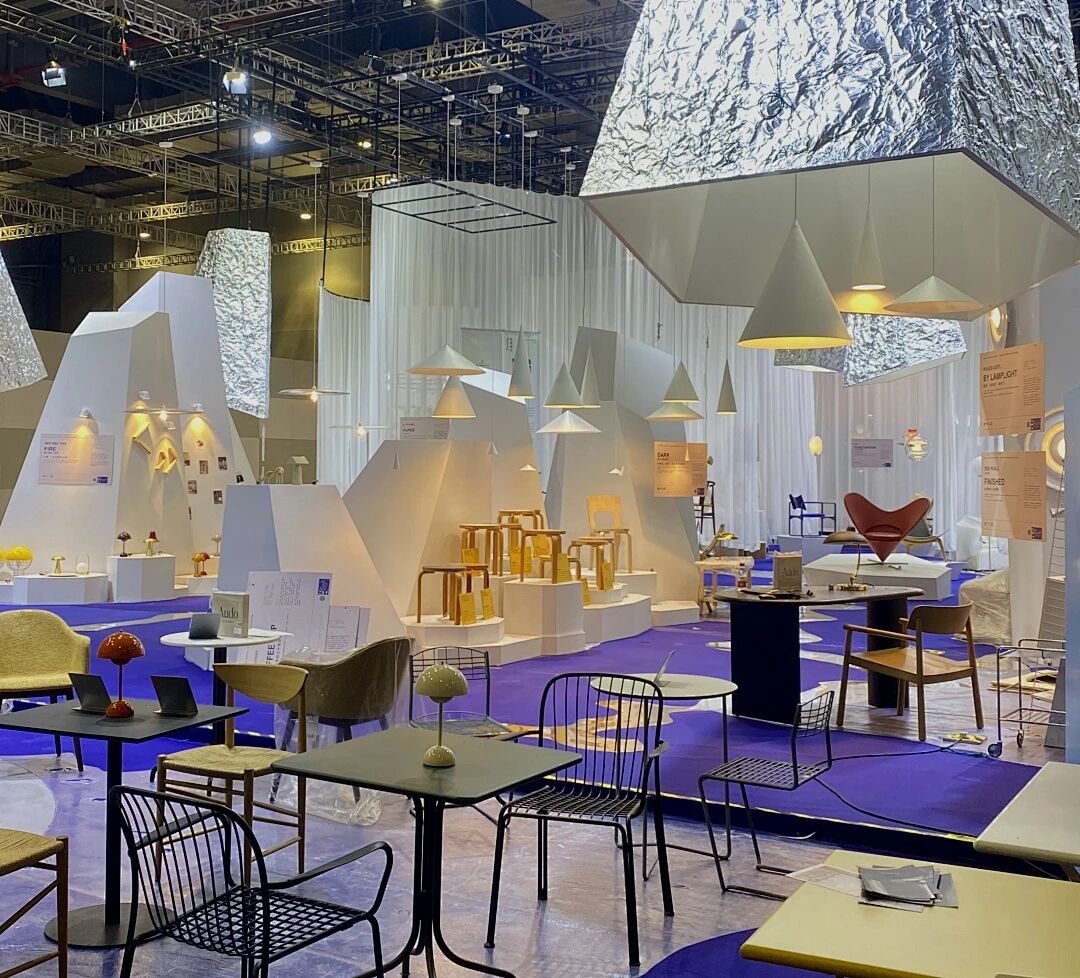
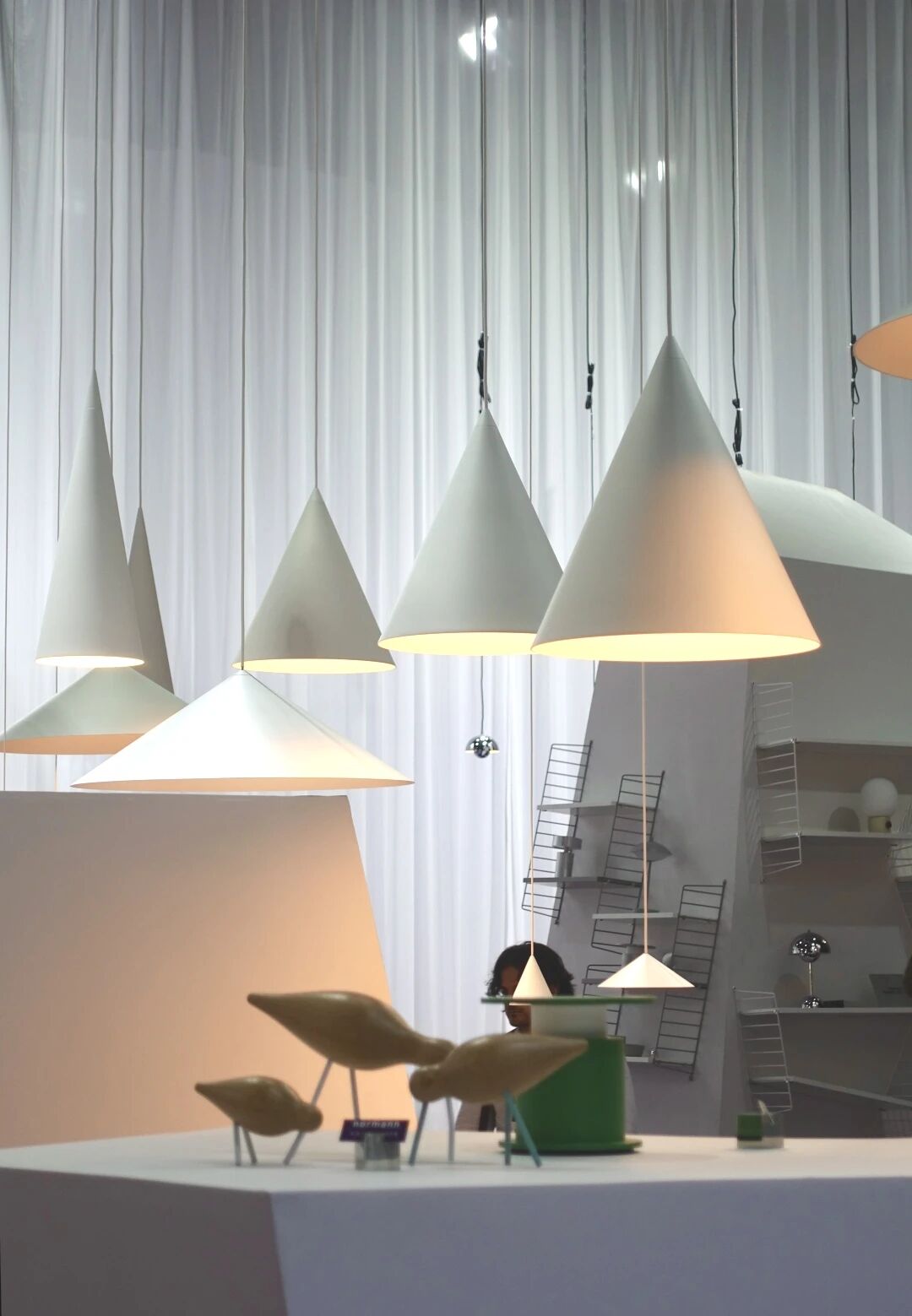
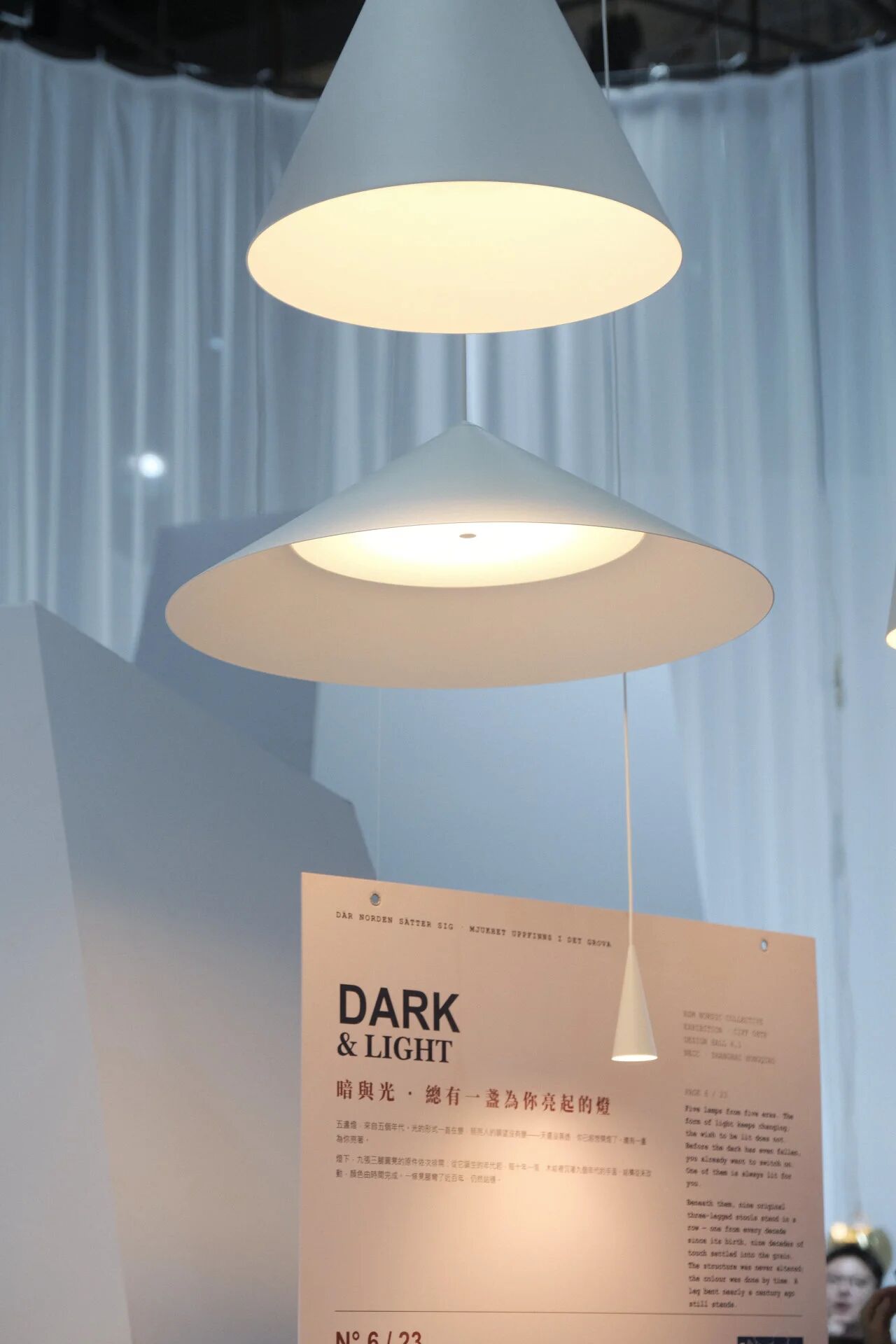
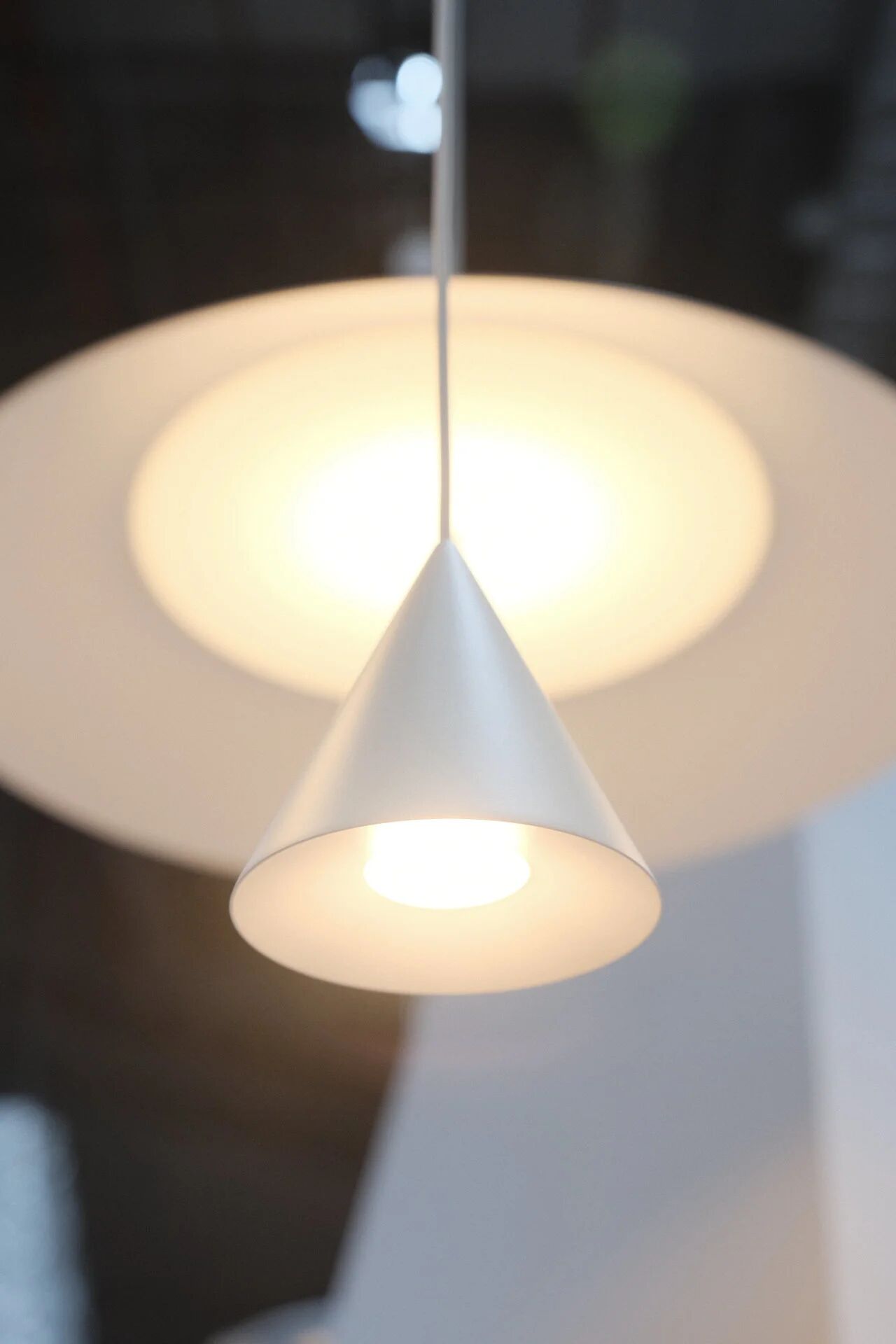
Among the fair’s central exhibitions was Where the North Sits Down, a collaboration between CIFF Shanghai and Chinese home furnishing retailer Red Star Macalline. Bringing together nearly 20 Nordic design brands, the presentation ranged from furniture and lighting to tableware, storage and domestic objects.

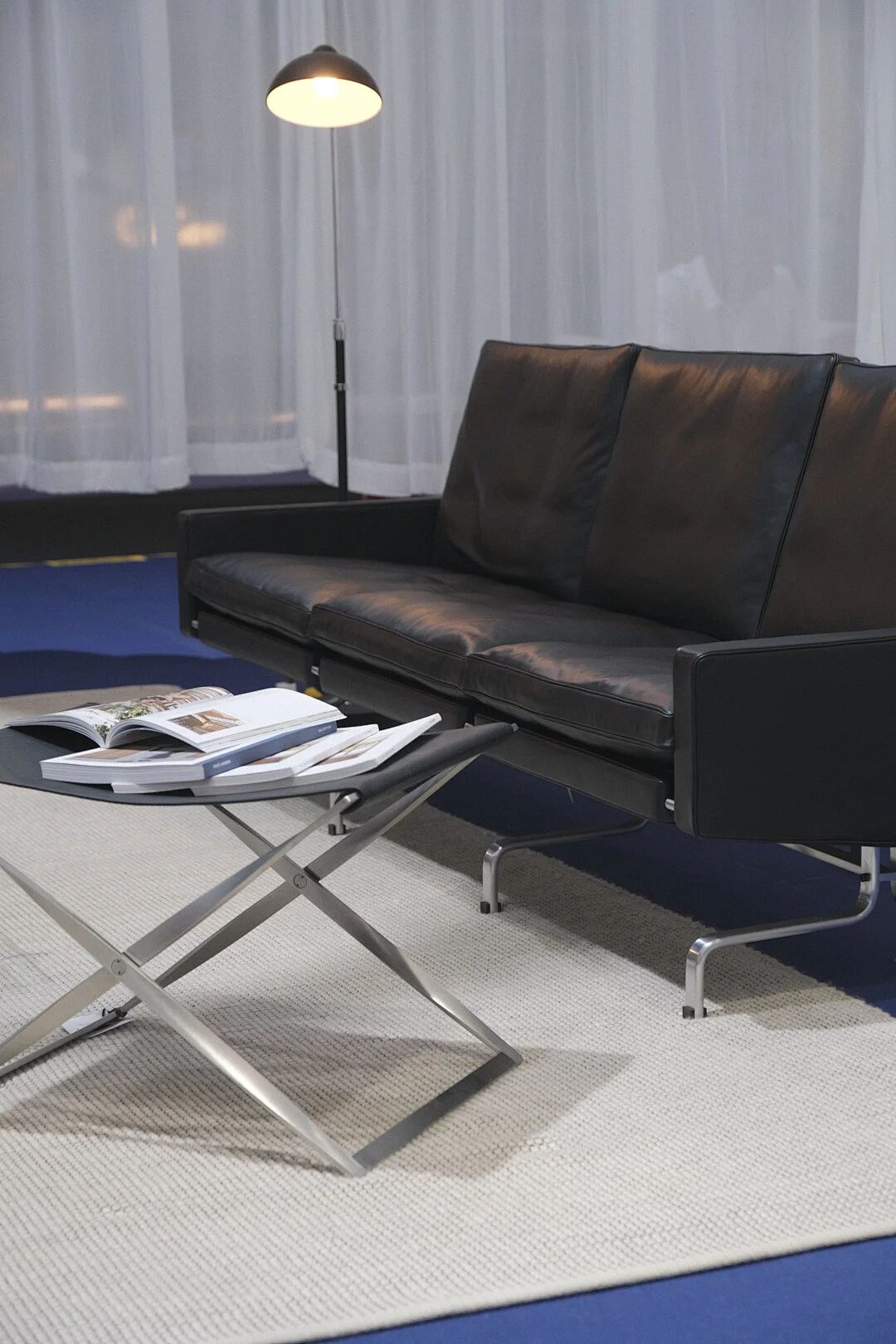
Fritz Hansen showed furniture with low profiles and metal bases, creating a restrained silhouette with a strong spatial presence.


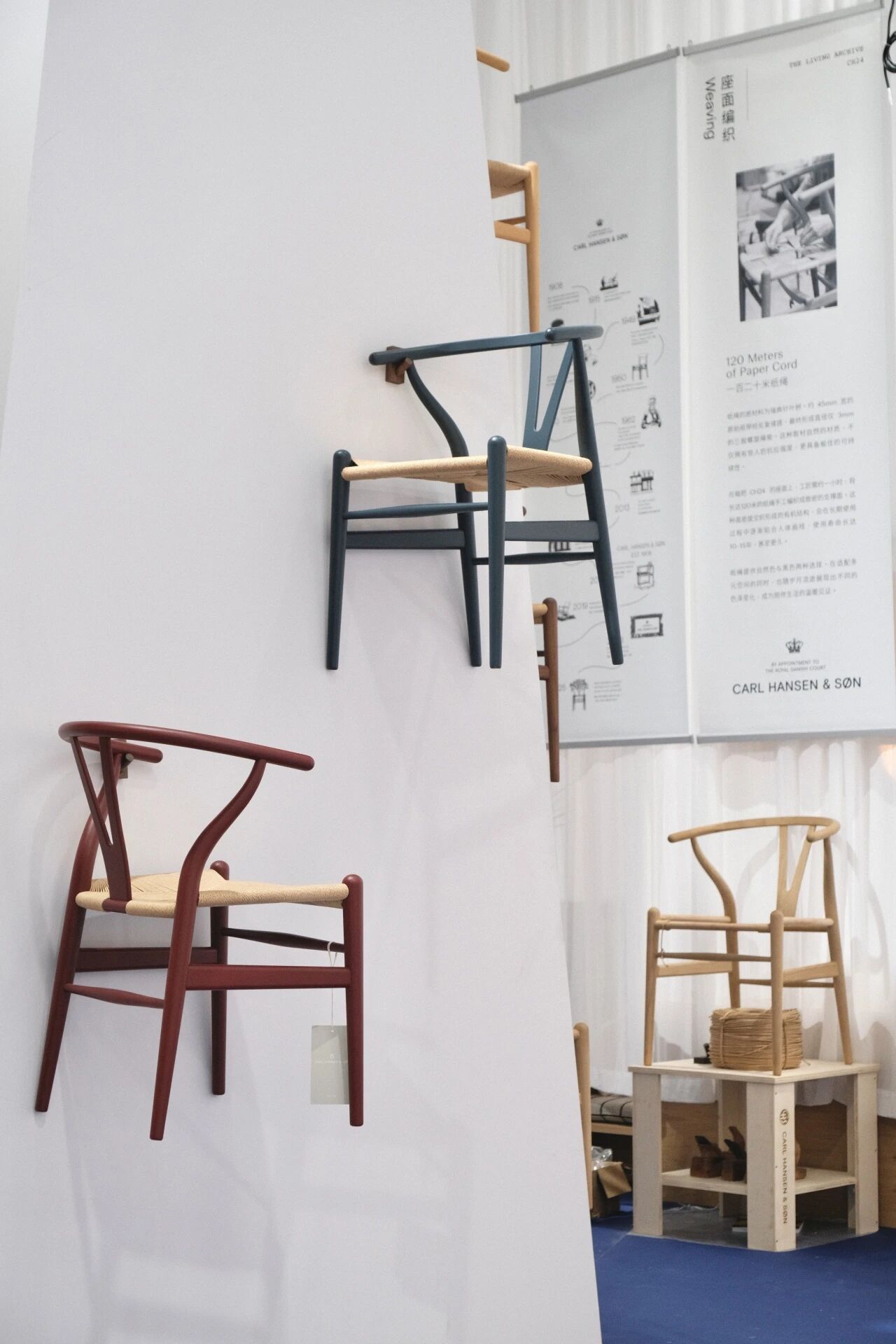
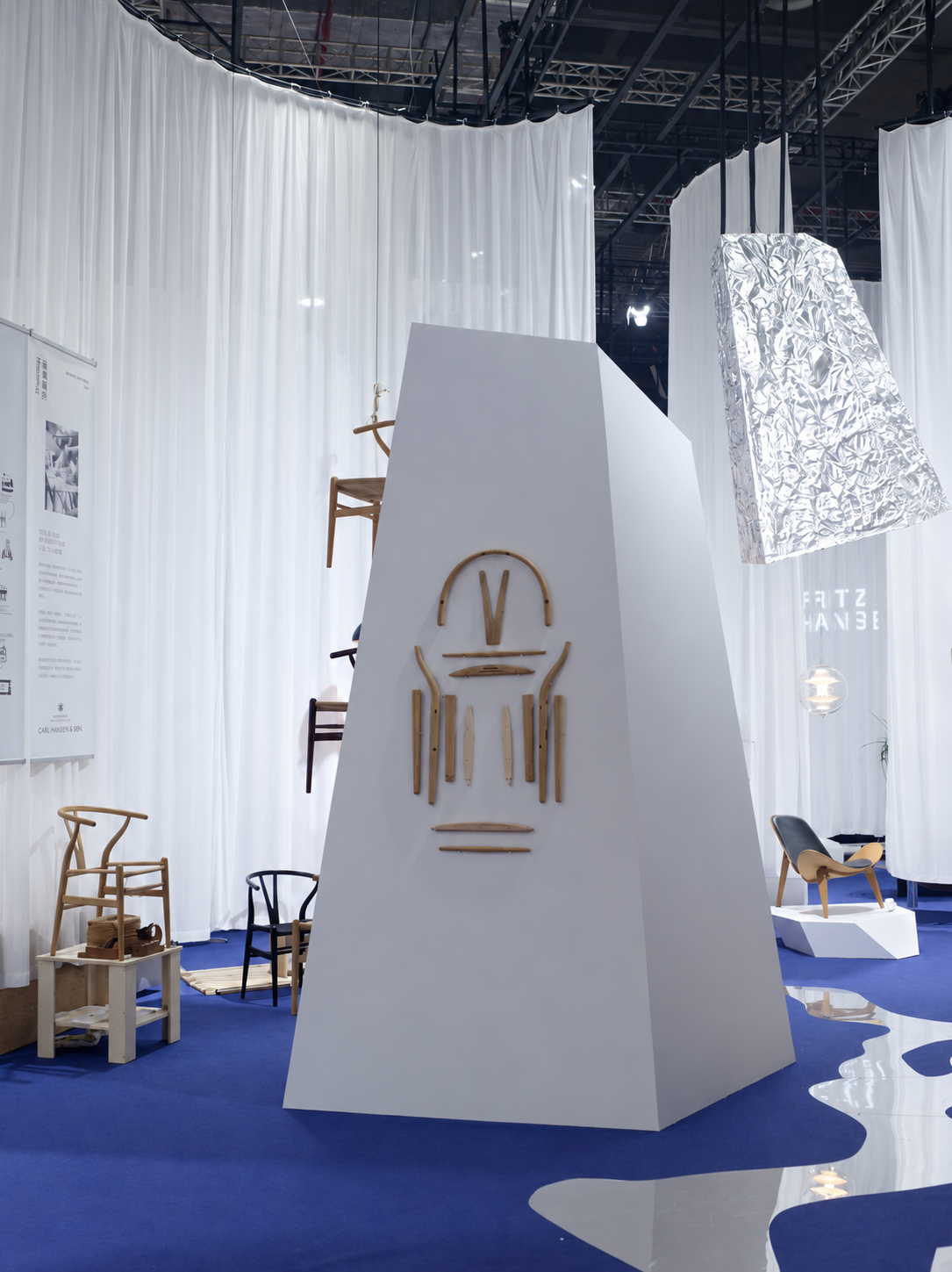
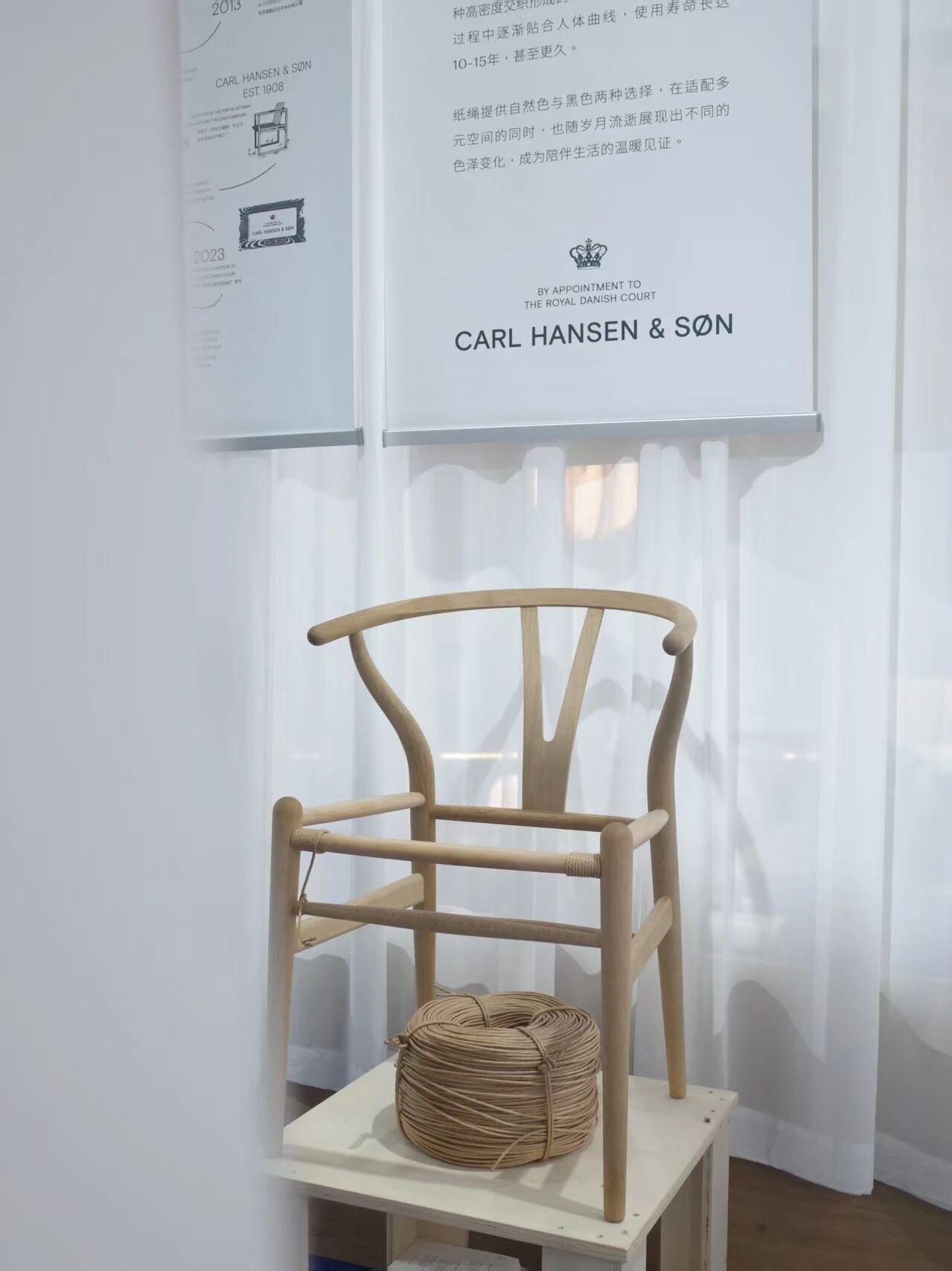
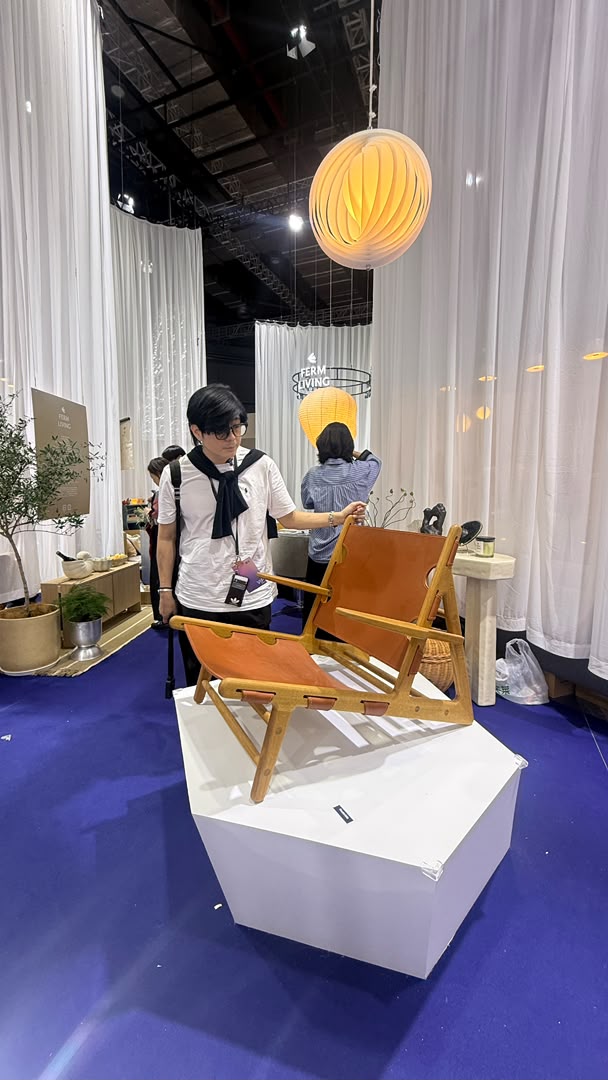
Carl Hansen & Søn presented seating in which the backrest and arms form a continuous line, combining ergonomic support with a recognisable simplicity.

Fredericia’s chairs drew on the Danish brand’s attention to construction and proportion, allowing them to sit comfortably in a range of settings.


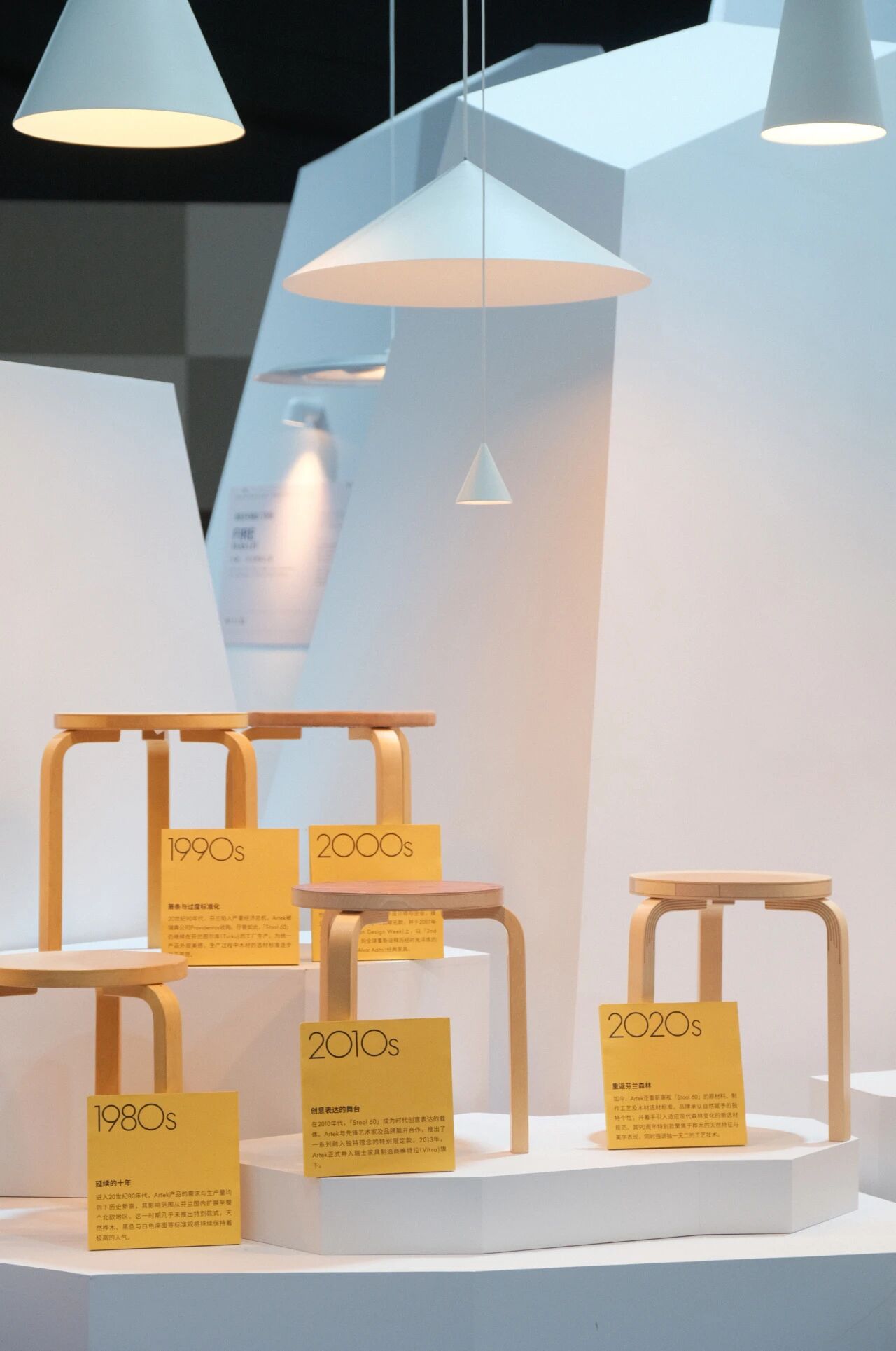
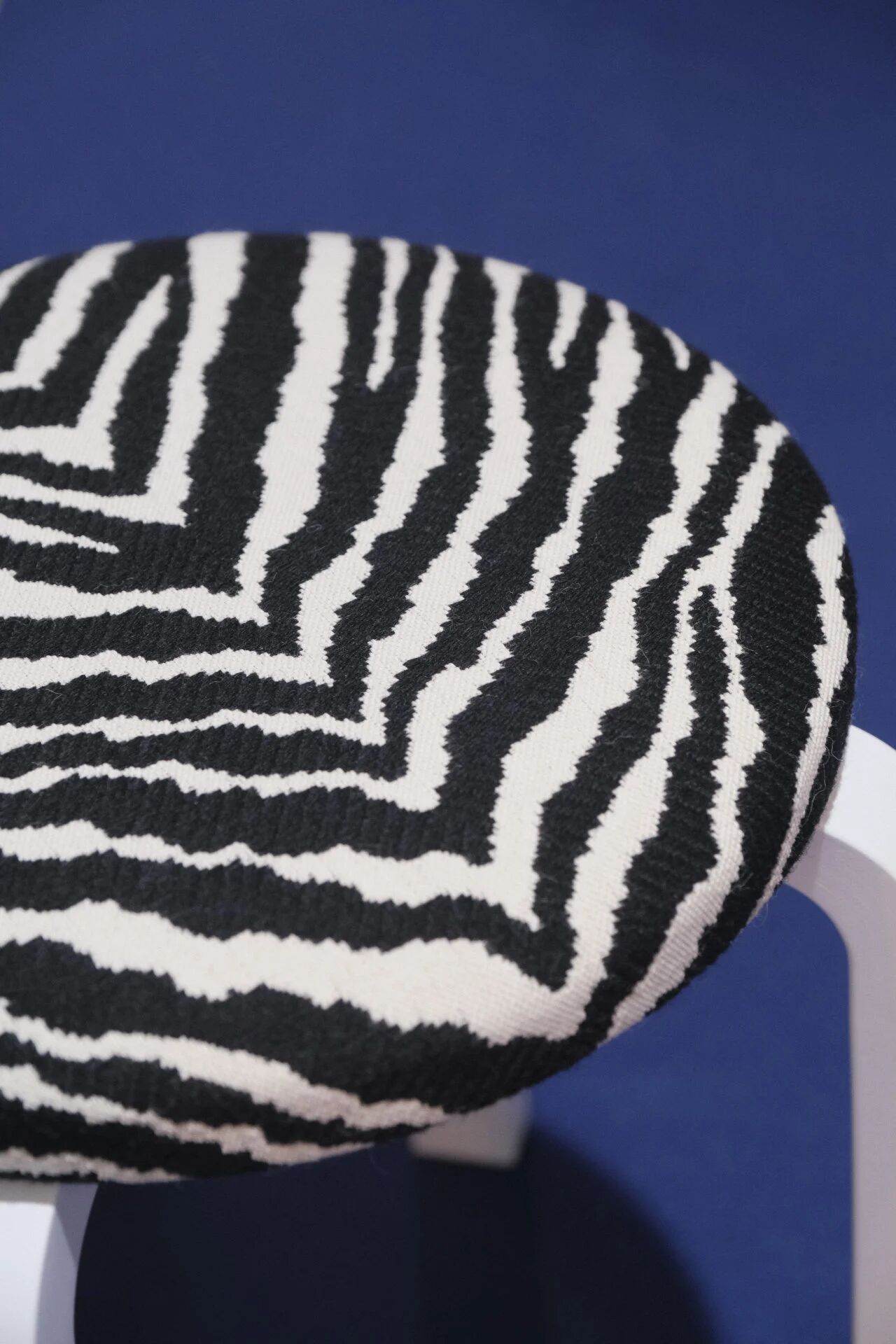
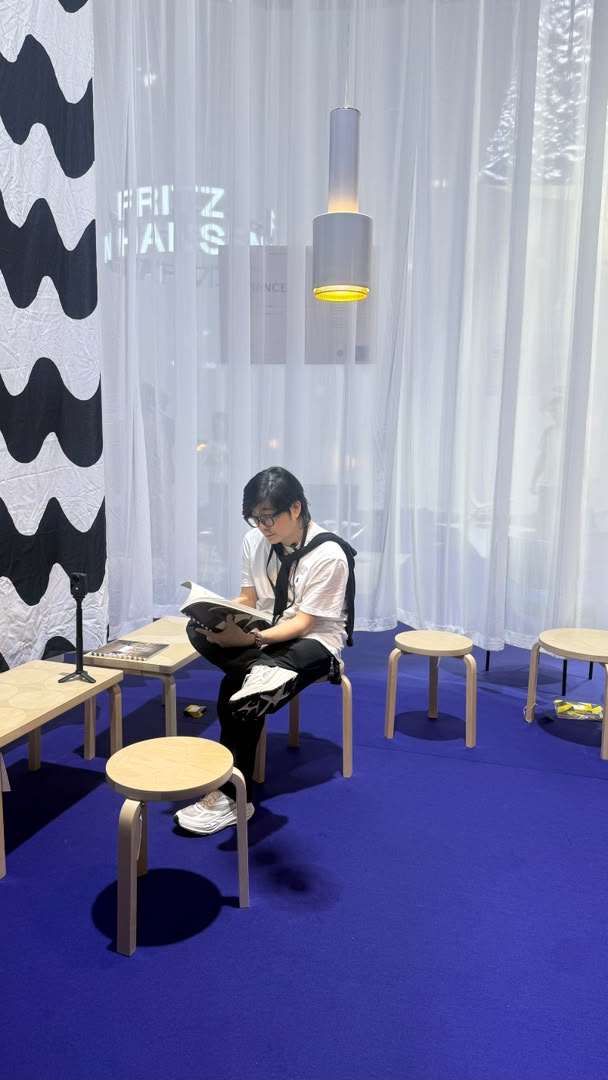
Finnish brand Artek continued Alvar Aalto’s idea of furniture as useful, enduring objects, with locally sourced birch lending its pieces warmth and material clarity.

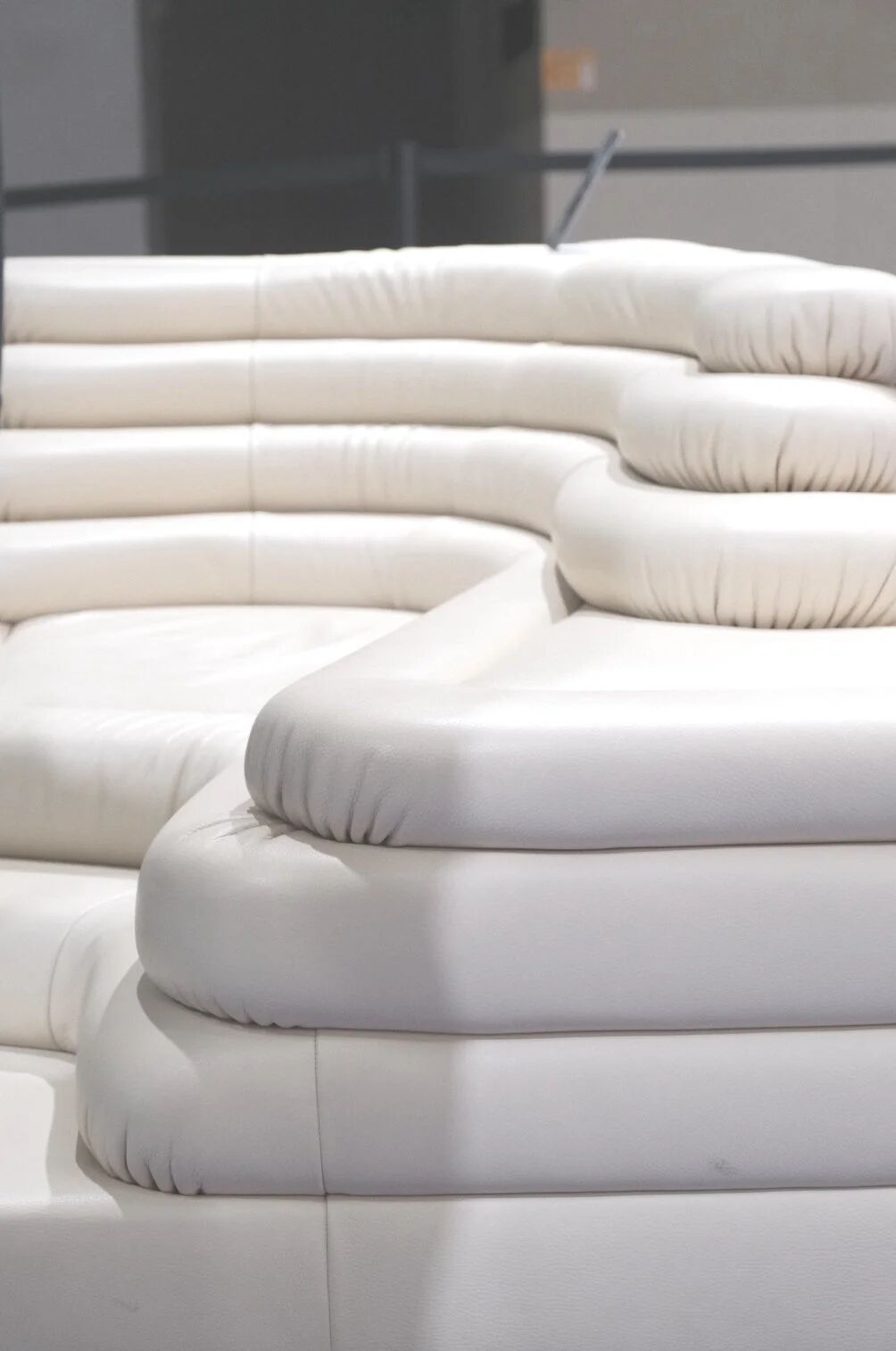
Swiss manufacturer de Sede explored adaptability through modular configurations and its patented seat construction.


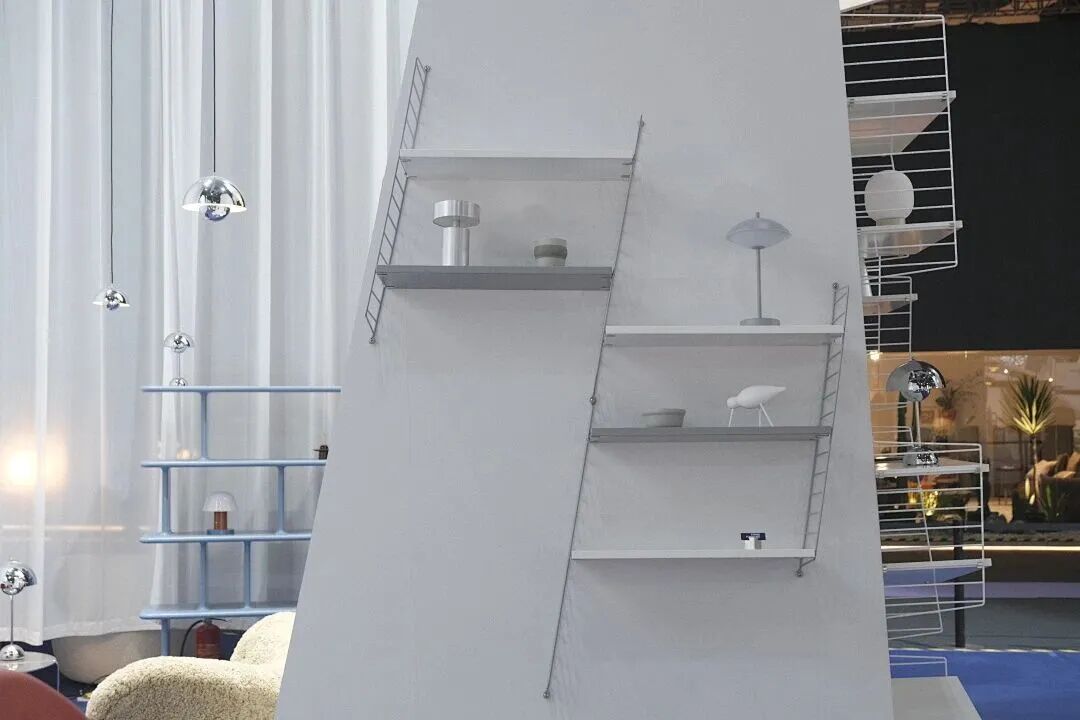
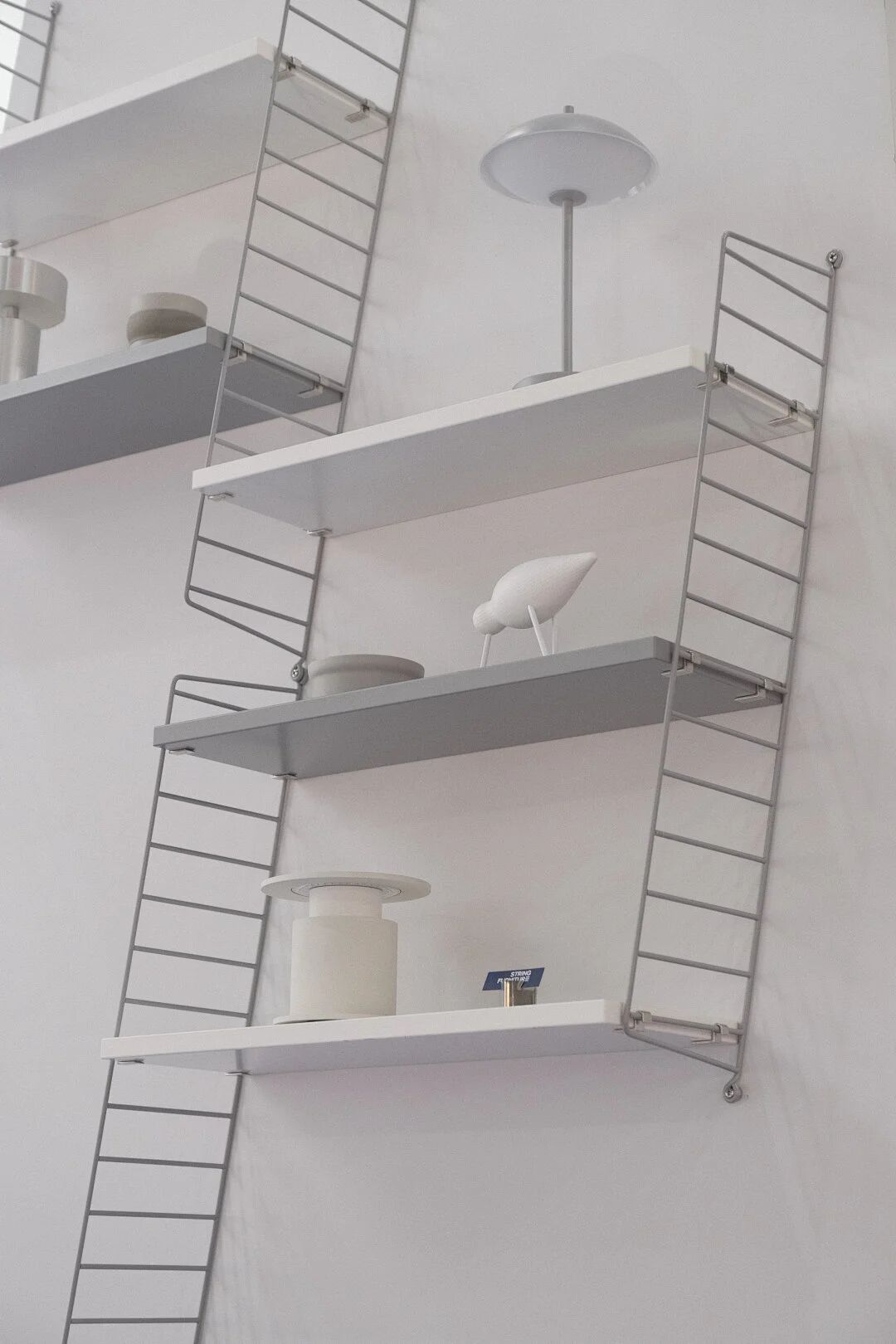
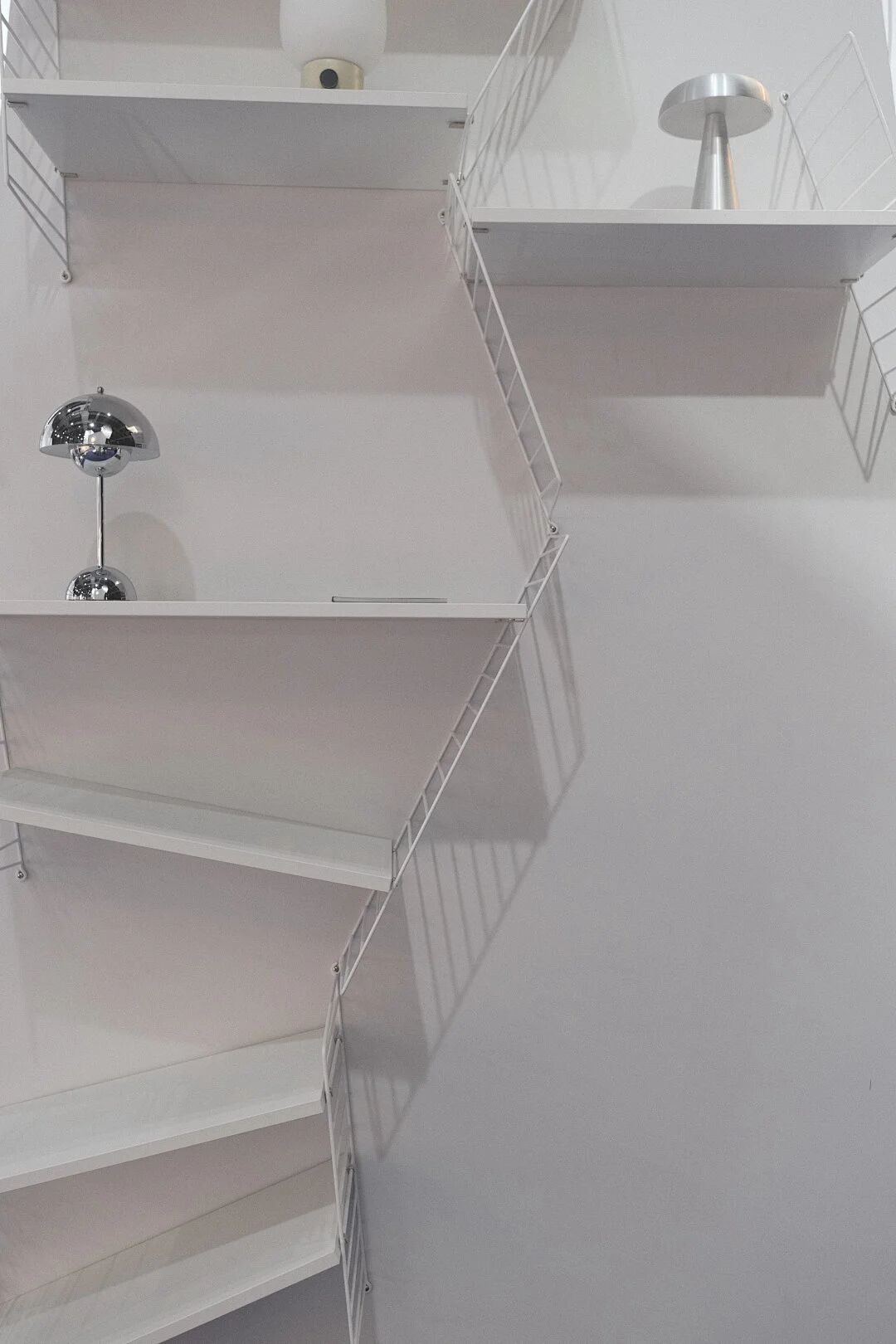
Swedish brand String demonstrated how its familiar modular system can be reconfigured as domestic needs change.
In lighting, Swedish brand Wästberg+ presented portable, hybrid fixtures designed to provide high-quality illumination where it is needed.

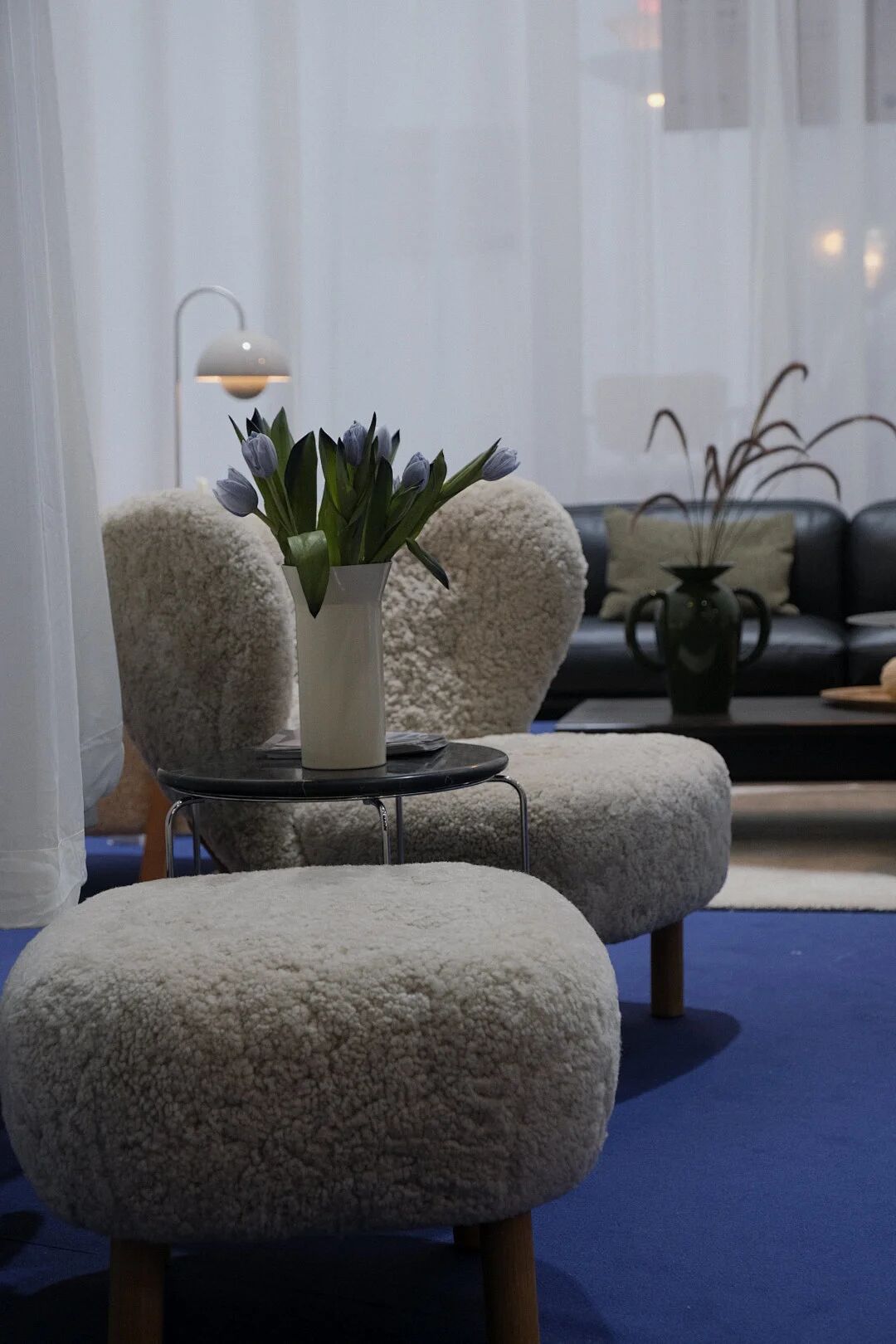
&Tradition revisited the Little Petra chair, first designed in 1938, whose rounded form lends a softer character to the contemporary living room.

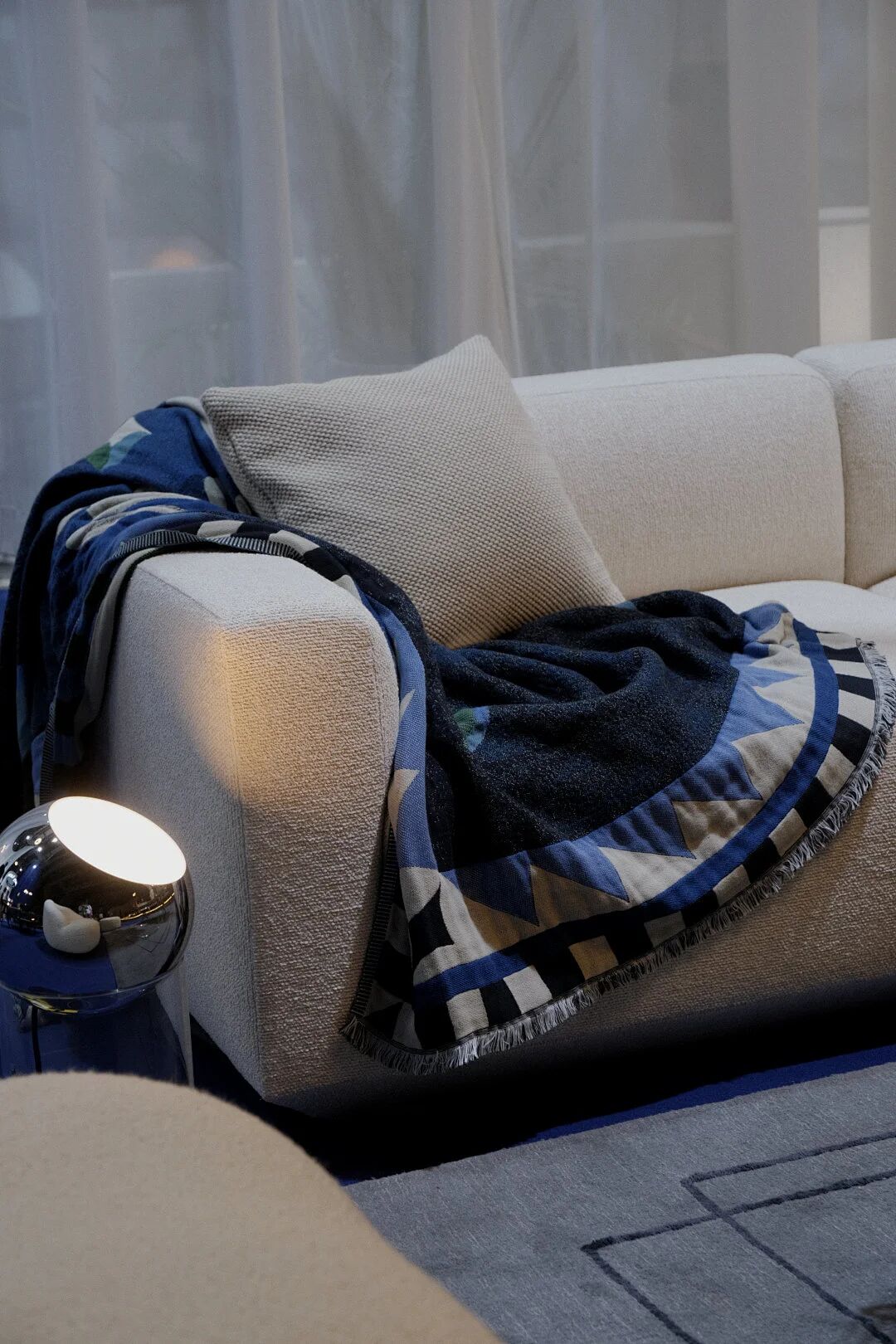

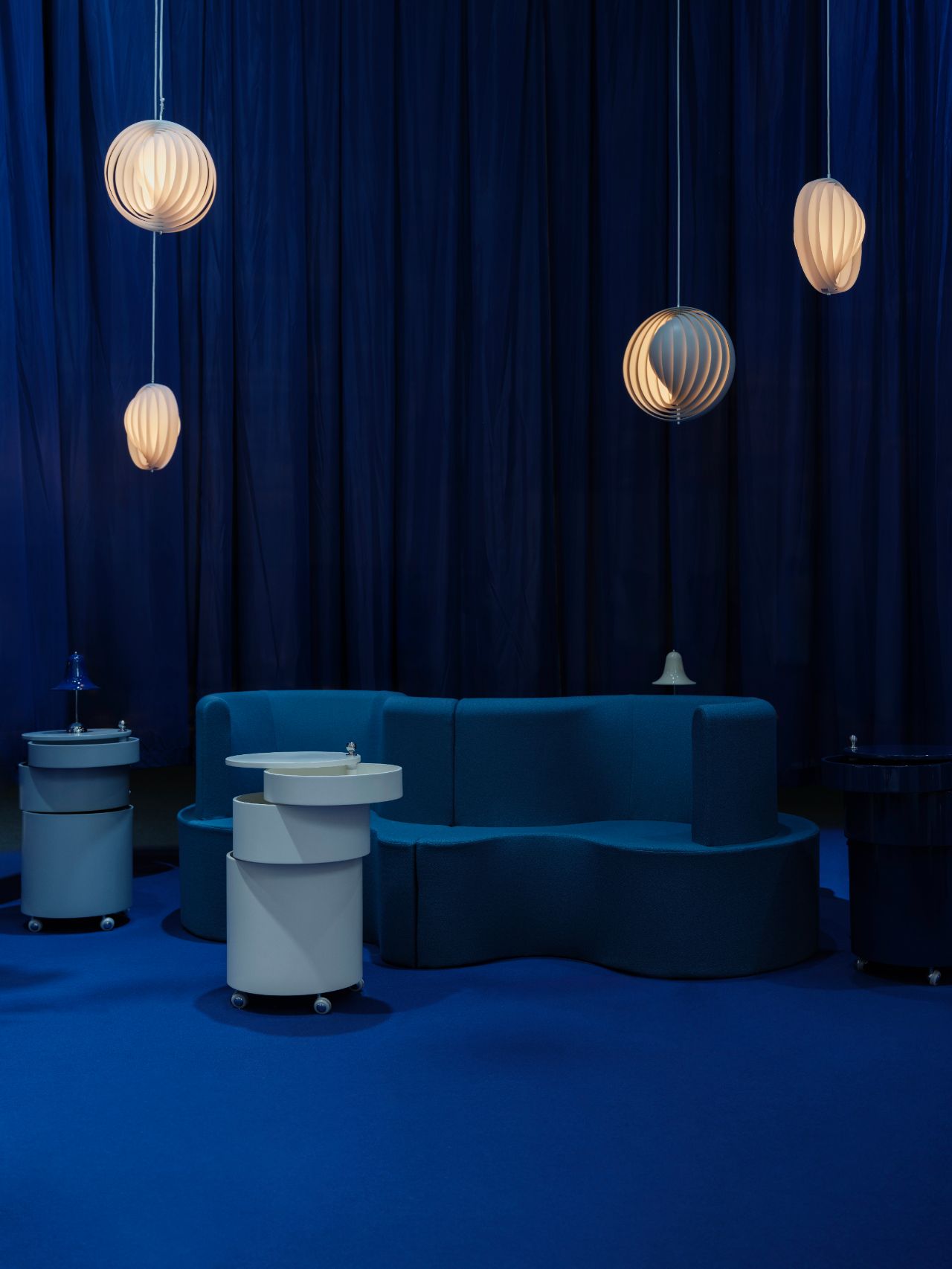
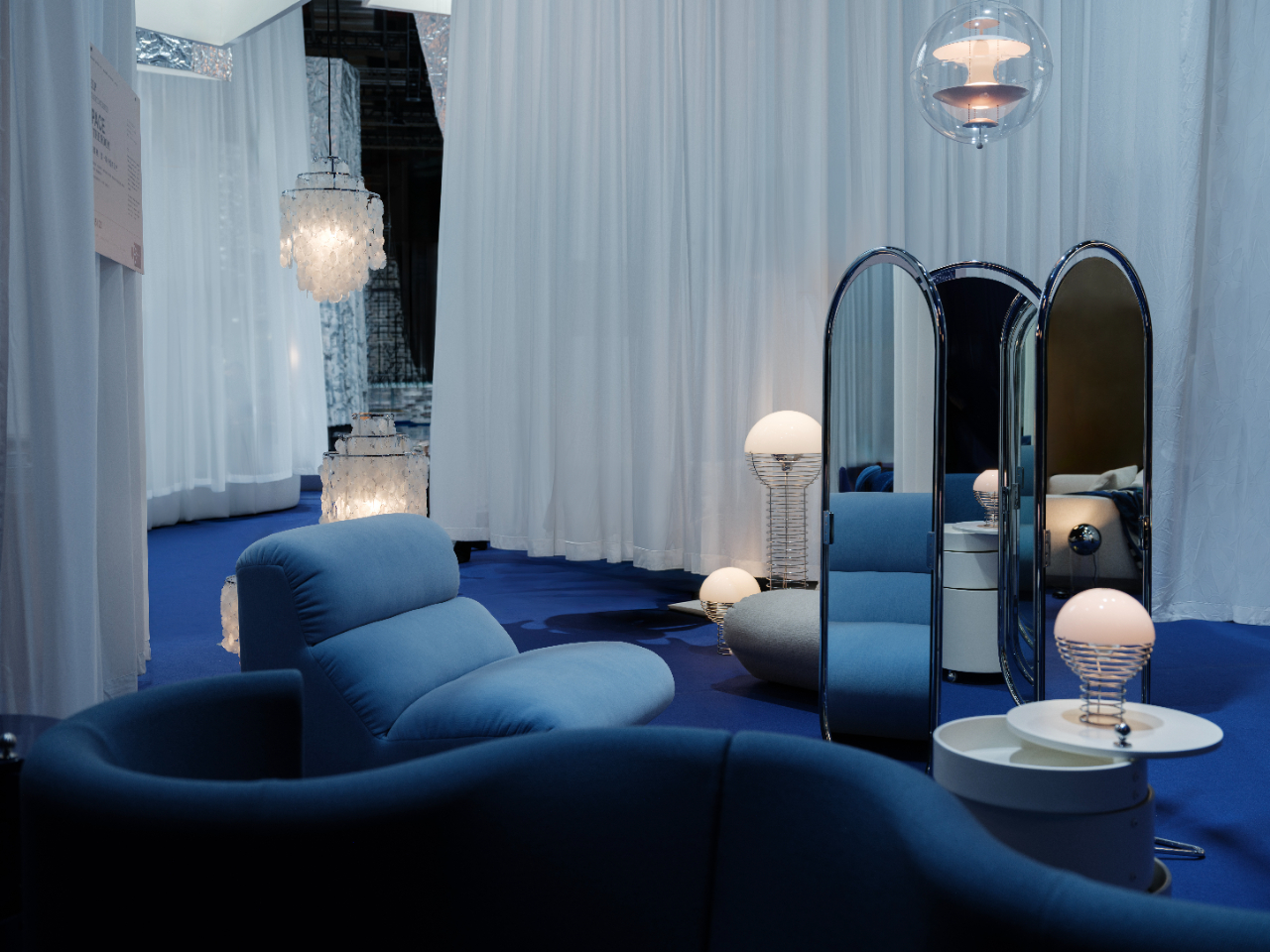
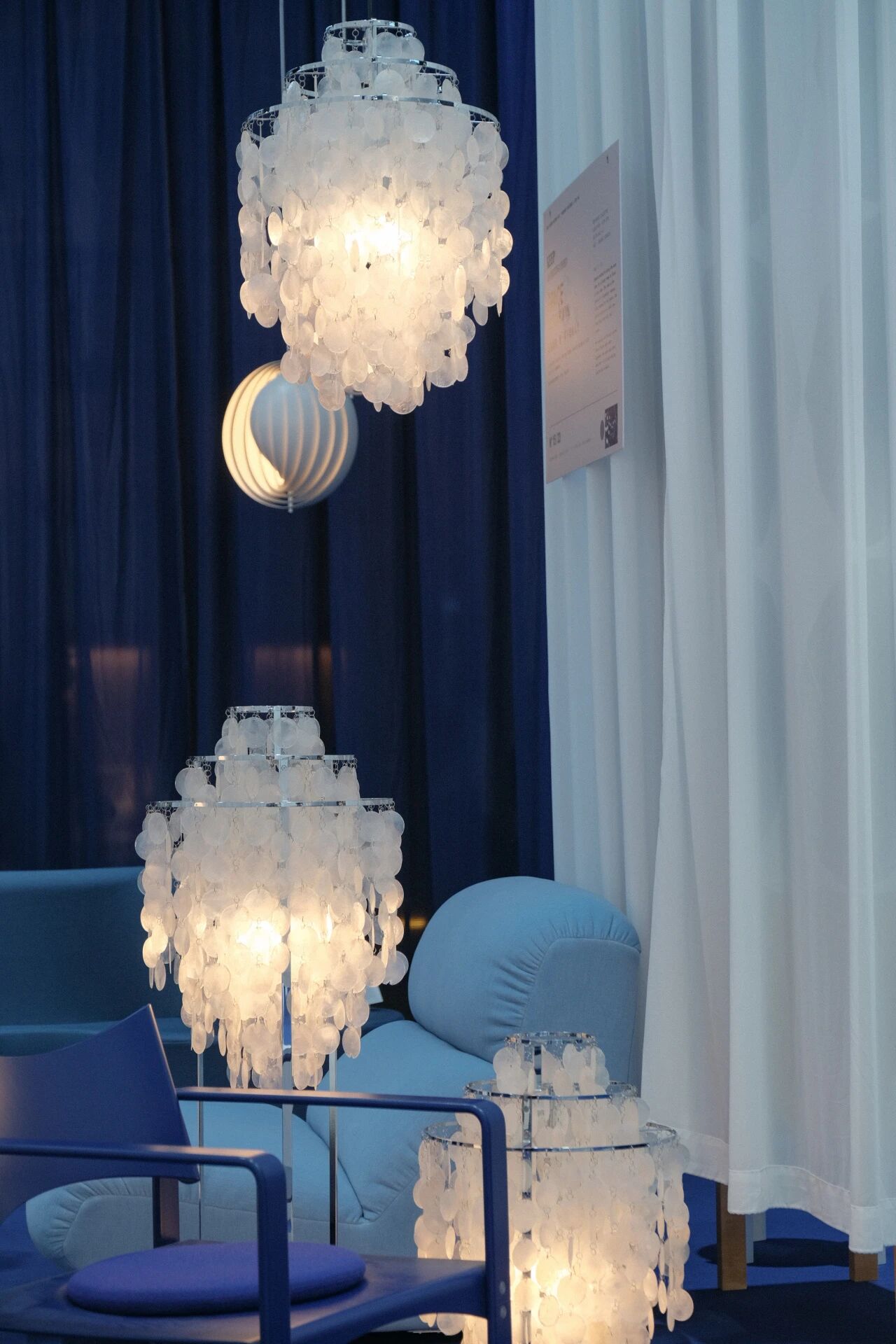
Verpan brought lighting and acoustic elements together to create a more sensory relationship between people and their surroundings.



Audo Copenhagen used curved, upholstered modules to give seating an architectural sense of order.

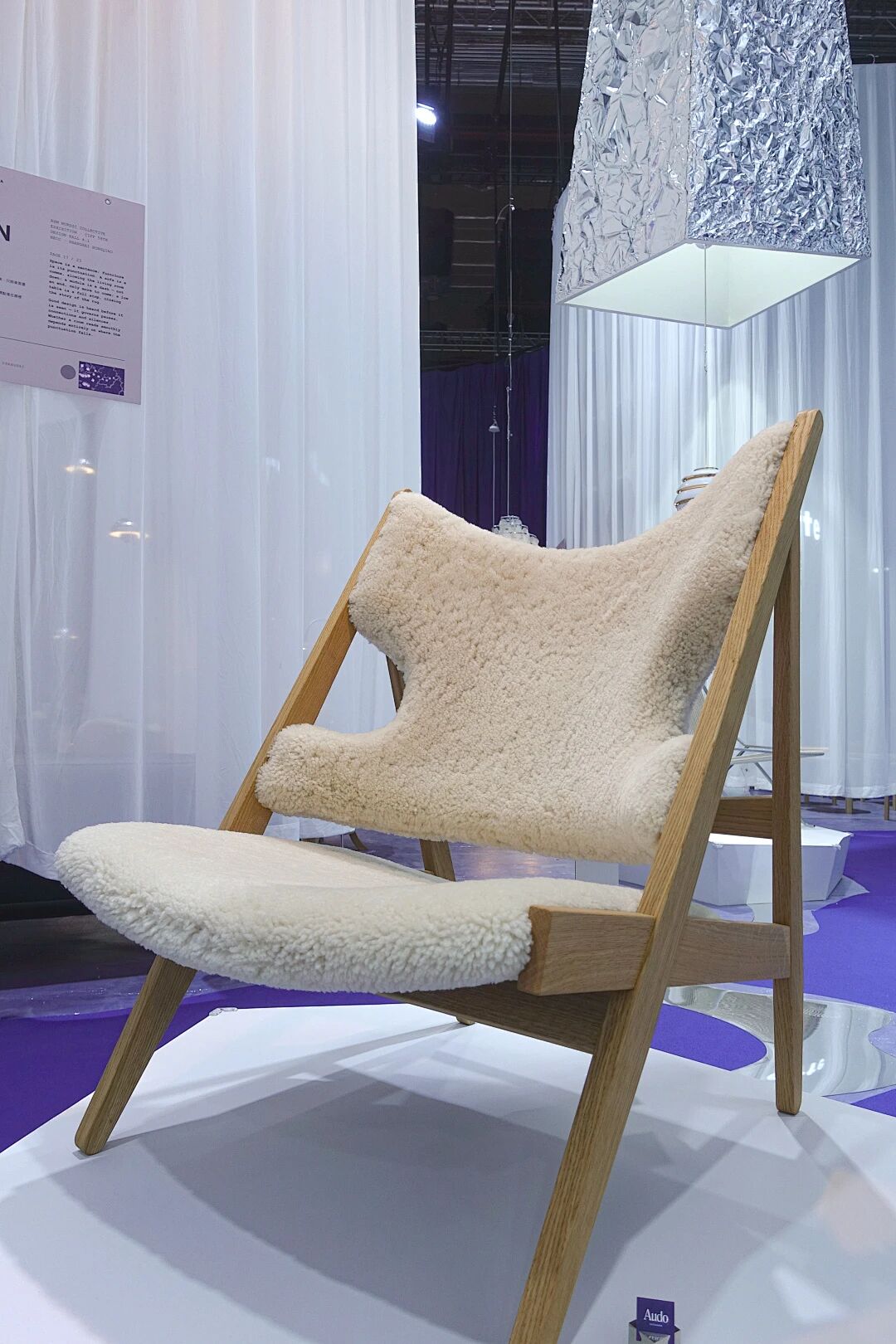


GUBI’s P3 highlighted the expressive potential of woven cane.


Ferm Living’s Rico series offered generous, enveloping curves.
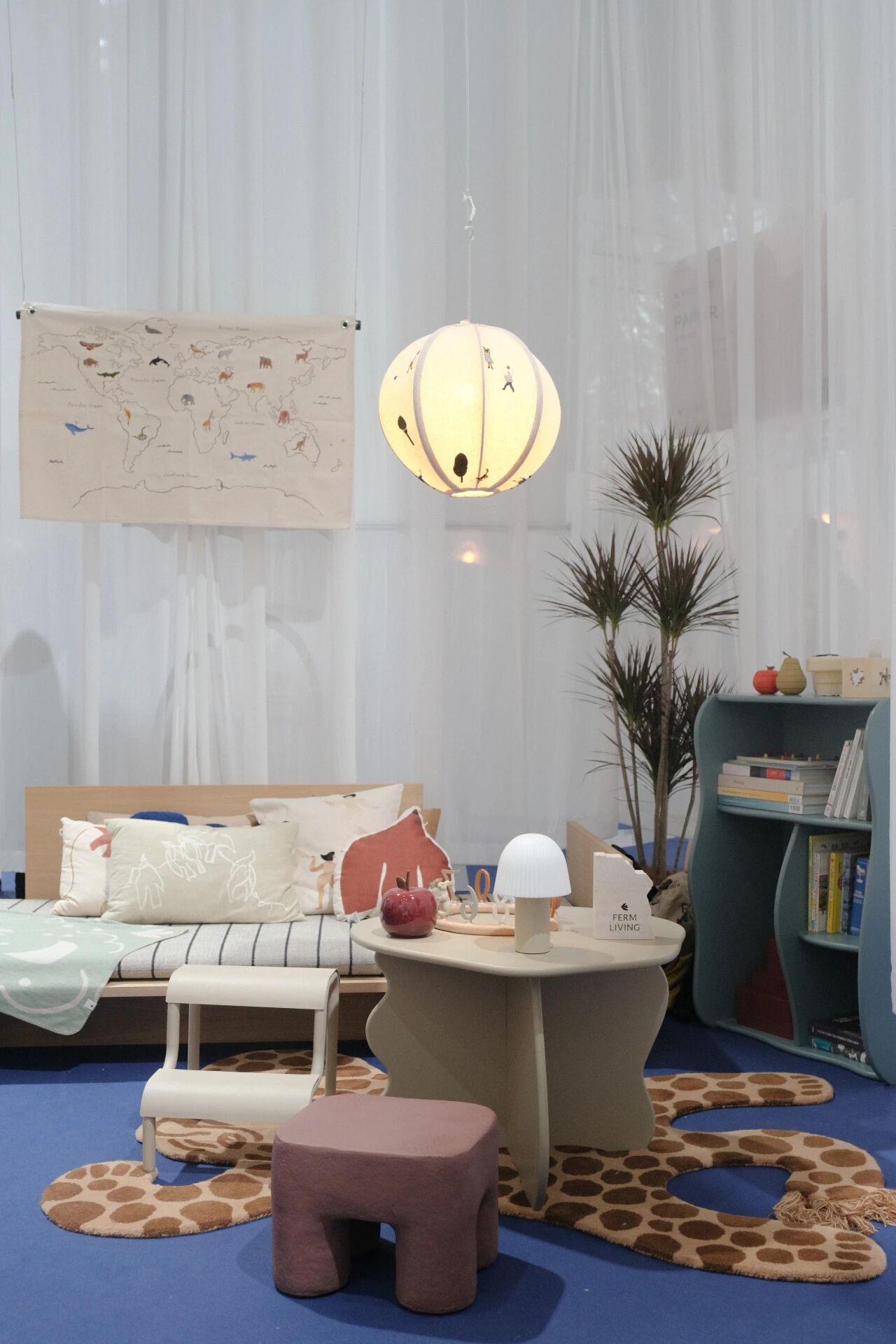
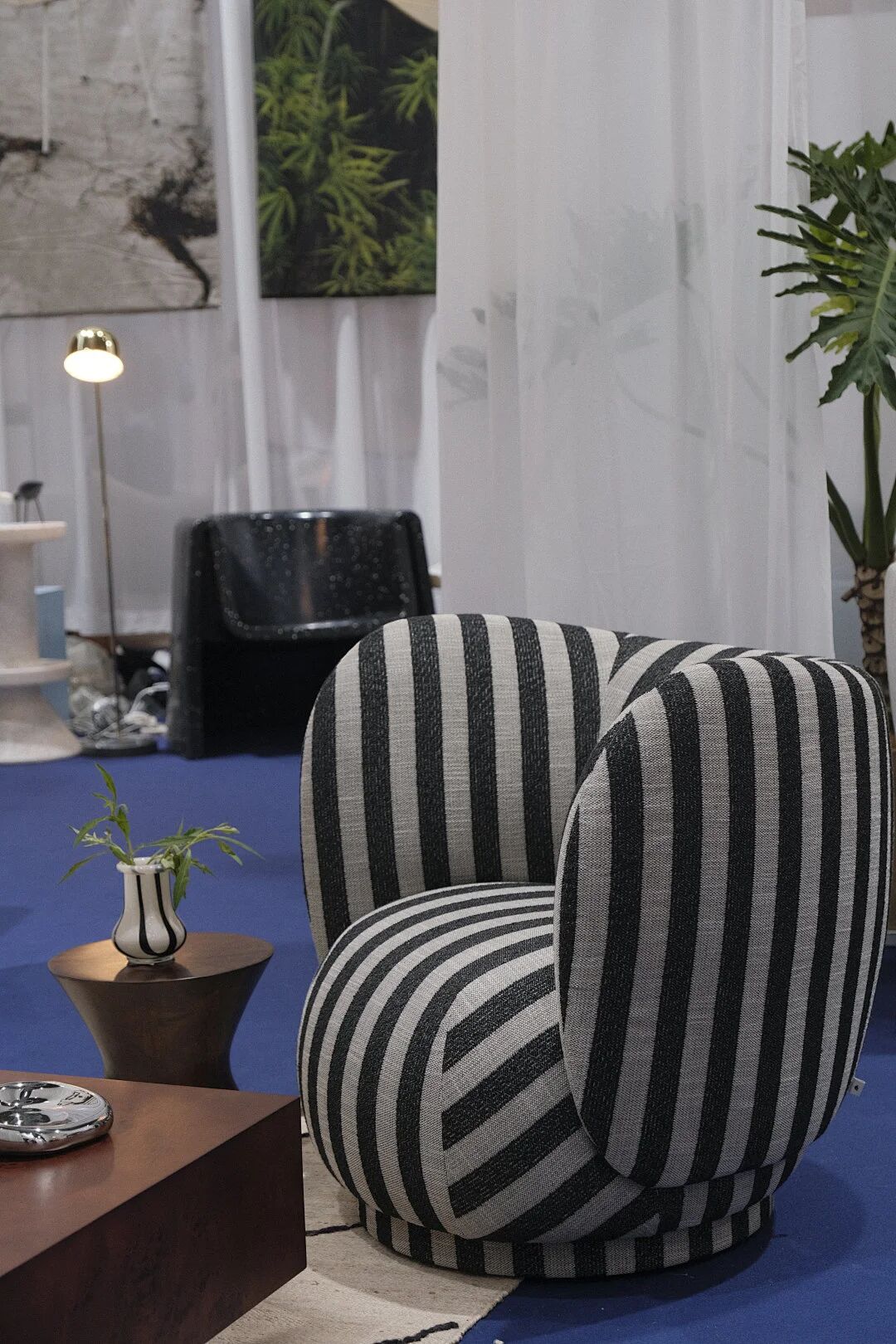

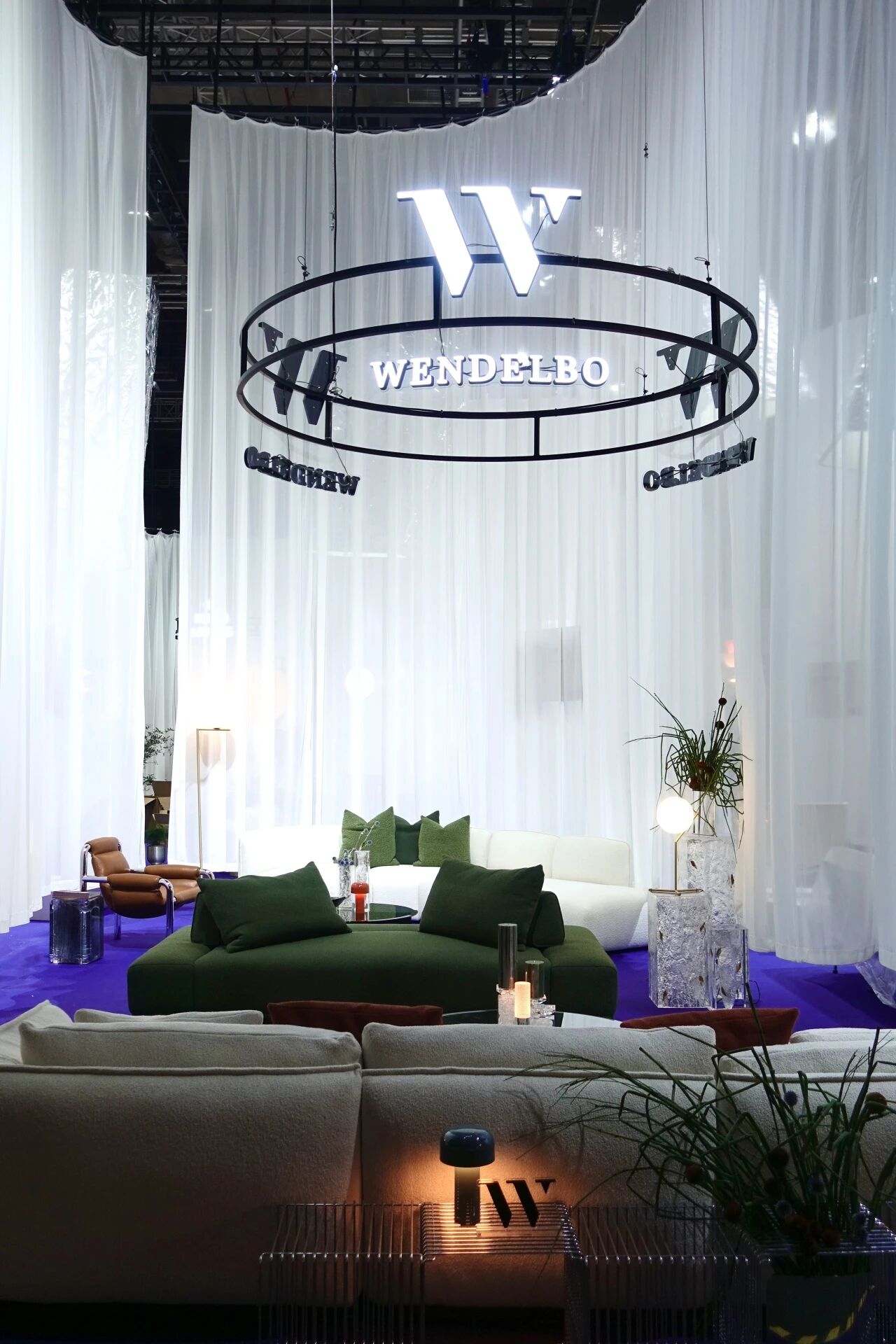
Wendelbo worked with low, composed silhouettes that reflect a softer approach to minimalism.
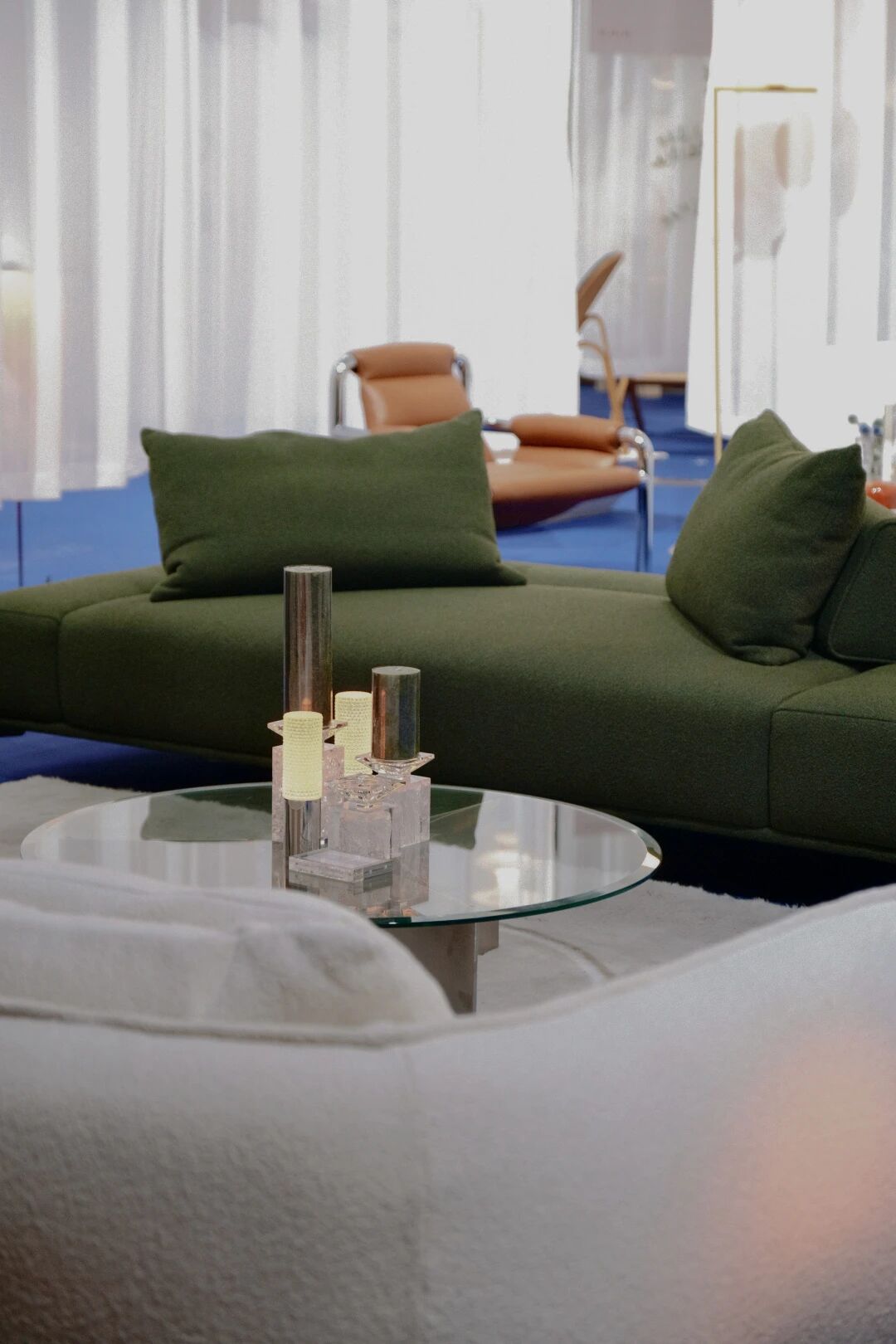


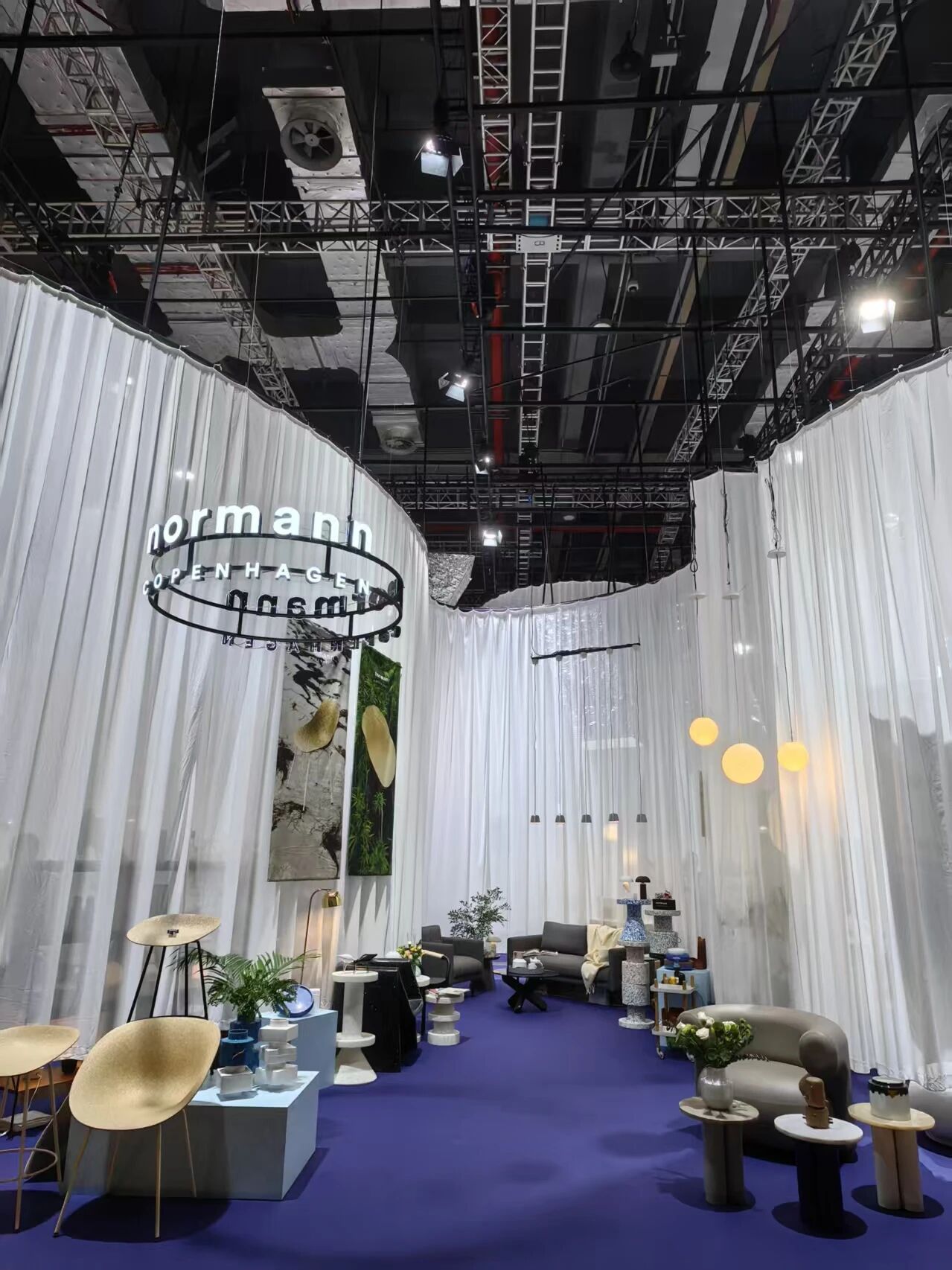
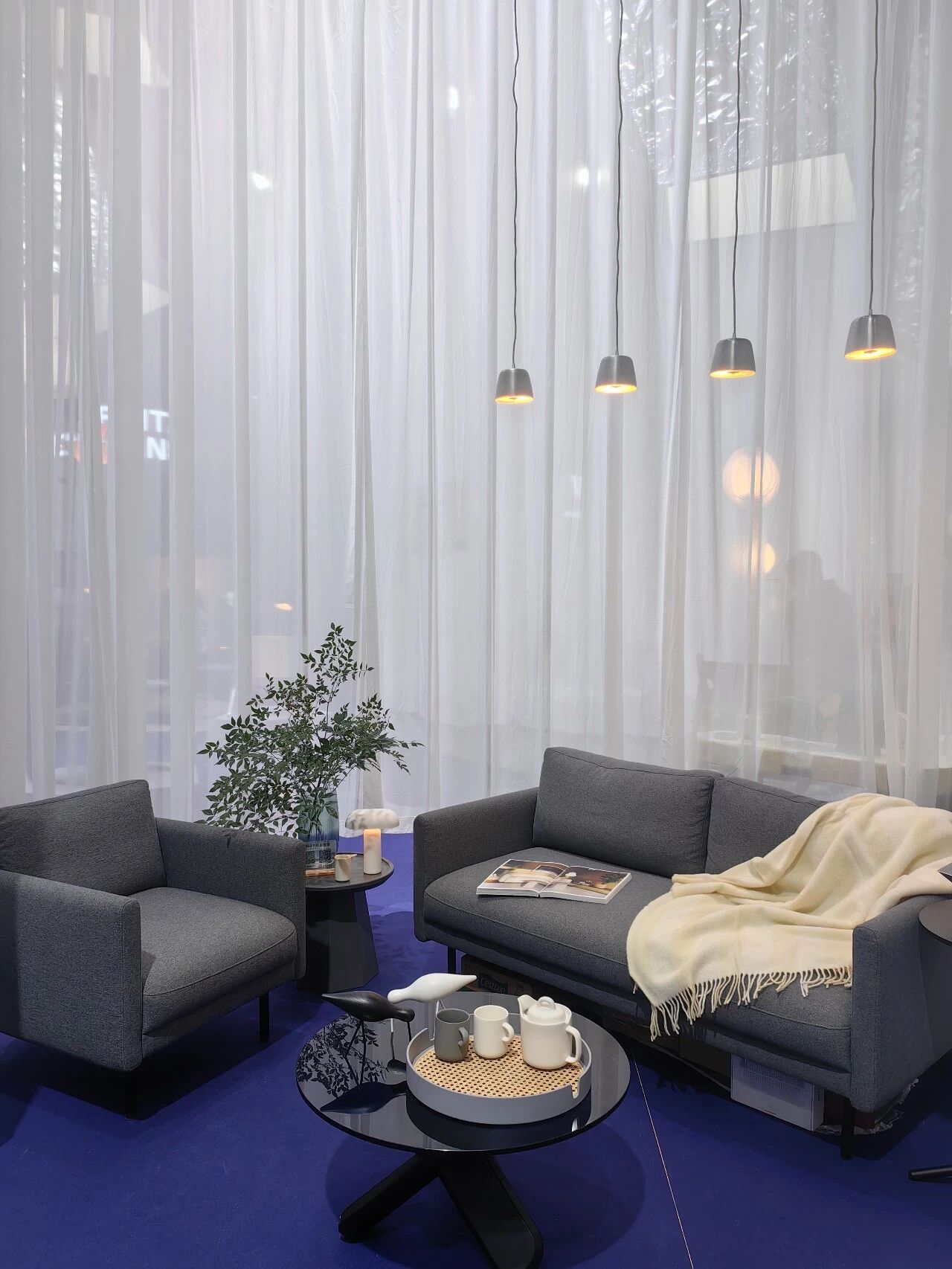
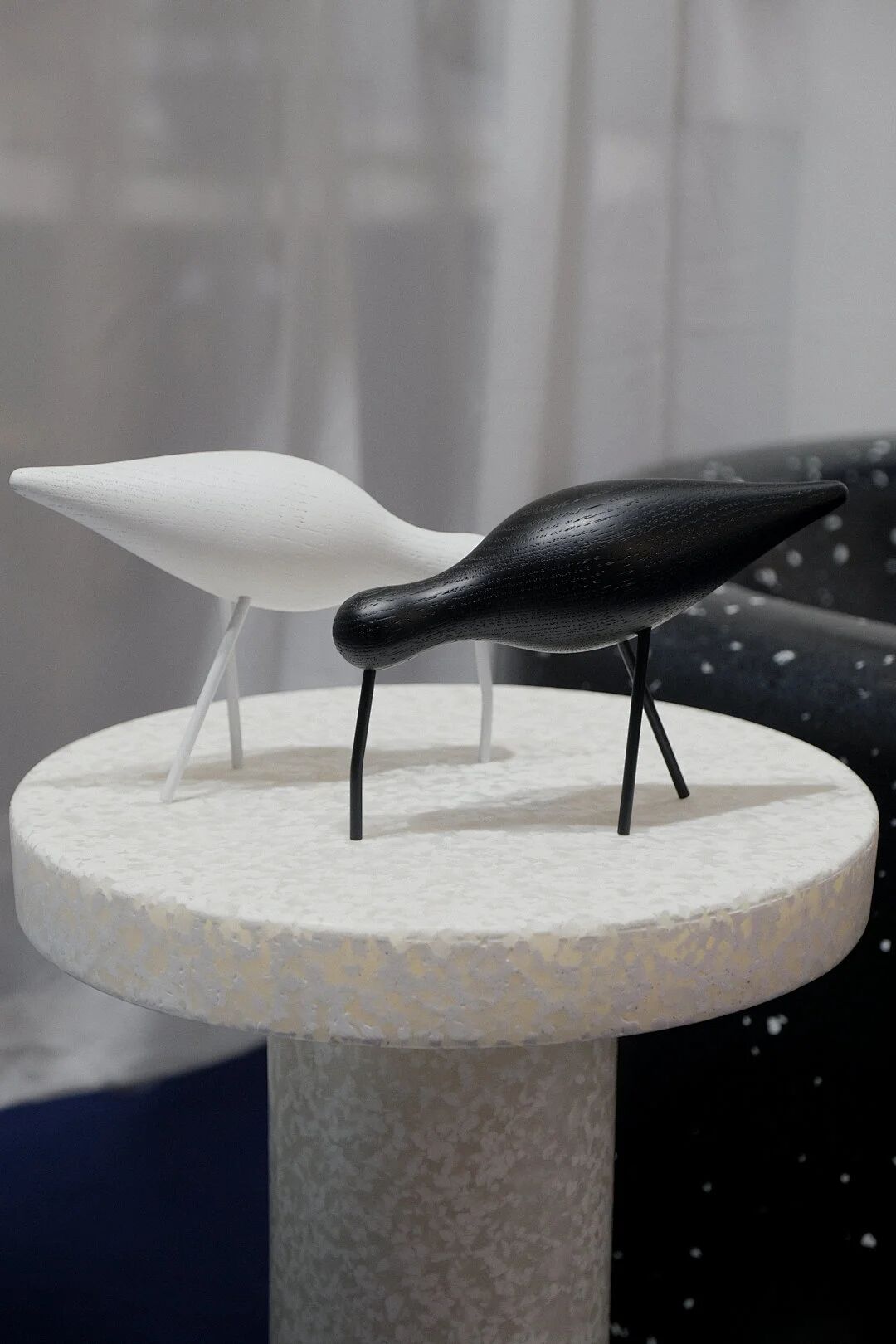
Normann Copenhagen introduced its Mat Chair collection, made using renewable natural fibres including hemp and eelgrass. The brand also presented established pieces such as the Burra lounge chair, Rar sofa and multifunctional Bit outdoor collection.



Chinese brands consider what it means to design with restraint
This year’s Design Eden took Measured Abundance as its theme, bringing together Chinese brands to examine how considered design can respond to changing ways of living.
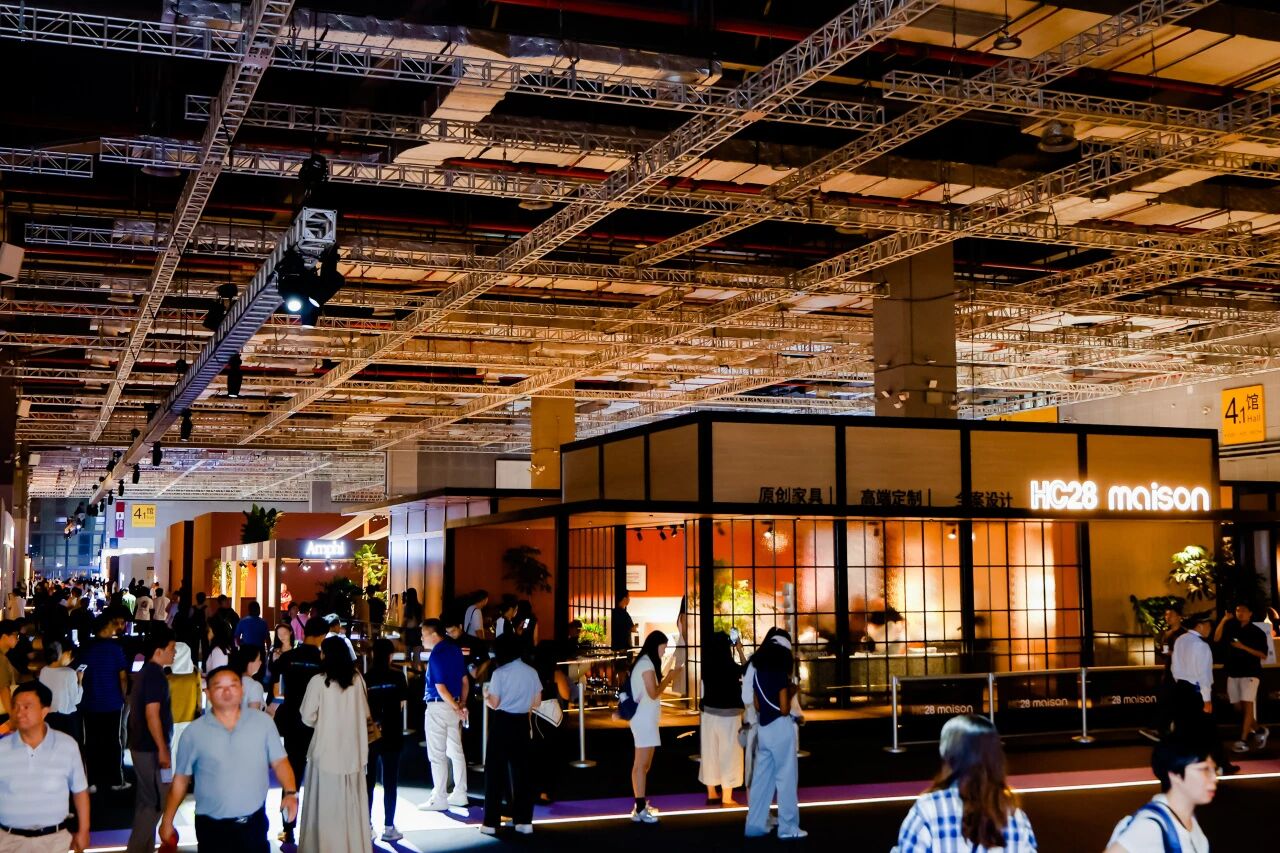
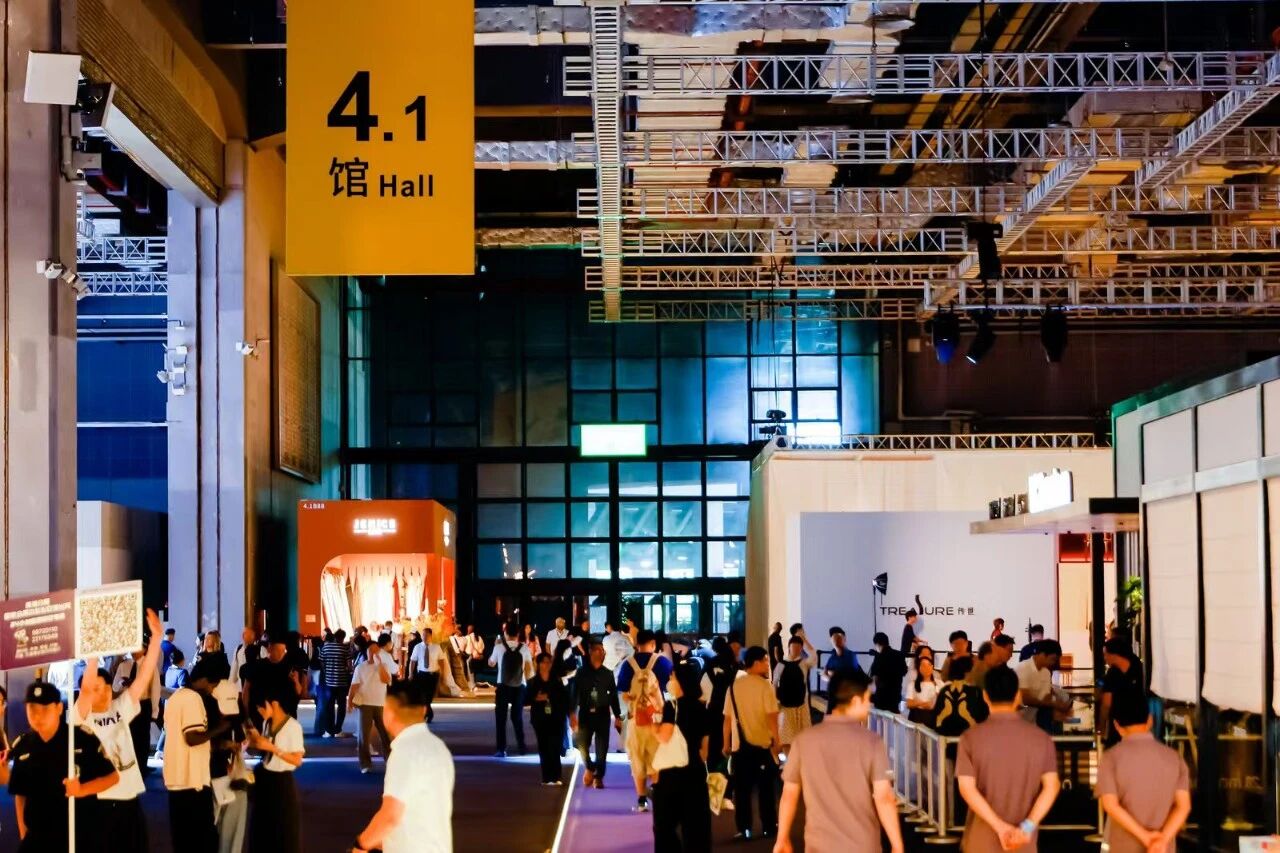
HC28 maison presented nearly 20 new pieces within five life-size domestic settings. It also introduced HC28 Premium, a line developed for larger homes and high-end residential projects, with an emphasis on quiet elegance.


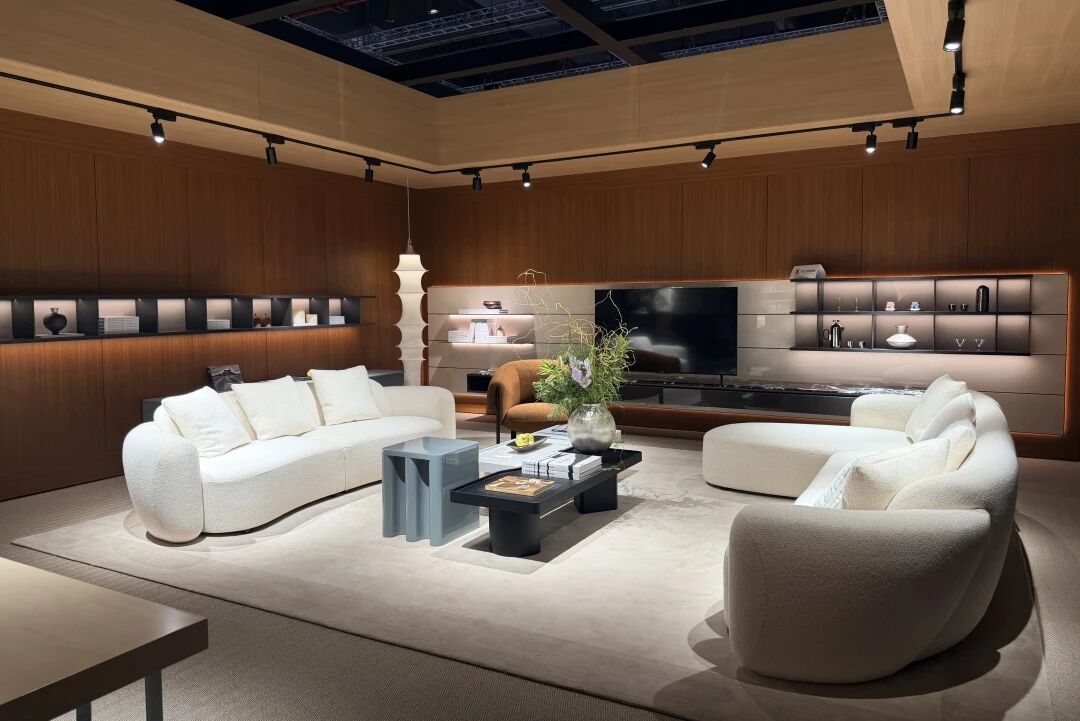
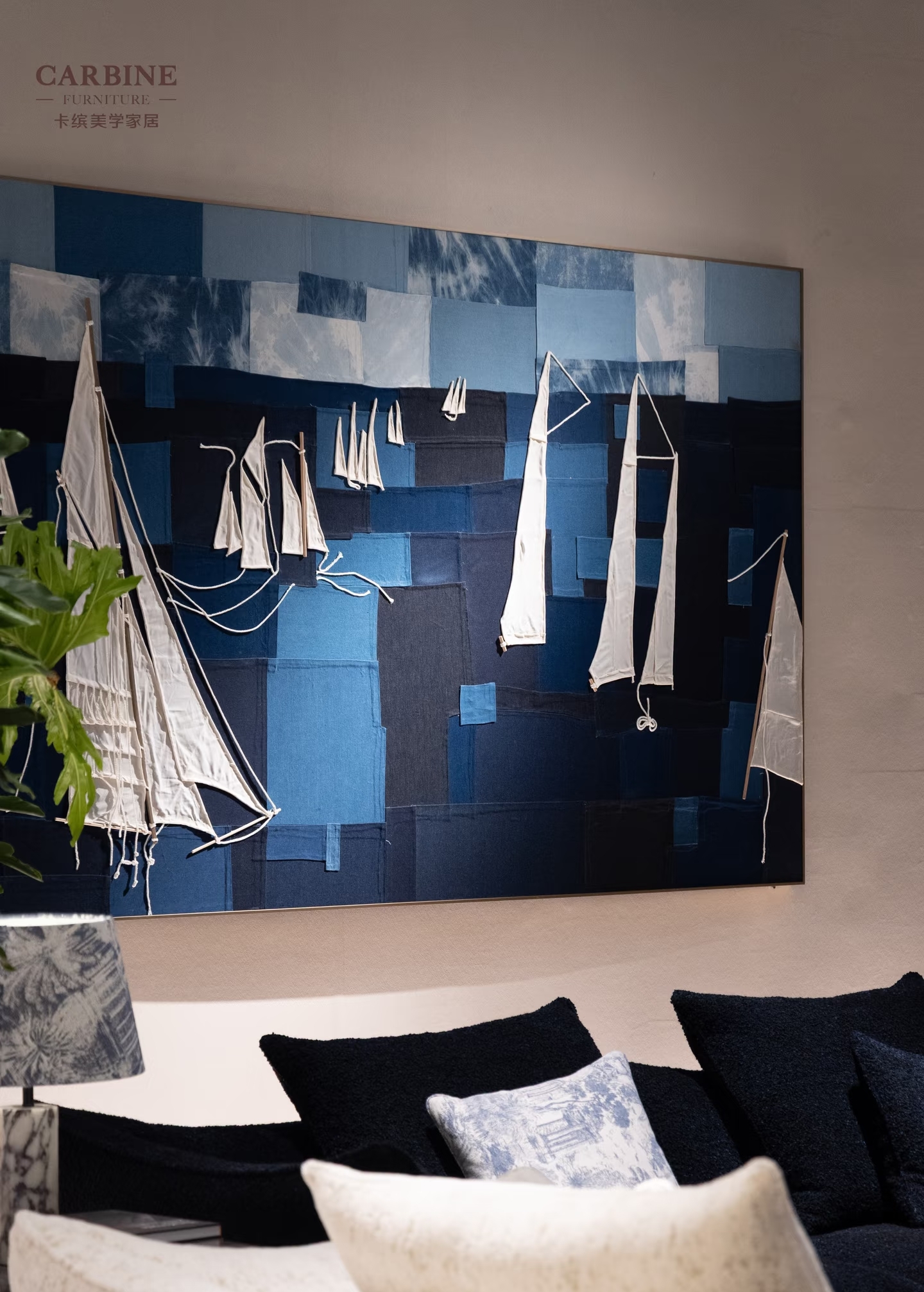
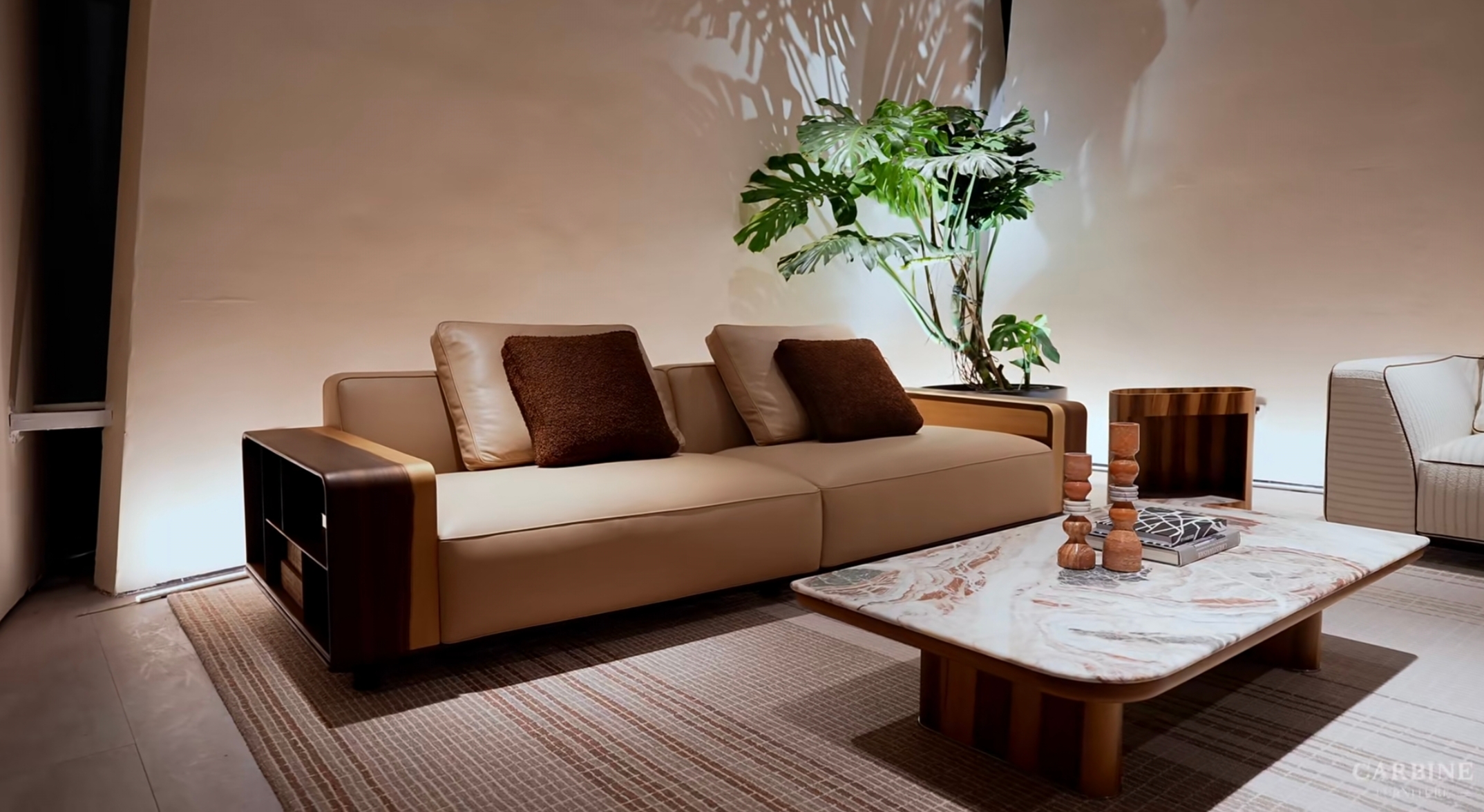
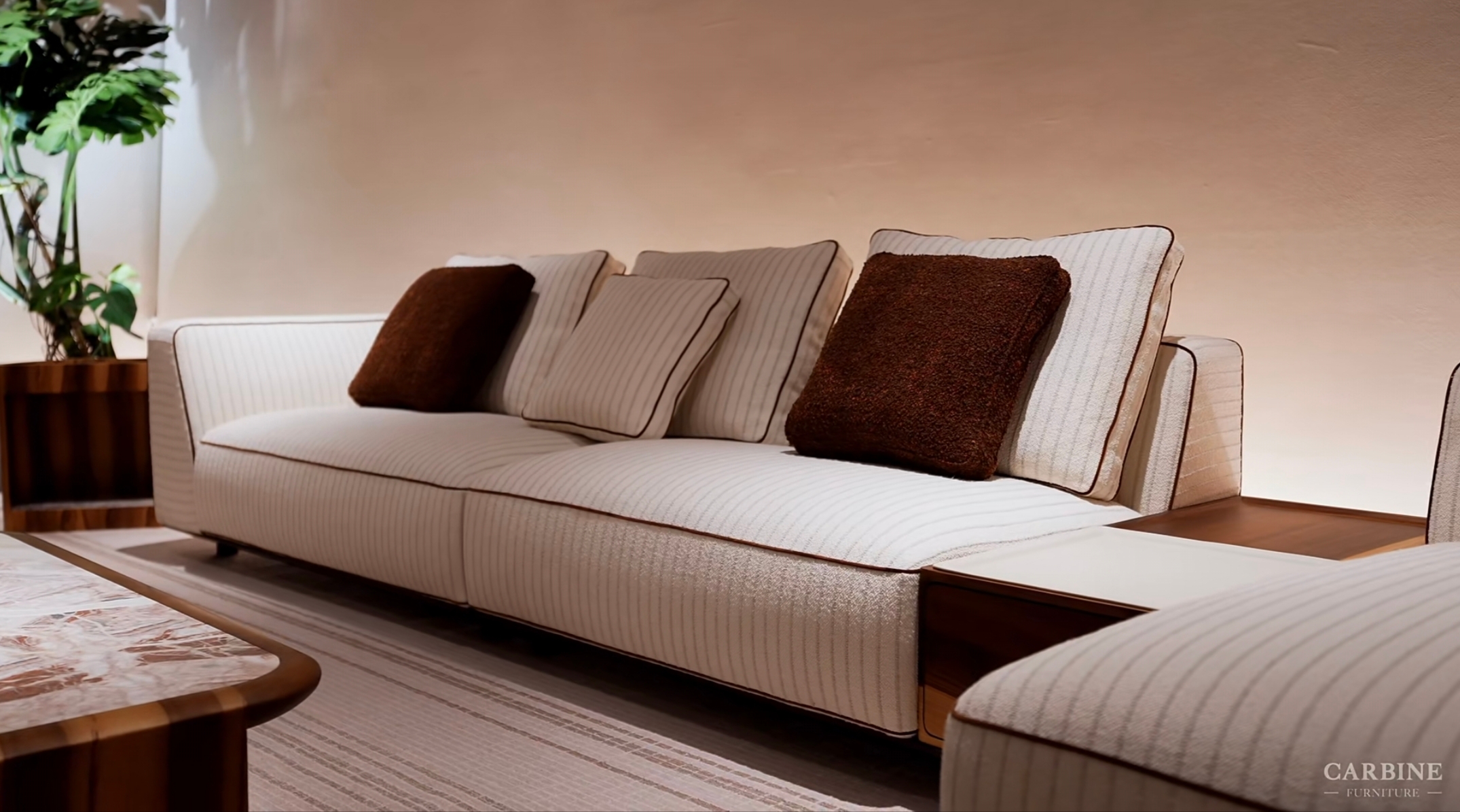
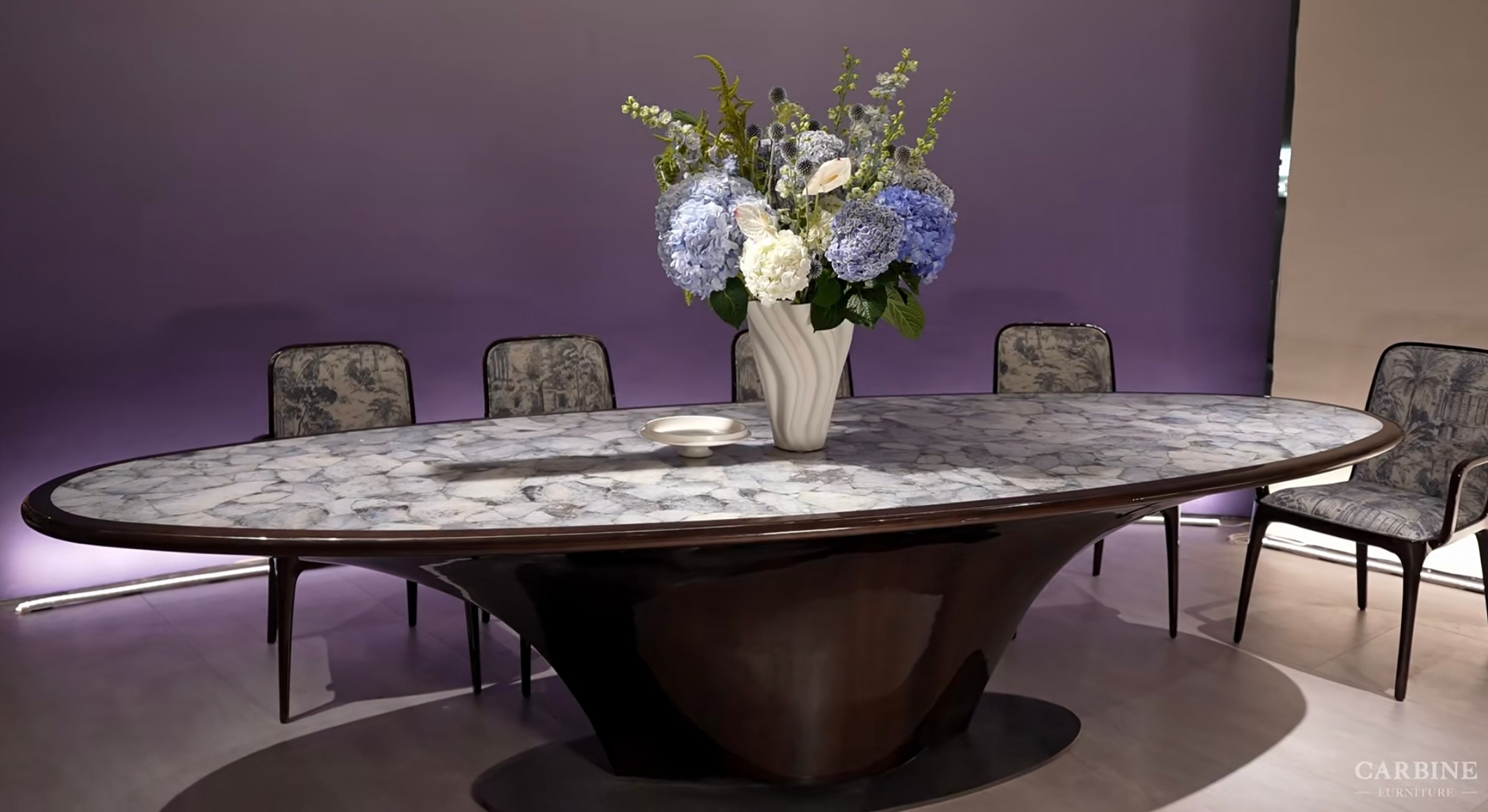
CARBINE focused on upholstery with tactile finishes and durable performance. Its Sailboat sofa translates the curved form of a filled sail into a generous seat, while the Yacht dining table takes cues from the long, assured lines of a boat’s hull.
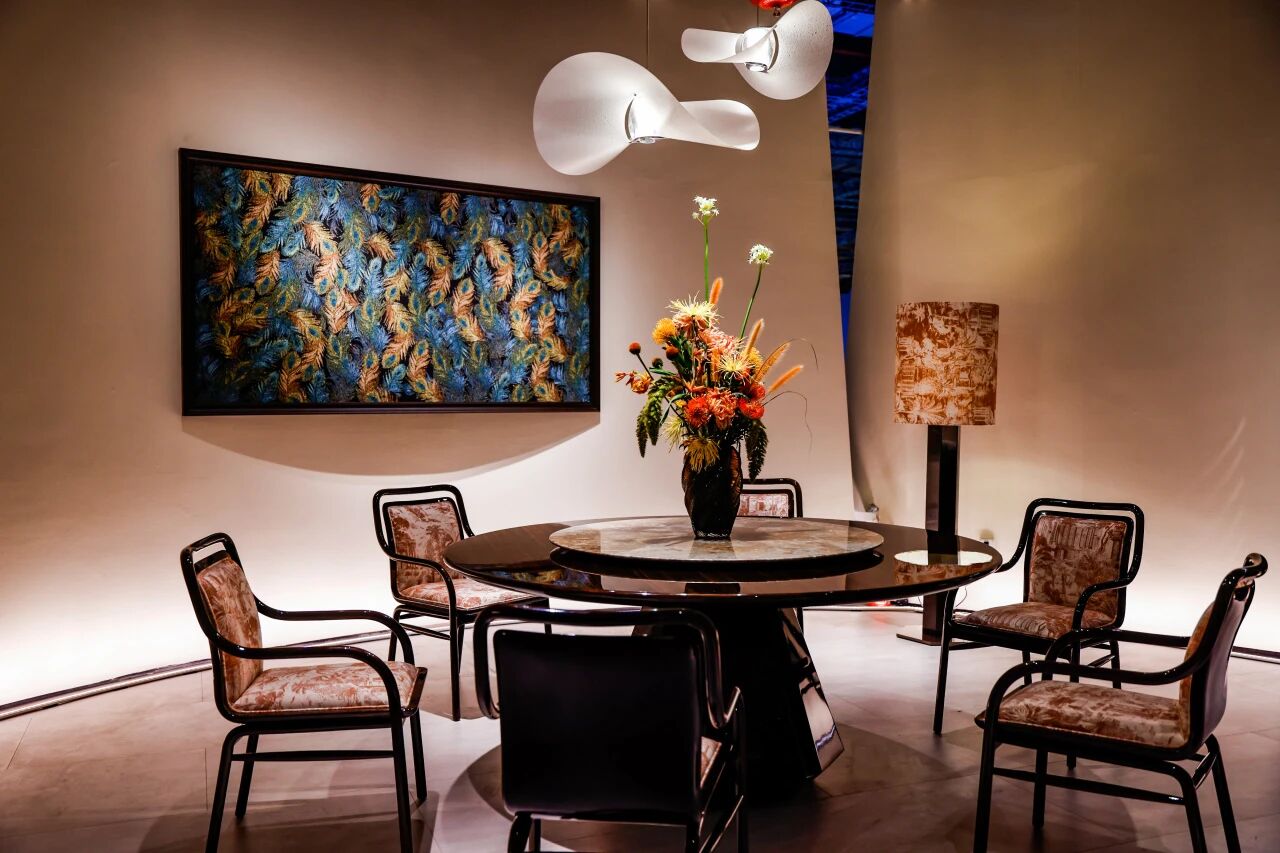





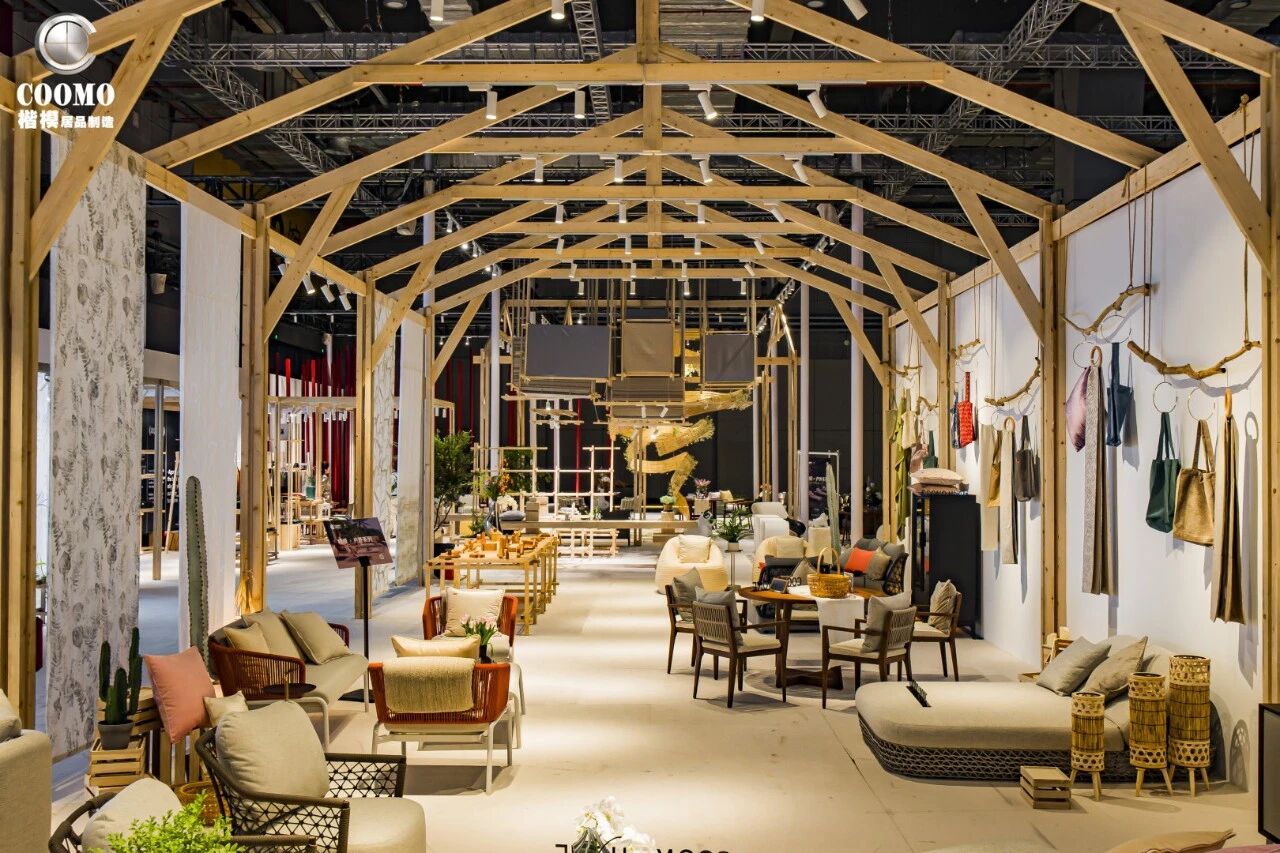
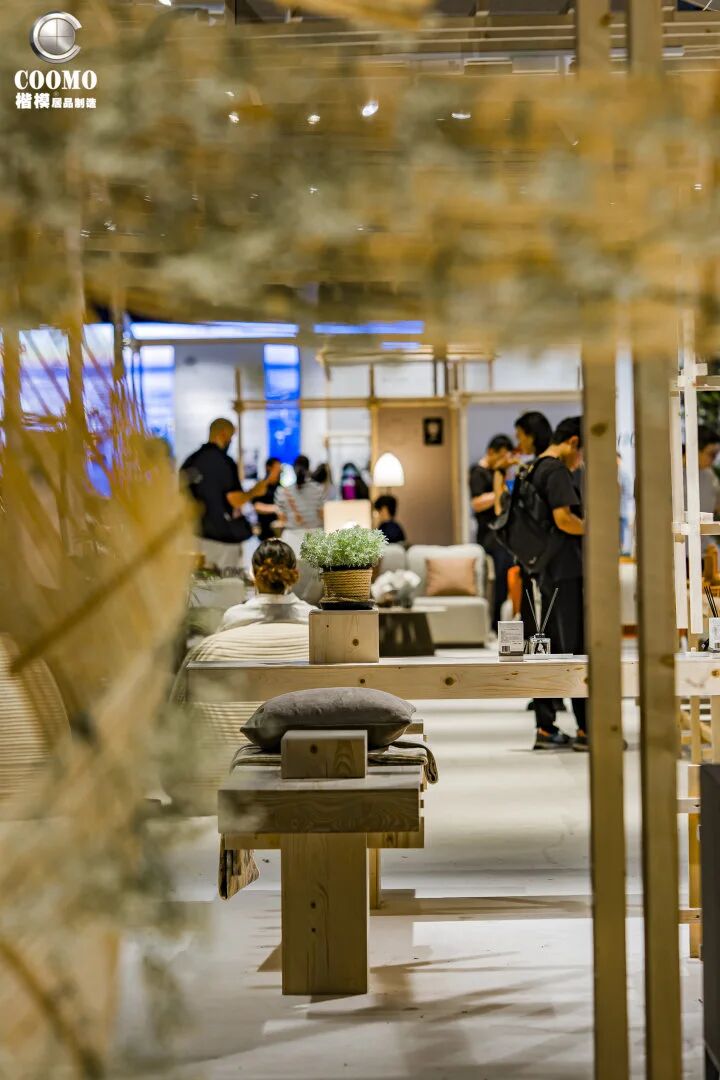
COOMO explored traditional Chinese mortise-and-tenon joinery through its Boundless Joinery presentation, combining timber structures with natural materials. The brand also launched an outdoor furnishings collection, extending its approach to living beyond the interior.


TREASURE’s Latitude collection uses continuous solid-wood frames to wrap upholstered forms. The horizontal construction gives the pieces an architectural quality while retaining the warmth of timber.
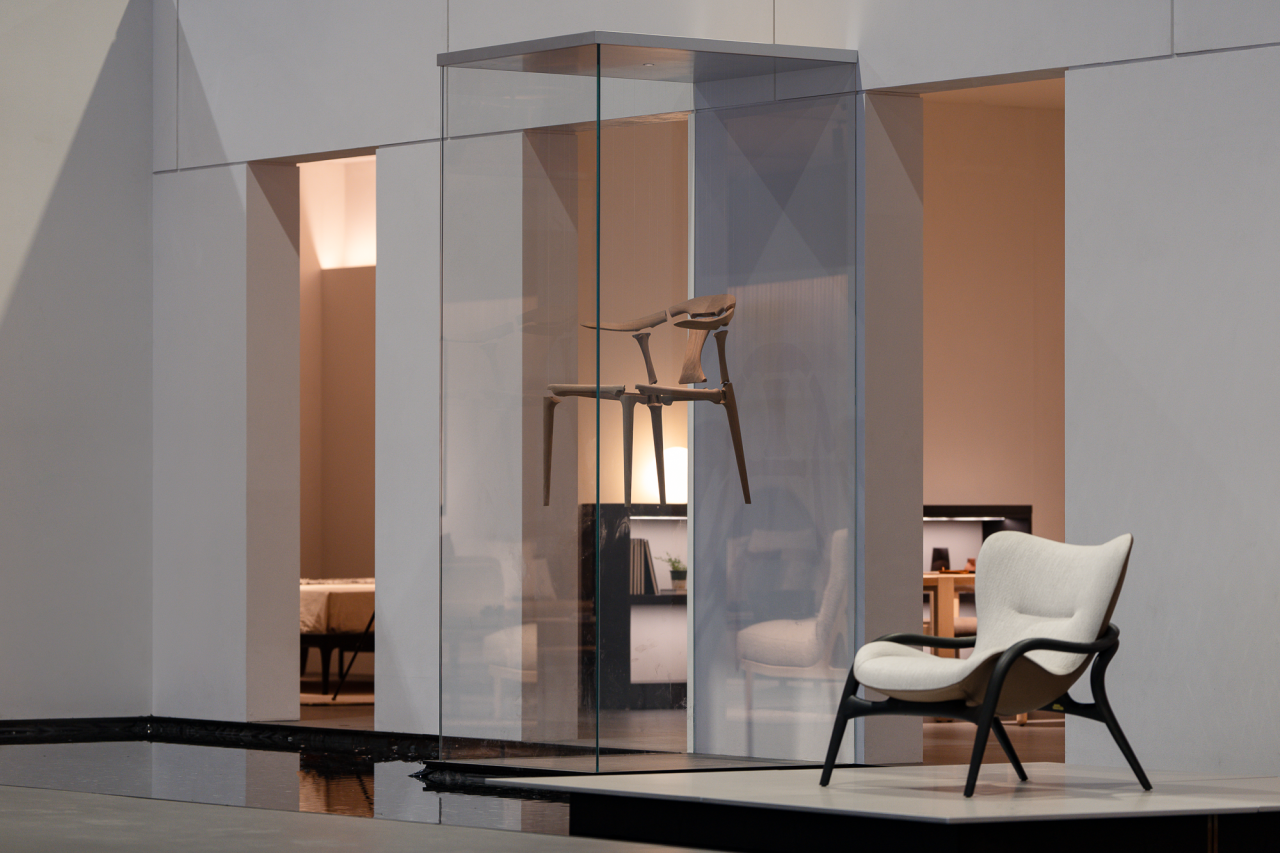
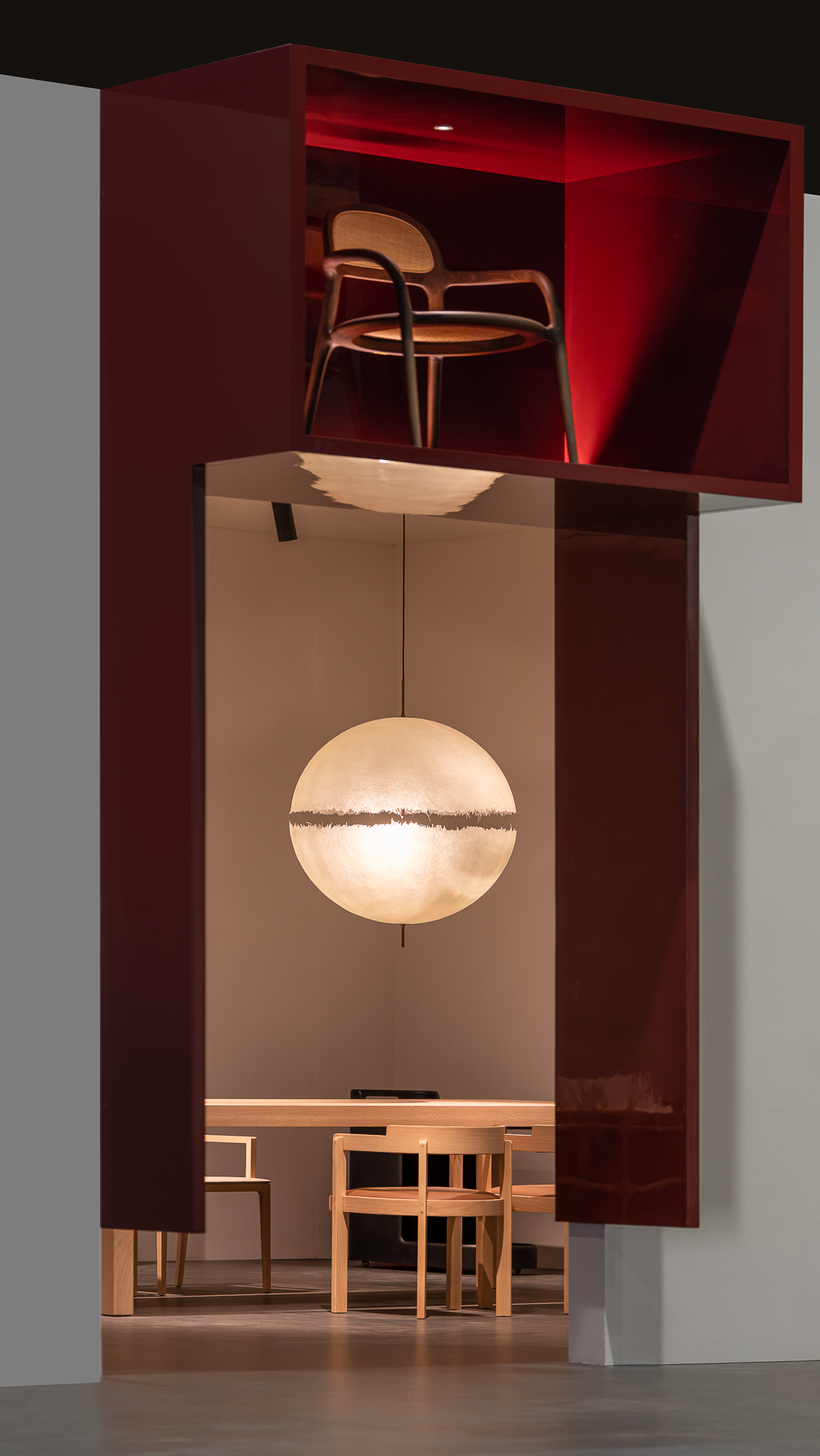
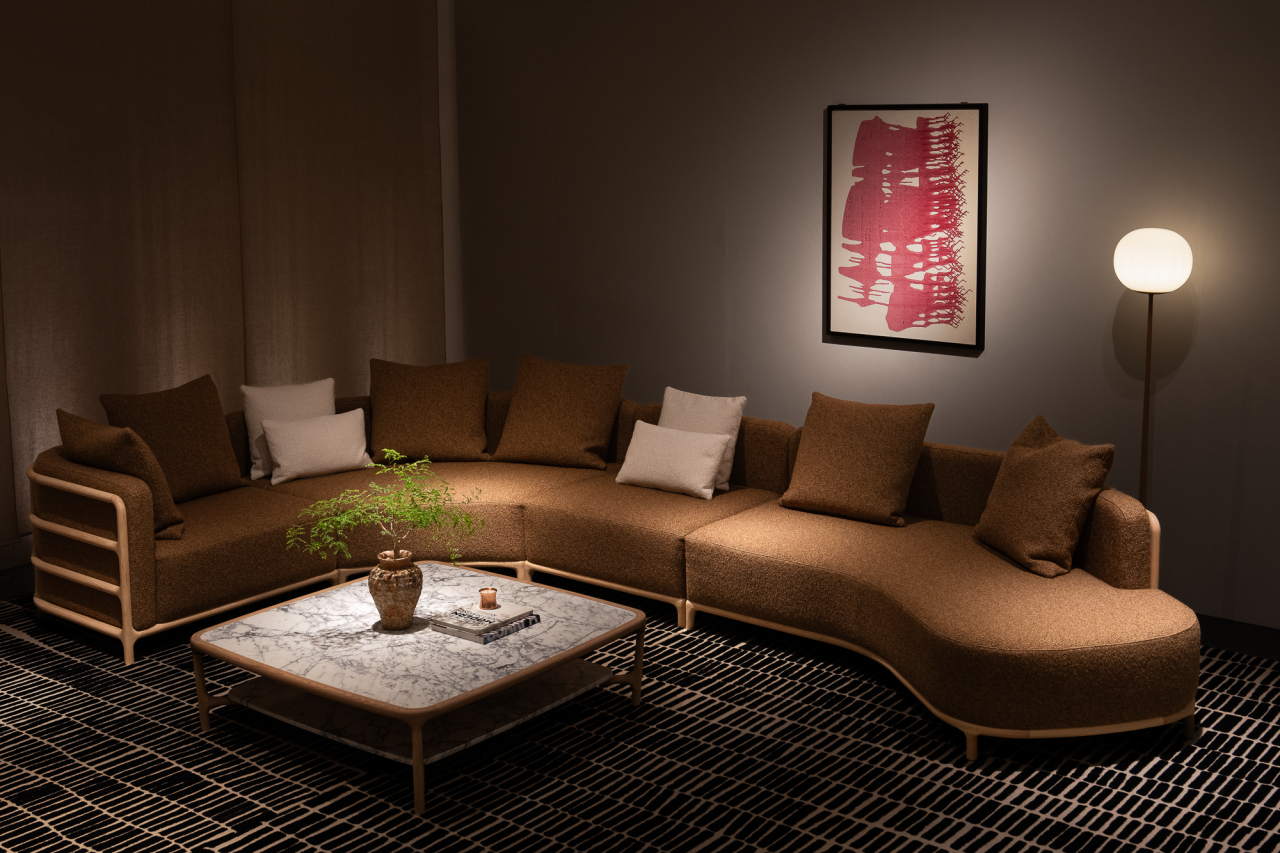

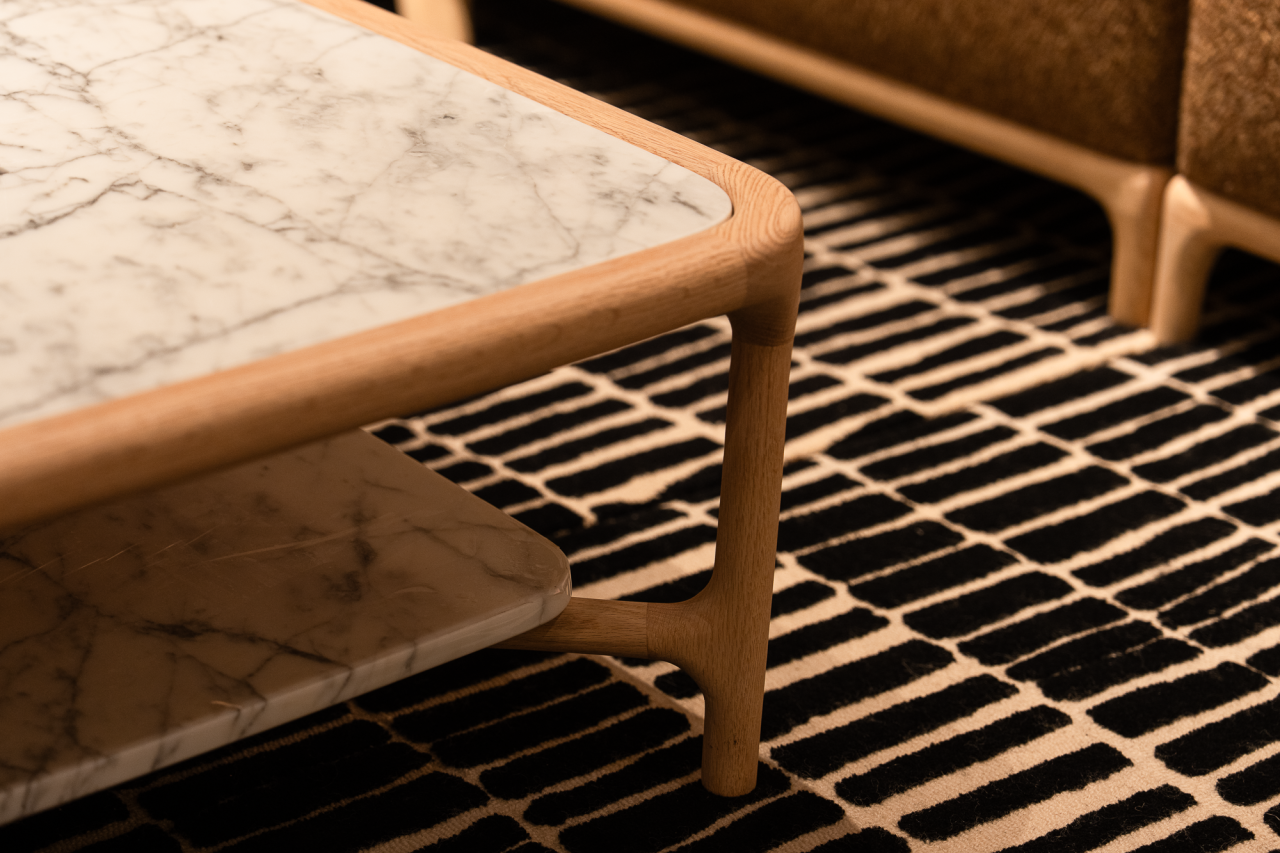
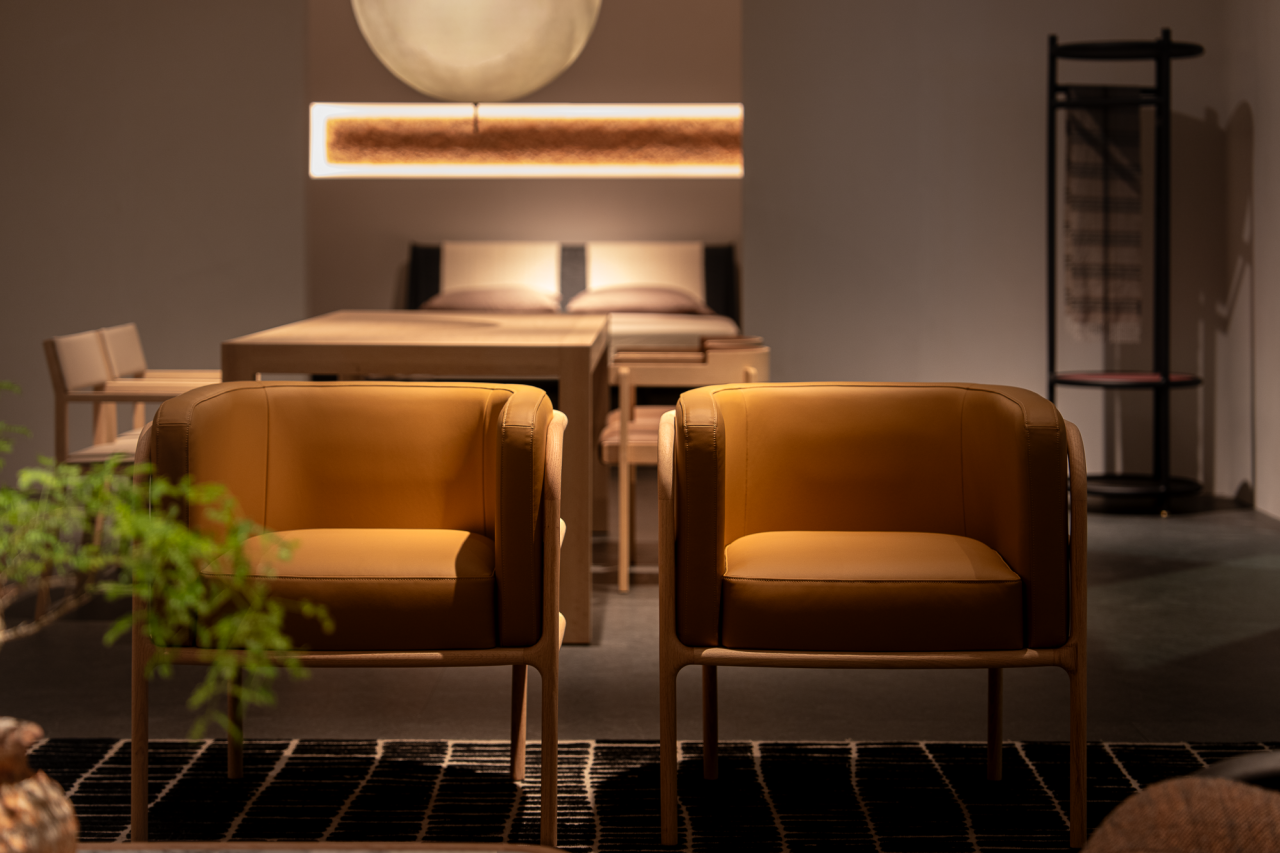
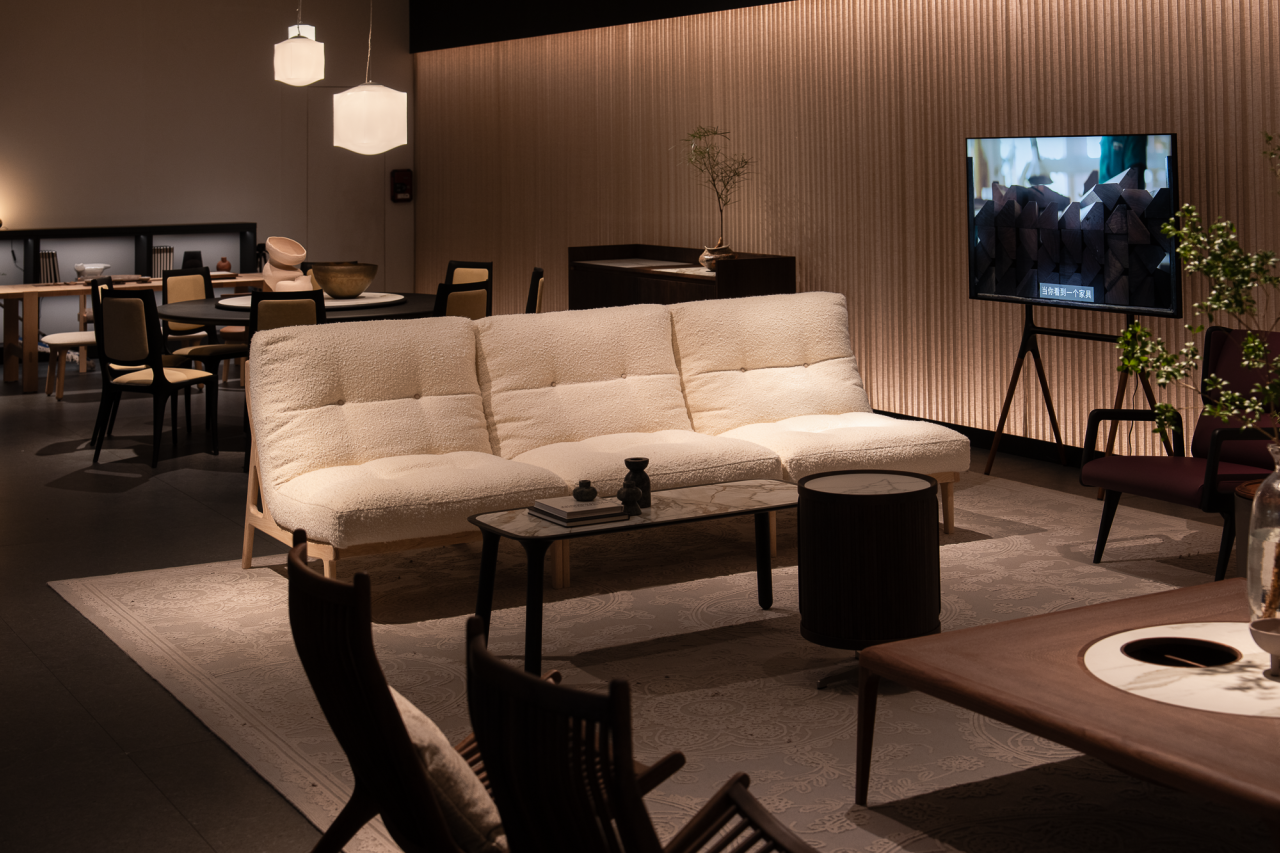

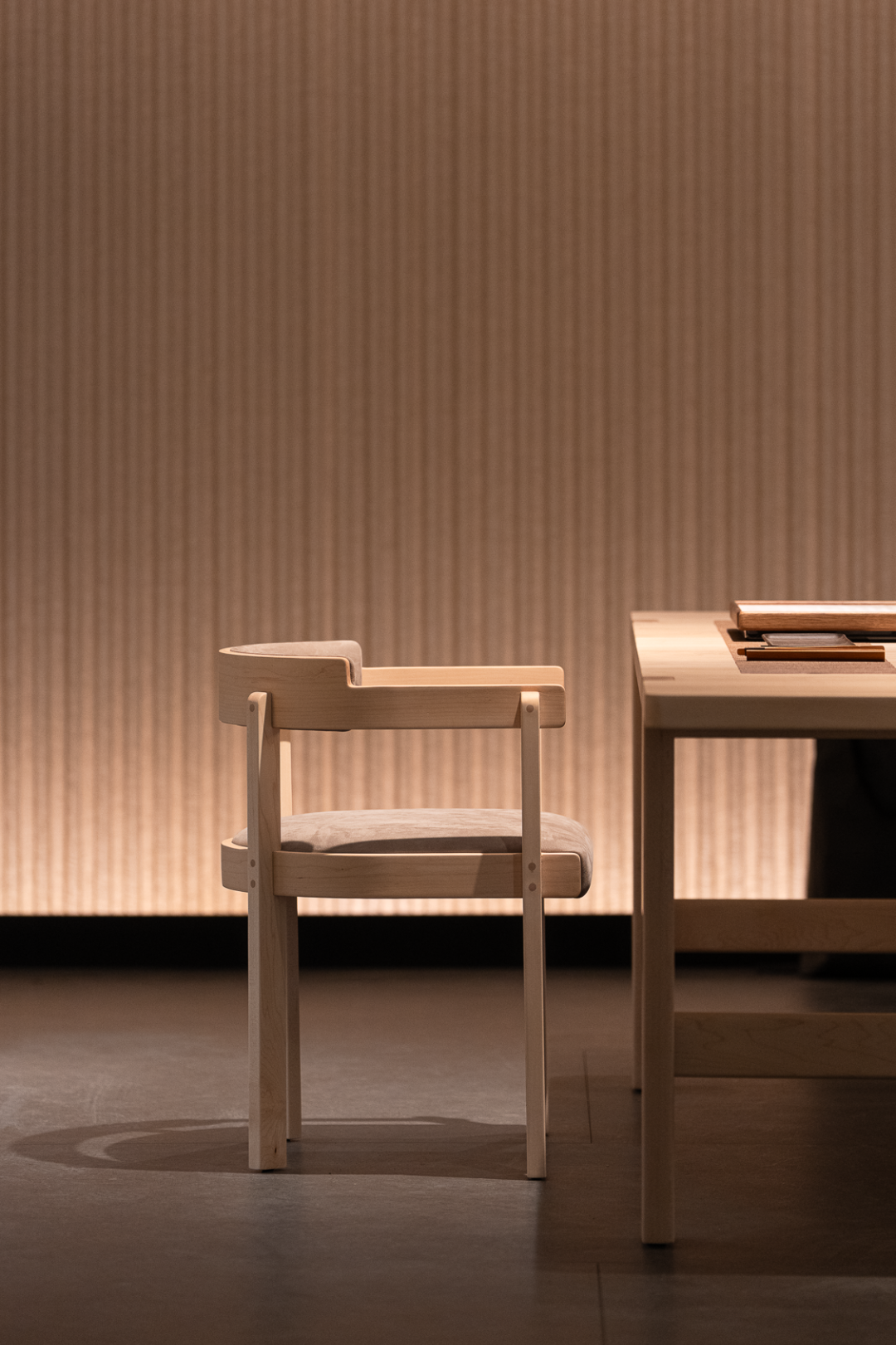

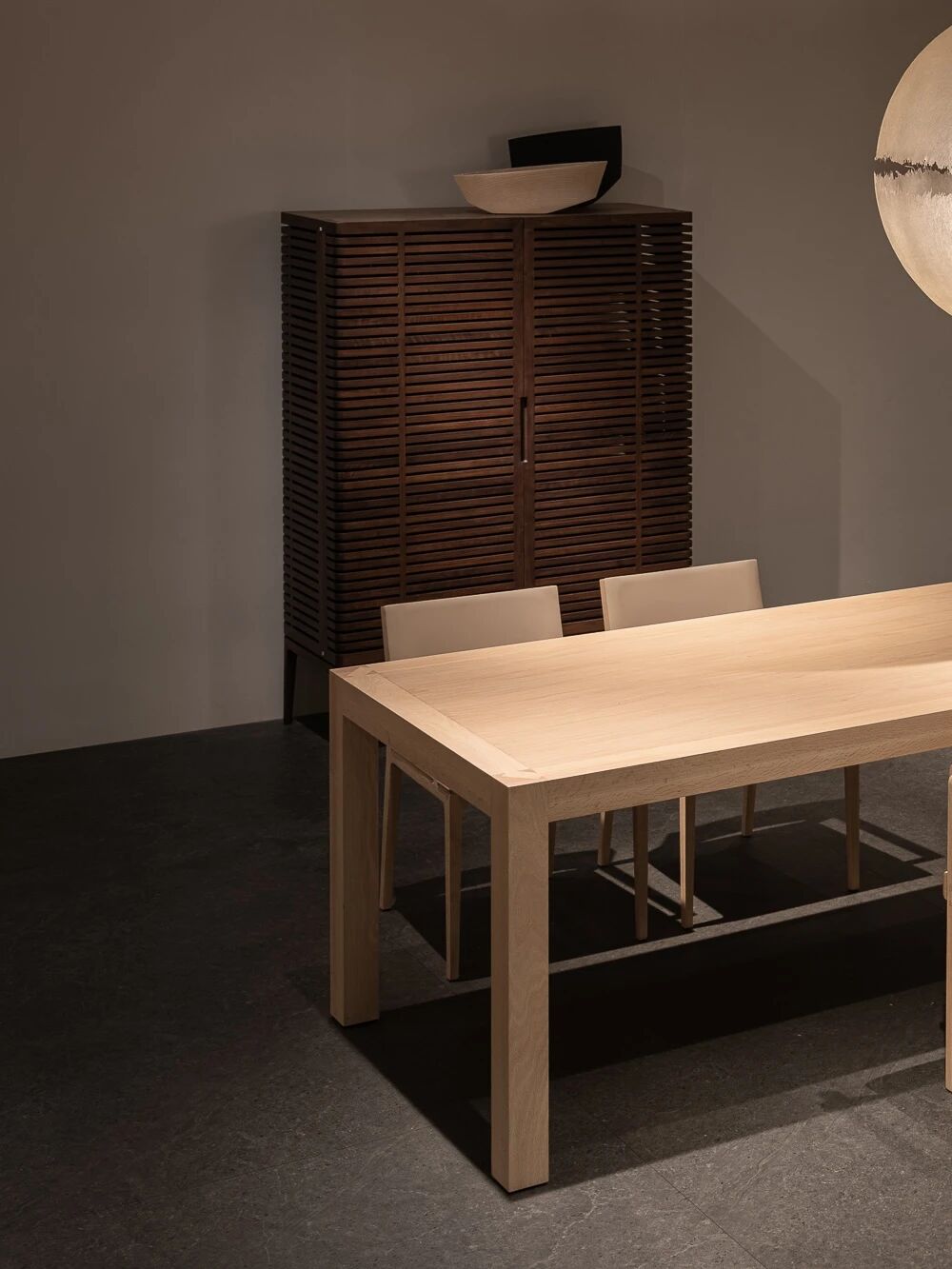
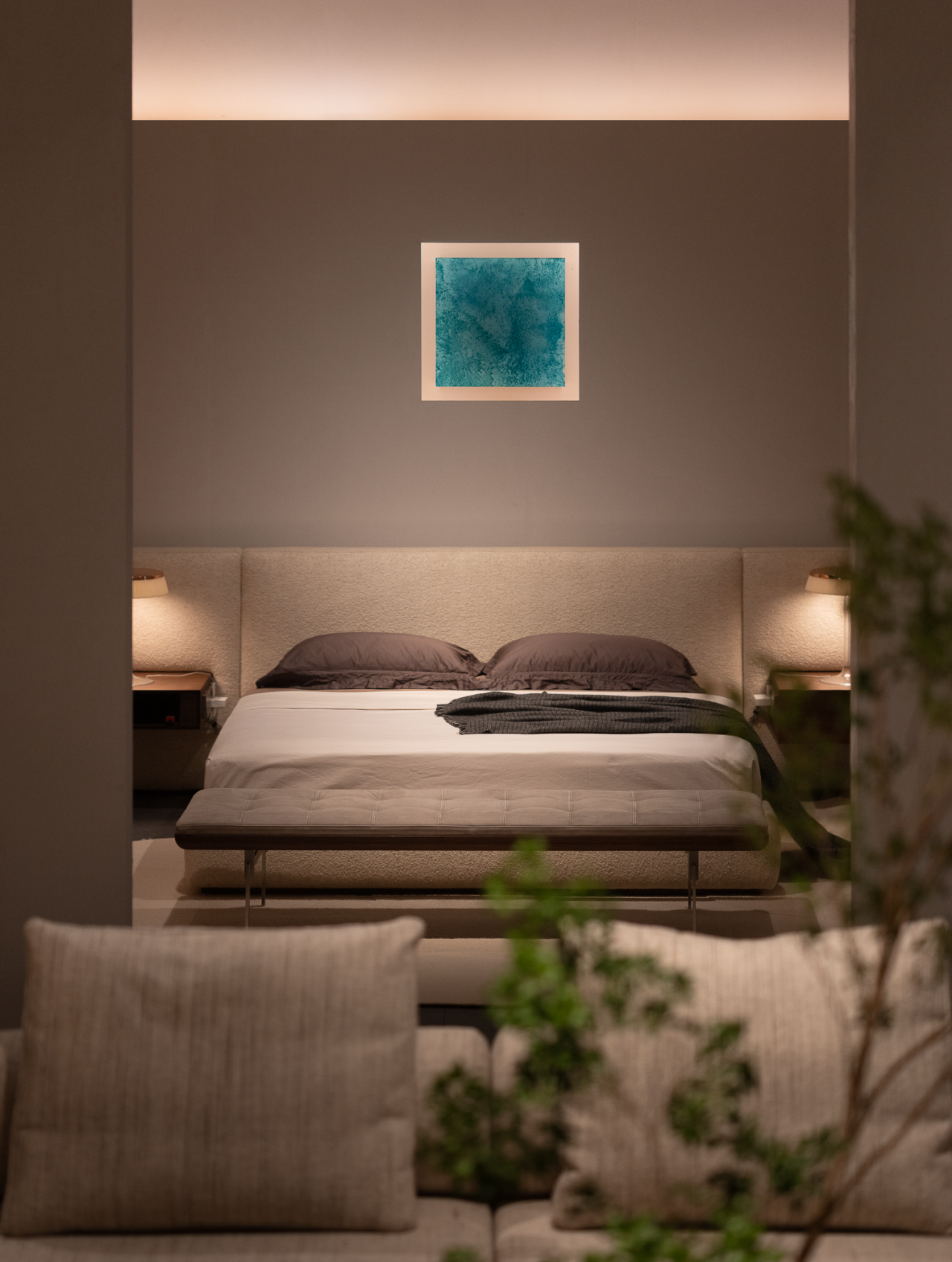

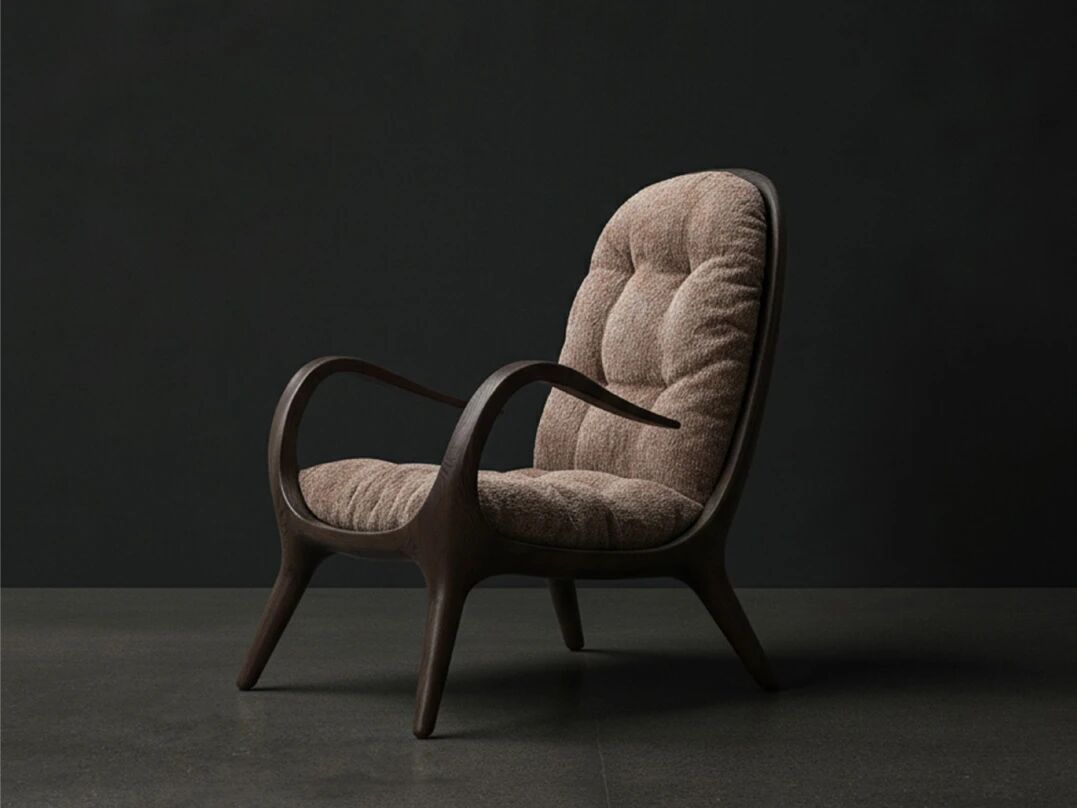
TIKAHOME’s Moon Curve Chair draws on the Chinese idea of harmony, using bent solid wood to form a crescent-like profile.


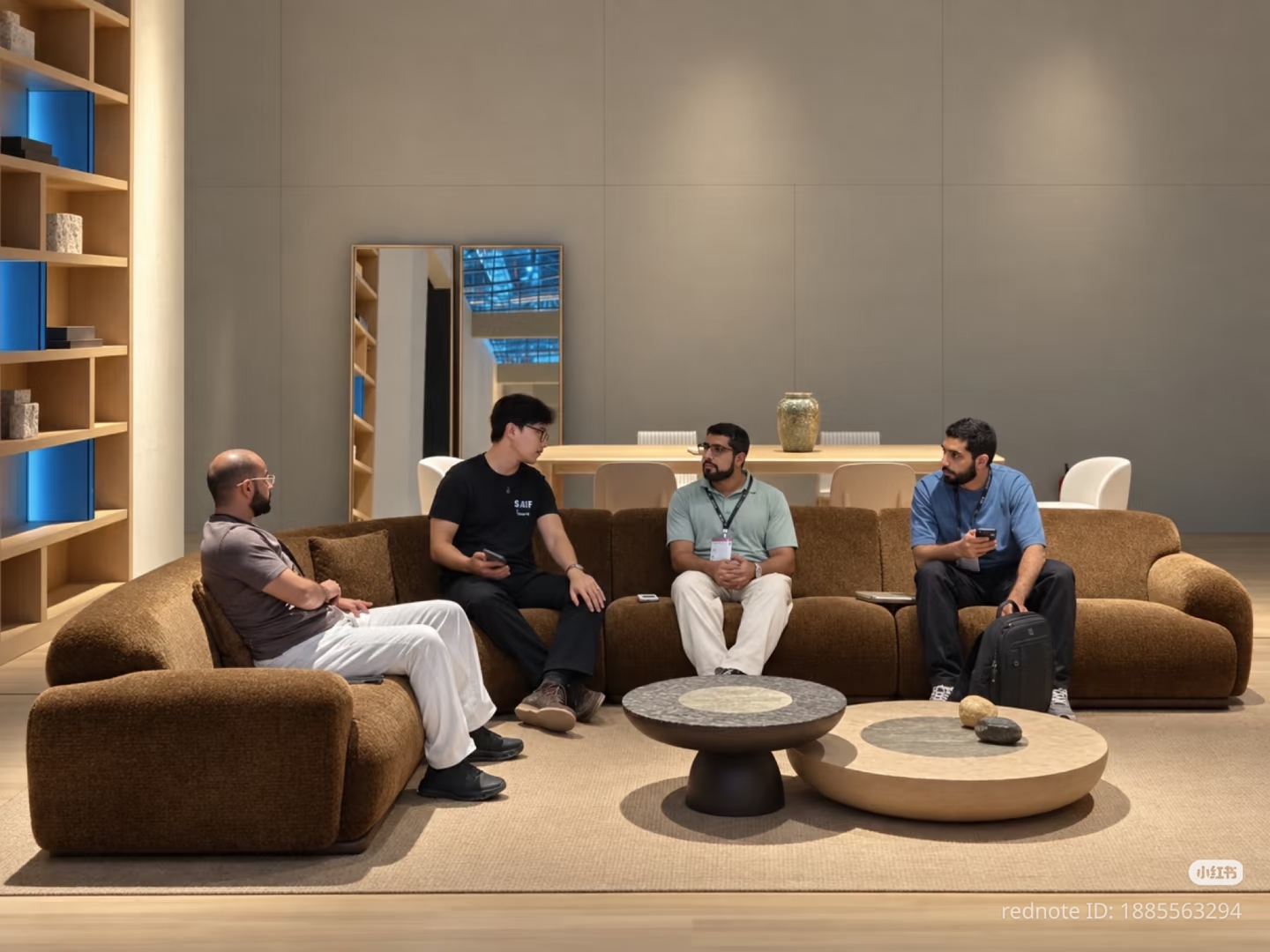
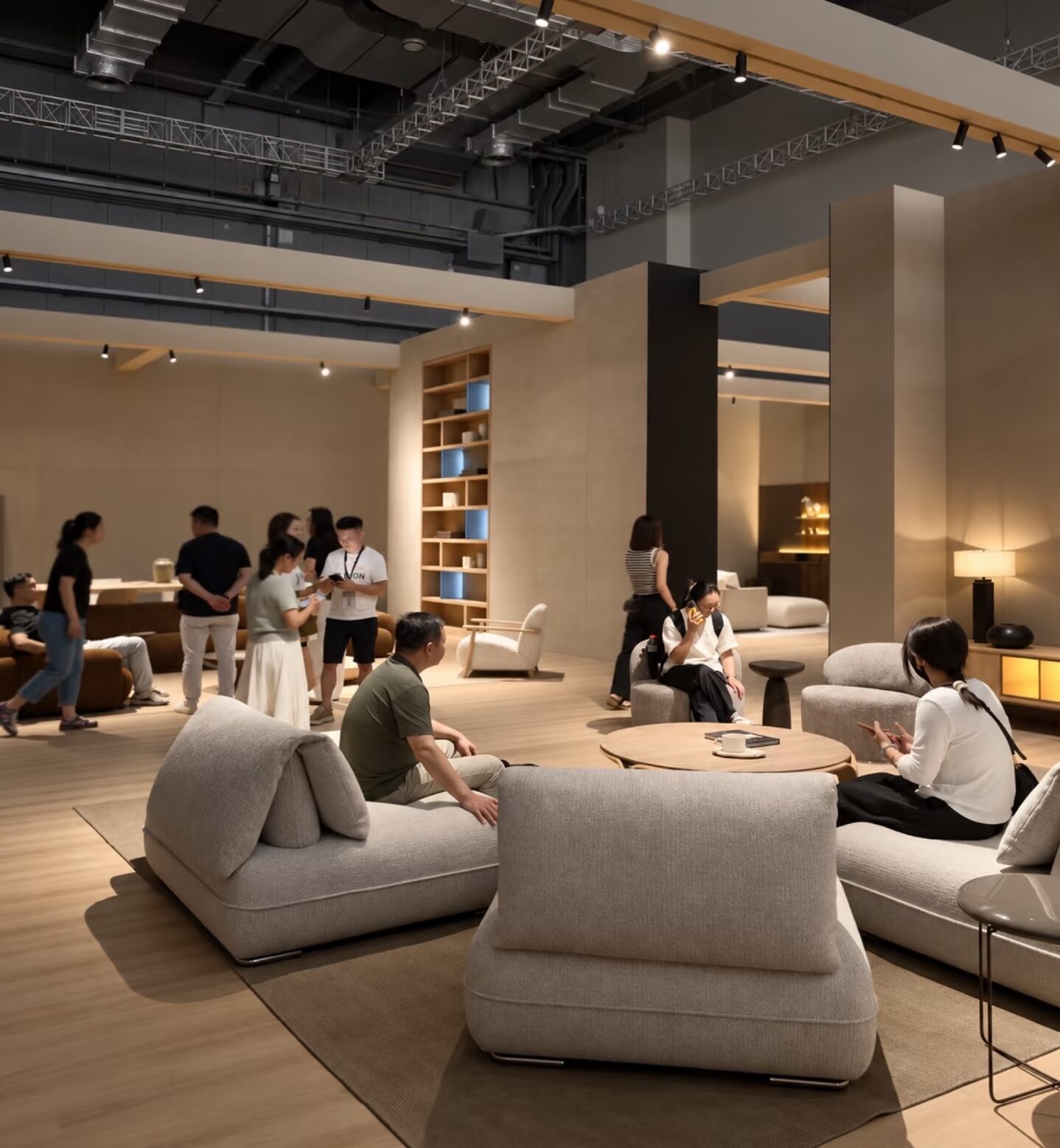
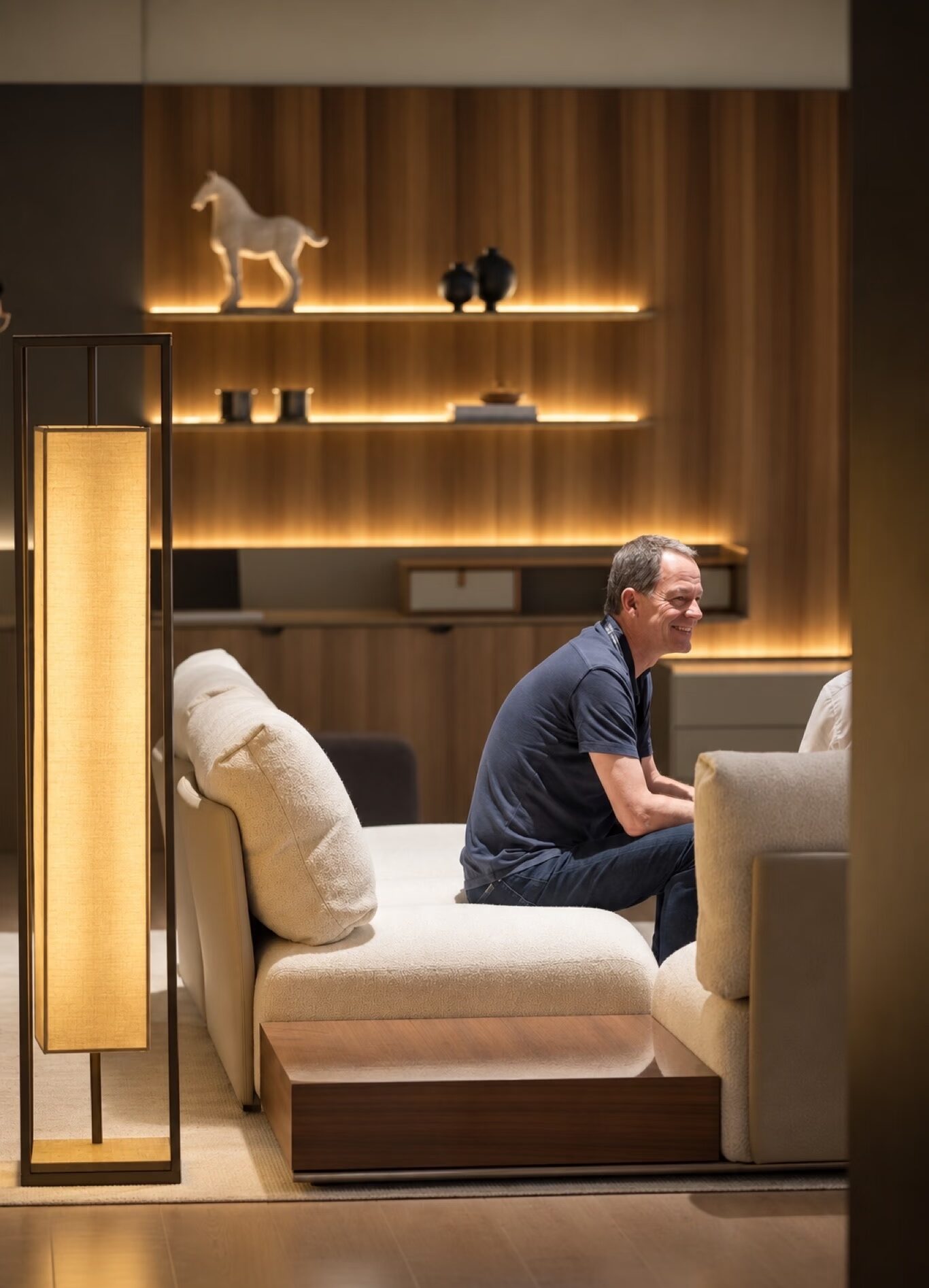
HIK’s VEIJ collection proposed more flexible domestic arrangements. Its modular Magic Cube sofa can be moved and recombined, while the solid-wood Yunshu height-adjustable desk accommodates different ways of working. The Manyueli sofa adds a relaxed, open-lined seating option.
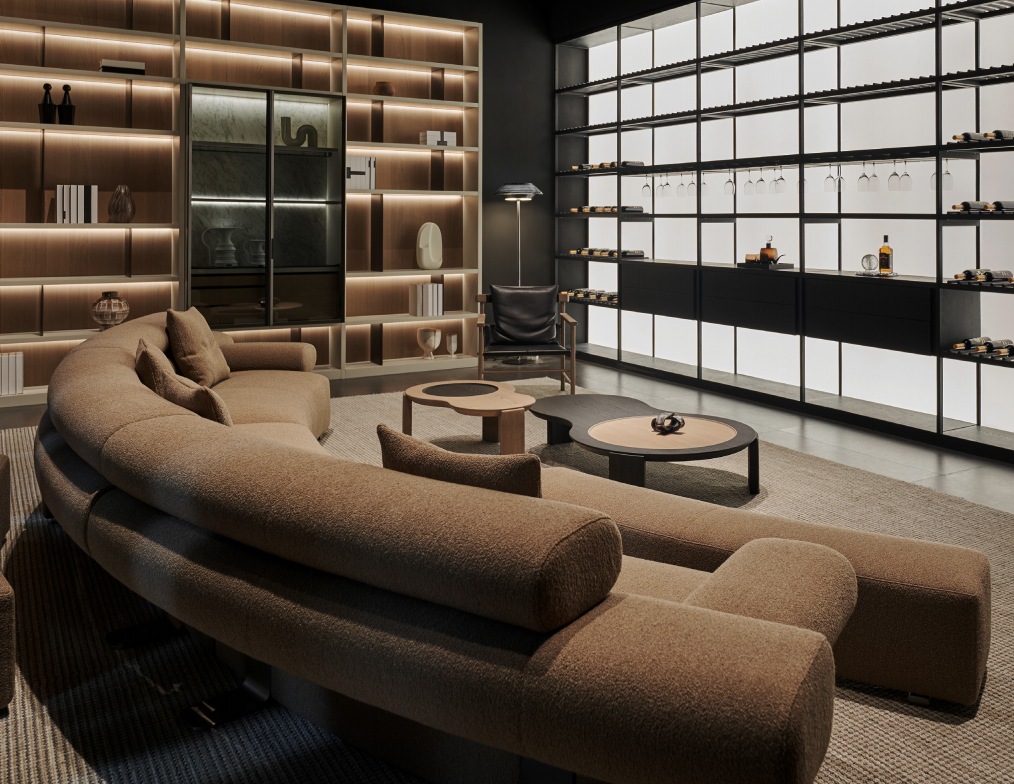


COSMO MOBILI presented its Virgil collection under the theme Designed for Real Life, pairing lacquered surfaces with upholstery to build depth through colour and texture.

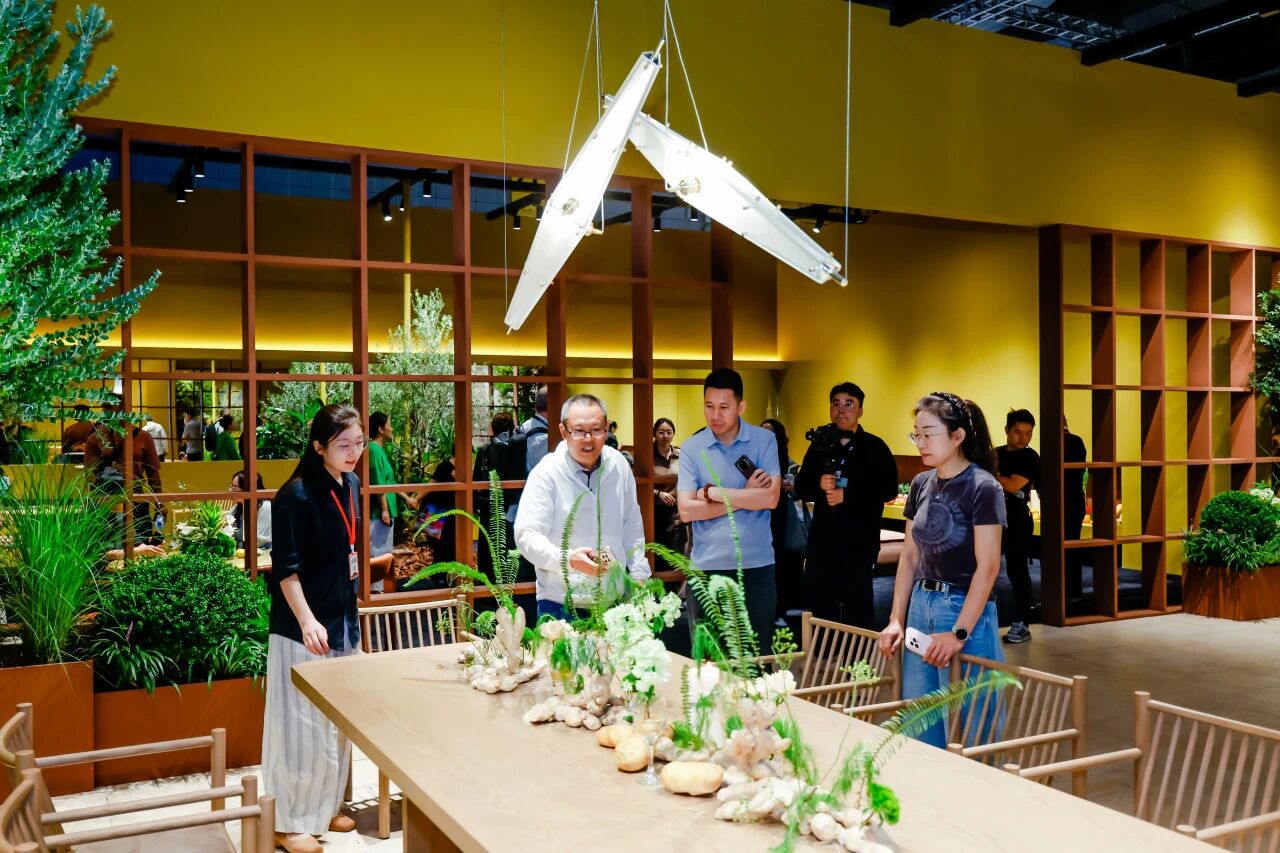
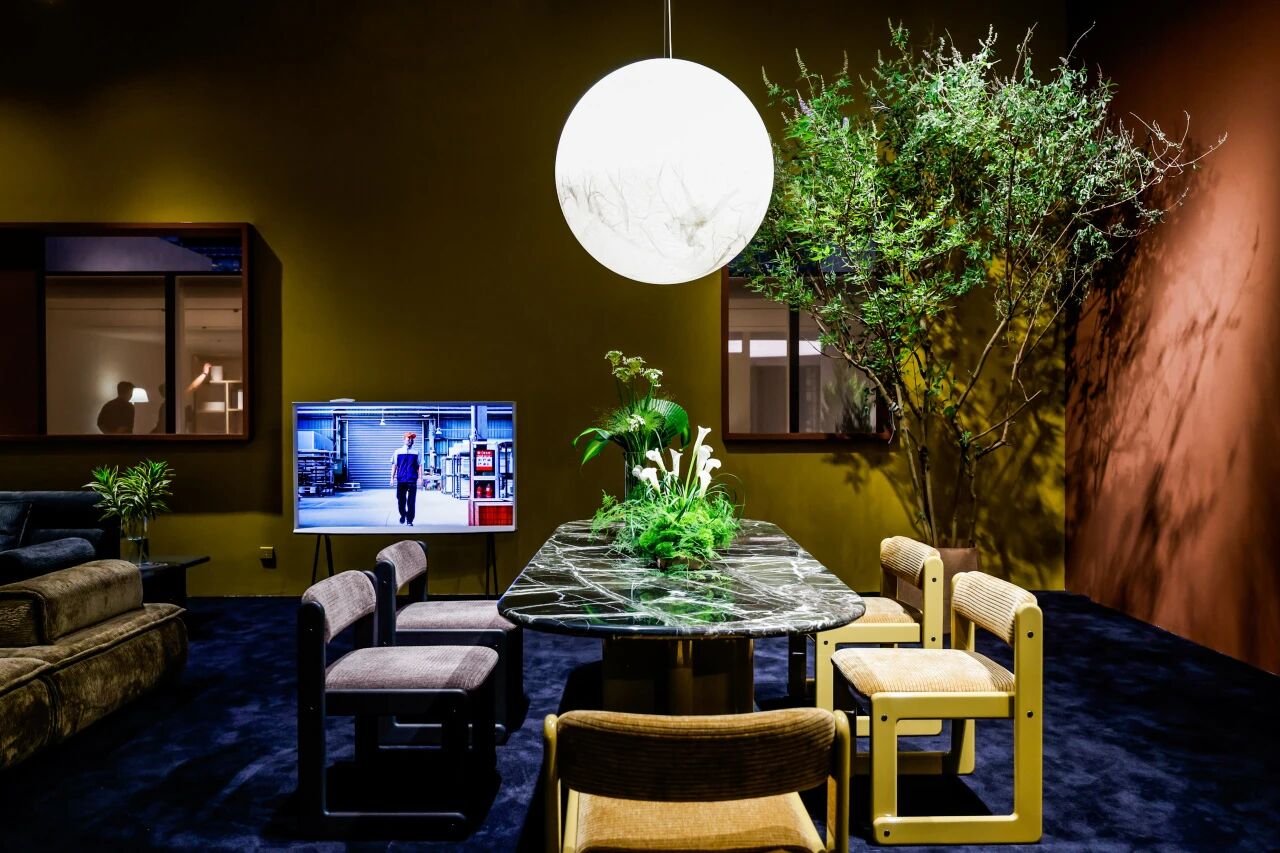
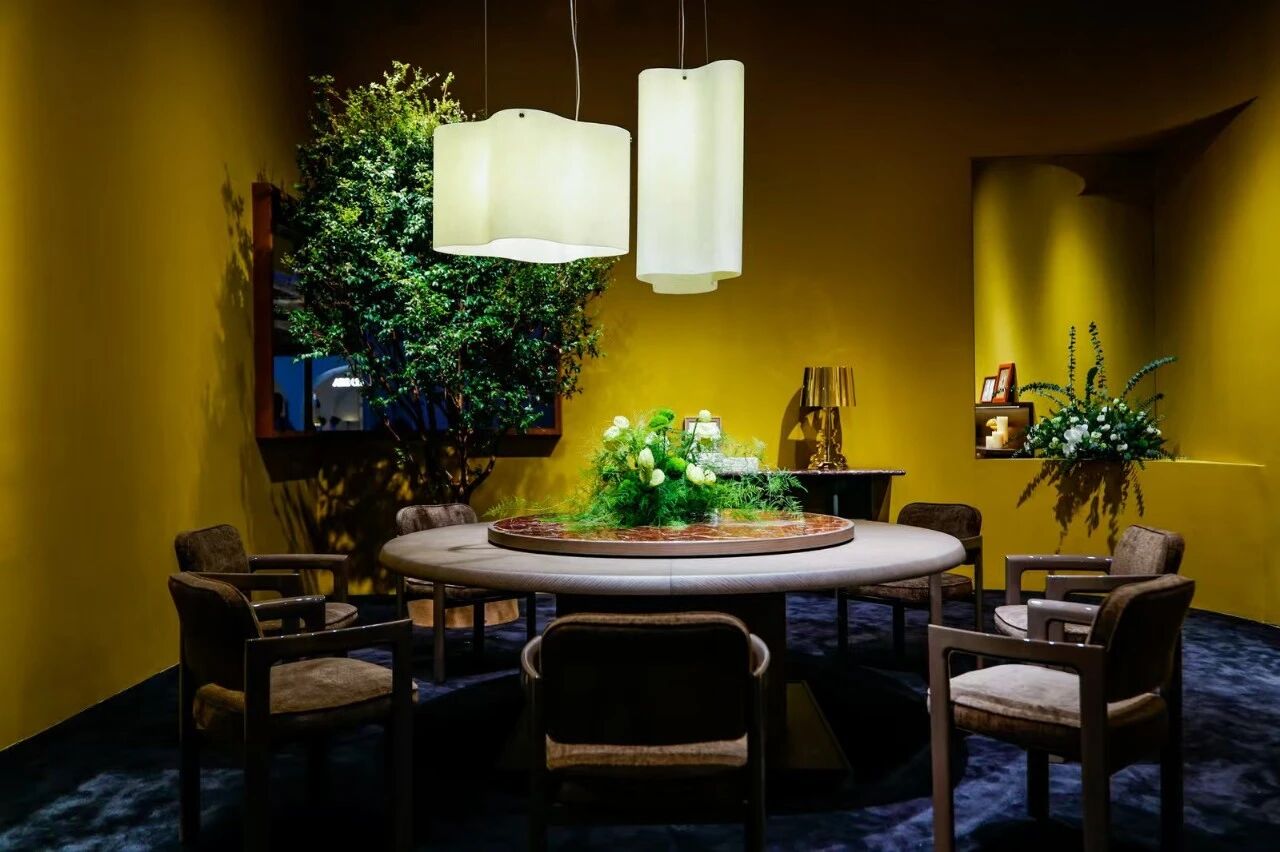

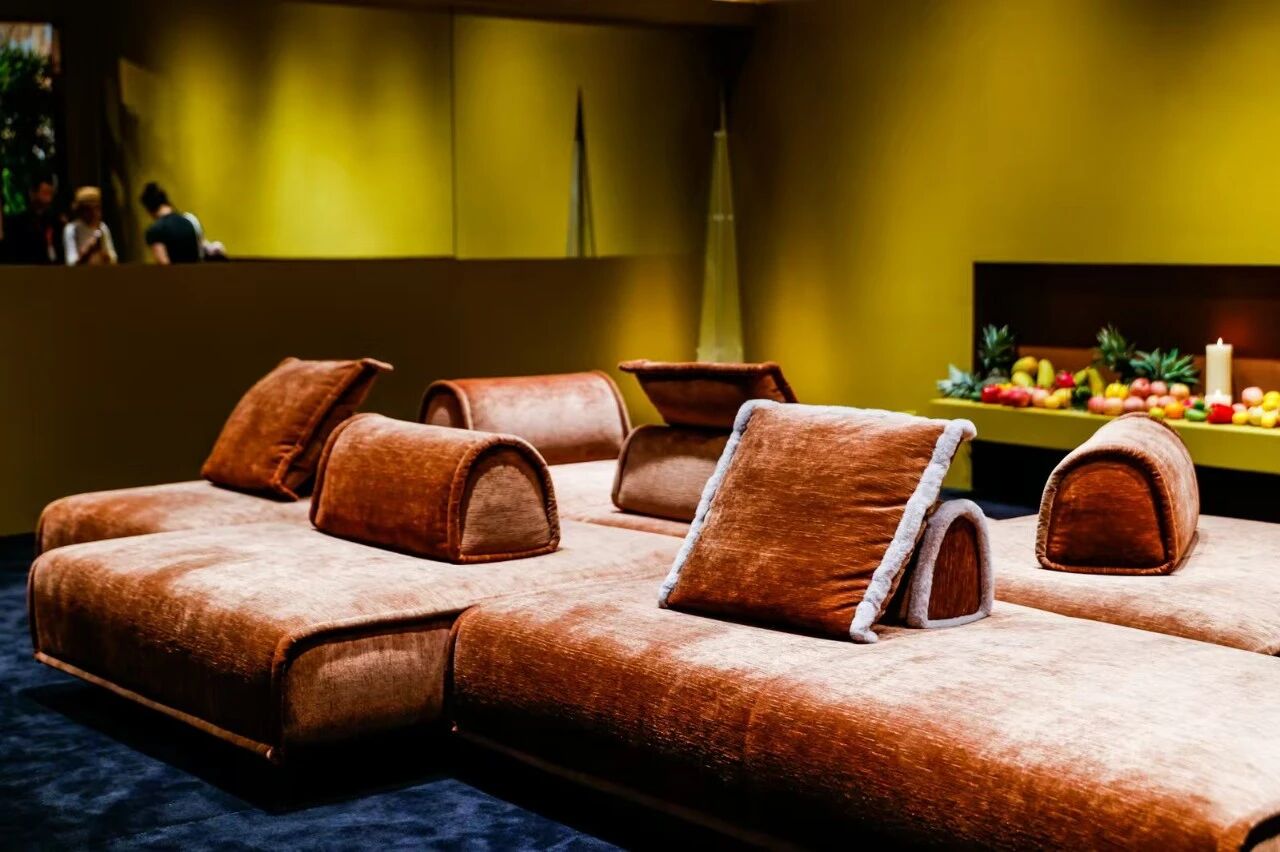
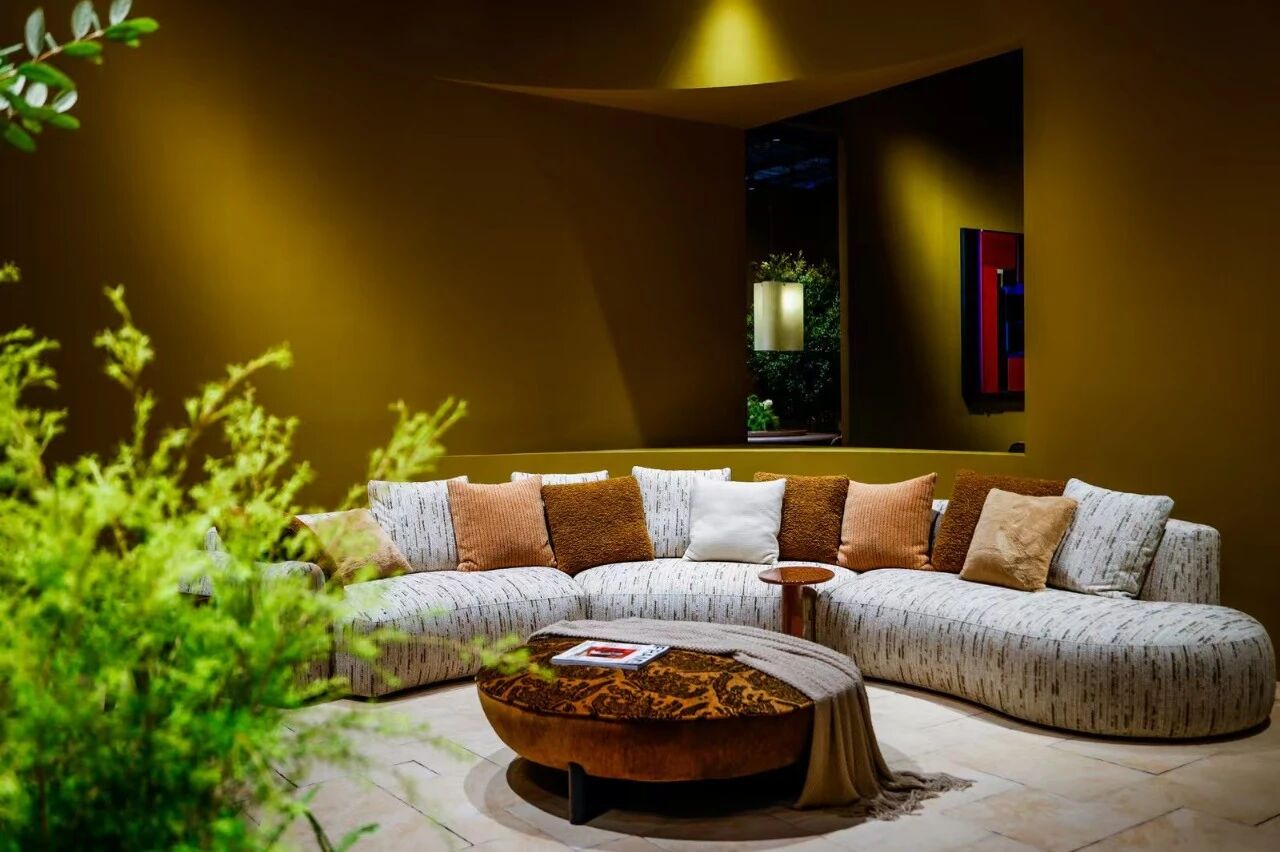
For outdoor use, YINZHUO’s new Pinsu collection combines teak and metal in light, contemporary forms designed to withstand the elements.



Exhibitions bring design closer to everyday life
Curated by Zhu Xiaojie, the East Design Show asked, “How close is Shanghai to Milan?” Across 12 individual spaces, its designers used contemporary objects and interiors to tell stories rooted in Chinese culture.
The exhibition’s design market dispensed with conventional barriers and display plinths. Visitors could pick up objects, feel their materials and purchase them directly. A separate gathering space used tea, wine and coffee to make conversation and time spent together part of the exhibition experience.


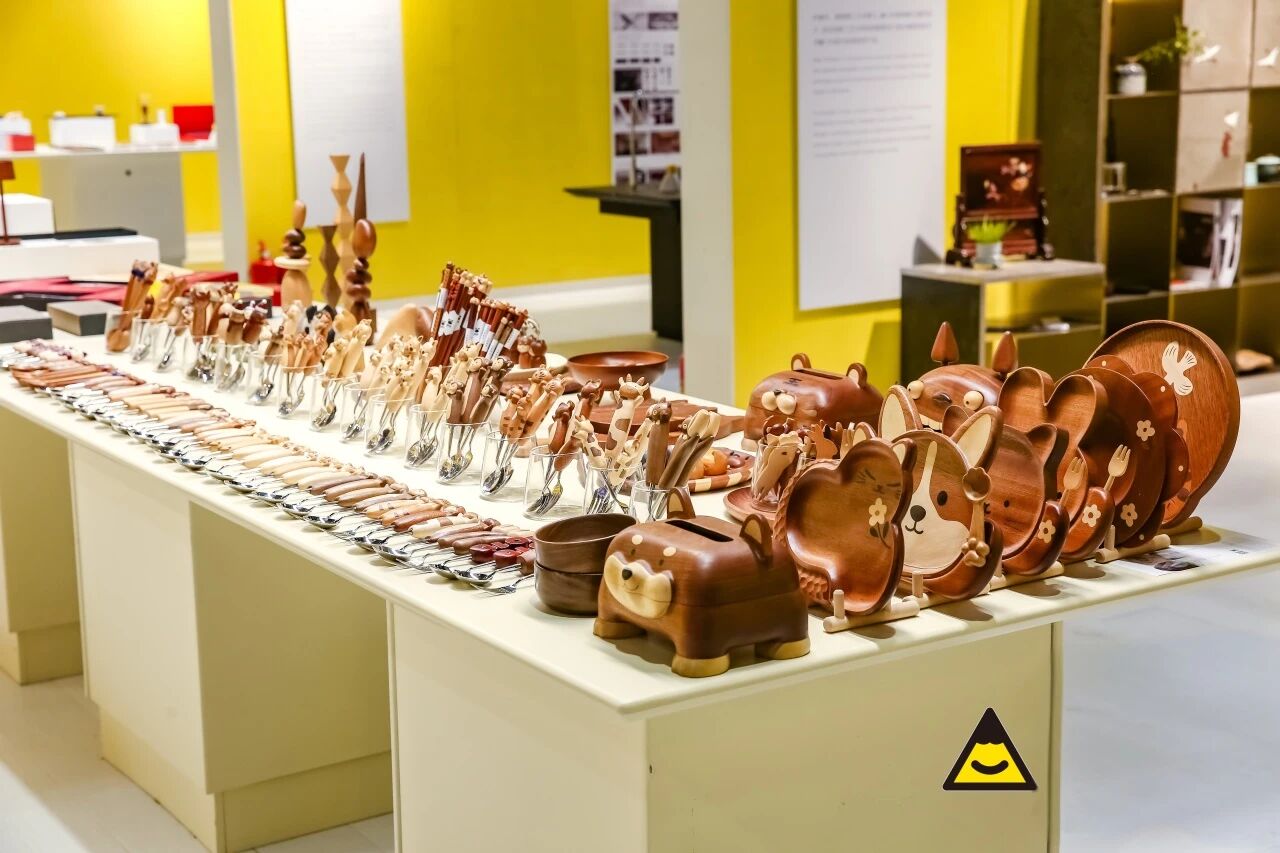
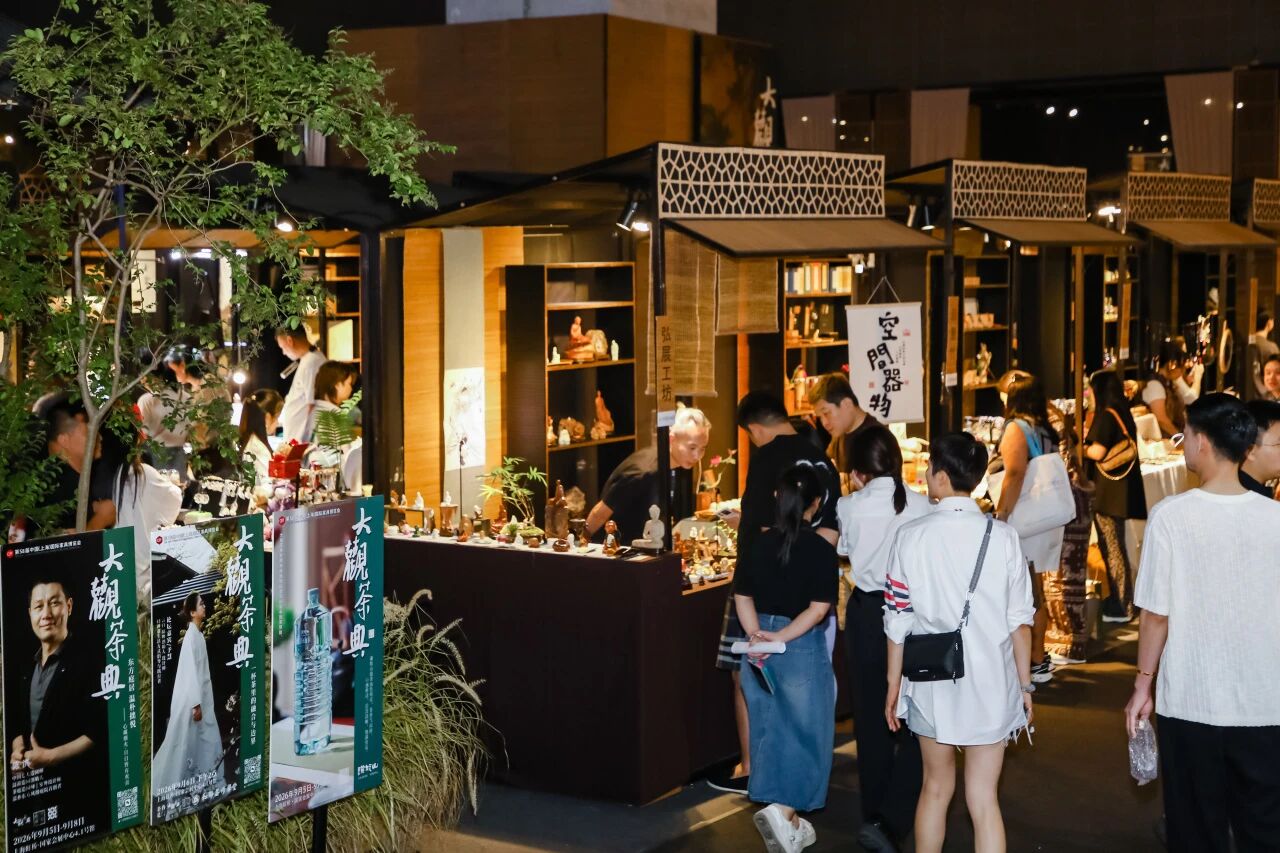
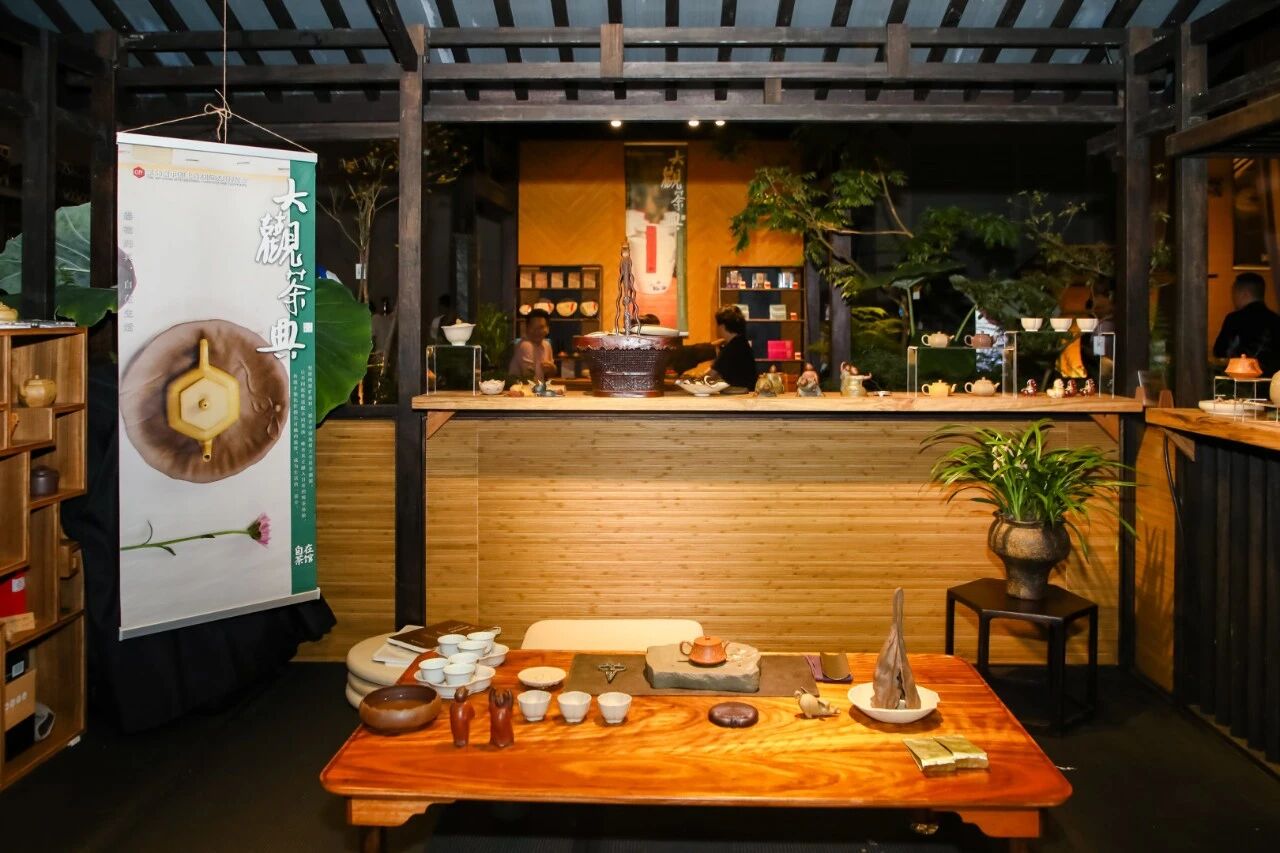
Tea culture was also the focus of Grand View of Tea, created by CIFF Shanghai and Songyuan Nanchan under the direction of Huang Jianhui. The exhibition combined tea rooms, utensils and a Song-dynasty-inspired market within a landscape setting. Its theme, Life Blooms Like Summer Flowers; Dreams Take Shape in Mountains and Water, connected the vitality of the natural world with the more contemplative rituals of tea.



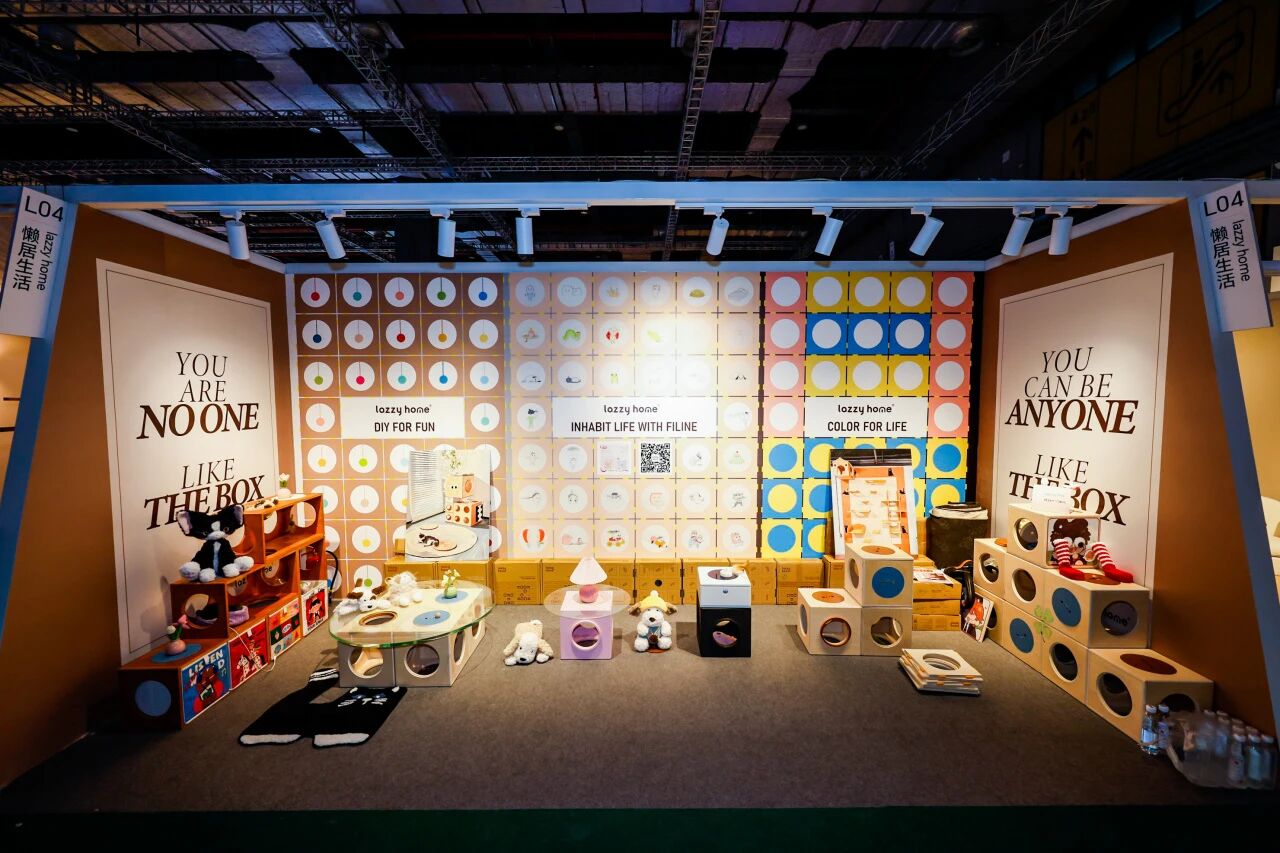
The third edition of Design Gravity adopted Friendly Living as its theme. Featuring 14 furniture brands and emerging designers, it looked at relationships between people, their homes and one another through glass art, lighting, pet furniture, children’s furniture, tea spaces and textiles.

Lazzy Home applied a “cat-like philosophy of living” to modular furniture that uses block-like components and joinery. Its pieces consider cats’ instincts to climb, hide and explore while accommodating the practical and visual expectations of their owners.
CasaDosa’s Cloud Cat Tower similarly combines elevated platforms, protective rails, a transparent pod, baskets and enclosed resting spaces in one adaptable structure.

INDLEDs introduced a solid-wood lighting series intended to make spaces feel warmer and more welcoming.

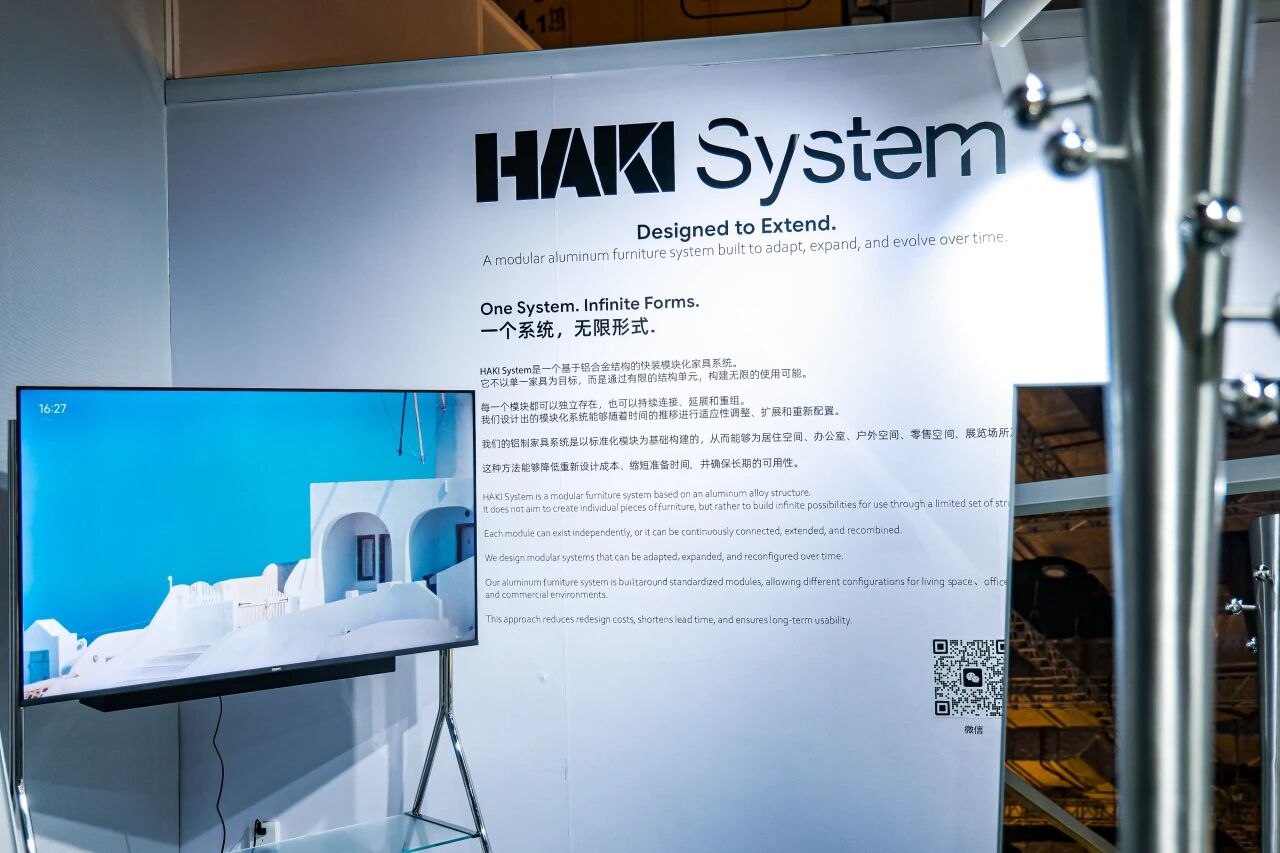
HAKISystem’s Rotating Planet coat stand uses spherical, rotating hooks to turn a routine gesture into a tactile interaction.
Transparent explored the optical qualities of glass across chairs, an extendable table, a sofa, display cabinets and coffee tables.

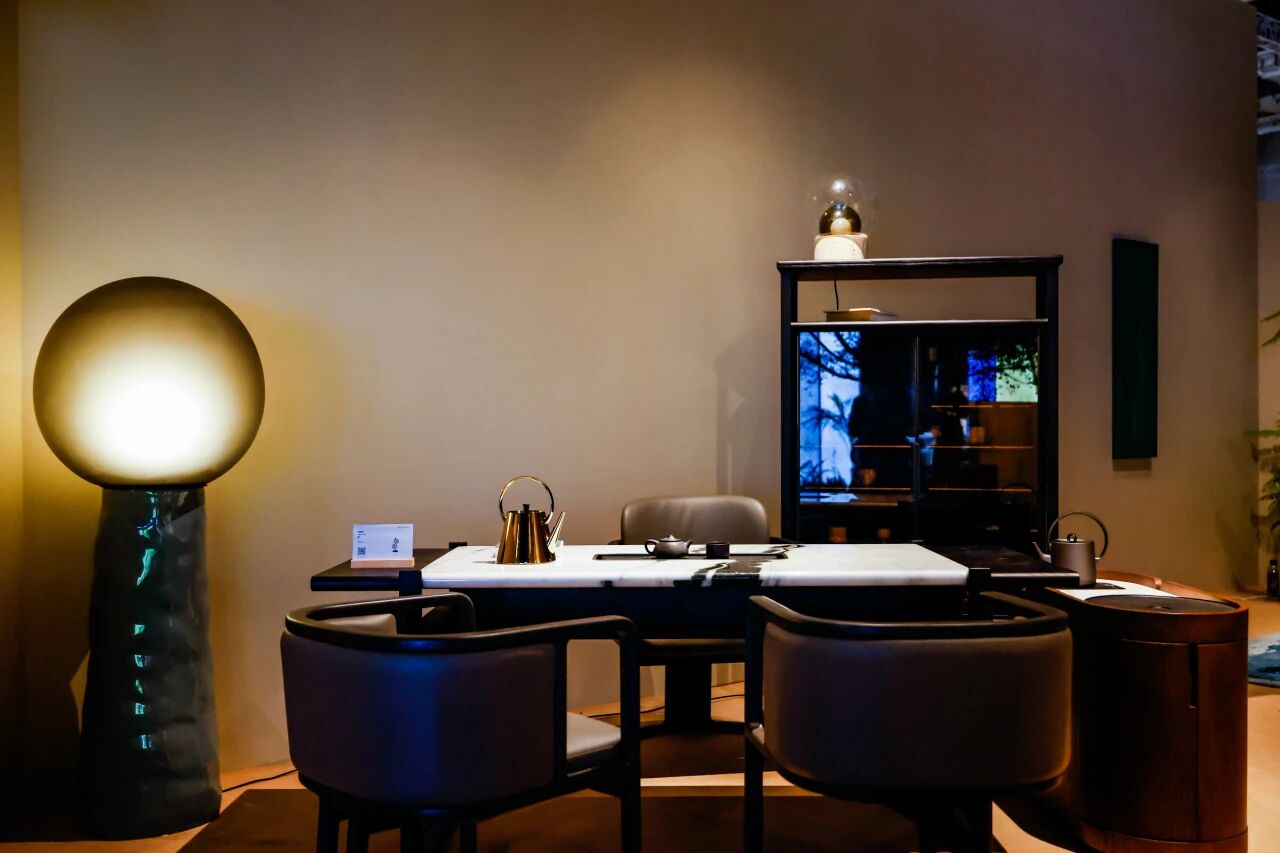
Tea Culture Furniture’s Xin He Yin tea table paired black walnut with green marble, concealing a water supply and drainage system alongside a glass display compartment.

Elsewhere, The Design & Imagination Contemporary Design Exhibition organised furniture, lighting, textiles, tableware and art into nine domestic scenarios. Each was shaped around an everyday activity, from spending time alone or gathering with others to working, resting and engaging the senses. The objects were presented at the scale and within the circulation patterns of spaces people might actually use.

The Limited IN exhibition approached limited editions as a way to explore quality, rarity and personal expression. Its selection positioned functional objects as works that could also shape the character of an interior.


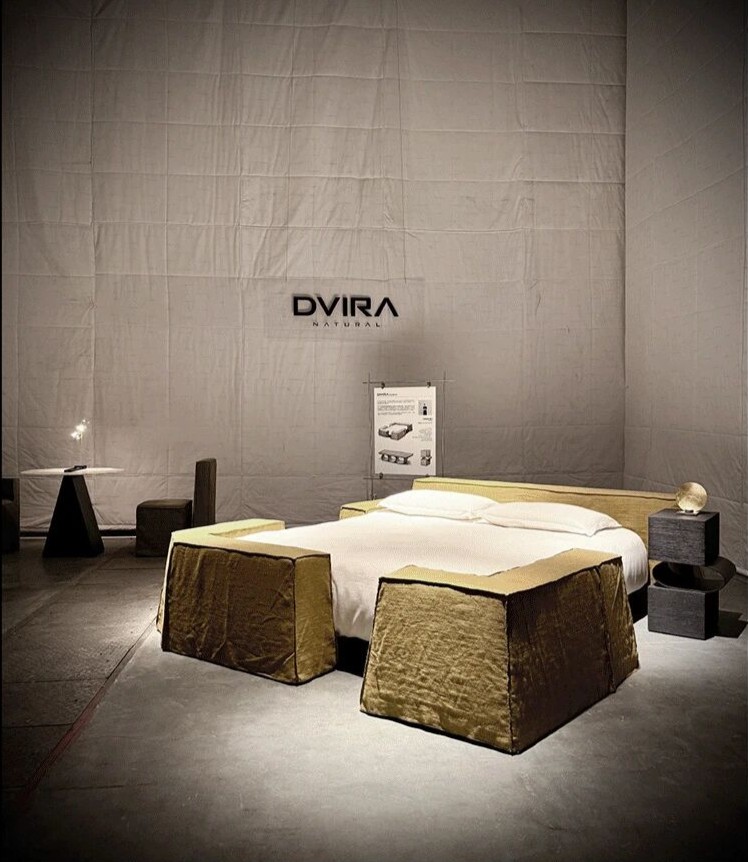
Luxury interiors brand DVIRA presented fitted furnishings and contemporary pieces alongside Italian imports and works by international artists, proposing the home as both an expression of ideas and a setting for art.


YOGAHOME brought together Chinese and European antiques, contemporary furniture, decorative objects and traditional craft across a range of interior styles.

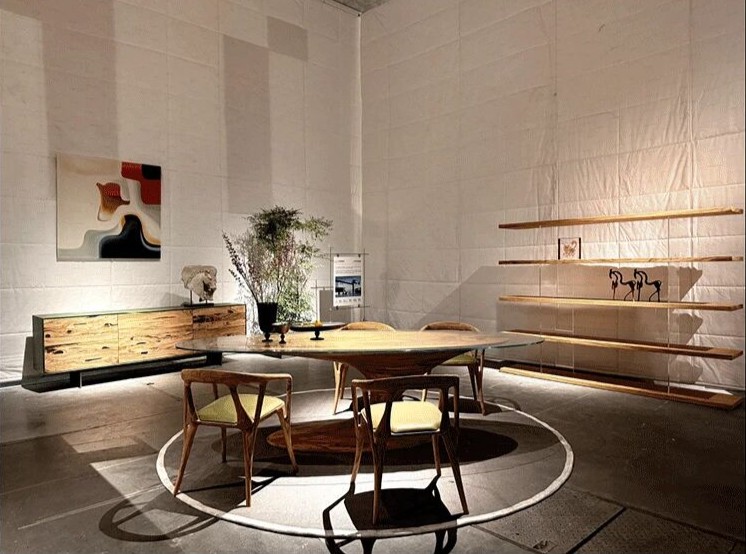
Solid-wood specialist SHIS retained the fissures and grain of its timber slabs, filling natural gaps with resin while preserving their irregular outlines.

Technology formed another strand of the fair. JISHIZU made its CIFF Shanghai debut with a robotics-as-a-service model that allows exhibitors to rent humanoid robots for short-term use. Its service includes equipment deployment, customised movements and on-site operation, with robots able to greet visitors, guide foot traffic and demonstrate products.


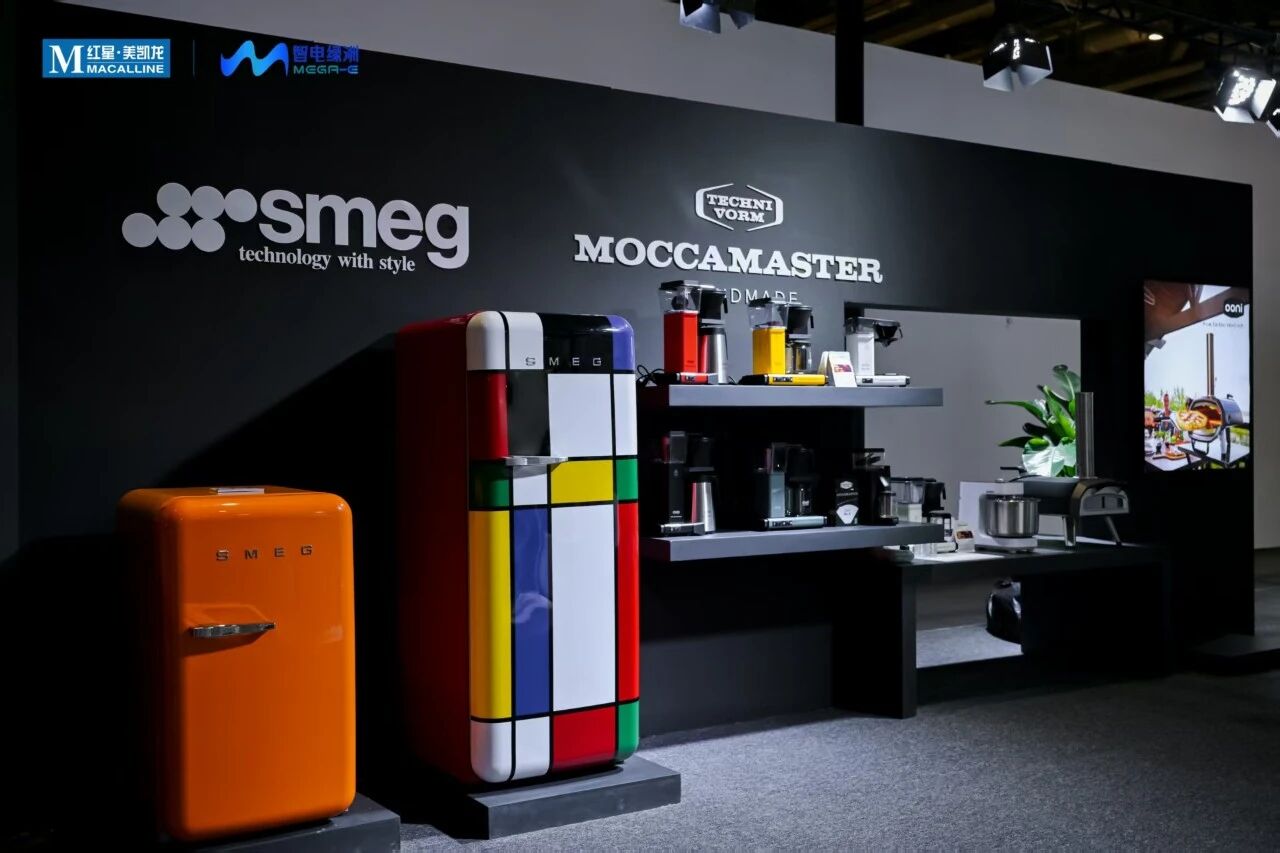
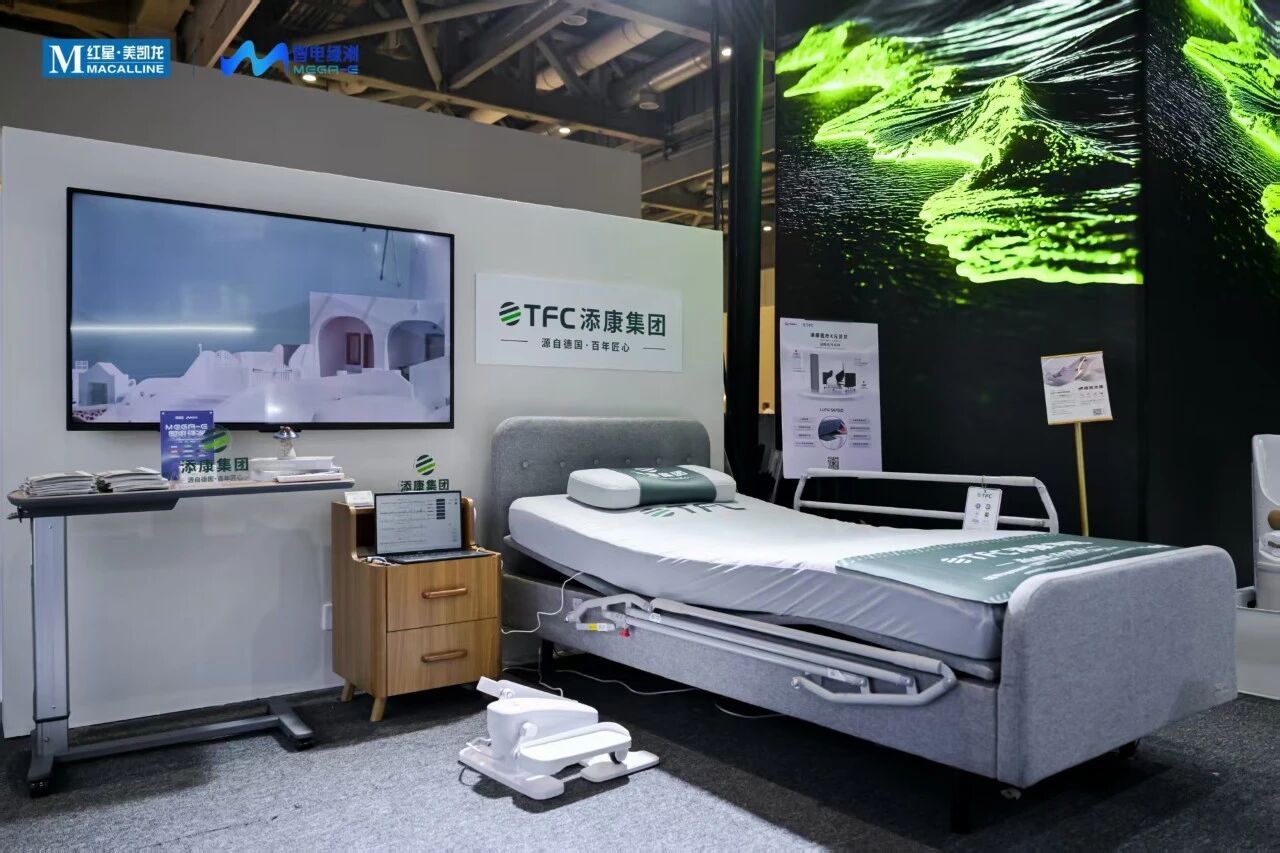
The MEGA-E Smart Electric Oasis Special Exhibition assembled nearly 30 home-appliance and technology brands across seven zones, including kitchens, age-friendly living and low-carbon homes. Robotic cleaning devices, represented by ECOVACS, addressed routine household tasks. A kitchen display brought together water filtration, built-in appliances, dedicated cooling and food-waste systems, while other sections examined residential solar power, low-carbon energy and equipment designed to support older residents.




Watch the video:
