




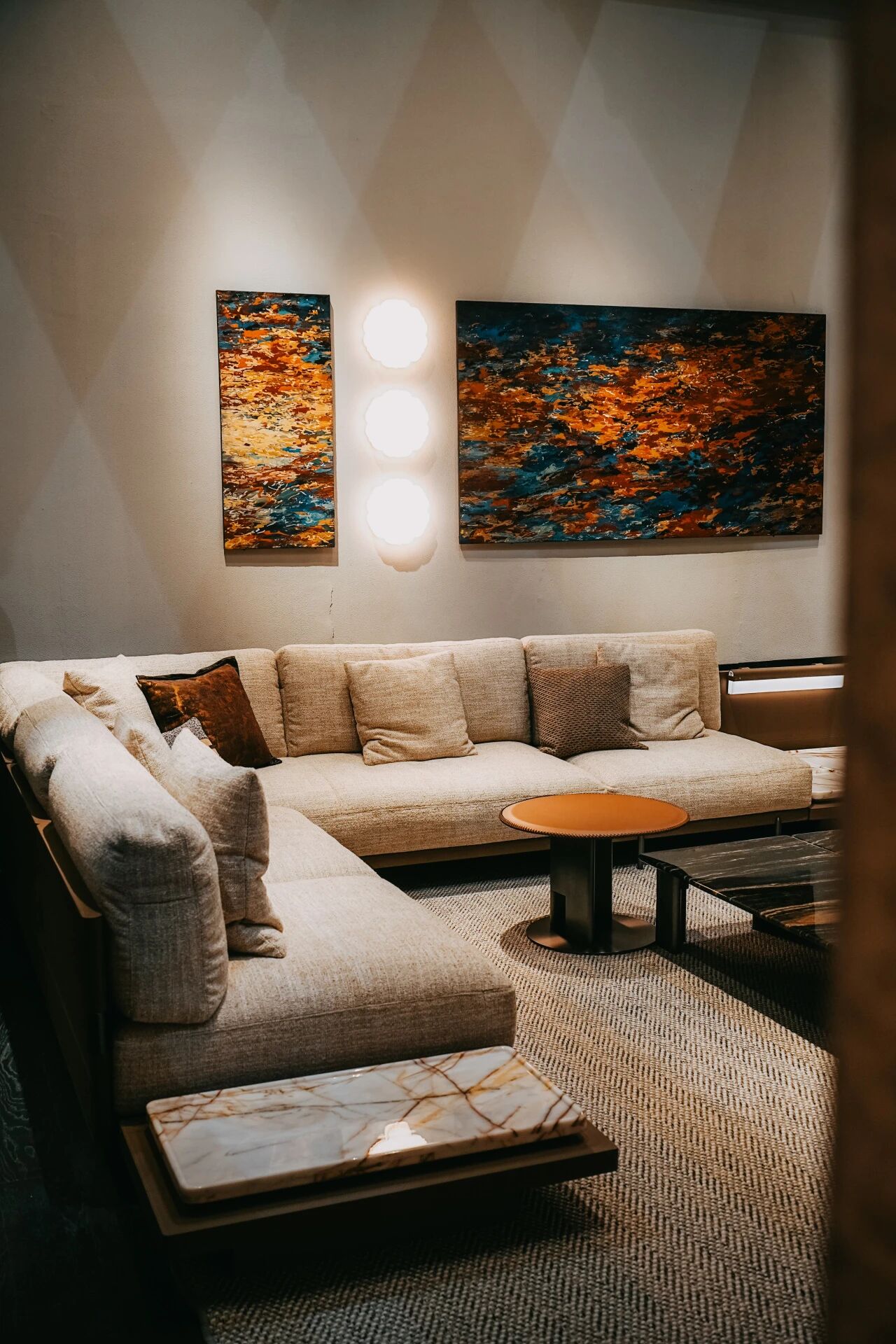
From fashion-informed upholstery to contemporary interpretations of Eastern living, the E6 and E7 halls brought together some of the most compelling launches at Furniture China 2026.
Positioned as one of the fair’s principal destinations for original design, the E6 and E7 Brand Design Halls presented a new generation of furniture brands balancing distinctive creative identities with commercial relevance.
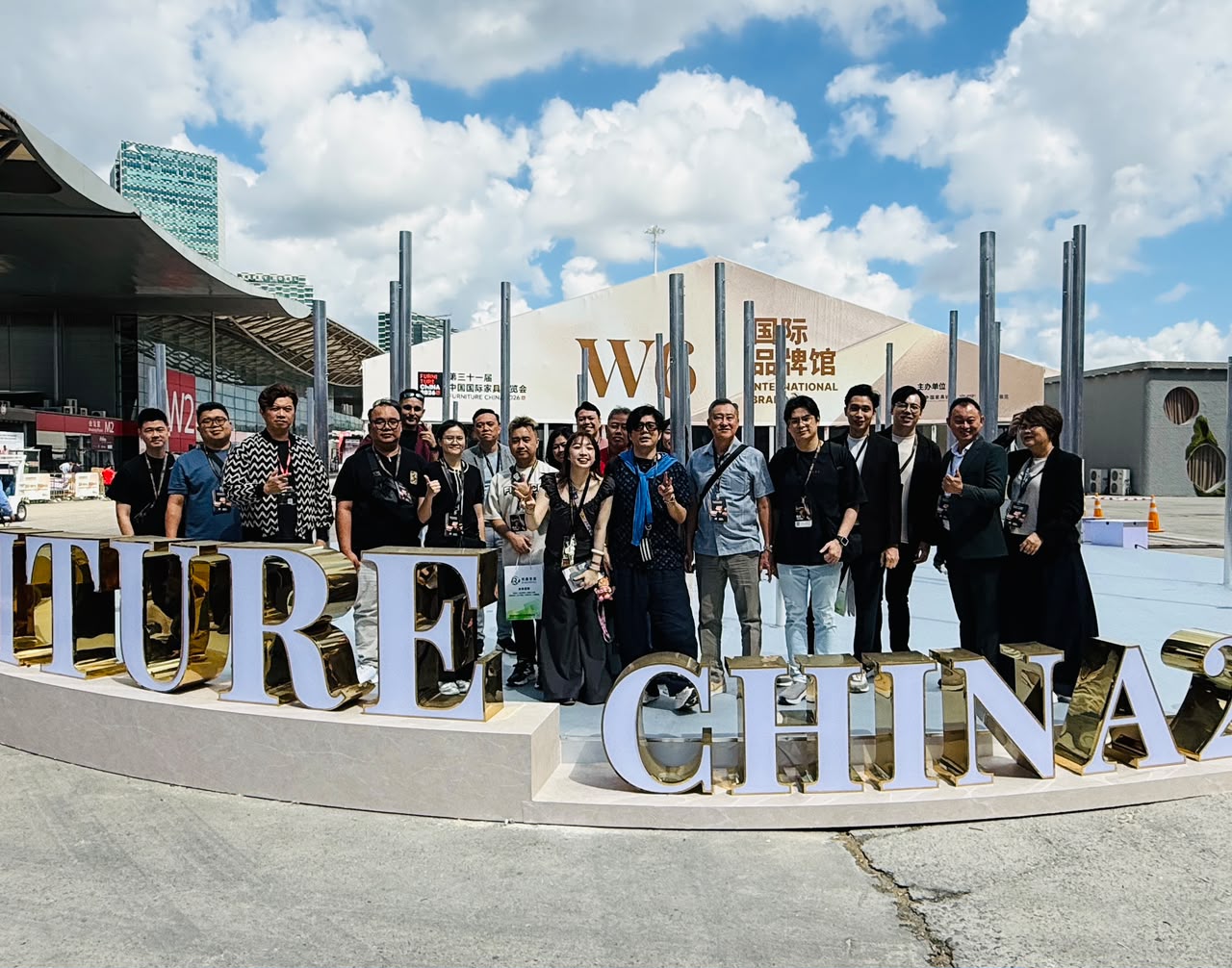
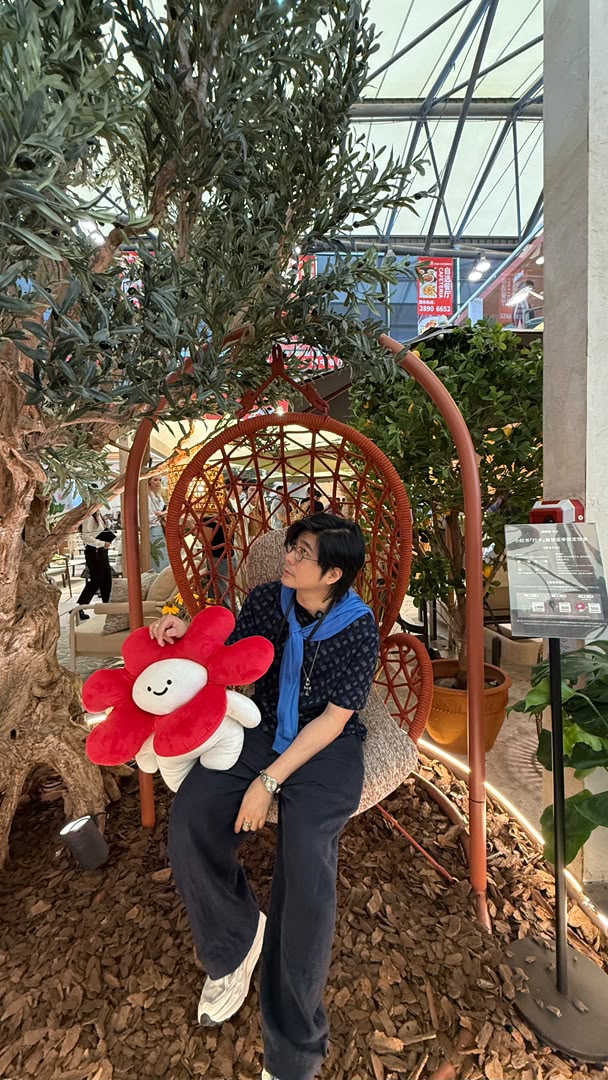
Across the halls, established manufacturers and emerging studios explored modular living, material experimentation and evolving expressions of Chinese design. Fashion techniques migrated into furniture upholstery, traditional craft was reframed through contemporary production, and domestic rituals informed increasingly adaptable forms.
The CreativeHomex editorial team selected ten brands that captured the breadth of this evolution.
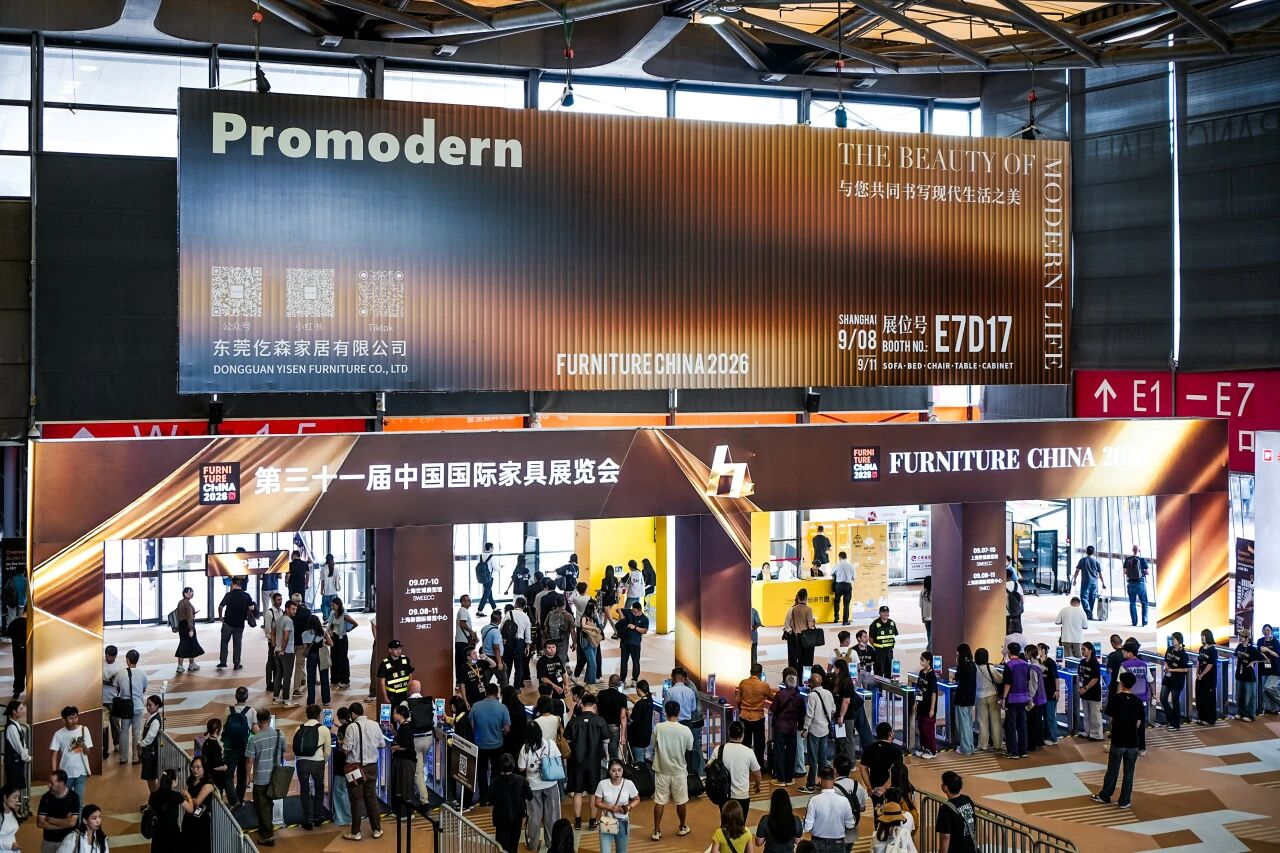
1. EXPOCASA
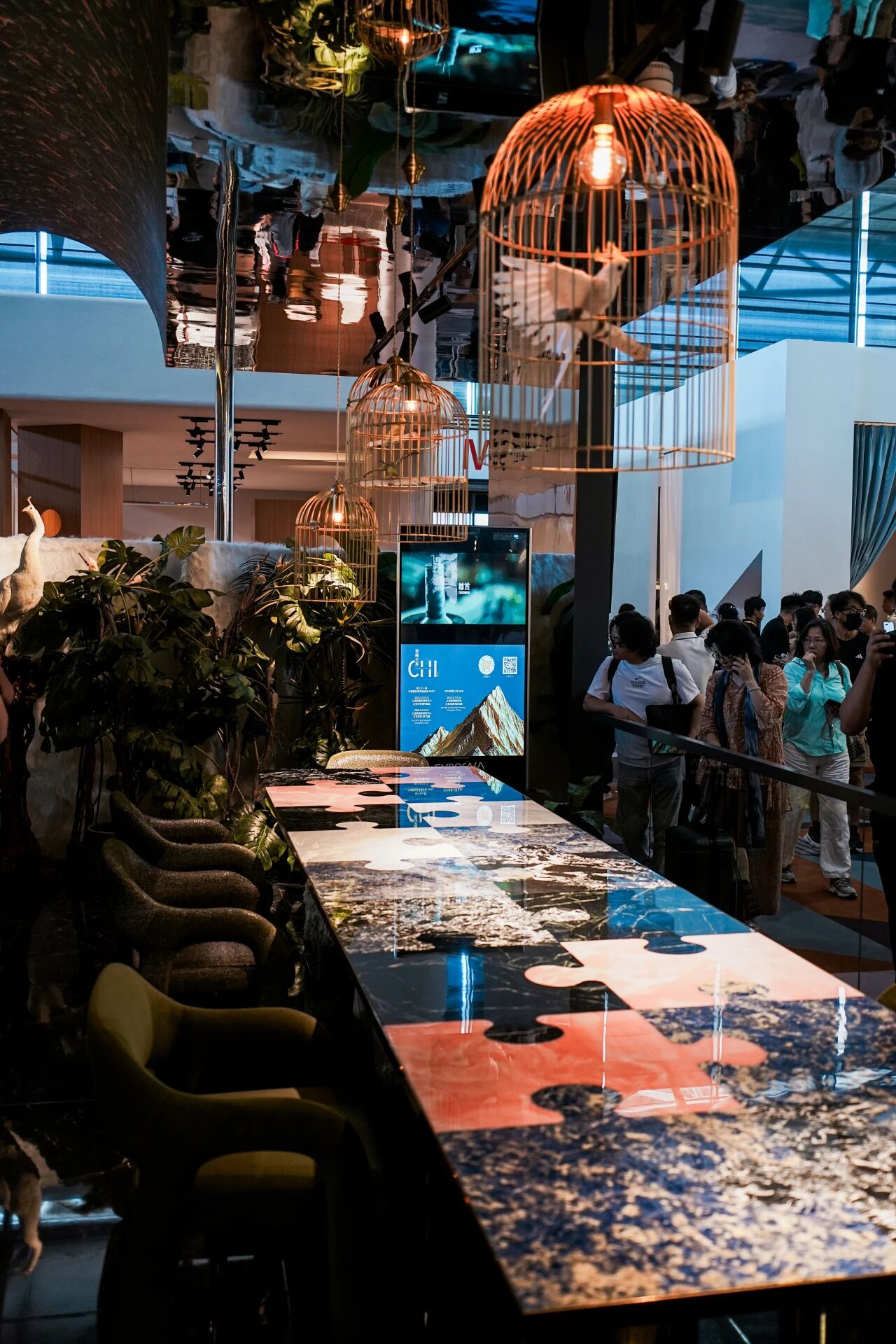
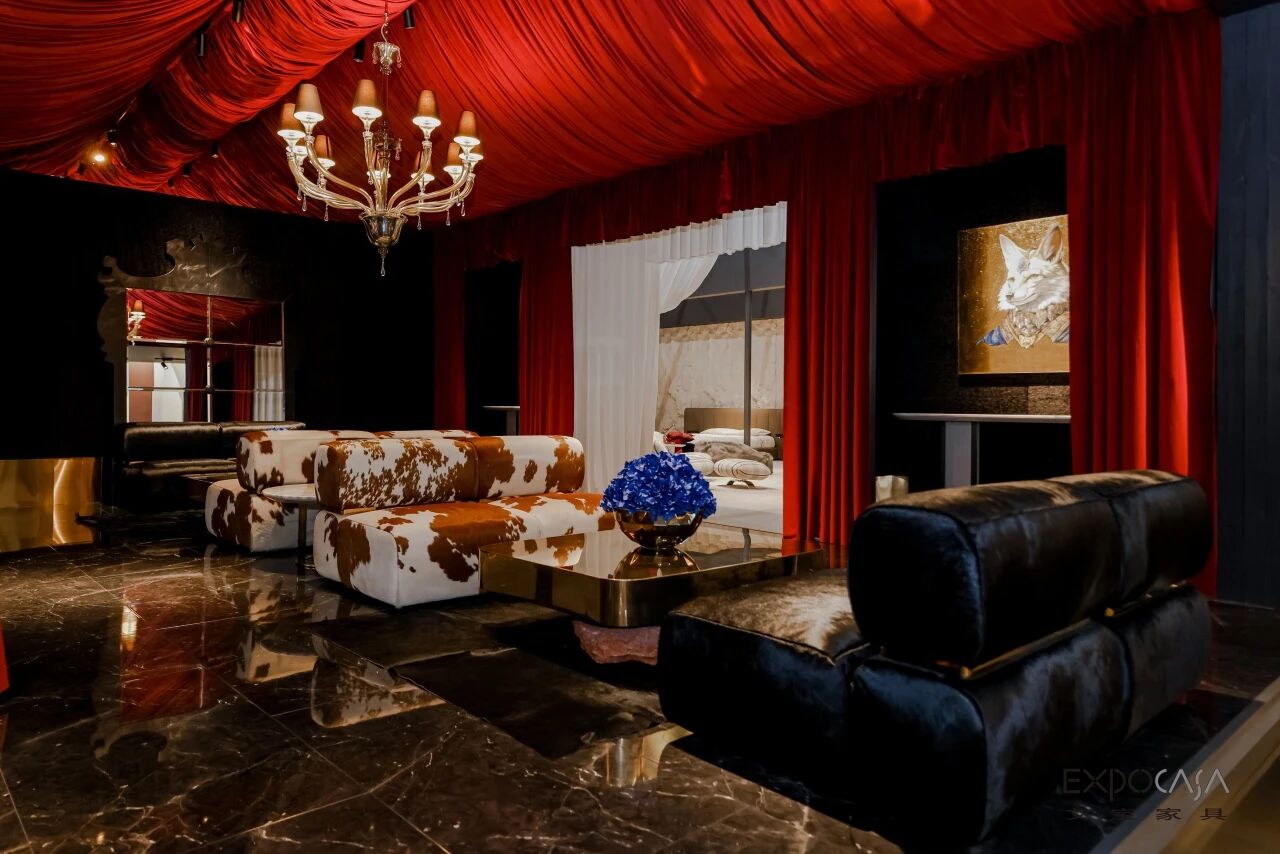
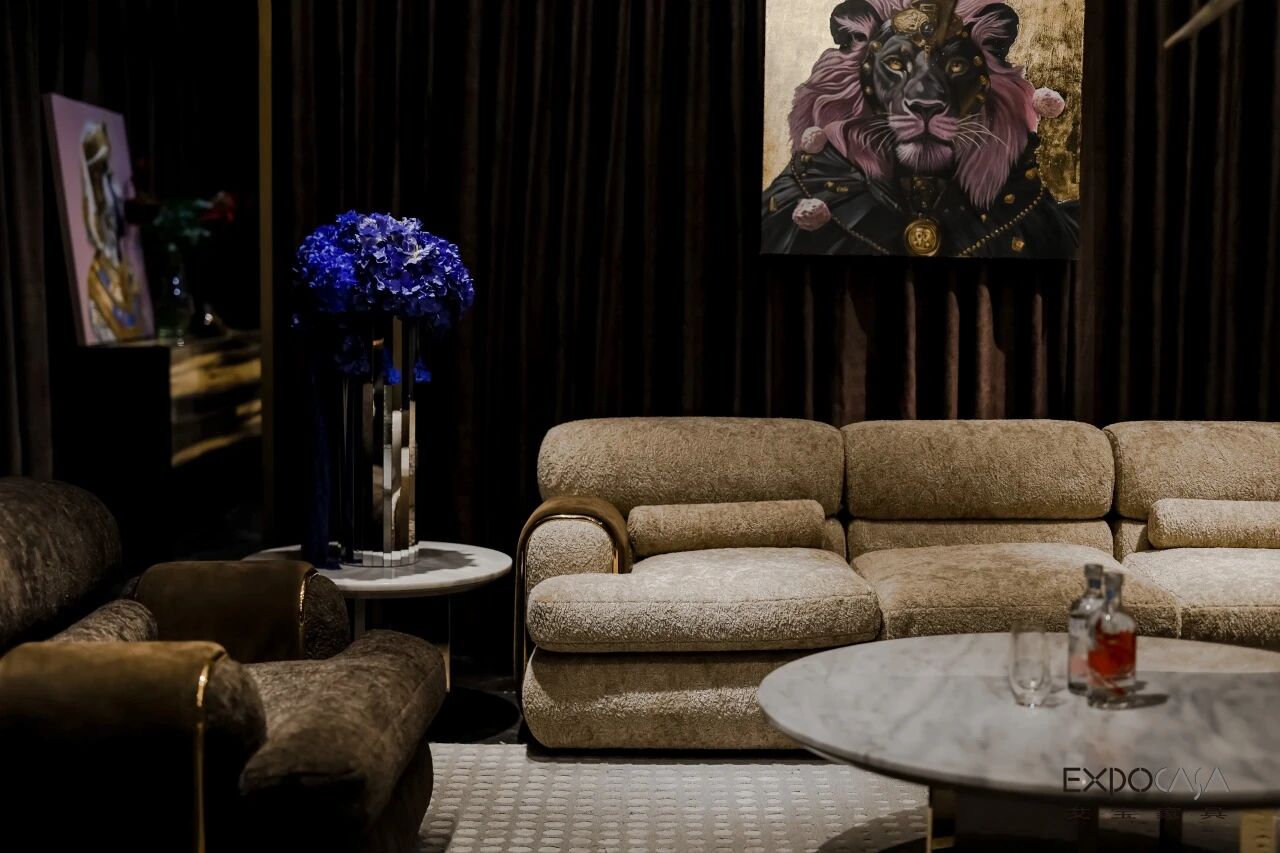
EXPOCASA presented the CHI collection, created in collaboration with fashion designer Zhang Chi. Comprising sofas, dining tables, lounge chairs and occasional tables, the range translates techniques more commonly associated with haute couture into furniture.
Distressed finishes, patchworked surfaces and unconventional stitching introduce a more expressive character to combinations of leather and textile, bringing a sharper fashion sensibility to the brand’s otherwise refined material palette.
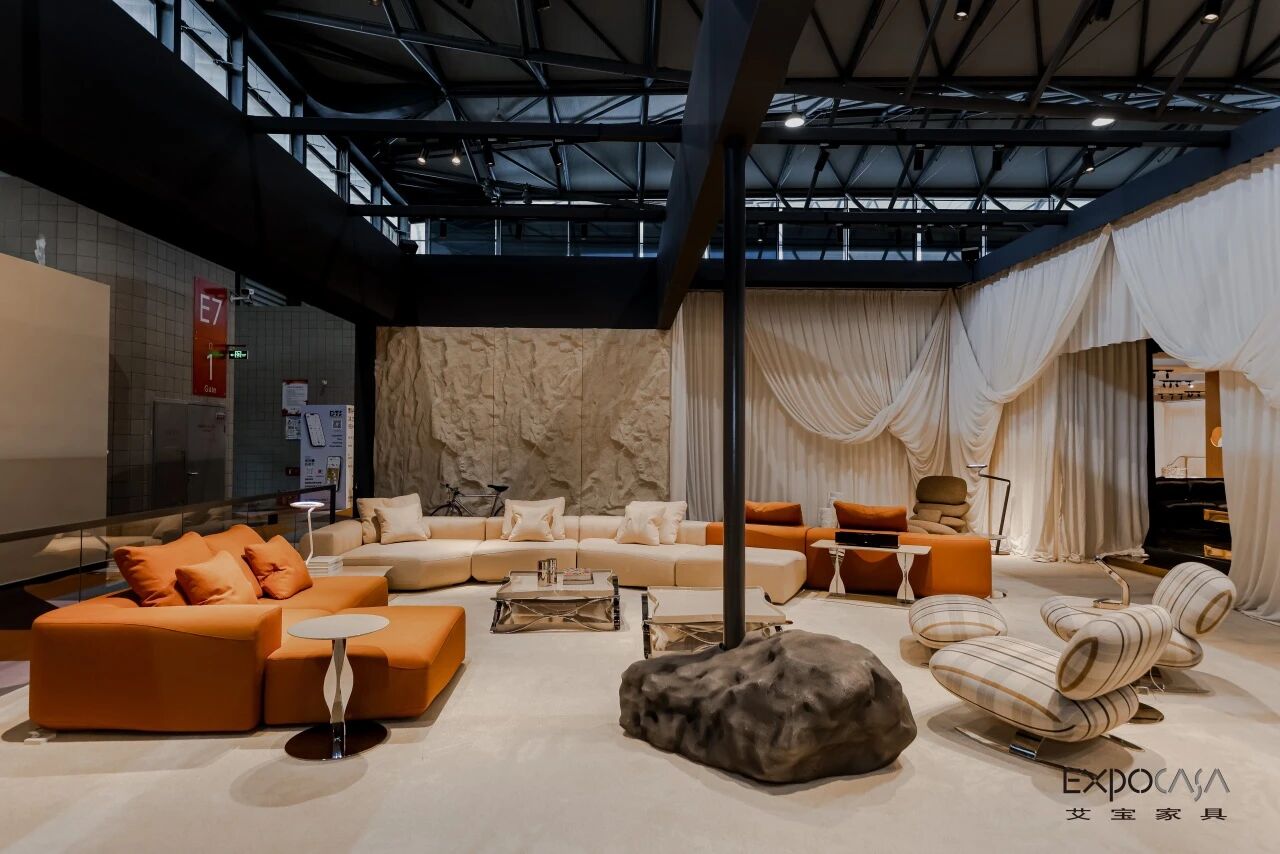
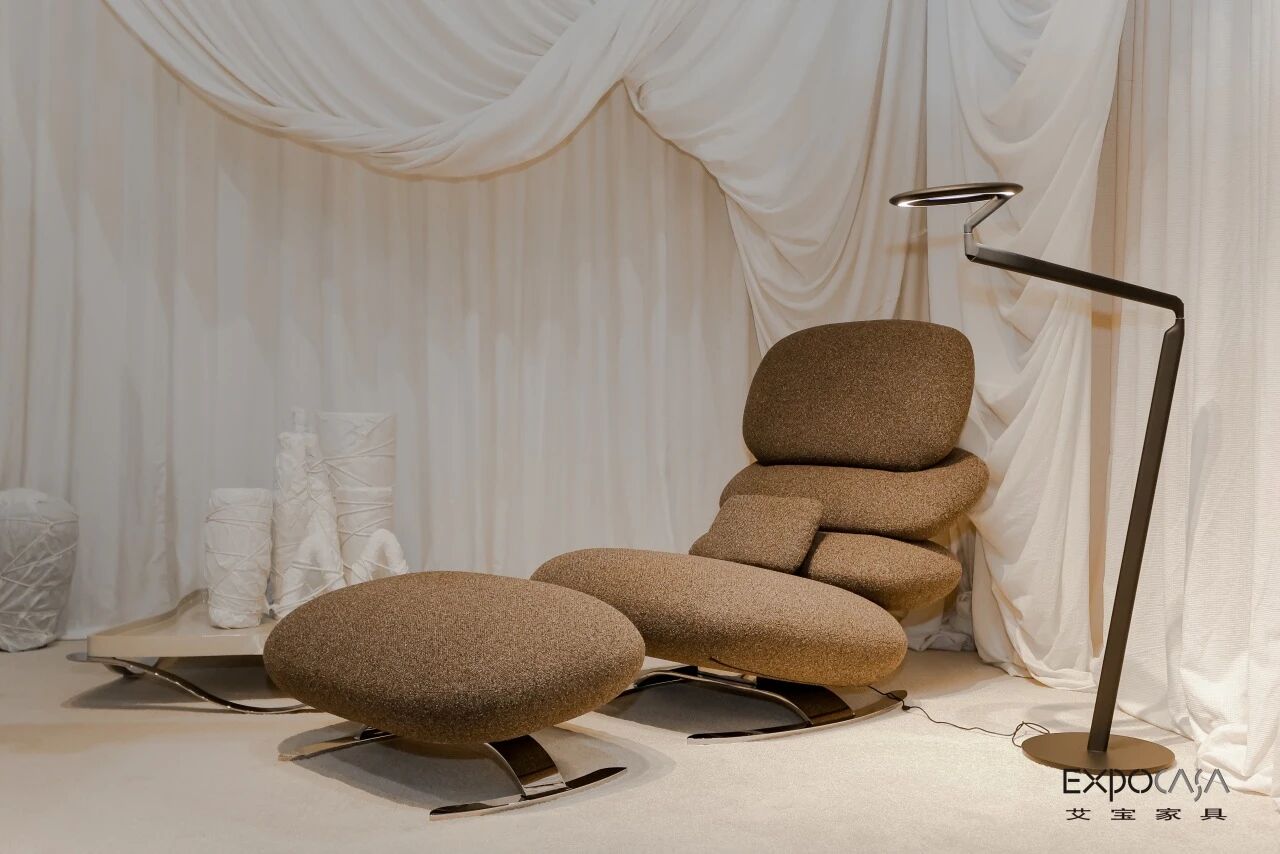
A second collaboration, titled Feng Ma Xing Yin, was developed with architect Wu Wenbo. Drawing on landscapes encountered across Sichuan, Yunnan, Tibet, Gansu and Qinghai, the collection abstracts the deserts, mountains and shifting terrain of western China through compositions of timber, leather, metal and stone.
Rather than reproducing these landscapes literally, the pieces translate their scale, texture and atmosphere into objects for the home.
2. TOOU
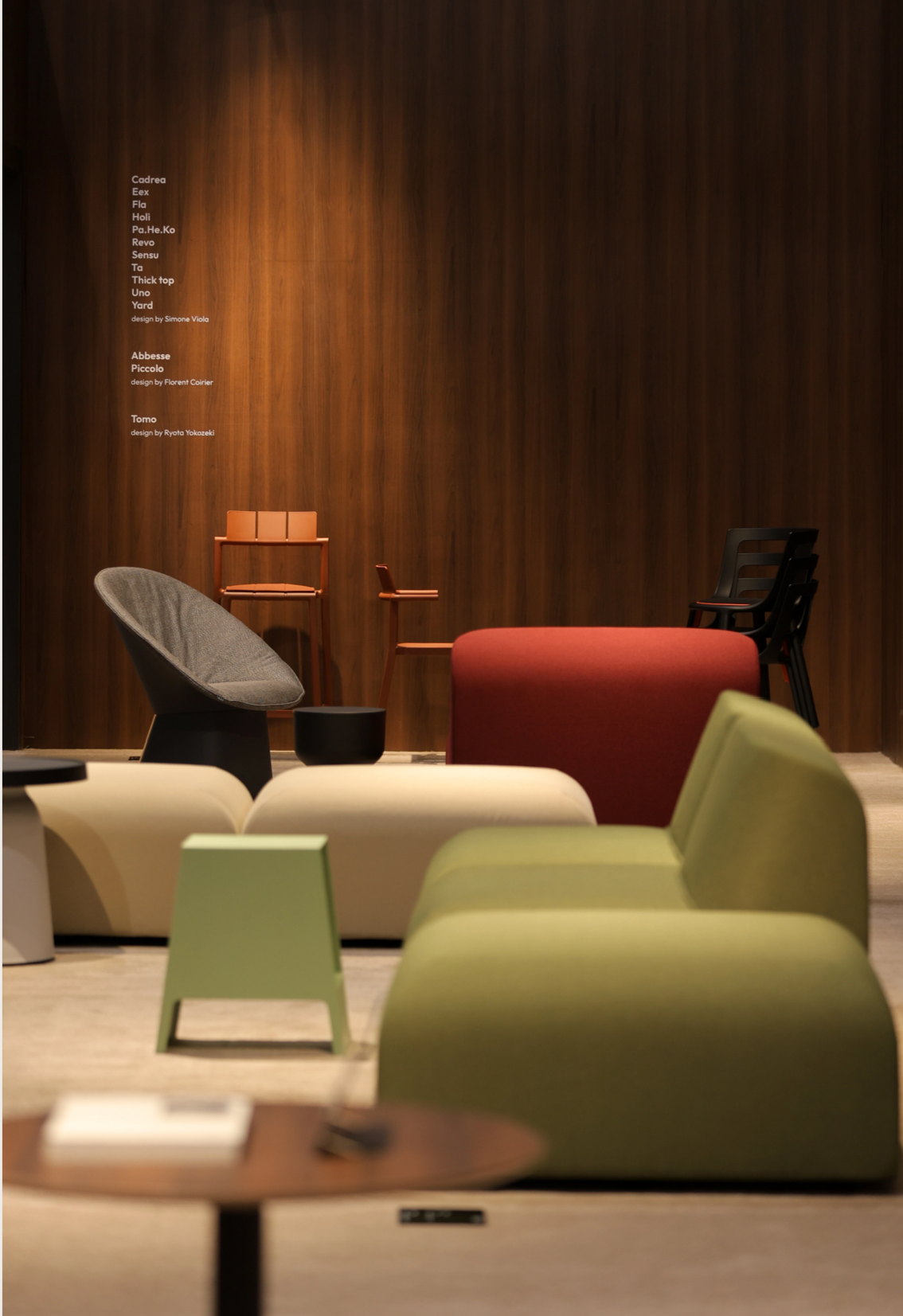
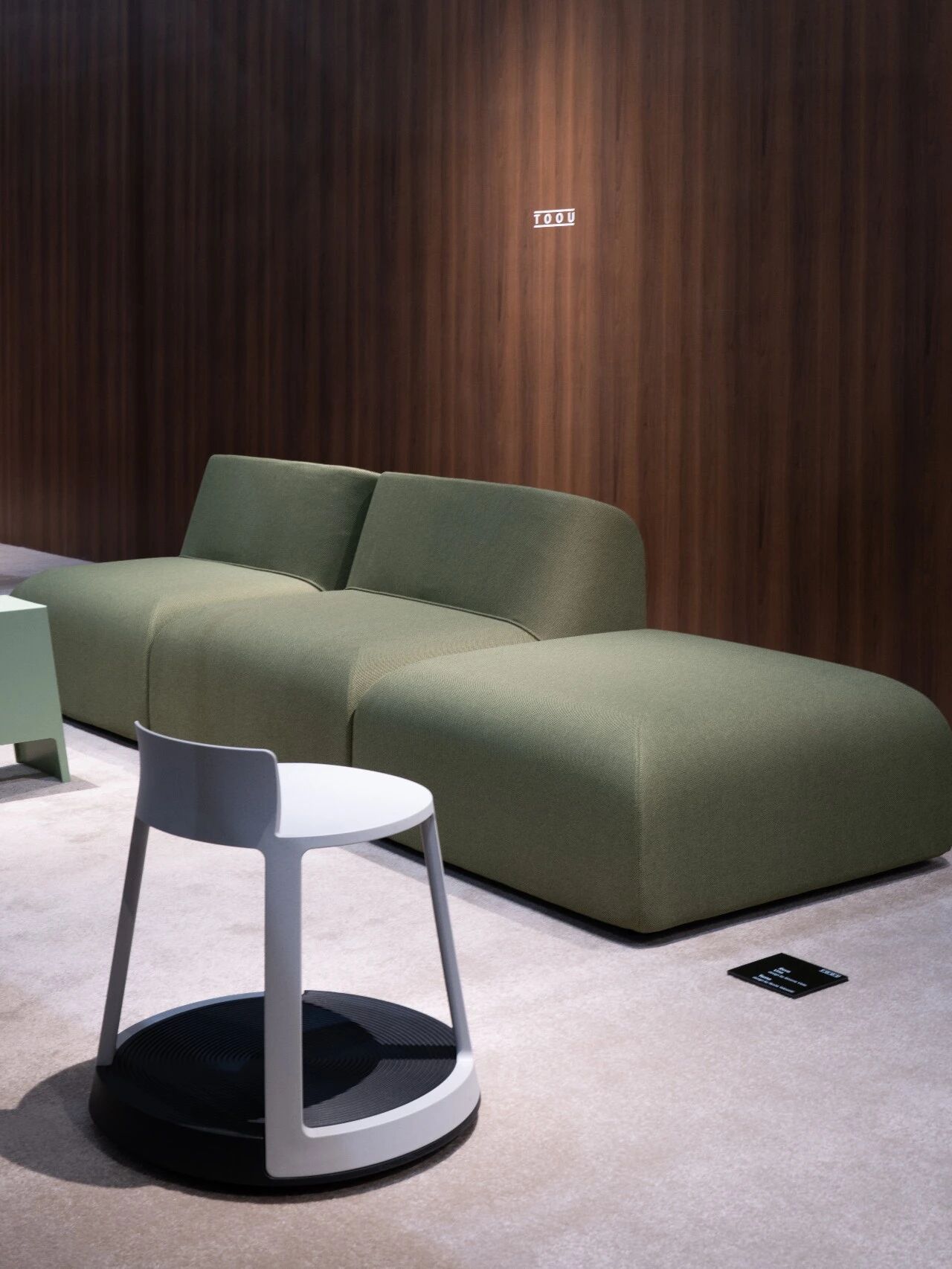
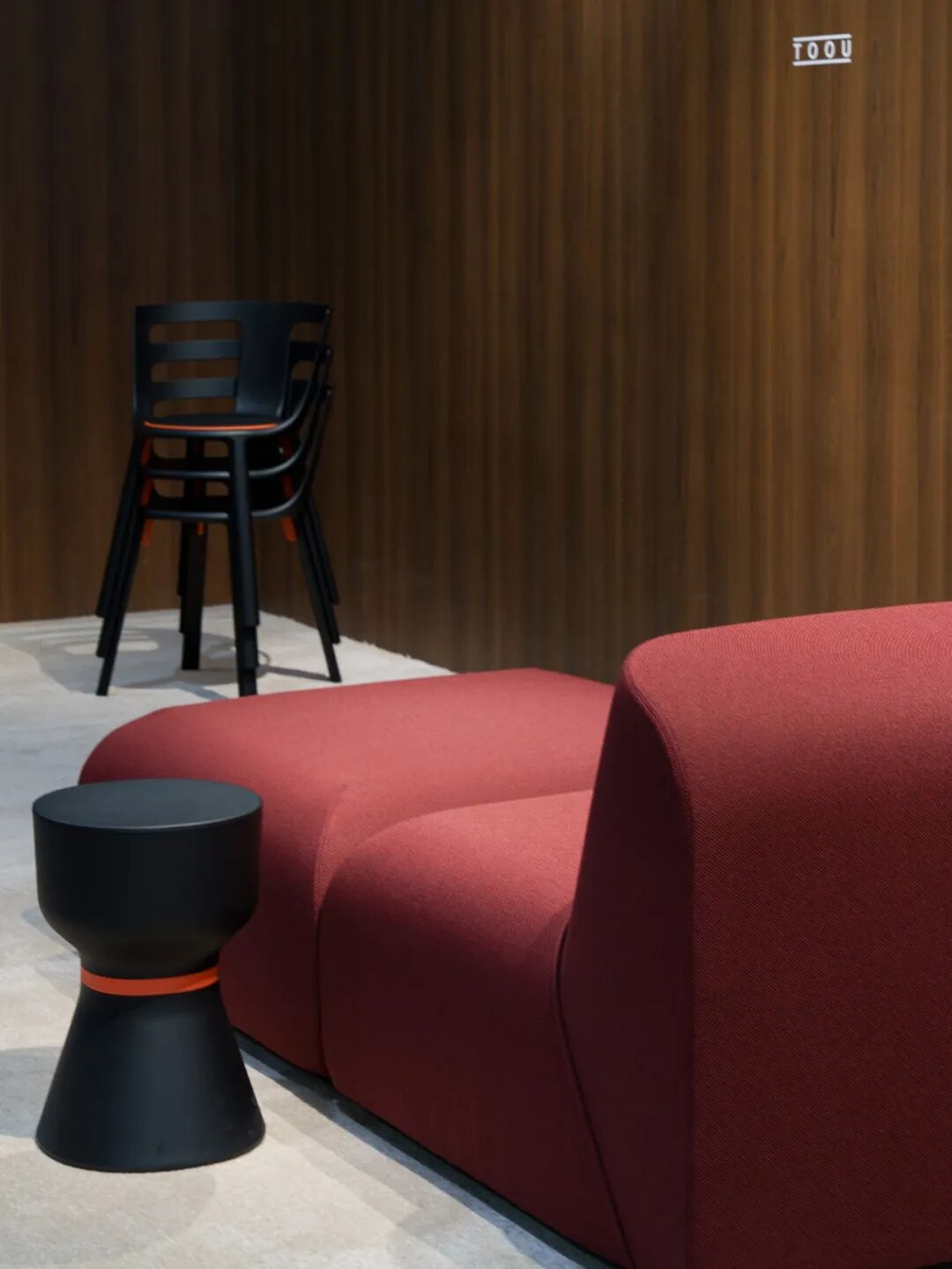
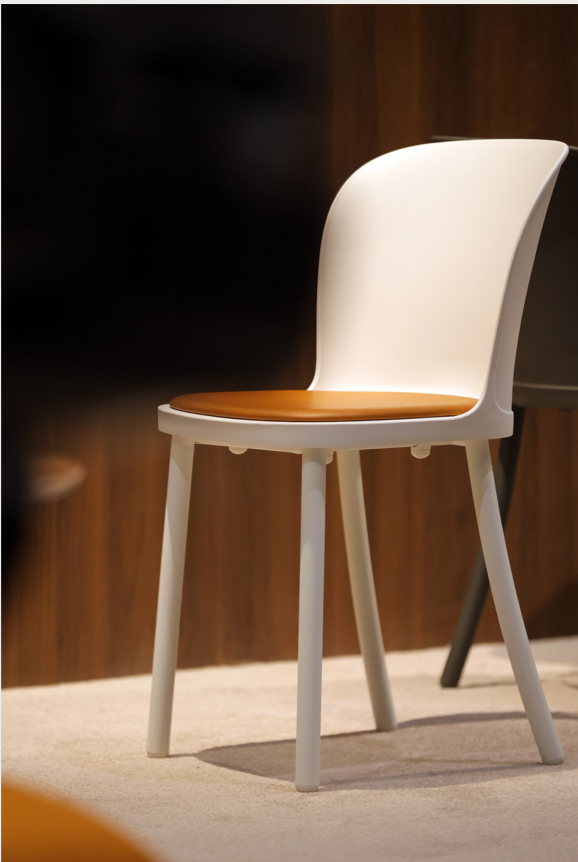
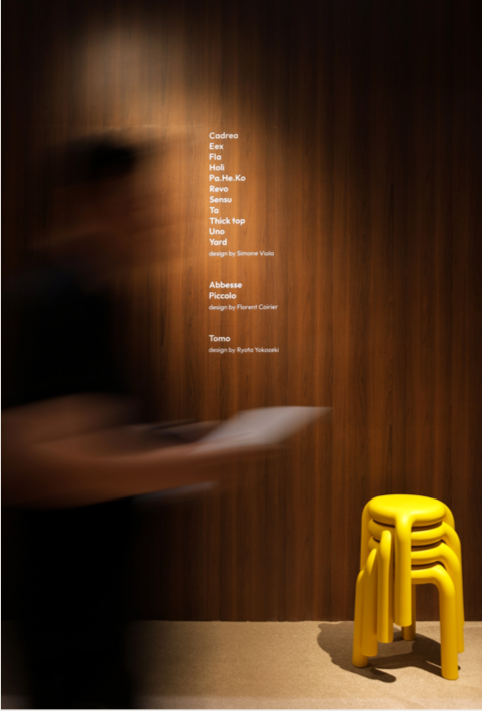
TOOU introduced two new seating designs: the adaptable UNO modular sofa and the ABBESSE chair, which takes cues from the relaxed character of Parisian street life.
The UNO system is conceived as an open-ended composition that can expand or shift according to its setting. ABBESSE, by contrast, brings an informal, café-like ease to a more compact form.
Black finishes and walnut tones gave both collections a restrained visual language consistent with the brand’s pared-back approach.
This sensibility extended to the stand, where warm wood grain, precise lines and carefully controlled lighting created a calm interior with a distinct sense of depth. The setting allowed the furniture to remain visually quiet while still revealing the detail of its proportions and finishes.
3. livintwist
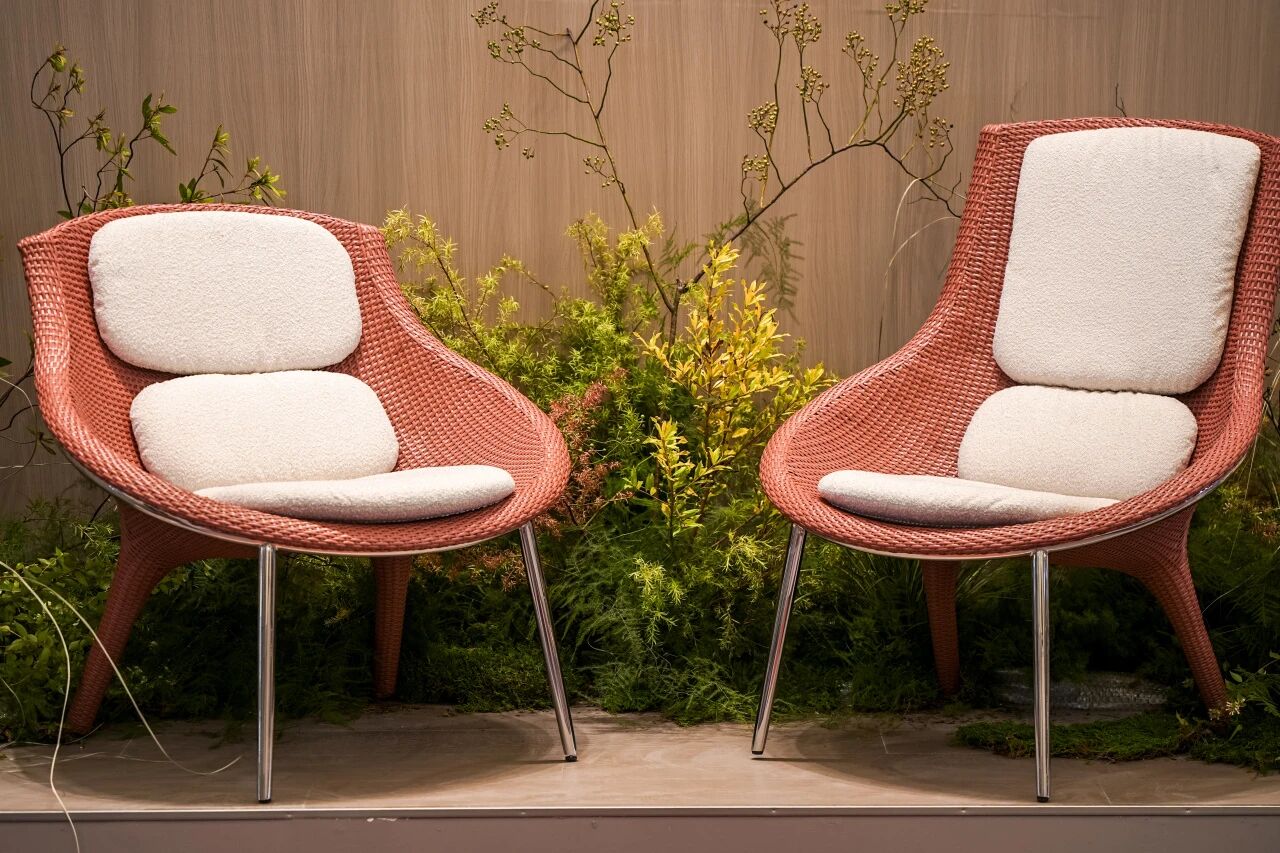
Outdoor furniture brand livintwist unveiled the Loggia lounge chair, designed by Dutch designer and Moooi co-founder Marcel Wanders.
The chair is defined by a backrest formed from elements of varying heights, creating an animated silhouette that changes when viewed from different angles.
Its playful rhythm carries the humour often found in Wanders’ work, while the overall form remains aligned with livintwist’s comparatively minimal design language. The result is an expressive yet controlled piece that introduces character without relying on excessive ornament.
4. ARTSOME
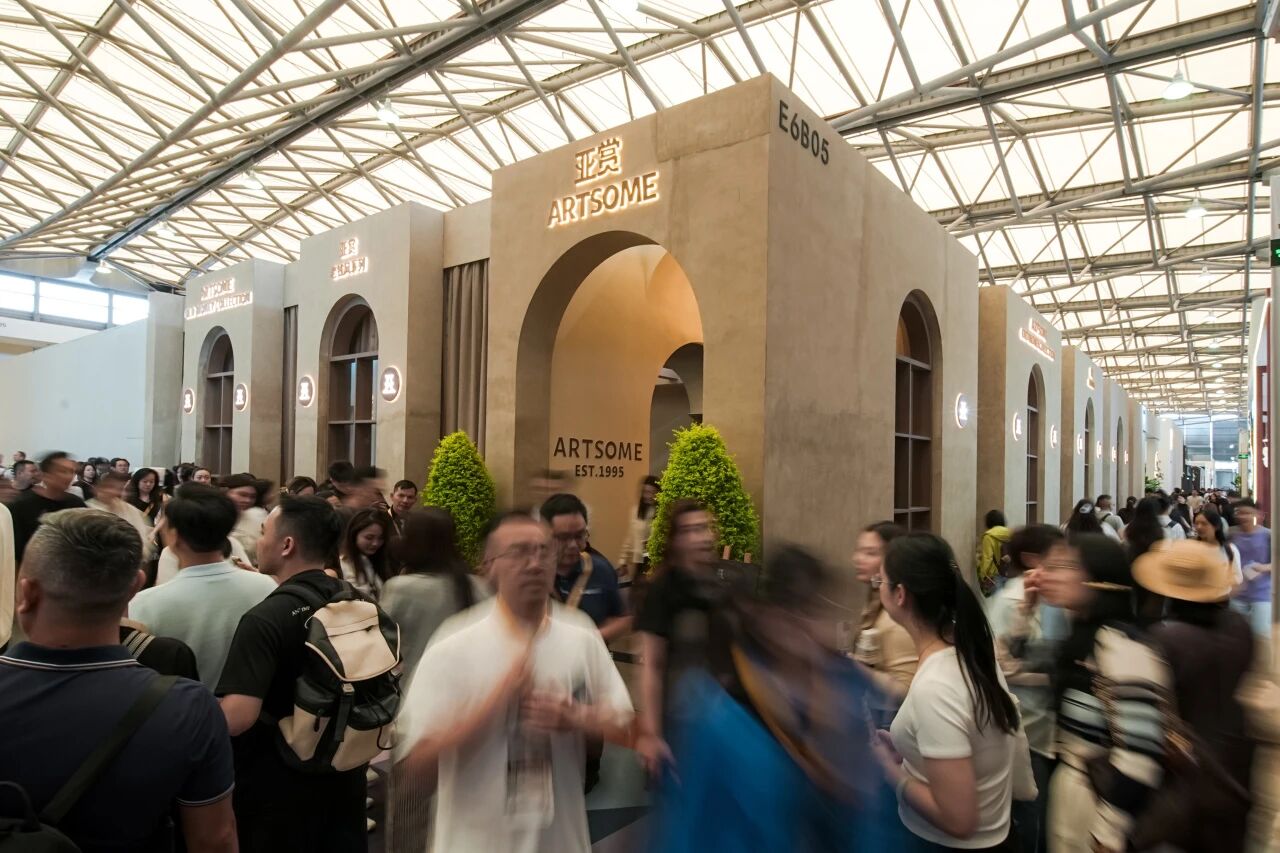
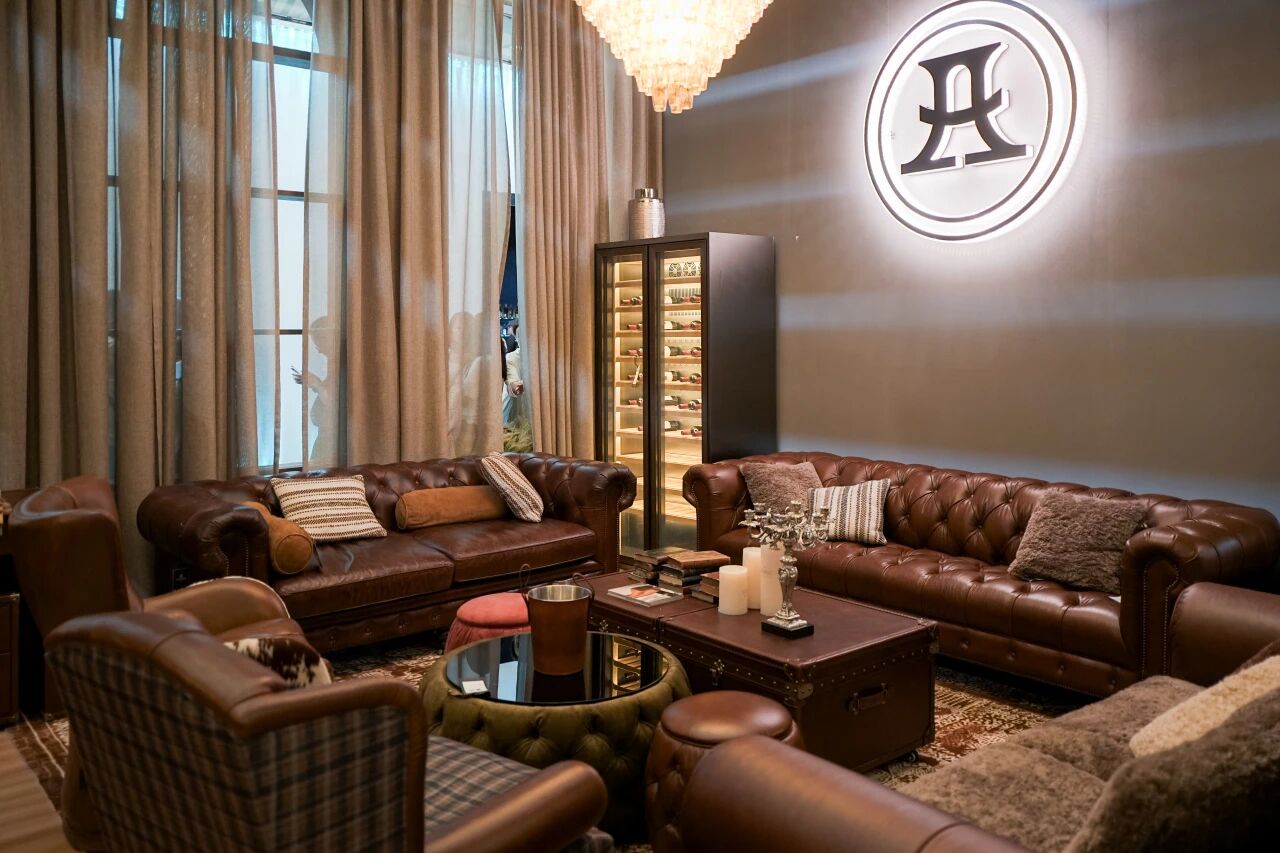
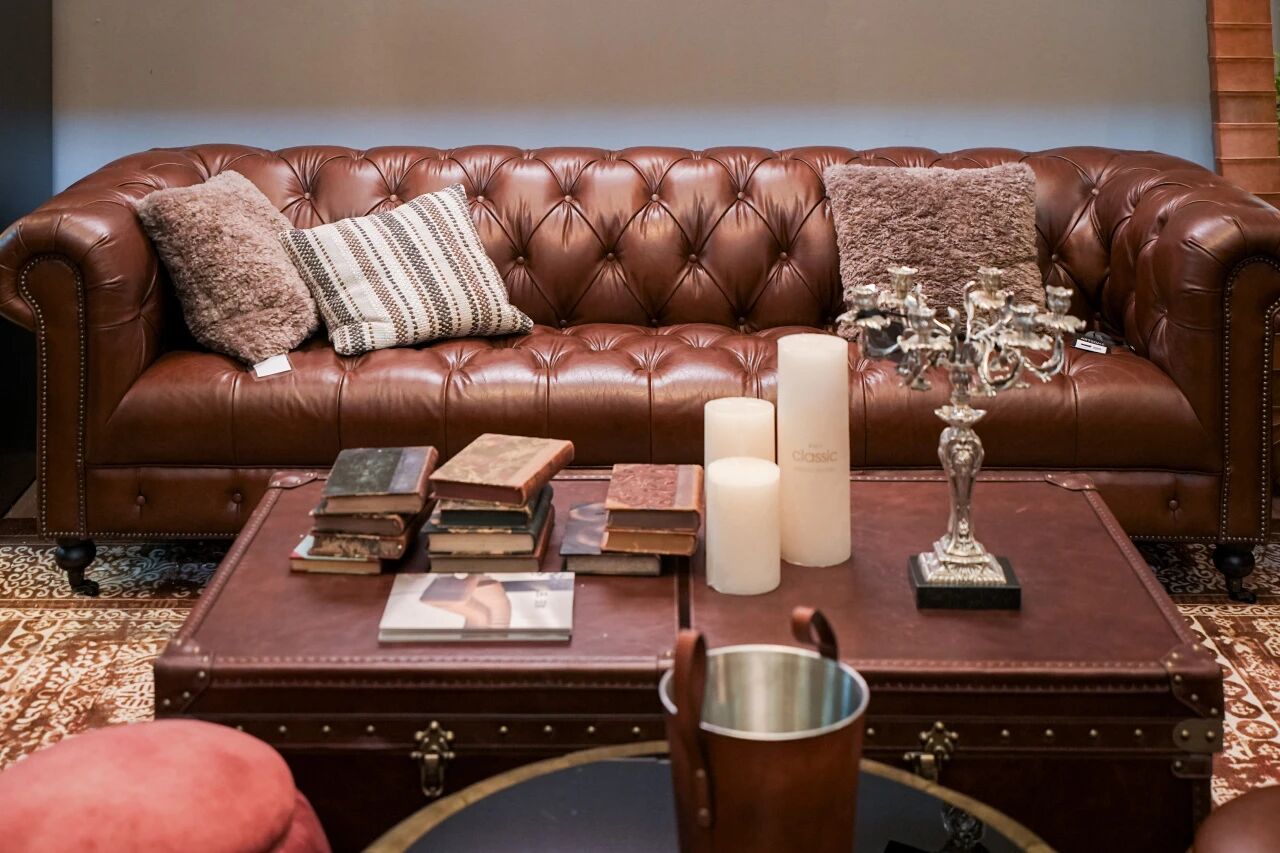
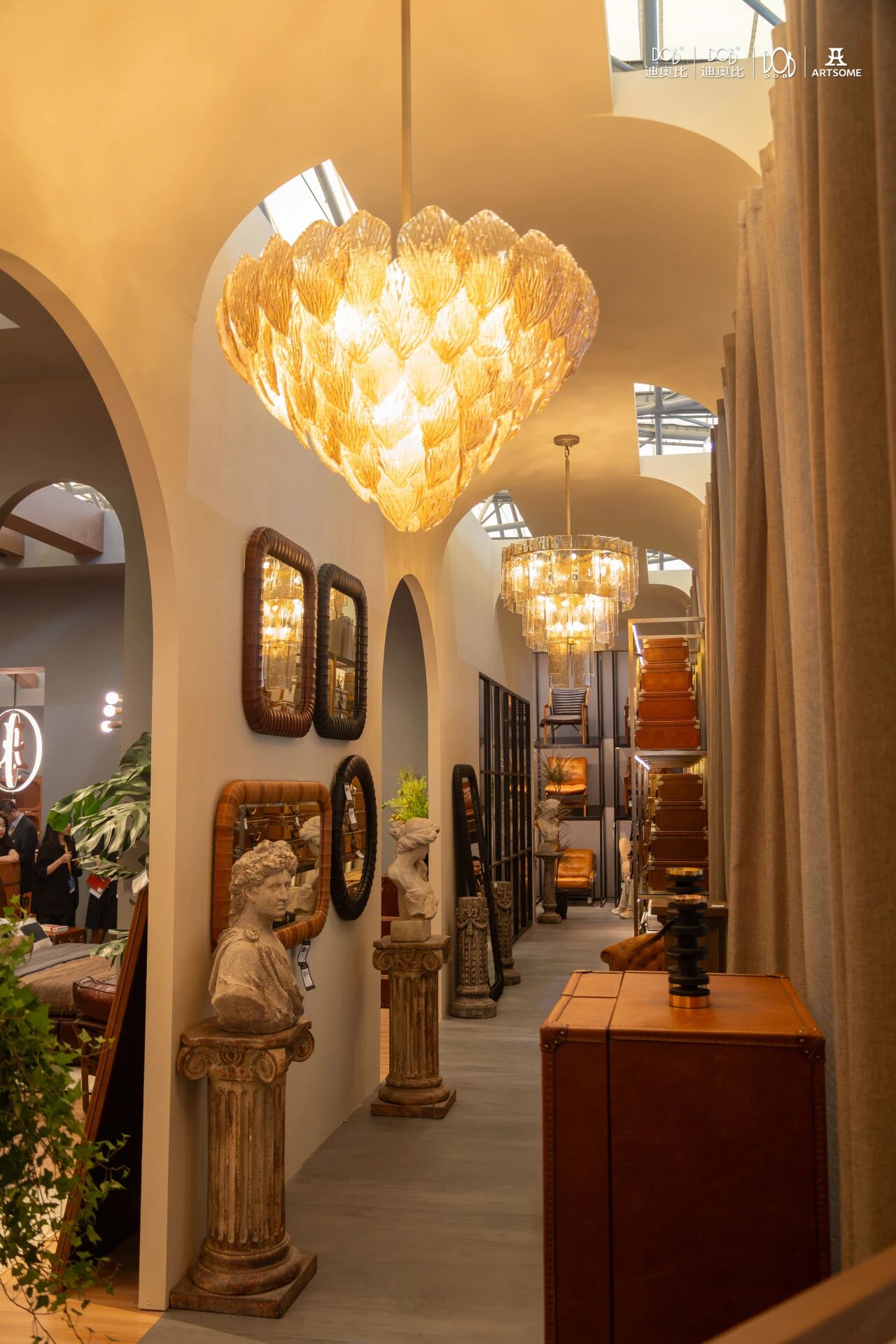
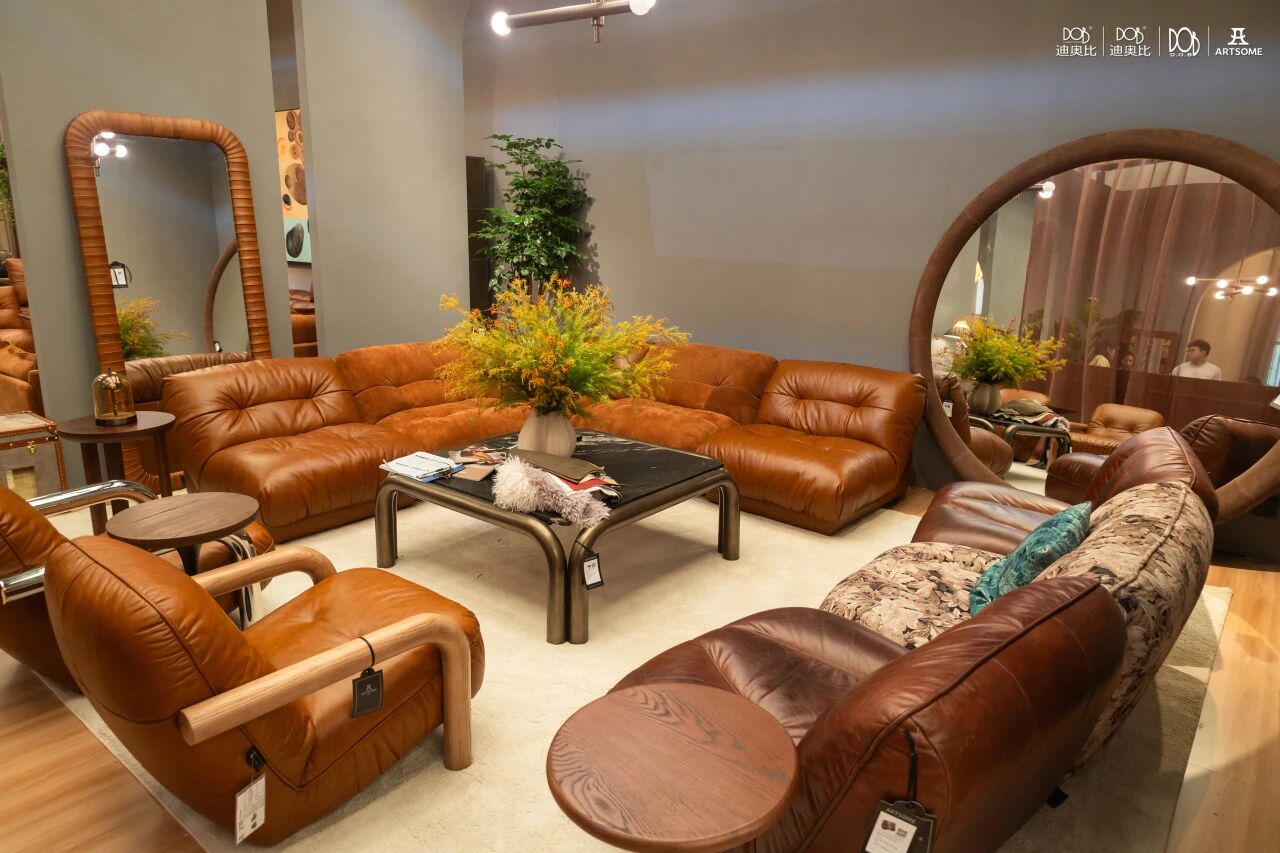
ARTSOME debuted a collection informed by the so-called “old money” aesthetic, presenting the furniture across two distinct environments: relaxed mid-century living and traditional British interiors.
The first setting combined softly aged surfaces with rounded lines and muted colours to evoke interiors shaped gradually over time. The second adopted a more formal vocabulary, drawing on the craftsmanship, darker tones and composed proportions associated with British domestic design.
Paintings, antique-style mirrors and collected objects were layered throughout the stand. This gallery-like arrangement gave each piece a sense of individuality while contributing to a broader atmosphere of inherited, rather than newly manufactured, luxury.
5. Kerry Home
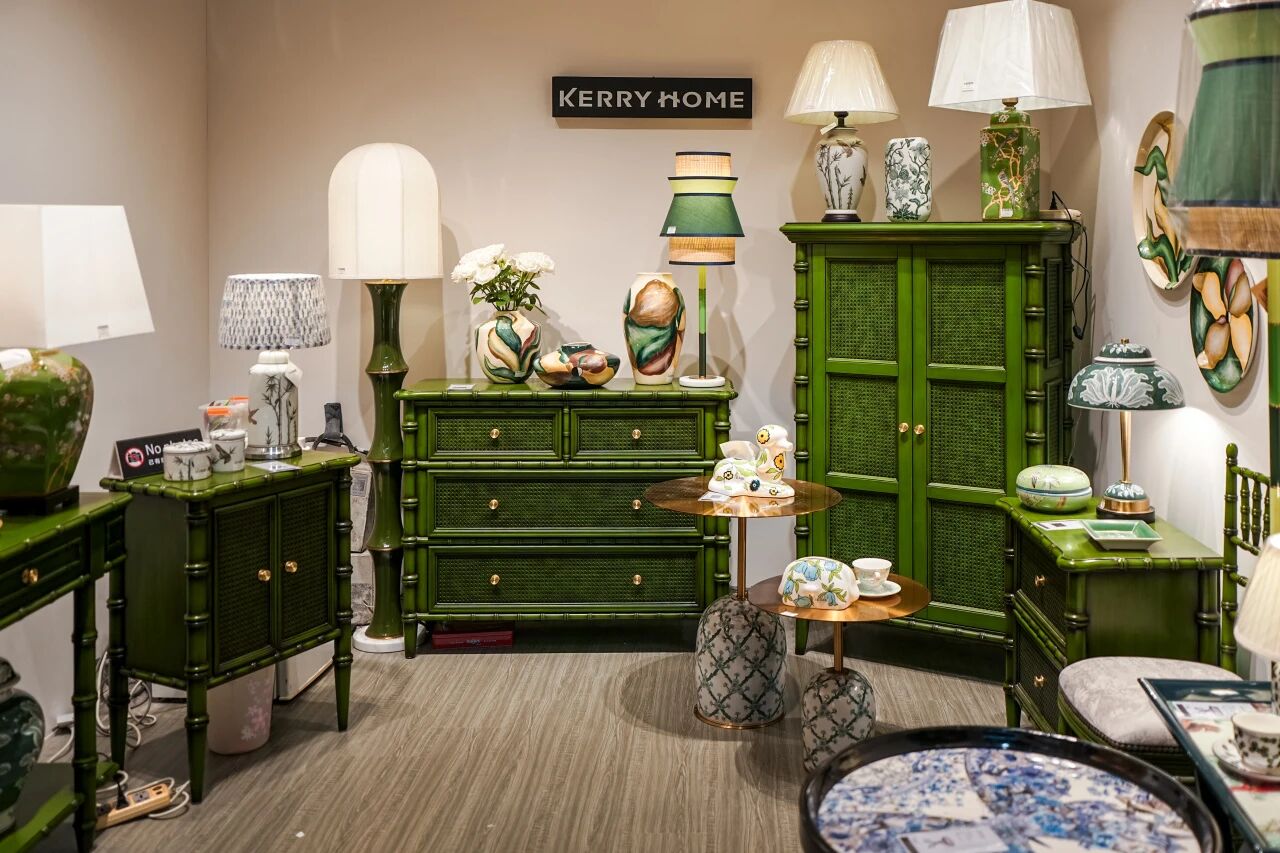
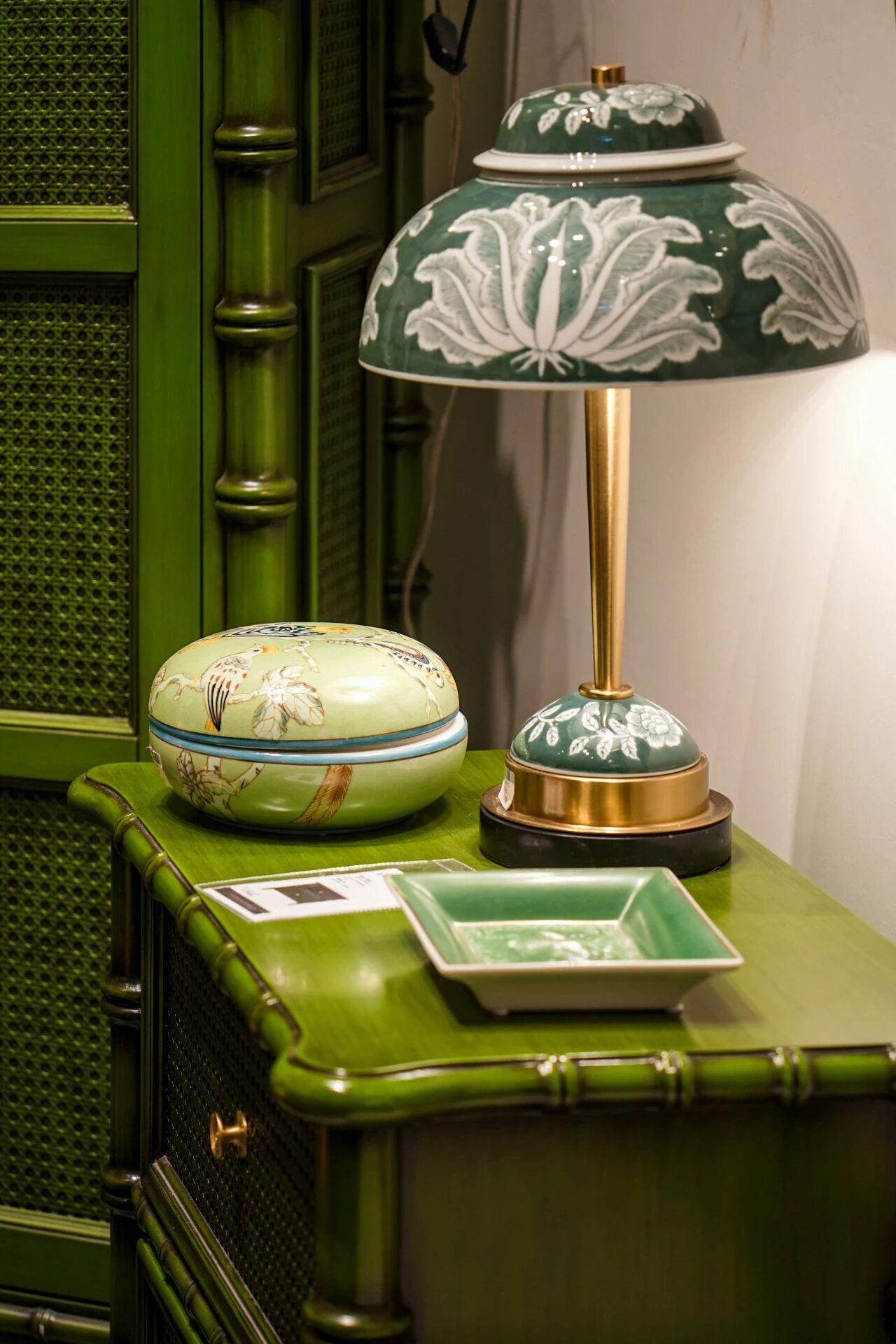
Kerry Home presented a solid-wood furniture collection characterised by deep green finishes, bamboo-like structures and woven rattan surfaces.
The collection references the density and vertical rhythm of a bamboo grove without attempting a literal reproduction. Jointed profiles recall bamboo stems, while traditional cane-weaving techniques introduce a lighter, more tactile counterpoint to the timber forms.
Clean lines allow storage and display functions to sit discreetly within the pieces. Together, the green palette, crafted detailing and gently aged character create interiors that feel decorative yet composed, with a subtle sense of nostalgia.
6. NEST SPACE
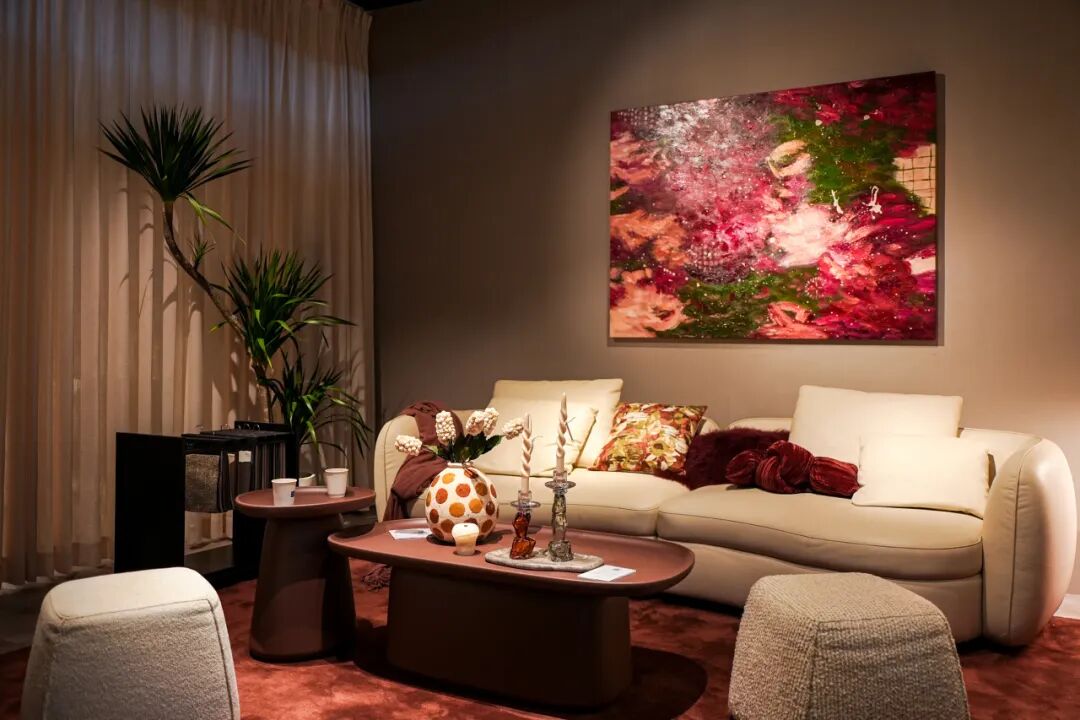
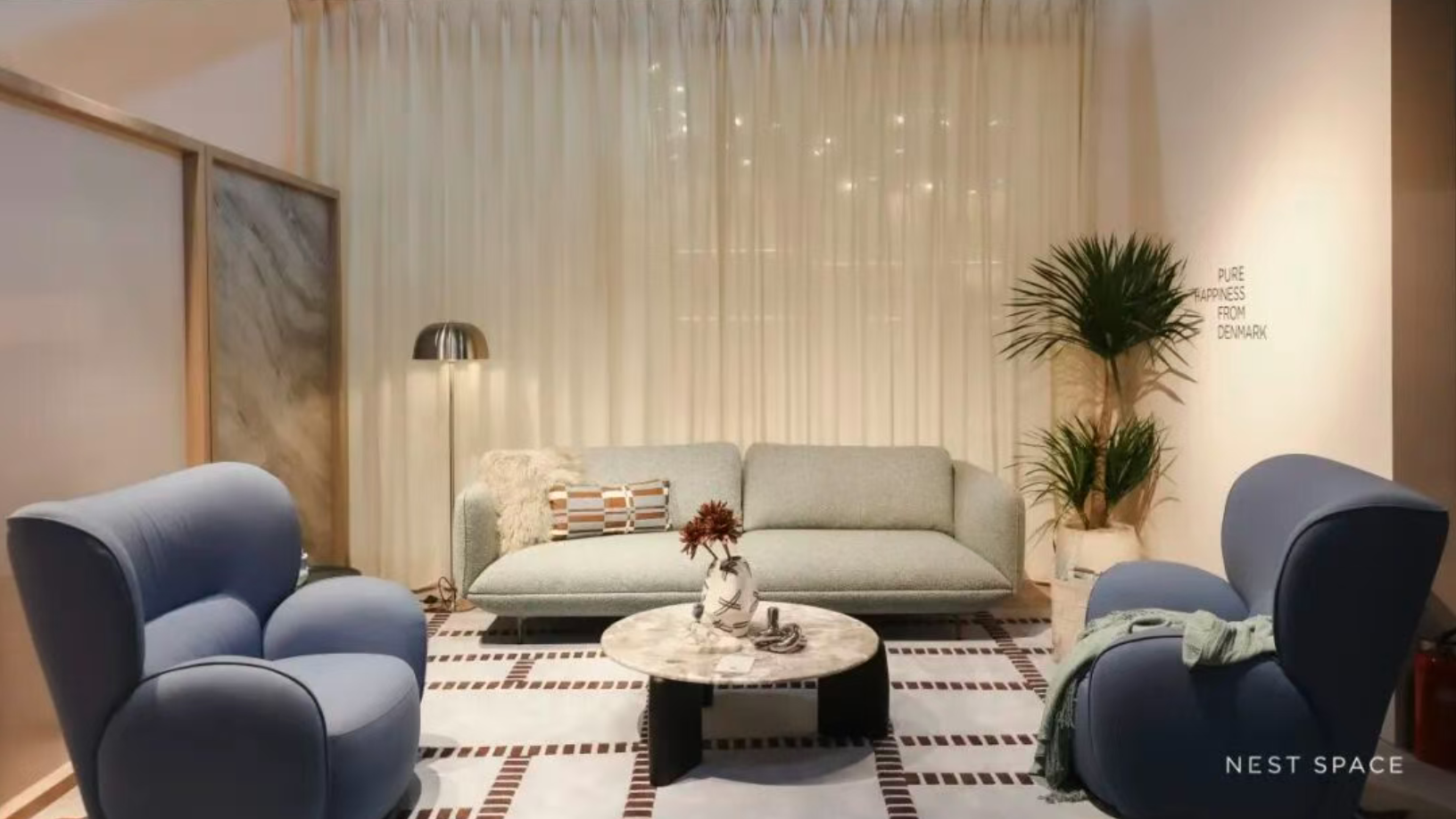
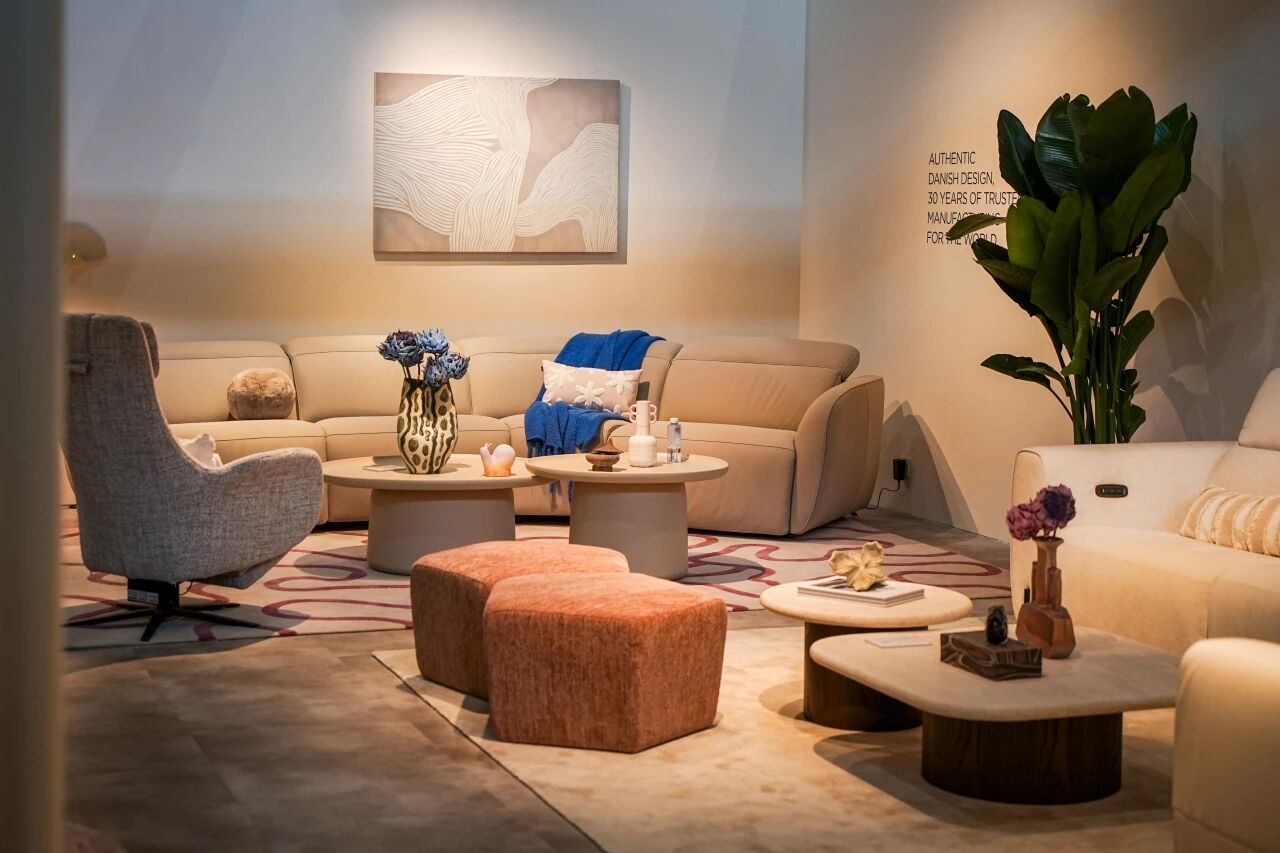
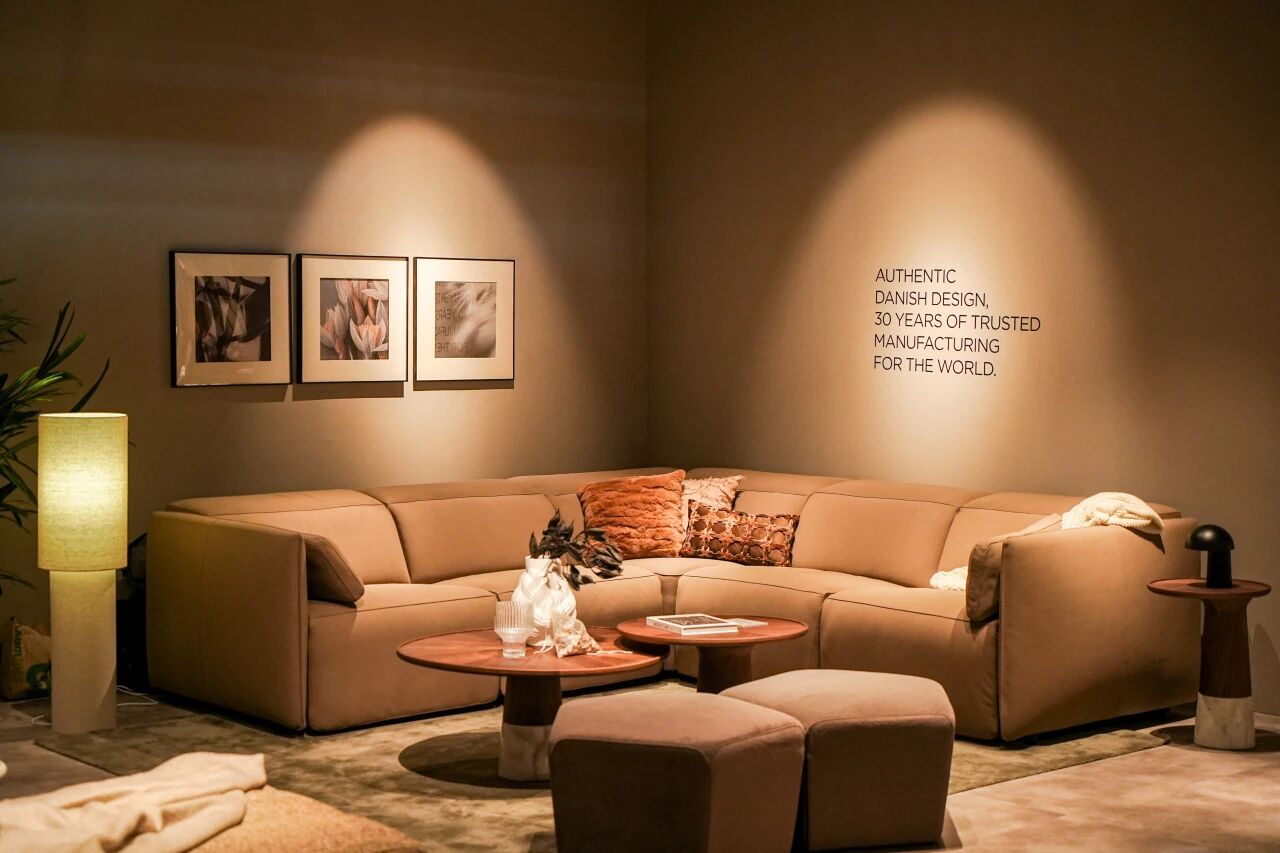
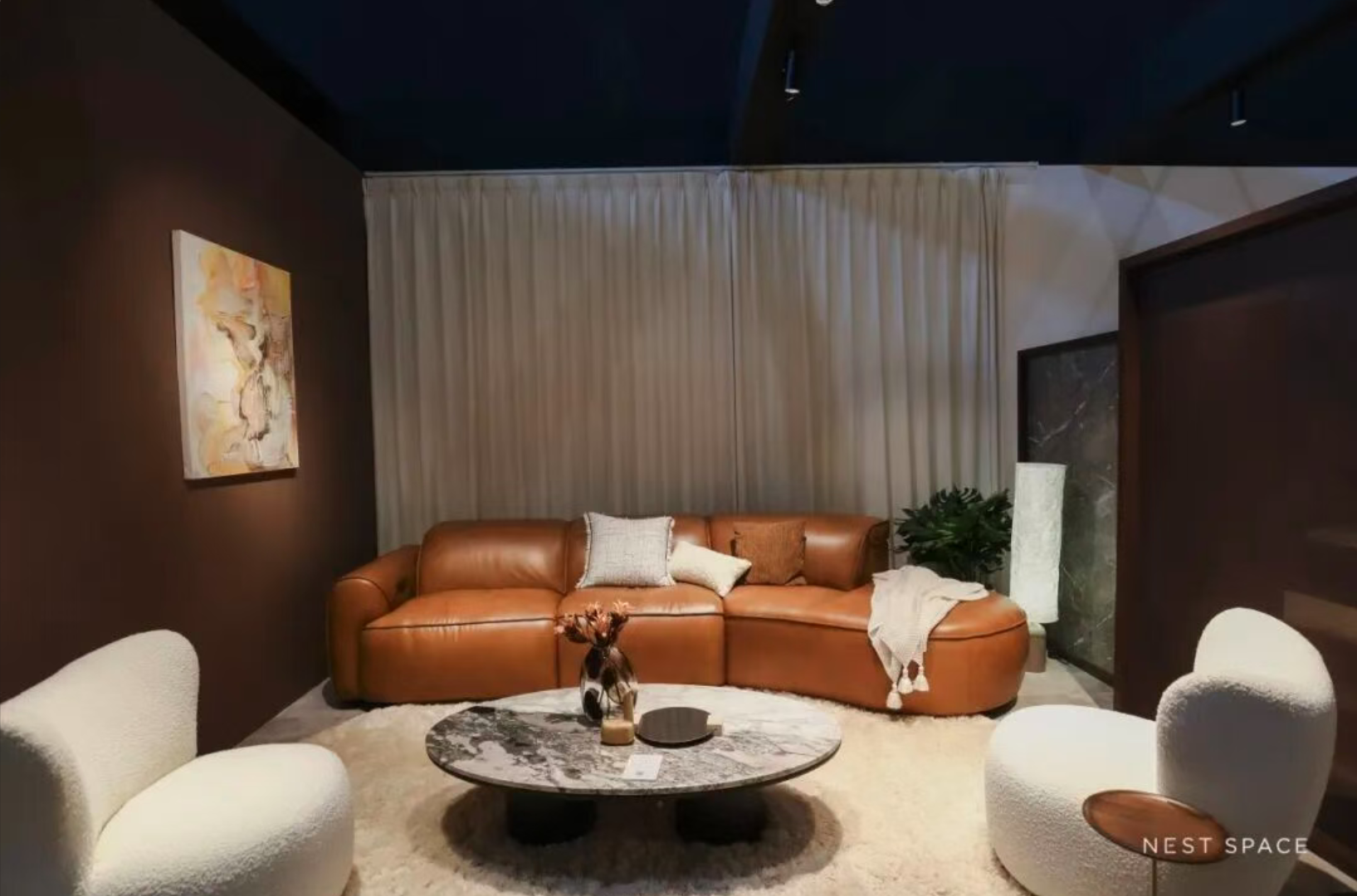
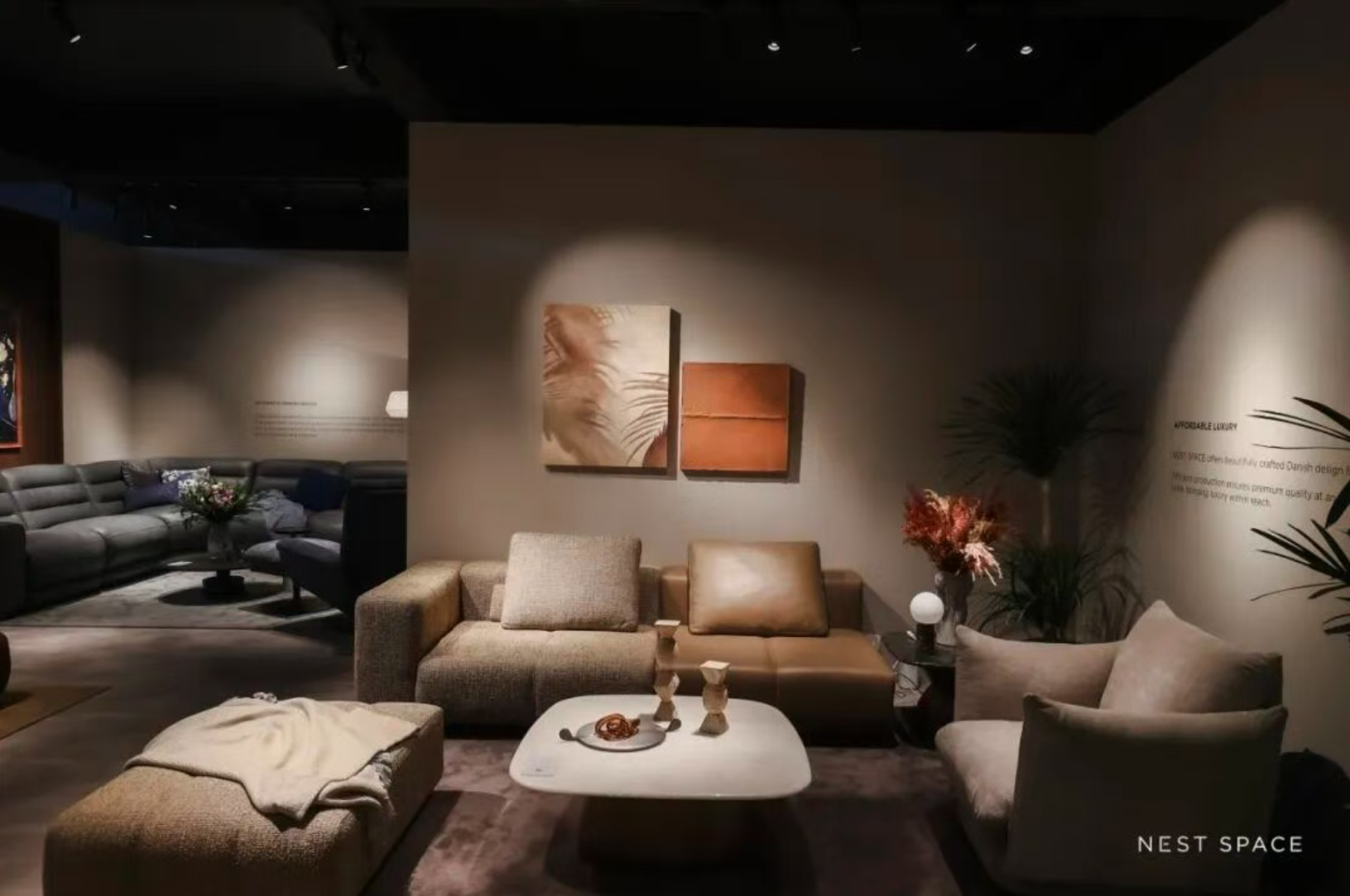
NEST SPACE drew on Danish functionalism to create a domestic setting shaped by natural materials and everyday comfort.
Wool-upholstered sofas, pale timber and softly layered lighting formed a warm, tactile environment influenced by the Danish concept of hygge. Rather than presenting comfort as a purely visual style, the installation focused on how furniture can affect the pace and emotional quality of daily life.
Its restrained palette and approachable forms offered a quieter interpretation of urban living, demonstrating how furniture and styling can provide moments of calm within increasingly dense cities.
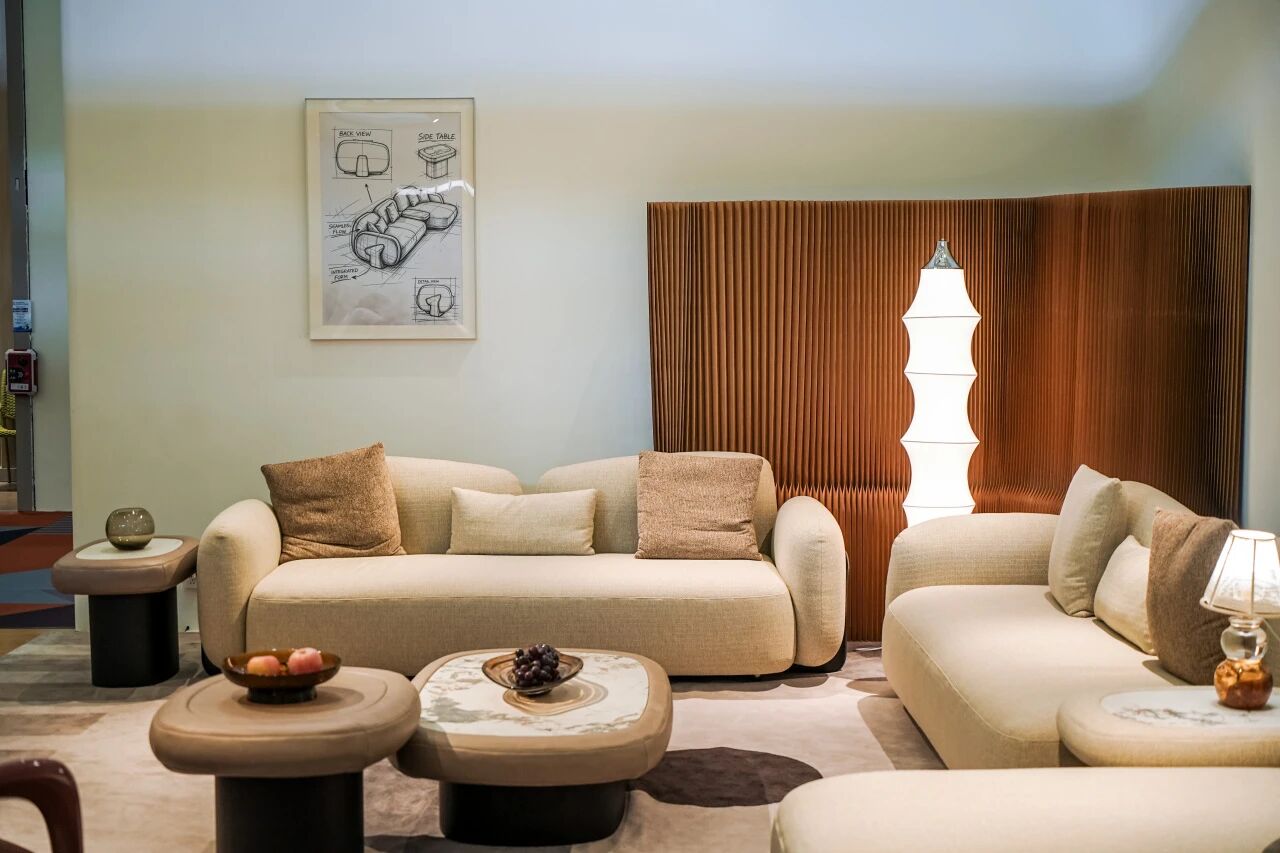
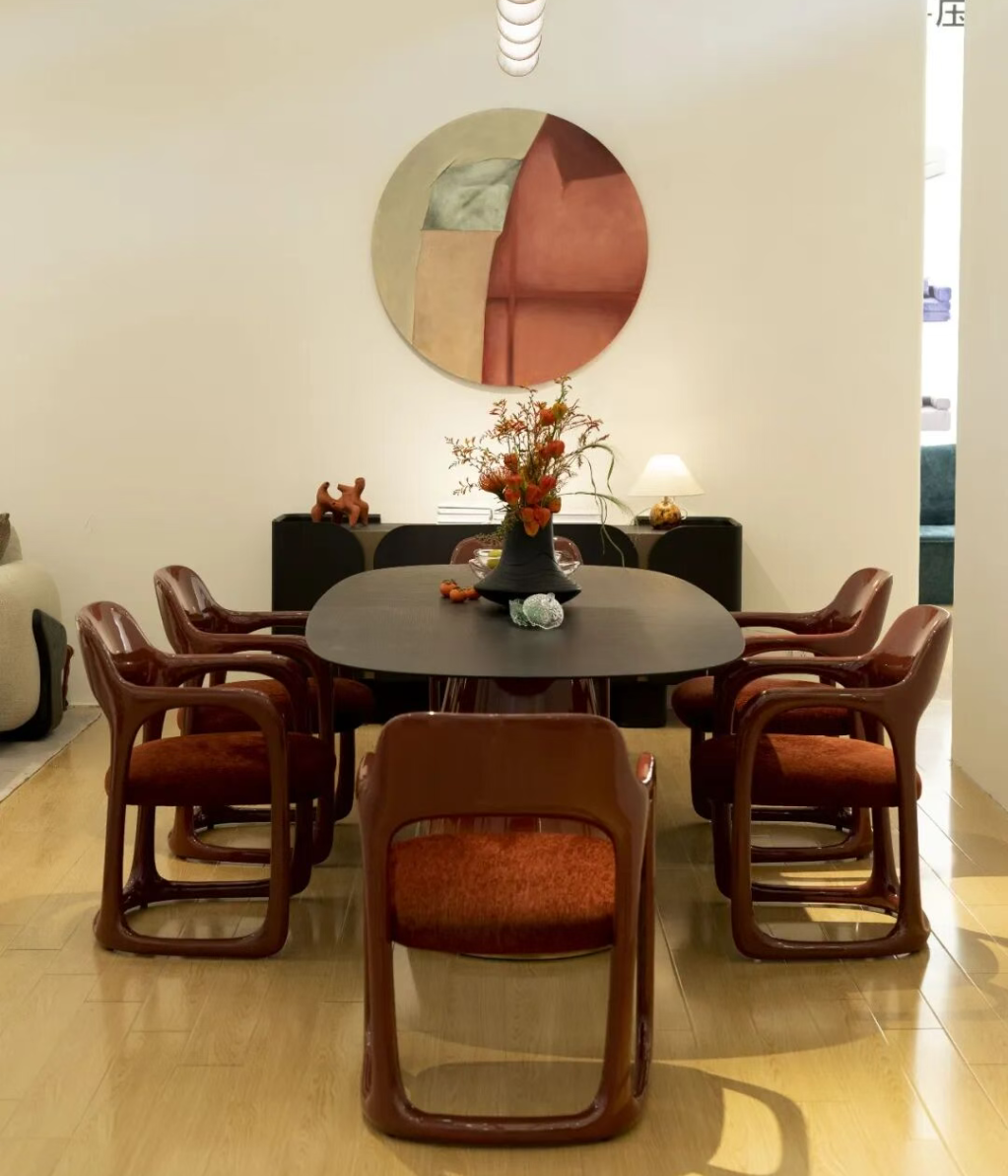
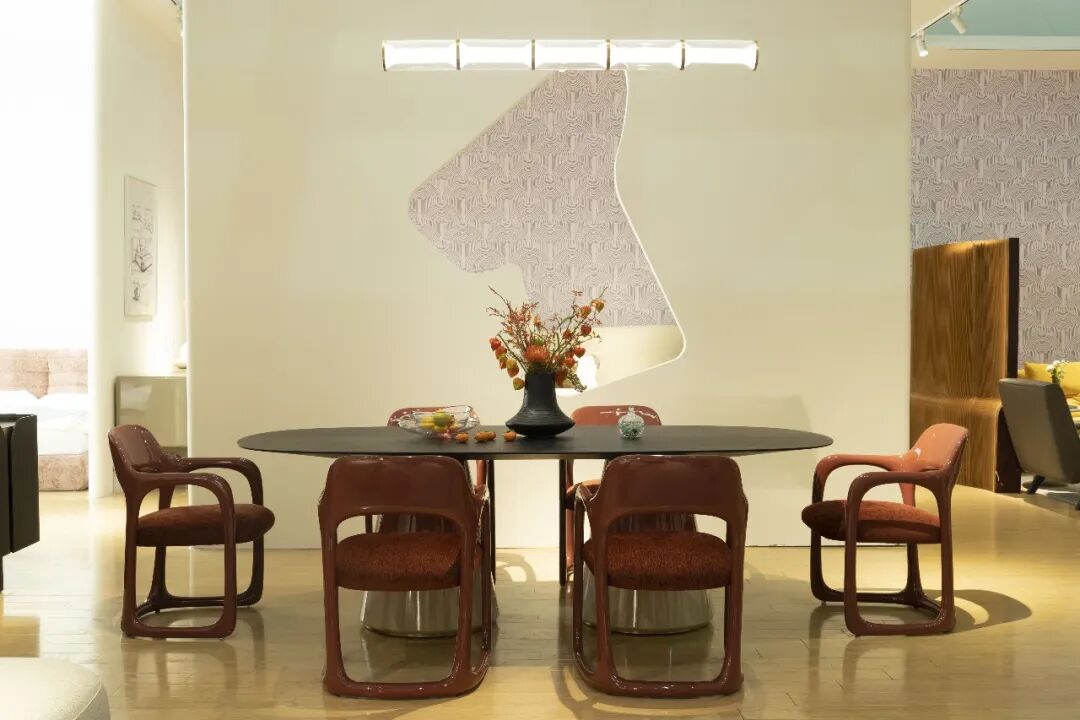
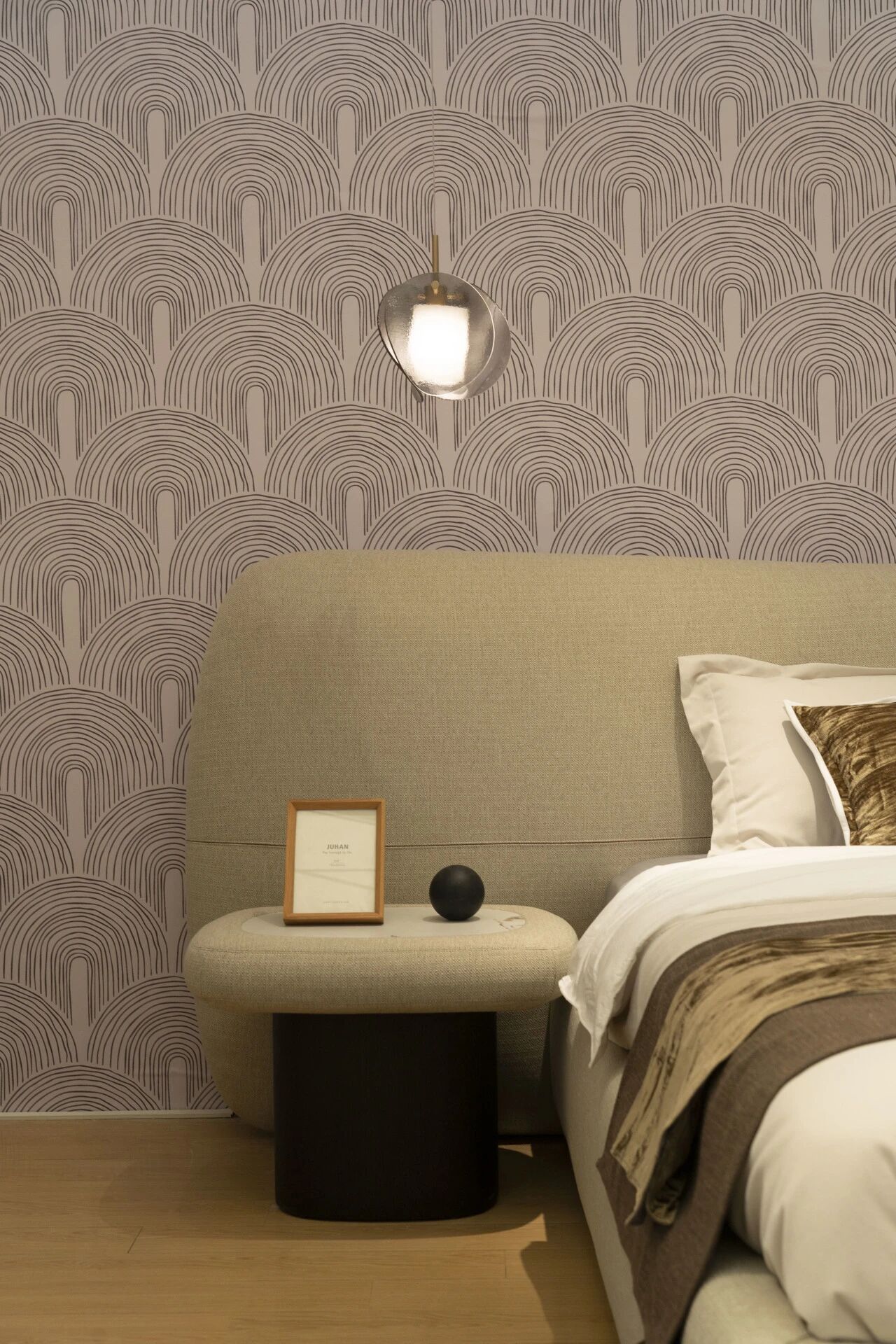
7. DASHCASA GROUP
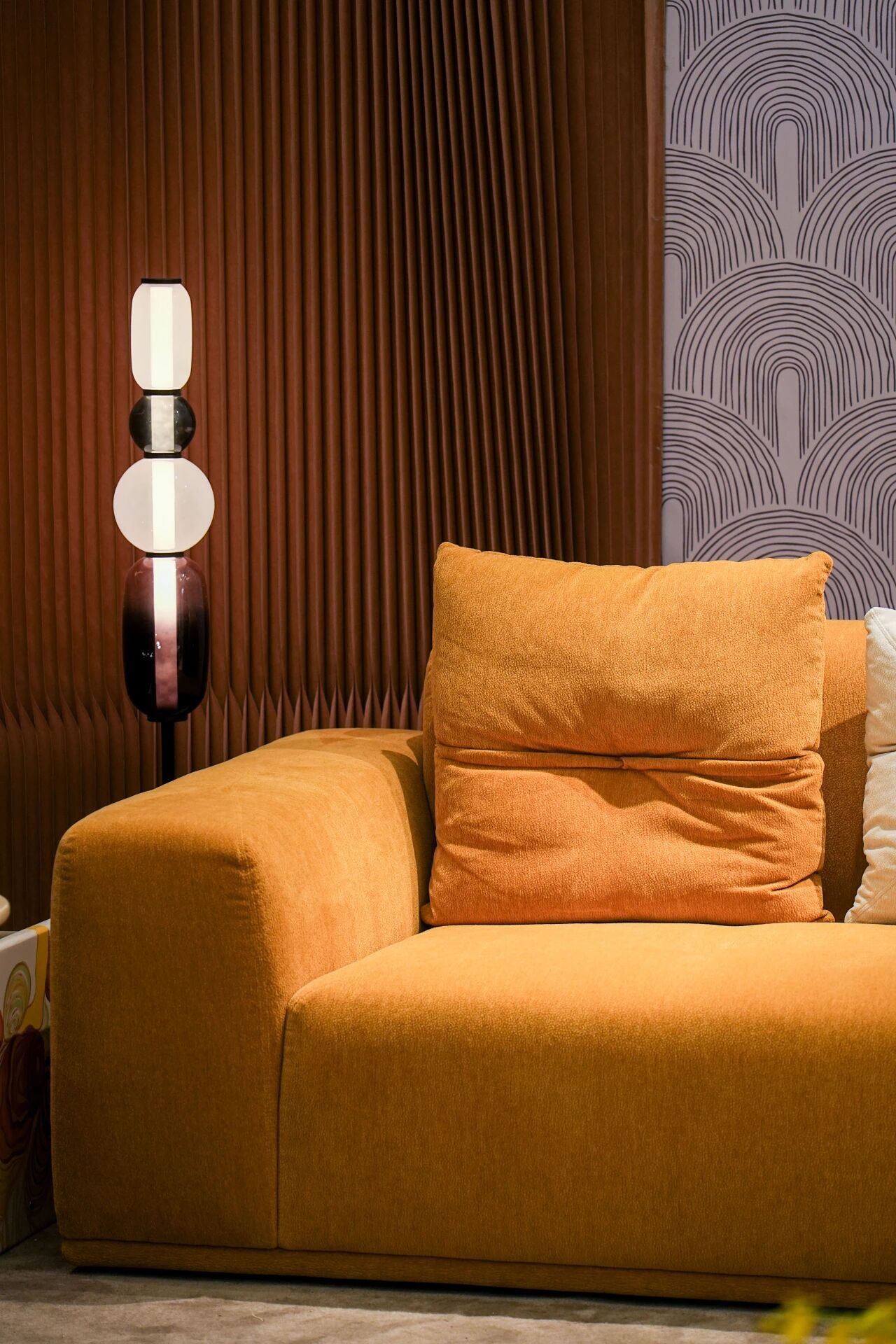
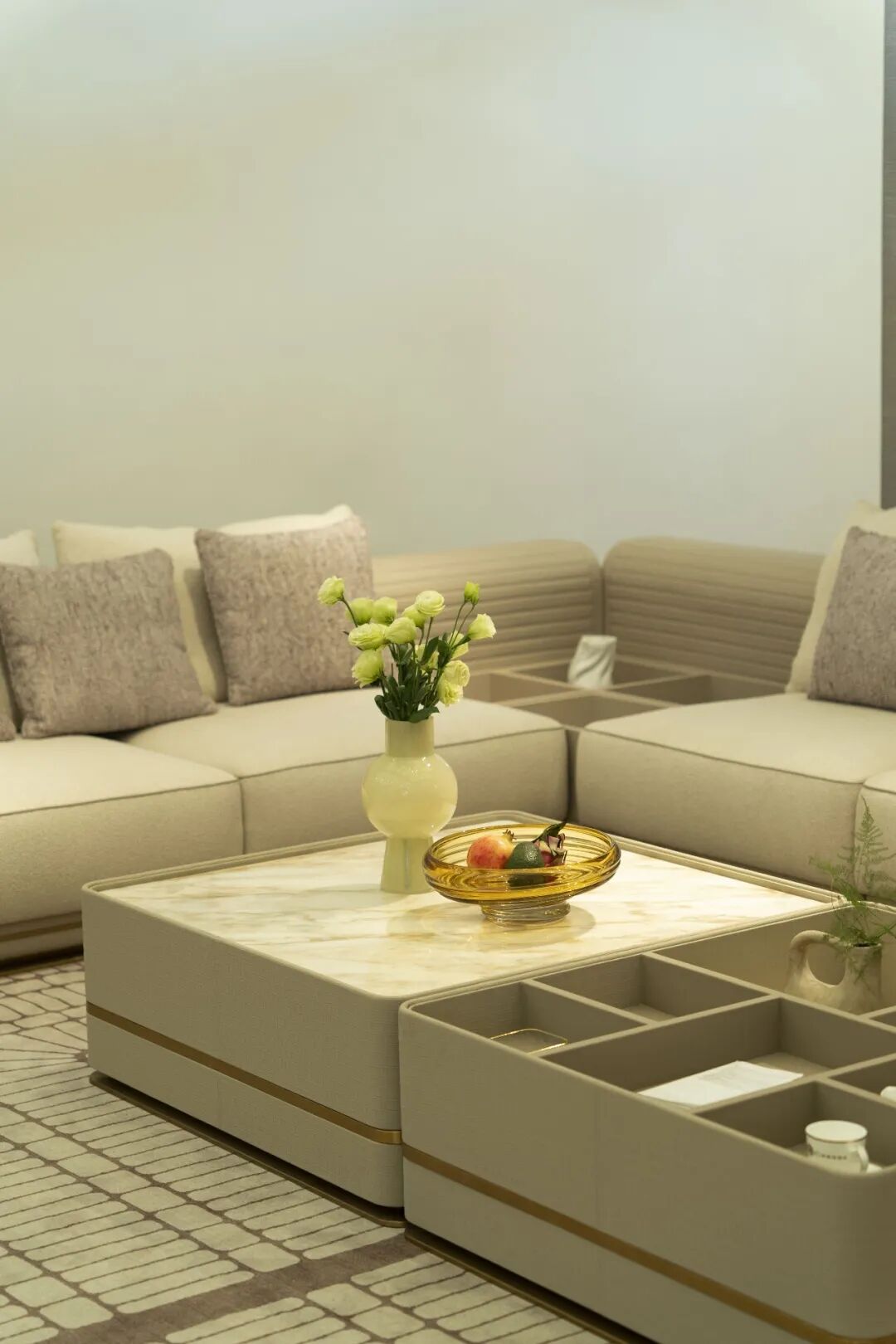
Under the theme Dwelling Afar, Observing the Present, DASHCASA GROUP introduced new collections from its two original brands, SHEMOOD and STEELARTS.
SHEMOOD approaches contemporary luxury through an architectural lens. Its furniture is defined by measured proportions, substantial forms and a subdued material palette intended to convey quiet opulence.
STEELARTS adopts a lighter and more informal position. Decorative elements are reduced in favour of line, proportion and practical adaptability, reflecting the preference of many contemporary households for more flexible and relaxed interiors.
Among the launches was the Centripetal Convergence sofa, whose quilted upholstery creates a repeating geometric rhythm. The DESCEND table takes its form from the image of a spacecraft arriving through a beam of light, while the Stone Rhythm · Nature Habitat bed uses pebble-like curves to soften its silhouette.
The modular SEQUENCE collection references the ordered repetition of classical colonnades. Here, architectural symmetry is translated into furniture that brings visual stability and a sense of ease to the home.
8. BOKING
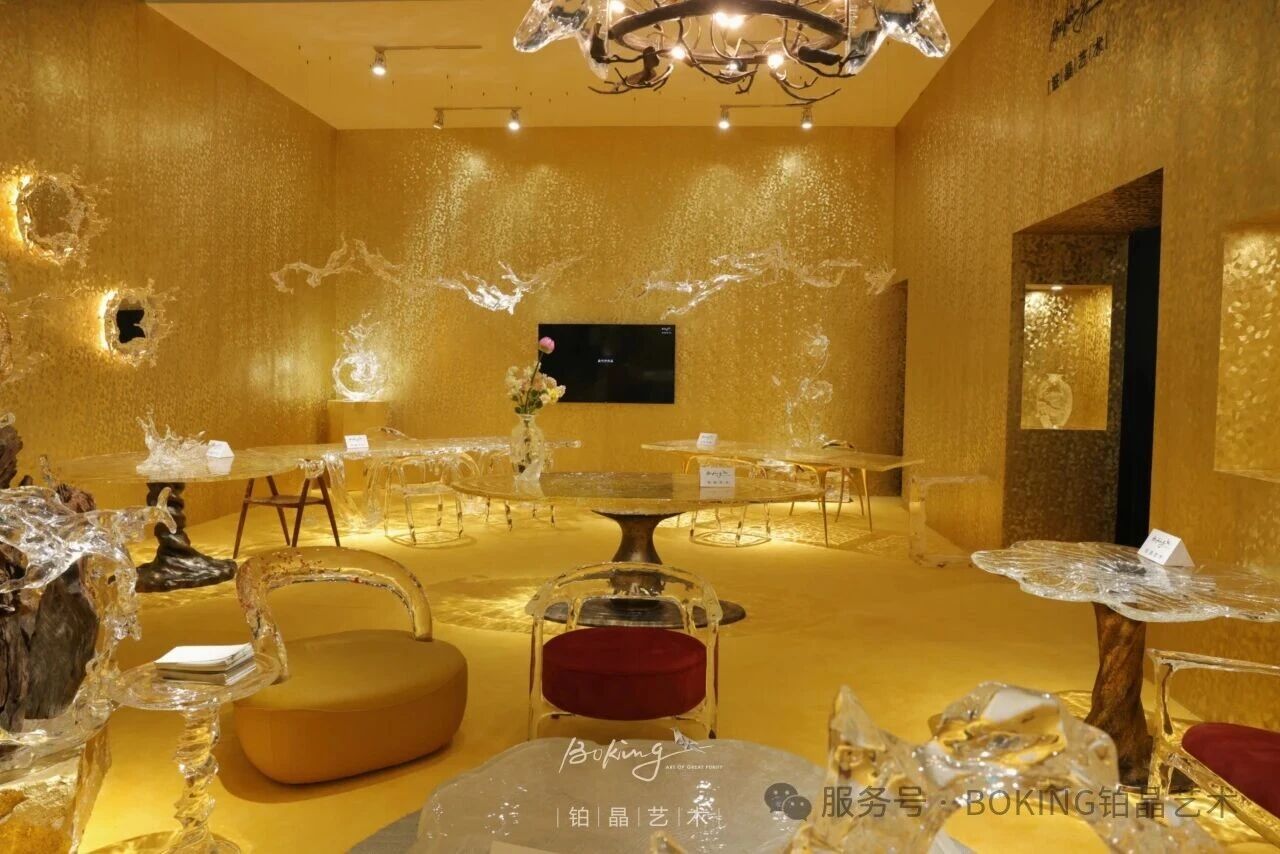
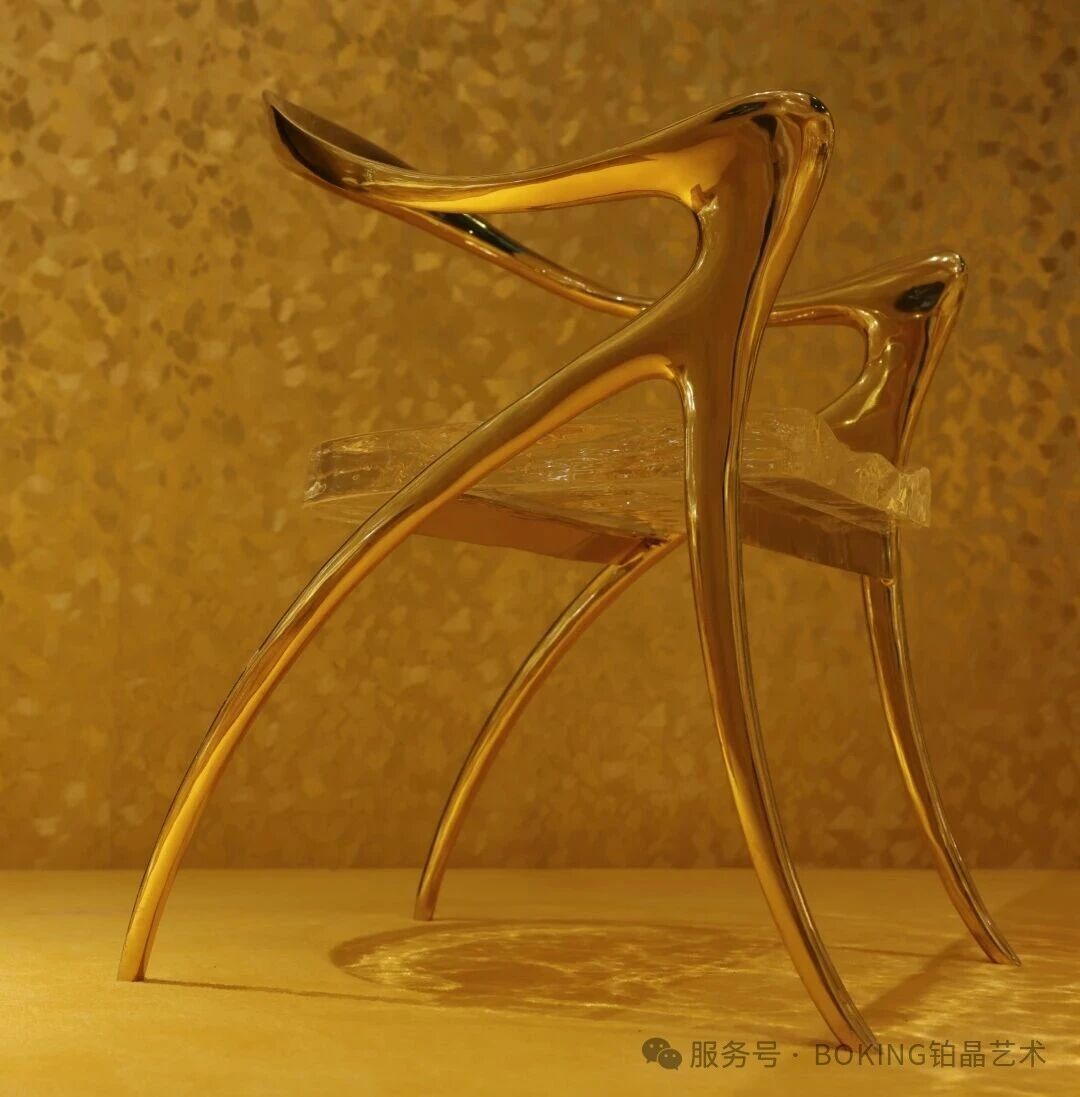
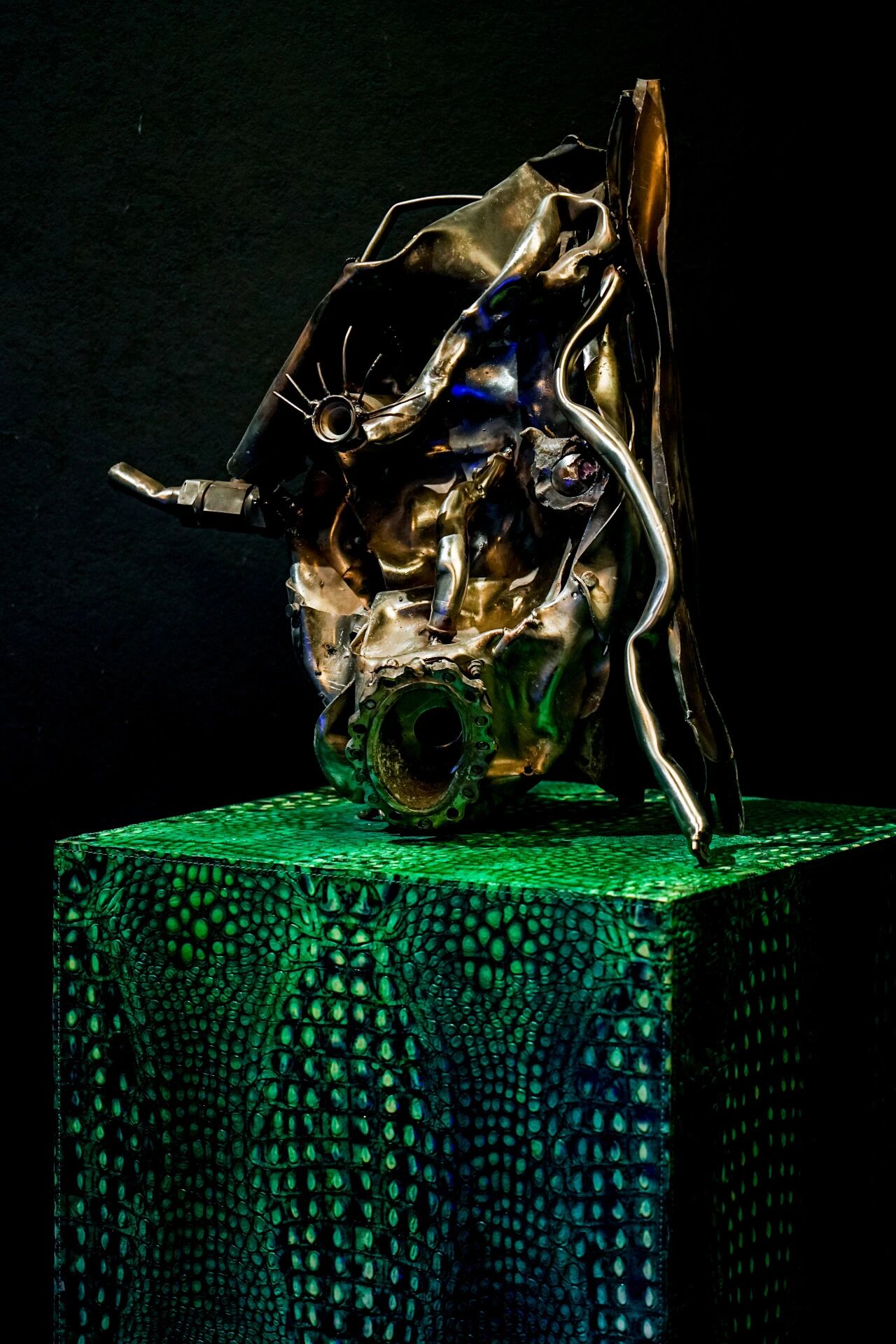
BOKING presented Gilded Illusions, a collection that positions crystal as both a furniture material and an artistic medium.
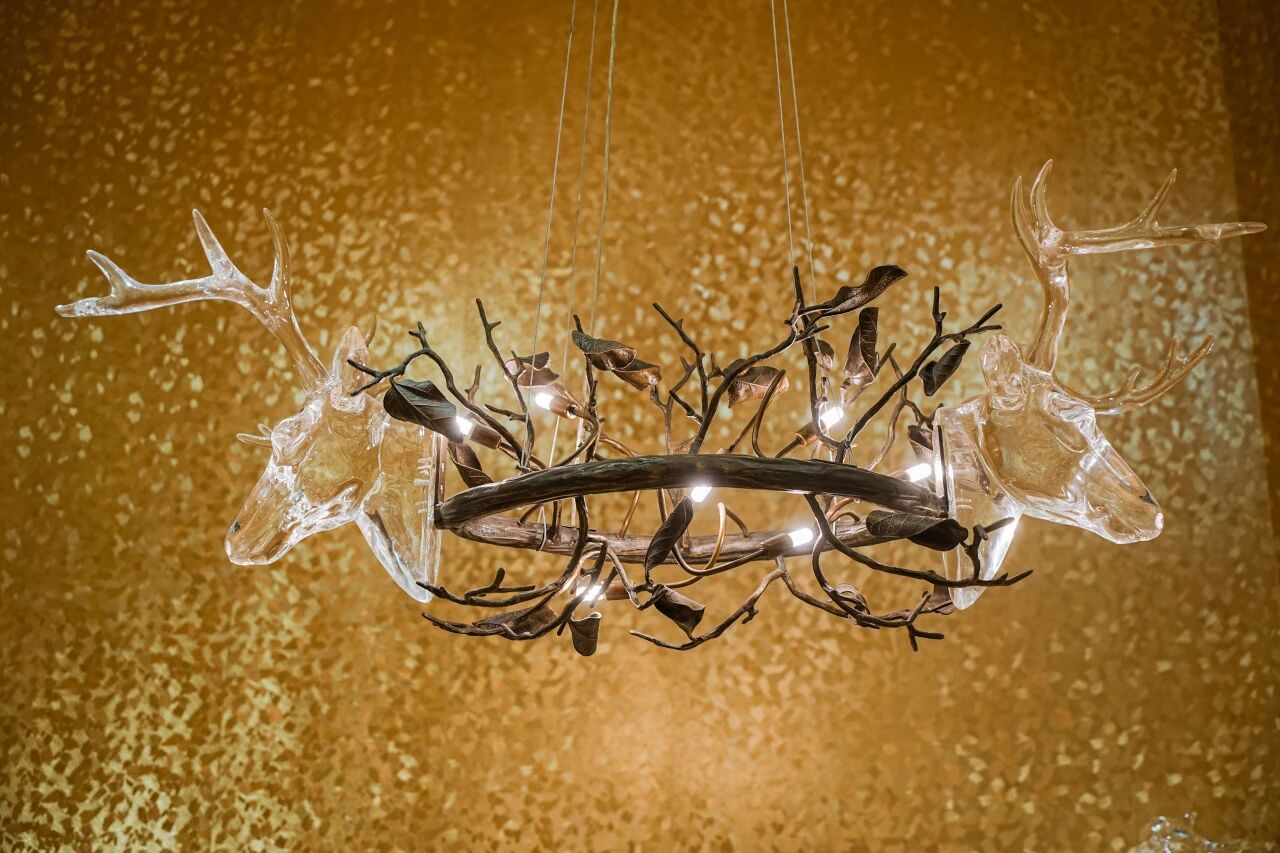
One of the installation’s focal points was a crystal deer head entwined with naturally weathered branches. Light passing through the transparent elements cast fragmented reflections across the surrounding surfaces, turning the object into an illuminated spatial composition.
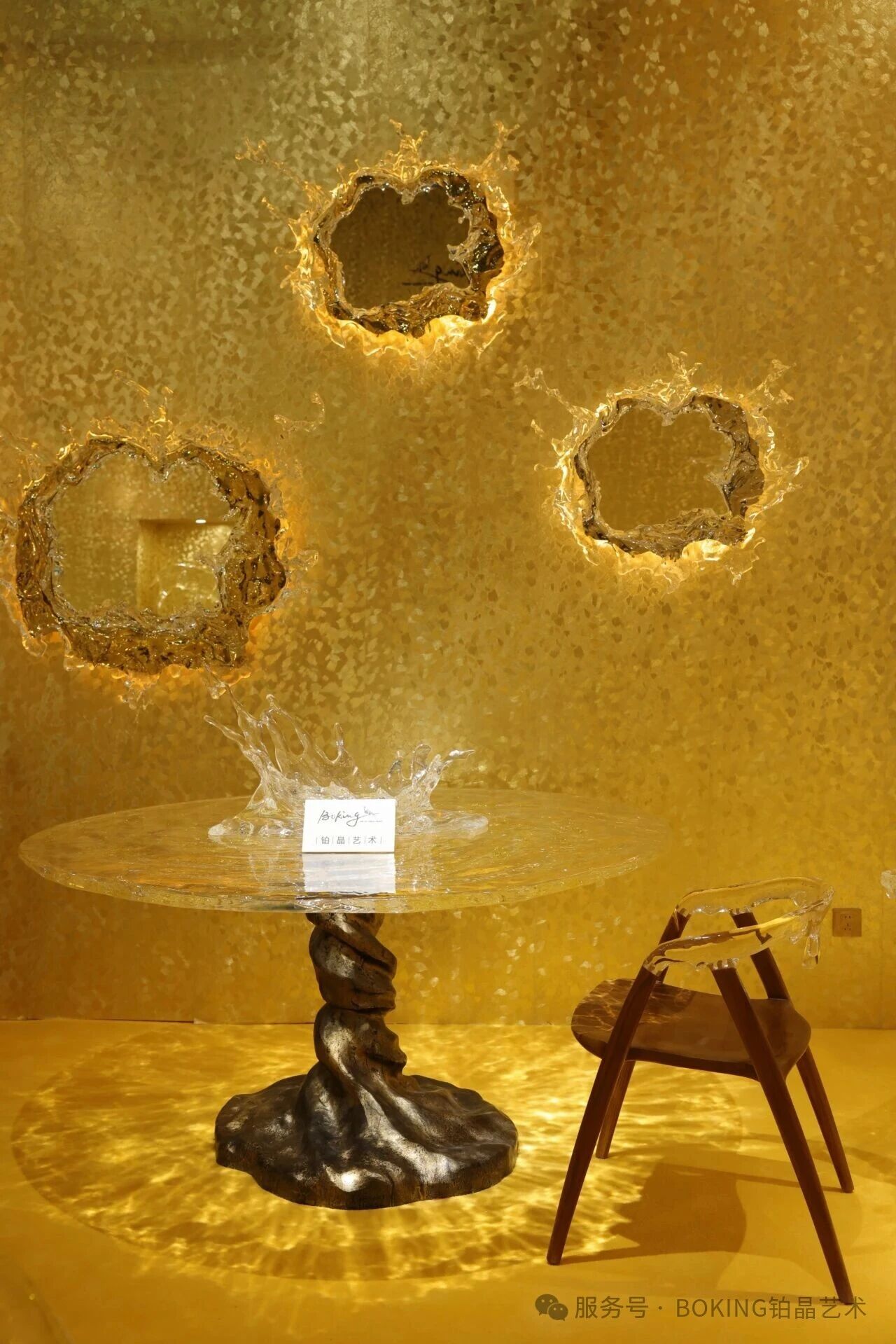
Elsewhere, a tabletop appeared to hold concentric ripples within a clear crystalline surface, as though a moment of movement had been suspended in solid form.
Tables and chairs combining gold-toned structures with transparent crystal pushed the pieces beyond conventional furniture typologies. Their value lies as much in their visual presence as in their practical use, allowing them to operate as memorable installations within an interior.
9. BASHA HOME
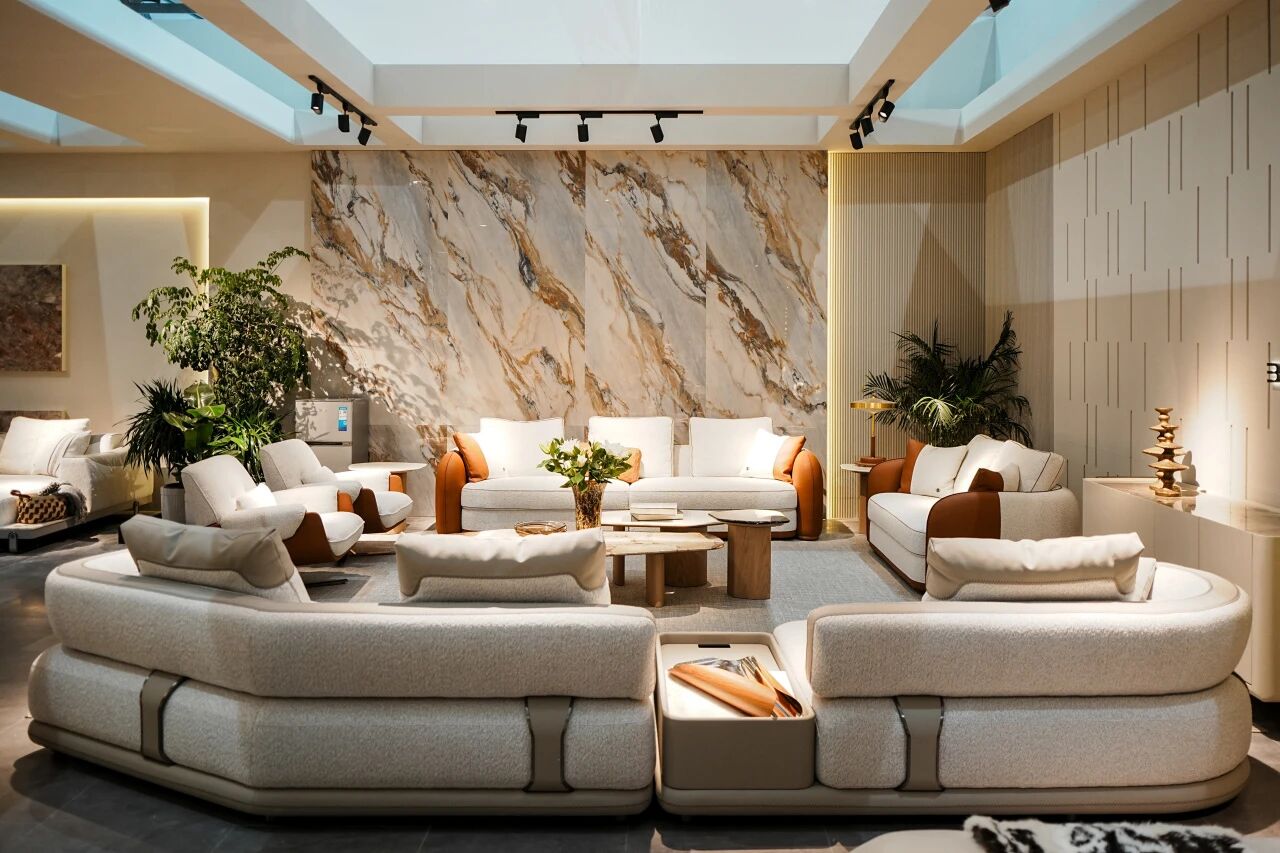
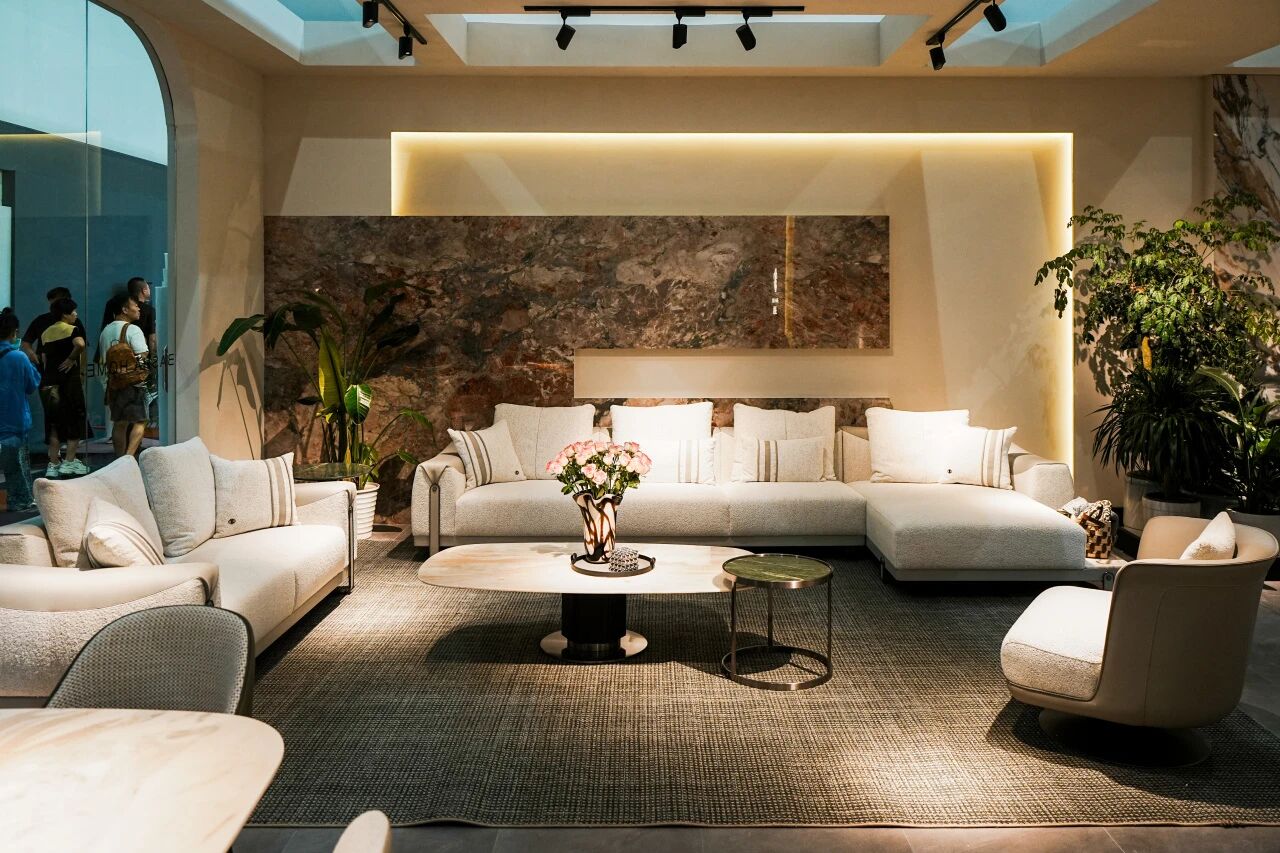
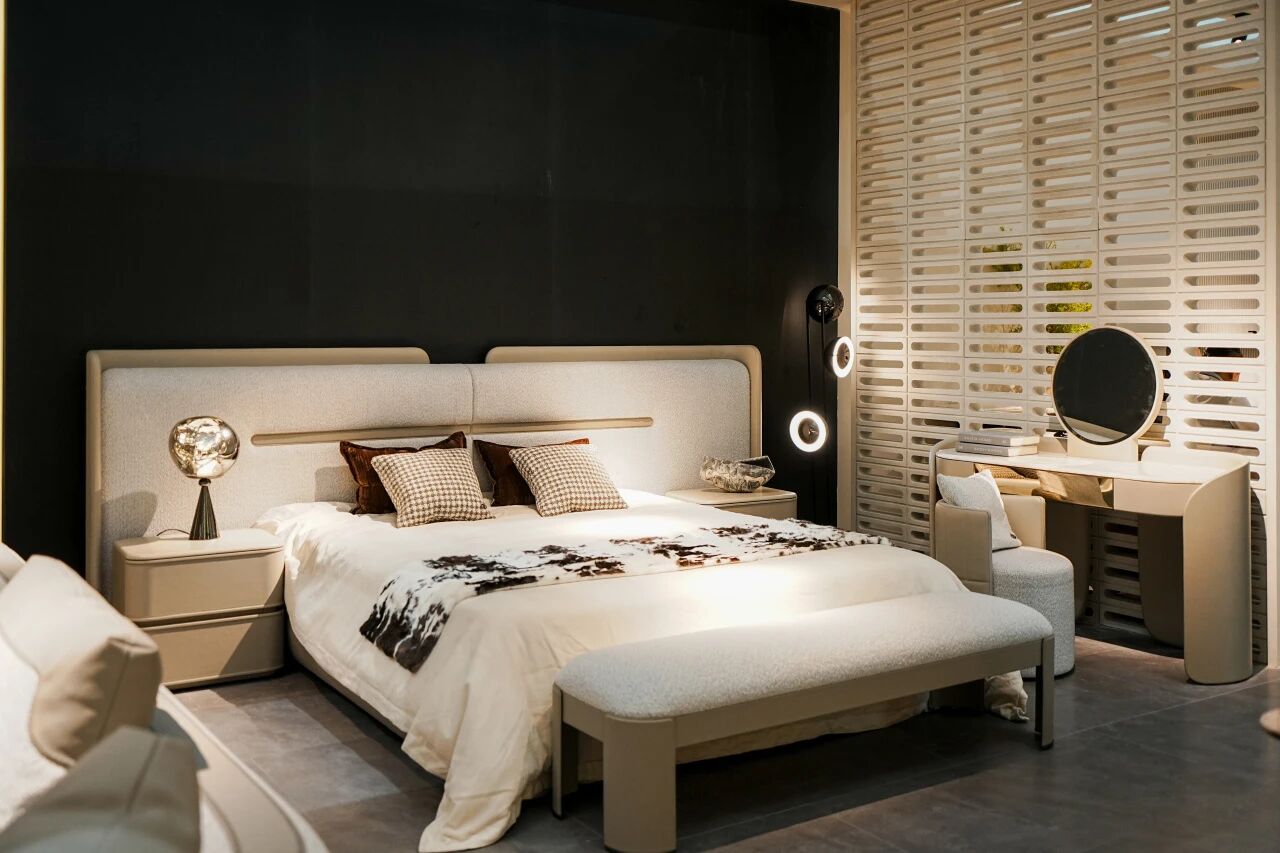
BASHA HOME presented its latest collection under the theme Luxury Journey, drawing on global travel, natural landscapes and contemporary ways of living.
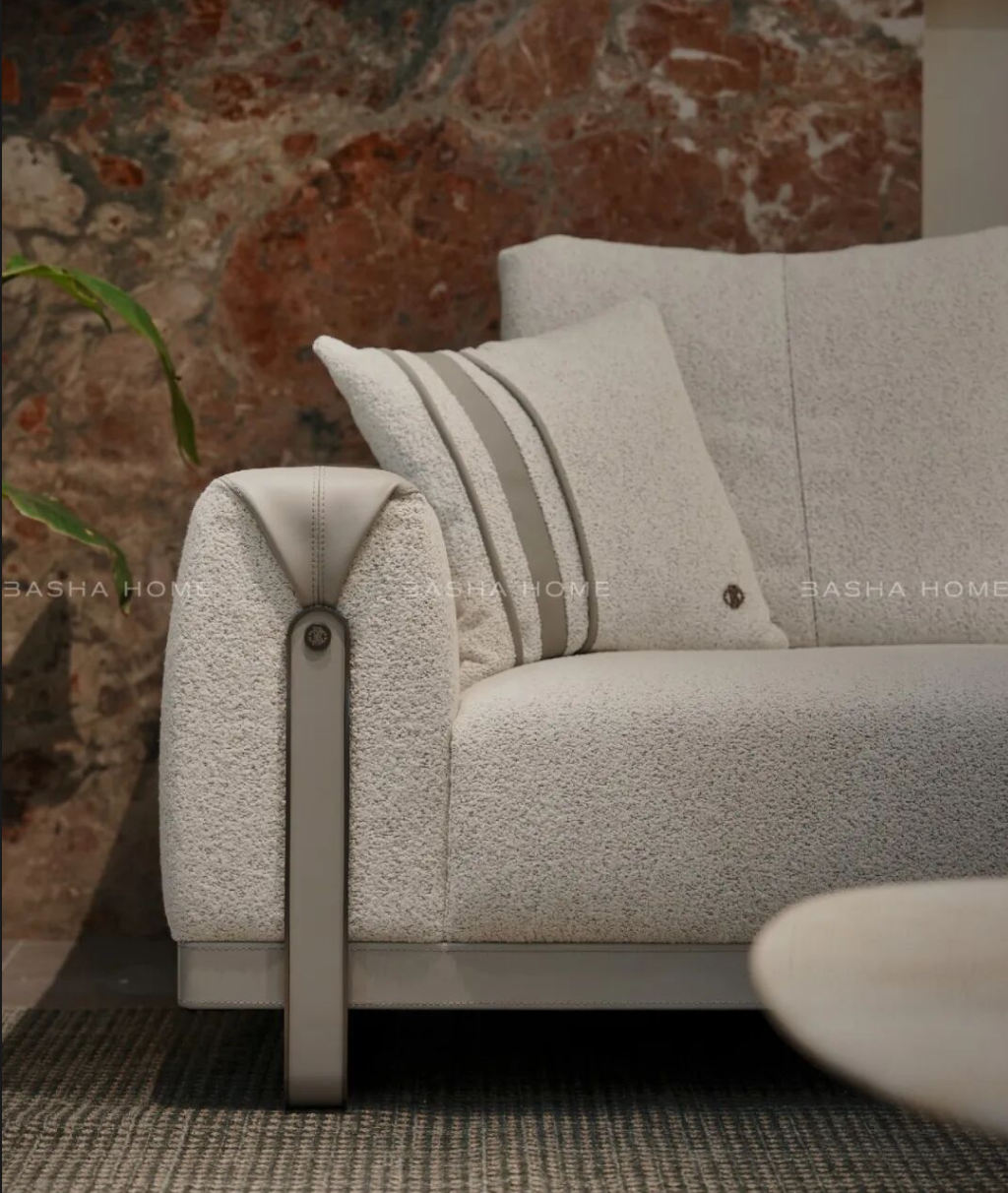
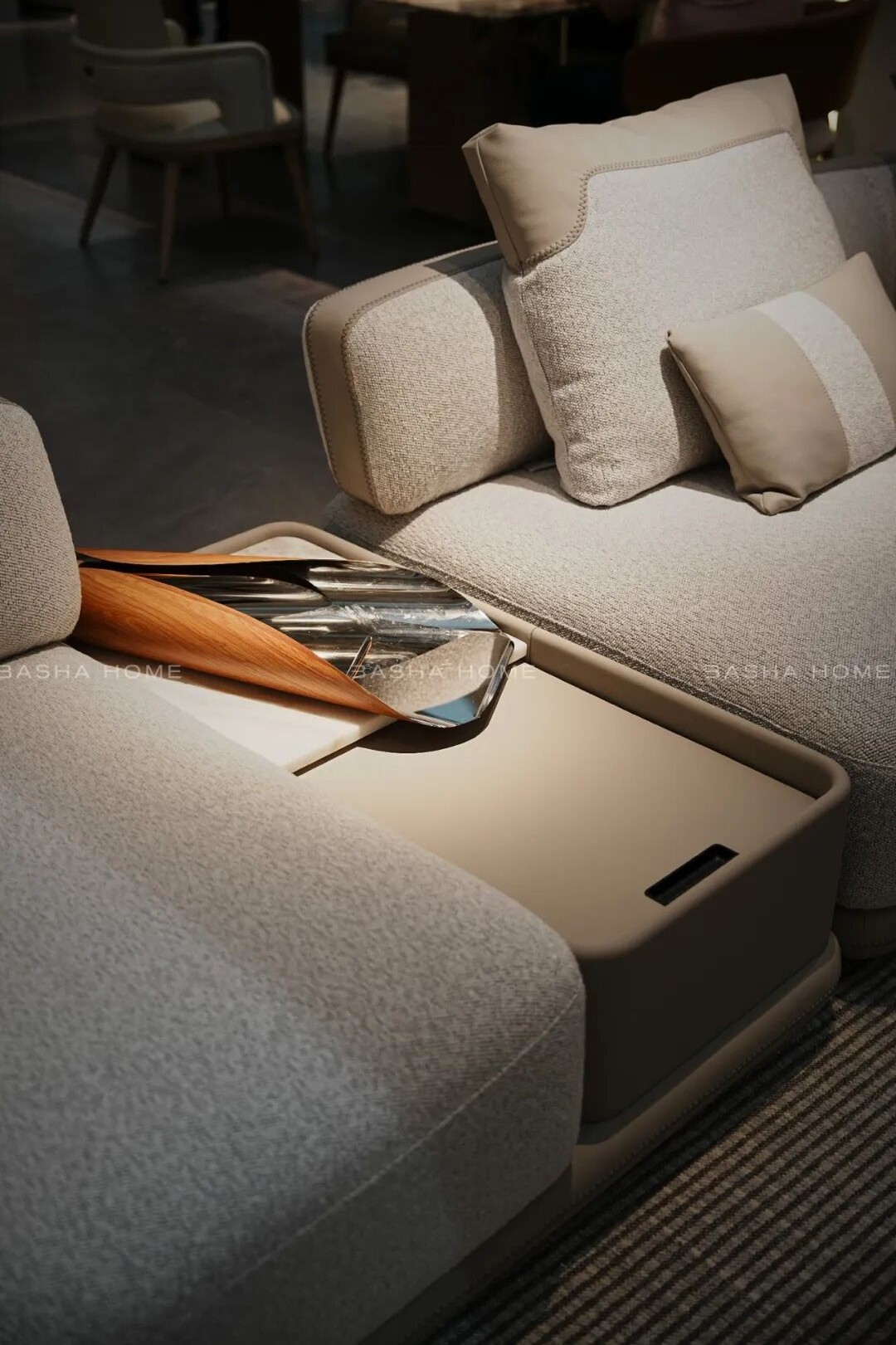
The pieces developed the brand’s established approach to mixed materials, bringing together veined natural stone, supple leather, enveloping upholstery and restrained metallic details.
Rather than treating these materials as isolated decorative statements, the collection uses contrast to establish balance: hard surfaces are offset by softness, while polished accents are contained within warm, tactile compositions.
Several pieces incorporate modular elements, allowing them to adapt to different rooms and patterns of use. This flexibility gives the collection a practical dimension beneath its more luxurious surface language.
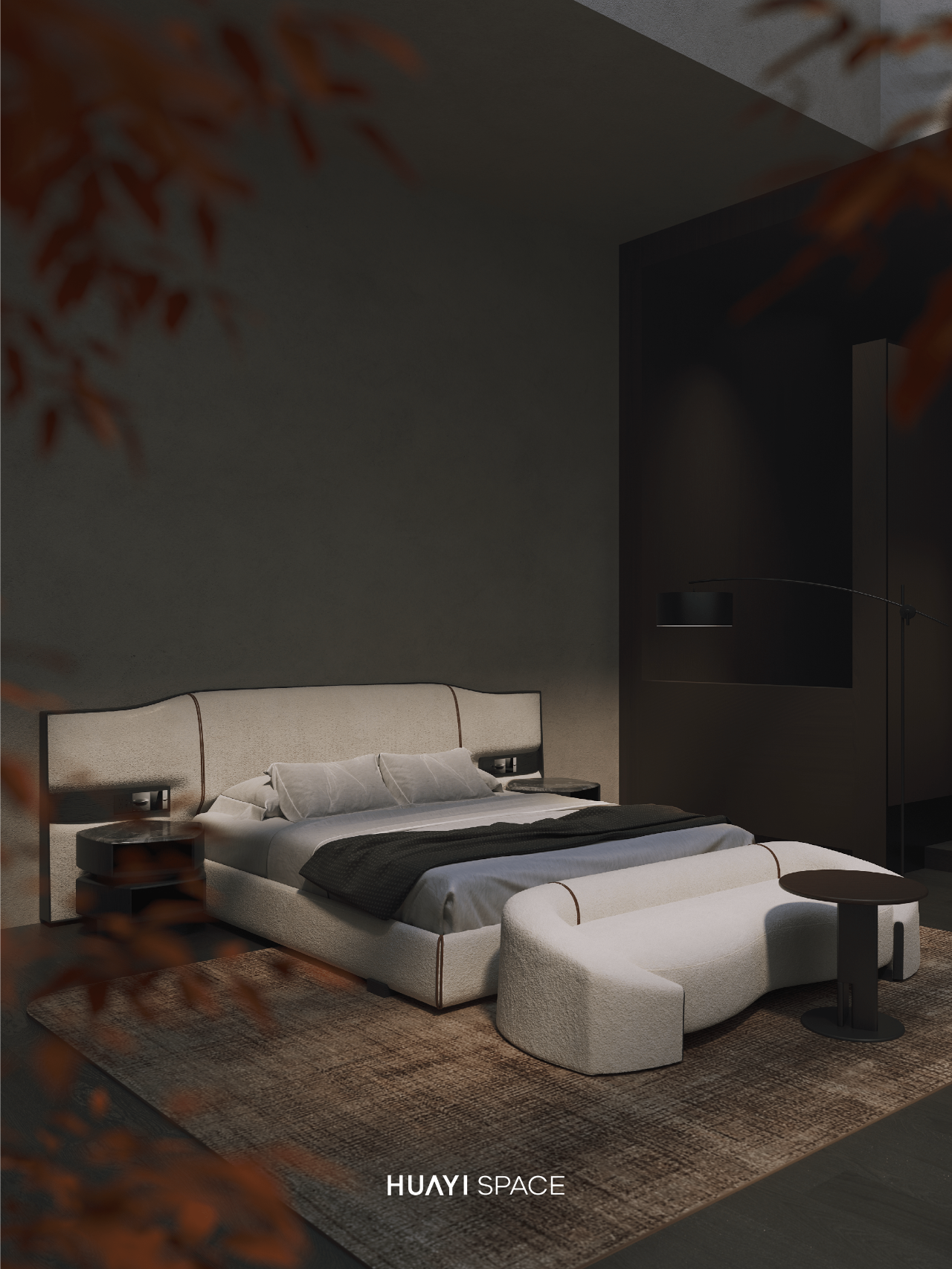
10. HUAYI SPACE
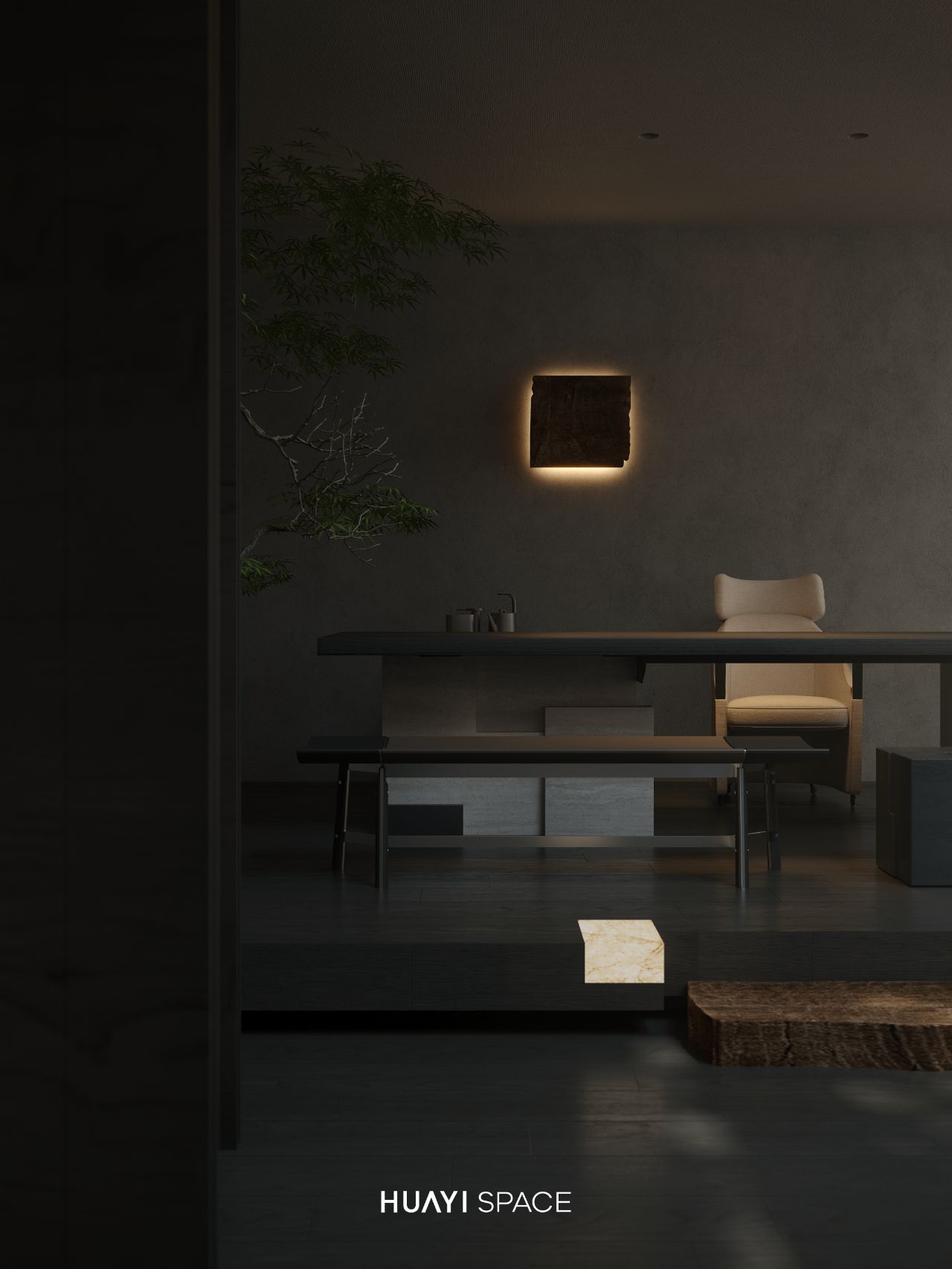
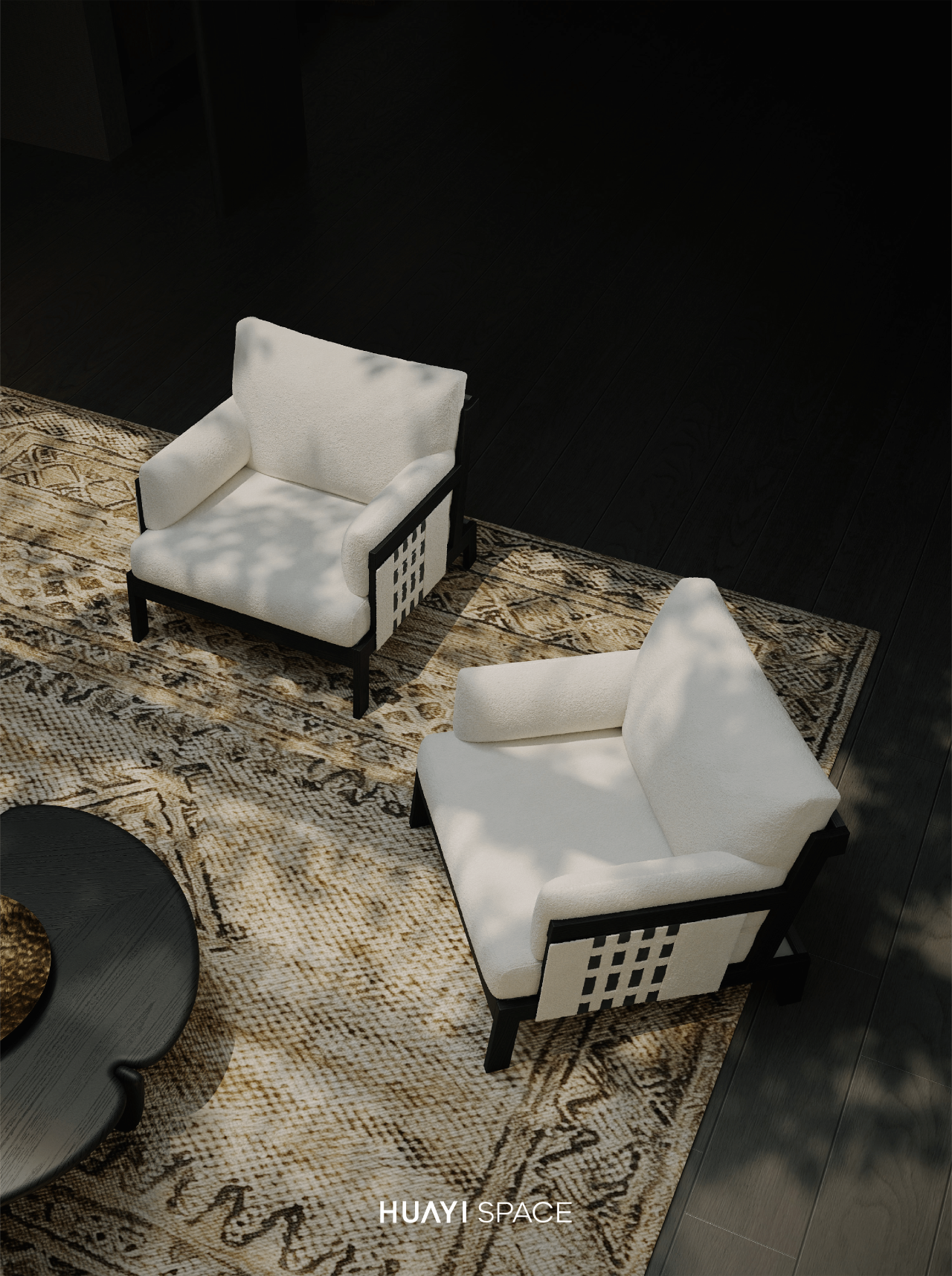
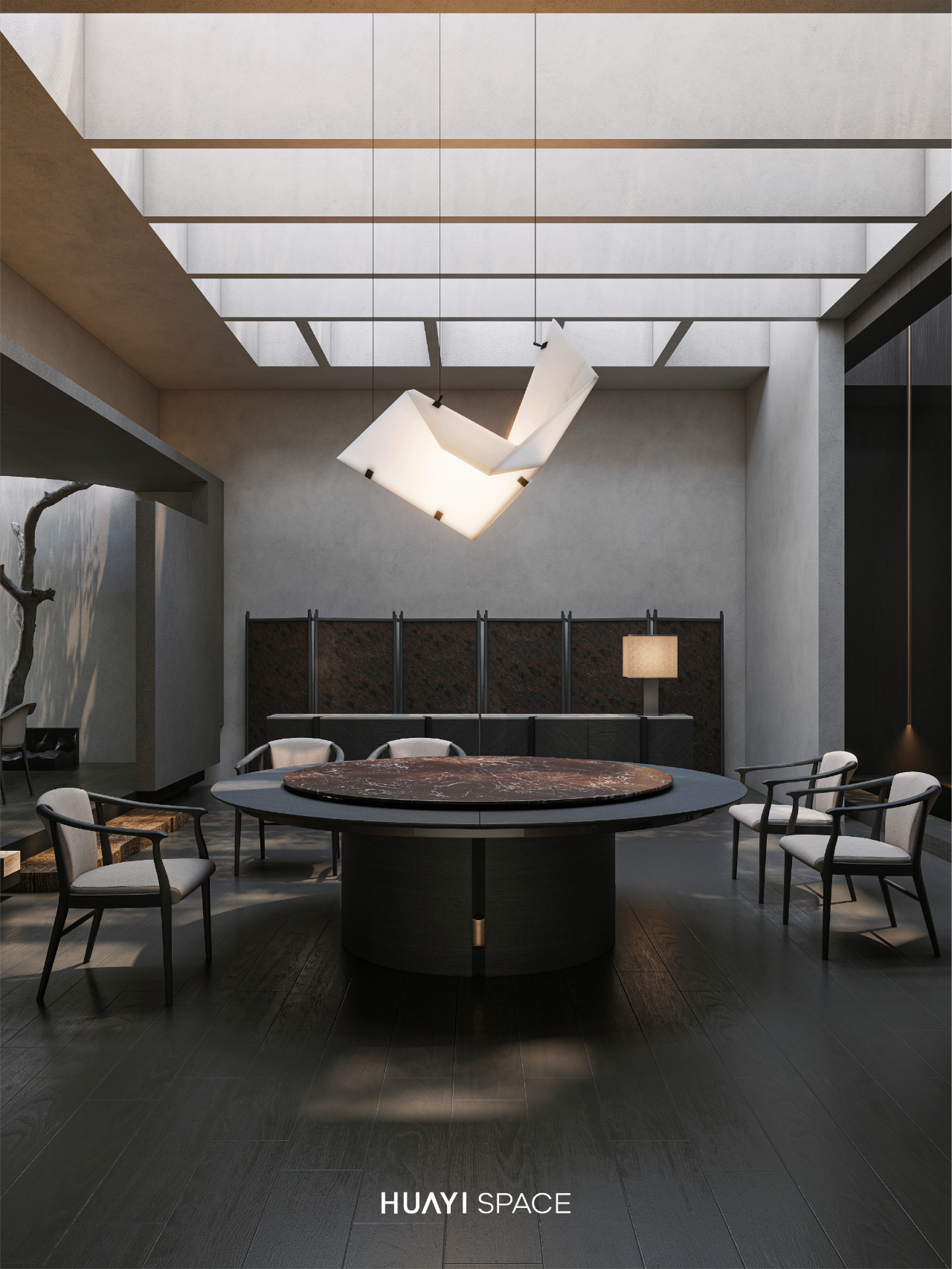
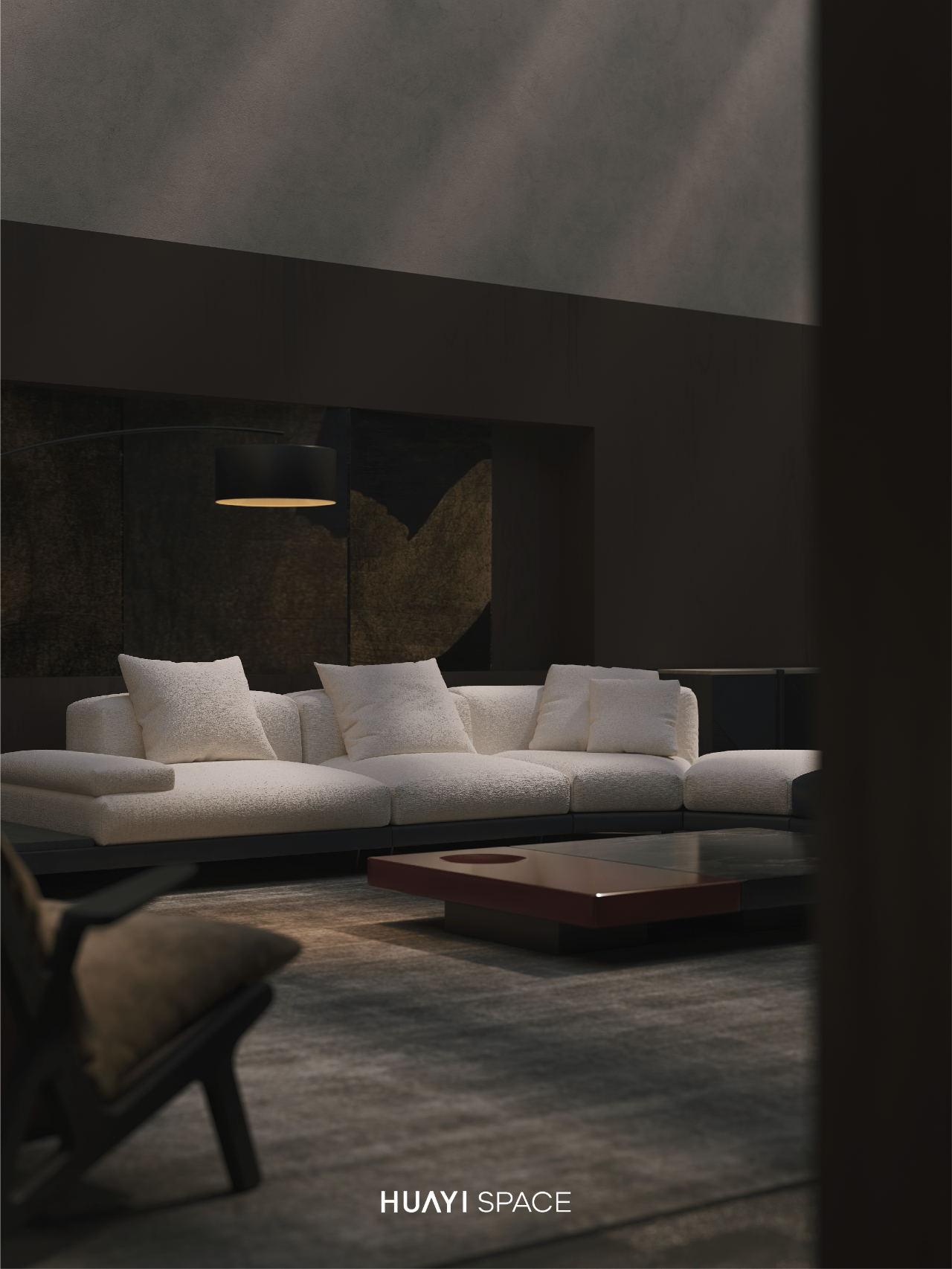
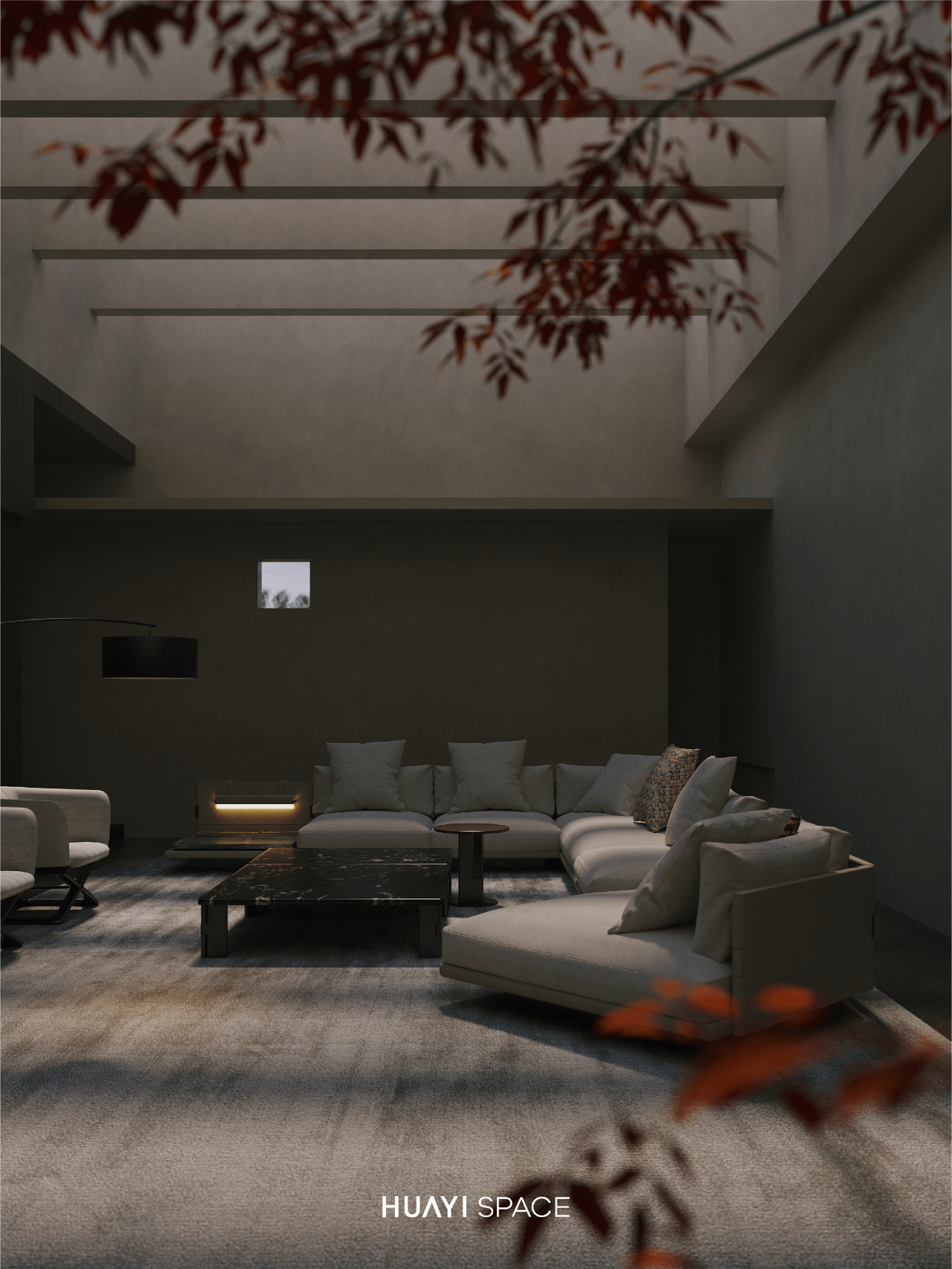
HUAYI SPACE staged the global launch of its fall/winter 2026 collection alongside The Power of Time 12h, a series informed by the ancient Chinese system of dividing the day into twelve two-hour periods.
The presentation unfolded as a sequence of domestic scenes shaped by changing light and daily ritual.
It opened with the Ying entrance console, whose silhouette references the welcoming pine trees of Huangshan. Around the corner, a morning tea room featured the Qianjibian multifunctional tea table, informed by the mechanical ingenuity associated with ancient Mohist engineering.
In the dining area, the brand’s self-developed Imperial Dining Table incorporated remotely controlled rotation and height adjustment, introducing a subtle element of interaction into the shared meal.
Several upholstered designs explored traditional forms of sitting. The Xi sofa takes its name and conceptual starting point from China’s historical culture of mat-level living, with loose back cushions that can be repositioned freely.
The Zhen sofa incorporates a concealed sliding mechanism within its backrest, allowing the seat depth to be adjusted. The lightly enclosed Nuo sofa offers a more informal, daybed-like posture, while the Folding Screen sofa reinterprets the frame of a traditional Chinese screen and integrates a movable light source.
The Xi wide-headboard bed similarly recalls the historical use of bedside screens for shelter and spatial enclosure. Artworks and handmade objects in lacquer and intangible-cultural-heritage Xiangyun silk completed the setting, bringing a sense of craft, memory and accumulated time to the collection.
Watch the video:
