







Few architects articulate the emotional and social power of the built environment as compellingly as Ole Scheeren. As the principal of Büro Ole Scheeren, his work moves fluidly between continents and scales, reshaping cities through architecture that is as much about human experience as it is about form.
From landmark cultural institutions to some of the world’s most ambitious corporate headquarters, Scheeren’s projects challenge conventional typologies and propose new ways of living, working and connecting within the city. Currently leading major developments including Tencent Helix, the technology giant’s new global headquarters in Shenzhen, Scheeren continues to expand the role of architecture as a narrative force.
As a key speaker at BODW 2025 in Hong Kong, Scheeren shared his insights about Tencent Helix and how global architecture can redefine urban life. This conversation continued in a lively exchange with Iko In, Creative Home’s Founder and Publisher, on cities, storytelling and the possibilities embedded in space.

CH: When you start a project today, what’s the first human moment you try to design for?
OS:Before there is form, there is fiction. Every project begins with a story, which we uncover by exploring a set of questions about who will inhabit the space, how their paths will intersect, and what role the project will play within the broader context of the city. For me, architecture is more than a functional construct – it creates frameworks for individual and shared experiences, connections, and memories. Therefore, in my work, form always follows fiction.
CH: Do iconic forms come early in your process, or do they emerge after solving functional challenges?
OS:Form is the result of a complex process. What appears iconic actually emerges from solving specific challenges, whether social, spatial, cultural, or experiential. Working across the world compels us to constantly navigate between contexts, translating local conditions into global ideas, and vice versa. The forms that arise are condensed reflections of the complexities, frictions, and collaborations that result in particular aesthetics.
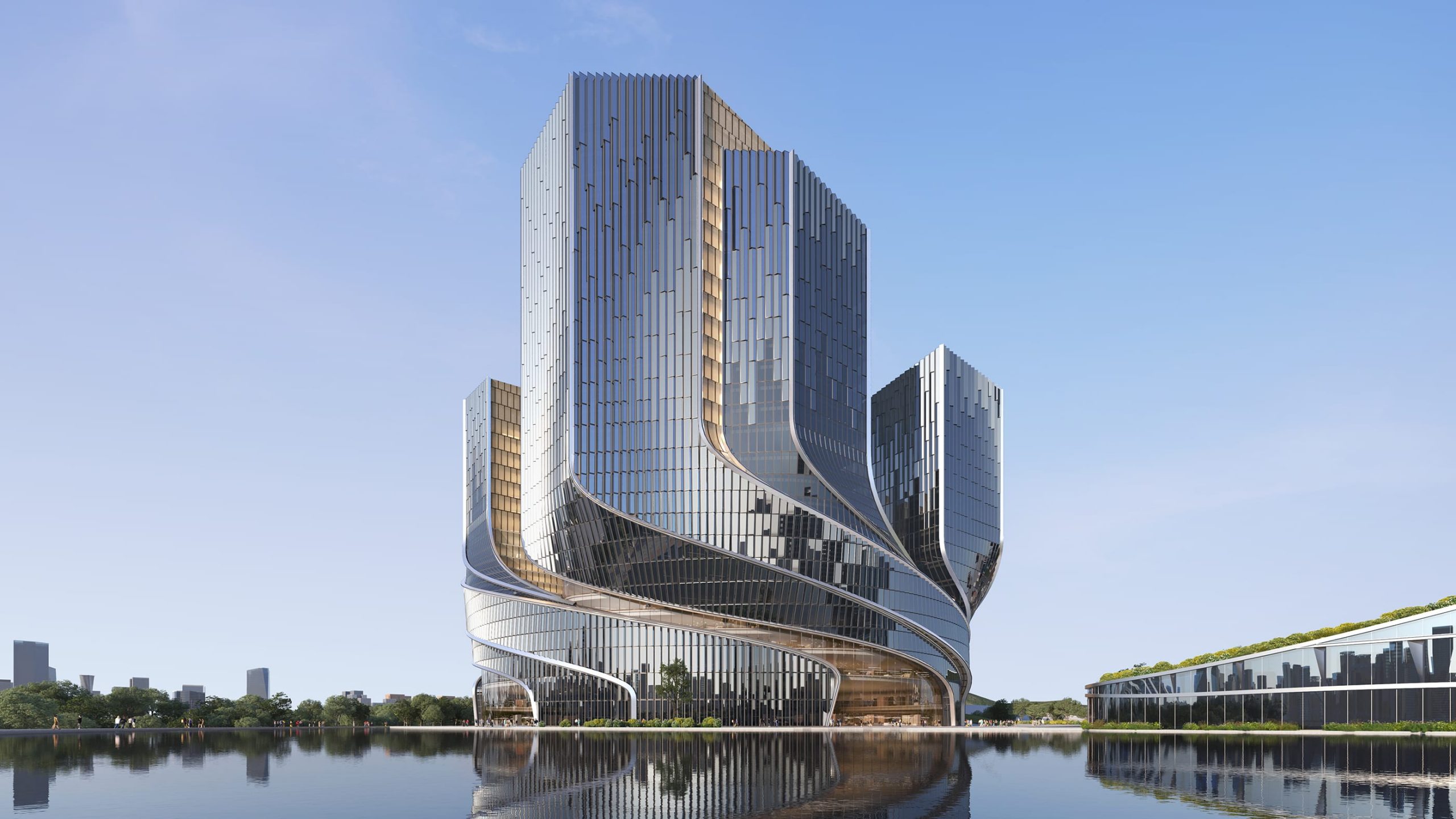
Tencent Helix
CH: What is one thing Asian cities are doing right — and one thing they must rethink urgently?
OS:Asian cities are at the forefront of global urban transformation. Their economic dynamism and leadership in technology have pushed them to develop bold new models of urban life. Yet this rapid evolution also demands reflection. The challenge lies in how we balance growth with connectivity, and how we create architecture that accommodates the special relationship between inhabitants, visitors, and the surrounding urban context.

CCTV
Architecture needs to take on an active role, bridging global influences with local narratives and translating development into real spaces that nurture community and memory. As we enter the era of AI and hyper-productivity, we must remember that urban growth is not only about building more, higher, or faster – we must build for resilience and adaptability, designing sustainable spaces that evolve with changing needs over time.
CH:Which project completely surprised you, and what was the turning point?
OS:The scale of Shenzhen Wave, our design for ZTE’s new headquarters in Shenzhen, still inspires me. Its vast floor plate is roughly the size of two football pitches. Designing the interior architecture therefore became an exercise in urban planning, with streets and plazas contained within a single structure, like a miniature city.

Shenzhen Wave
Equally, a project such as Fifteen Fifteen by Ole Scheeren in Vancouver allowed us to explore a more intimate dimension – a holistic approach that integrates architecture, landscape, and interiors down to furniture and material detail. It embodies the idea of Gesamtkunstwerk, a total work of art, where space and experience are seamlessly interwoven to create a unified environment that elevates everyday life.
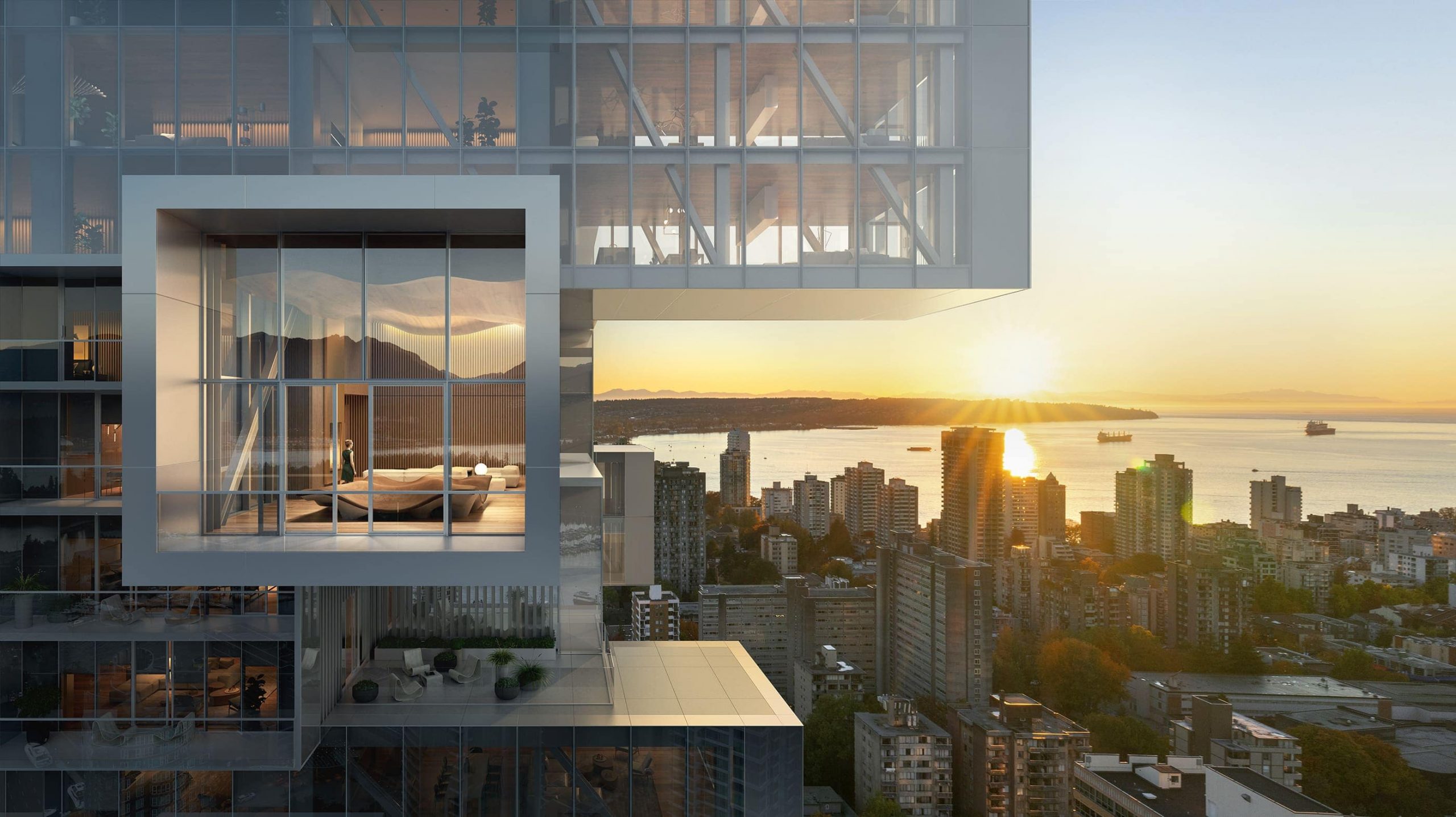
Fifteen Fifteen
CH:What mindset would you share with young designers entering the next decade?
OS: Work hard, invest your time and energy, and dedicate yourself to learning and development – not only about architecture, but about the world and its people. Seek experiences that challenge your understanding of place and identity. I still recall crossing from Hong Kong into Shenzhen in 1992 and immersing myself in what was, for me and for most Westerners at the time, the ultimate unknown: China. I wanted to understand how architecture shapes cities and people across the world. It is vital that you go out and discover your passion through the intensity with which you live and explore.
