







As Creative Director of Moroso, Patrizia Moroso has transformed the family-run Italian brand into a global platform for experimentation, storytelling and creative exchange, championing designers long before they became household names. Guided by an instinctive eye for authenticity and a deep belief in collaboration, Moroso’s collections sit at the intersection of art, craft and industry, reflecting diverse cultures and creative voices from around the world.

In conversation with Creative Home Founder and Publisher, Iko In and Editor-in-Chief Ianie Chong, Moroso reflects on choosing collaborators, balancing artistic freedom with production, and the evolving role of sculptural furniture in shaping how we live.
Q: What qualities do you seek when selecting designers for collaboration?
PM: For me, choosing a designer is never a strategic or purely technical decision: it is an encounter. I look for a form of creative authenticity, a way of seeing the world that is personal, courageous, and not driven by trends. I’m drawn to designers who have a poetic dimension to their work, people who can tell stories through objects.
At Moroso, we don’t ask designers to fit into a predefined aesthetic. Instead, we look for those who expand our horizons: individuals capable of bringing a strong point of view, cultural depth, and a willingness to engage in true dialogue. The human connection is essential: collaboration must be based on trust, generosity, and a shared curiosity.
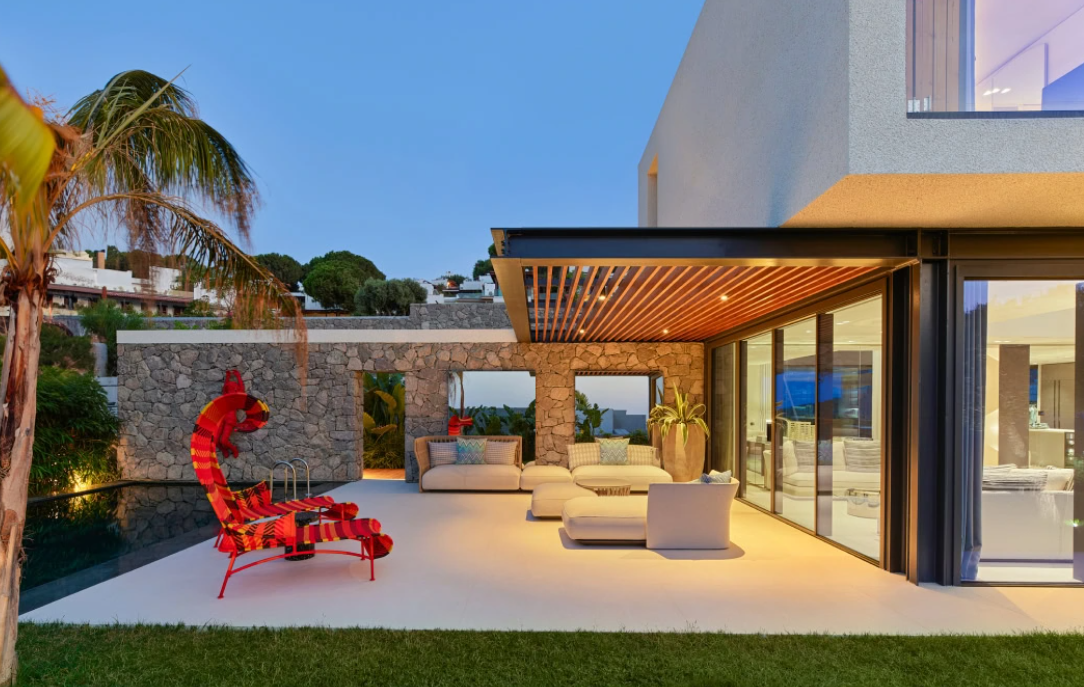
Q: How do you balance artistic expression with industrial capability at Moroso?
PM:Moroso has always lived in the space between craftsmanship and industry. We operate like an atelier with industrial structure behind it. This dual nature allows us to embrace artistic expression without losing the discipline and precision required for production.
The balance comes through conversation. Designers bring their vision, often strong, sculptural, or technically challenging and together with our teams we translate that vision into something that can be produced, loved, and lived with. We never ask designers to compromise their language; instead, we adapt our manufacturing know-how to support it. This is where innovation happens for us: when artistic freedom meets industrial intelligence, generating pieces that feel alive but also functional, reliable, and durable.

Q: How do you see sculptural furniture evolving in the near future?
PM:Sculptural furniture is becoming an increasingly powerful tool of expression in interiors. At Moroso, we have explored this through our Pebble Rubble collection designed by Front Design. At first glance, the pieces resemble large, smooth boulders, solid and imposing, yet they offer unexpected softness and comfort. This contrast between perceived solidity and tactile delicacy creates a surprising, almost magical experience.
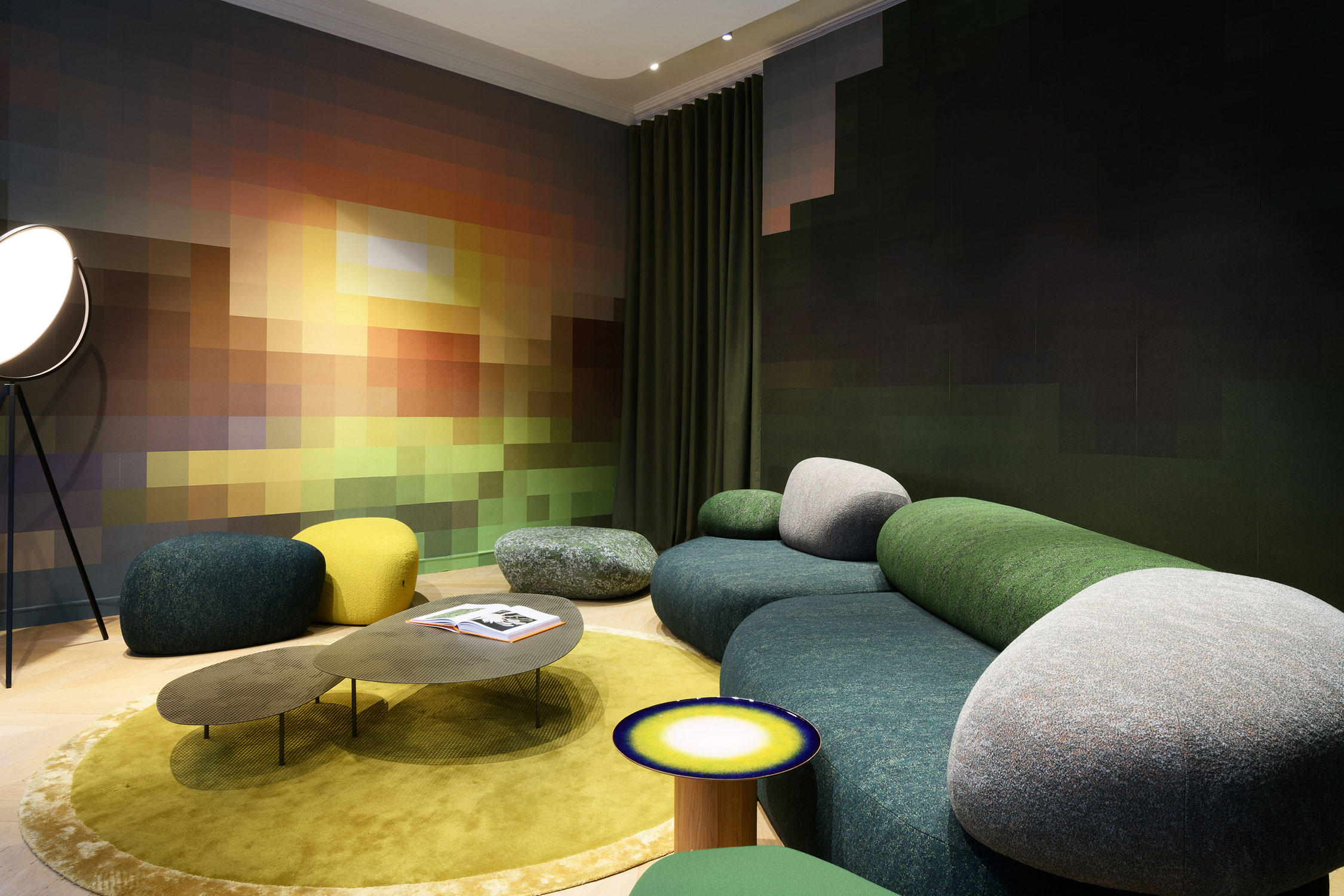
Pebble Rubble by Front Design
Looking ahead, I see two converging directions:
•More organic and tactile forms, evoking natural landscapes and inviting touch, rest, and intimacy;
•A fusion of emotion, narrative, and function, where furniture is no longer just “useful objects” but “inhabitants” of a space, characters that tell stories, evoke memories, and shape atmospheres.
We are also working on a new, highly sculptural project with Front Design that will debut at the upcoming Salone del Mobile. I cannot reveal too much yet, but it will bring a very different and exciting expression to our collection.
Q: Which collaboration unexpectedly shifted the brand’s direction?
PM:One collaboration that truly changed Moroso’s trajectory was with Ron Arad. Years ago, his approach pushed us toward bold experimentation with form and materials: strong volumes, daring geometries, and a language that broke away from traditional upholstered furniture.

Do-Lo-Rez by Ron Arad
Another pivotal collaboration was with Patricia Urquiola. Her vision combines elegance, comfort, material sensitivity, and poetic storytelling. Working with Urquiola taught us that Moroso is not just about producing furniture, but about creating experiences, memories, and sensations. This realization has deeply shaped our identity as a company and continues to inspire the way we approach design today.

Antibody by Patricia Urquiola
Q: What advice would you give designers hoping to collaborate with major furniture houses?
PM:My advice is simple: be yourself, deeply and unapologetically. Companies look for designers with a strong identity, not someone trying to conform to market expectations.
Knowledge of materials, respect for production processes, and the ability to collaborate are essential, but they are not enough. What truly makes the difference is having something meaningful to say, a vision that comes from your own experiences and sensibilities.
Also, understand that collaboration is a relationship. Listen, share, and be open to dialogue. The most successful projects are born from mutual trust and a shared desire to create something that didn’t exist before.

Me-Time by García Cumini
